To Dream a Night, Gently, Through a Glass, Darkly
-
Dates2026 - Ongoing
-
Author
- Topics Social Issues, Contemporary Issues, Fine Art, Documentary
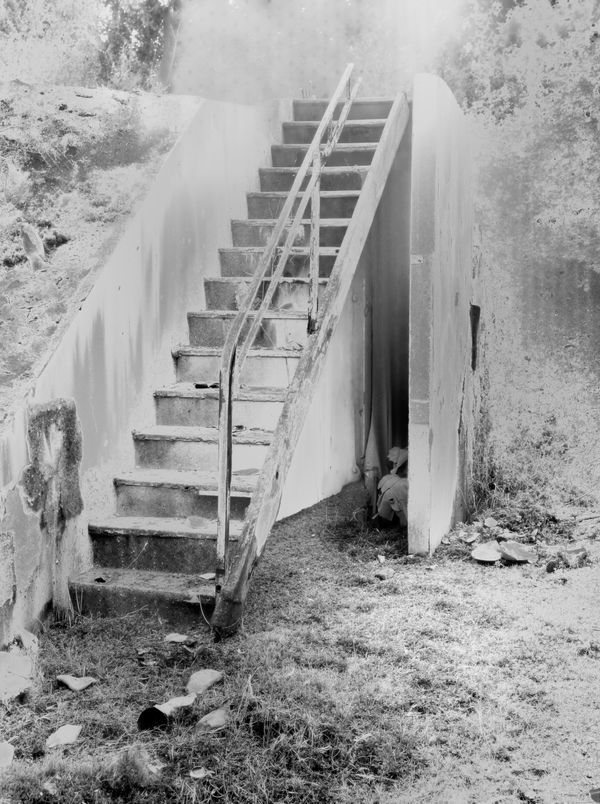
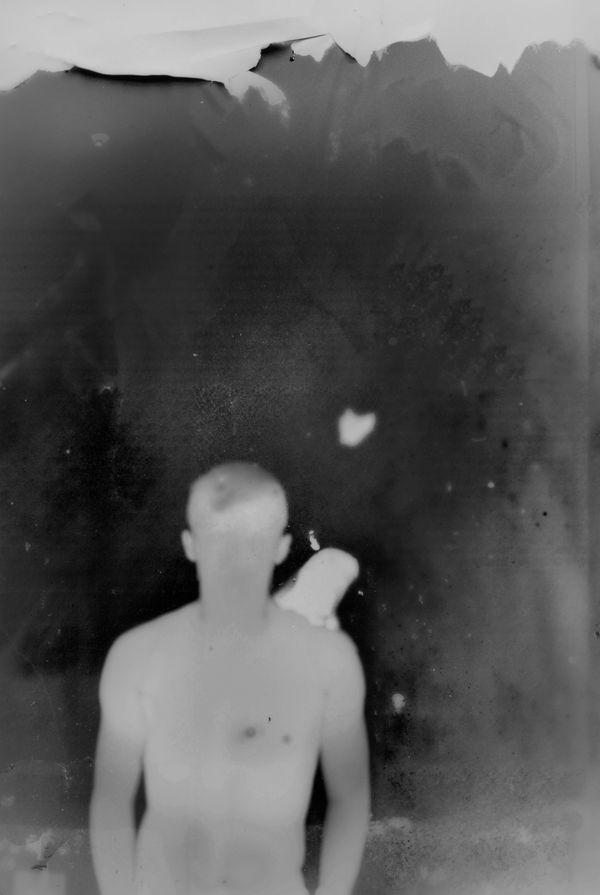
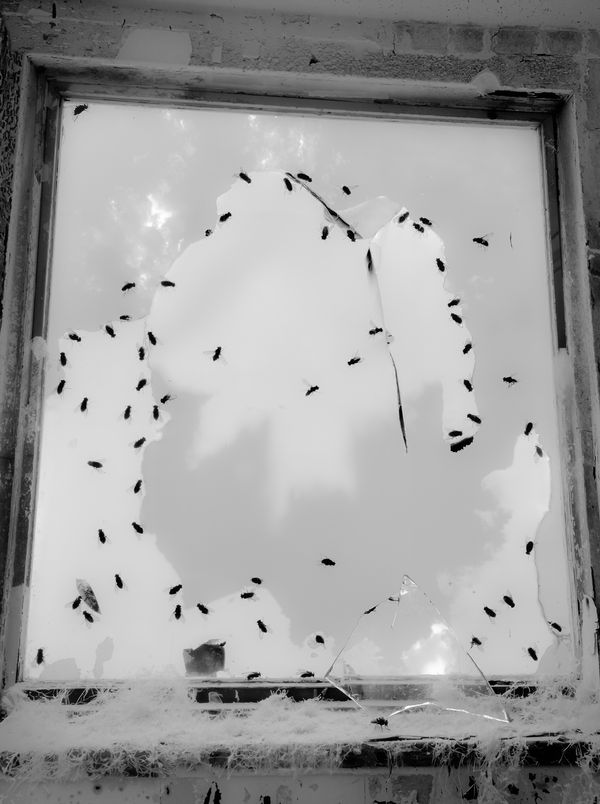
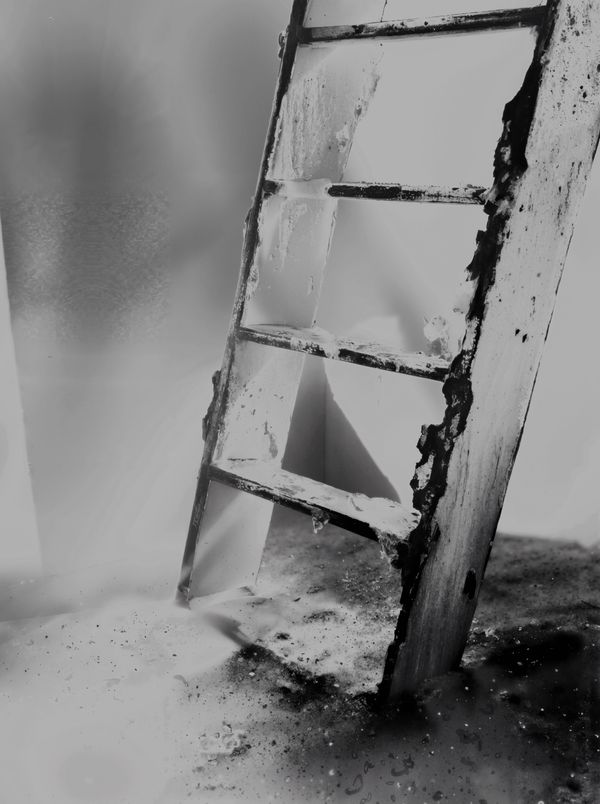
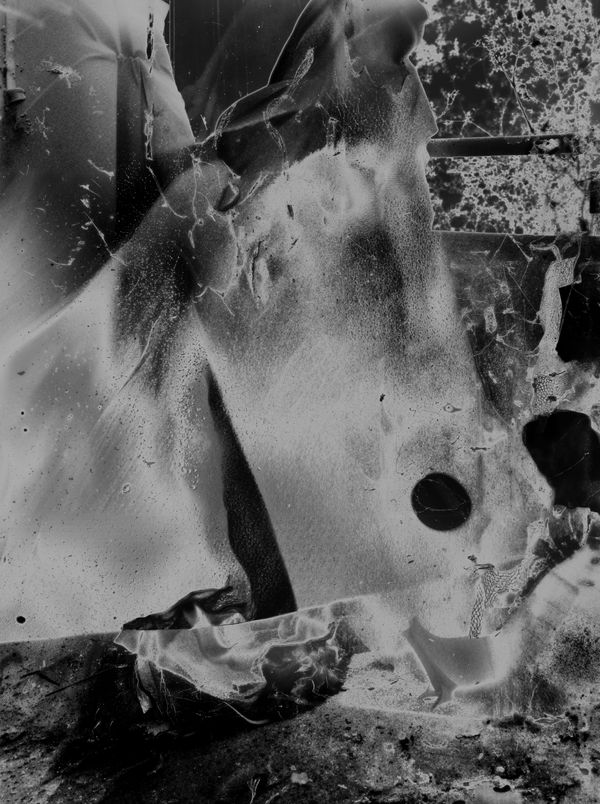
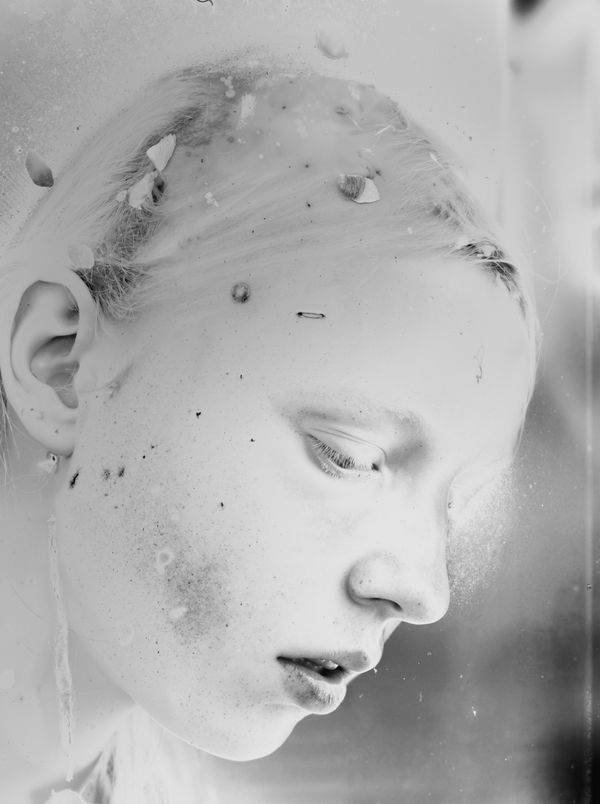
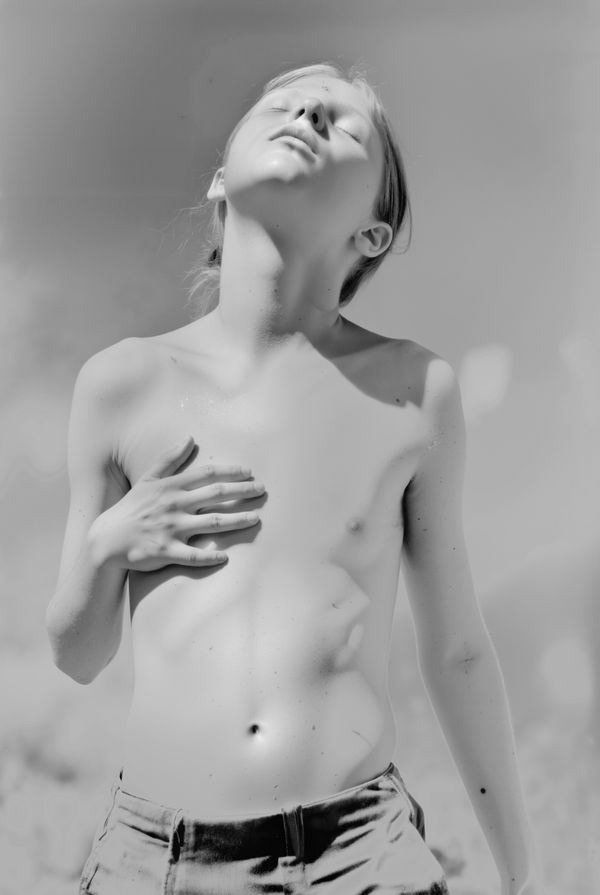
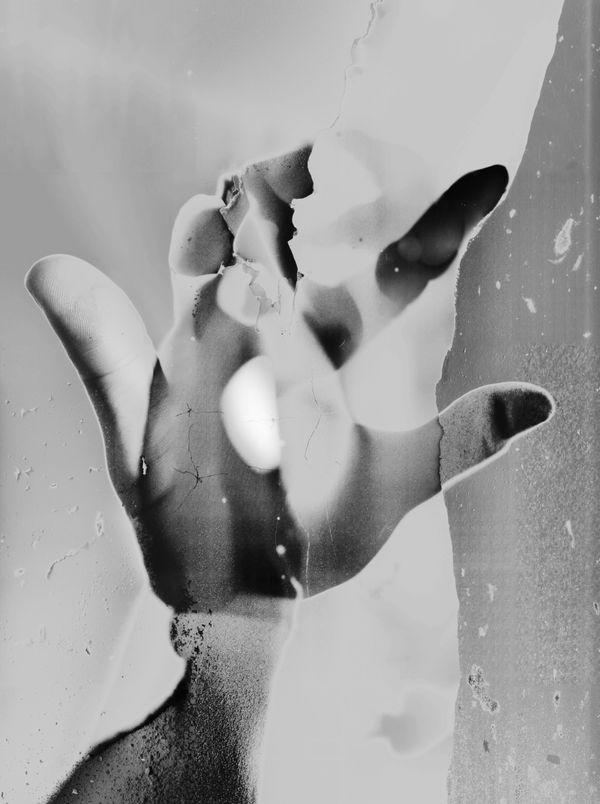
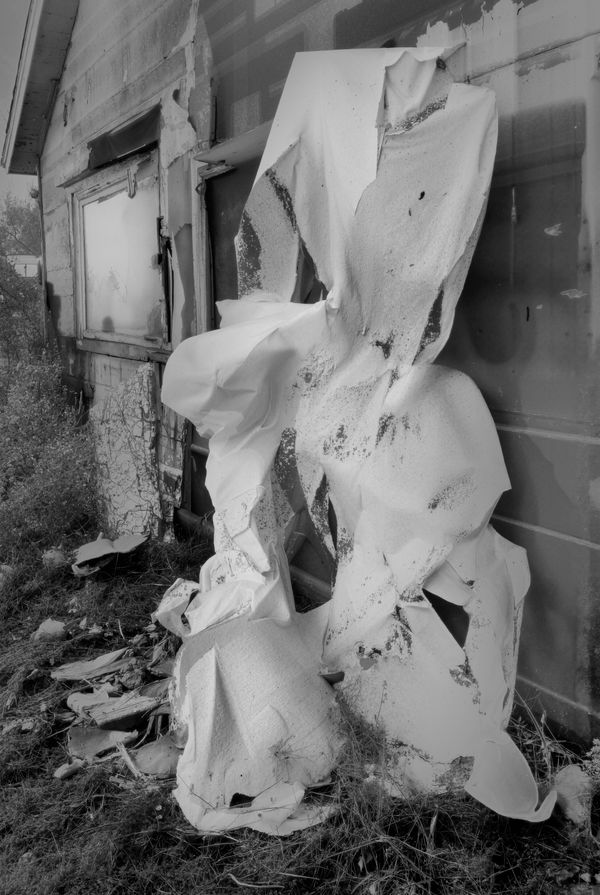
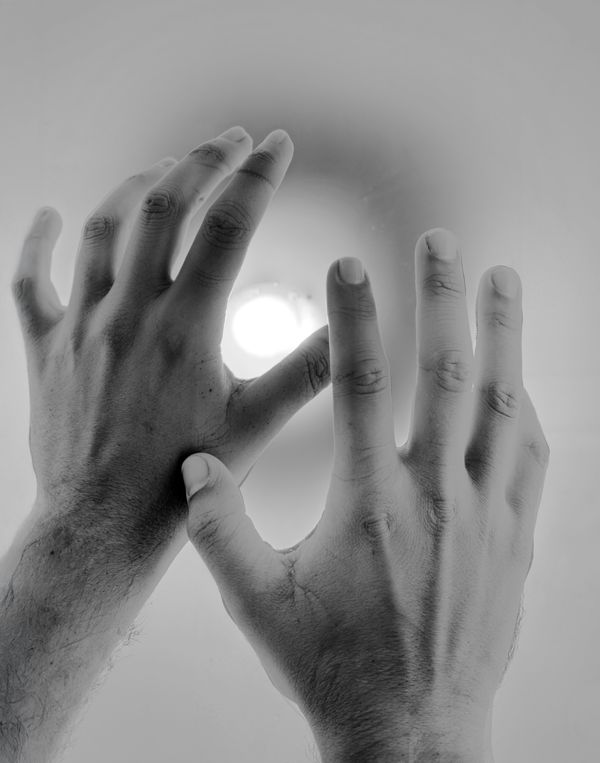
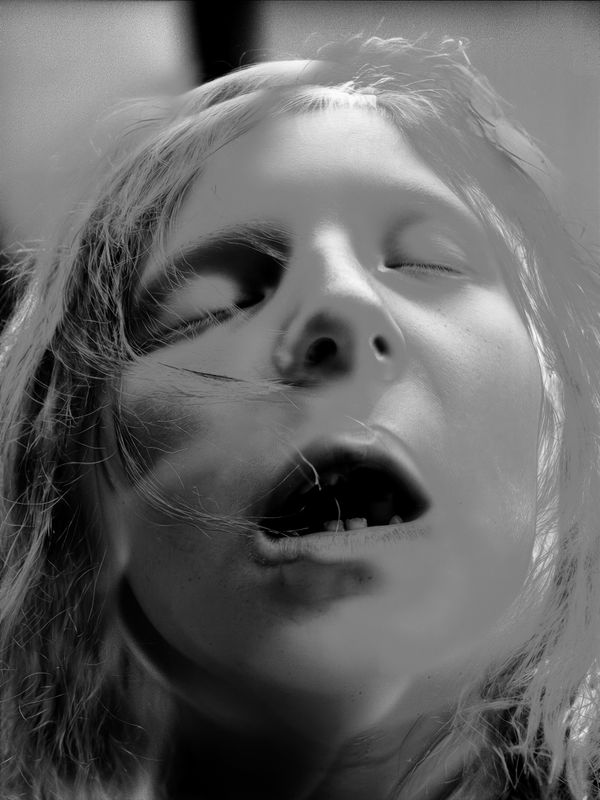
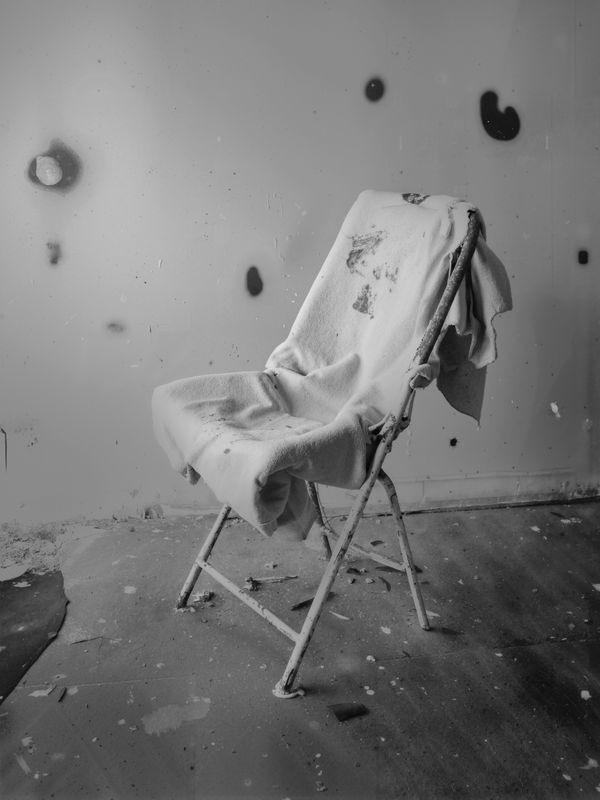
...delves into the fear of losing sight; both literally, through personal risk, and metaphorically, as a loss of vision and a grip on reality.
In the current climate of political, economic, and environmental instability, the future often appears as something foreclosed. The anxiety of “what comes next?” is not only a fear of catastrophe, but a fear that we can no longer visualise any alternative to the systems in which we seem to be trapped. Capitalist structures tied to permanent global conflict, internet cultures built on the extraction of emotion and attention, and the fragmentation of social movements all add to a condition in which imagination itself feels captured. To choose blindness, then, becomes a troubling survival mechanism: a refusal to look, but also a symptom of no longer knowing what else can be seen.
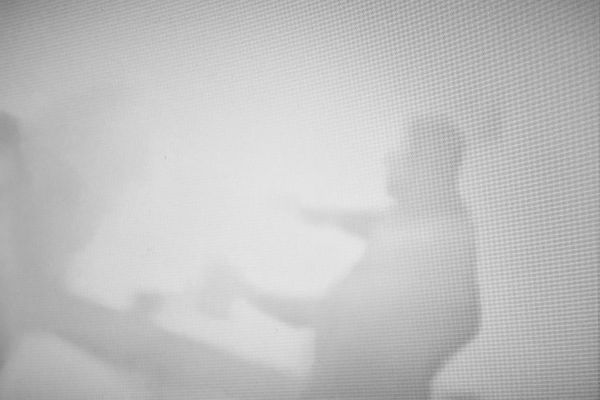
The concept of belief has been radically altered in the age of neural media, prediction markets, and psyops. It no longer rests solely on perception, but functions within a speculative framework in which prediction, rumour, and image can begin to function as truth. Images, stripped of fixed context or singular authorship, circulate and mutate endlessly, shaping and controlling perception. The future is no longer simply imagined; it is forecast, manipulated, aestheticised, and sold back to us as inevitability.
This personal fear of going blind becomes a lens through which to consider a wider social condition: a generational anxiety formed by political movements, global power structures, and the apocalyptic narratives which surround them. The work reflects on what it means to be consumed by these forces, from ordinary everyday observations to the calculated manipulations encountered on screens. It asks how much of what we see is chosen, how much is imposed, and how much is endured simply because it has become too exhausting to imagine otherwise.
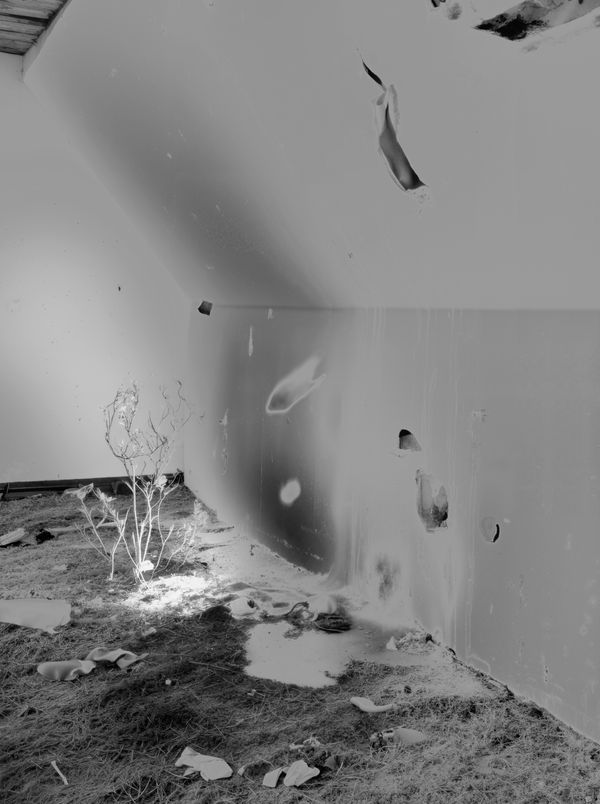
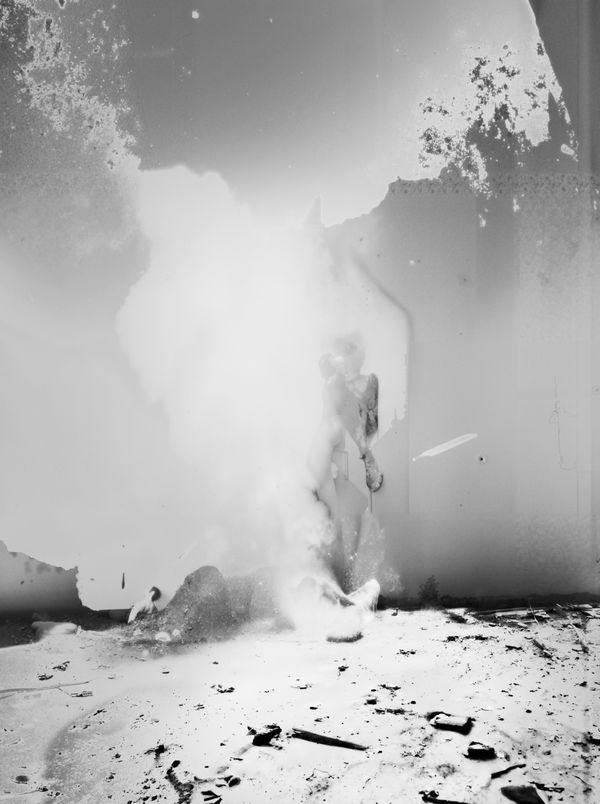
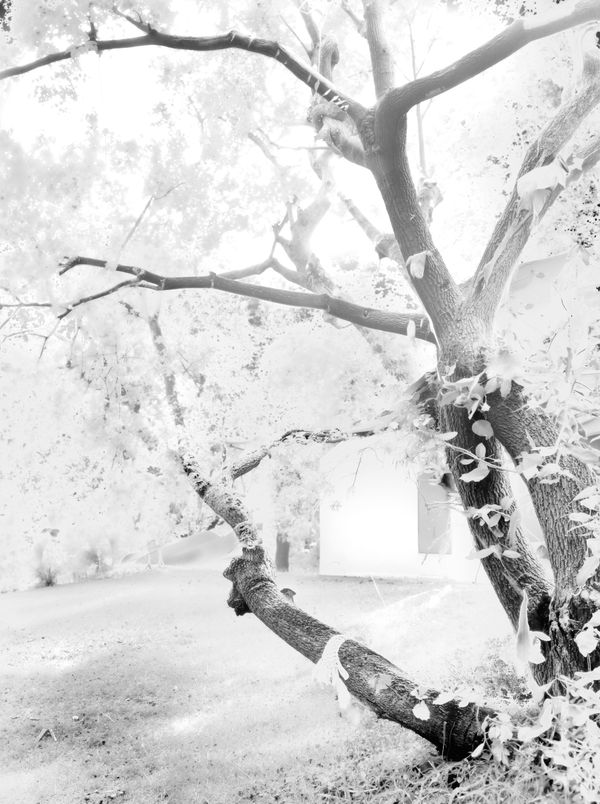
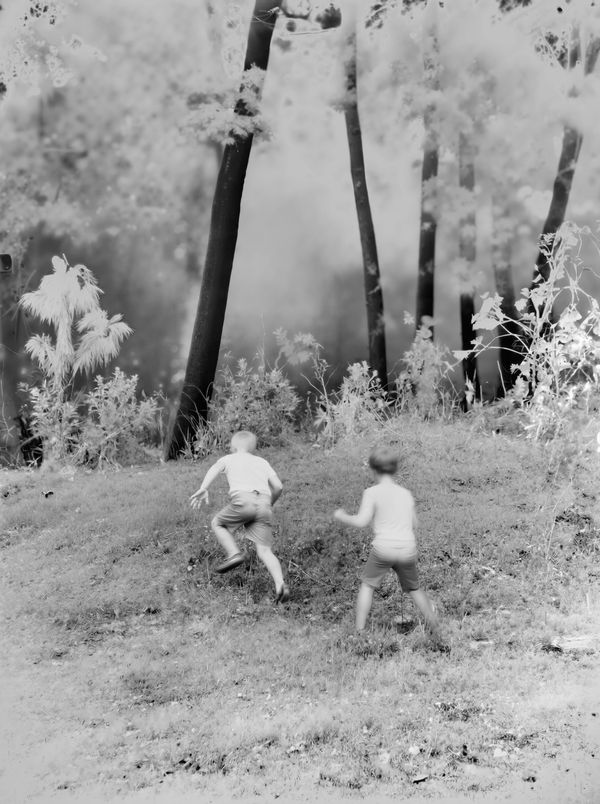
Ultimately, the work is a depiction of witnessing the world: a world in conflict, burning, fragmenting, and in transformation. Within this destruction, beauty still appears, but it is uncertain whether that beauty is genuine or whether it functions as a coping mechanism for blissful ignorance. The project asks how we might see the world as vision itself has become unstable, and whether the loss of sight might also reveal a deeper crisis: the loss of our ability to imagine a different world.
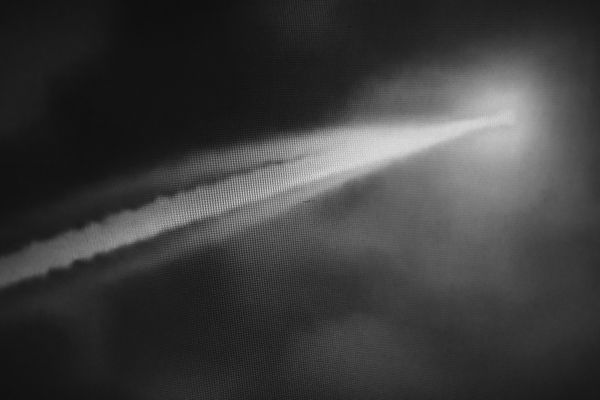
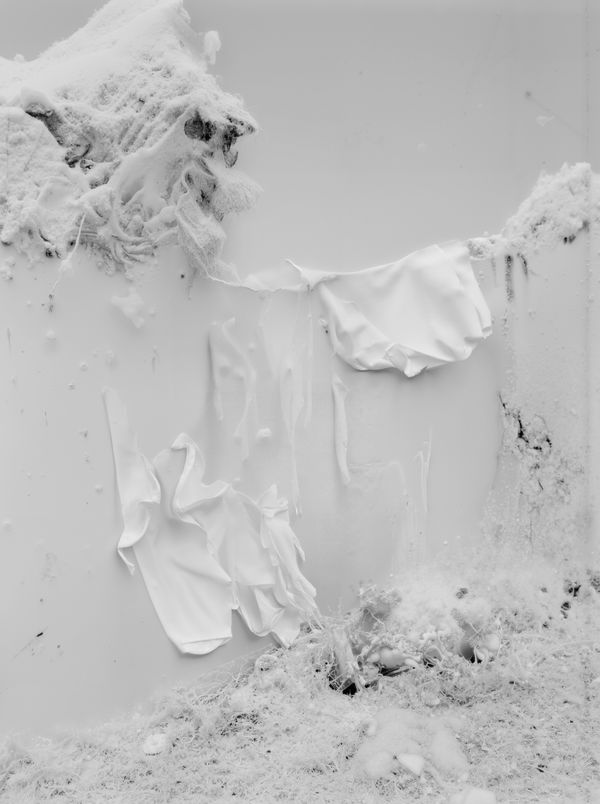
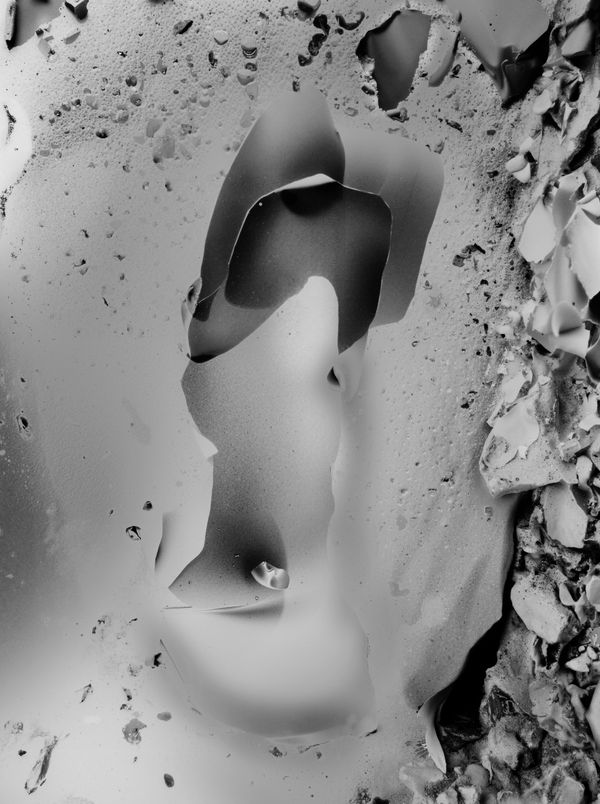
*This work has been created using a multi-model AI workflow and digital collages, as well as rephotographing, AI misinformation campaign footage.