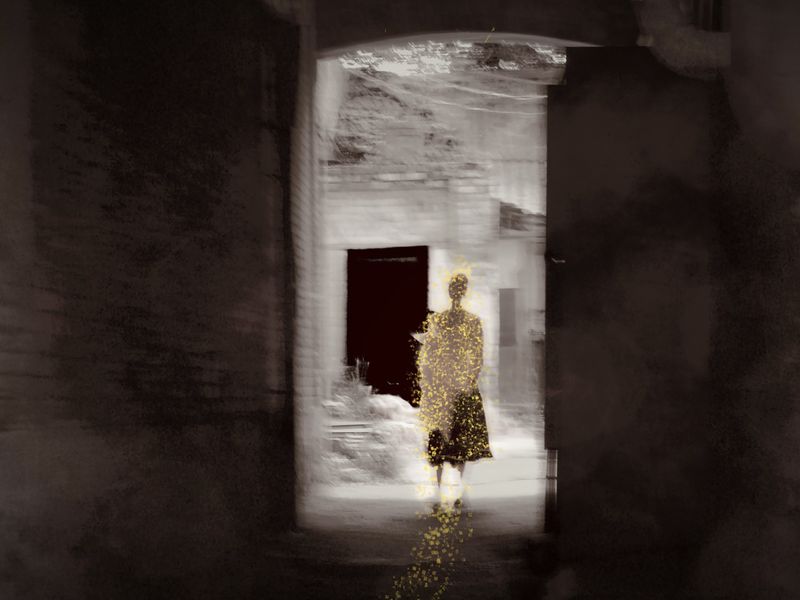
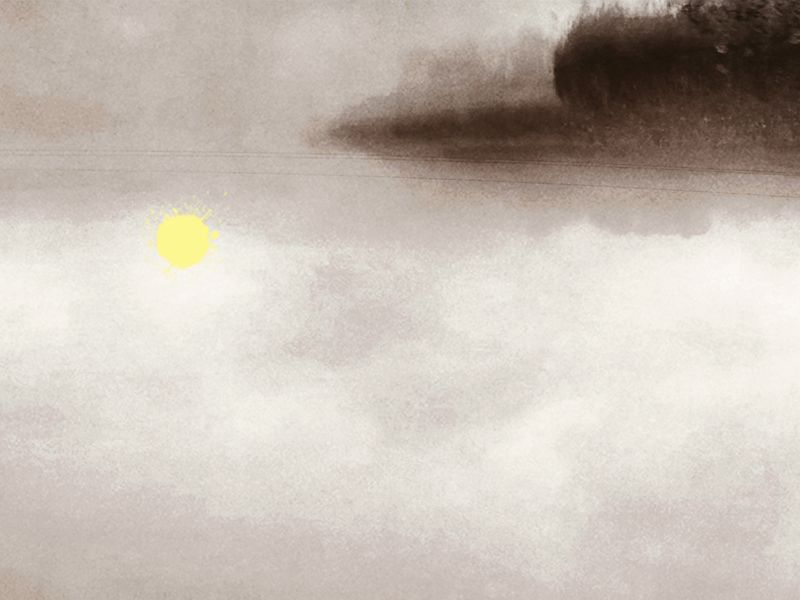
TIME OF HOPES. BURDEN OF HOPES


-
Dates2026 - Ongoing
-
Author
- Topics Fine Art
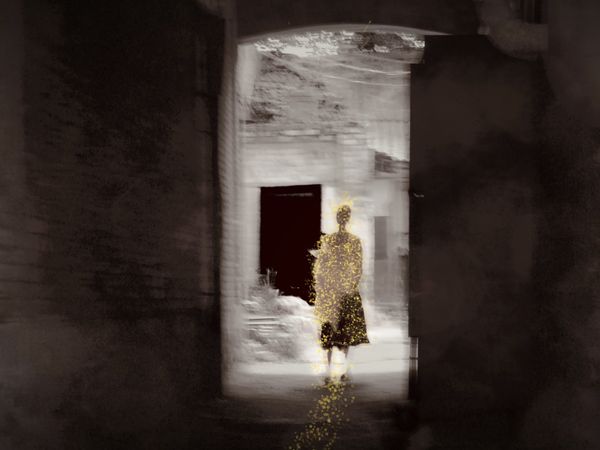
TIME OF HOPES. BURDEN OF HOPES The phrase "time of hope" and "burden of hope" are the same sentence.The meaning doesn't change. Only the one who utters it changes.
TIME OF HOPES. BURDEN OF HOPES
Author: Elena Akulova
Time flows and presses simultaneously: seconds settle on our shoulders like wet sand. We say "the time of hope," as if hope were as light as spring. But this is an illusion. Hope is a molten future that we carry on our shoulders until it hardens.
When you're young, full of strength, or at the beginning of your journey, you call it the time of hope. You say, "I still have everything ahead of me," and it sounds like wings on your back.
When you're halfway there, when fatigue has accumulated, when losses have already been suffered, that same burden is suddenly renamed the burden of hope. "Just a little bit more," "not all is lost"... For someone who is already tired, hope is an extra burden, but it is precisely this that keeps them from falling. For those still breathing, it's the only burden worth bearing.
For one, it's still time worth wasting. For another, it's a burden worth bearing. Therefore, the phrase "time of hope" and "burden of hope" are the same sentence, read first from left to right, then from right to left. The meaning doesn't change.
Only the one who utters it changes.