Tibetan Country Doctor
  • Dates
    2023 - Ongoing
  • Author
  • Location Garzê Tibetan Autonomous Prefecture, China

A long-term project following a rural Tibetan doctor providing healthcare across remote communities in western Sichuan. Moving between villages and monasteries, his work is built on trust, repetition, and long-term responsibility.

Tibetan Country Doctor is a long-term photographic project developed through sustained collaboration with Zhaba Gyatso, a rural Tibetan doctor working across the mountainous regions of western Sichuan’s Garzê Tibetan Autonomous Prefecture.
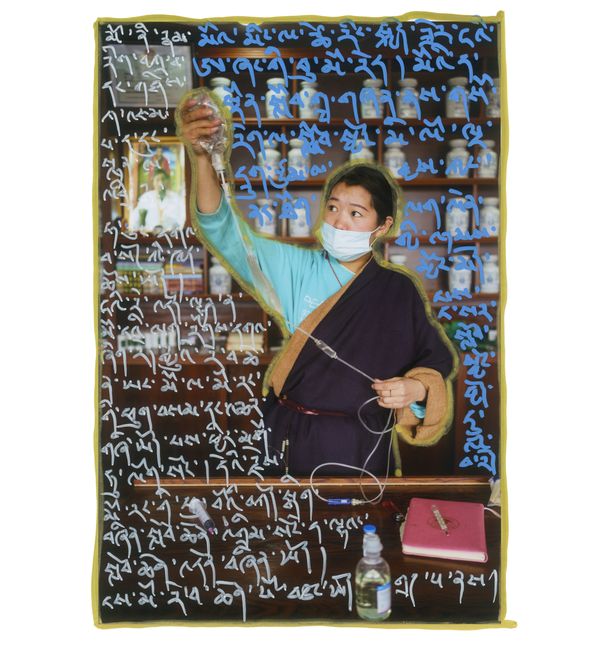
The work takes place across a dispersed landscape of villages, monasteries, and pastoral settlements, where distance, terrain, and uneven infrastructure shape everyday life. In this environment, access to centralized healthcare is inconsistent. While much of China has undergone rapid modernization, regions like this continue to operate at a different pace, where mobility, resources, and access to services remain limited. Communities are separated by geography, and each location functions with a degree of independence. What connects them is not a fixed system, but the presence of individuals who move between them and maintain continuity over time.

Gyatso works as a general practitioner, providing primary care across disciplines including internal medicine, pediatrics, gynecology, and emergency treatment. His approach combines Tibetan medicine, traditional Chinese medicine, and Western practices, applied according to circumstance. He treats conditions ranging from common illness to more serious cases such as tuberculosis or fractures, often without access to diagnostic equipment or specialist consultation. When treatment exceeds what can be managed locally, patients are referred to the nearest hospital, approximately five hours away by car. That journey is not always possible.

His role extends beyond treatment. He also acts as an educator, advising patients on basic health practices, prevention, and long-term care. This information is not always easily accessible in these areas. The exchange happens informally through conversation and repeated visits, becoming part of how knowledge circulates within the community.

The project follows this reality through sustained observation. Patients return over time, and familiarity builds through repeated contact. Medical decisions are shaped not only by clinical knowledge, but also by an understanding of distance, cost, and the limits of access. Care develops within these constraints and is adjusted to what can be maintained across time rather than what is ideally prescribed.

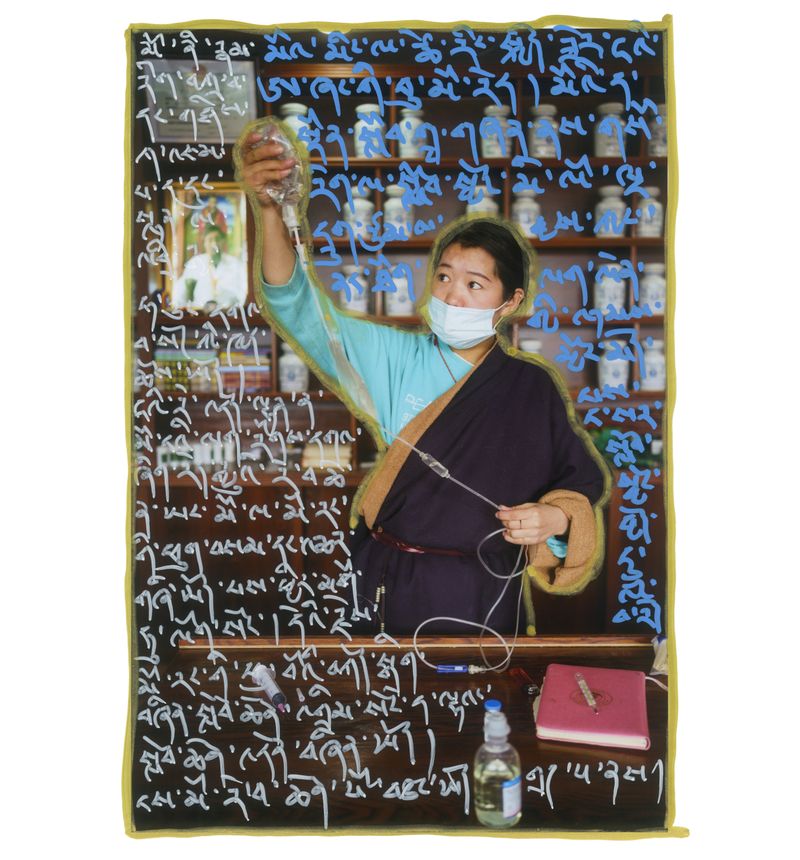
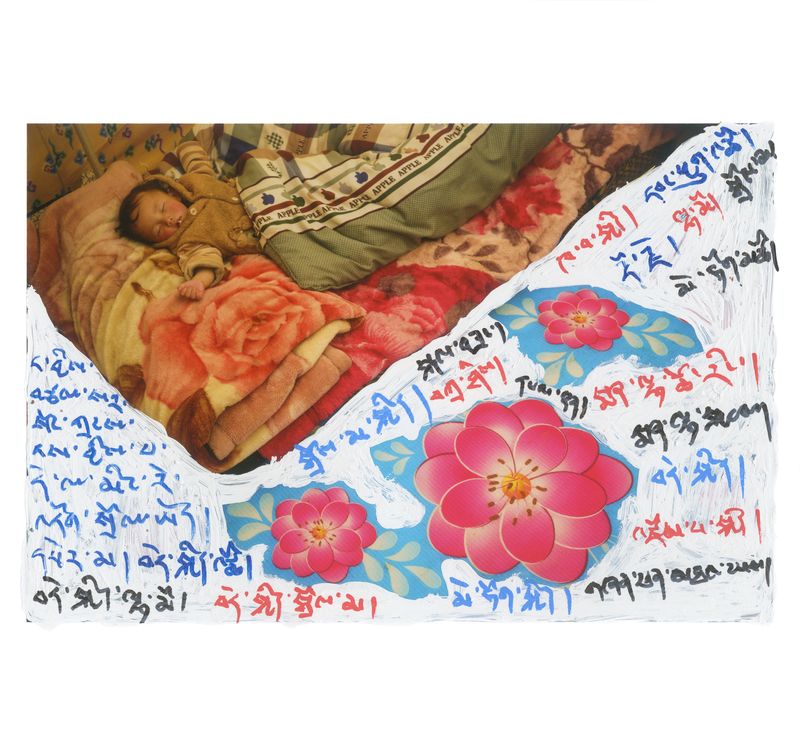
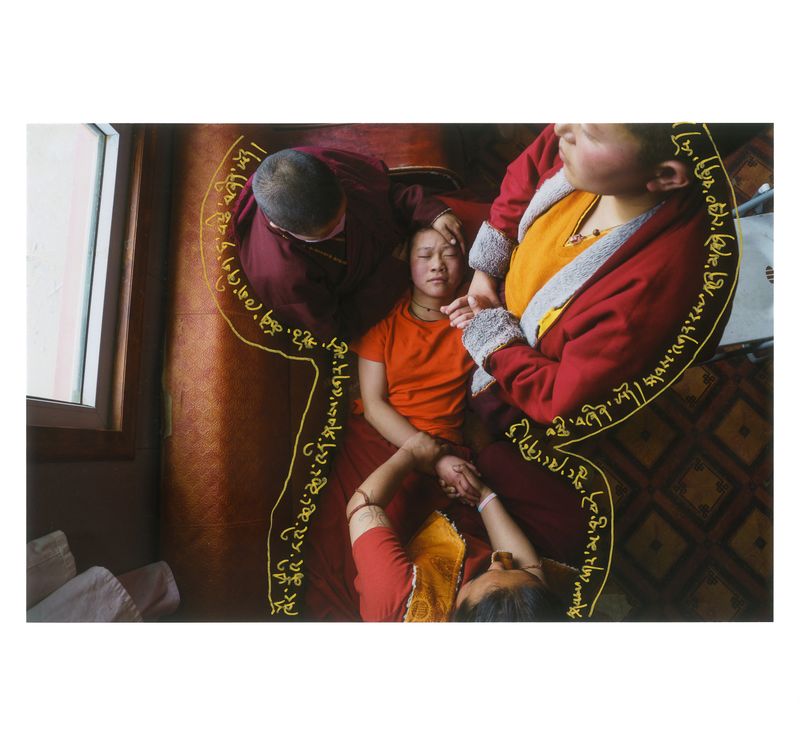
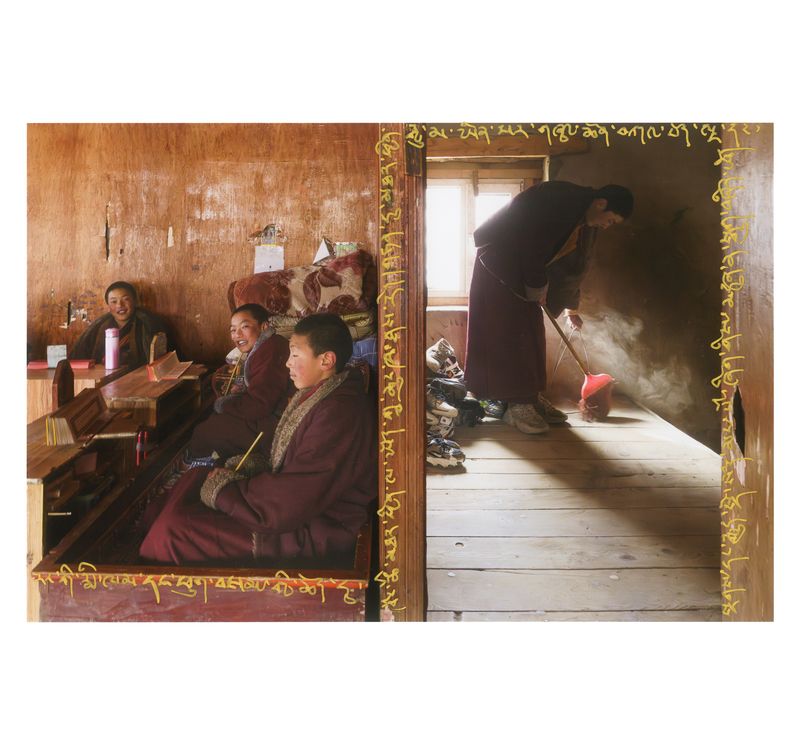
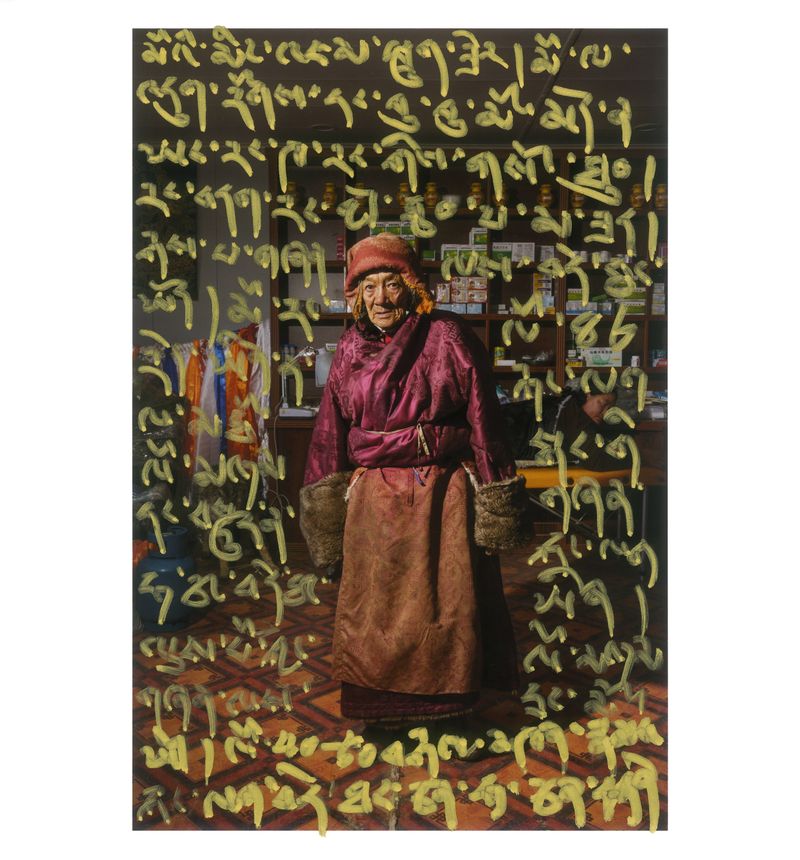
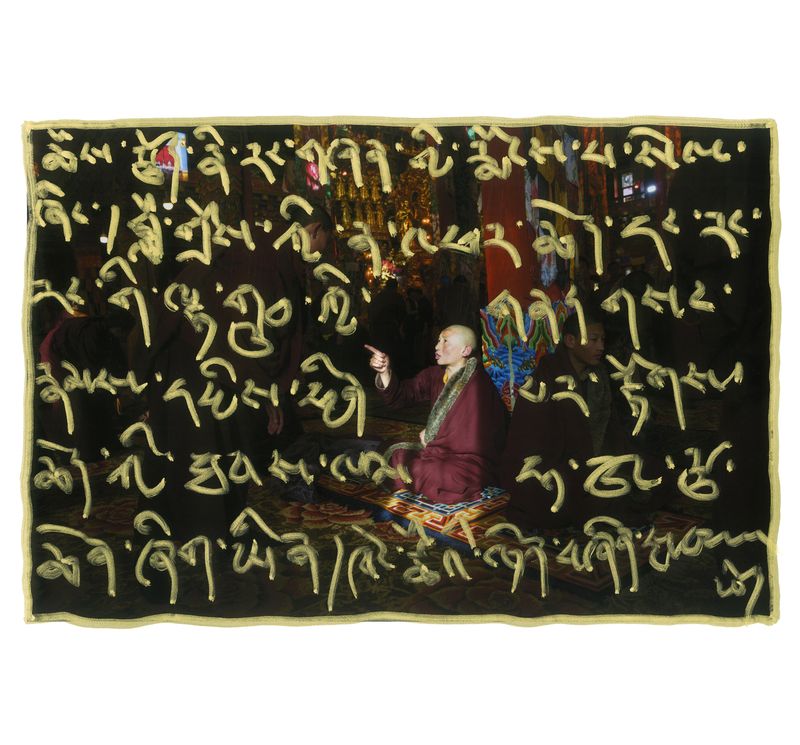
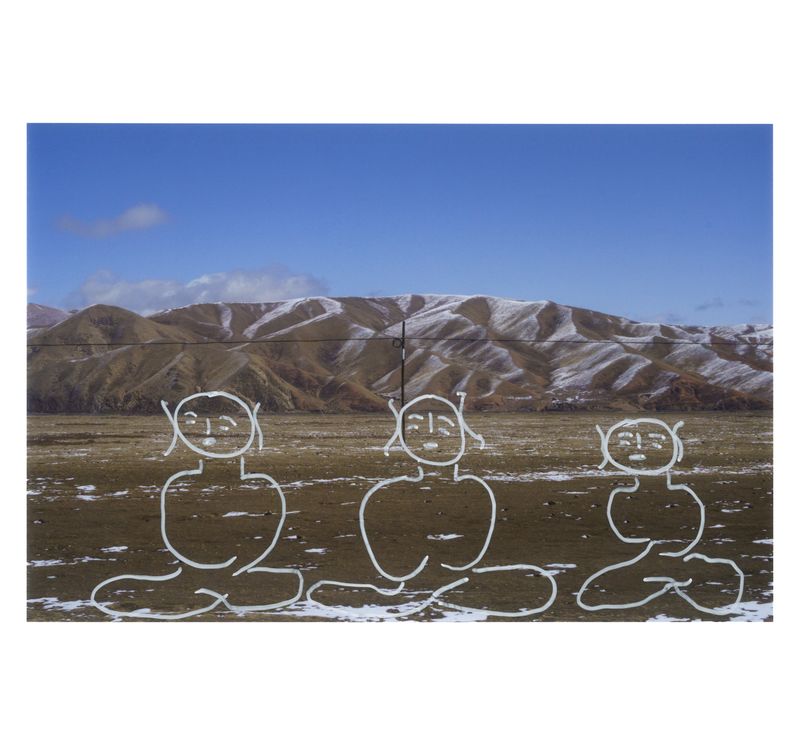
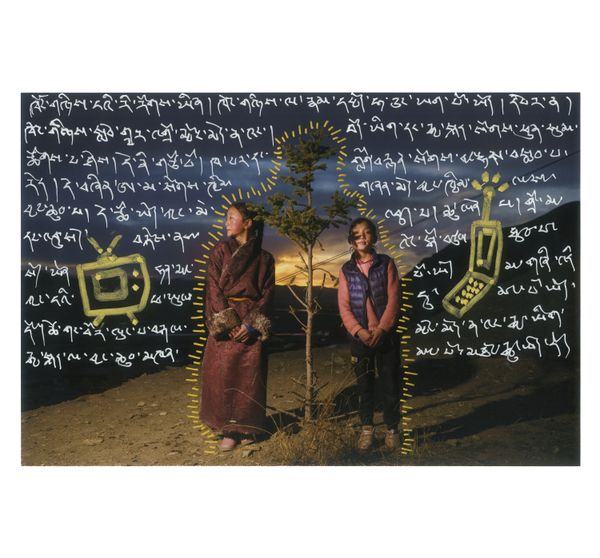
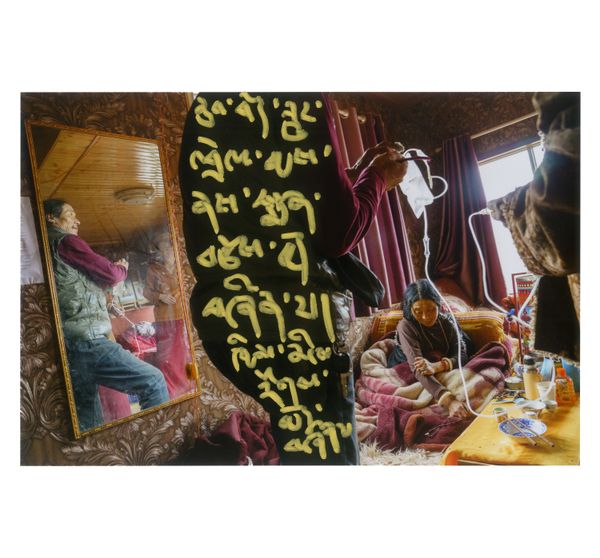
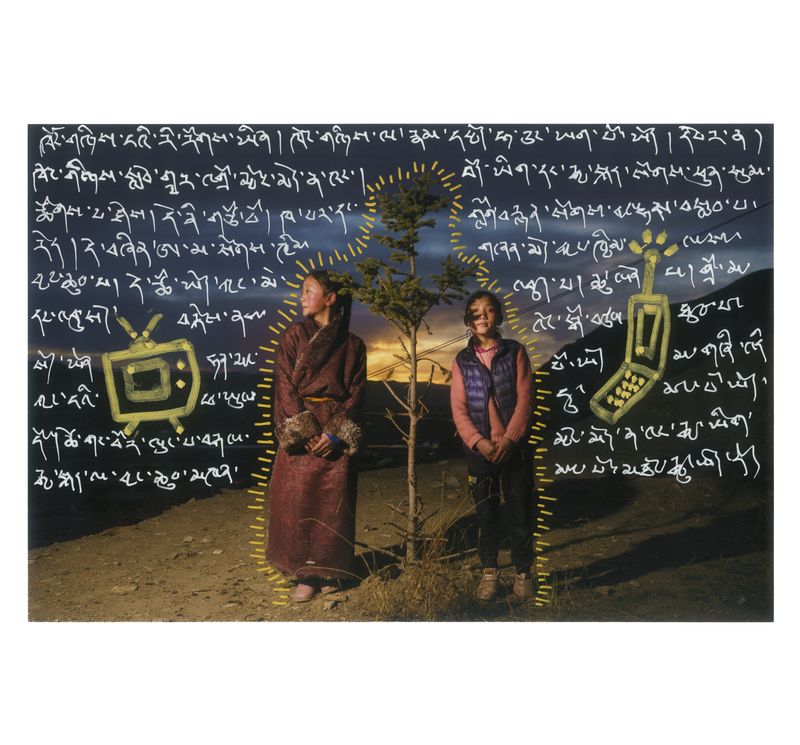
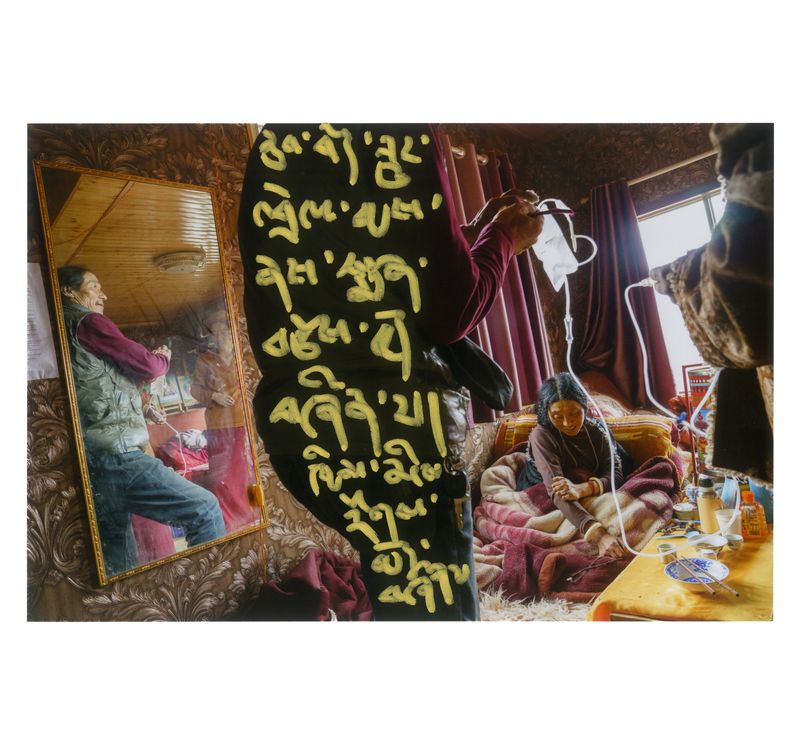
The photographs are layered with handwritten annotations made directly on the prints by Gyatso himself. These notes include medical, observational, and personal elements. They introduce a second voice into the work and allow the subject to actively shape how his practice is represented. The result is a shared narrative that moves between documentation and self-representation.

Within the framework of Archipelago, the project considers how separated communities remain connected through lived relationships rather than formal structures. It looks at how care is sustained across distance, and how coexistence is negotiated in places where access is uneven and resources are limited. Through this, the work opens a space to reflect on how people continue to rely on one another, even as broader systems evolve around them.
This project is a candidate for PhMuseum Days 2026 Photography Festival Open Call

Learn more Present your project
© jake homovich - Image from the Tibetan Country Doctor photography project
i

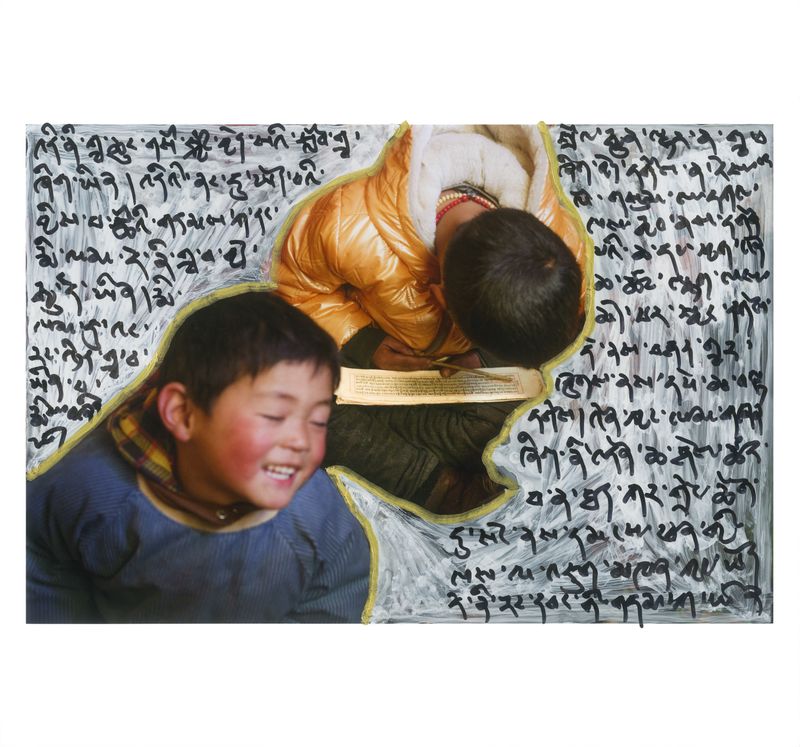
"These two are children from my extended family. They never attended school or traveled far, yet they’re naturally bright—teaching themselves Tibetan and Mandarin through phones and television. Responsible and kind, they take on all the household work, carrying their family with quiet strength. In my hometown, children like this are not uncommon."

© jake homovich - Image from the Tibetan Country Doctor photography project
i

"I will combine traditional Chinese medicine with Tibetan medicine, as well as Western medicine with Tibetan medicine. I will try my best to apply all the knowledge and skills I learn outside to clinical treatment, and truly help patients solve their problems."

© jake homovich - Image from the Tibetan Country Doctor photography project
i

"Her name is Zerenji, my uncle’s child. He studied Tibetan medical theory for five years but lacked clinical experience, so she came to learn through practice with me. she later went to university to study Tibetan calligraphy instead of medicine, which I’ve always felt was a pity, as she’s very talented in medicine."

© jake homovich - Image from the Tibetan Country Doctor photography project
i

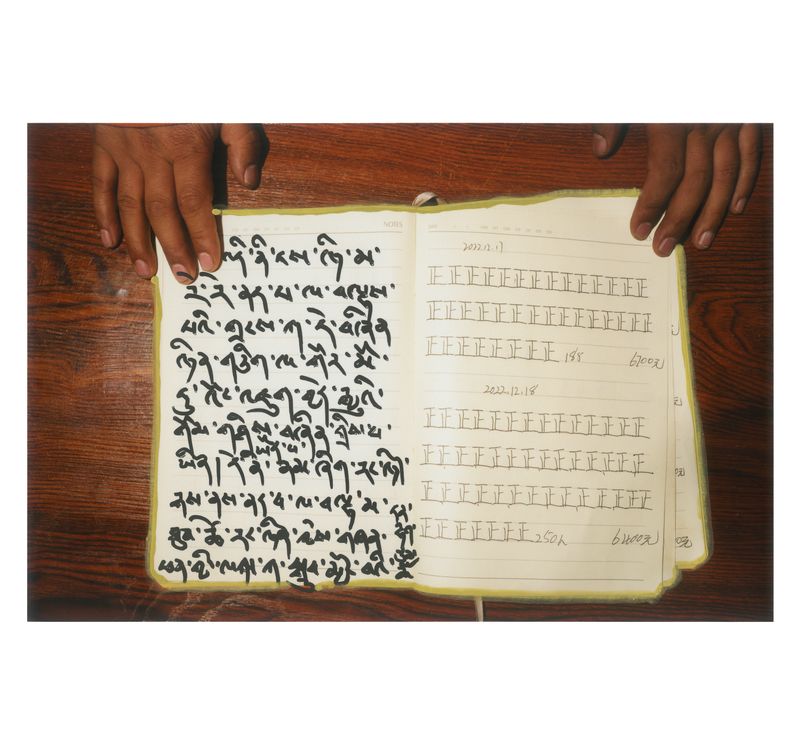
"This is my daily habit. Each time a patient comes, I make a mark and write the character “正”—one “正” represents five patients. I record how many people I see each day this way. When I’m old and look back through these notebooks, seeing all the patients I’ve helped and treated, I think my life will have been a truly fulfilling one."

© jake homovich - Image from the Tibetan Country Doctor photography project
i

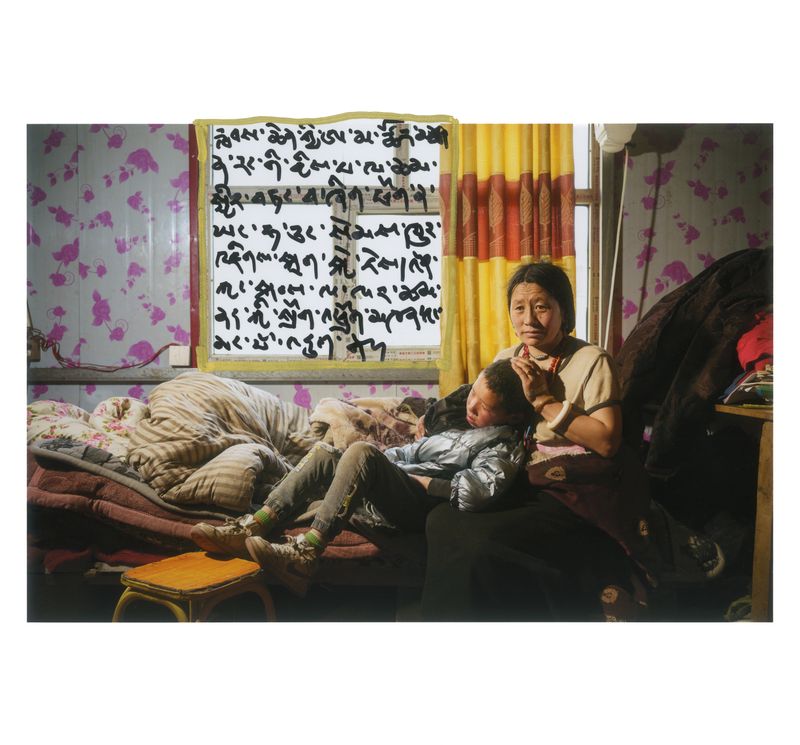
"For every mother, even something as ordinary as a child catching a common cold can cause deep worry and anxiety. In the places where we live, sometimes what seems like the most routine illness can still take away a young and vibrant life."

© jake homovich - Image from the Tibetan Country Doctor photography project
i

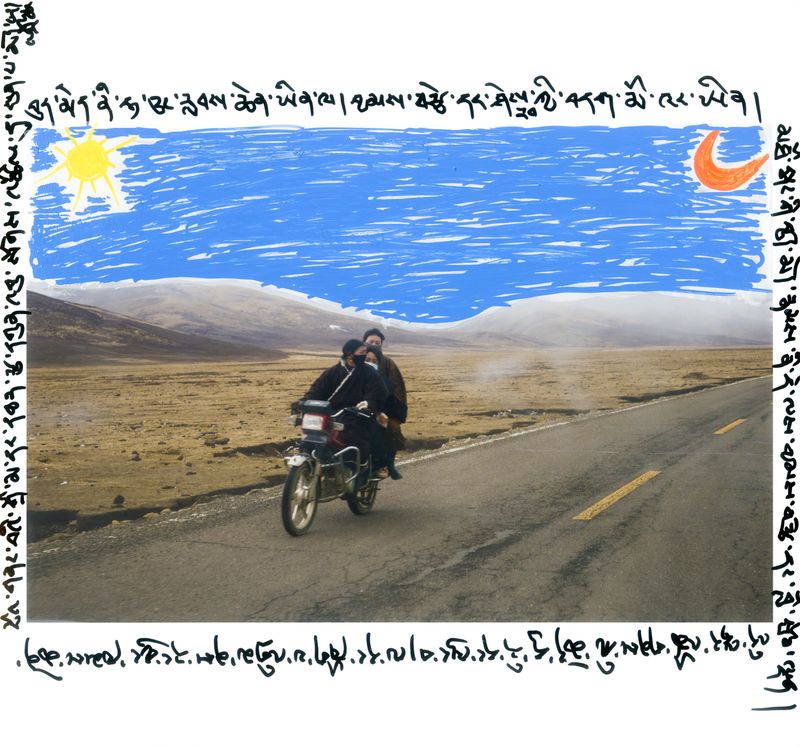
"Women are extraordinary—especially women on the plateau. They care for their children, take on all the household work, and still ride motorcycles into the mountains to dig for caterpillar fungus, fritillaria, rhodiola, and other precious medicinal plants. Inside the home and out, everything rests on their shoulders. They are truly remarkable."

© jake homovich - Image from the Tibetan Country Doctor photography project
i

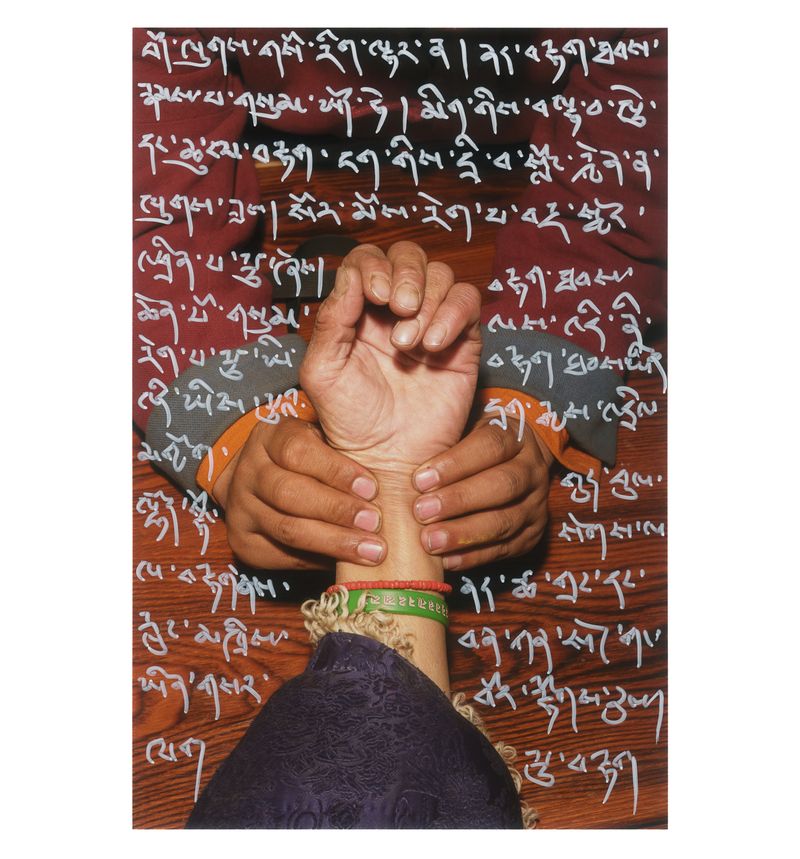
According to Tibetan medicine there are three methods for examining a disease: observing the tongue and urine, questioning the patient about their condition and its potential causes, and taking a pulse. Pulse reading is considered the most precise as a physician can accurately identify the nature of a disease such as its thermal properties and the state of the "three humors."

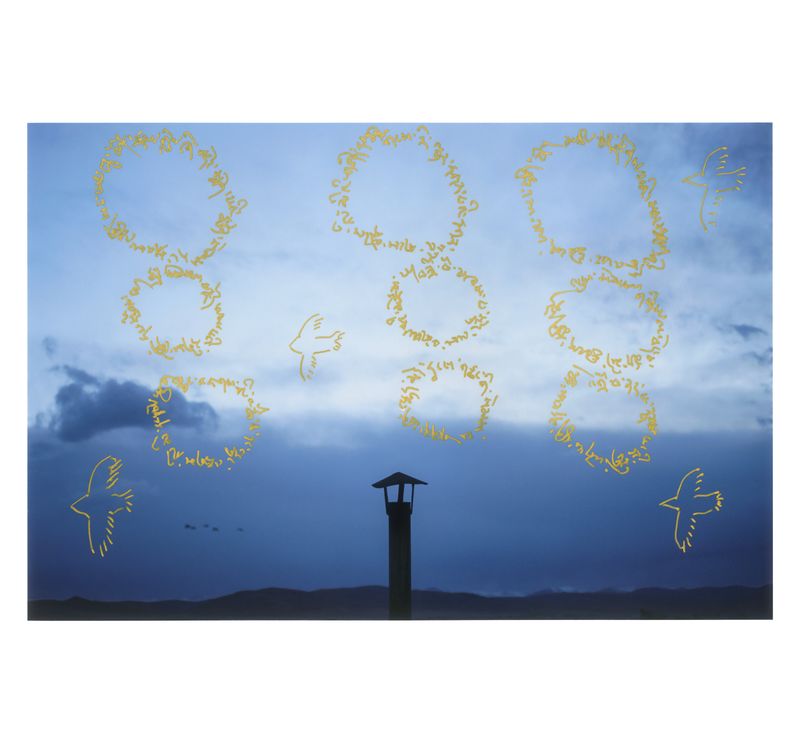
© jake homovich - "All my good wishes and sincere blessings are written here."
i

"All my good wishes and sincere blessings are written here."

© jake homovich - Image from the Tibetan Country Doctor photography project
i

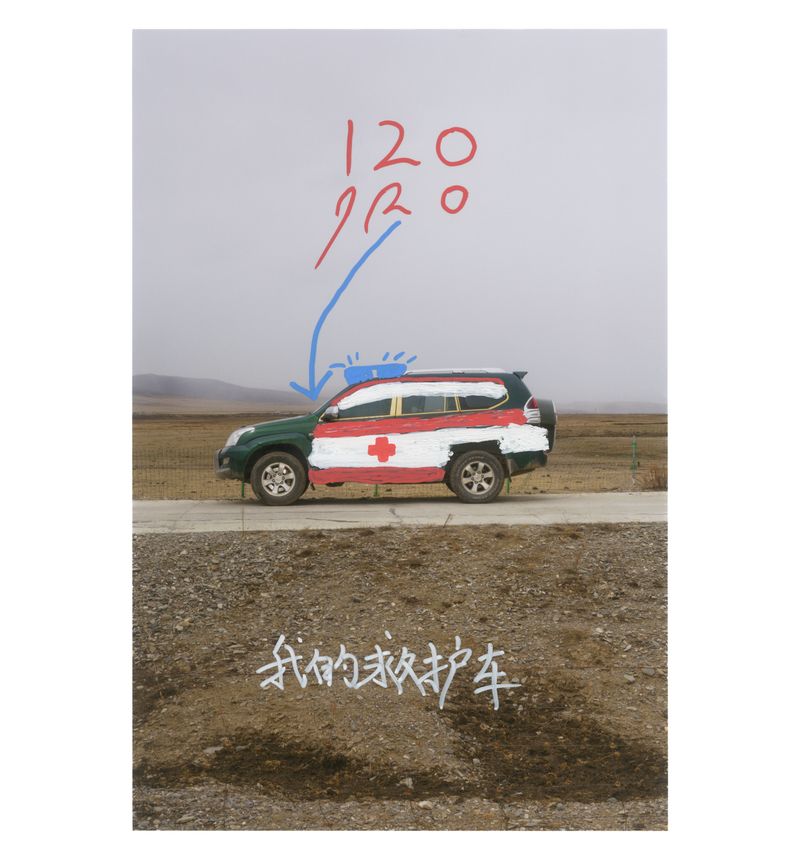
This is a 2009 old-model Prado. By the time I bought it, I couldn’t even count how many times it had changed hands or how many owners it had had. I didn’t buy it for status or for getting around—it was for going into the mountains to gather medicine, and for emergencies. Out on the grasslands, it’s our ambulance. That’s why I drew it as an ambulance, in my heart it is a vehicle that saves lives.

© jake homovich - Image from the Tibetan Country Doctor photography project
i

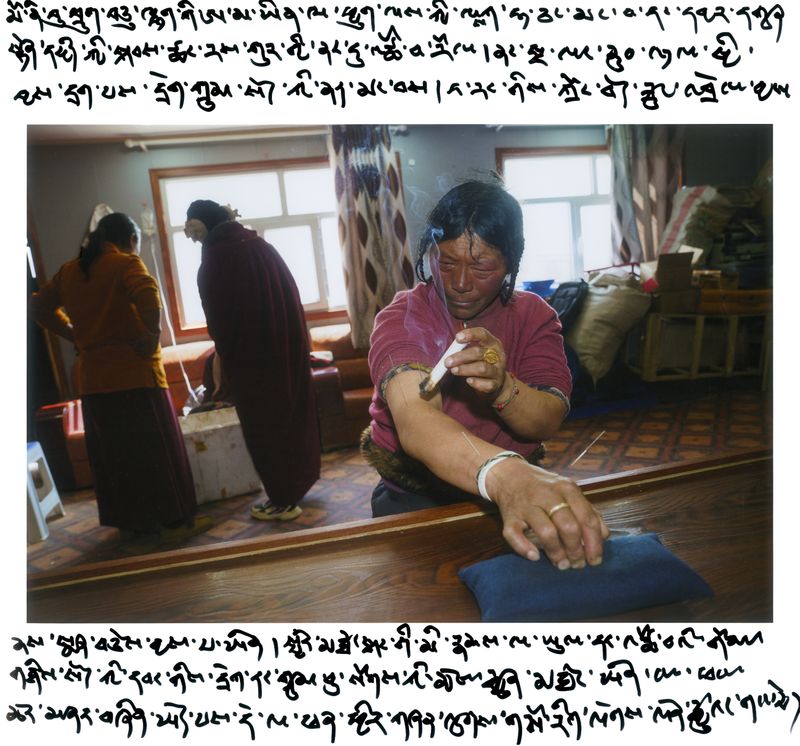
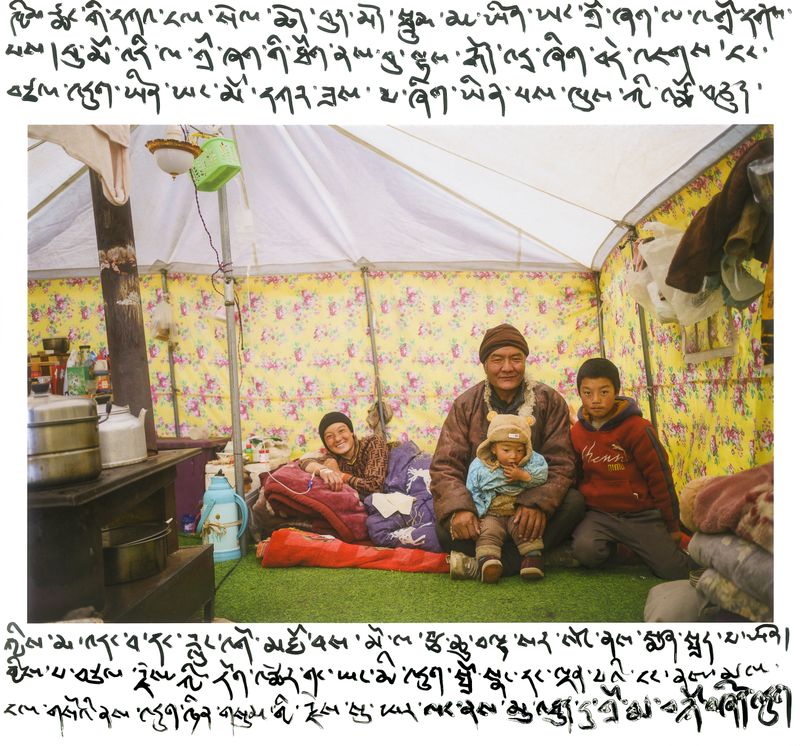
"She is a mother of more than ten children. Living at high altitude, combined with a lifetime of constant labor and years spent in tents exposed to cold and damp, has left her suffering from rheumatoid arthritis and chronic rheumatic pain. I treated her using moxibustion from traditional Chinese medicine, warming the meridians to help relieve her pain."

© jake homovich - Image from the Tibetan Country Doctor photography project
i

"Every time I help deliver a child, I give them a name. All of the names begin with “Deji.” Deji means happiness, and I truly hope these children will grow up happy and joyful. The names written on this image are ones I’ve given in the past—though they are far from all of them."

© jake homovich - Image from the Tibetan Country Doctor photography project
i

"Sometimes, they treat my home as an emergency room. Sometimes as a Maternal and Child Health Center. Sometimes, I also need to pretend to know everything."

© jake homovich - Image from the Tibetan Country Doctor photography project
i

"These are young monks about to "graduate" toward their goals and dreams. Yet it is not truly graduation—ahead of them still lie many learning tasks, such as the five great treatises, mantras, and tantras."

© jake homovich - Image from the Tibetan Country Doctor photography project
i

"She is 86 years old and has no children. Fortunately, she is in remarkably good health—fully independent, walking faster than many others, and even stronger than some people much younger than her. Having no children yet enjoying such vitality feels like a kind of blessing bestowed by fate."

© jake homovich - Image from the Tibetan Country Doctor photography project
i

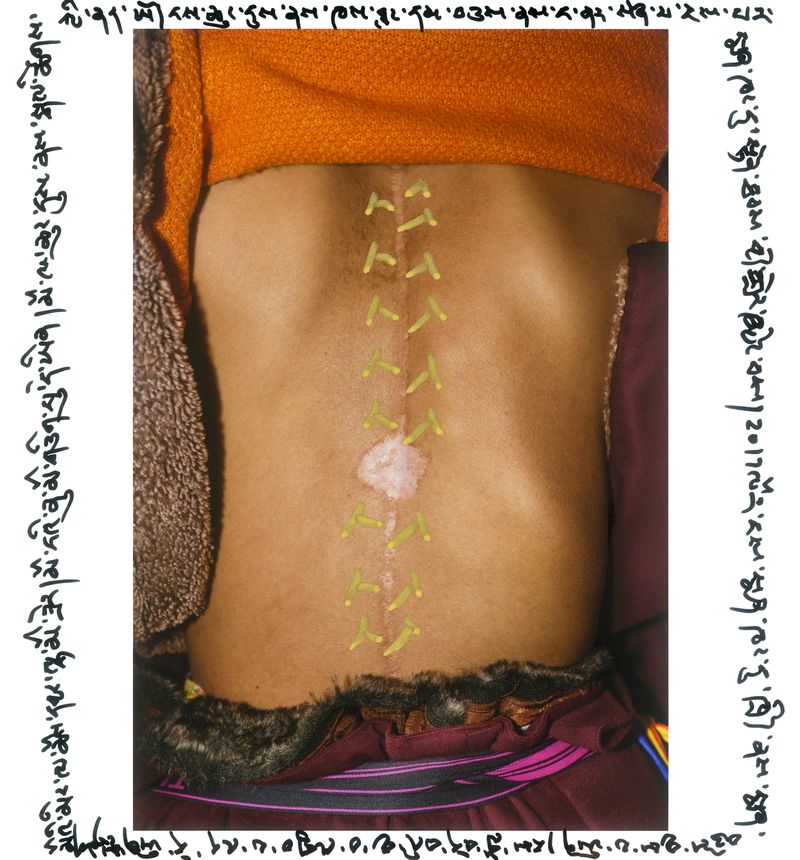
"Her name is Choeyang Lhamo, my one and only sister, who has had spinal problems since she was a child. I promised that once I grew up, I would take her to a city hospital for treatment. In 2017, I brought her to the hospital and she received treatment. This, too, is something I fulfilled with a sense of contentment."

© jake homovich - "Many people have preconceptions that the daily life of a monk is very serious and strict, but in fact, it is full of joy."
i

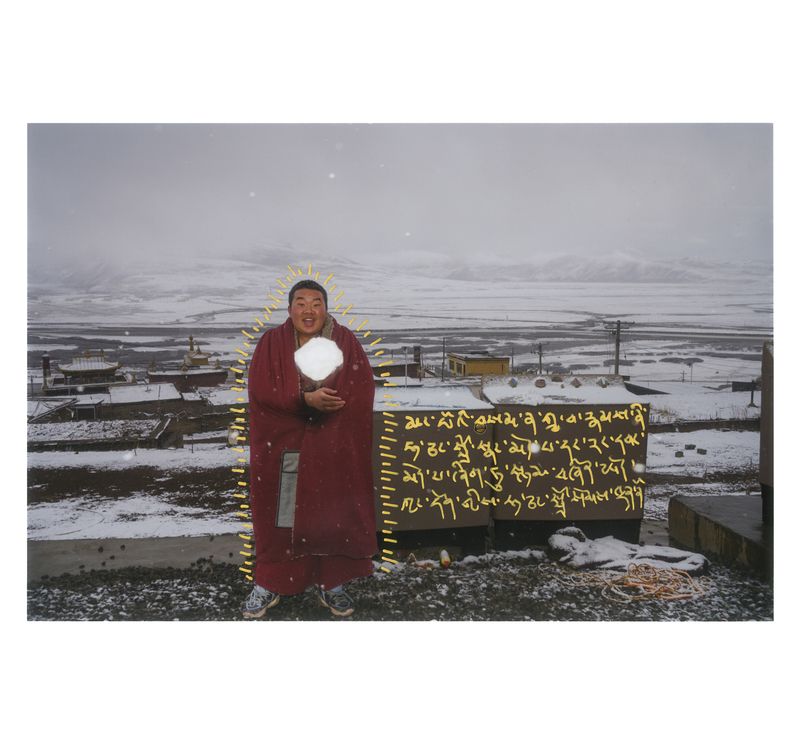
"Many people have preconceptions that the daily life of a monk is very serious and strict, but in fact, it is full of joy."

© jake homovich - Image from the Tibetan Country Doctor photography project
i

In order to support her family through hardship, she dug for wild sweet potatoes while pregnant. As a vegetarian, she lacked proper nutrition, yet safely gave birth to a boy. I visited her and gave her medicine for her nutritional and energy deficiencies. After only three days of rest in bed, she happily returned to the mountains to continue digging. She has no fear of child birth.

© jake homovich - Image from the Tibetan Country Doctor photography project
i

"They are studying the rituals of Buddhism, and becoming a lama is their dream. They must first complete at least three years of studying Tibetan language and ritual practices; only after passing examinations are they allowed to wear monastic robes. After that, they must enter a Buddhist academy to study the Five Great Treatises and other classical text - no step in the process can be skipped."

© jake homovich - Image from the Tibetan Country Doctor photography project
i

"Dharma debate is an excellent method for dispelling ignorance, enhancing wisdom, and thoroughly mastering the secrets of philosophical view and realization. They engage in debate every day."

© jake homovich - Image from the Tibetan Country Doctor photography project
i

"This was the first time I ever painted in my life. I couldn’t draw and never liked drawing as a child, but my friend Jake encouraged me to try making a drawing on this. So I drew three figures sitting in meditation—that’s all. I think whether the technique is good or not doesn’t matter; a single moment of inner clarity and purity is already complete."

Tibetan Country Doctor by jake homovich

Prev Next Close