There Round the Corner in the Deep
-
Dates2019 - 2023
-
Author
- Topics Contemporary Issues, Archive
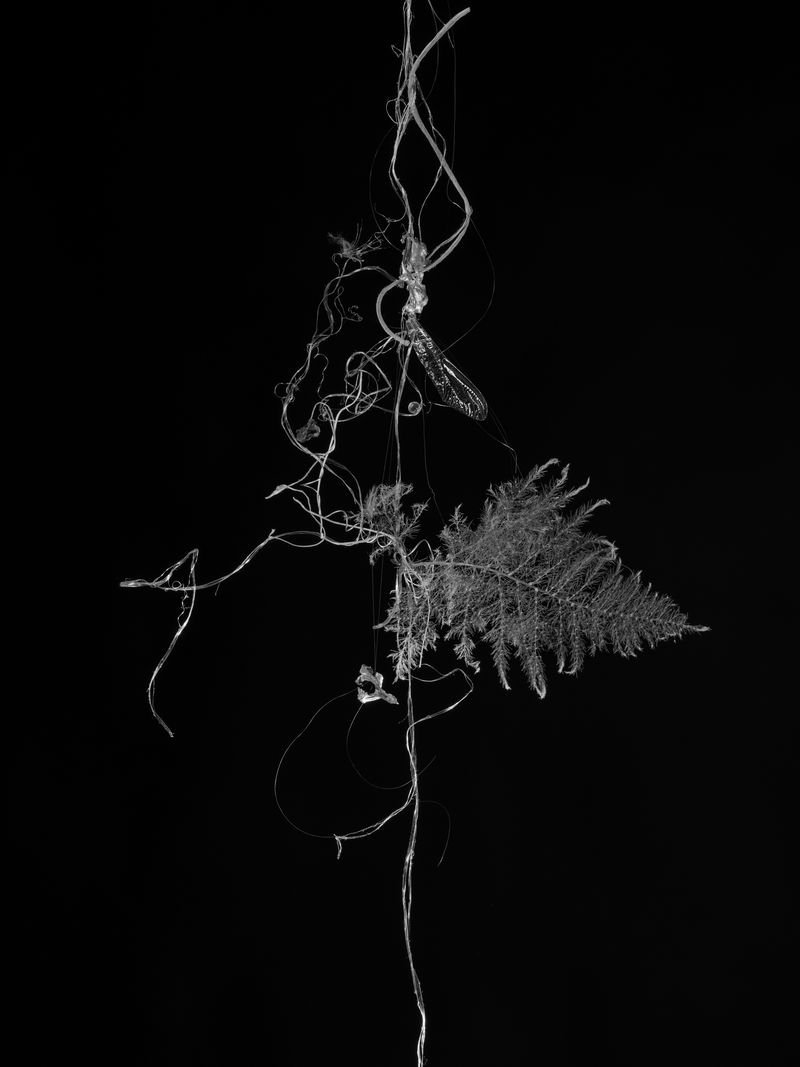
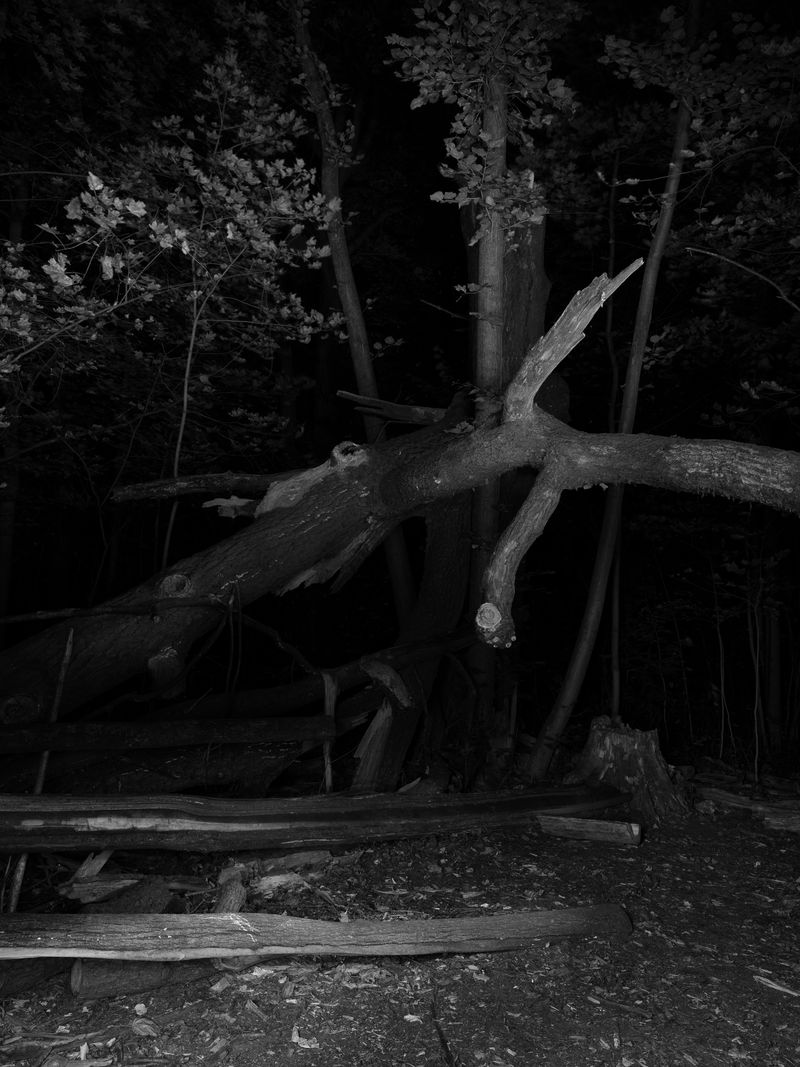
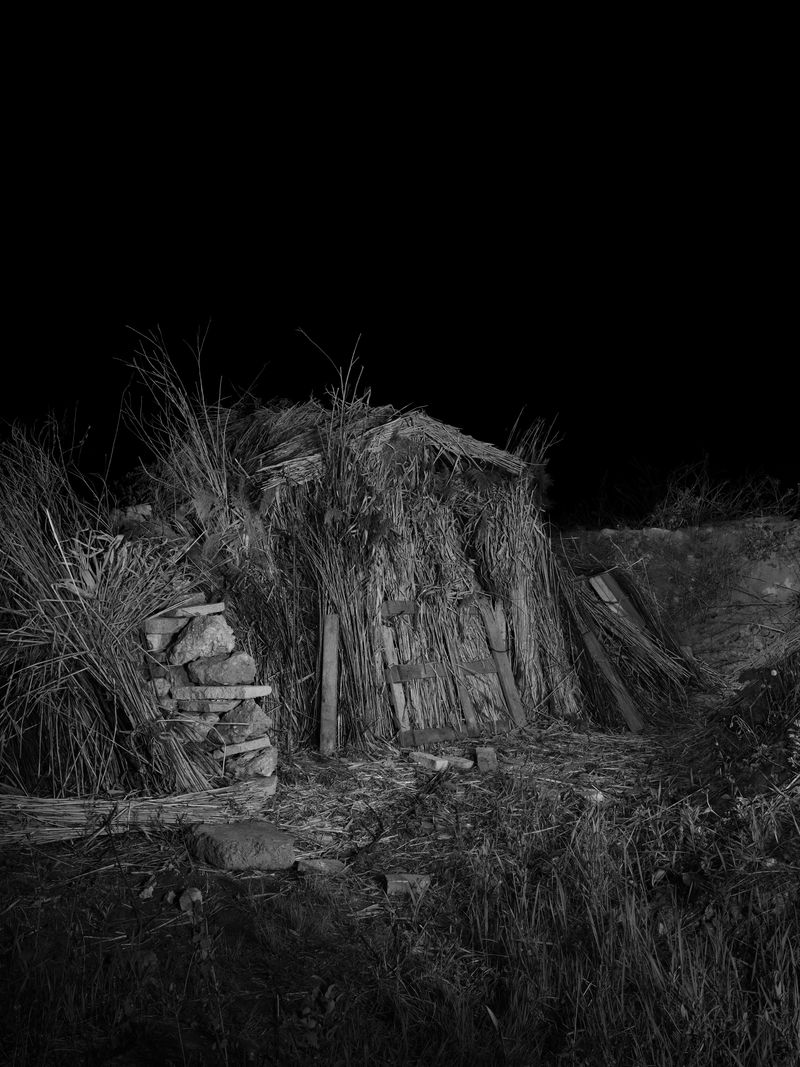
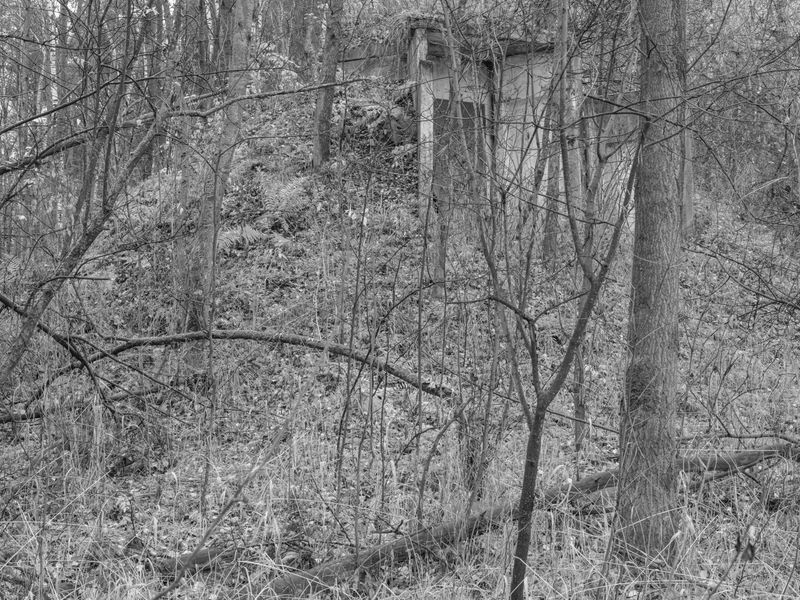
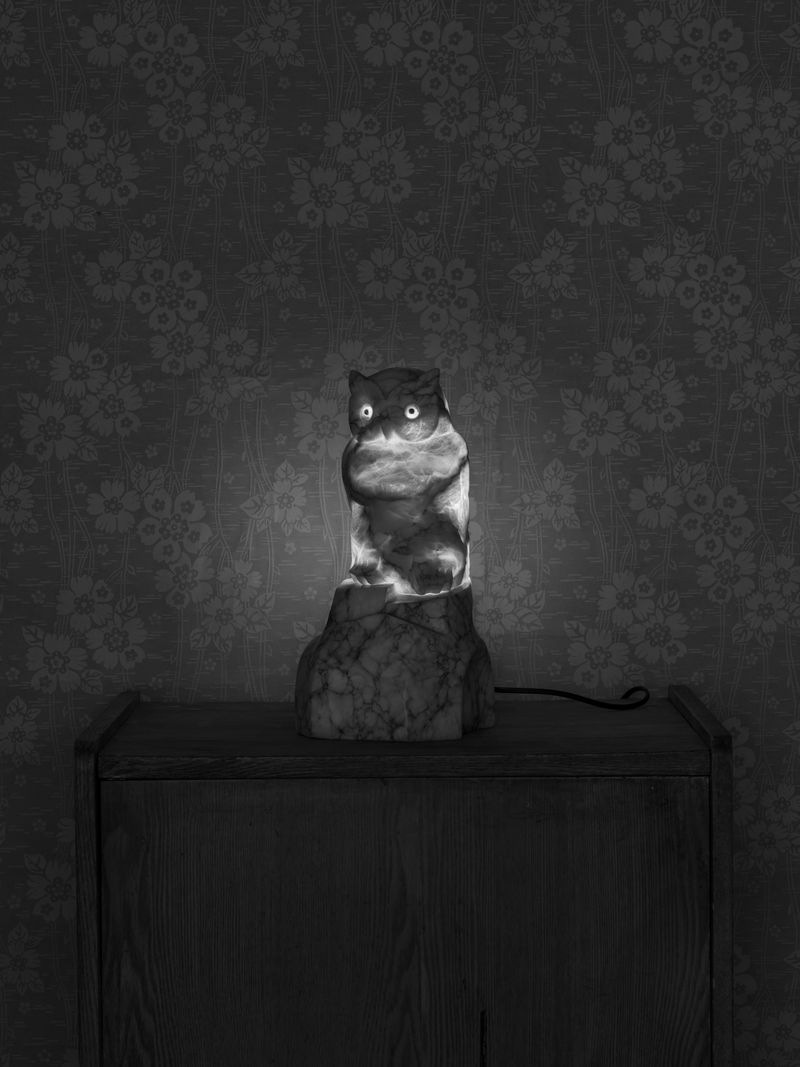
I reflect on how secrecy shapes the history of a place. In the city where I grew up, a key site of the Soviet nuclear program, official silence allowed myths, religion, and personal stories to fill the gaps. Today, when nuclear threats are
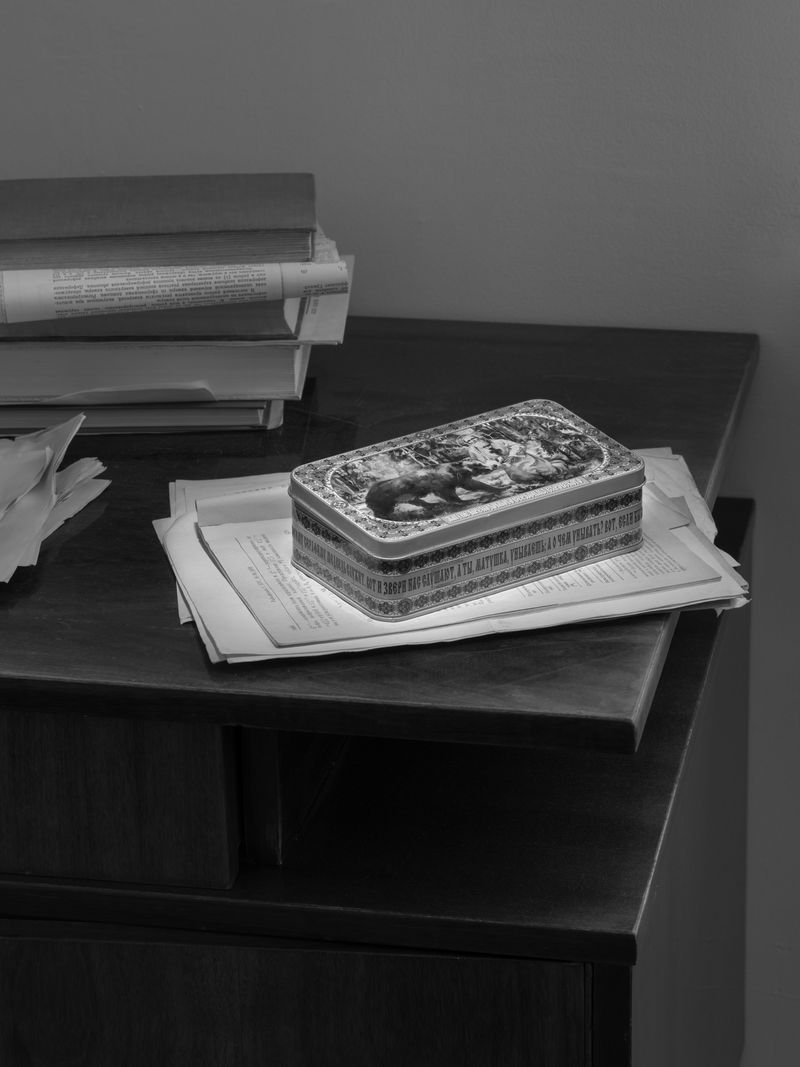
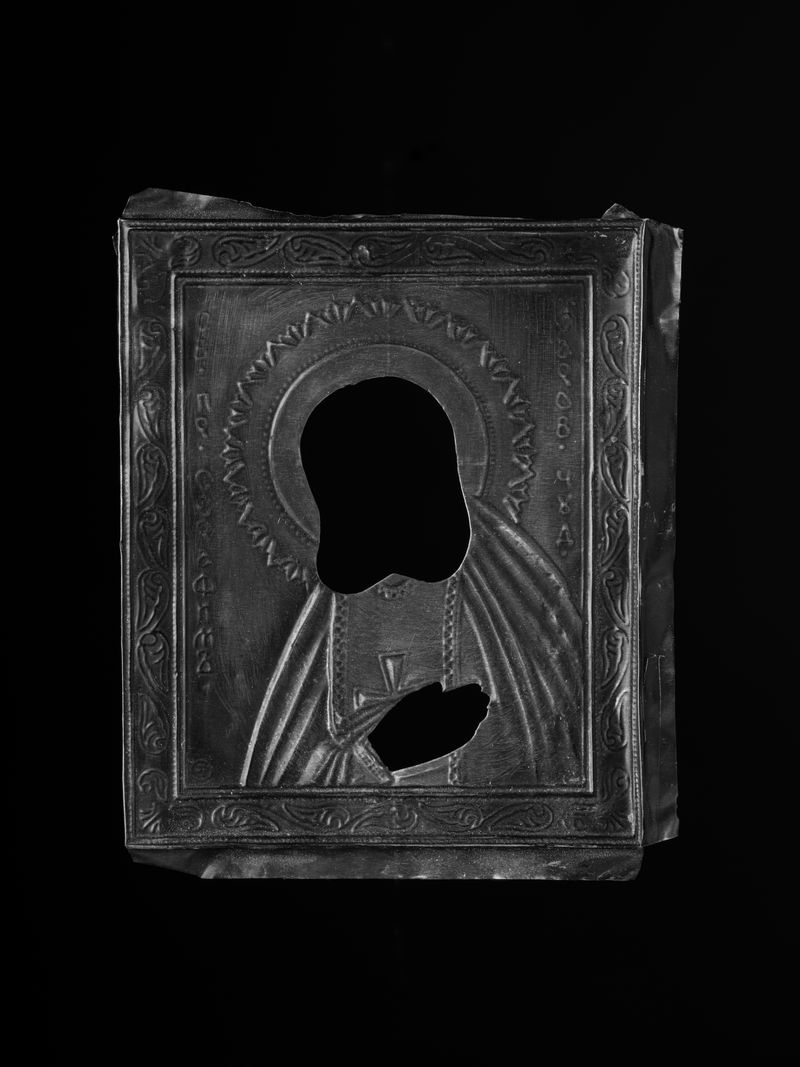
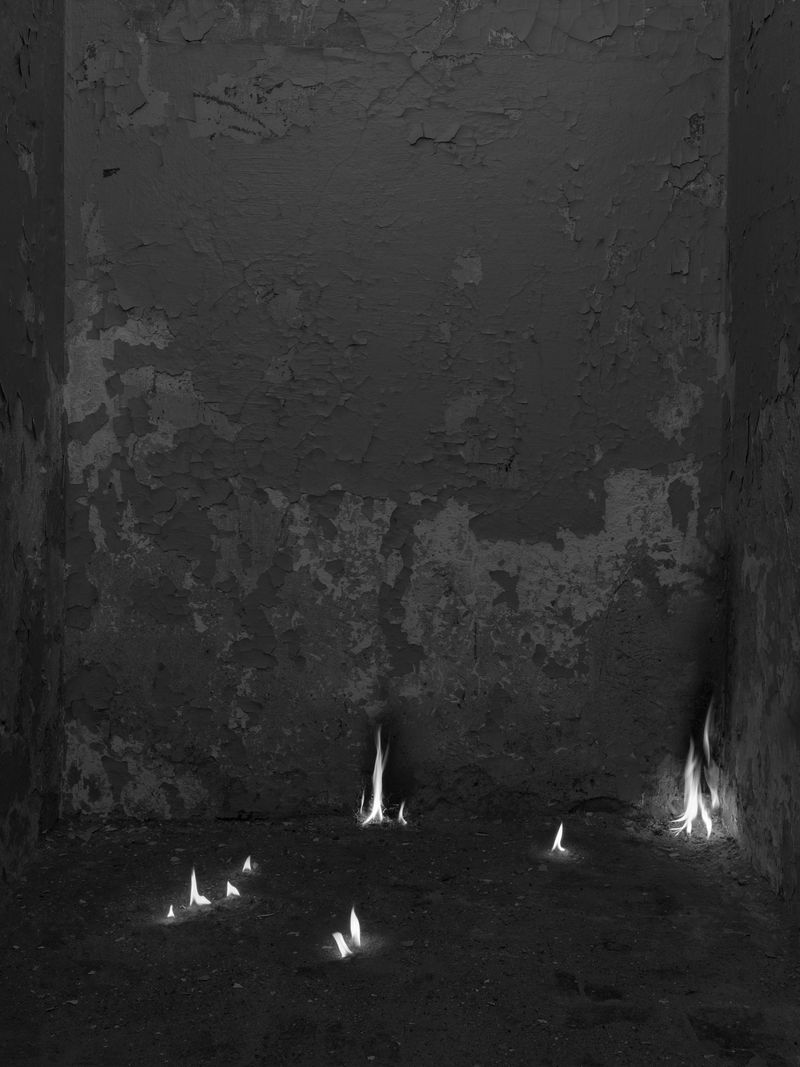
In this project I used my family archive to focus on the history of Sarov – a closed administrative-territorial entity (ZATO) in Russia, shaped by two seemingly different systems: Orthodox religion and the nuclear weapons program.
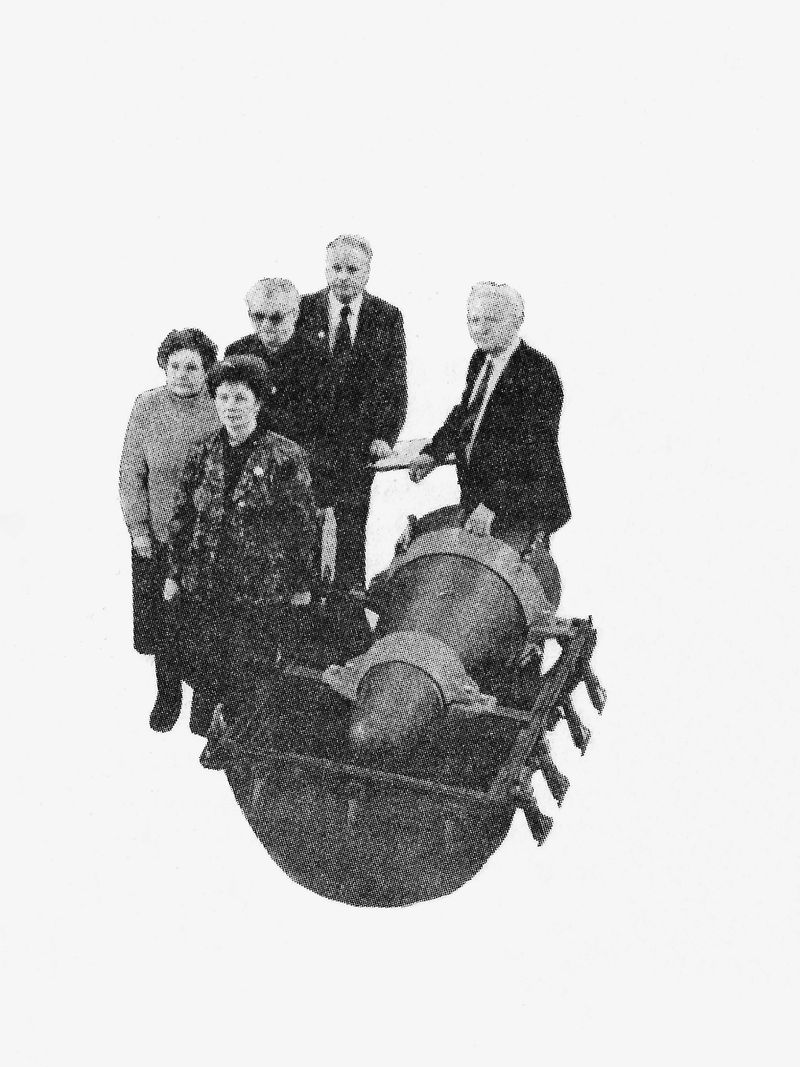
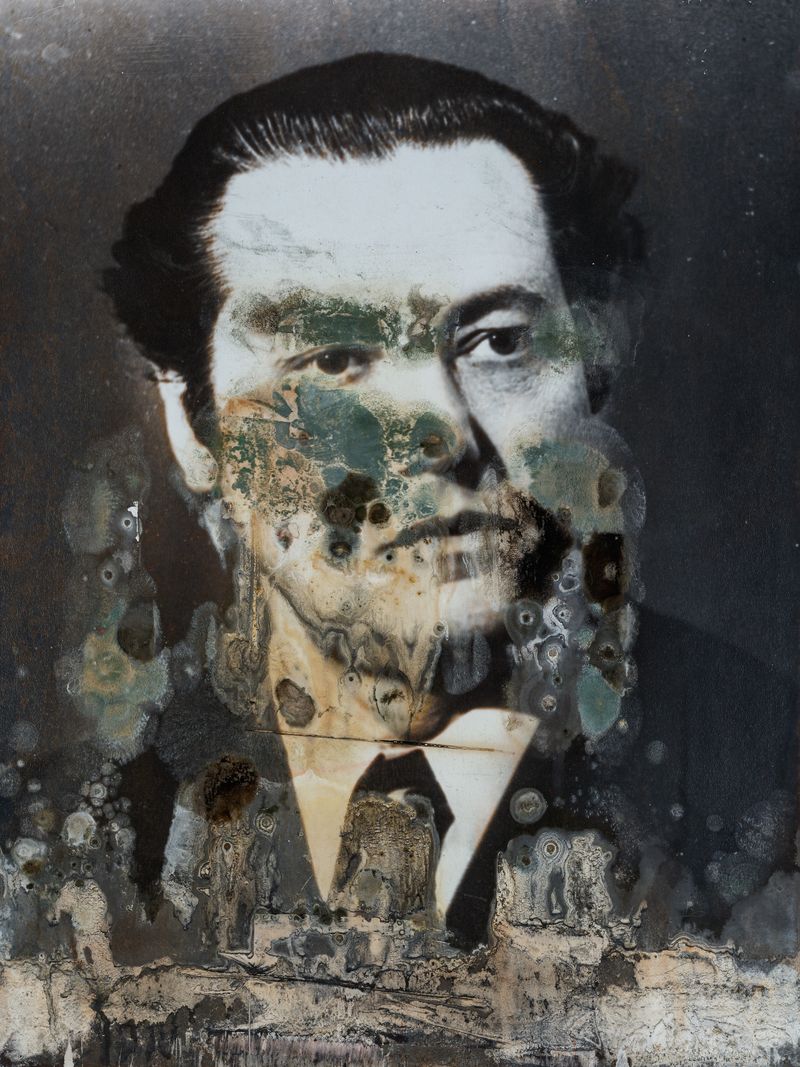
In the late 1940s, Sarov disappeared from Soviet maps. The city became one of the leading centers for the development of nuclear weapons and was known for its design bureau, KB-11. My grandfather worked at KB-11. Like many other young scientists, he thought he would go to the city for a year or two but stayed there for the rest of his life.
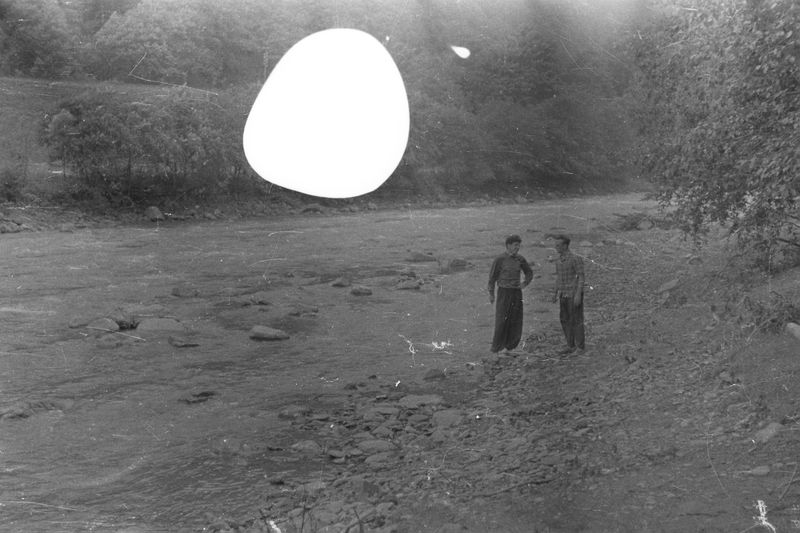
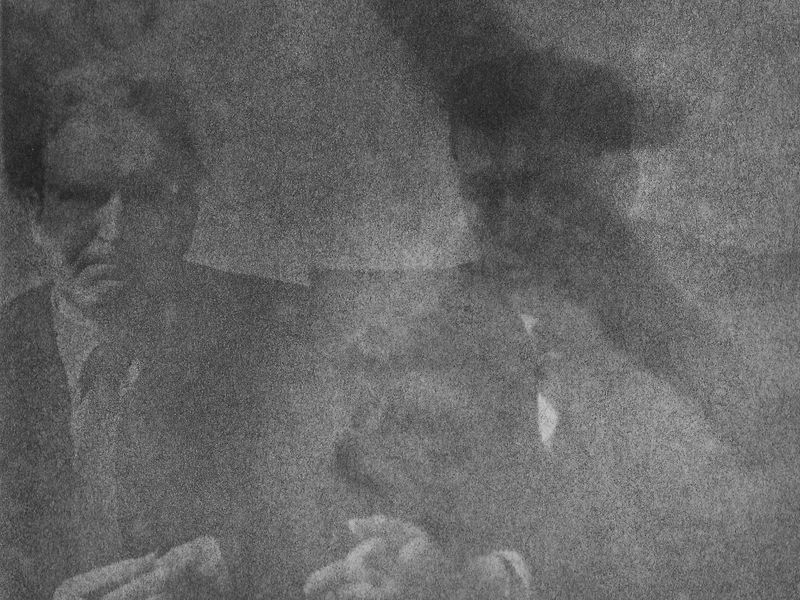
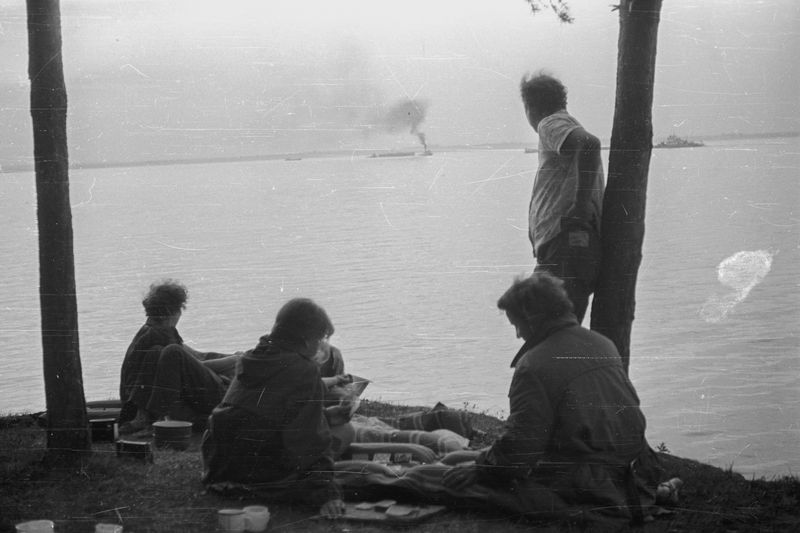
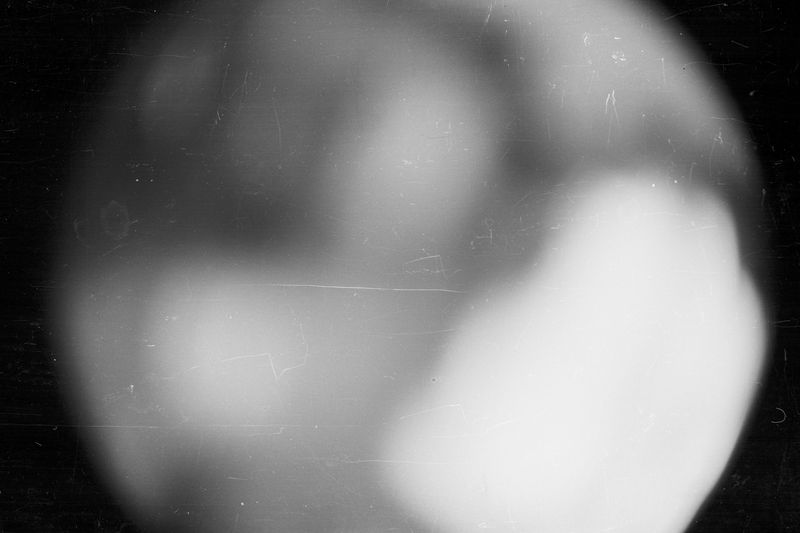
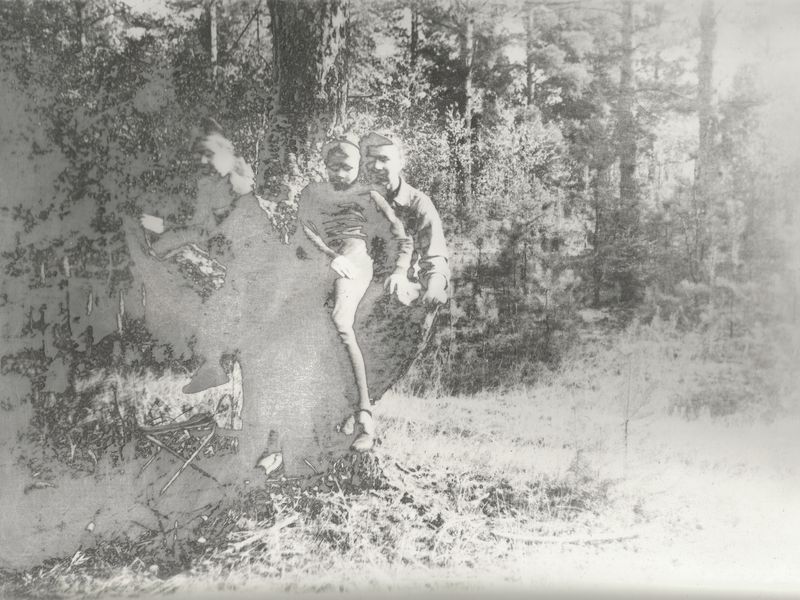
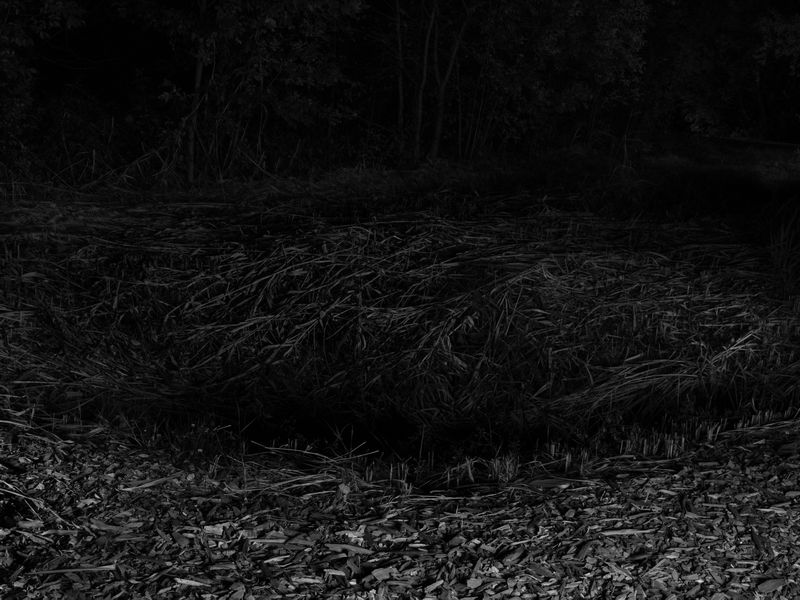
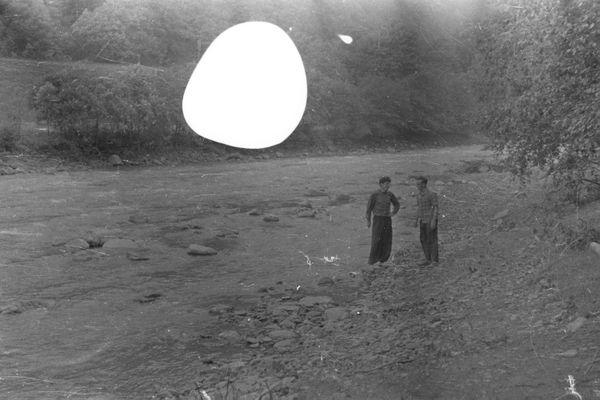
I never knew him, but inherited his archive of film negatives. Due to strict secrecy, his photographs contain no direct documentation, depicting only family life and nature, yet the material condition of the negatives – scratches, burn marks, mold – carries the tension of the Cold War as insistently as any document.