The Tower
-
Dates2022 - Ongoing
-
Author
- Location Belgrade, Serbia
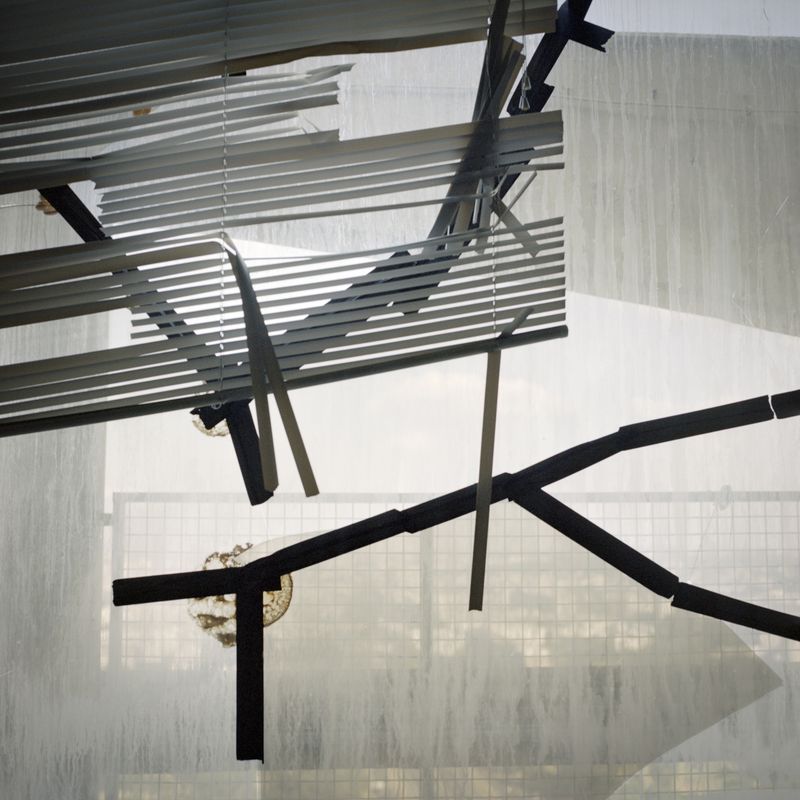
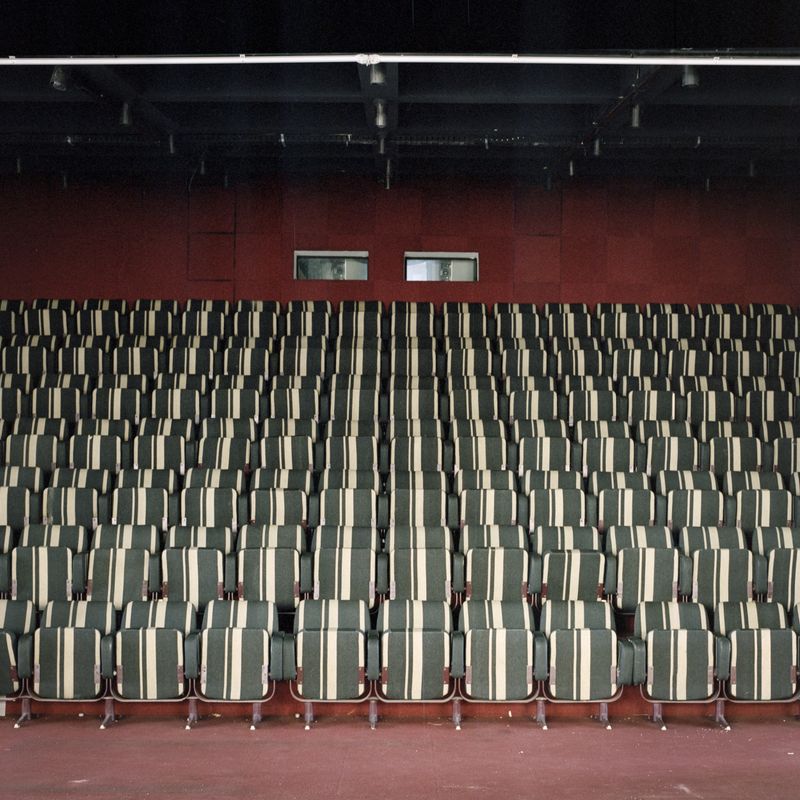
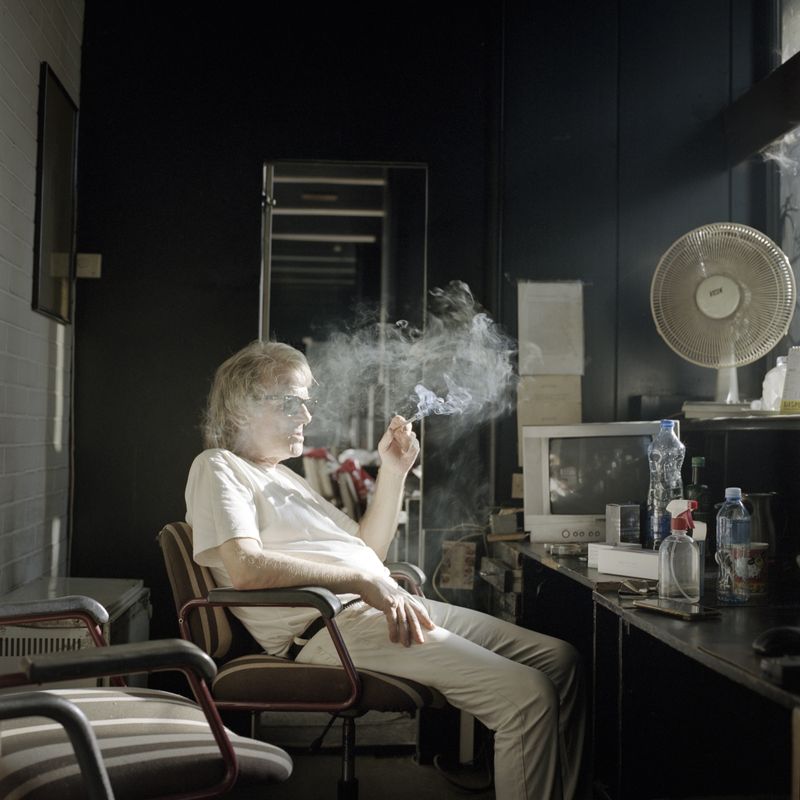
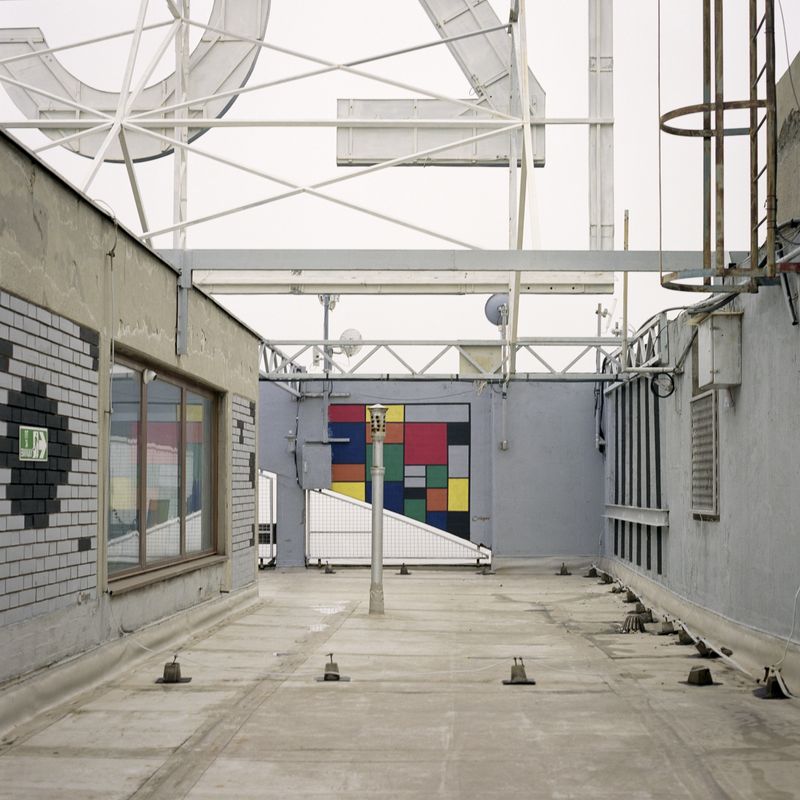
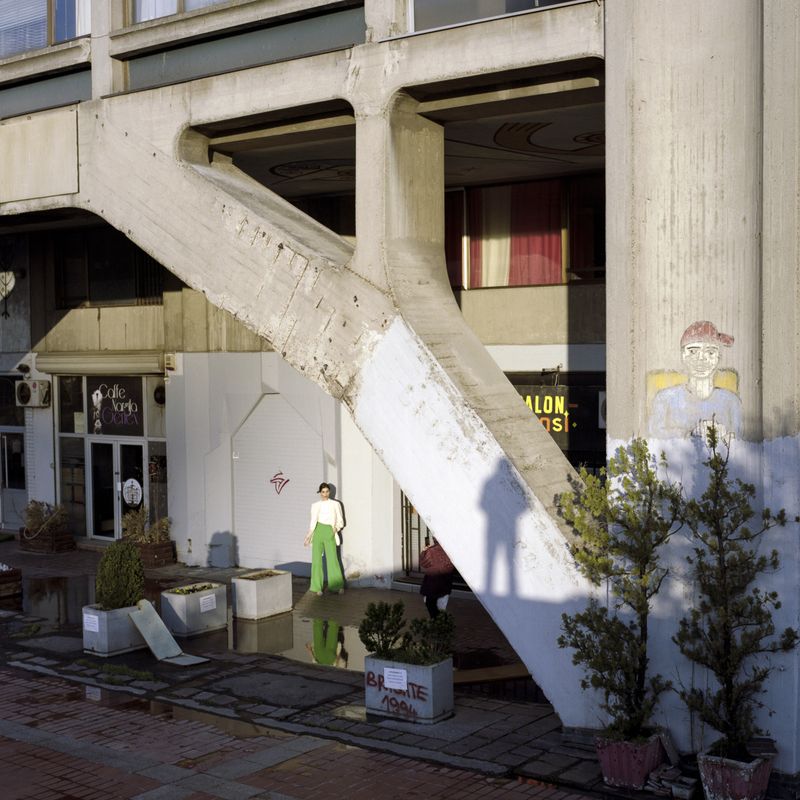
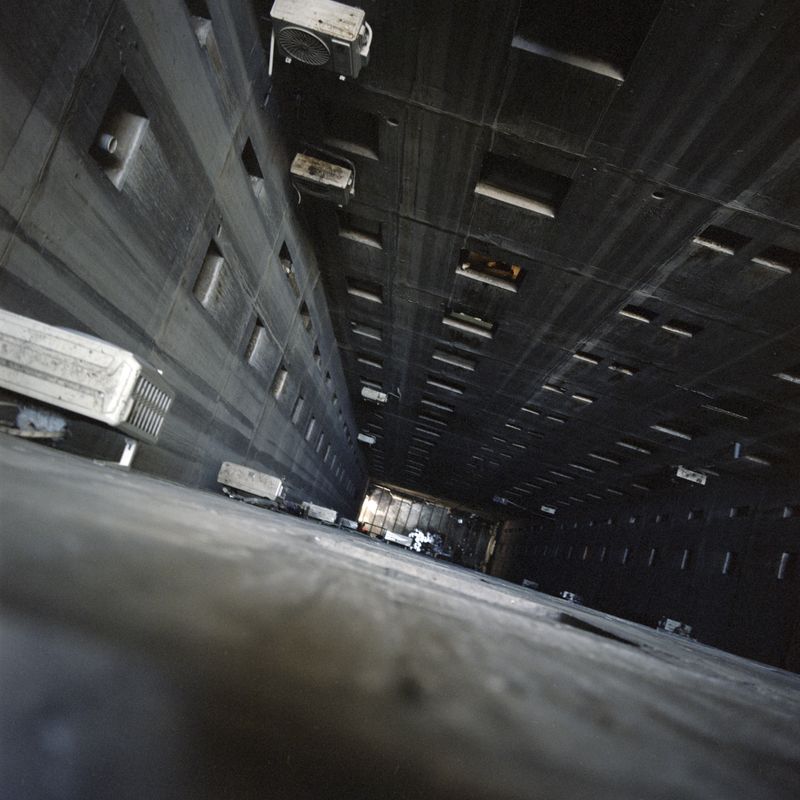
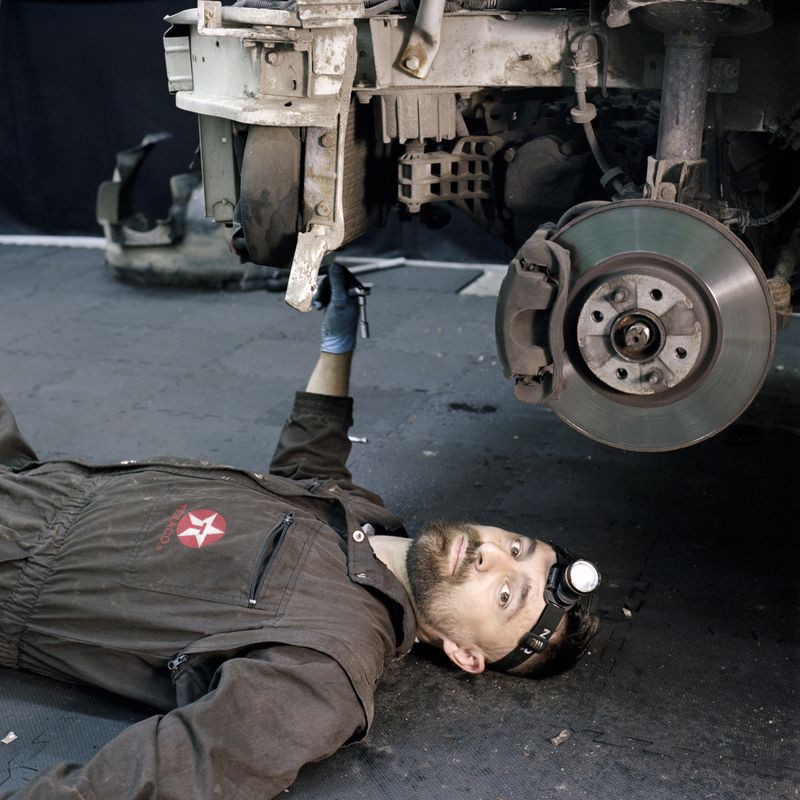
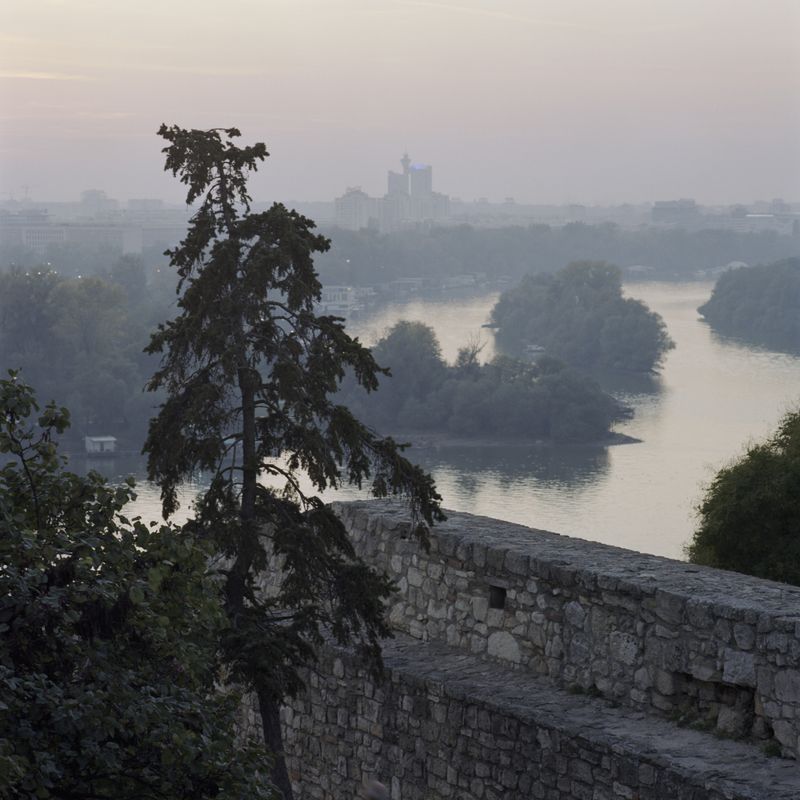
The Tower is a subjective documentary work about a brutalist icon in Belgrade, Serbia.
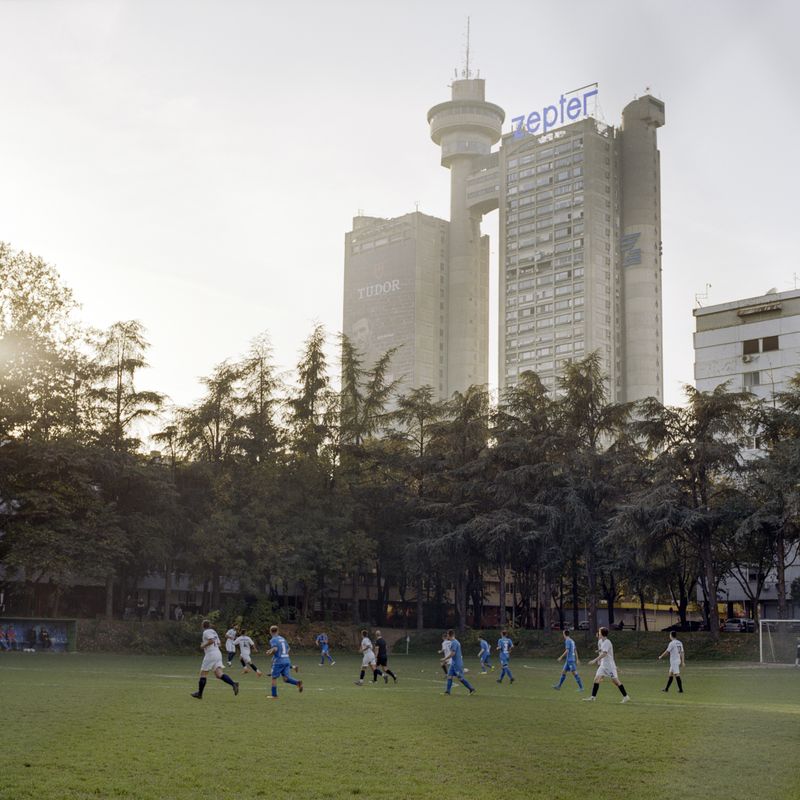
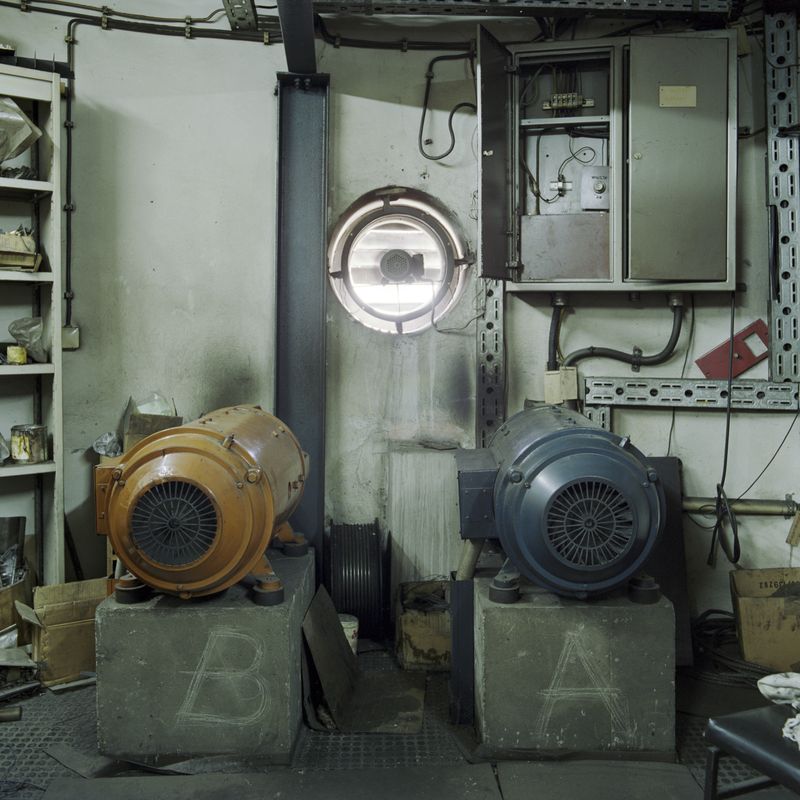
Genex Tower, in the Serbian capital of Belgrade, is one of the most iconic pieces of socialist architecture in the region. Consisting of two towers connected by a bridge, the giant Béton Brut structure looms high above the rest of the city; standing stoically as the world around it transforms.
Designed in the 1970s by architect Mihajlo Mitrović, the left side of the building consists of 30 floors of residential apartments, while the commercial tower on the right served as the headquarters of the now-defunct trading company Generaleksport, the “crown jewel” of Yugoslav industry, as one former lawyer of the company put it.
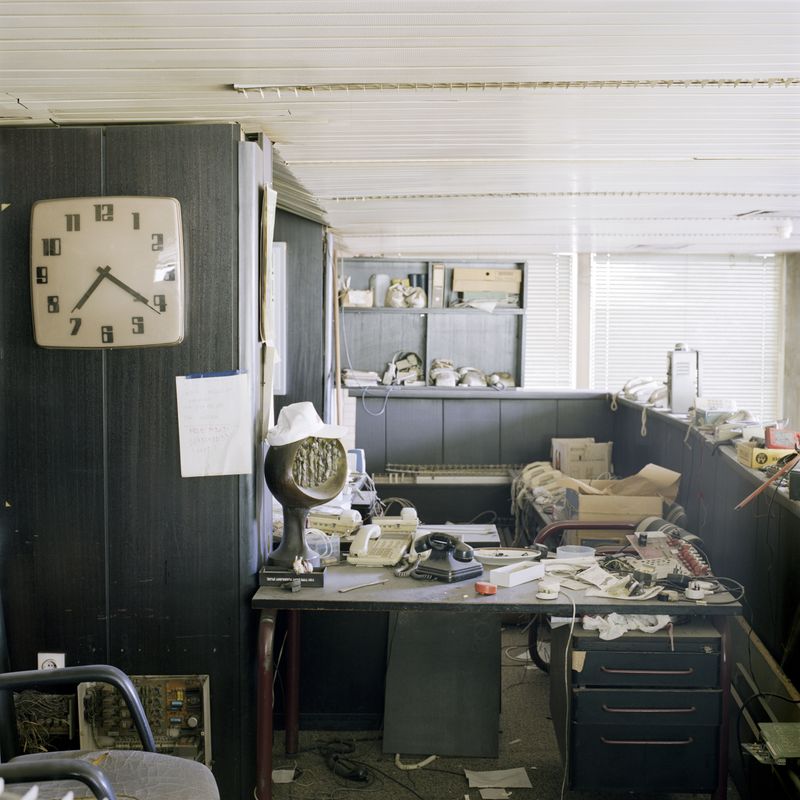
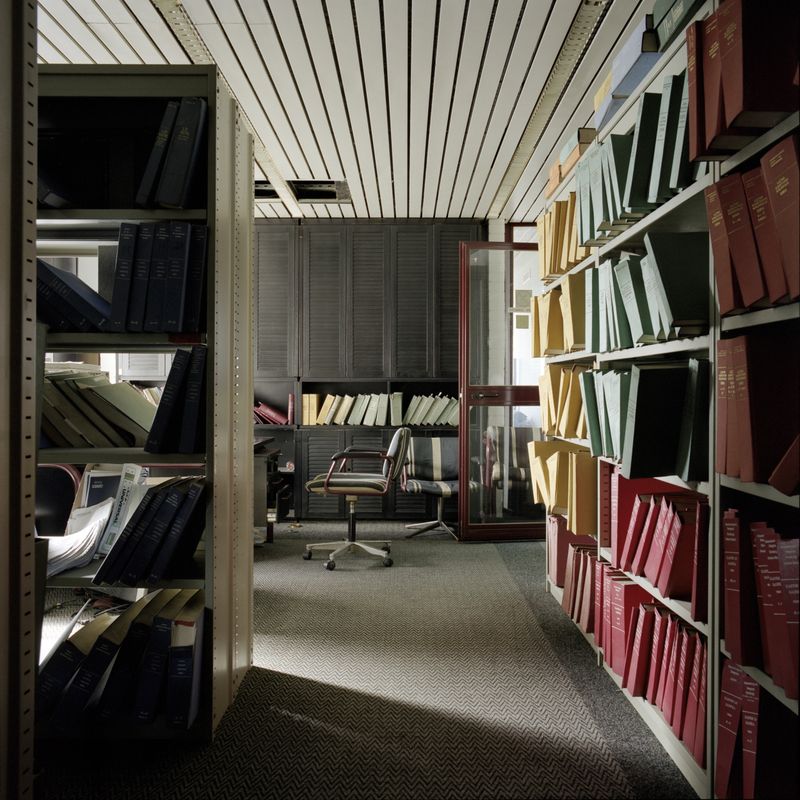
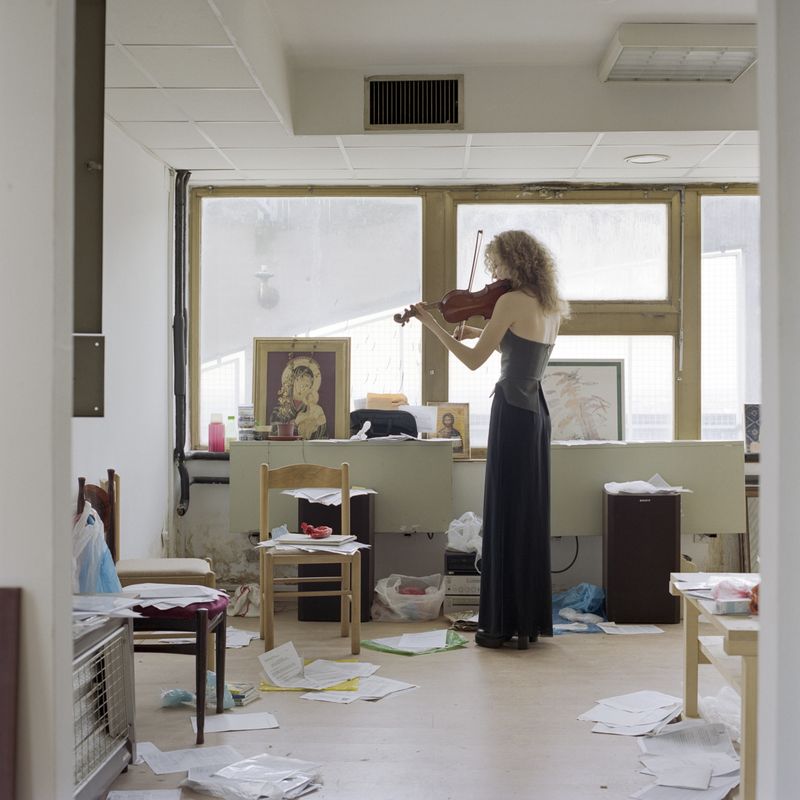
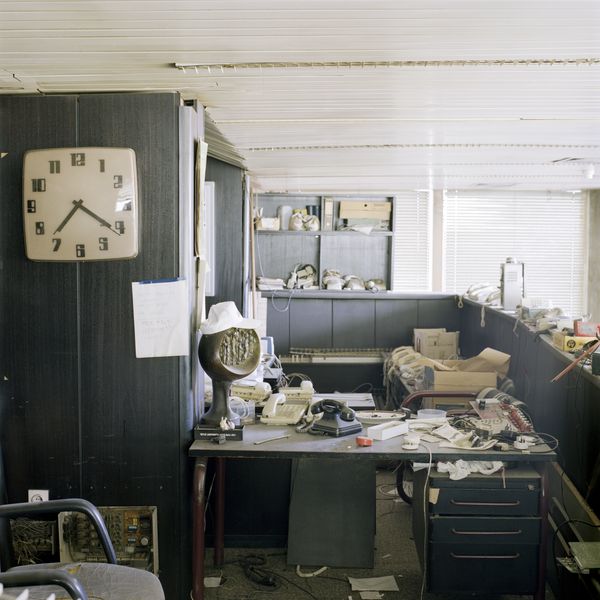
The labyrinthian floors of offices of the commercial tower hosted Generaleksport’s dozens of subsidiary companies, while the restaurant on the top floor was staffed by some of the city's best chefs. Today only two of the floors are occupied, while the others have become eerie museum displays of the building’s past glory as well as some of its more nefarious secrets.
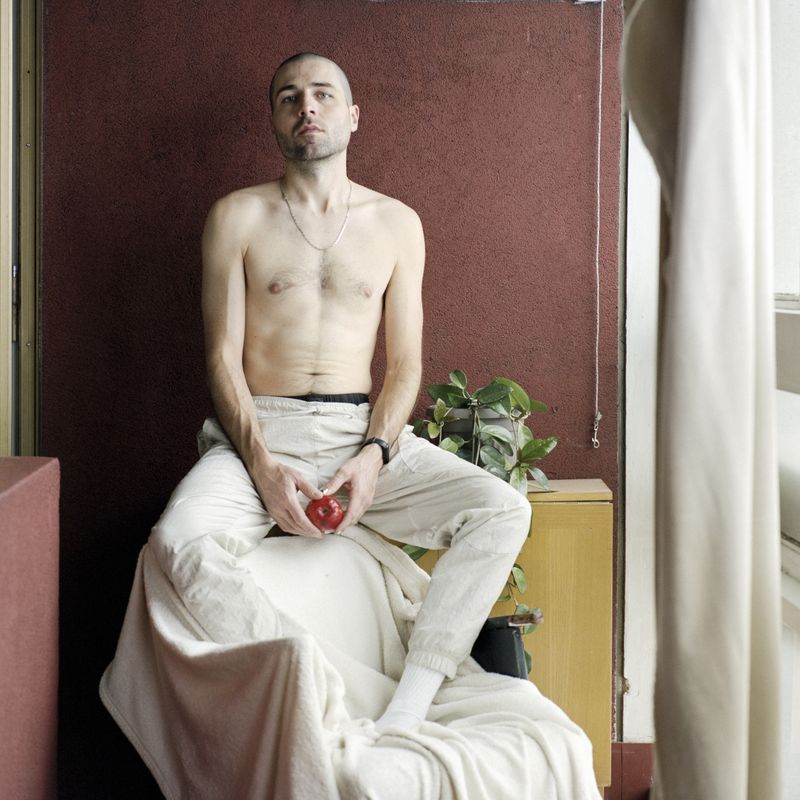
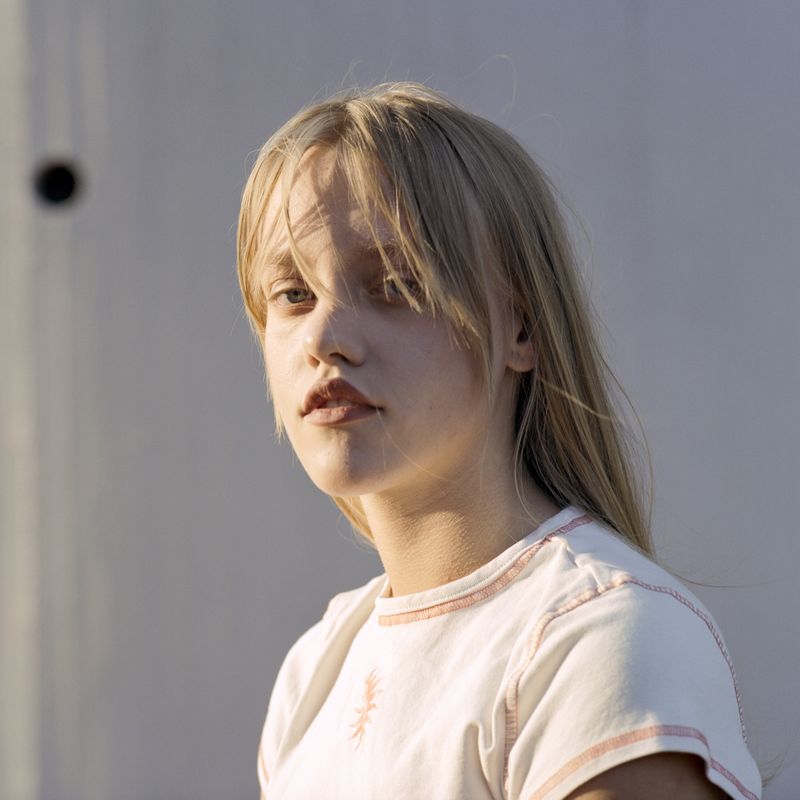
In the residential tower just opposite, hundreds of residents lived out daily routines and personal dramas. It's a place where couples fell in love, teenagers went through rites of passage, a security guard penned a science fiction novella, and a computer engineer painted Mondrians in hidden corners of the building. More recently, the building has also been used as a retro-futurist set for dozens of films, TV shows and music videos, and a YouTube star created content in a studio in the building’s basement.
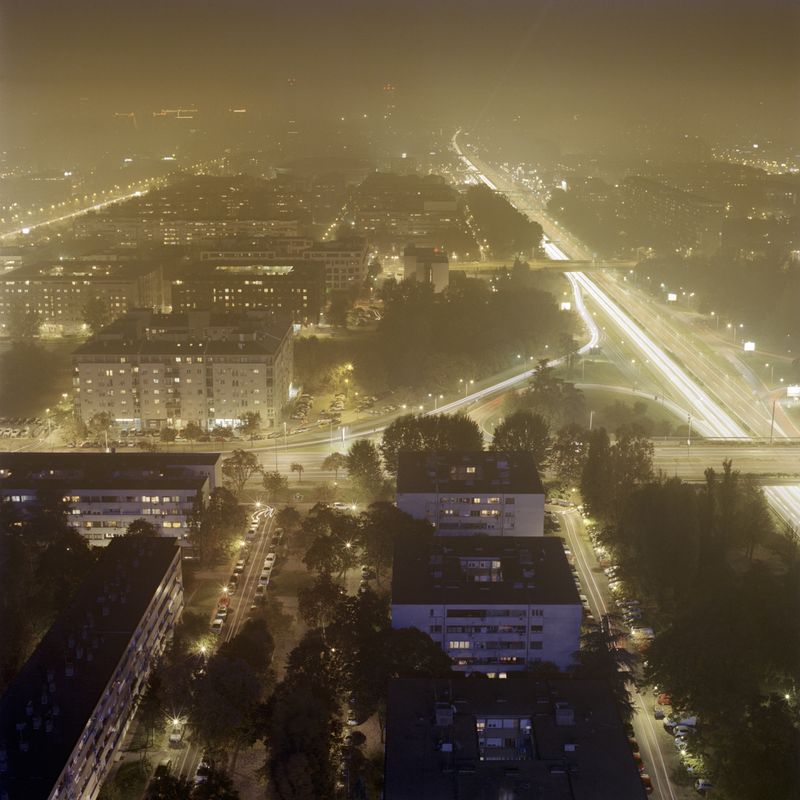
The residents of Belgrade have a love-hate relationship with the building. The ongoing controversies and legal cases that the commercial tower is embroiled in are seen as representations of larger social ills - the corruption and nepotism of the transition, which saw public assets transferred into the hands of a small group of elites, and the impoverishment of the middle and working classes. Others, however, see the building as a monument to better times; times where the state protected citizens against the vicissitudes of the market, and people still had collective projects and dreams.