The Thief of Womanhood


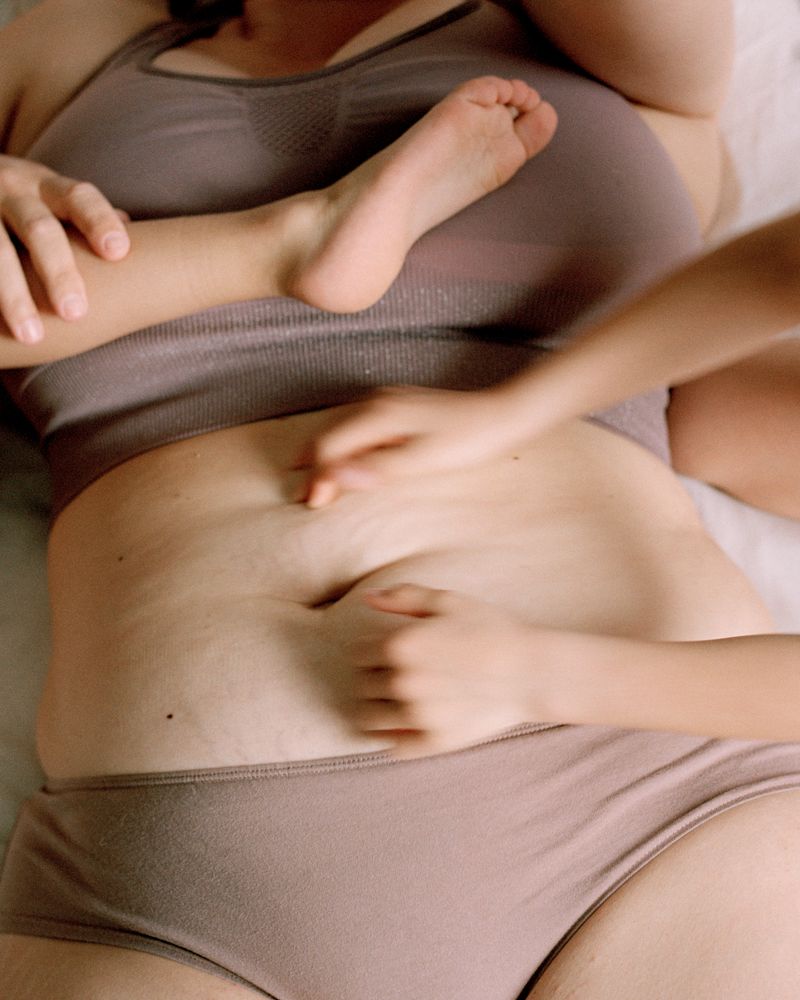
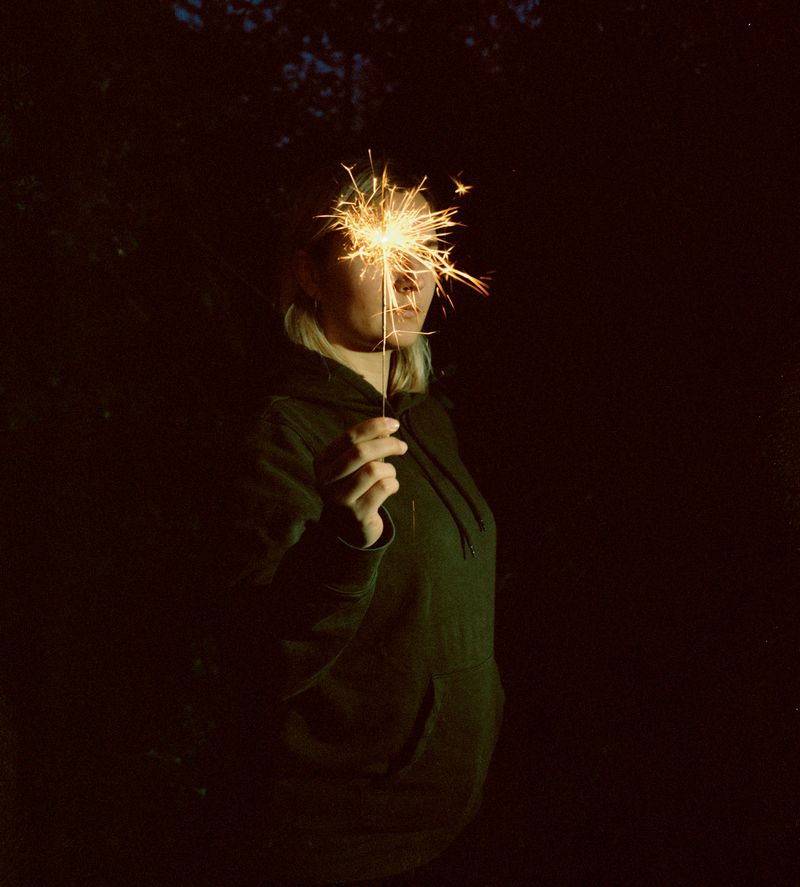
The multi-perspective project “The Thief of Womanhood” takes a personal and intimate look at the lived experience of patients affected by polycystic ovary syndrome (PCOS) and its connection to gender roles and the male gaze in gynecology.

Acne, hair loss, beard growth, obesity, no menstruation, and painful cysts. Polycystic Ovary Syndrome (PCOS) affects approximately 10% of all women and non-binary persons of childbearing age and can lead to infertility.

In her recent project “The Thief of Womanhood”, Amelie Sachs takes a personal and intimate look at the syndrome, which is largely ignored in medical research. In collaboration with her participants, she explores their lived experience with PCOS by addressing the mental component of the disease in particular.

As a former patient of PCOS, Amelie Sachs interviews other women and non-binary persons who suffer from the metabolic disorder. She visually takes up the diffuse feeling about one’s own body and the lack of beauty ideals connected with it. At the same time, she interrogates the structurally male-dominated view in gynecology by looking at medical-historical objects that refer to the violent past of gynecology and maternity medicine.

In her Dummy, she combines different strategies, consisting of interviews, dialogical portraits, archival material, informative short texts and medical objects, into a multi-layered experience. Thereby the ambiguous complexity of the syndrome is brought to the viewer’s attention, and existing gender roles in the prevailing patriarchal structures of fertility-related gynecology are questioned. “The Thief of Womanhood” negotiates the question of a respectful and appropriate form of representing illness and the woman as an image. It provides a platform for resistance and empowerment in women’s health and advocates for better autonomous health care.

© Amelie Sachs - Image from the The Thief of Womanhood photography project
i

Camilla was diagnosed at the age of 21 after she stopped taking the pill and her periods did not return. Since then, she has been trying to manage her symptoms, such as hair loss and obesity. Above all, Camilla is concerned about her desire to have childr

© Amelie Sachs - Image from the The Thief of Womanhood photography project
i

Many people affected by PCOS feel uncomfortable in their bodies and try to find ways to reduce their symptoms. But there is a lack of social acceptance and therapy methods for polycystic ovary syndrome.

© Amelie Sachs - Image from the The Thief of Womanhood photography project
i

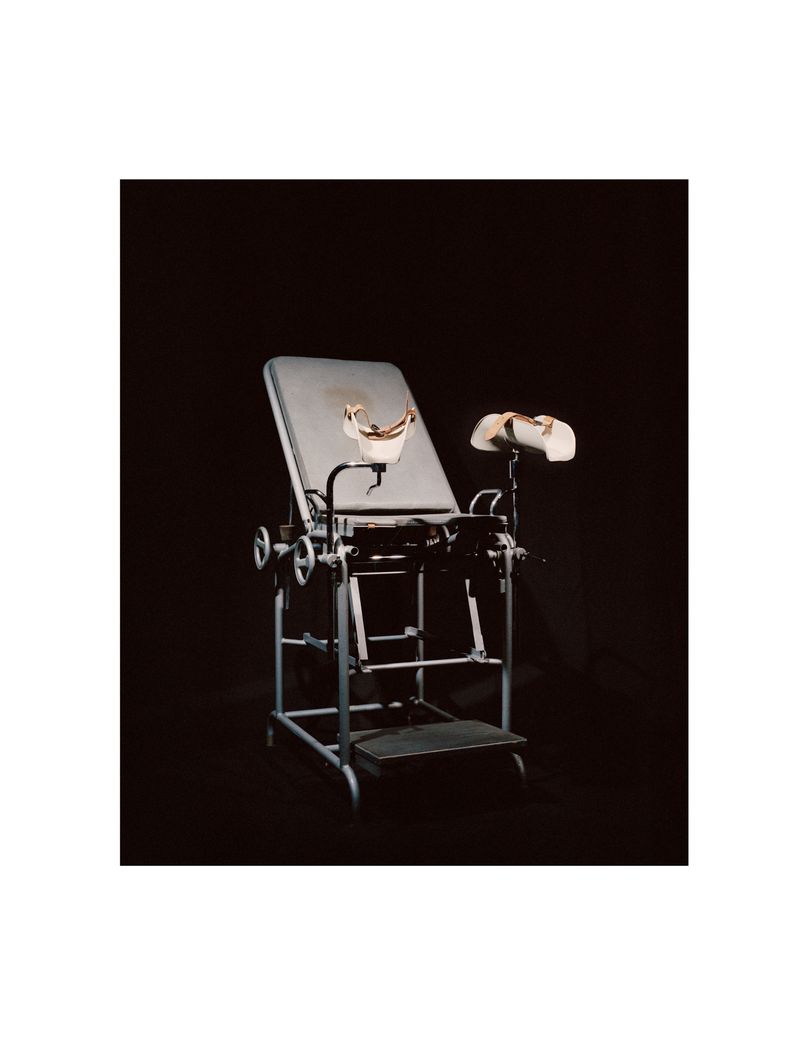
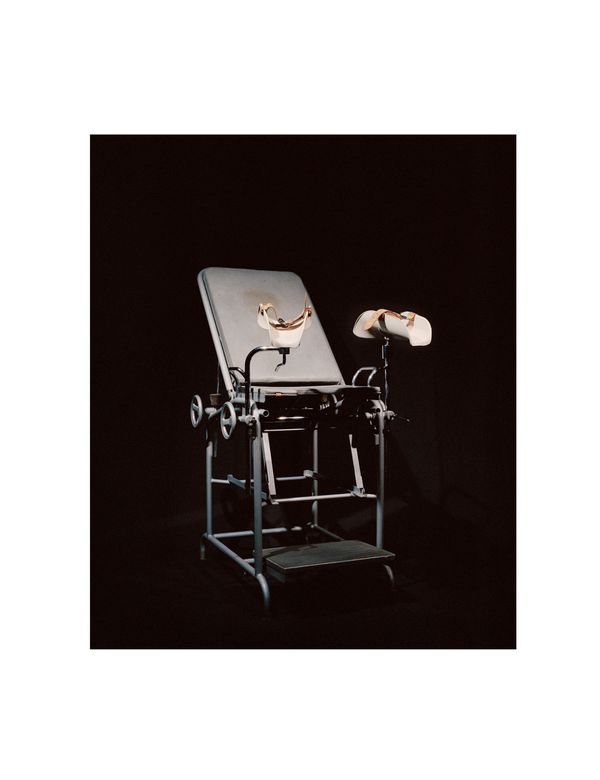
A gynecological chair from the middle of the 20th century on which the patient's legs could be fixed with leather straps. Today, modern these chairs are better adapted to the patients' ergonomics.

© Amelie Sachs - Image from the The Thief of Womanhood photography project
i

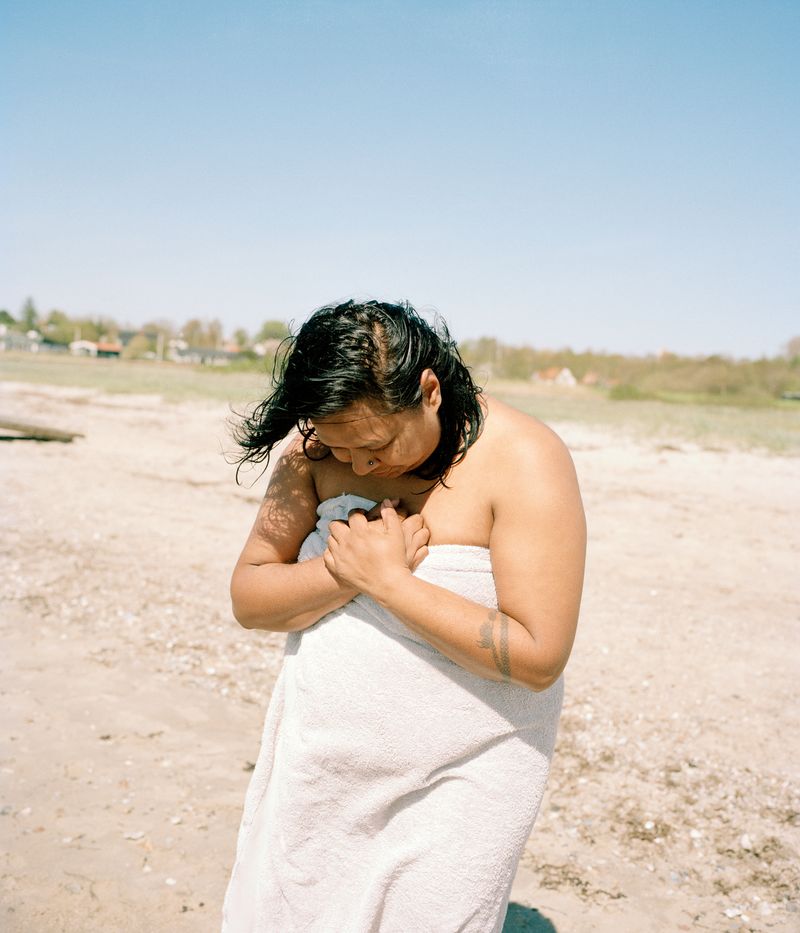
A couple of years ago, it was impossible for Sugi to go swimming in public. Now she even goes swimming in the sea in winter as a way of embracing her body.

© Amelie Sachs - Common symptoms of PCOS include obesity, hair loss, excessive male hair growth, absent menstruation, and infertility.
i

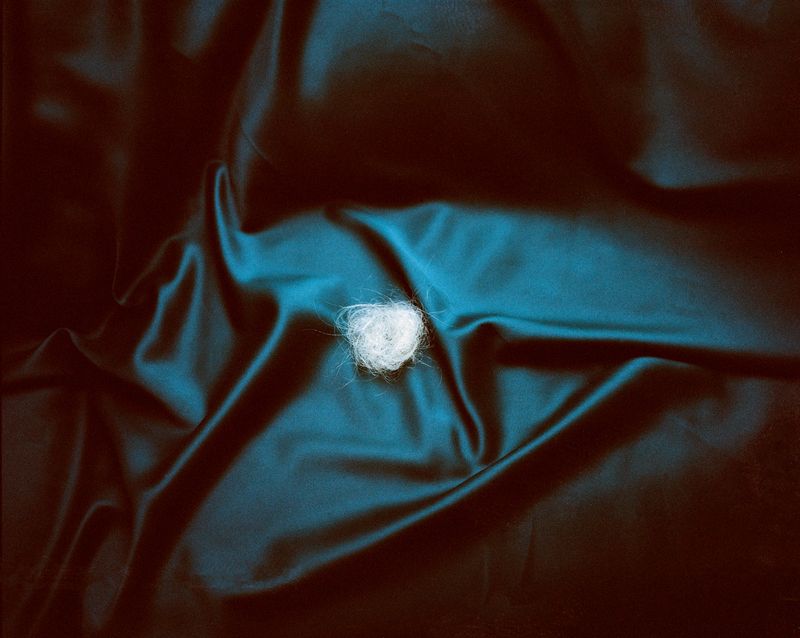
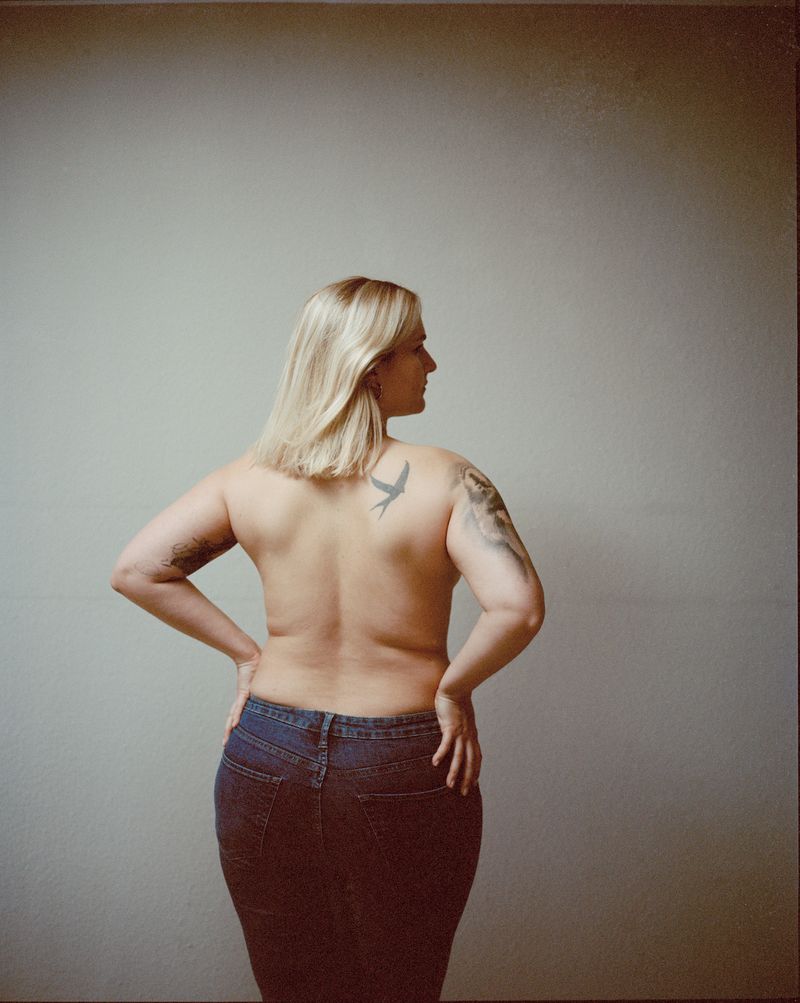
Common symptoms of PCOS include obesity, hair loss, excessive male hair growth, absent menstruation, and infertility.

© Amelie Sachs - Image from the The Thief of Womanhood photography project
i

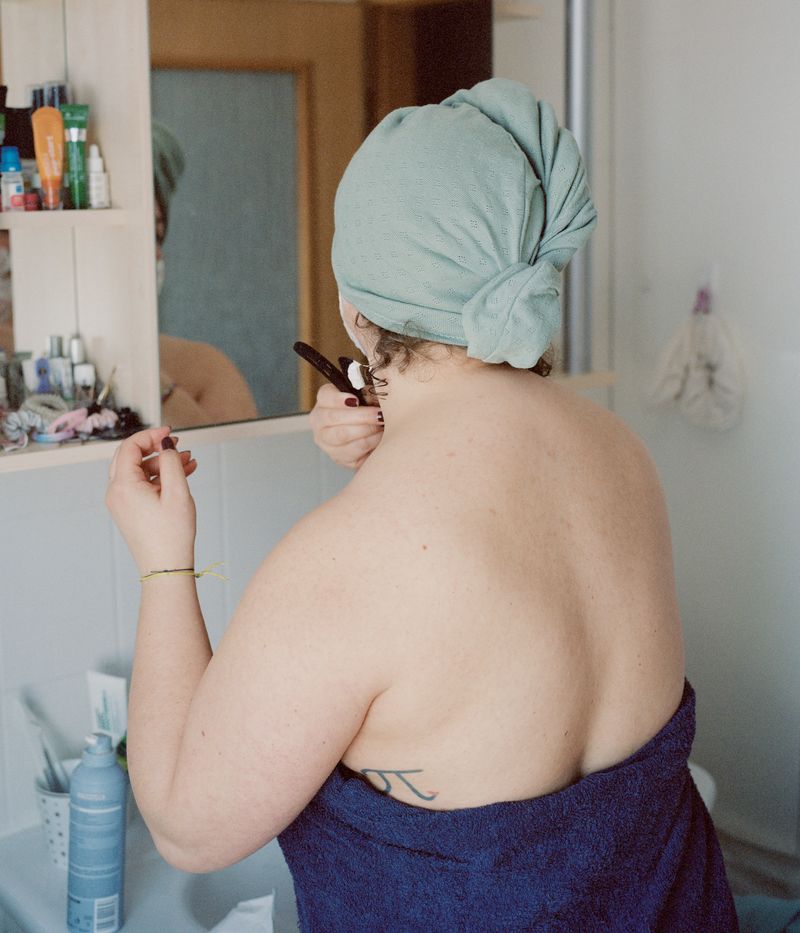
Luisa has been diagnosed with PCOS for about two years and receives no support from her gynecologist or endocrinologist. She describes the syndrome as a constant struggle with her own body. Her boyfriend taught her how to remove her facial hair.

© Amelie Sachs - Image from the The Thief of Womanhood photography project
i

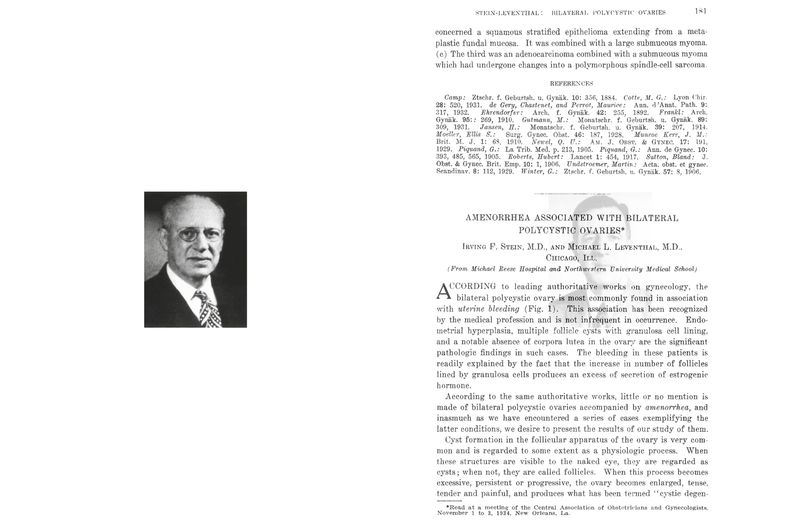
The book dummy includes archival material that refers to the historical context of the study of the syndrome. Dr. Stein and Dr. Leventhal were among the first scientists to describe the PCO-Syndrome in their report in 1935 in detail.

© Amelie Sachs - Image from the The Thief of Womanhood photography project
i

Sugi lives in Denmark and was born in the Tamil diaspora. Since she was young, she has always had an irregular menstrual cycle. To this day, she is not sure whether she wants to have any children at all.

© Amelie Sachs - Image from the The Thief of Womanhood photography project
i

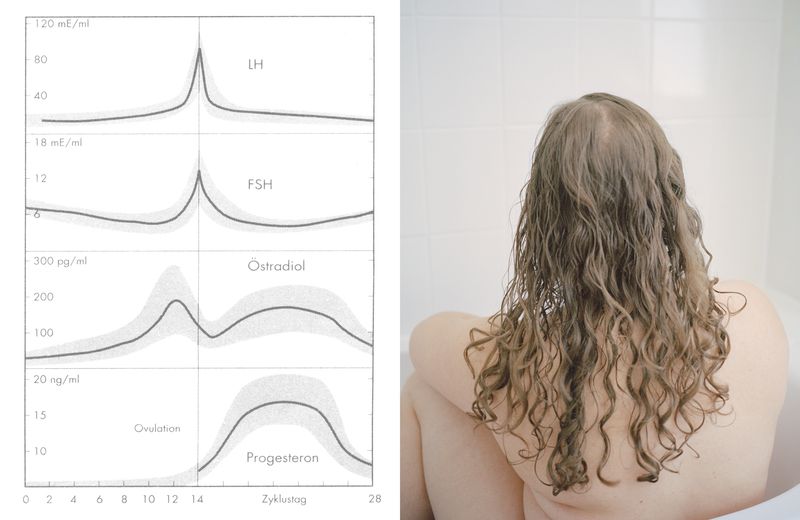
Different "female" Hormones regulate the menstrual cycle. Many people with PCOS have a higher level of testosterone, which can cause absence of menstrual periods and male hair growth.

© Amelie Sachs - Image from the The Thief of Womanhood photography project
i

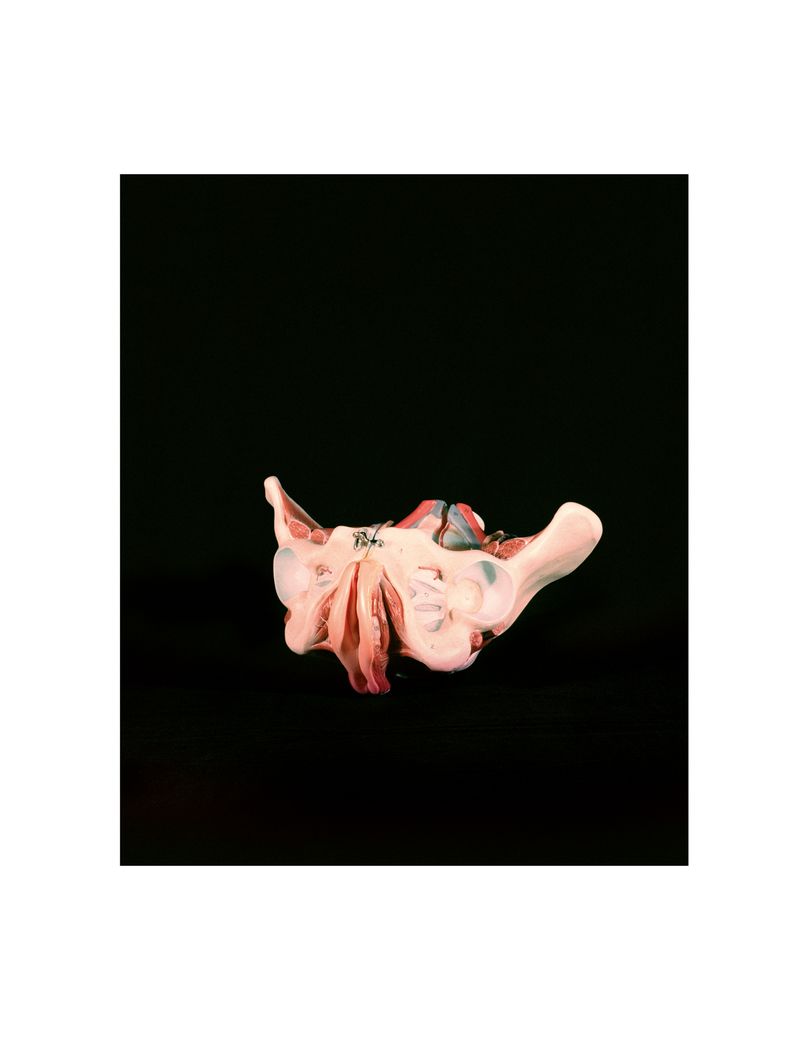
Historically, women‘s biology has been primarily associated with reproduction. This bias is evident in anatomical models of the female pelvis, where the clitoris is often underrepresented or erased entirely. These representations highlight how the focus o

© Amelie Sachs - Image from the The Thief of Womanhood photography project
i

“I associate femininity with comfort and warmth. But also strength. Many women make themselves look so small. Femininity can be totally strong and also have a lot of energy and express this.“- Camilla

© Amelie Sachs - Image from the The Thief of Womanhood photography project
i

Many people affected by PCOS are not able to have children in a natural way. Some others, however, do not want to have children at all. The treatments often depend on whether the patient wants to have a child or not. In this sense the gynecological method

© Amelie Sachs - Image from the The Thief of Womanhood photography project
i

“We don‘t even know what potential is hidden inside us, what ancient knowledge of our cycle is kept inside us, because it‘s been completely demonized or not being talked about because it‘s such a taboo subject.“ - Luisa Maria

© Amelie Sachs - Image from the The Thief of Womanhood photography project
i

“It‘s like having two faces. On the outside, everything seems fine and you‘re smiling. But inside, you‘re constantly thinking about it and you feel somehow divided.“ - Camilla

© Amelie Sachs - The mental stress in PCOS is enormously high for many patients and receives even less attention than the physical symptoms.
i

The mental stress in PCOS is enormously high for many patients and receives even less attention than the physical symptoms.

© Amelie Sachs - Image from the The Thief of Womanhood photography project
i

“In a way, I am grateful for the diagnosis. It put me back in touch with my body and made me discover what being a woman and femininity means to me.“ - Luisa Maria

© Amelie Sachs - Image from the The Thief of Womanhood photography project
i

“With PCOS, you‘re forced to have an incredible intimate relationship with your body, which is very painful when your body isn‘t functioning properly.“ - Luisa E.

© Amelie Sachs - Image from the The Thief of Womanhood photography project
i

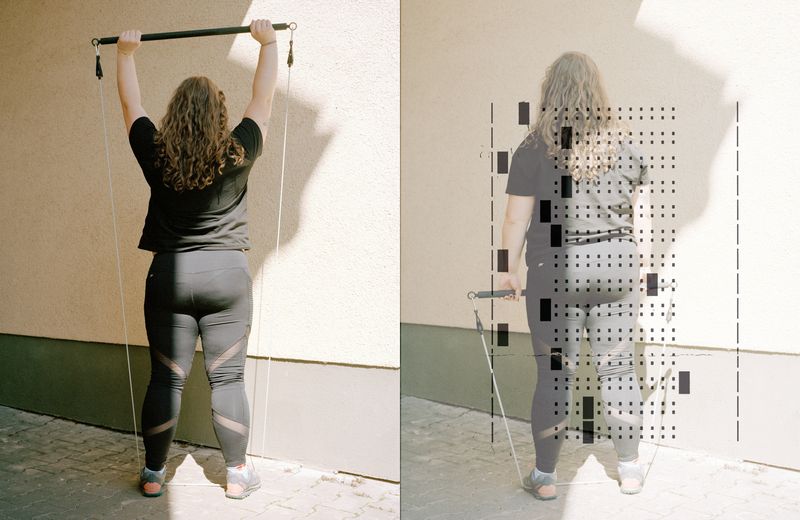
The book dummy contains medical documents that are presented in abstract form on transparent paper. In this way, they do not only serve as evidence but also engage in a dialogue with the protagonists. Particularly during sports, hormones can quickly becom

© Amelie Sachs - Image from the The Thief of Womanhood photography project
i

The book dummy contains medical documents that are presented in abstract form on transparent paper. In this way, they do not only serve as evidence but also engage in a dialogue with the protagonists. Particularly during sports, hormones can quickly becom

© Amelie Sachs - Image from the The Thief of Womanhood photography project
i

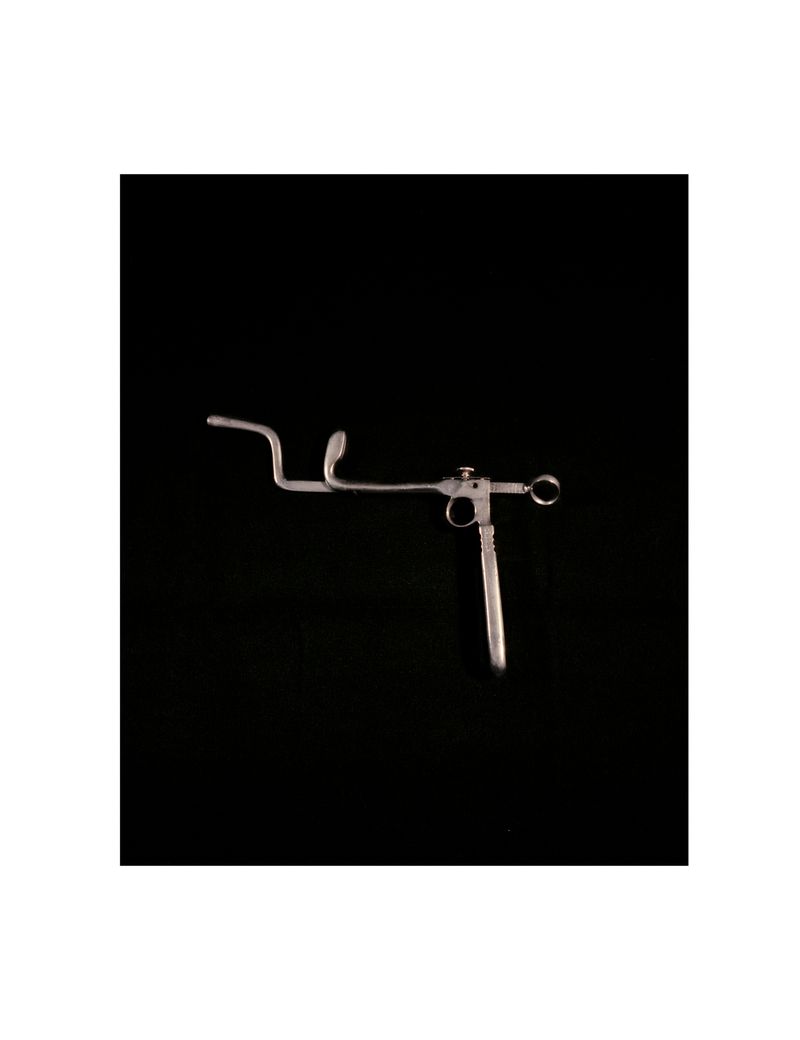
As traditional manual measurement with fingers was considered to be less accurate, new instruments were designed to precisely determine internal pelvic measurements in pregnant women. However, this pistol-shaped pelvimeter was proved uncomfortable and les