the sun is my religion
-
Dates2020 - Ongoing
-
Author
- Locations Australia, South Australia
The Sun is My Religion is a handmade photographic inquiry into landscape, memory and colonial inheritance, where silver gelatin prints are torn, exposed, sewn and reassembled into fragile acts of witness and repair.
The Sun is My Religion is a handmade photographic project exploring landscape, memory and inherited colonial narratives through the physical rupture and repair of the photographic print.
Asher Milgate’s practice is shaped by four decades of relationship with the Wiradjuri community in Wellington, New South Wales, and by his own Anglo-Celtic inheritance. His grandparents’ involvement with the Aborigines Inland Mission in the 1940s sits as part of this difficult personal history. The work does not attempt to resolve that inheritance. It holds it in view.
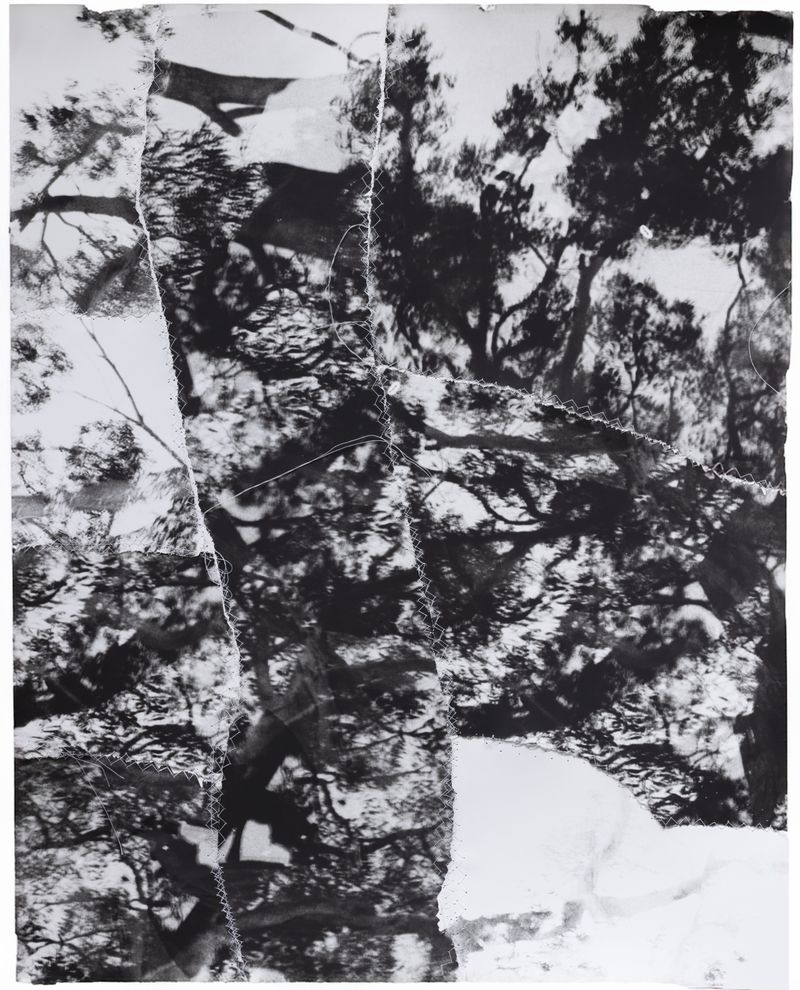
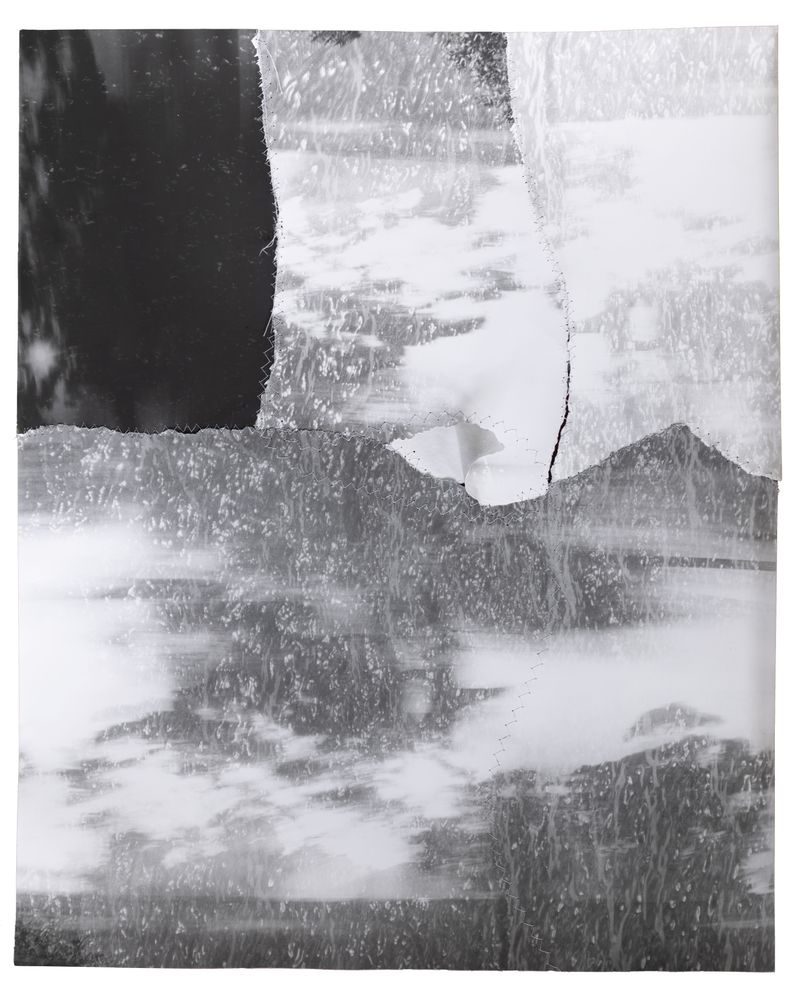
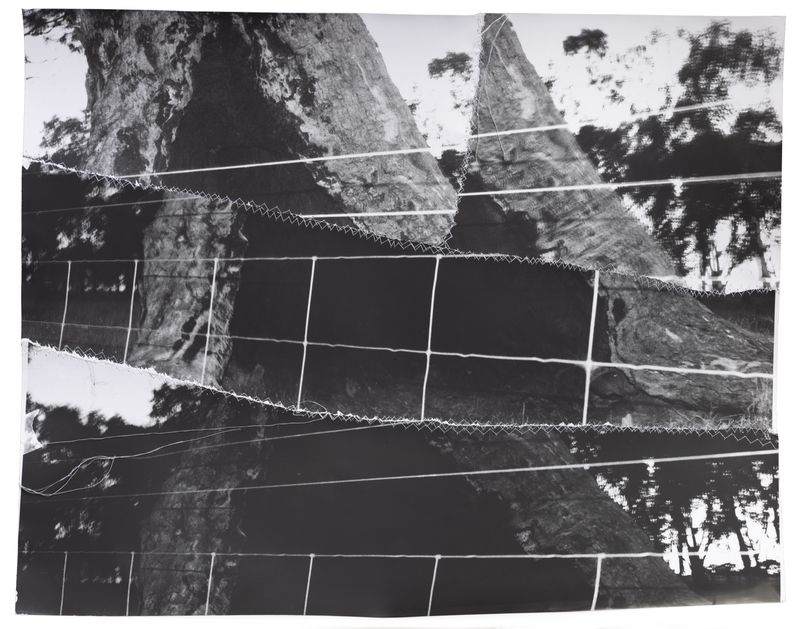
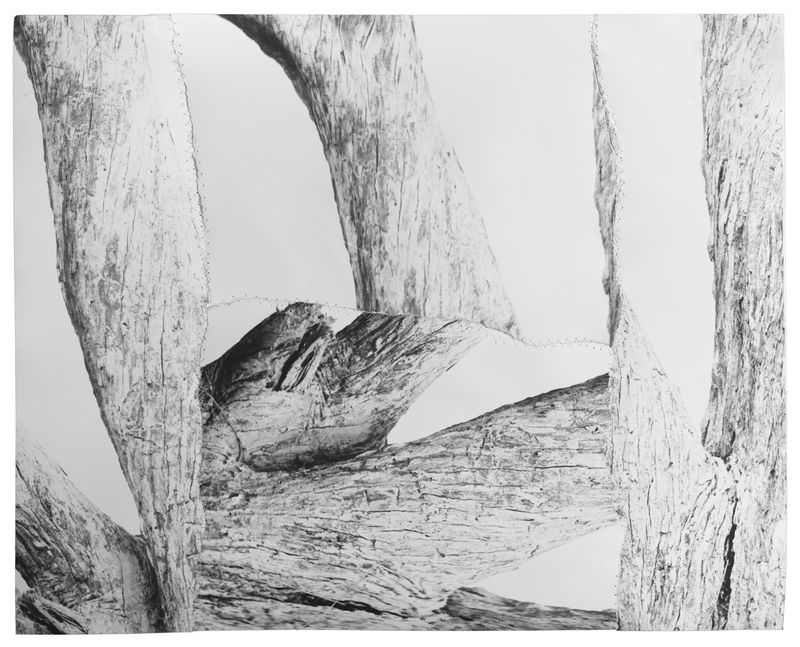
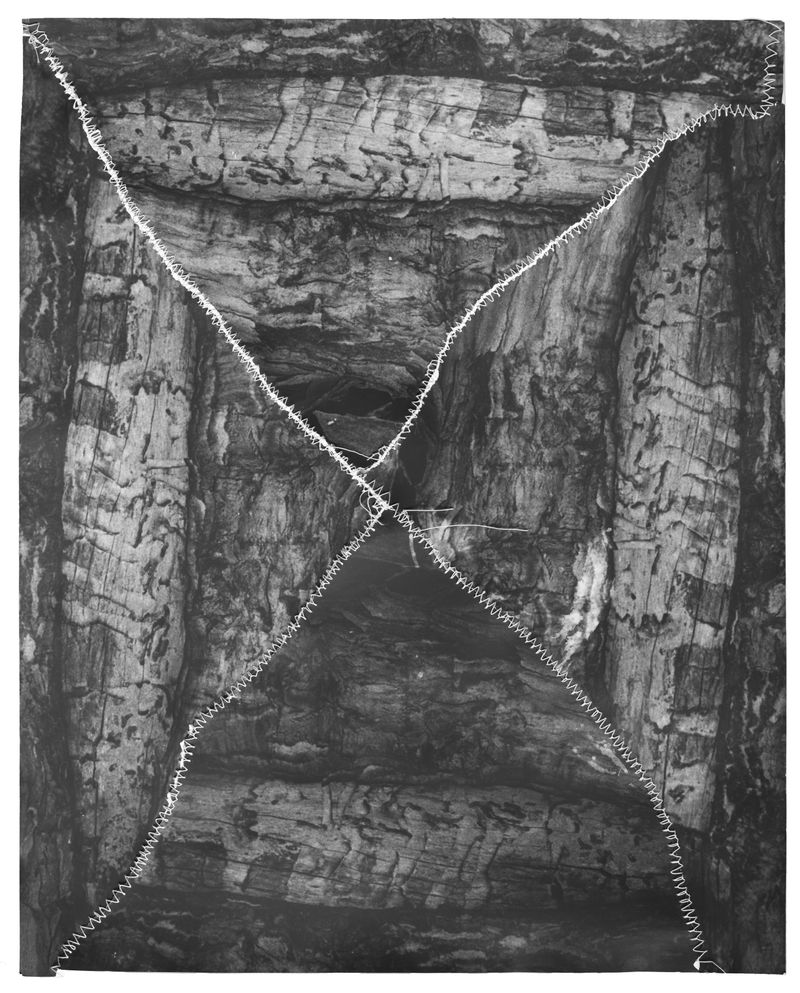
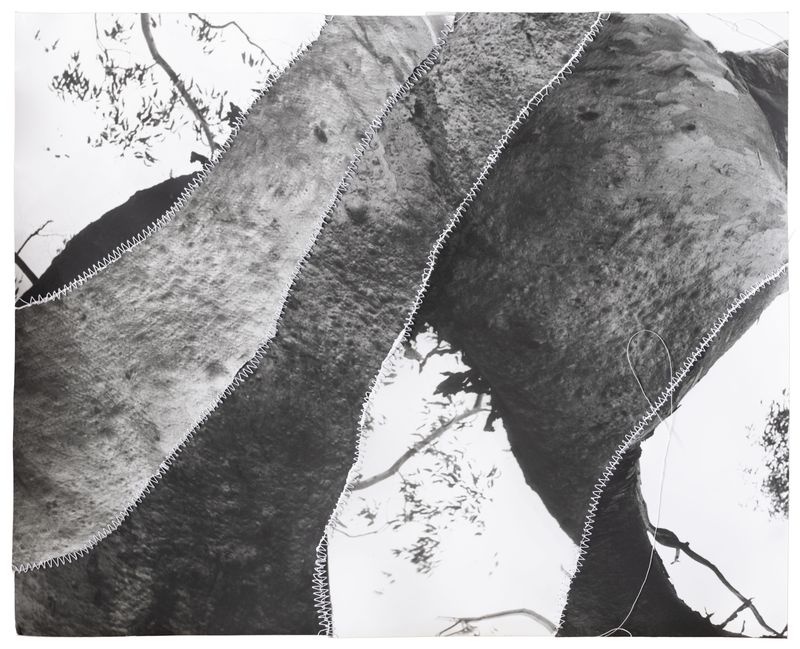
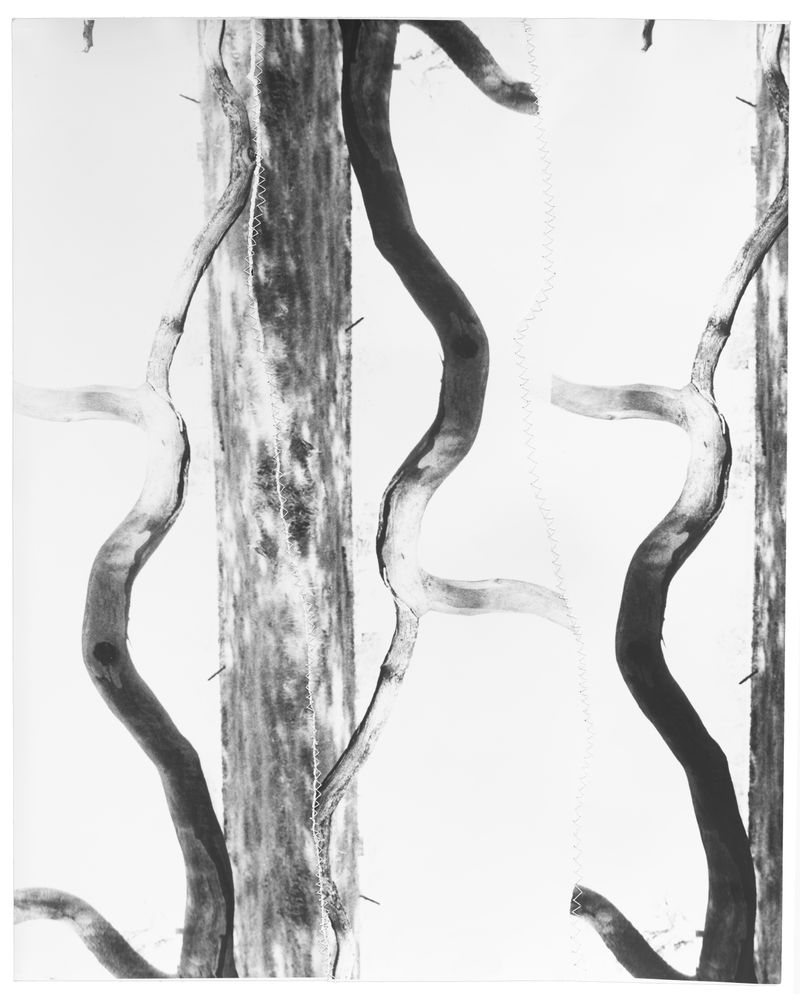
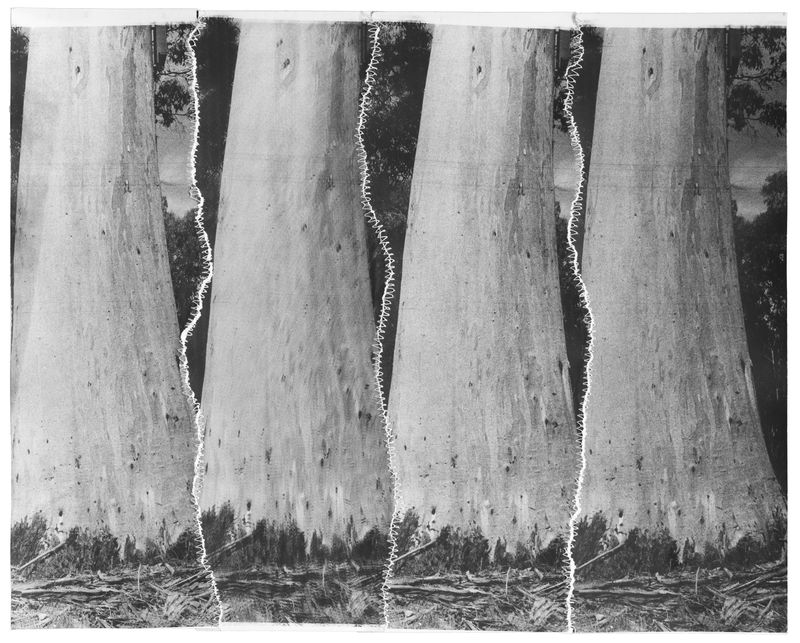
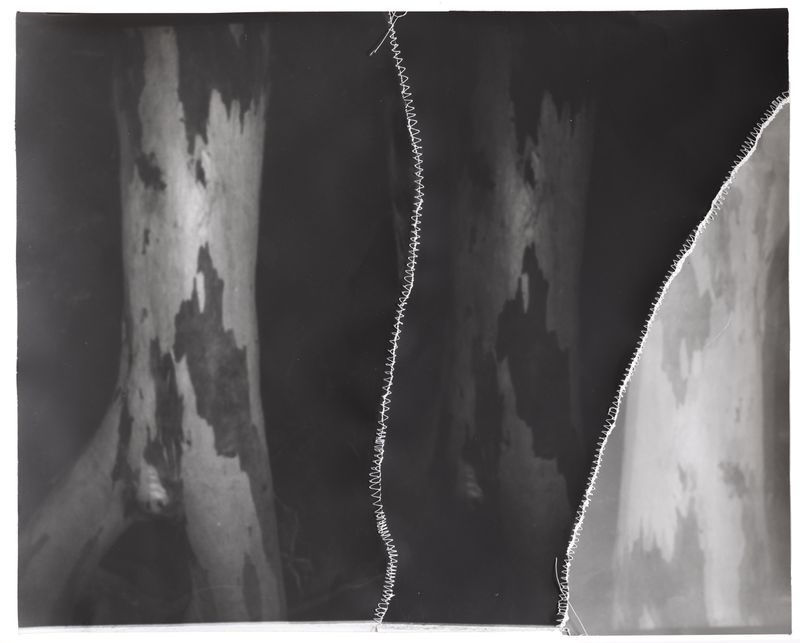
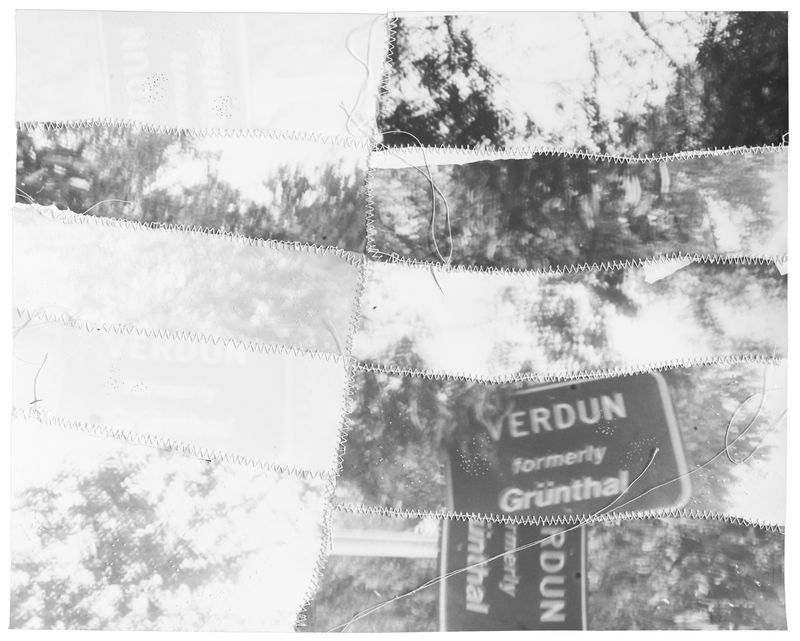
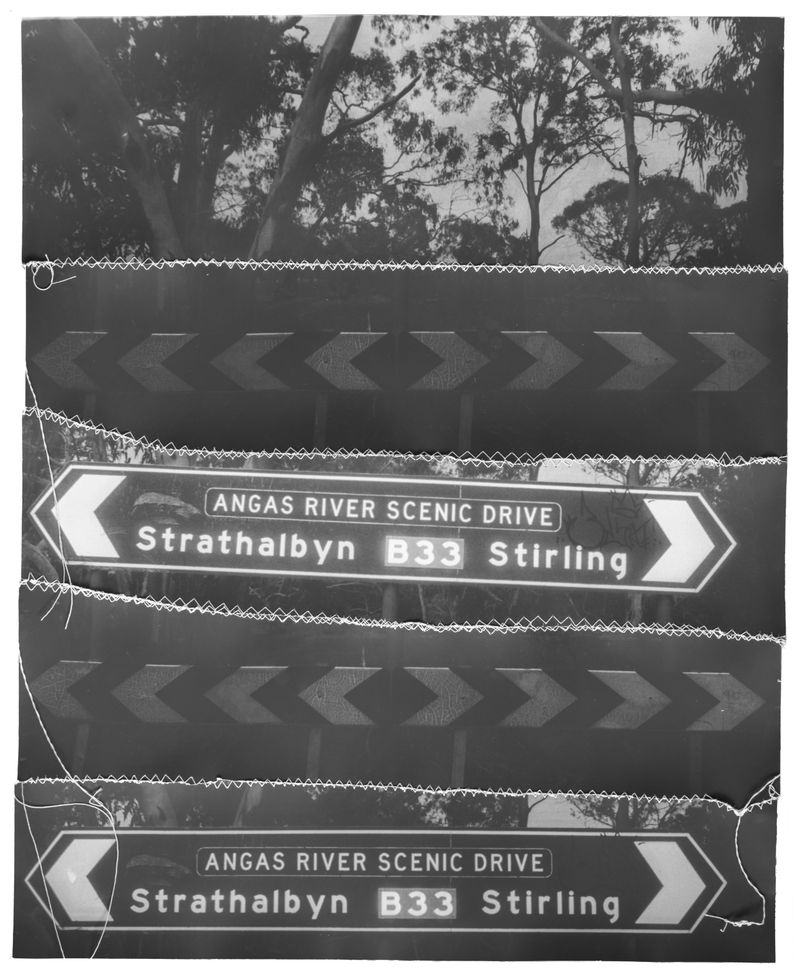
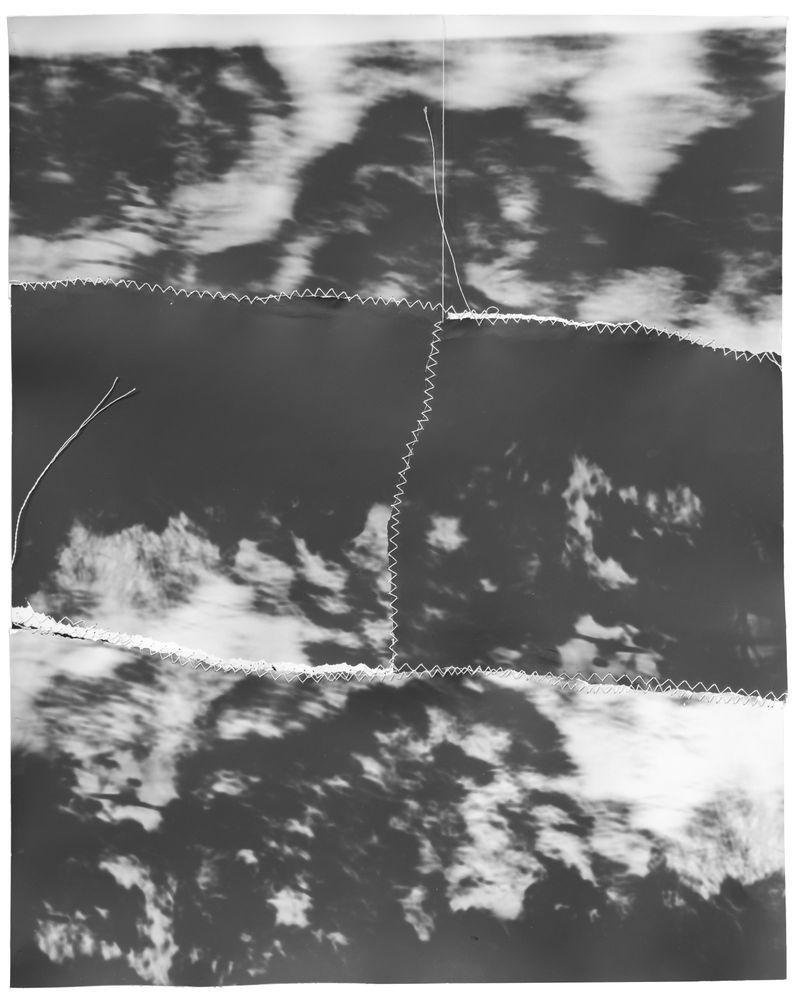
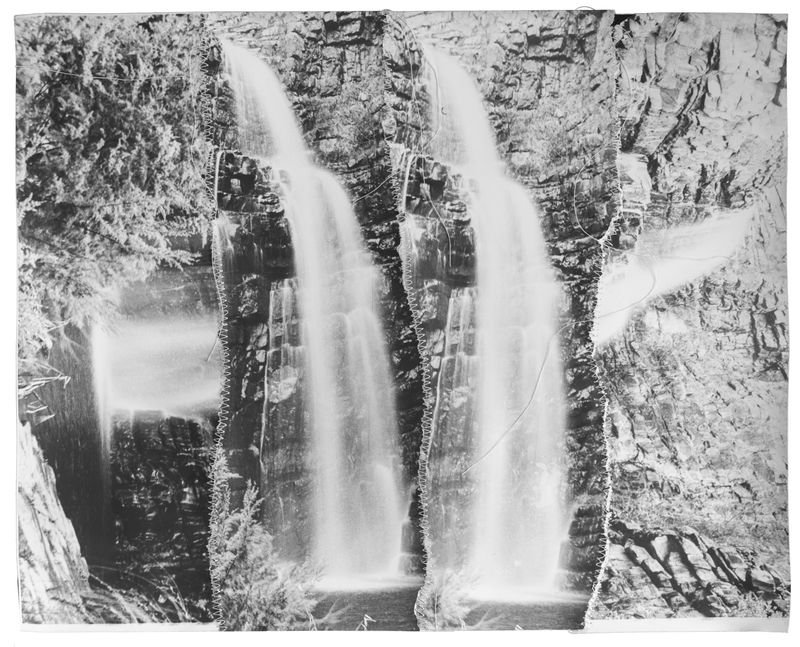
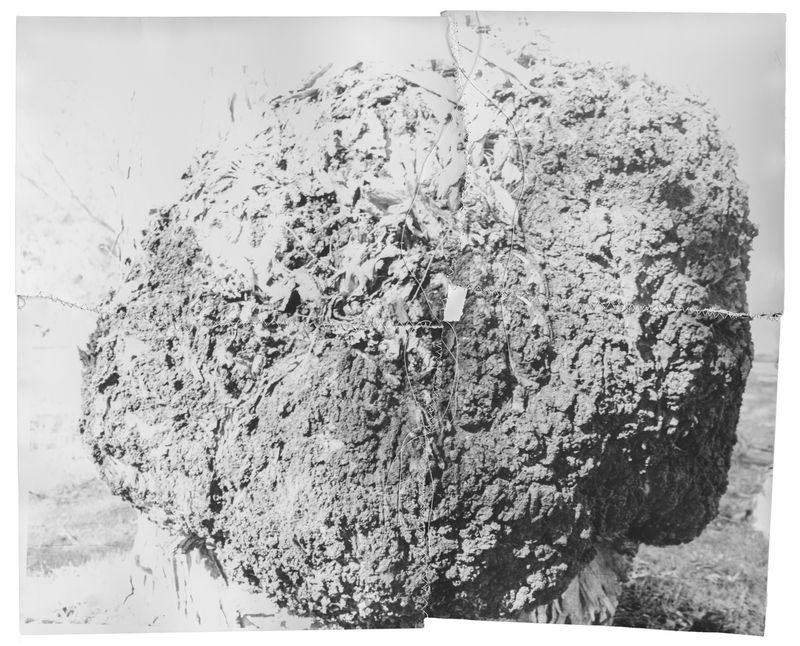
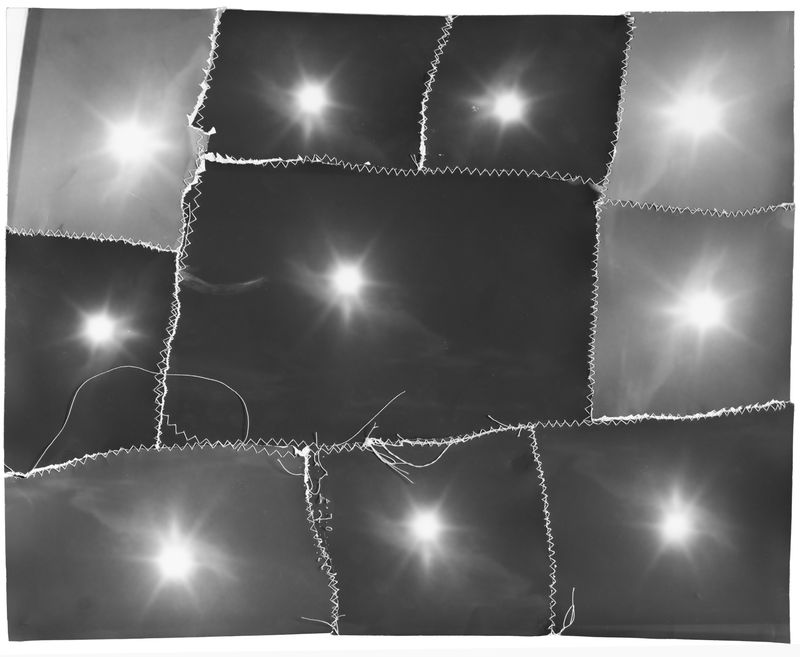
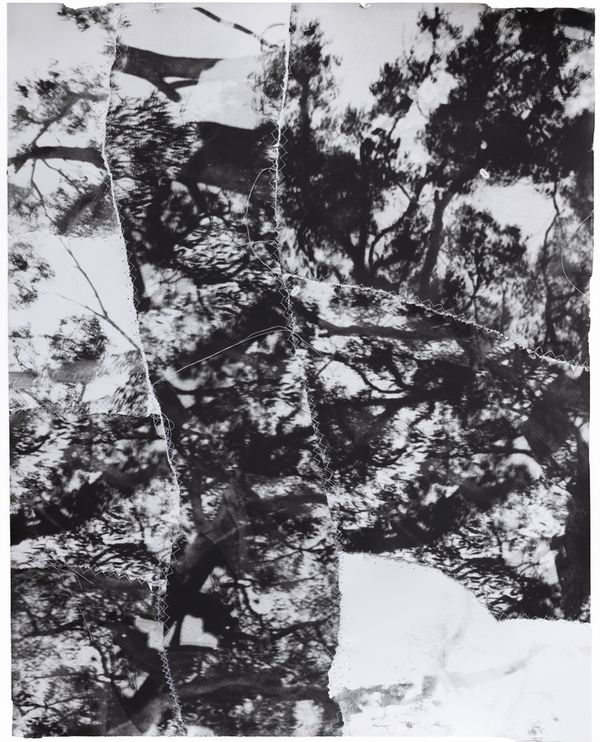
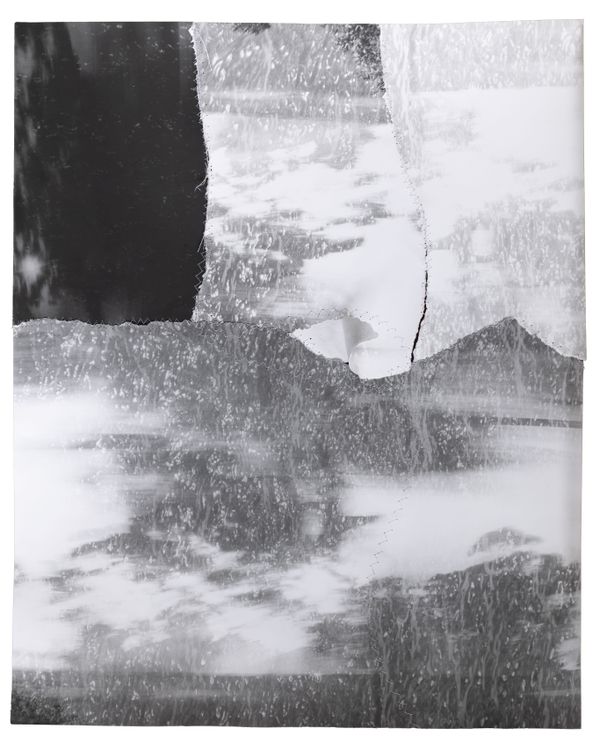
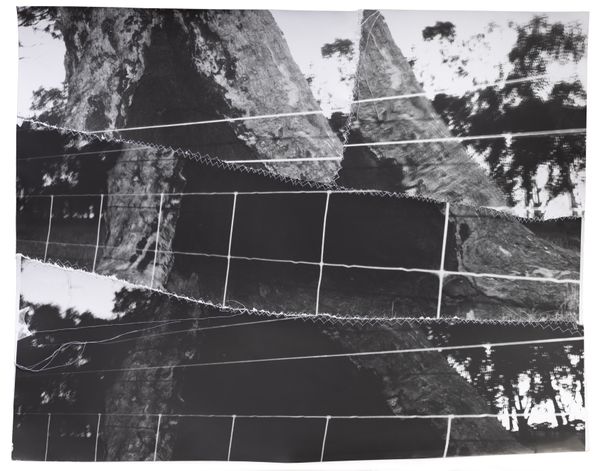
Each work is made by hand. Fibre-based silver gelatin prints are torn, exposed, sewn and reassembled. The image is not treated as a fixed document, but as a material site where memory, damage and repair are carried through the surface itself. Silver, salt, shadow and stitch become part of the work’s language.
The matte paper evokes skin more than surface. Each stitch operates as both mark and action: a gesture of care, labour, interruption and accountability. These works sit between testimony and silence, beauty and unease, personal memory and collective history.
From a distance, the compositions can echo fractured aerial surveys, traces of land division, management and inherited systems of separation. This is deliberate. The work asks how land is seen, who has been given authority to frame it and whose stories are displaced through that act of looking.
The title draws from Hans Heysen’s reverence for the sun and the Australian landscape, but the project moves beyond homage. Heysen becomes one entry point into a larger field of influence, belief and contradiction. The work also carries the pressure of contemporary artists who have challenged how Australia is pictured, remembered and claimed.
In The Sun is My Religion, photography becomes a practice of witness. The handmade print is not only an image, but an object of rupture and repair, asking what is inherited, what is carried and what responsibility remains in the act of seeing.