The Soil and the Song
-
Dates2025 - Ongoing
-
Author
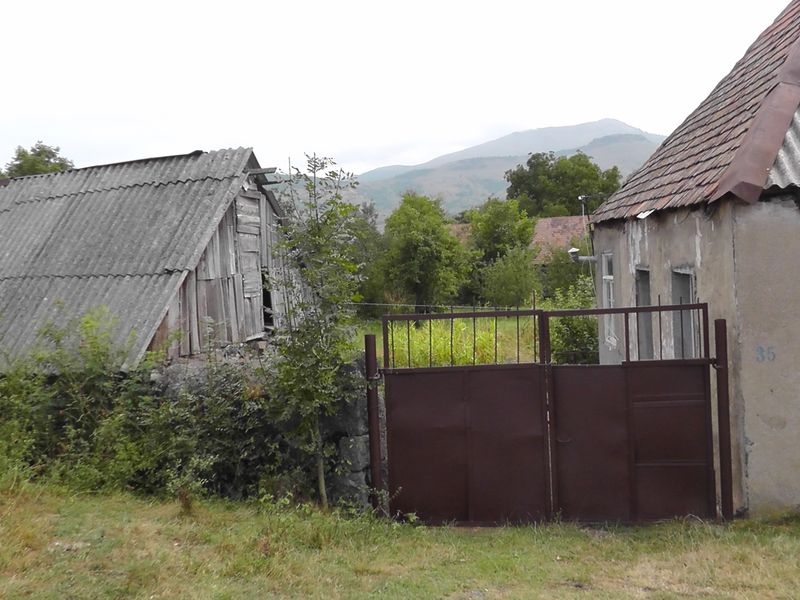
A visual story of Vardablur, Armenia, where land, memory and cultural heritage intertwine. Through its people, traditions and everyday life, the project explores how a community preserves its identity and passes it from one generation to the next.
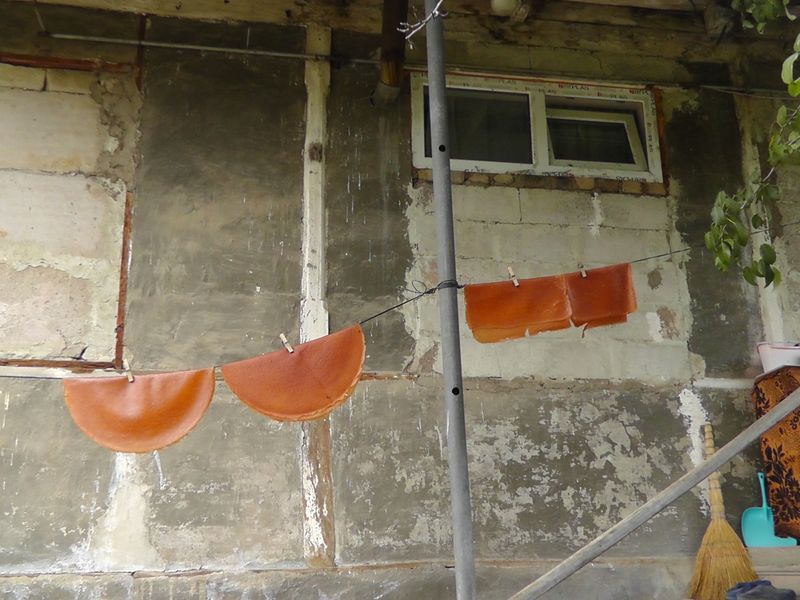
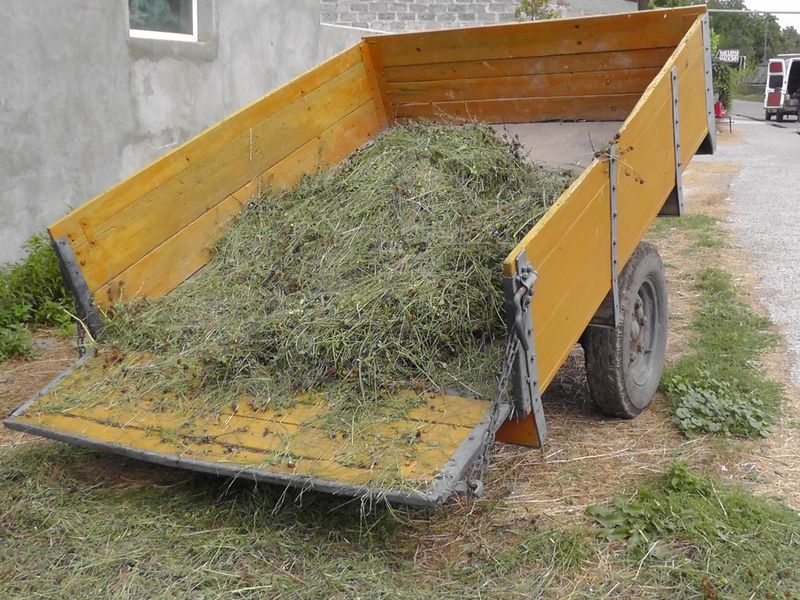
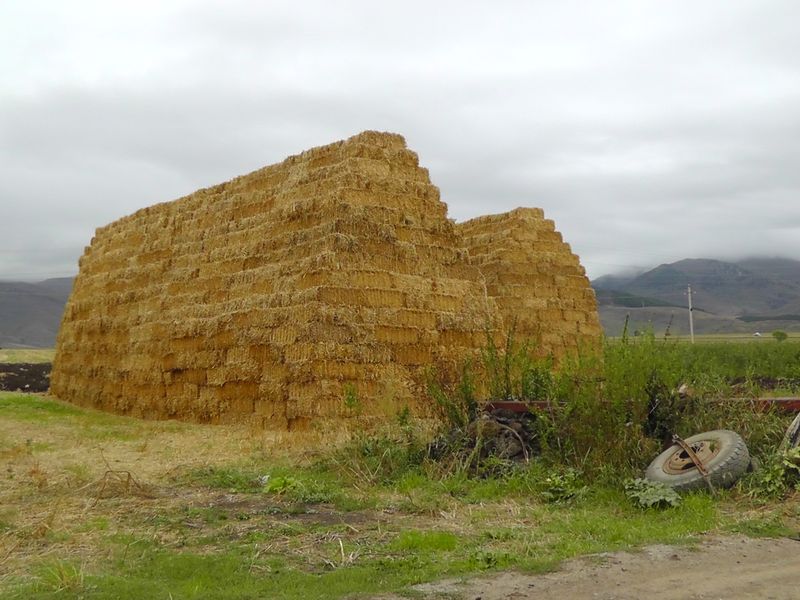
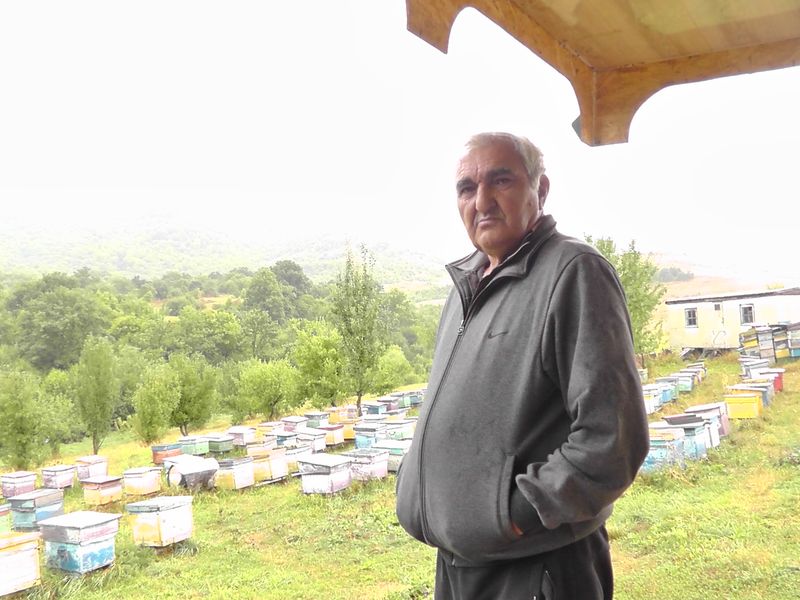
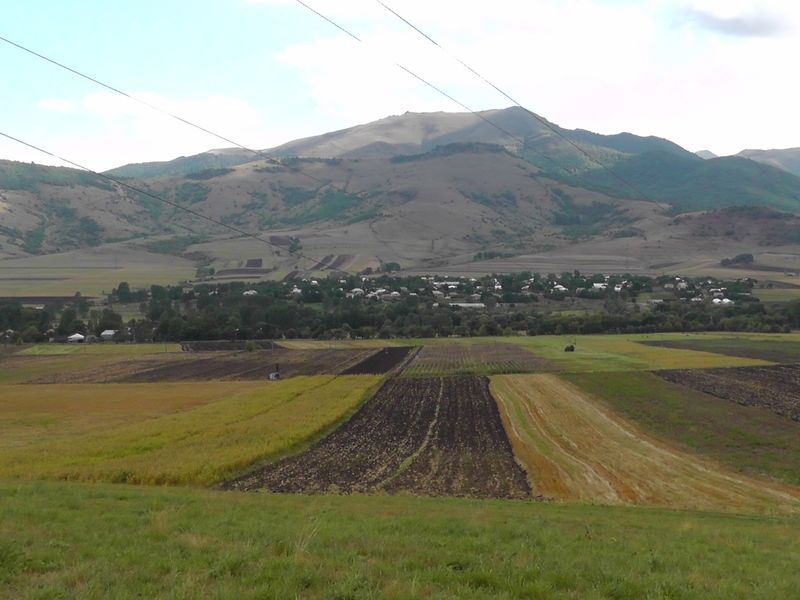
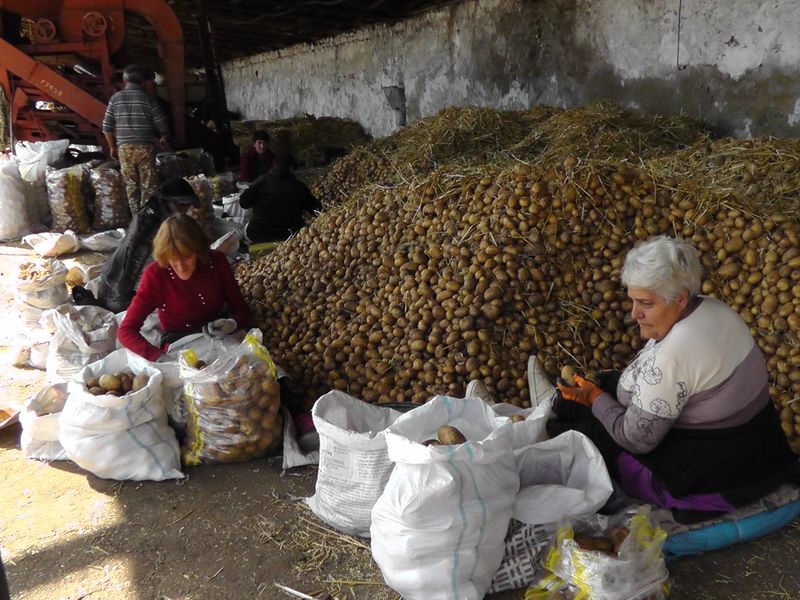
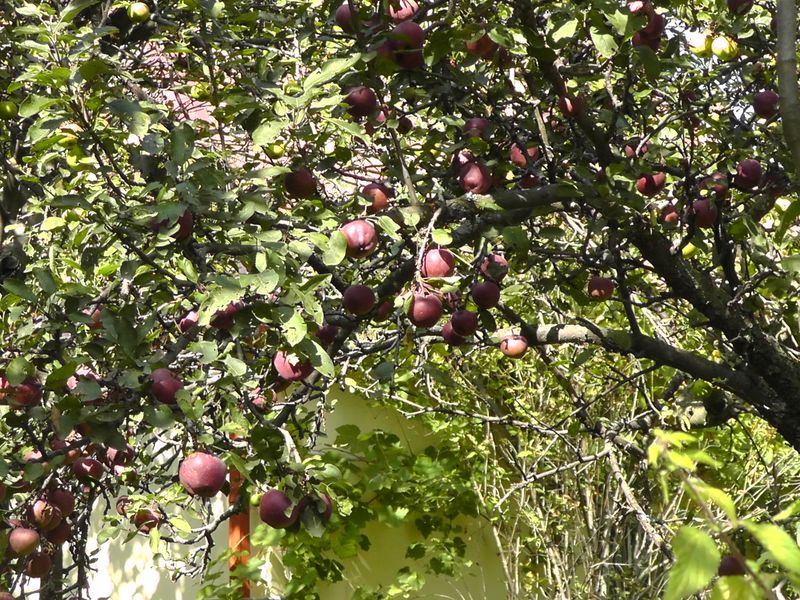
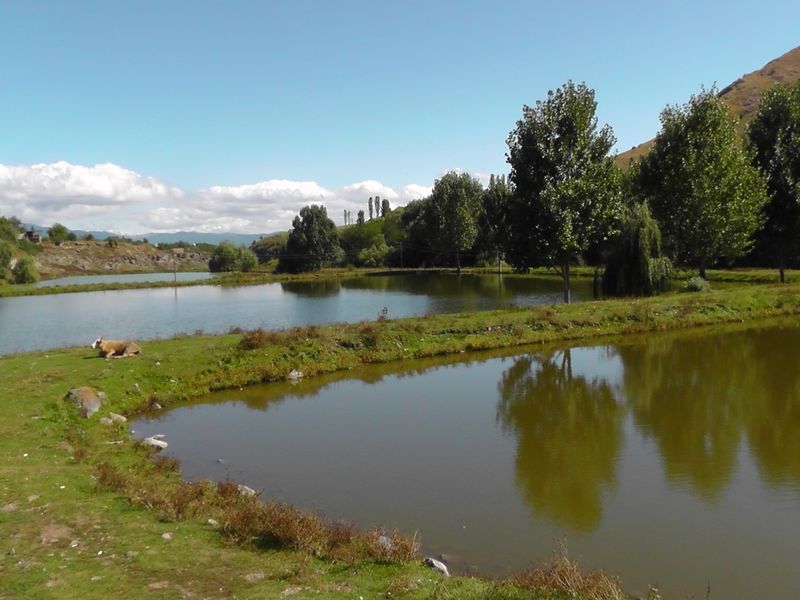
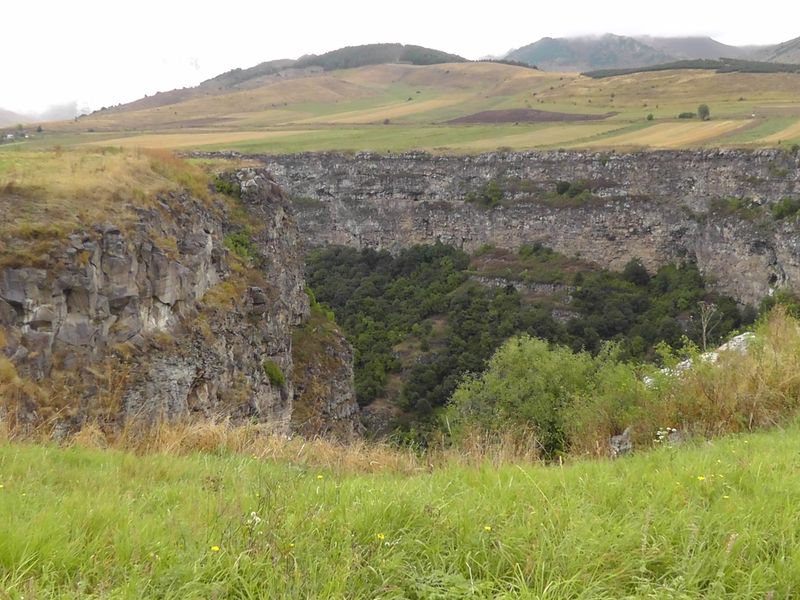
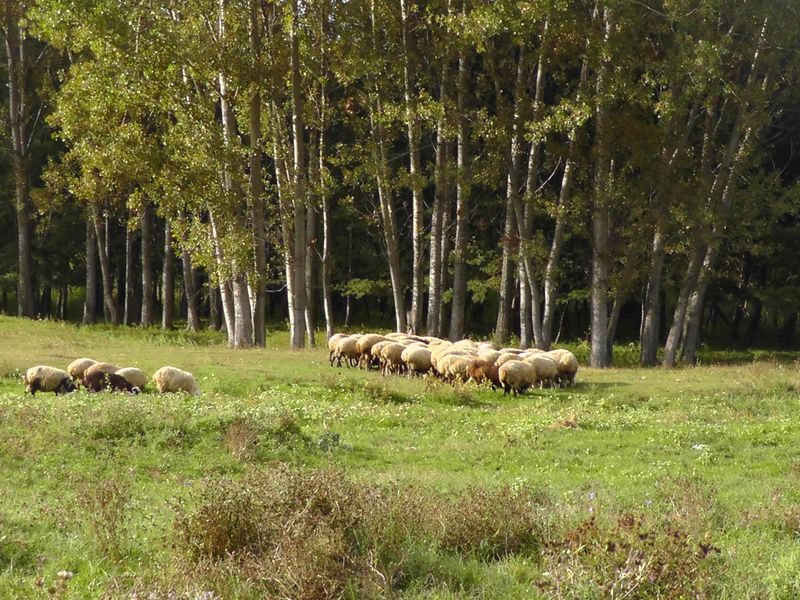
This photo reportage tells the story of Vardablur through the memory, history, and continuity of its community and generations. It traces the village’s story from its foundation to the present day, while exploring its natural environment — its river, lake, land, and mountains — as well as the agricultural products shaped by its climate and landscape, including potatoes, wheat, raspberries, honey, and other local produce.
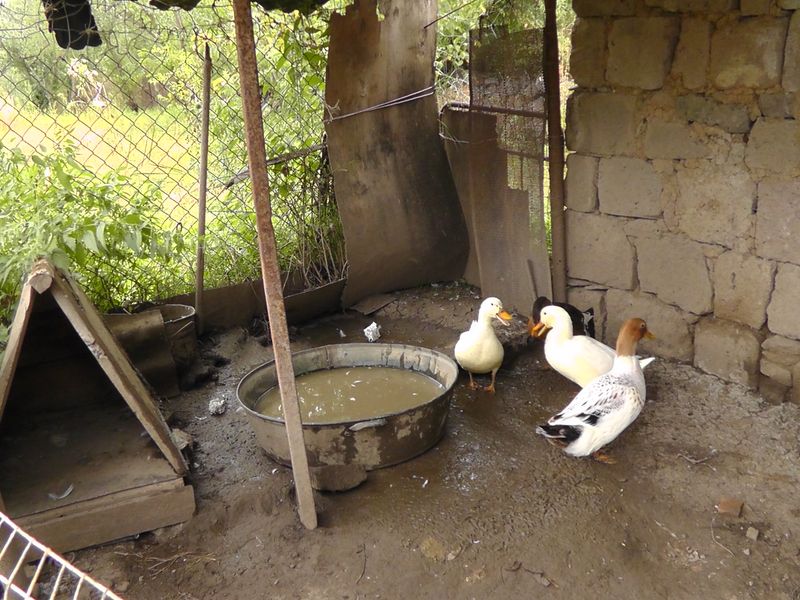
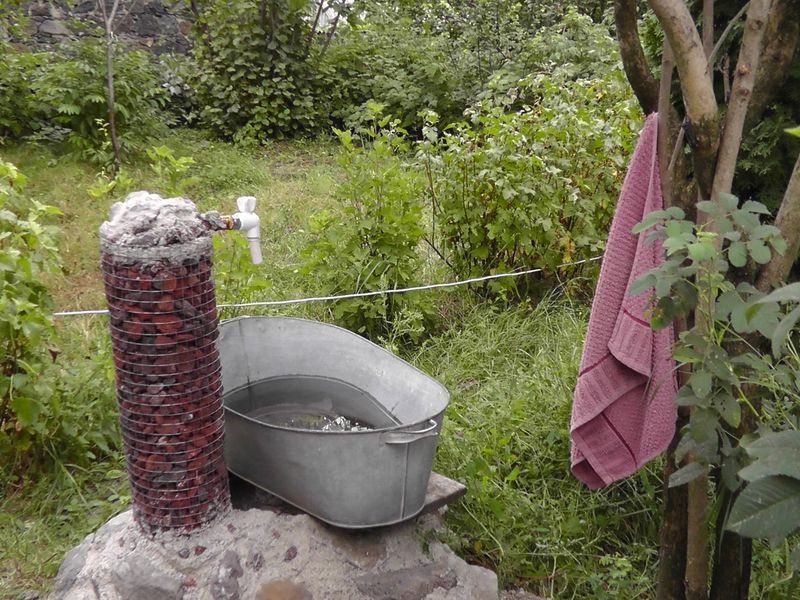
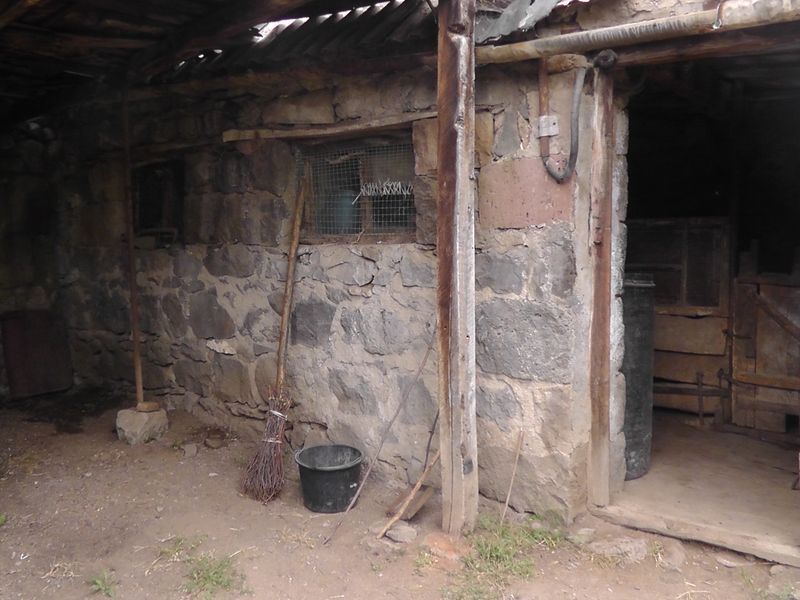
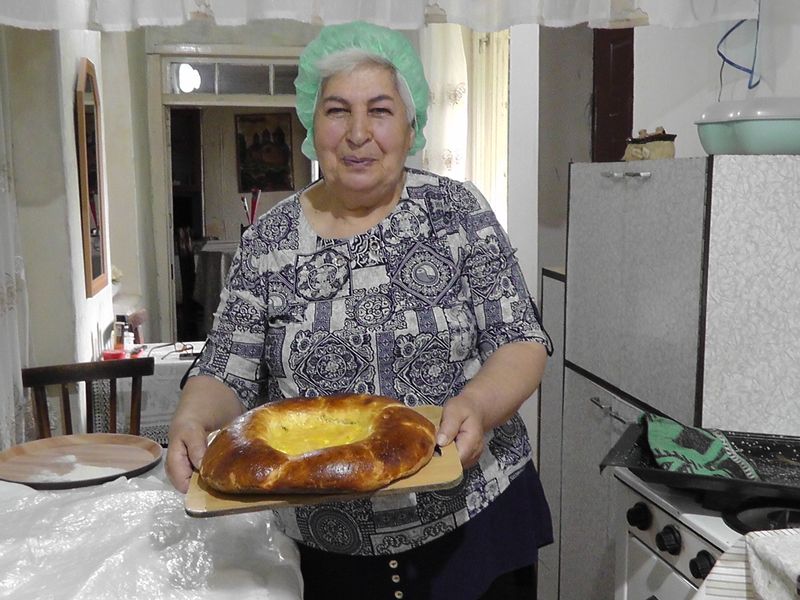
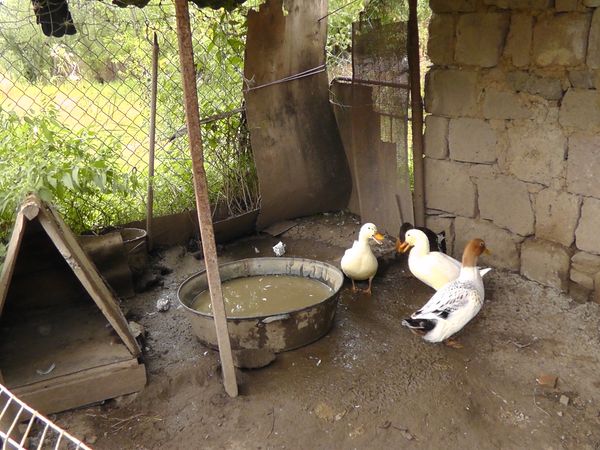
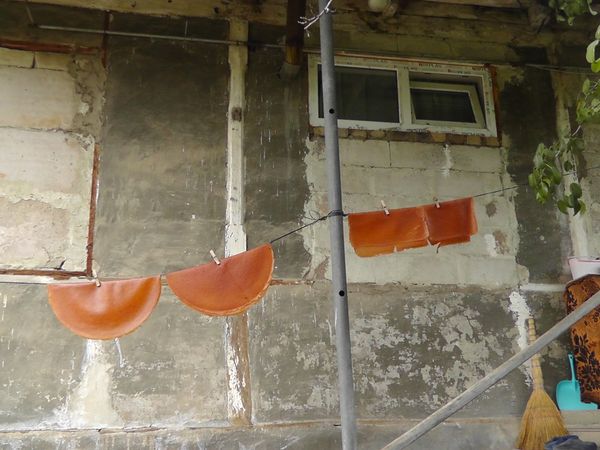
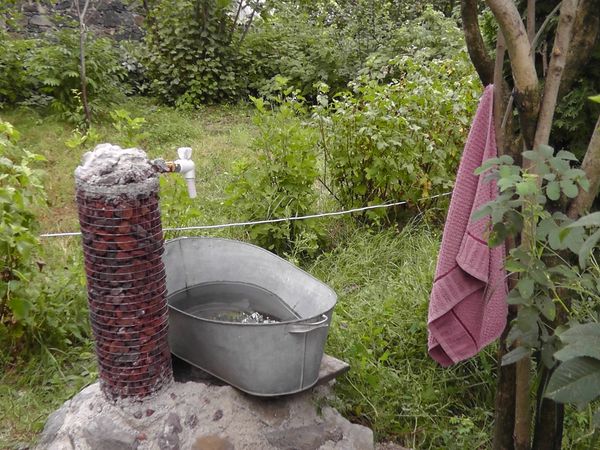
Through photography, the reportage captures everyday life in the community: people at work, traditional handicrafts, local cuisine, and the small details of rural life that give Vardablur its unique character. What is preserved here is not only physical heritage and traditional crafts, but also family stories, memories, customs, and knowledge passed down from one generation to the next.
Vardablur is a village of long-established families, with family trees and memories that continue across generations. The history of the community is deeply intertwined with the stories of its people. The village has been connected to notable figures in science, art, and culture, whose legacy has become part of its collective memory.
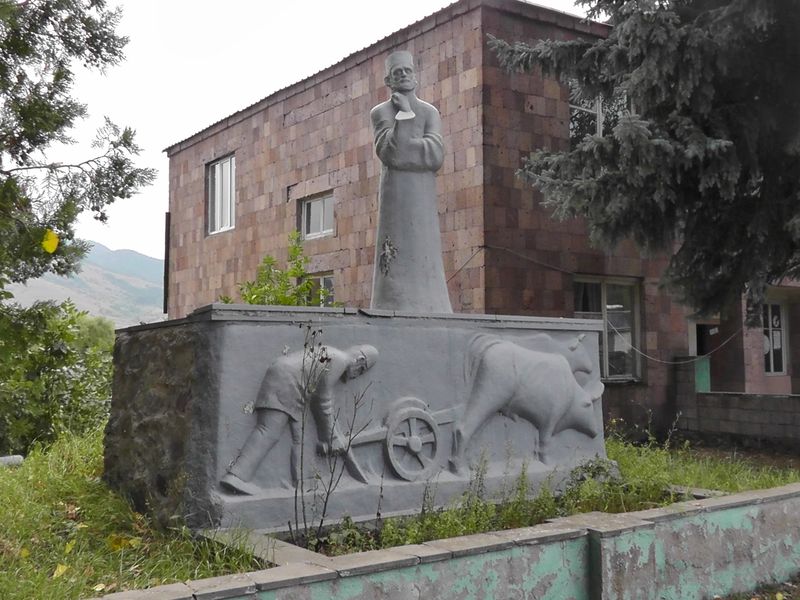
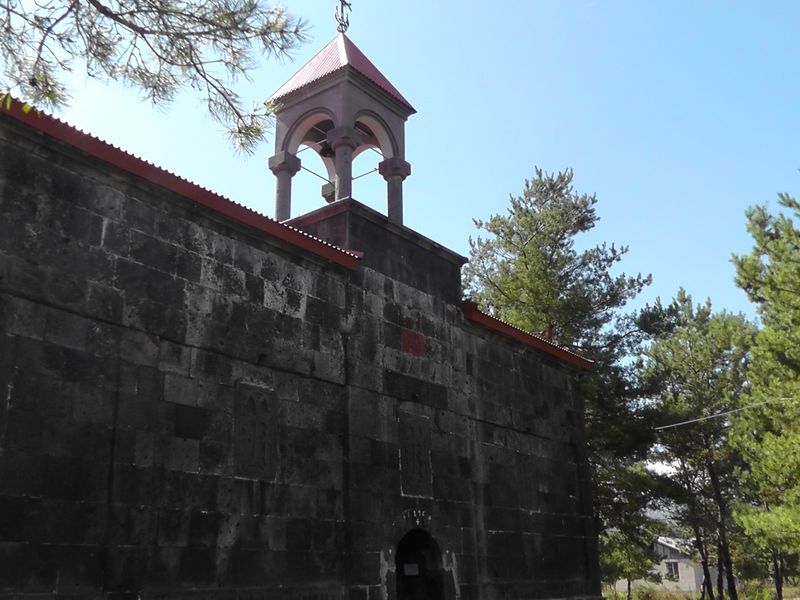
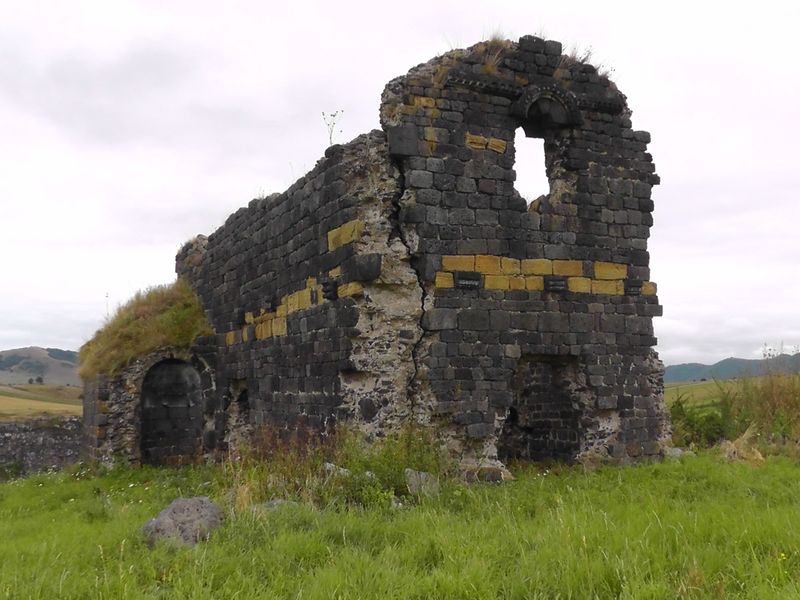
Vardablur also holds an important place in Armenia’s cultural memory. It was here that Komitas recorded the traditional ploughing song Horovel. Hovhannes Tumanyan also created his own version of the fairy tale Hazaran Blbul and wrote one of his quatrains here. The village is also connected to General Andranik, who lived in Vardablur with his troops. Its churches, historical and cultural monuments, and pottery school remain important parts of the community’s heritage.
The photo reportage brings together Vardablur’s past and present, showing how a community’s memory is preserved through its people, families, landscape, work, songs, and traditions. Each photograph becomes a small testimony — to a person, a story, a place, or a tradition that continues to live through the next generation.
In this sense, Vardablur’s story is not simply a story of the past. It is a living heritage, where land, song, memory, and the connection between generations come together to shape the identity of the community.