The Serpent's Thread
-
Dates2022 - Ongoing
-
Author
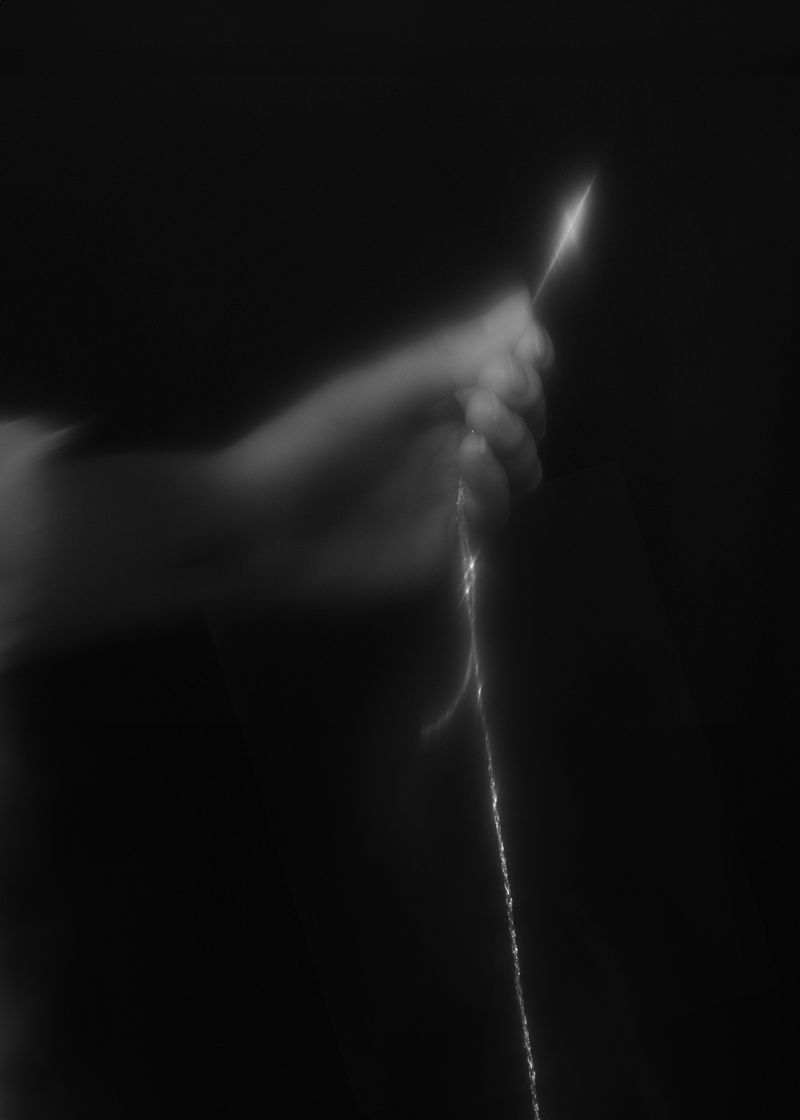
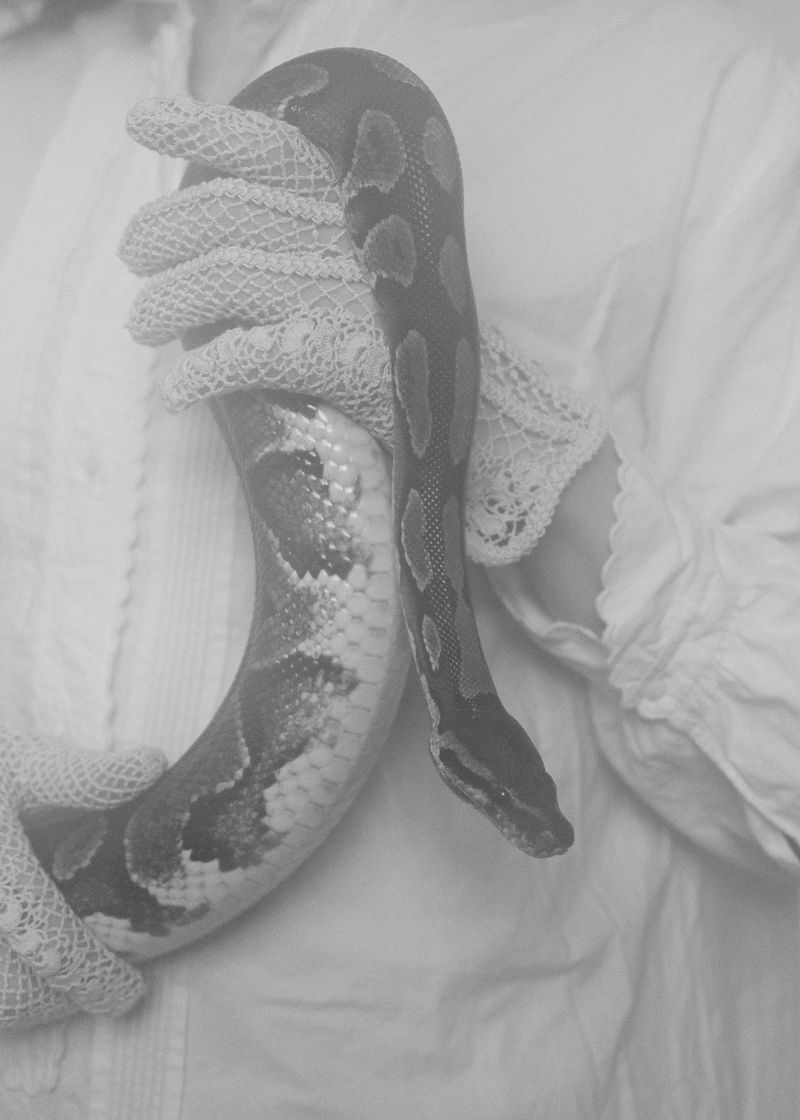
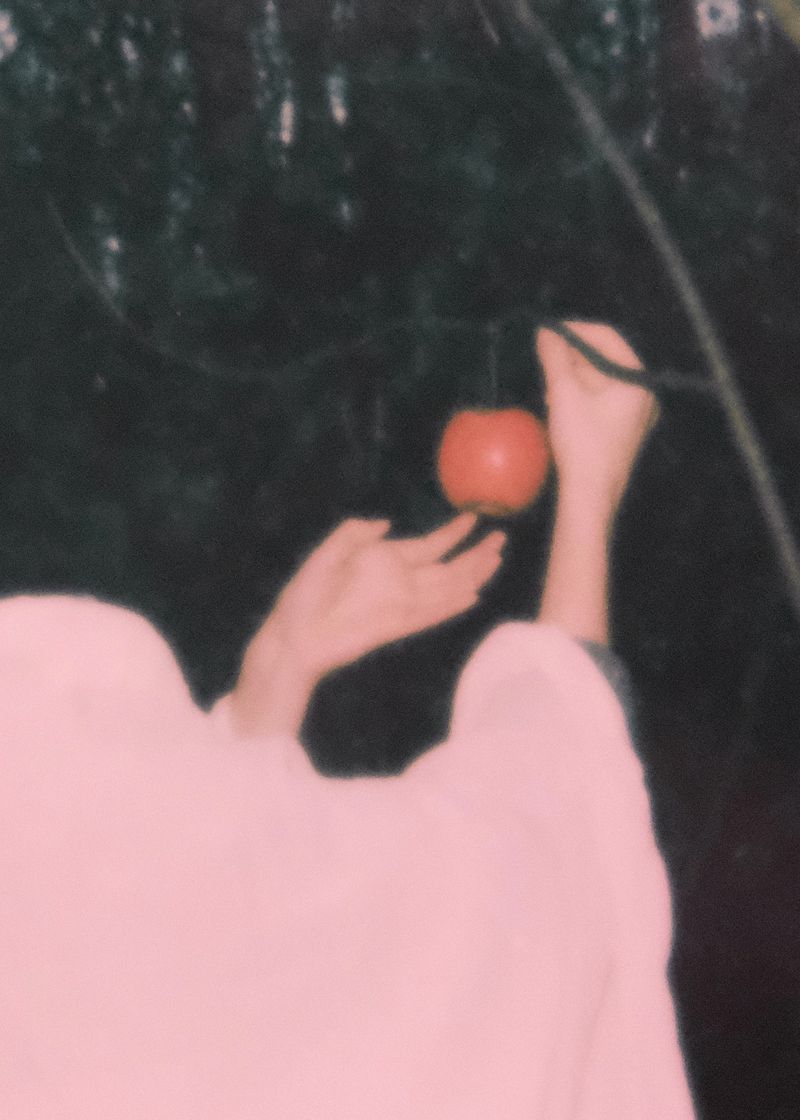
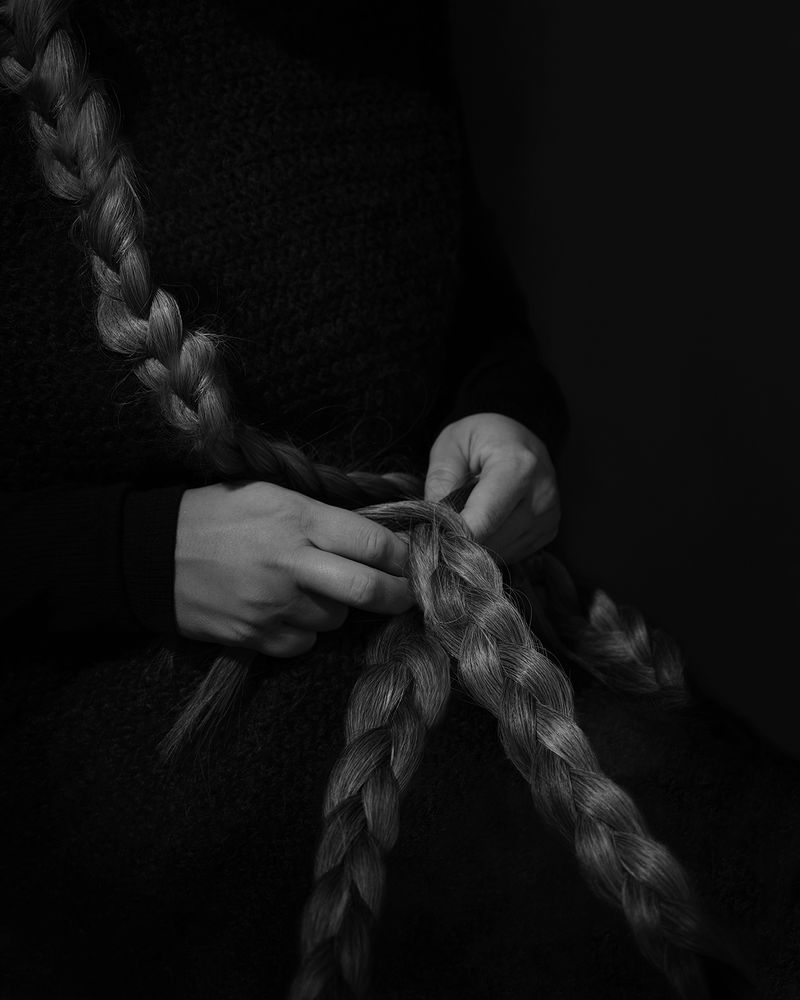
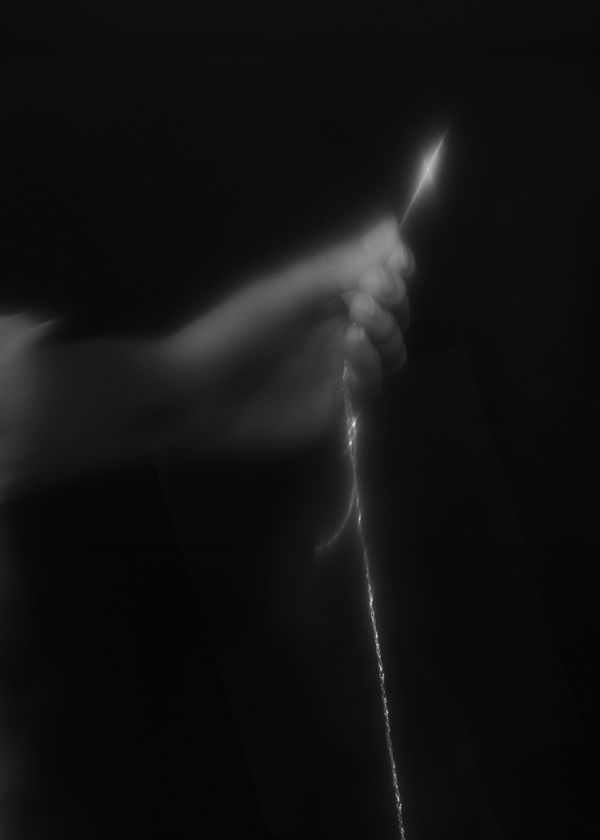
Like a textile containing many threads, “The Serpent’s Thread” serves as a visual retelling of the female textile (hi)stories that merge documentation with myth-making, history with fiction.
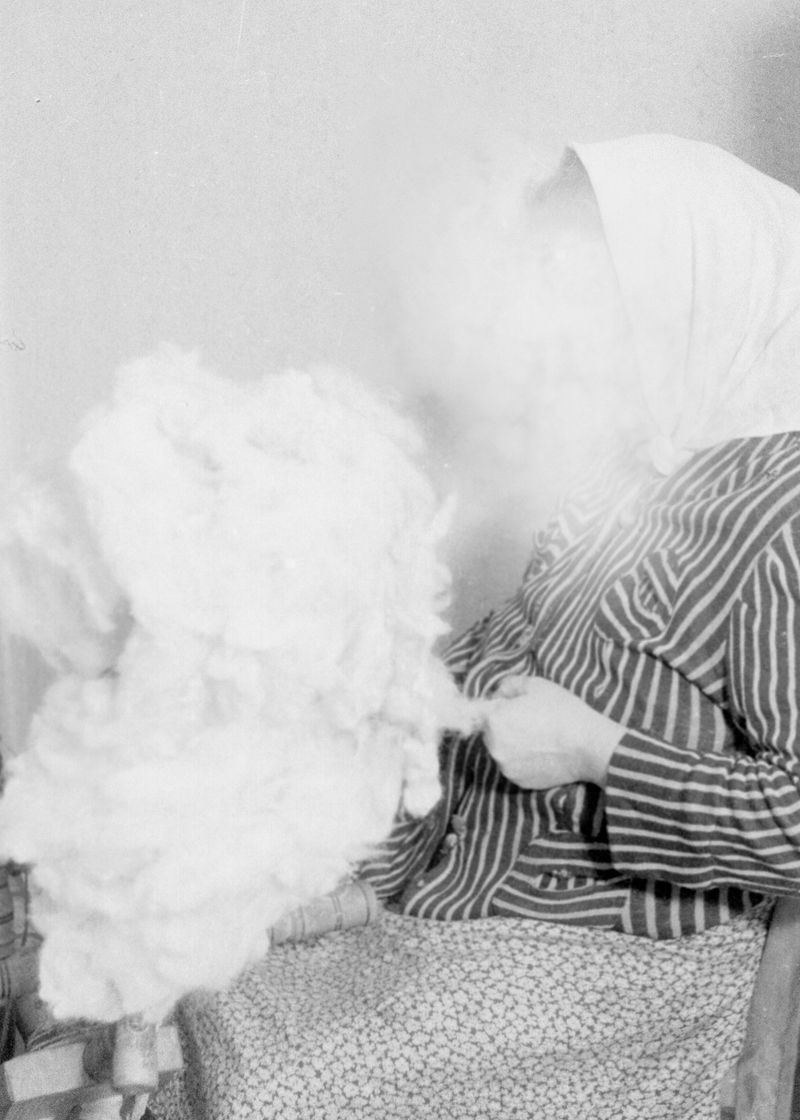
As a child, I spent countless hours observing my grandmother, a Polish countryside textile worker, stitching together scraps of material into objects that were new, wonderful and soft. In the same way a storyteller weaves many elements into a tale, her textiles consisted of many threads. Never formally educated to write due to gender politics at the time, her textile works were her language, carrying a knowledge of generations of women before me.
Once she passed away, all her textiles, deemed as of no value, were discarded or lost.
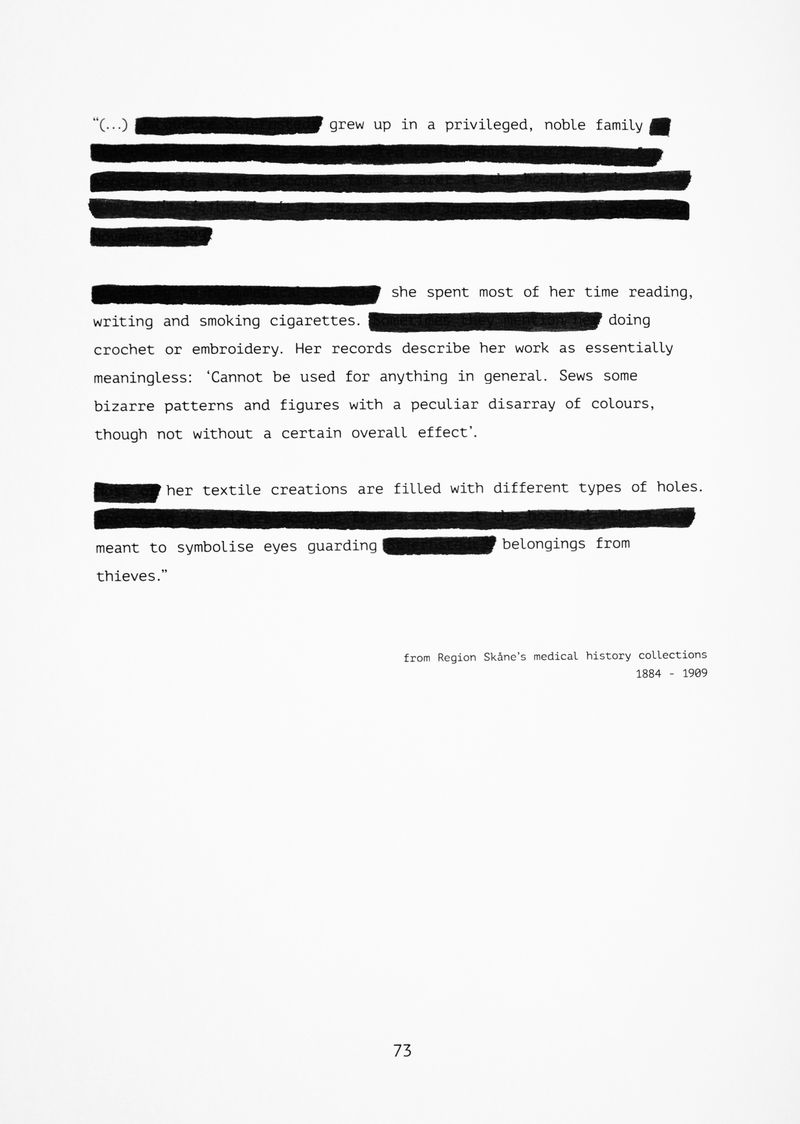
This work emerges from this absence: building on the missing archive, I trace other histories of women whose textiles speak where written records fall silent. Grounded in Saidiya Hartman’s theory of critical fabulation, I approach the archive as a site for both research and speculation.
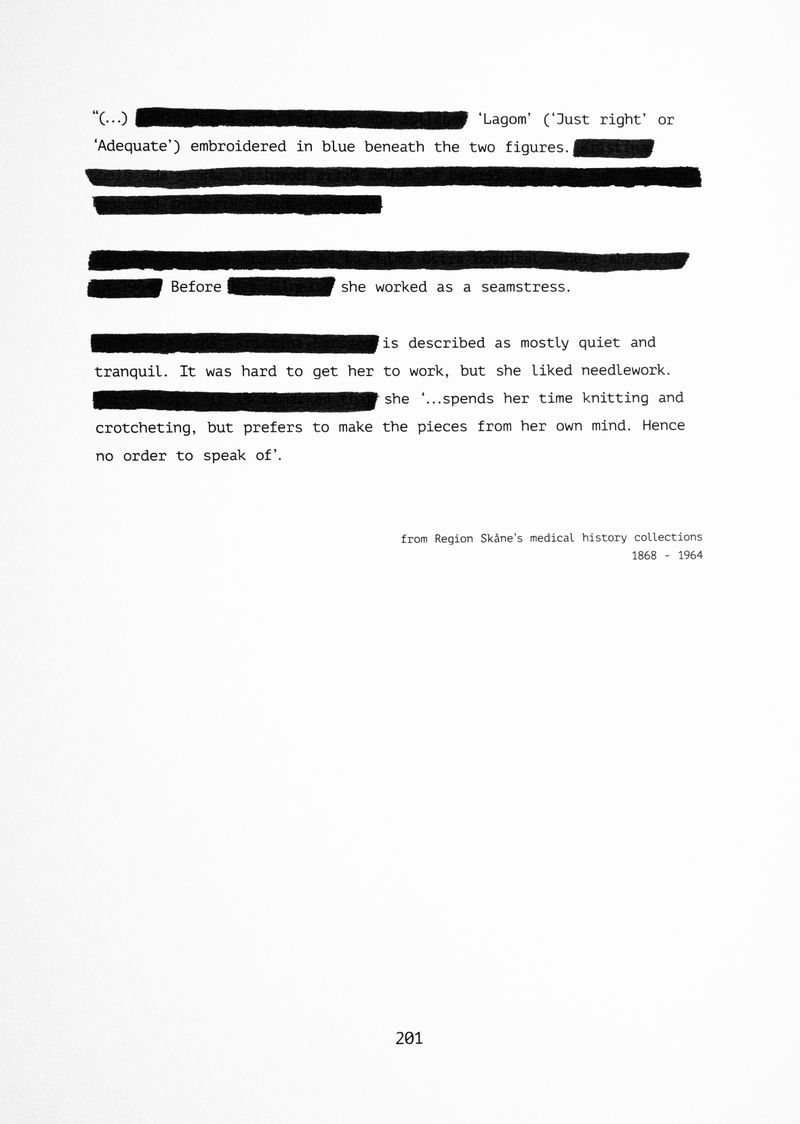
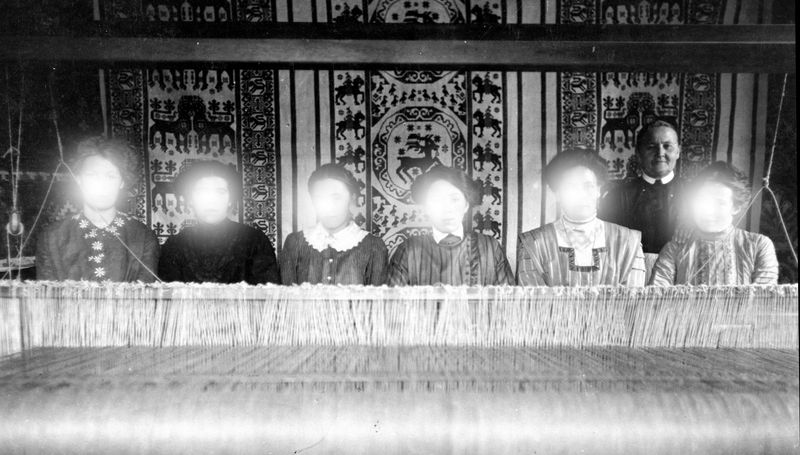
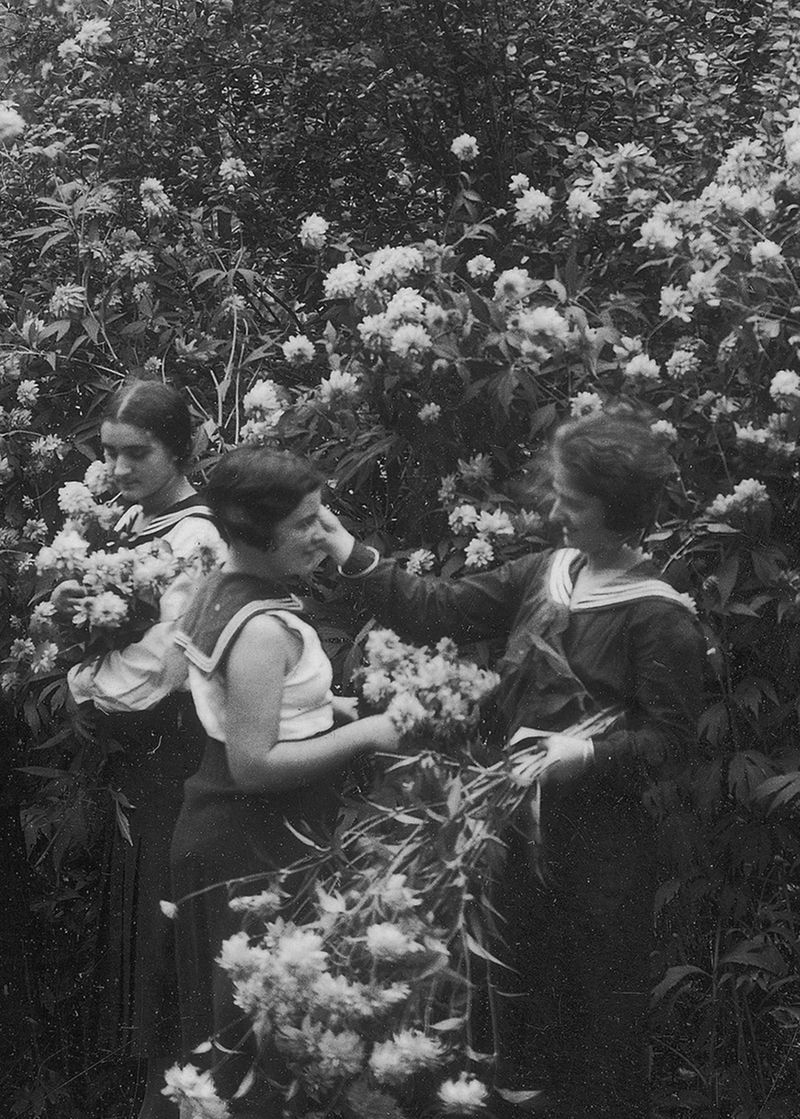
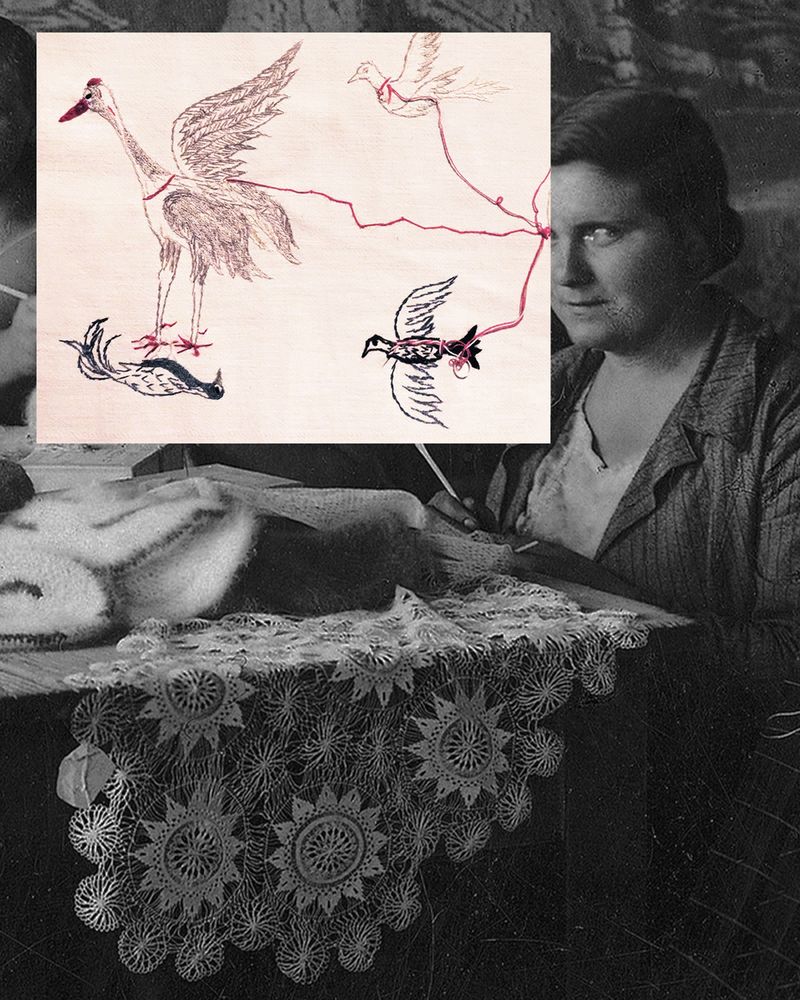
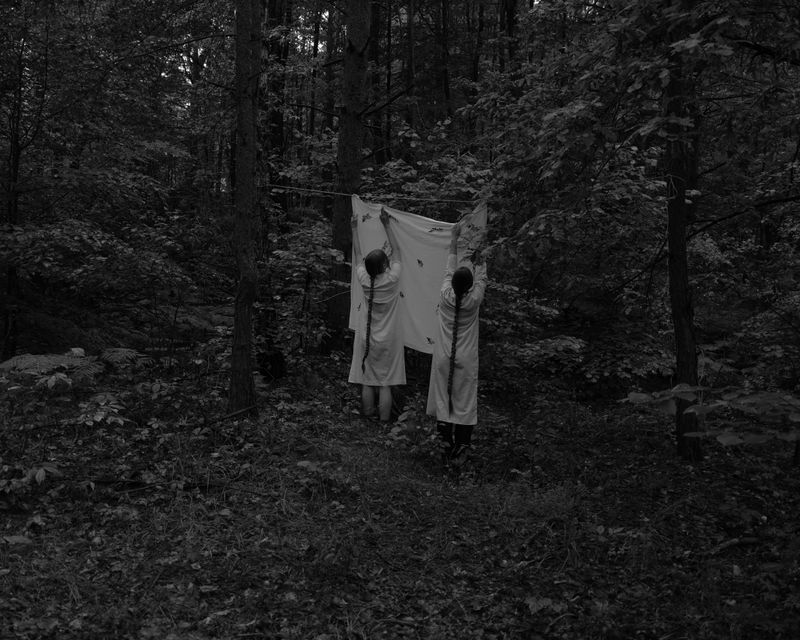
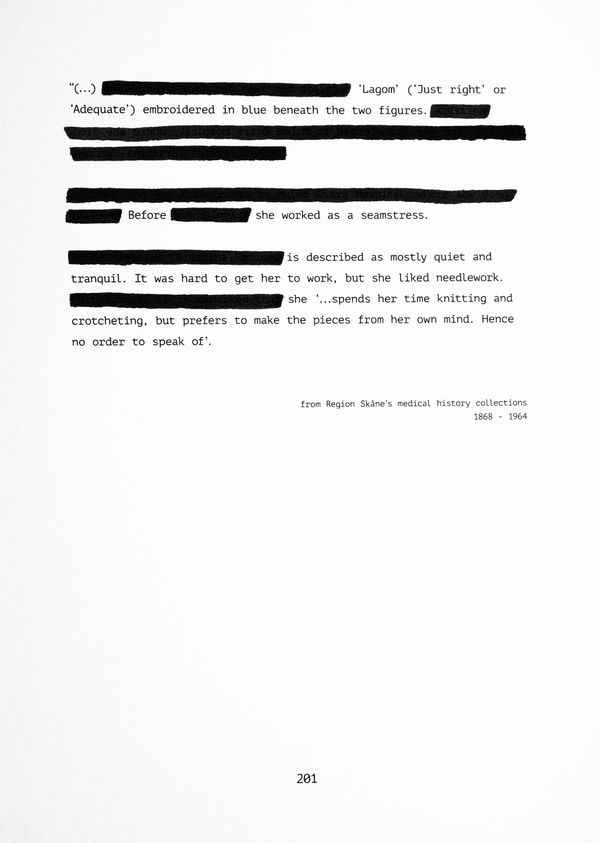
"The Serpent’s Thread" weaves the story of my grandmother with the fragmented histories and folklore surrounding the five Andersson sisters, who lived in Sweden at the turn of the 20th century. Their history, partly documented and partly mythologised, revolves around the textiles they produced as their elaborate dowries. They were meant to demonstrate a woman’s skill, diligence, and moral worth, representing her value as a potential future wife.
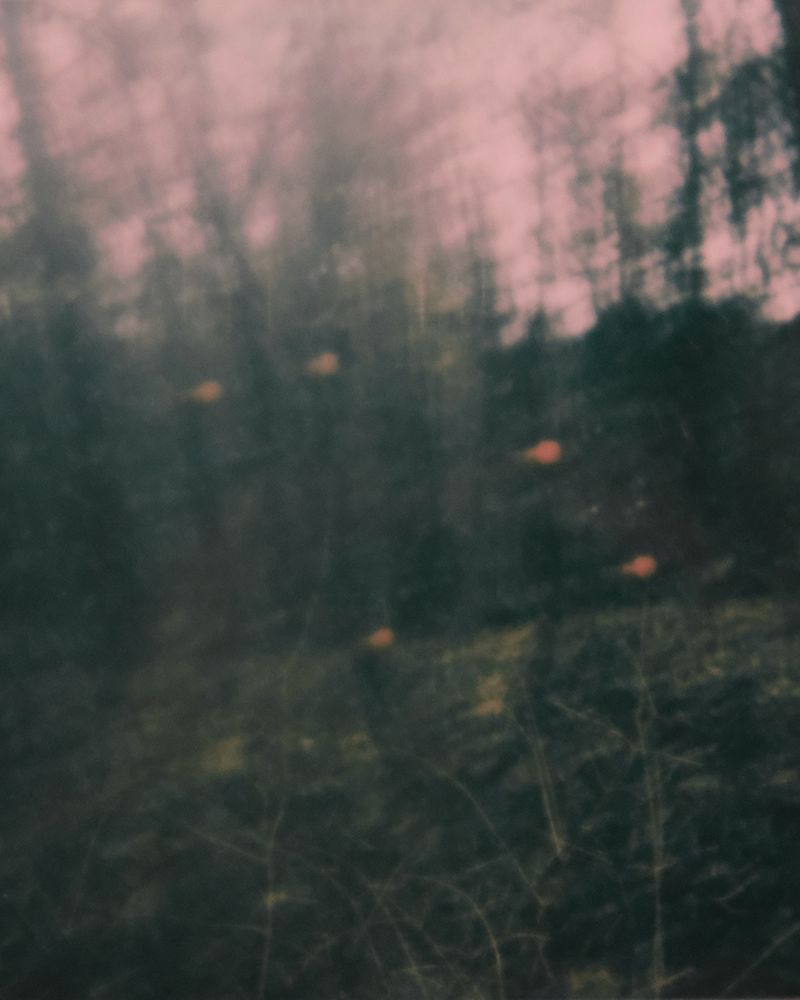
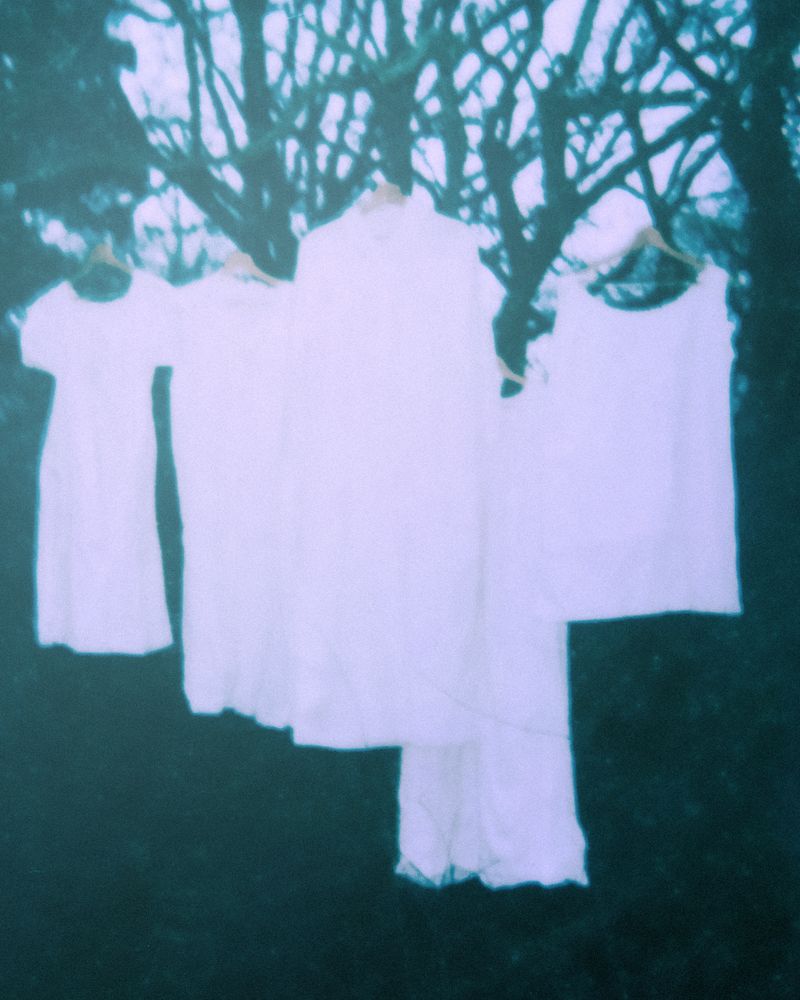
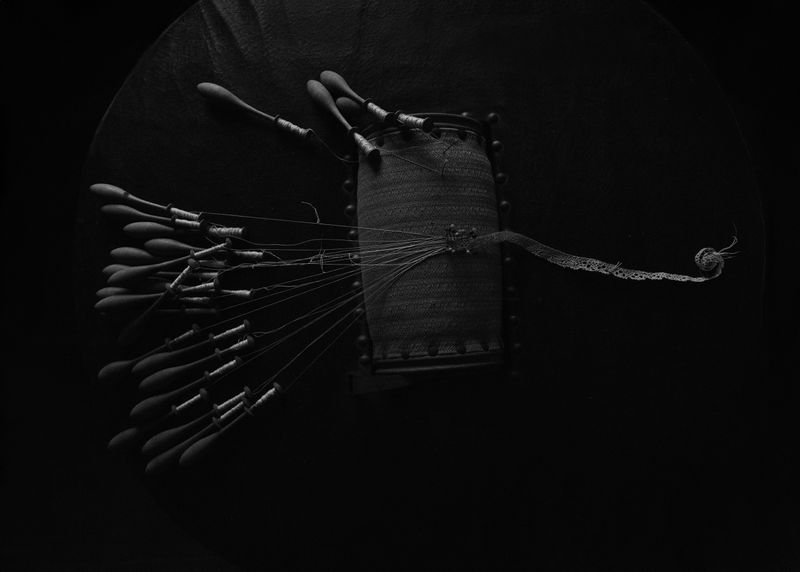
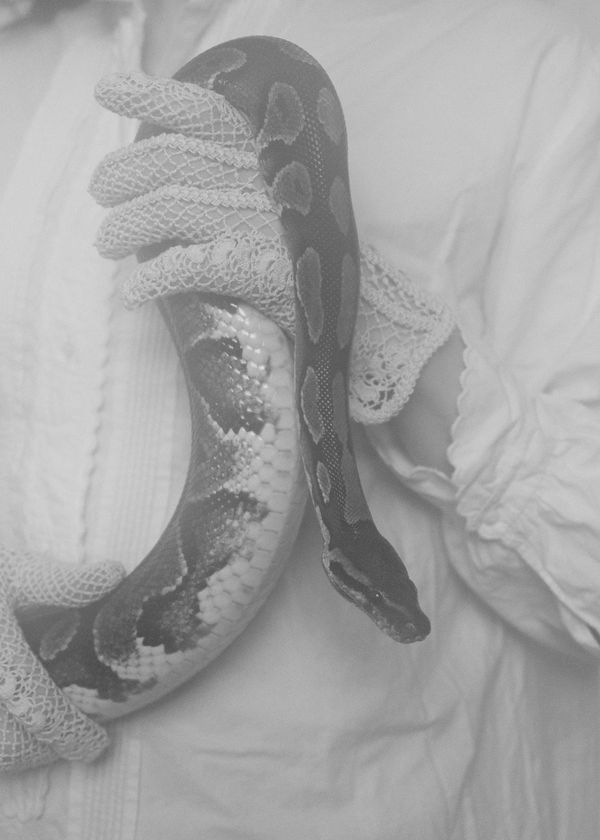
Their unconventional lives invited speculation and local mythologies. Mirroring my grandmother’s lost works, these textiles exist between presence and absence, fact and fiction. Like a woven fabric, the project interlaces archival material, staged imagery, and textile-based photographic interventions to reconstruct layered (hi)stories: of women makers, rebels, and those whose voices have been overlooked, devalued, or erased.