The secret of things
-
Dates2023 - Ongoing
-
Author
- Location Argentina
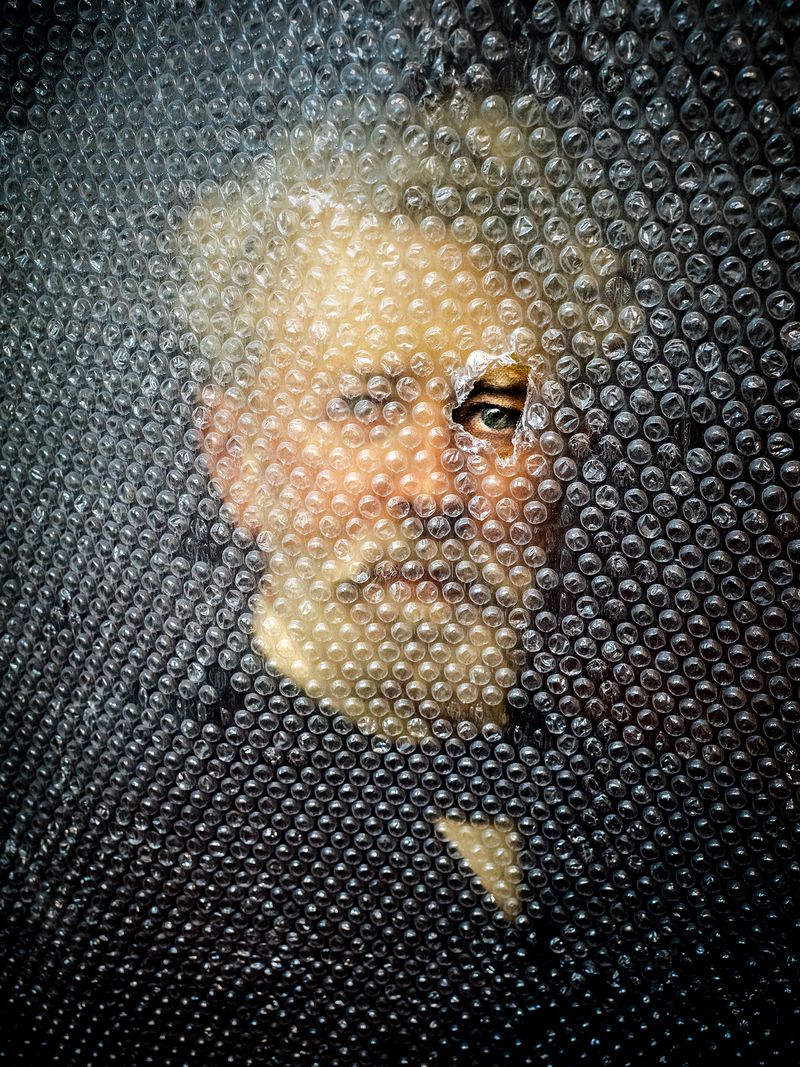
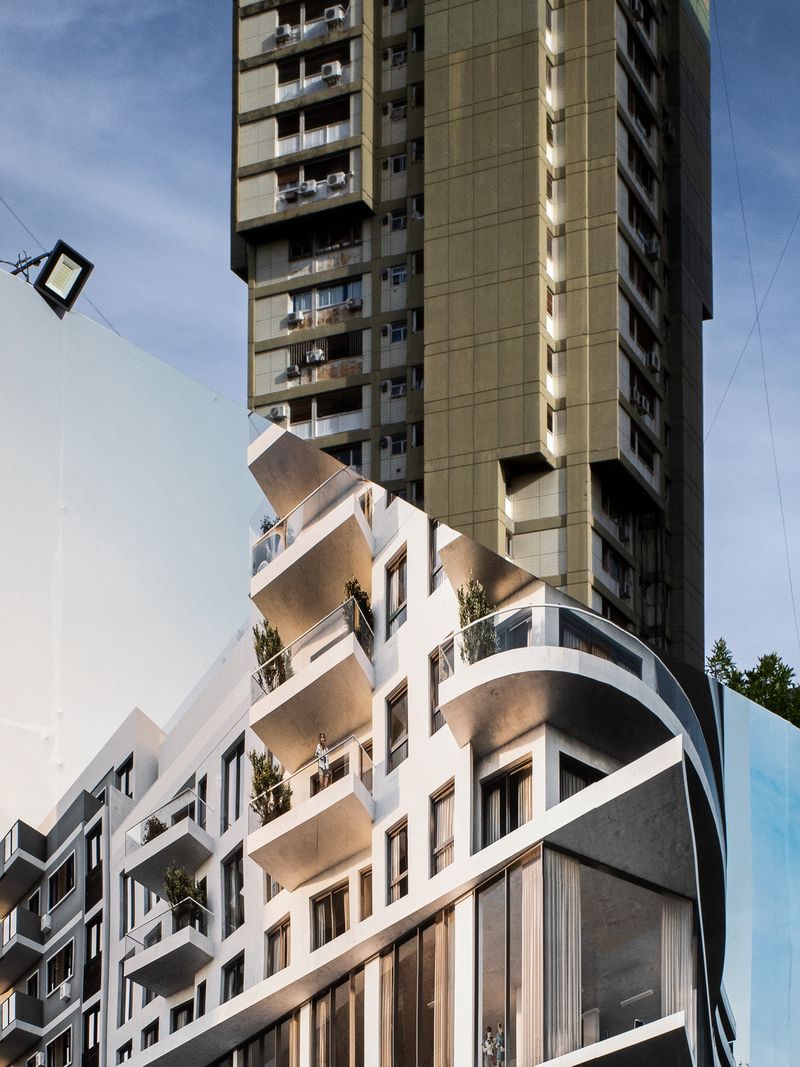
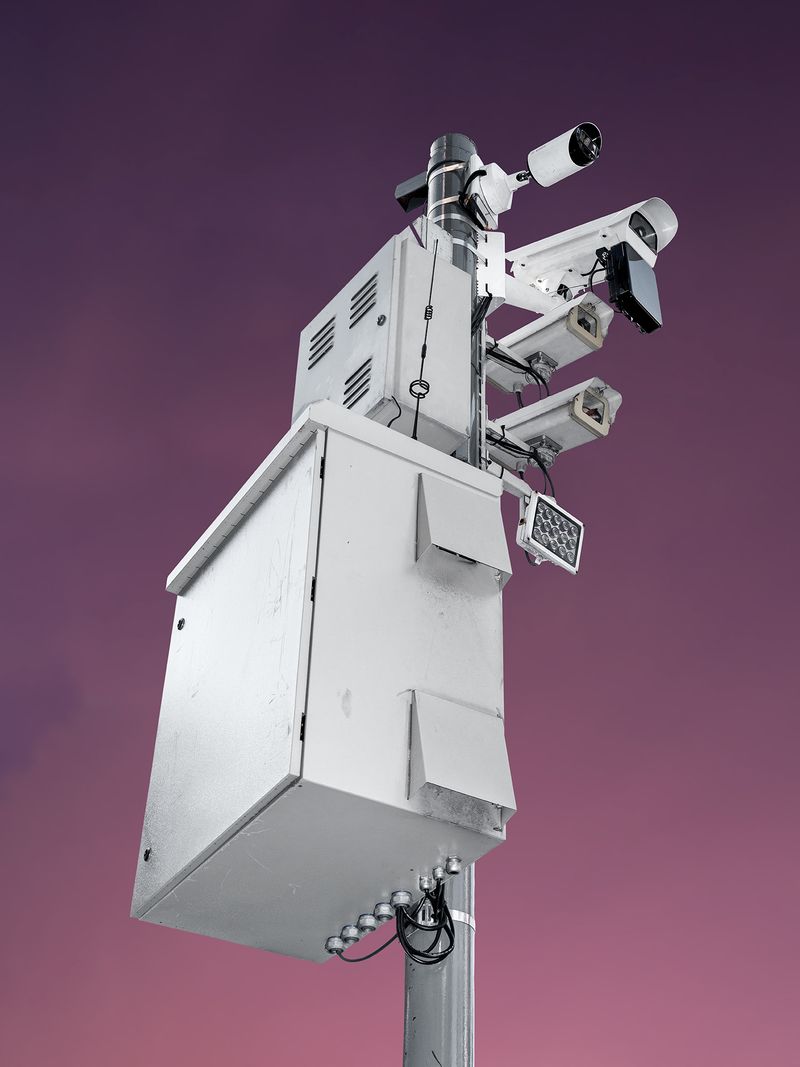
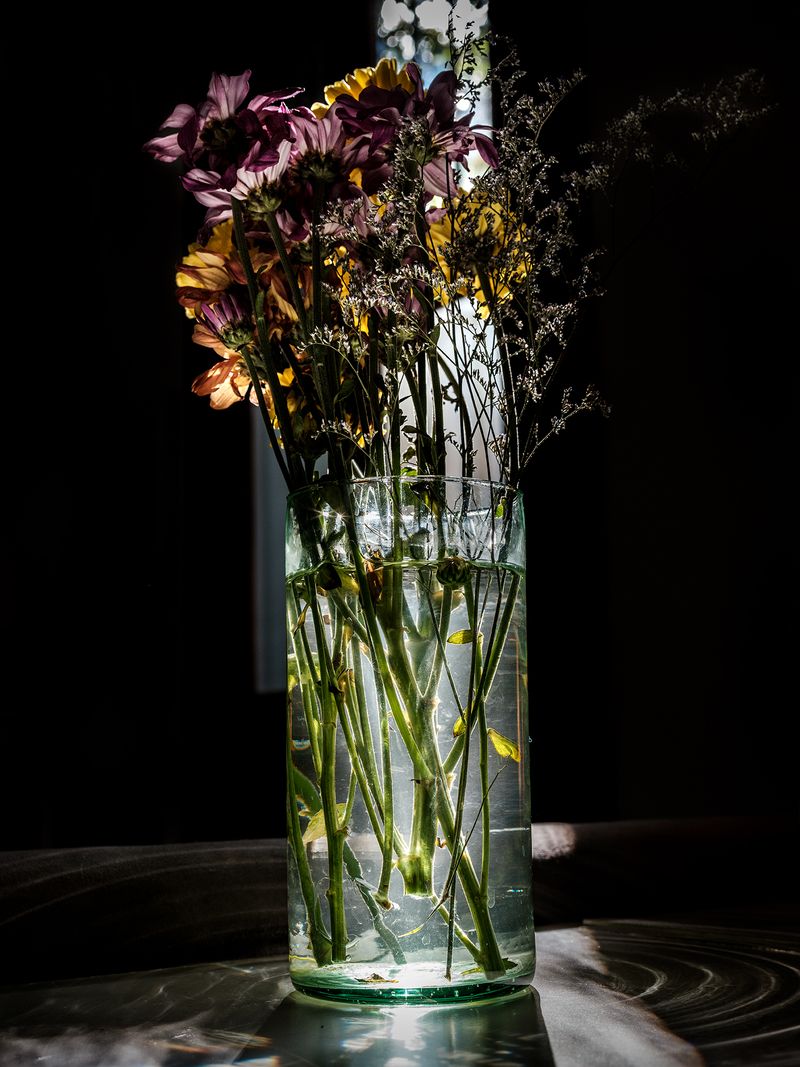
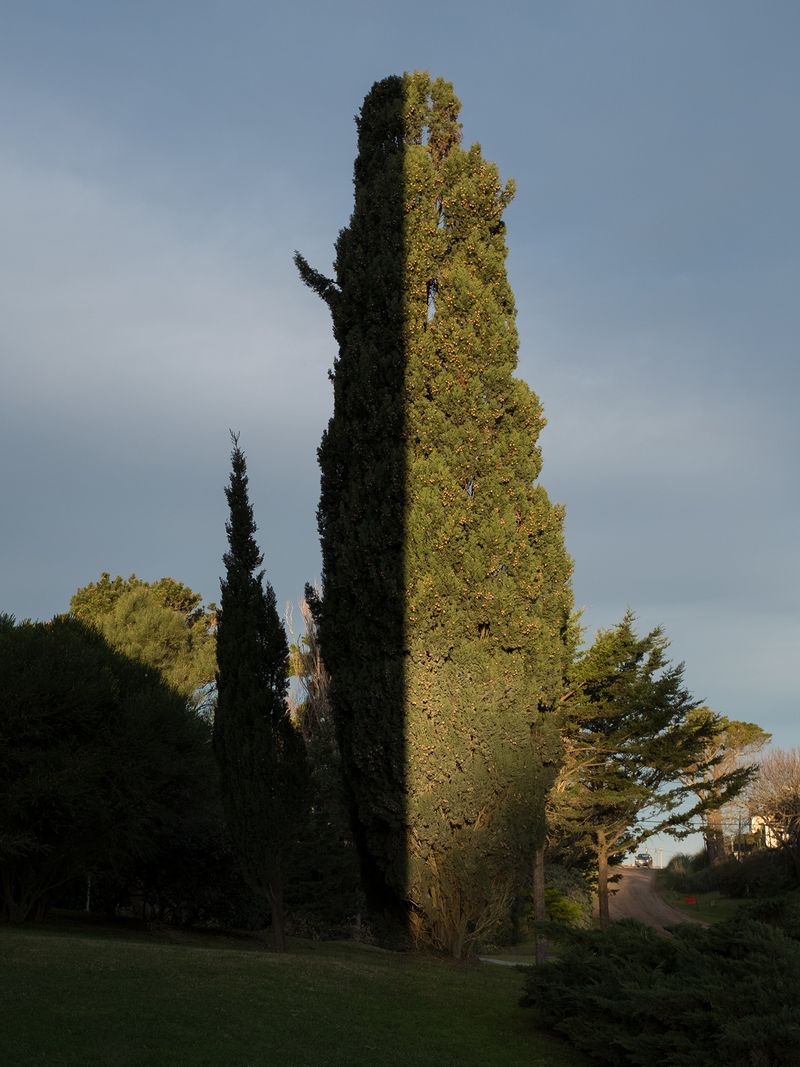
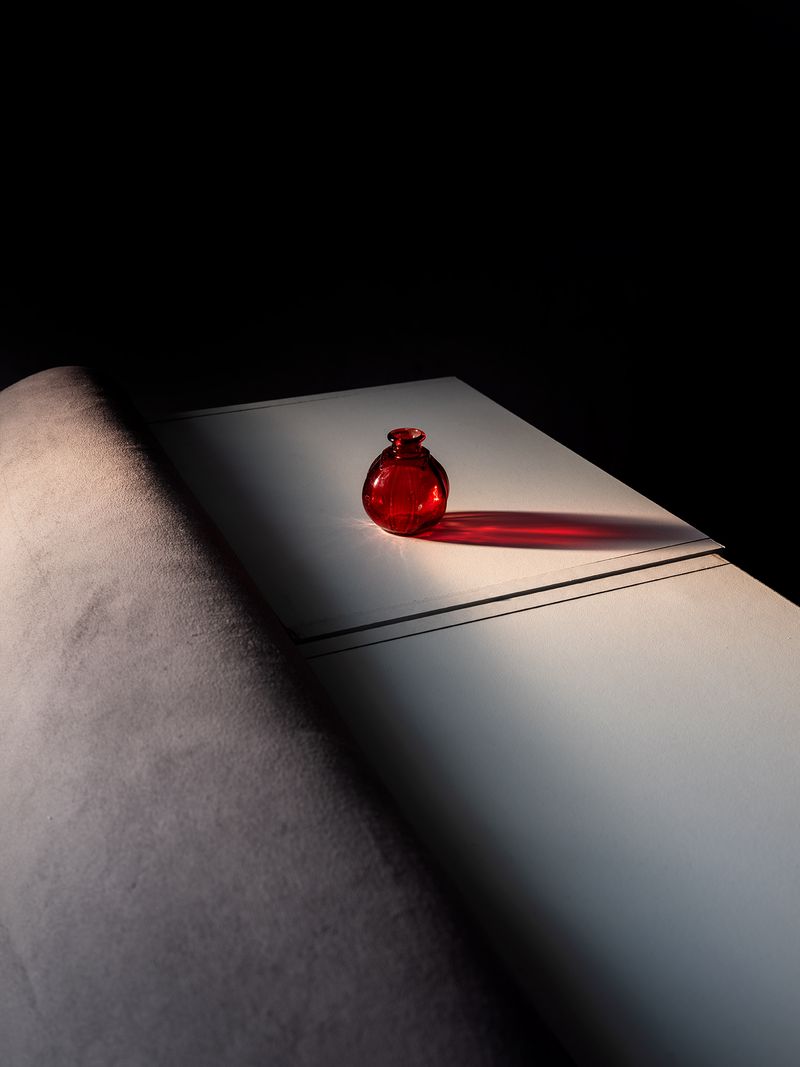
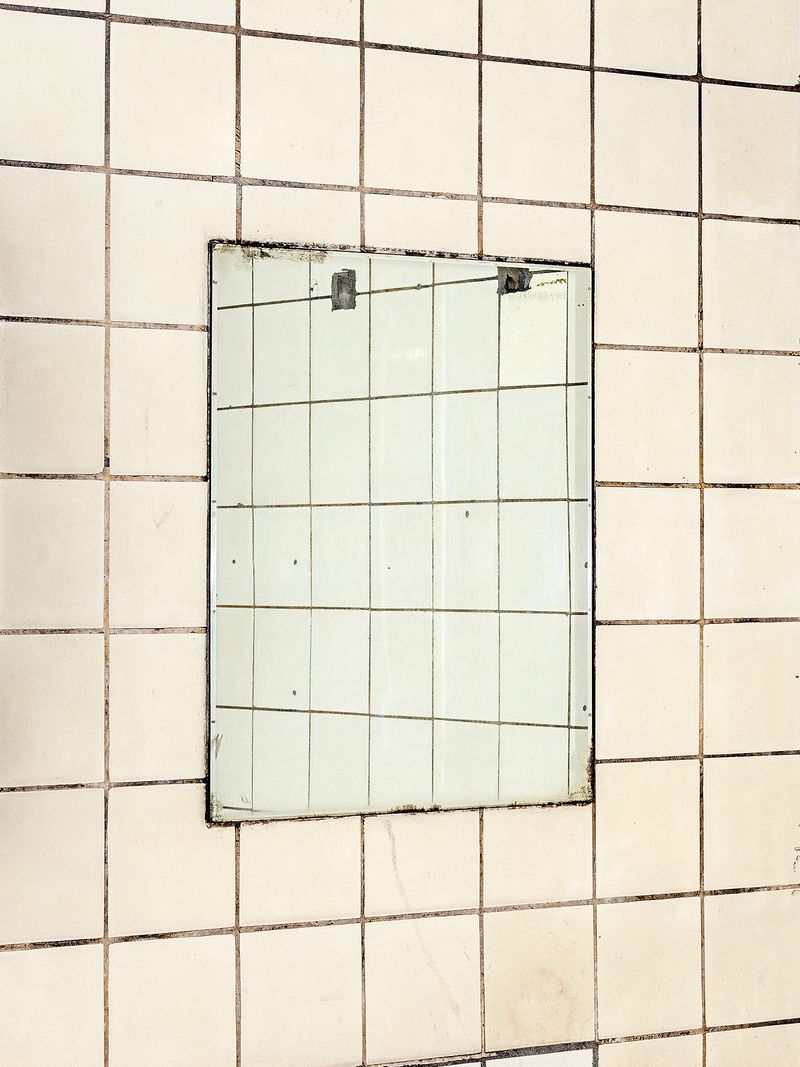
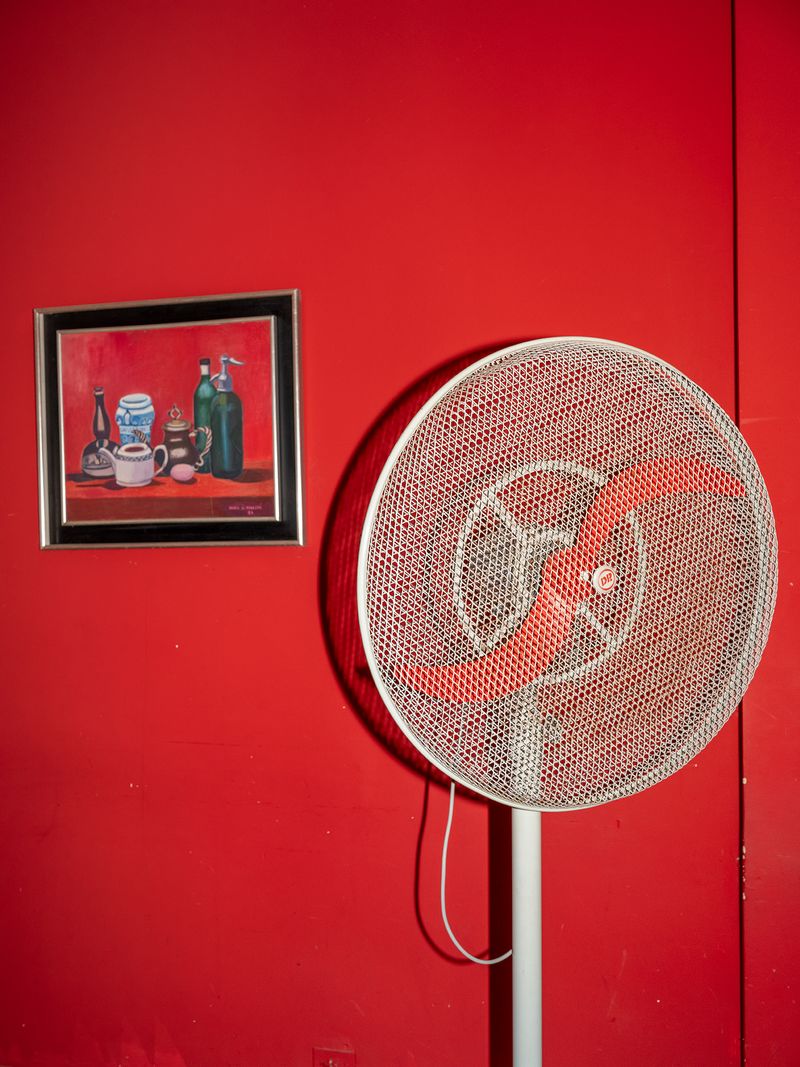
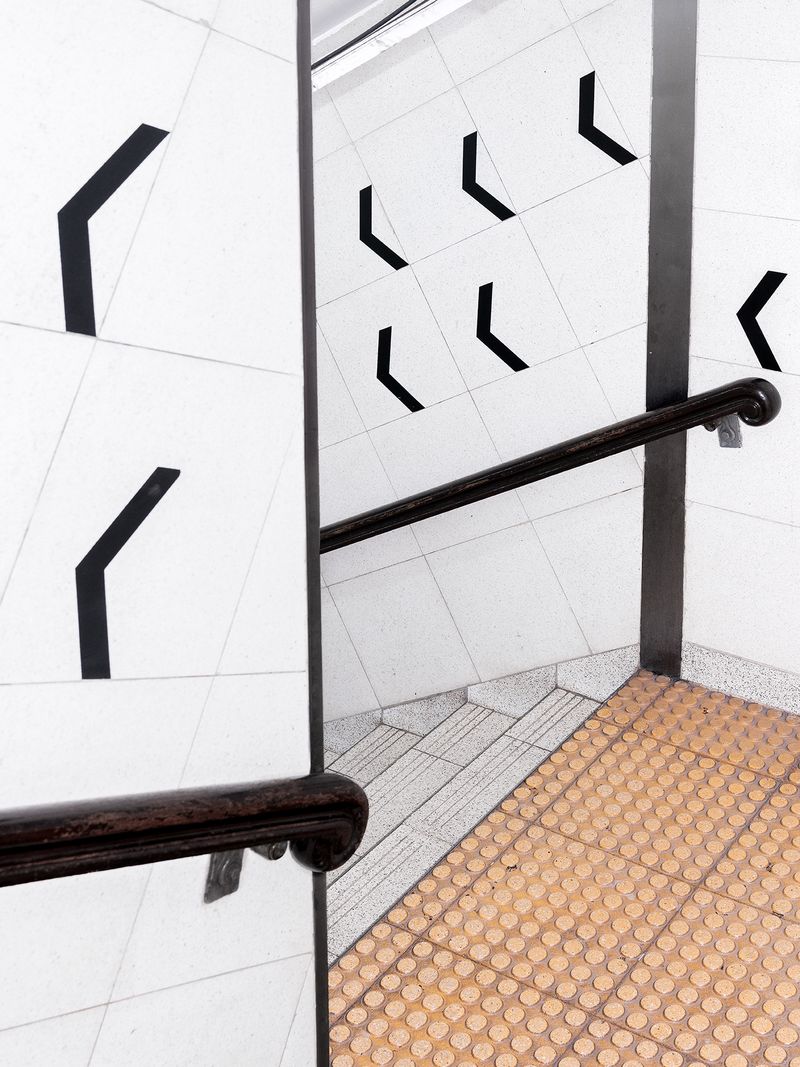
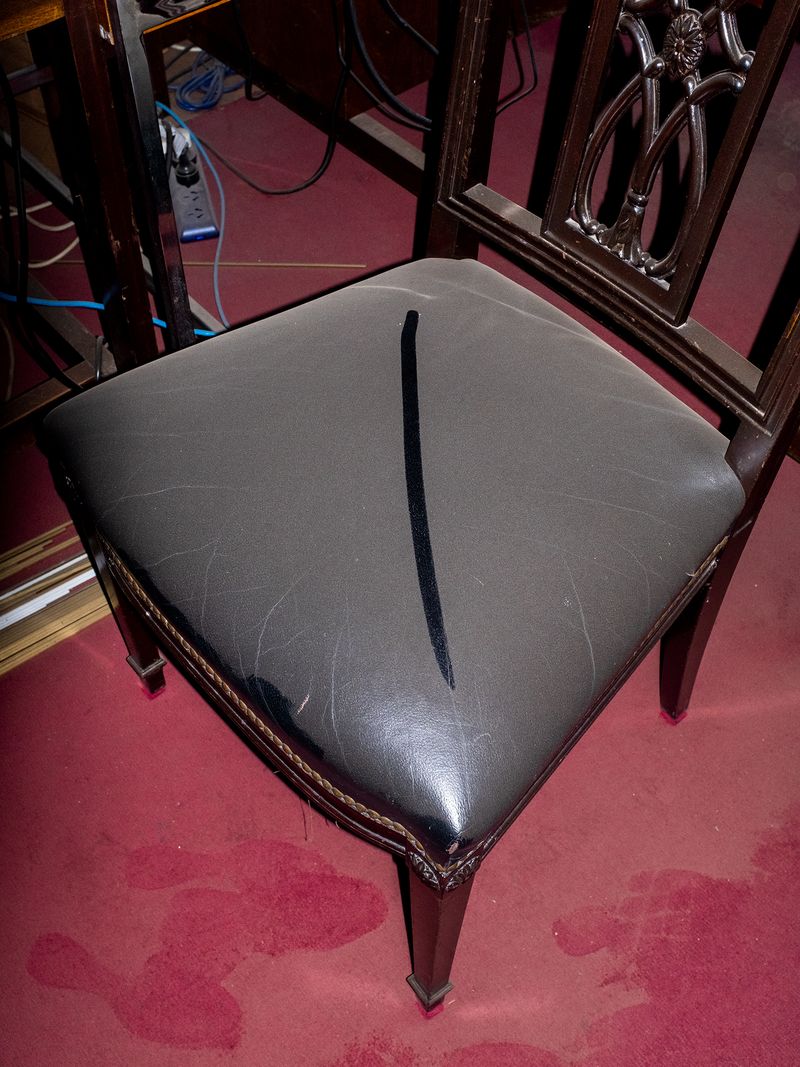
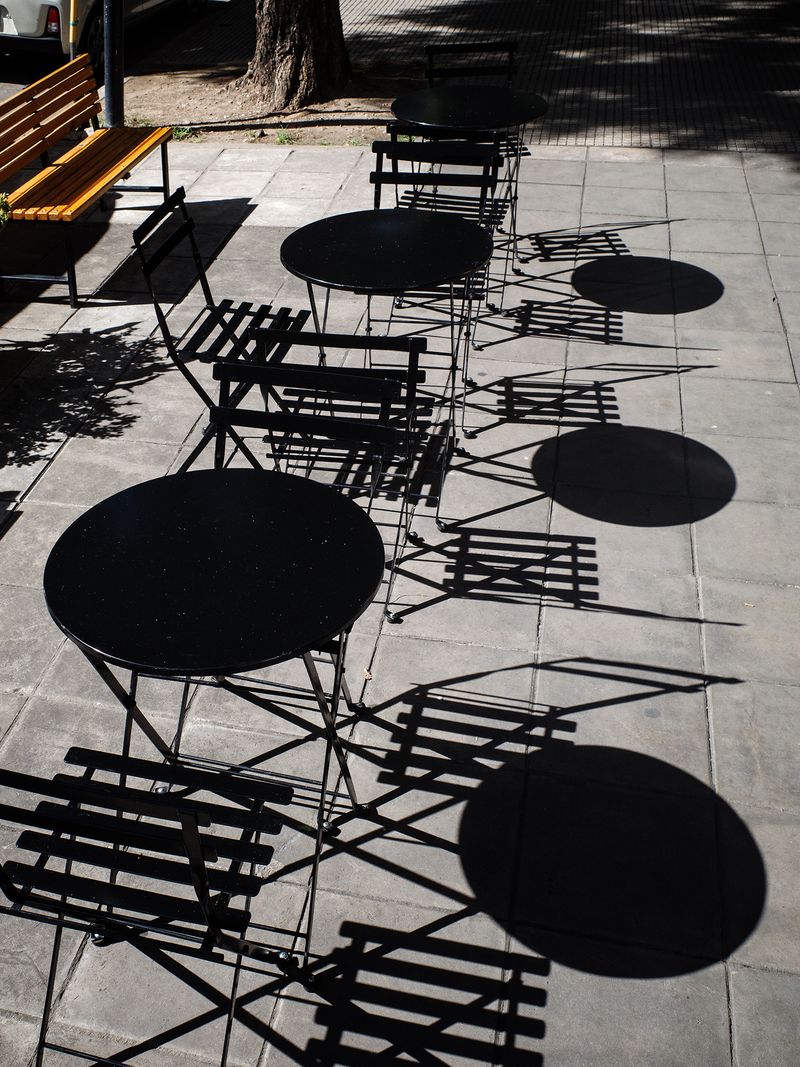
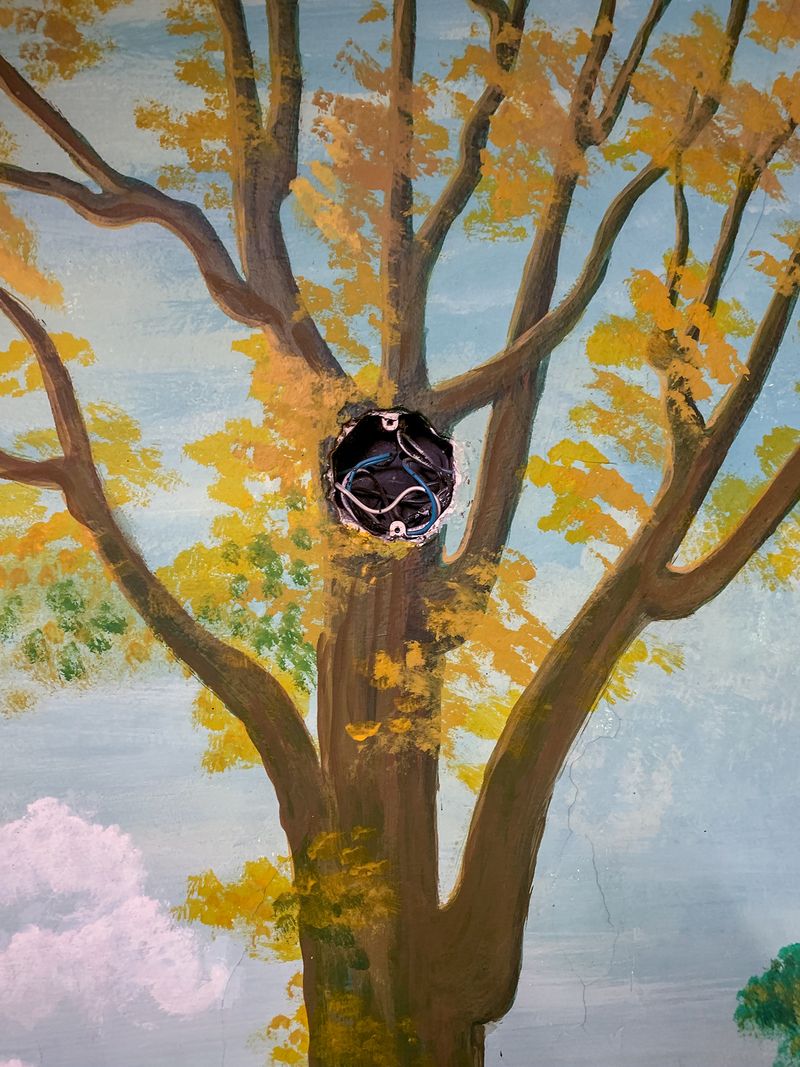
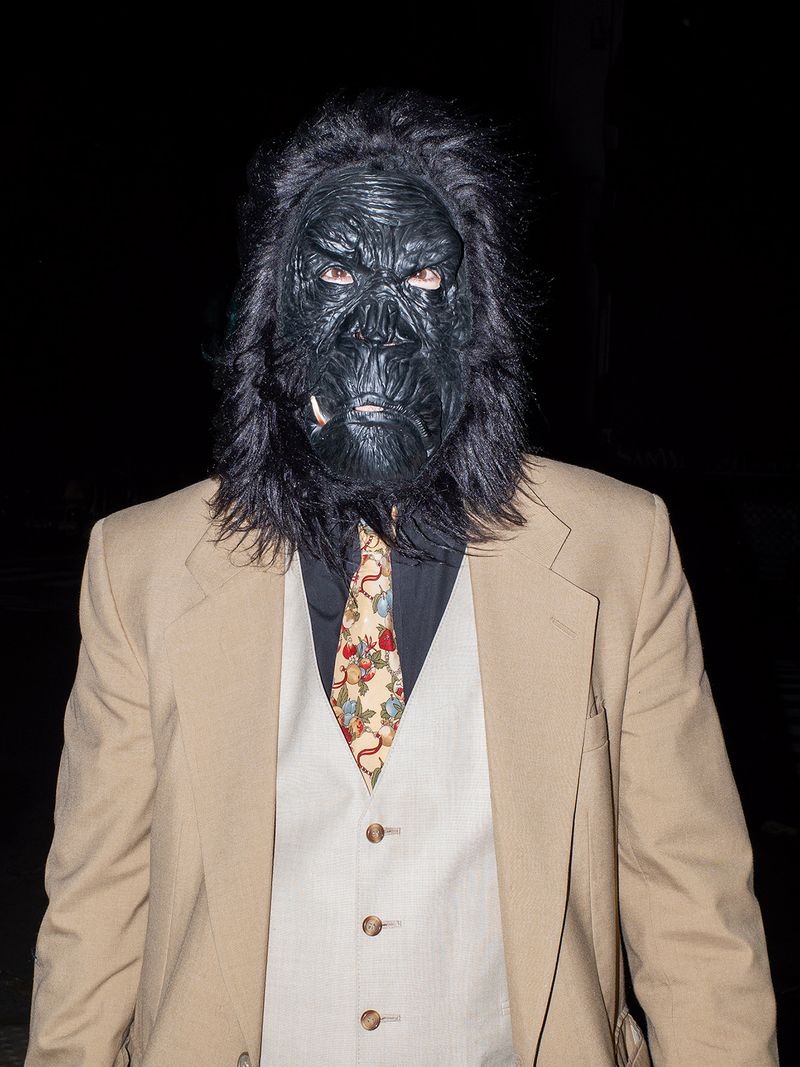
A project developed over more than a decade through observation of everyday life. It engages with the history of photography and various authors, seeking to build a personal gaze without losing the capacity for wonder.
Immersing myself in José's rhizomatic and complex archive was an act of naivety. It is not an easy task – it never is – to make a necessary cut for a publication, but organizing this one in particular required taming the extremely prolific and polyphonic material.
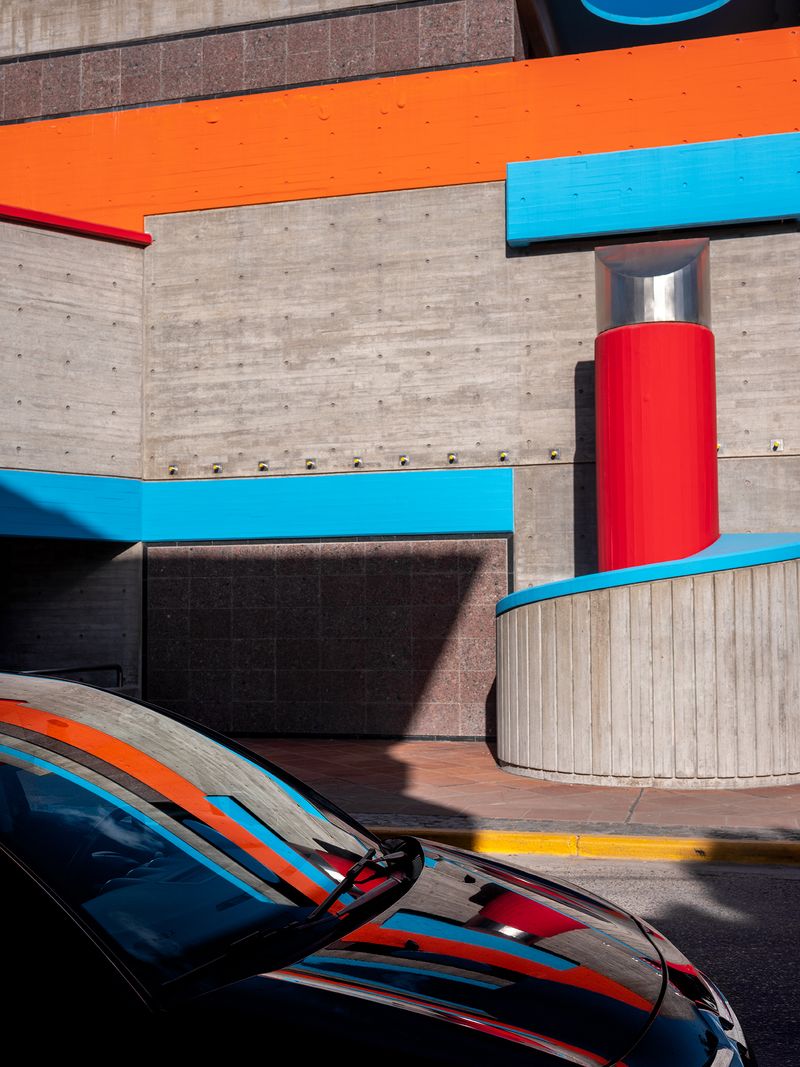
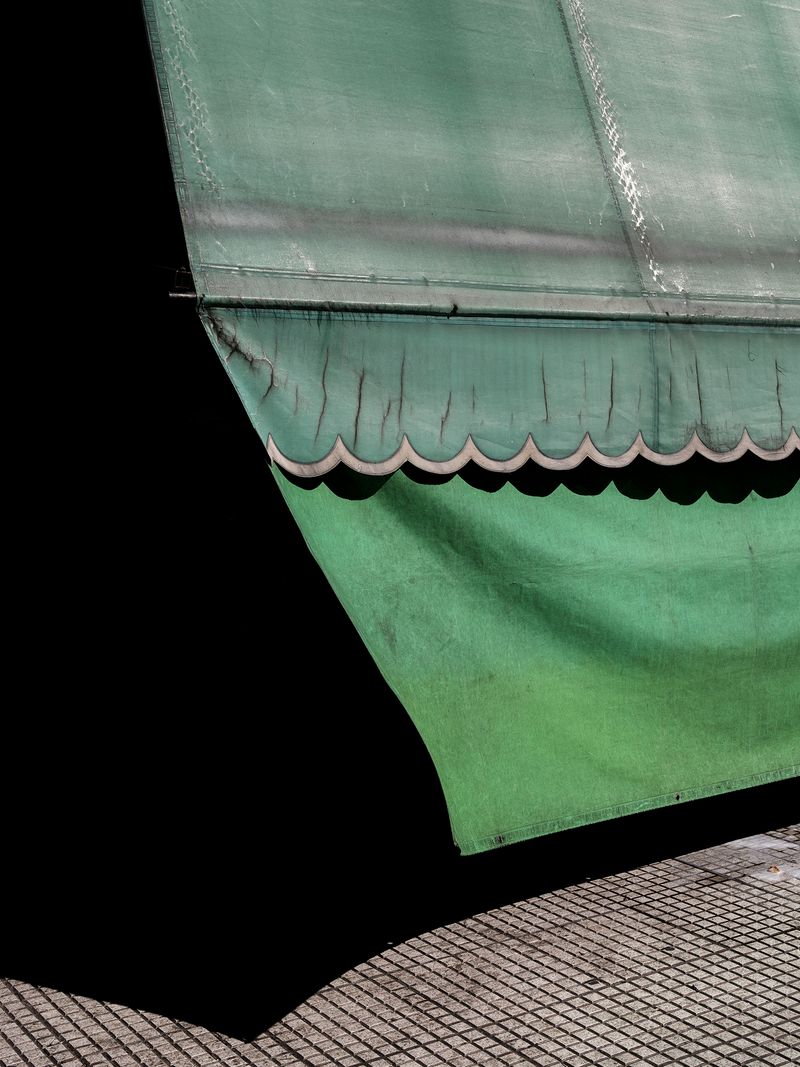
In the face of excess, anxiety. If the sensual surface of poetics consists of a breeze that sways awnings, of eyes closed to the sun or, of an overwhelming swap or “cambalache”, it is the result of a surgical decision-making. There is no randomness, except for some welcome exceptions. The connections between signs, shapes and violent color planes are the result of a demanding mental work that digs and explore correspondences wherever he stops. Like a vestiges gardener, the photographer puts on the gloves to fix “things” and tries to save the flowers from their brutal caducity.
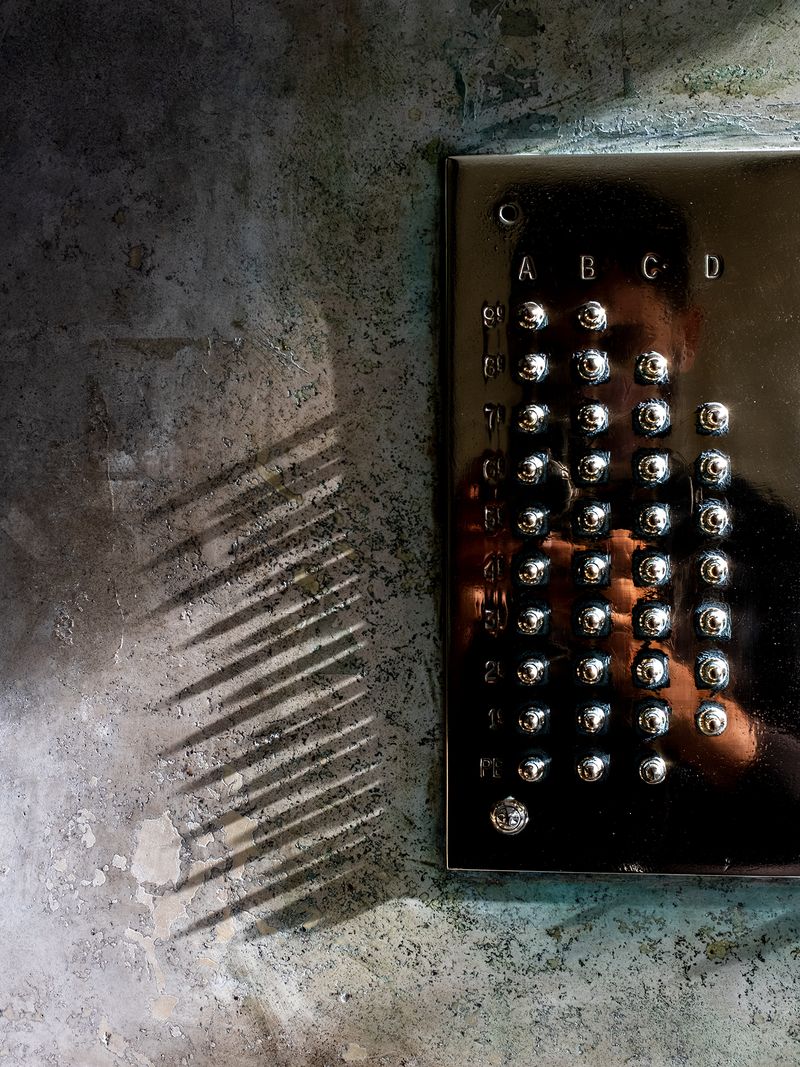
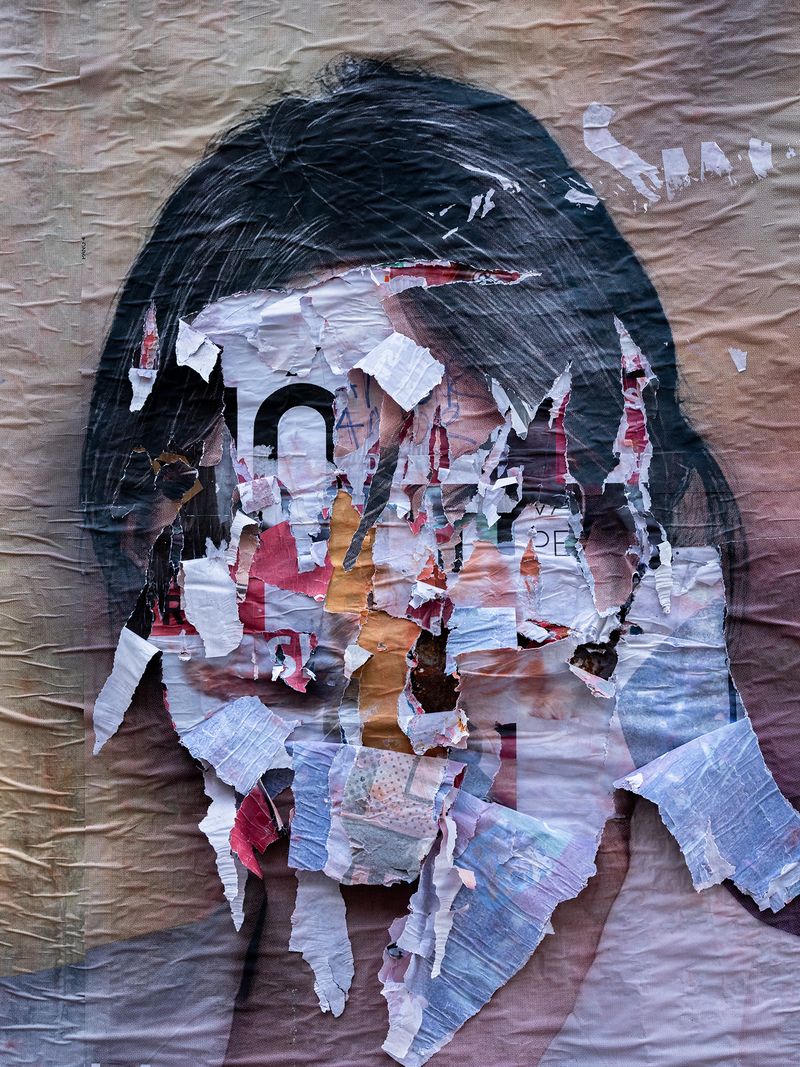
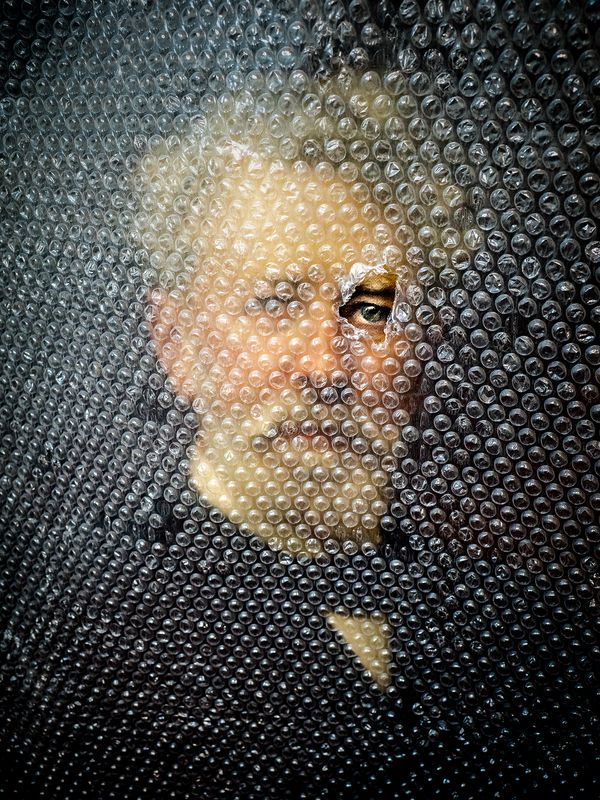
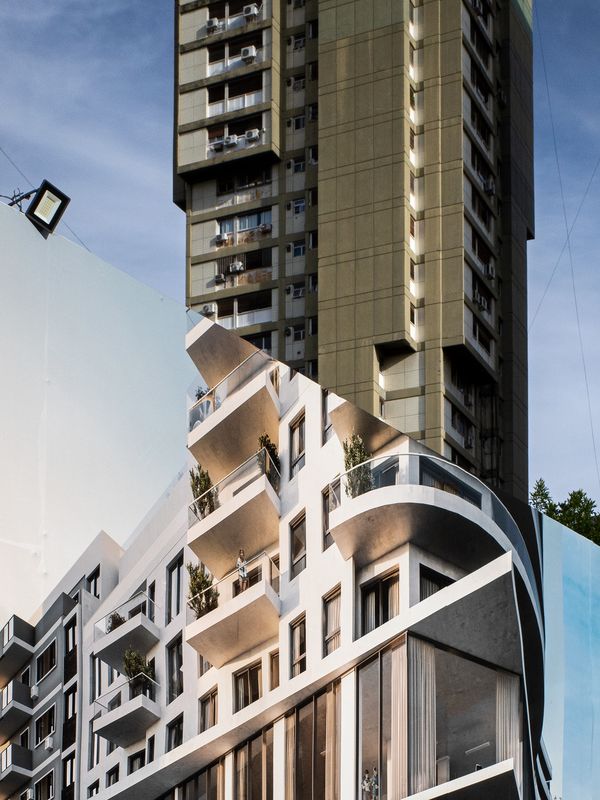
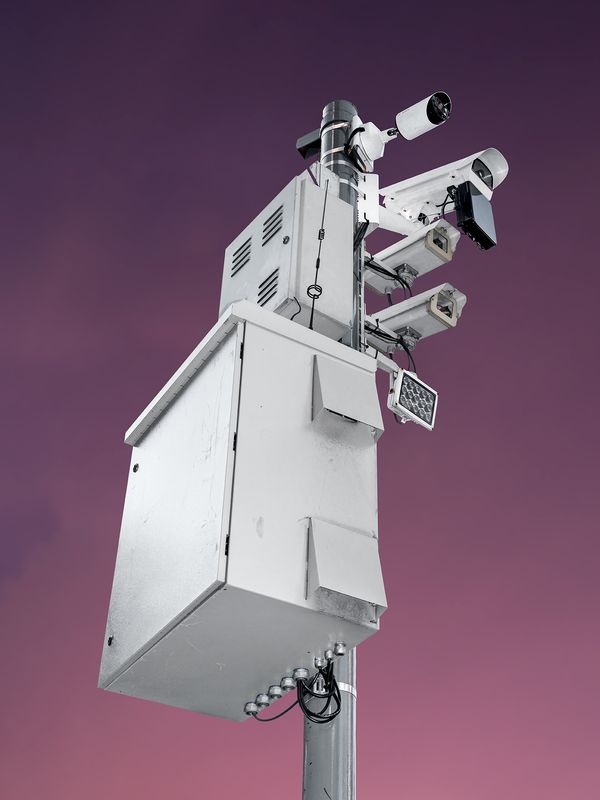
Security cameras, broken screens, cell phones in hand, televisions, advertising, monuments, representations of representations, art history, beloved books. It is in the portraits where there is a break from the excess of images over the image and its multiplication. Is that perhaps the theme of this book? Is the meaning in the nonsense that we go through day by day? Or, perhaps, without knowing it, as we se in one of the photographs from his archive, he feels attracted to theory and bets on the persistence of photographic images impregnated in the contemporary collective memory?
Conscientiously, and above all the simplistic impositions of the photographic medium, José combines the strategies and contributions of Alberto Goldenstein, Jeff Wall, Stephen Shore, Lee Friedlander, Wolfgang Tillmans, Christopher Rauschenberg, Alec Soth, and why not, of the modern classics . How do they look, what formal problems do they propose? What do these male icons subvert?
However, as a result of sinful gluttony, those references become mere resonances, they are temporary obsessions that expire when the investigations are solved. Case closed. José swallowed, was delighted and transformed what he observed into an anti-solemn Buenos Aires cultural document of our days.
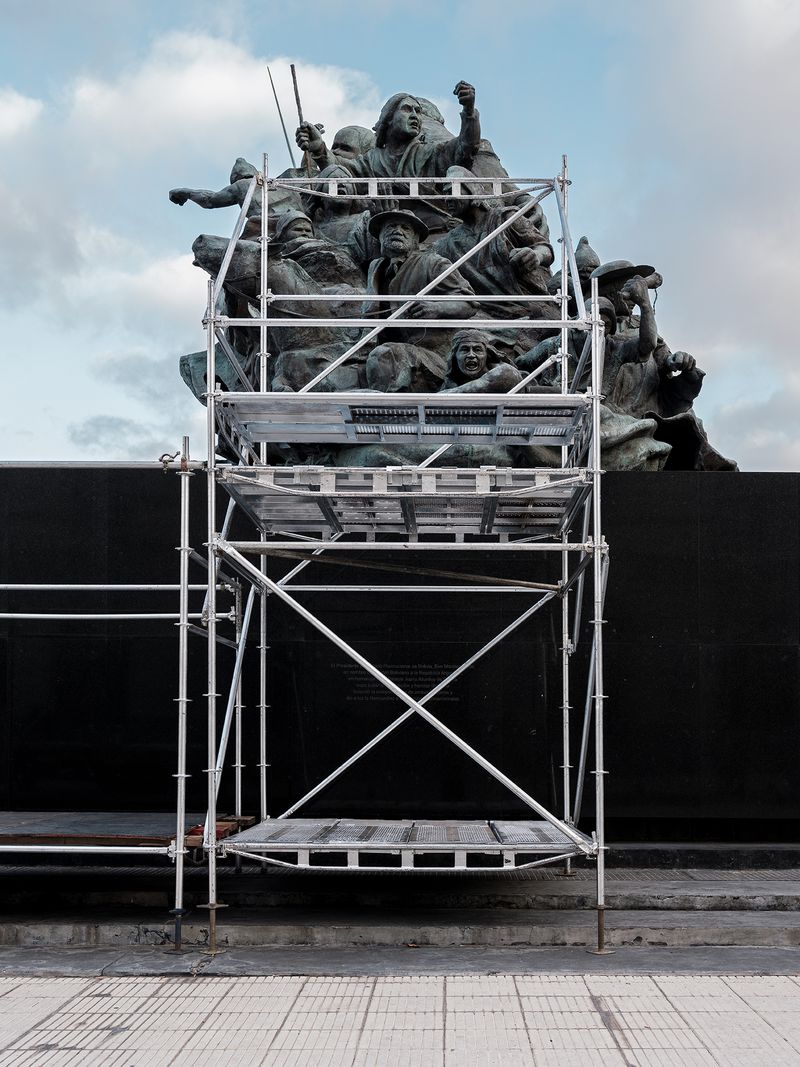
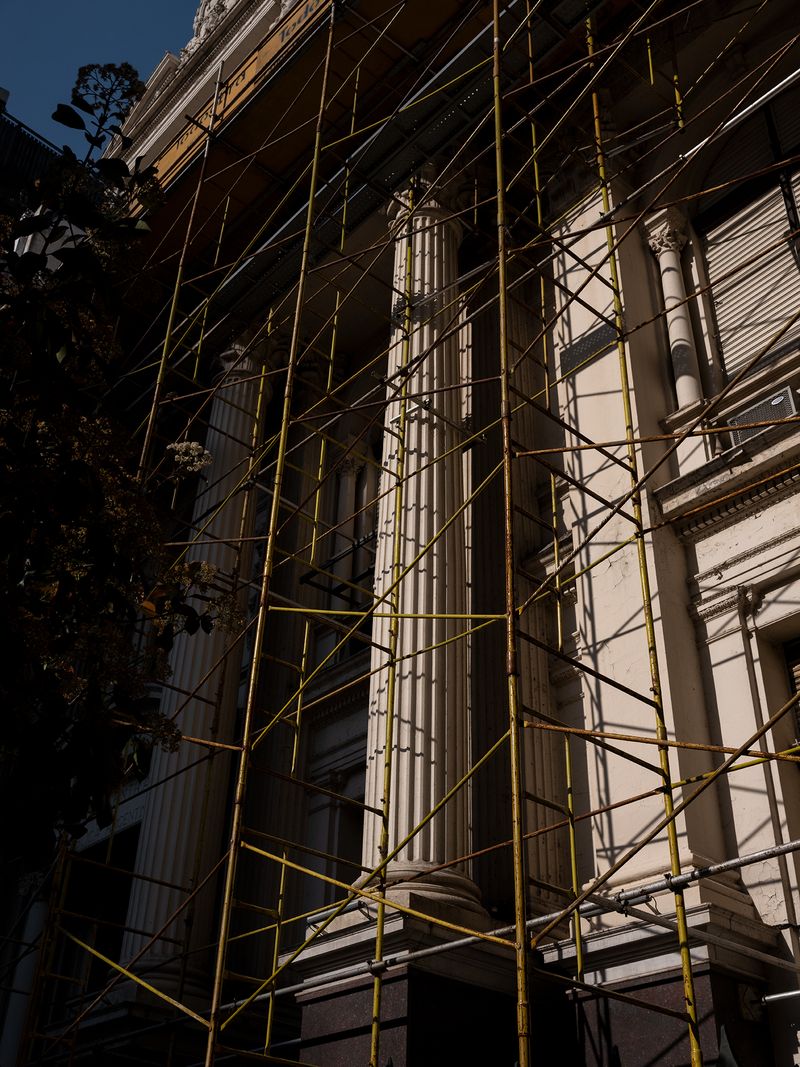
The task he leaves us is to assimilate the multiplicity of displayed meanings and break down the compositions of the absurd entangled between architectures, scaffolding and tearings. Sometimes, as a sincerity punch or, also, pure aesthetic pleasure in front of the light, without shame. In any case we wonder whether the “De Rocco” label merely allows the tangibles of the banal and the everyday to be, apparently without a value judgment, or whether it, astutely, instills in us his faith in the photography, which approaches more to mystery than to objectivity. Because each thing has its secret, even when the obscene thing about having so much in sight is the object of so much devotion.
Lena Szankay
1 Nymphs, serpents, constellations. Aby Warburg theory of art. National Museum of Fine Arts, 2019.