The Sea Once Reached Here
-
Dates2019 - Ongoing
-
Author
- Location Puerto Montt, Chile
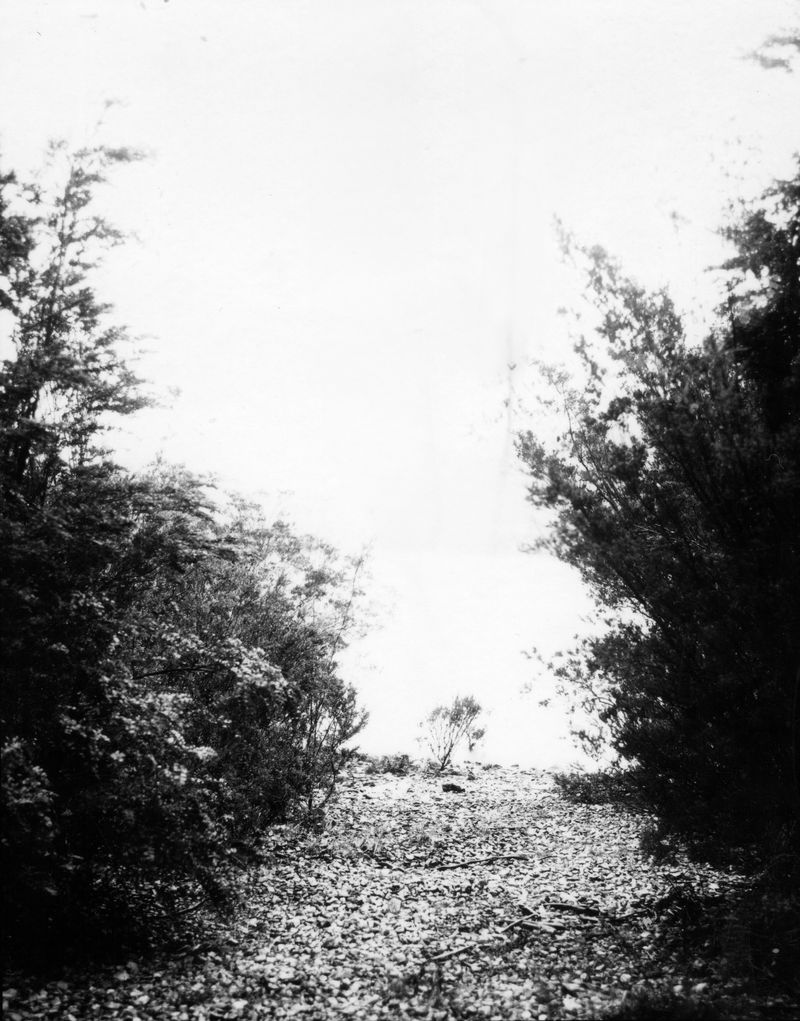
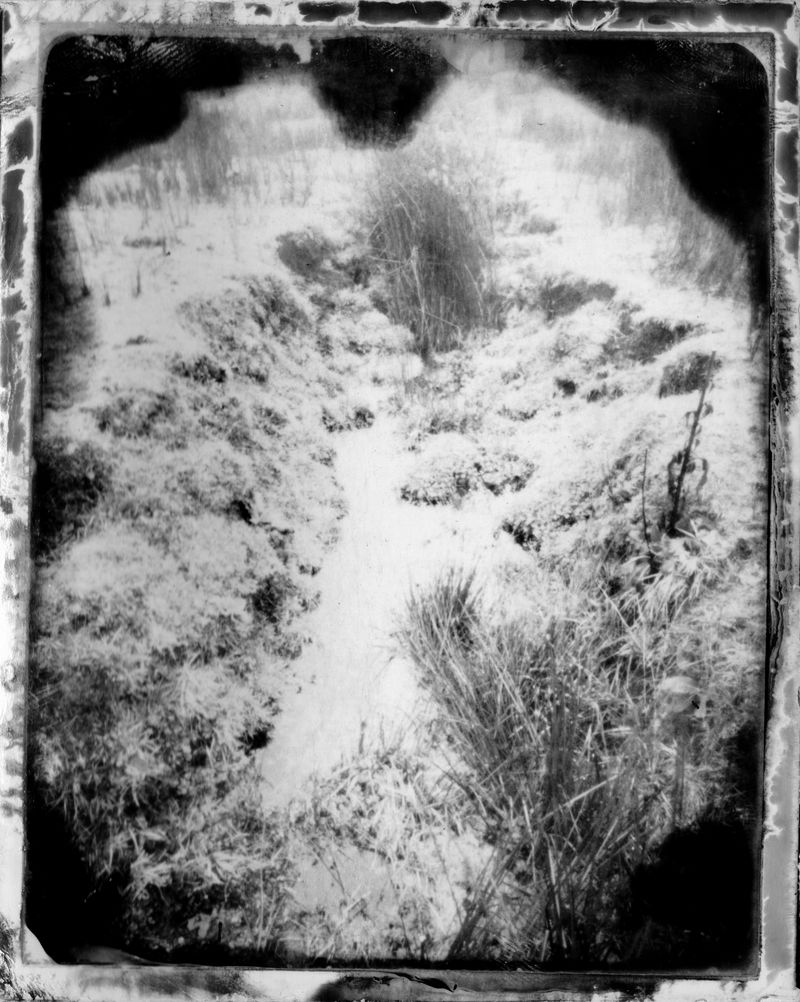
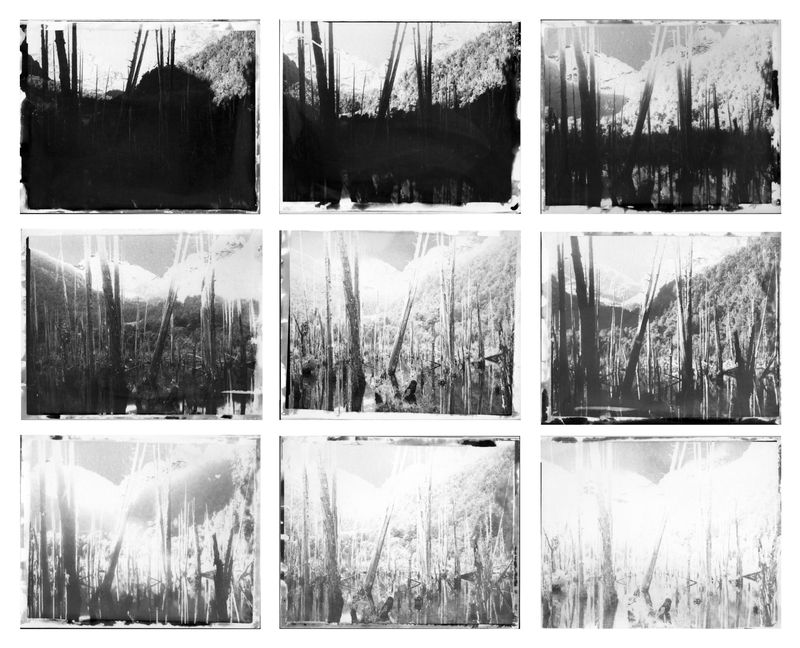
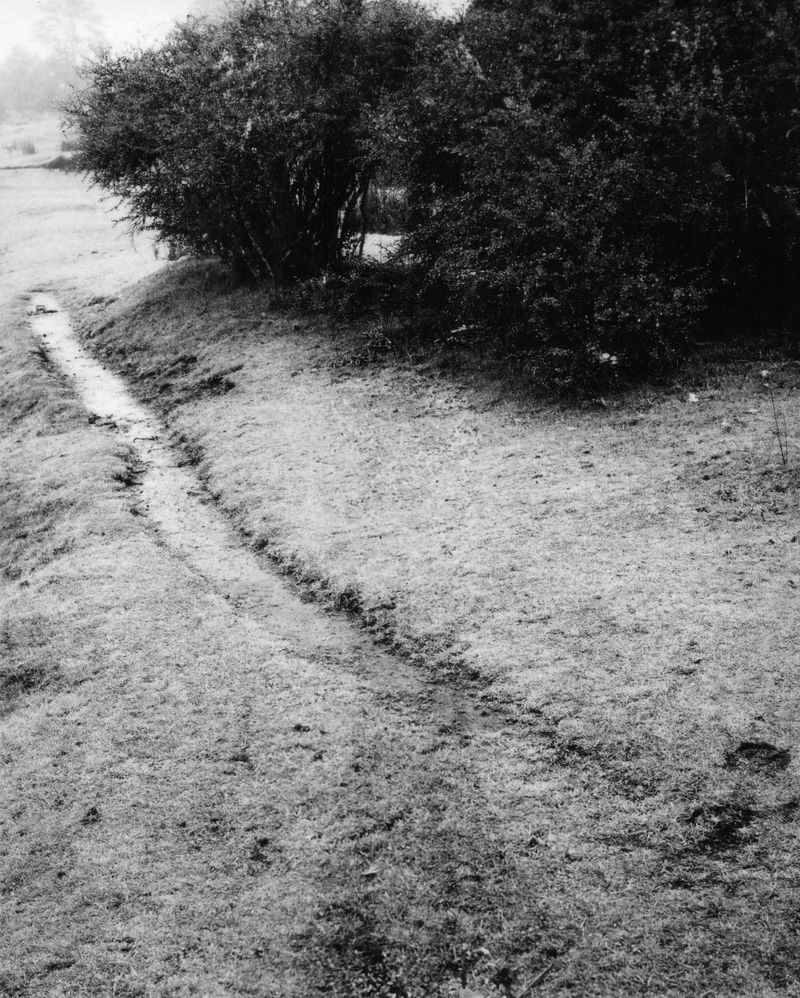
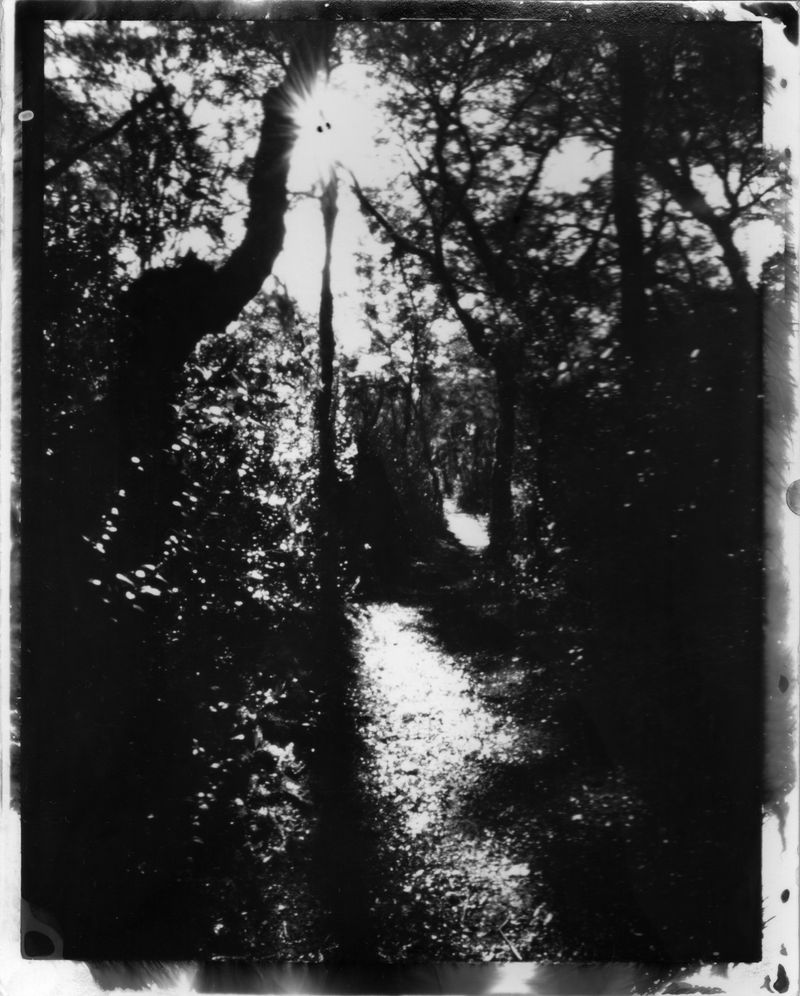
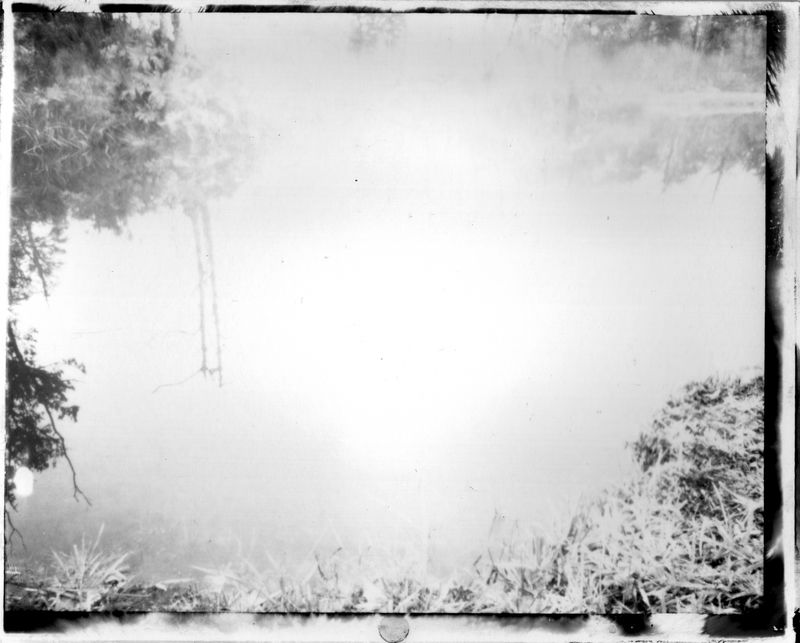
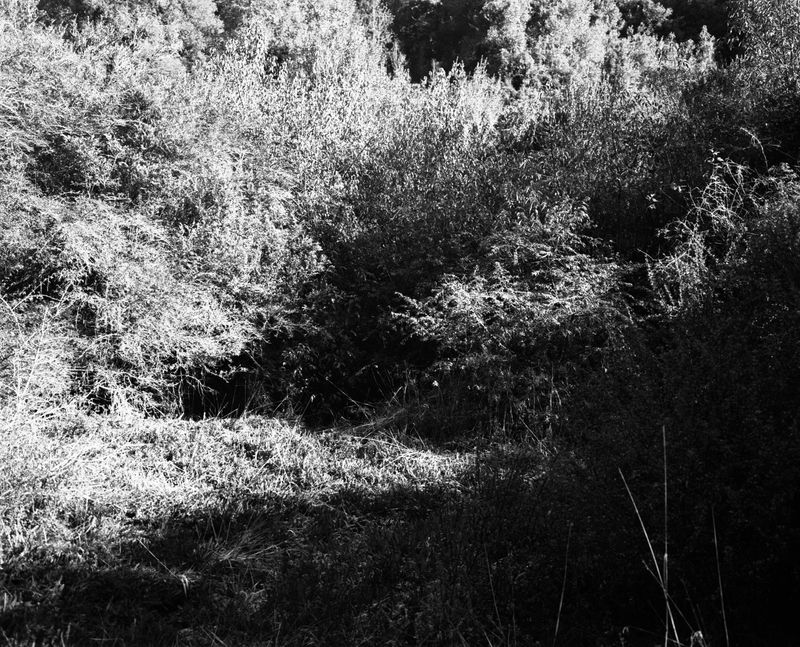
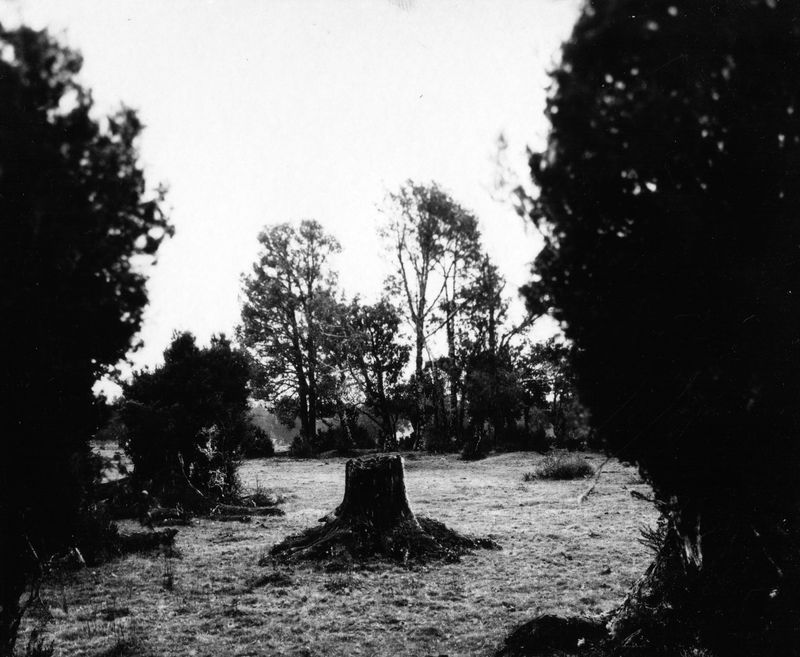
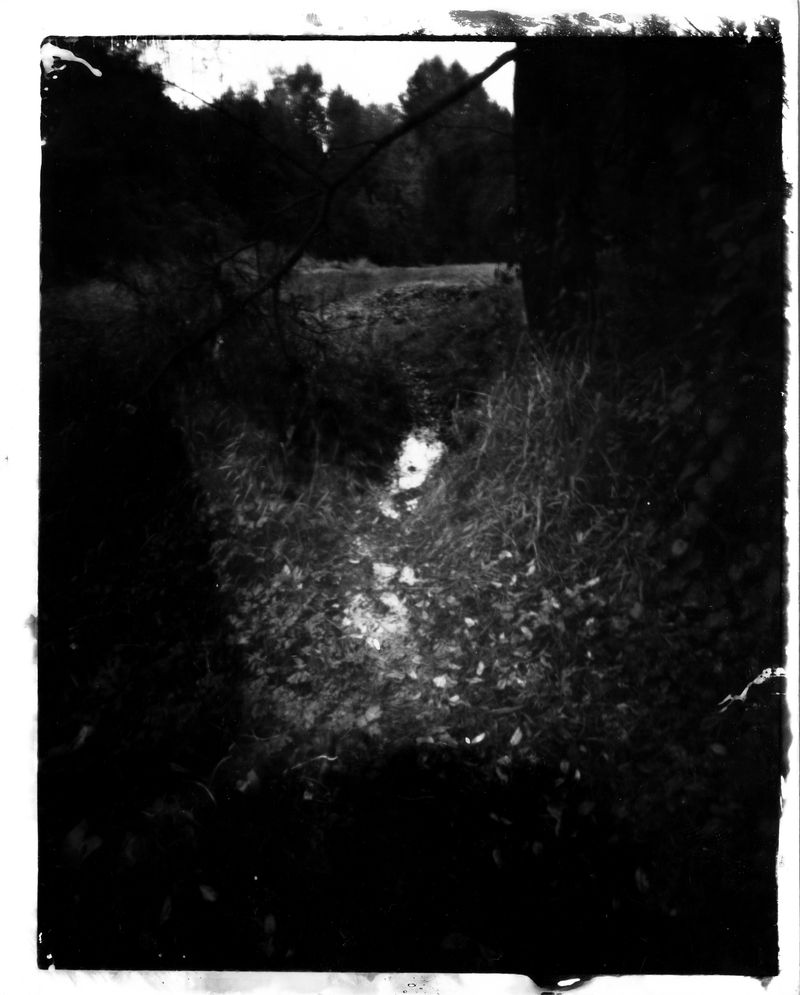
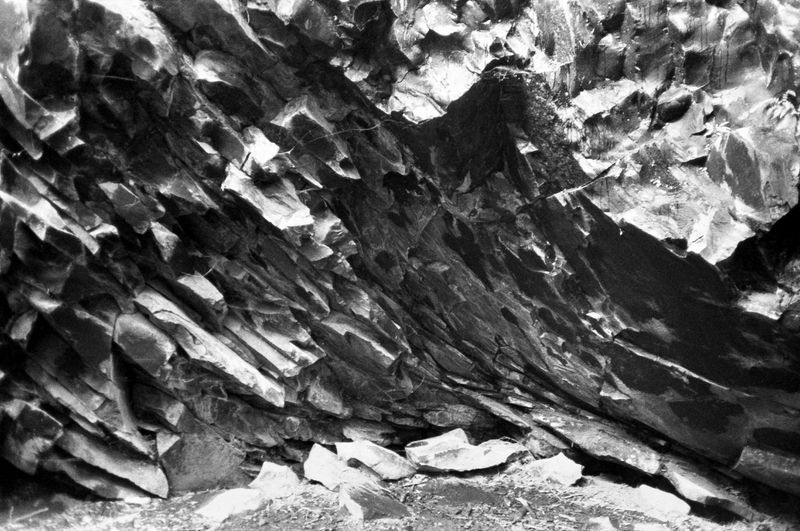
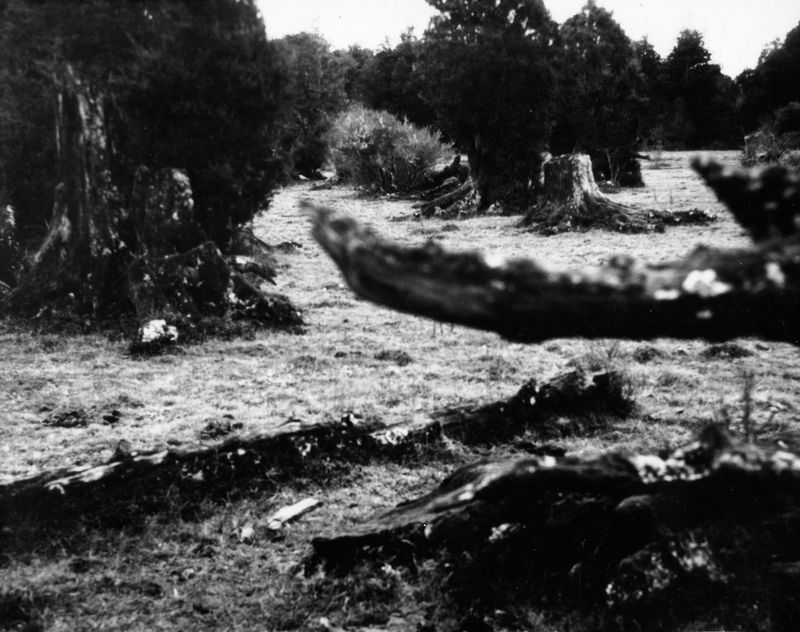
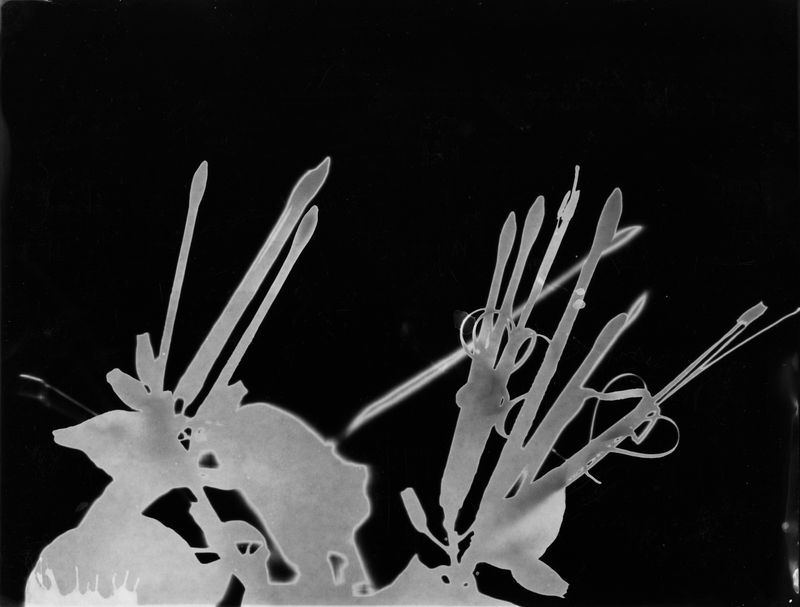
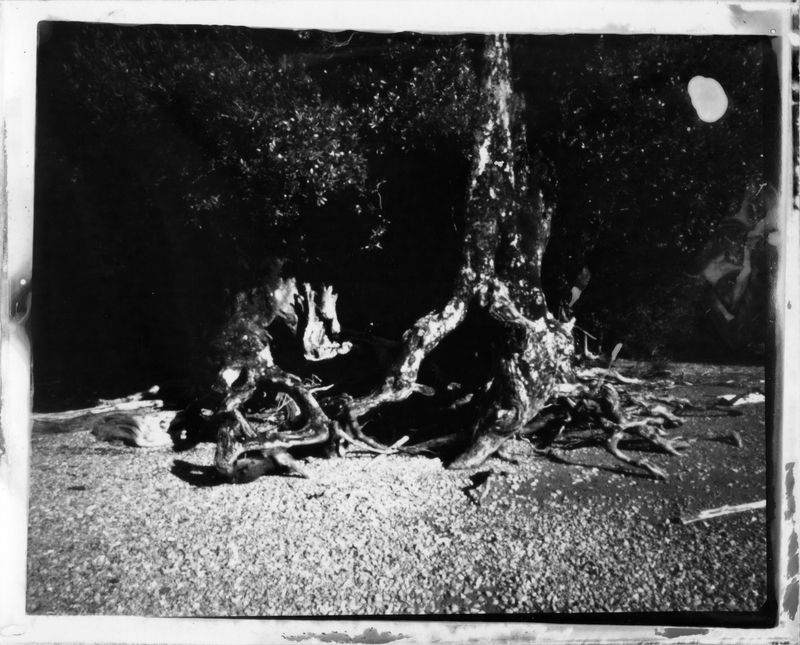
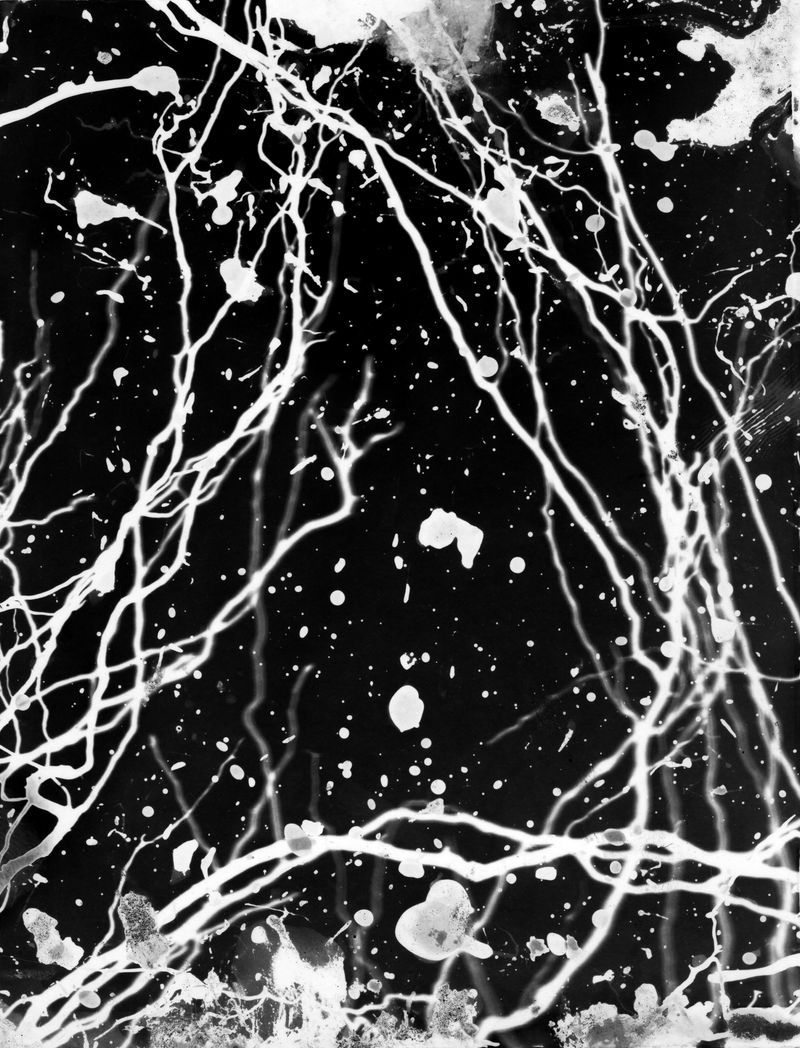
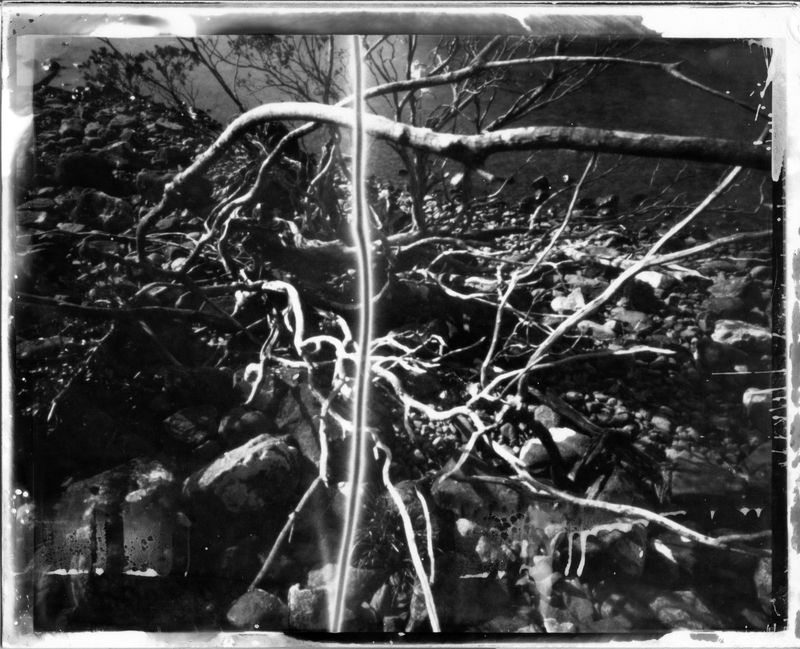
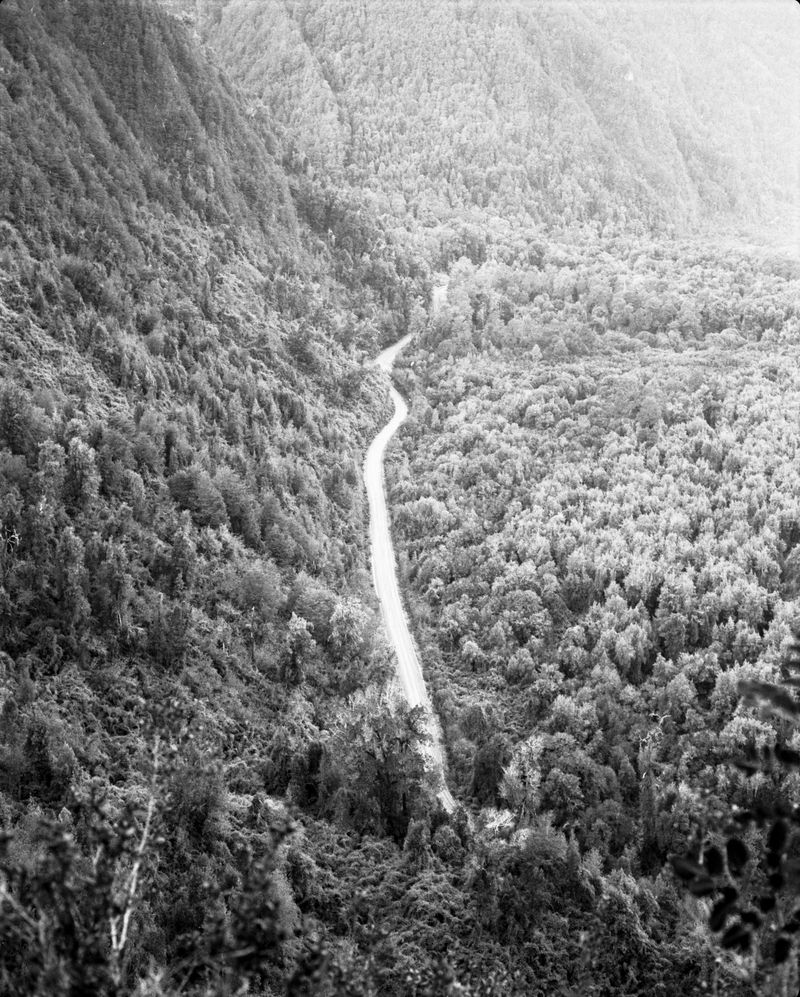
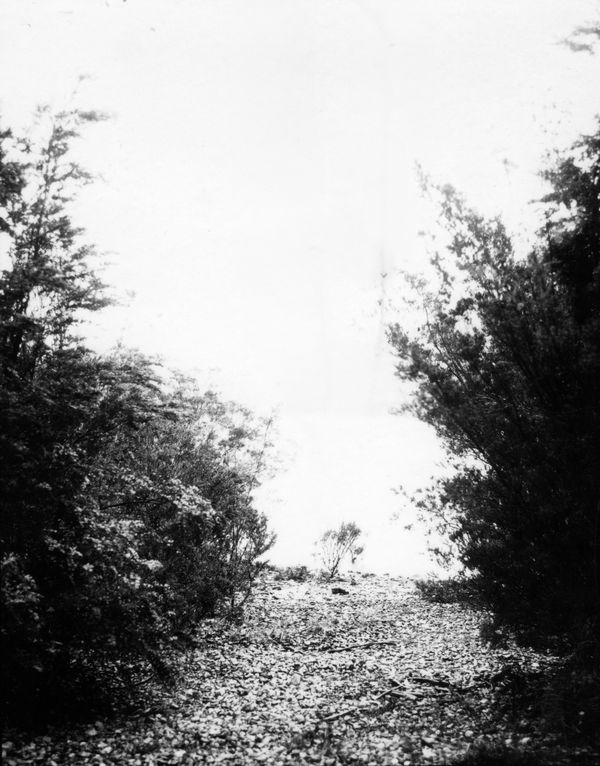
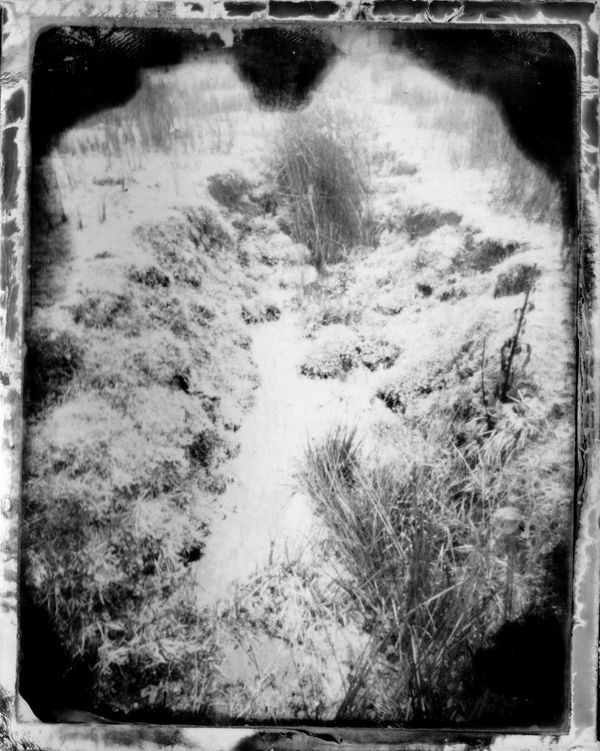
These light fossils, made at the archaeological sites of Monte Verde and its surroundings in southern Chile, are the result of long exposures intended to capture light that has traveled for millions of years, and thus enter into dialogue with the past.
The international scientific community has accepted the research that identifies Monte Verde (Puerto Montt, Chile) as the oldest known human settlement in the American continent, dating back approximately 14,500 years. The findings include a variety of modified bones from now-extinct animals, remains of dwelling structures, a fossilized human footprint, fire-making tools, and even a piece of boldo chewing gum transported over more than 400 km. This discovery challenges the prevailing theory that human settlement in the continent occurred solely through the Bering Strait, opening the possibility that humans also reached the Americas from the south.
How do we construct an image of prehistory from a contemporary perspective?
There is something in the social sphere that, in a certain way, imposes an image of the world — a need for order based on specific discoveries. Who tells History? The language of science is limited in that sense; the most important part of its data can become sterile when it comes to imagining alternative ways of understanding territory. This does not mean it is impossible to use such knowledge from another perspective — and that is where artistic vision emerges. What happens when the accepted scientific image encounters a distinctly personal gaze?
Can such an encounter bring us closer to prehistory?
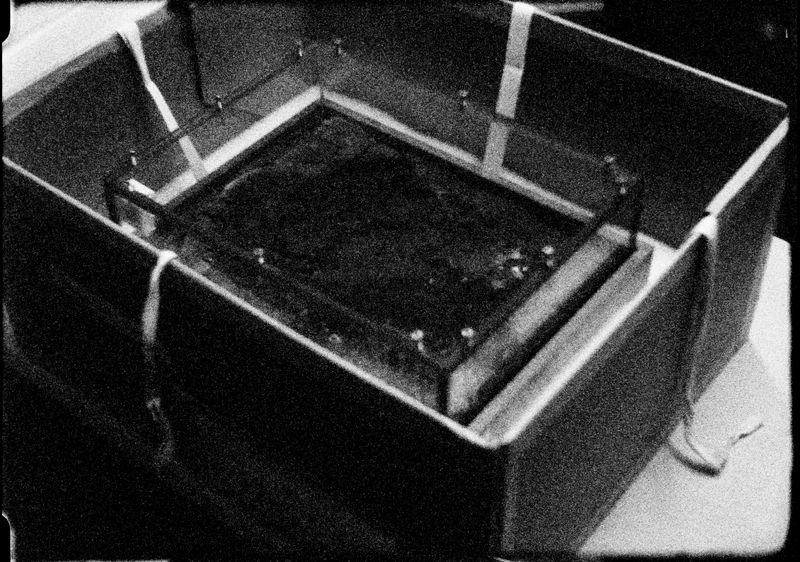
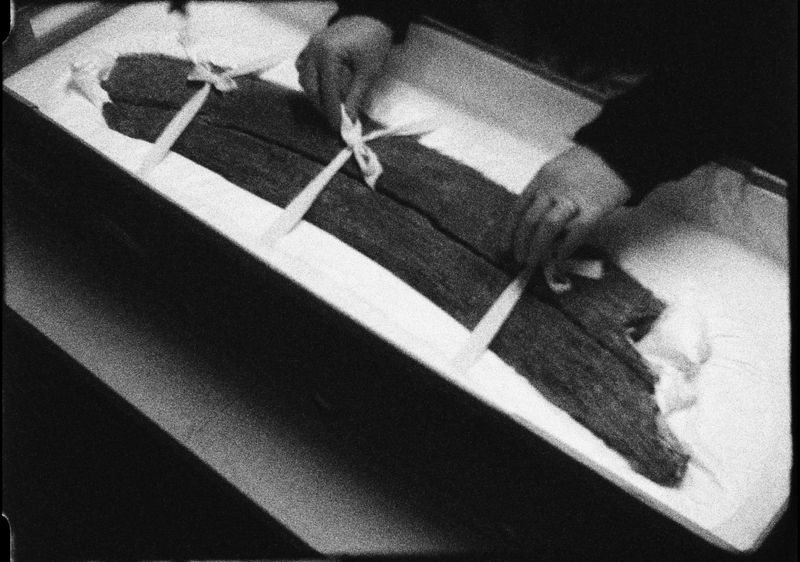
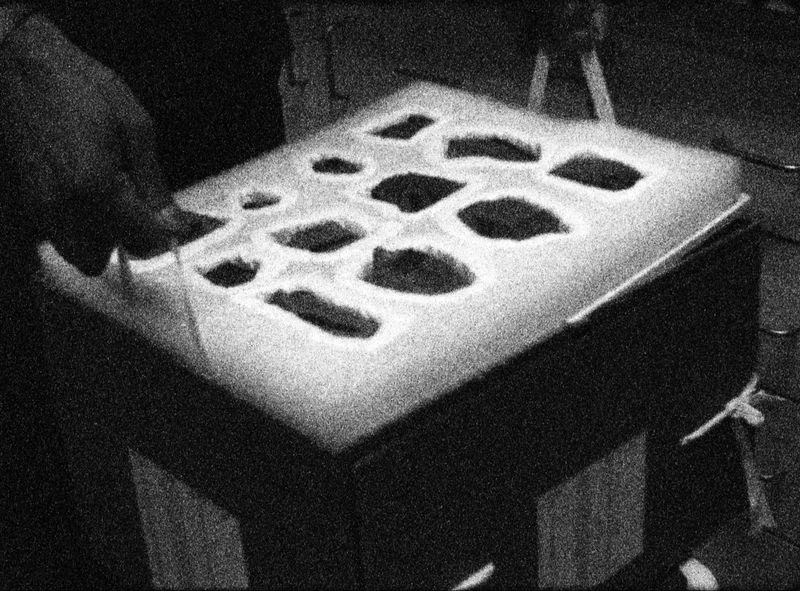
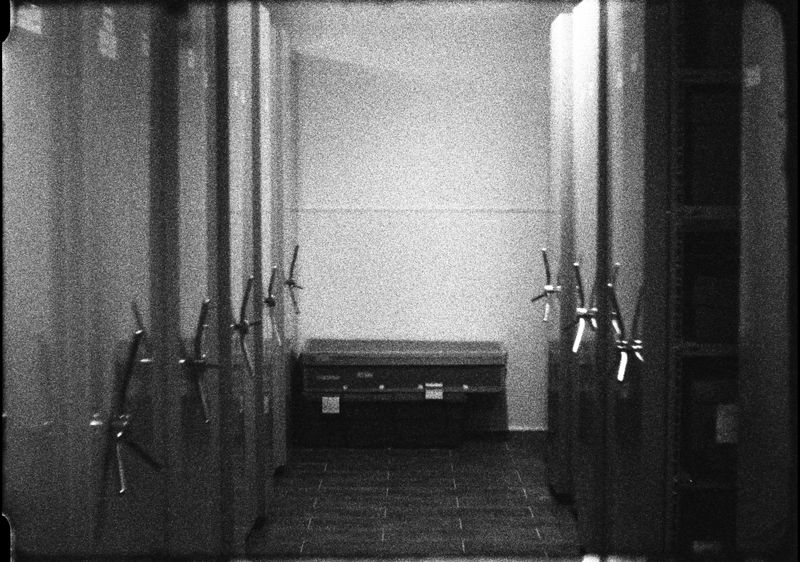
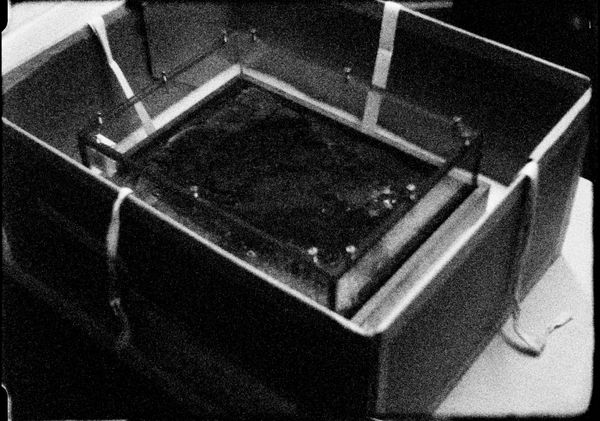
The Sea Once Reached Here is a multi-format analogue photographic project (large format, pinhole, 16mm, among others) that, through the study of time in archaeological sites and territories minimally altered by humans, reconstructs the past through experimentation with these supports and their possibilities. Long exposure allows a more primitive light to be captured. From this emerges the concept of Light Fossils — understanding nature through the photographic recording of a trace preserved for posterity. Perhaps within this encounter of untimely temporalities we may recognize that the past indeed exists, and that we can reconstruct it in our favor.
The photographs were developed using water from the rivers that cross these sites — the same rivers that buried and later revealed the fossils. Many of these discoveries are attributed to children who dig the earth out of pure curiosity and return home carrying strange stones
WIP FIlm:
https://vimeo.com/1165744092?share=copy&fl=sv&fe=ci
key:
elmar1