The river is a loom, the thread is a mountain
-
Dates2022 - 2025
-
Author
- Topics Landscape, Social Issues, Fine Art, Archive
- Location Catalonia, Spain
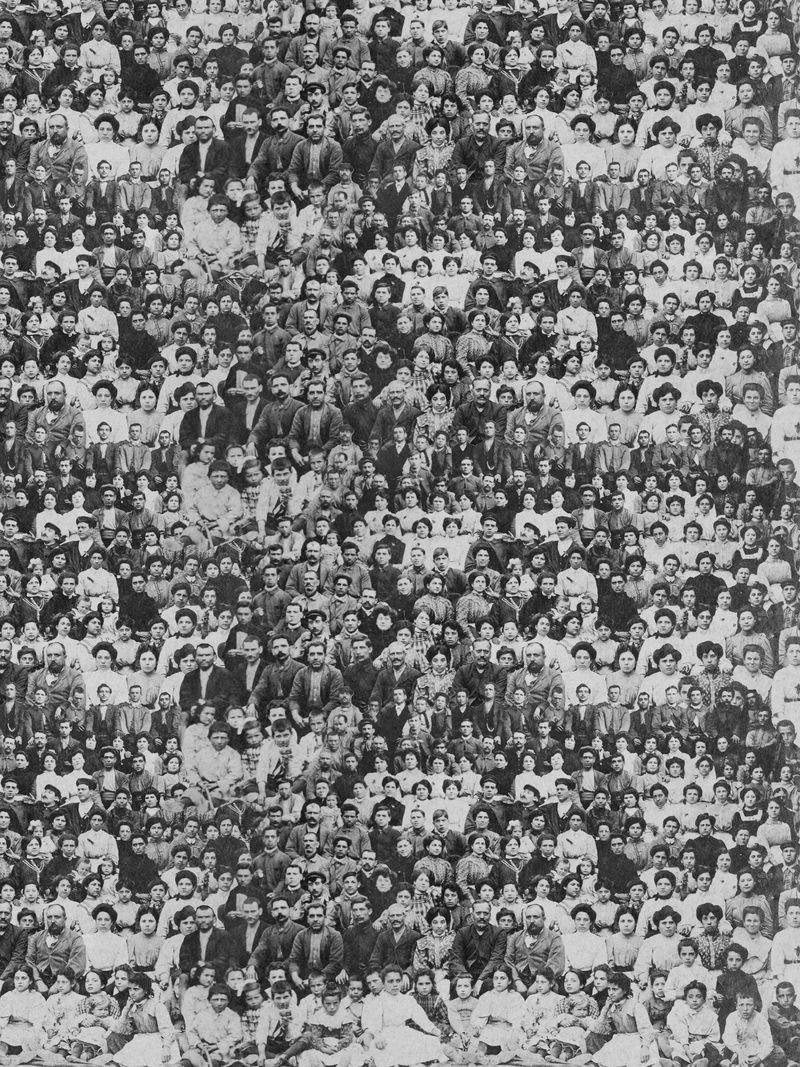
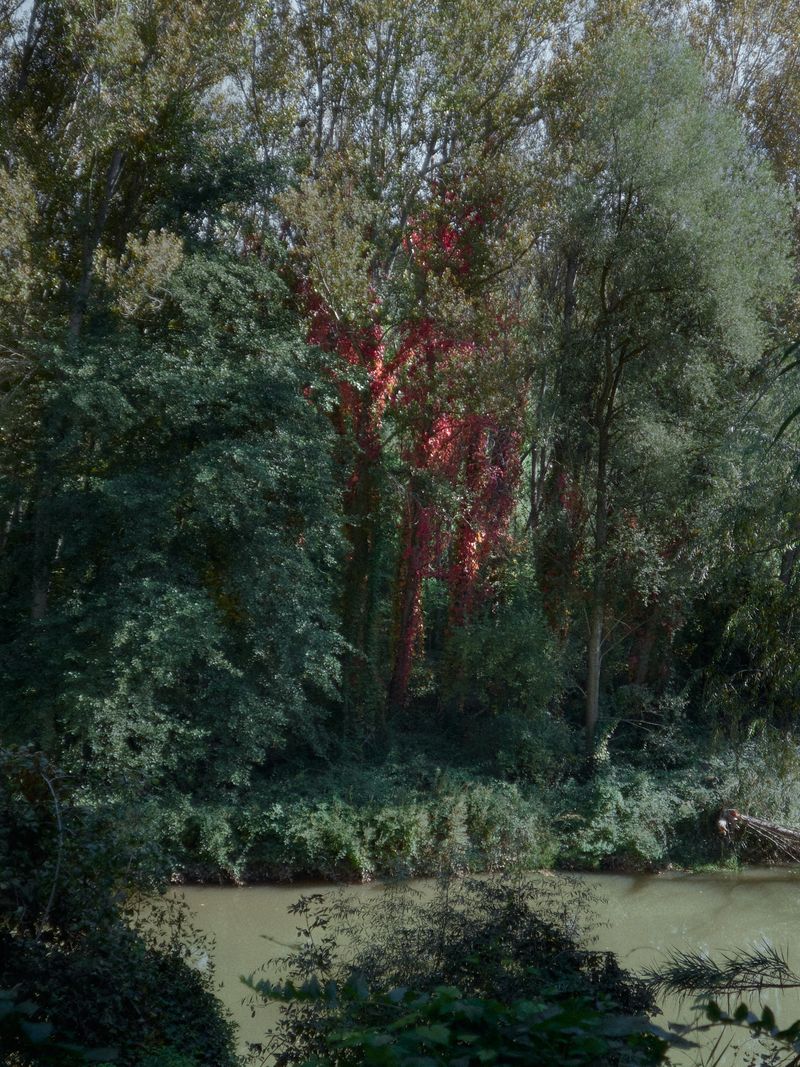
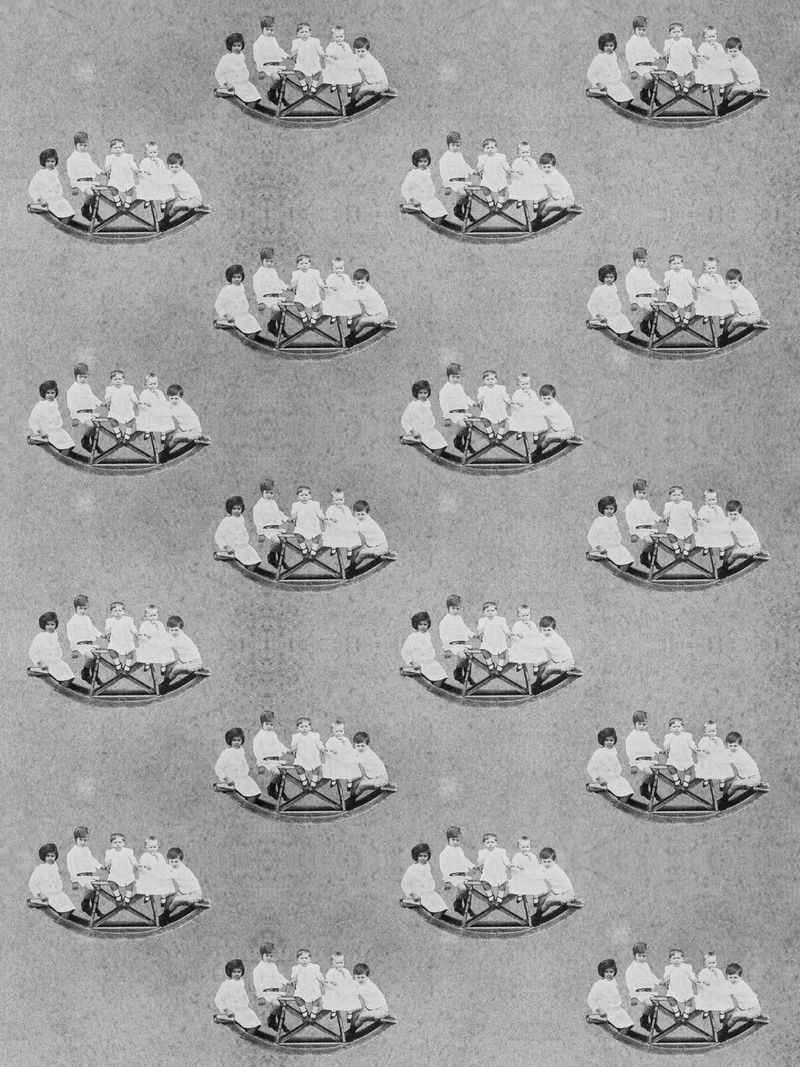
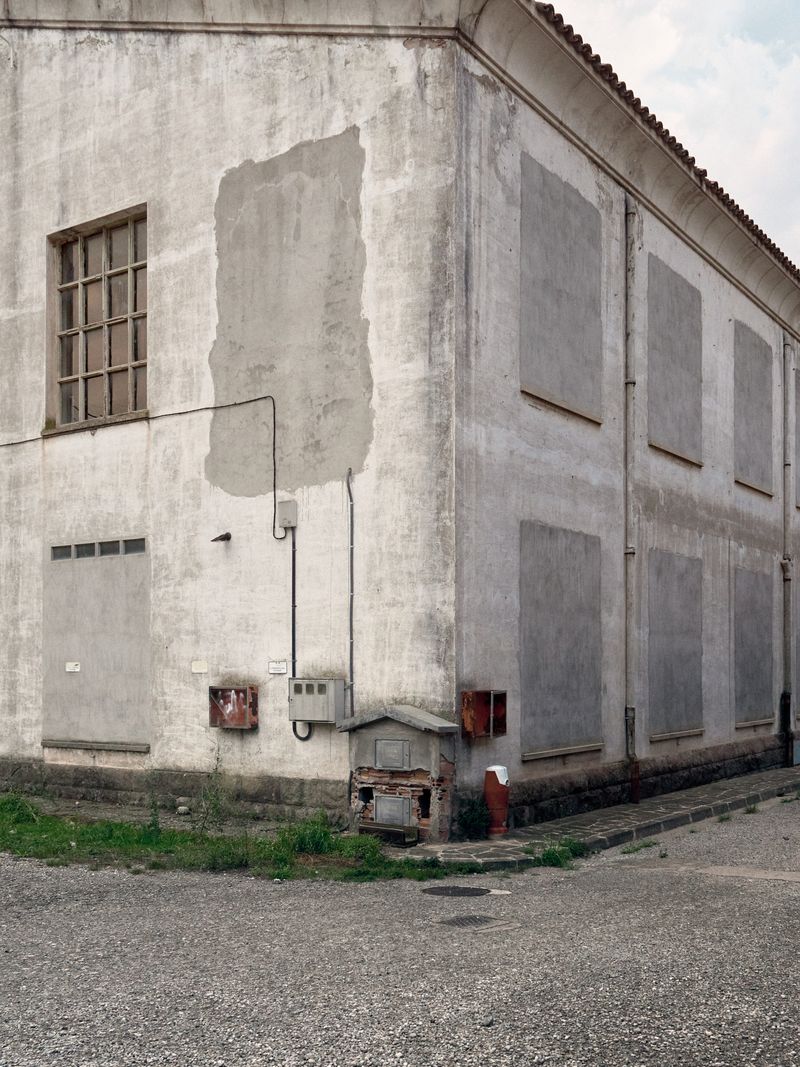
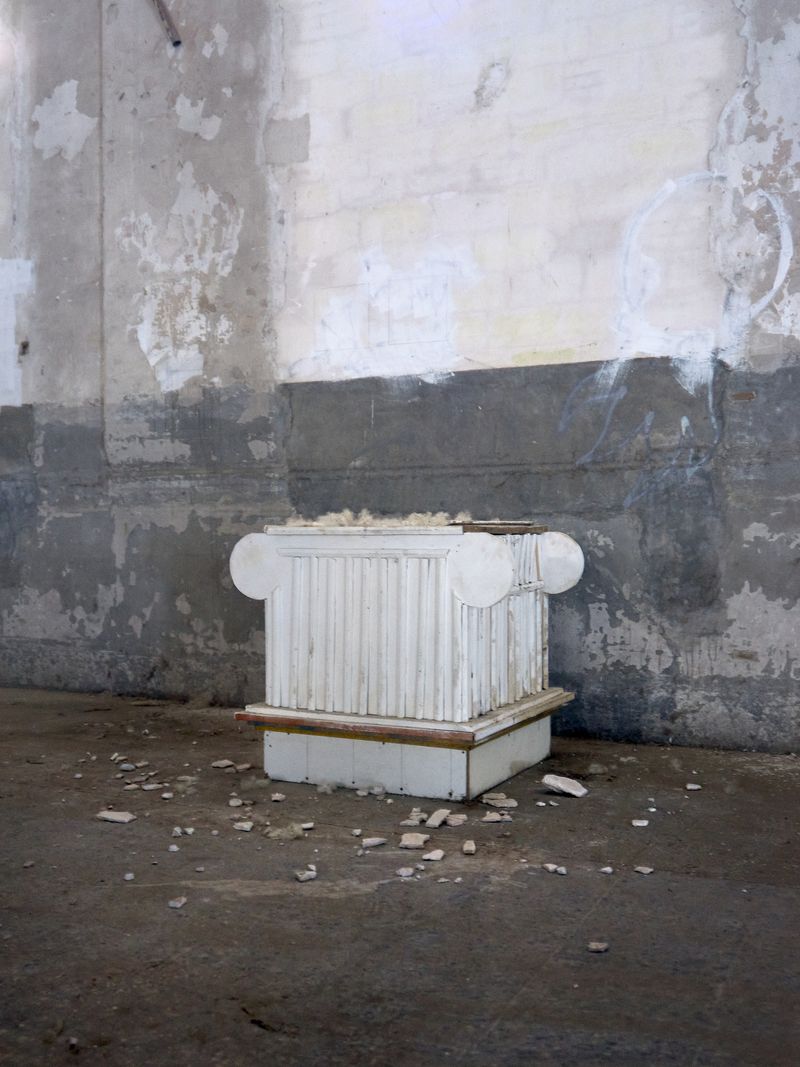
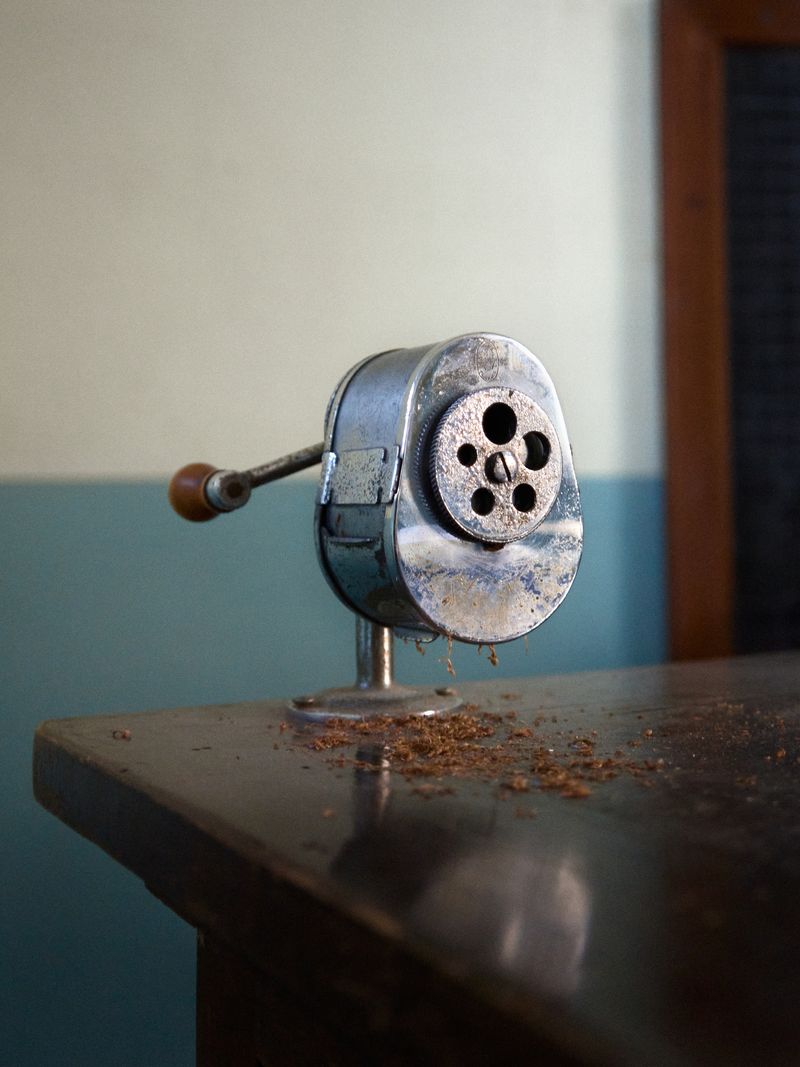
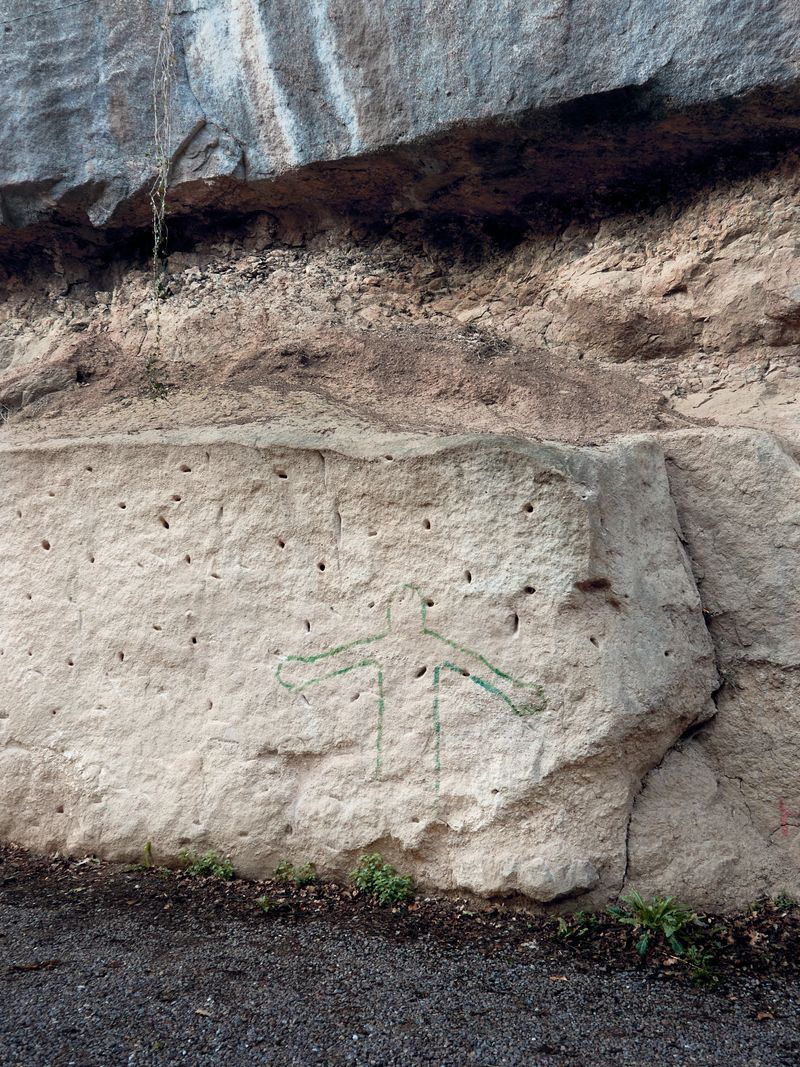
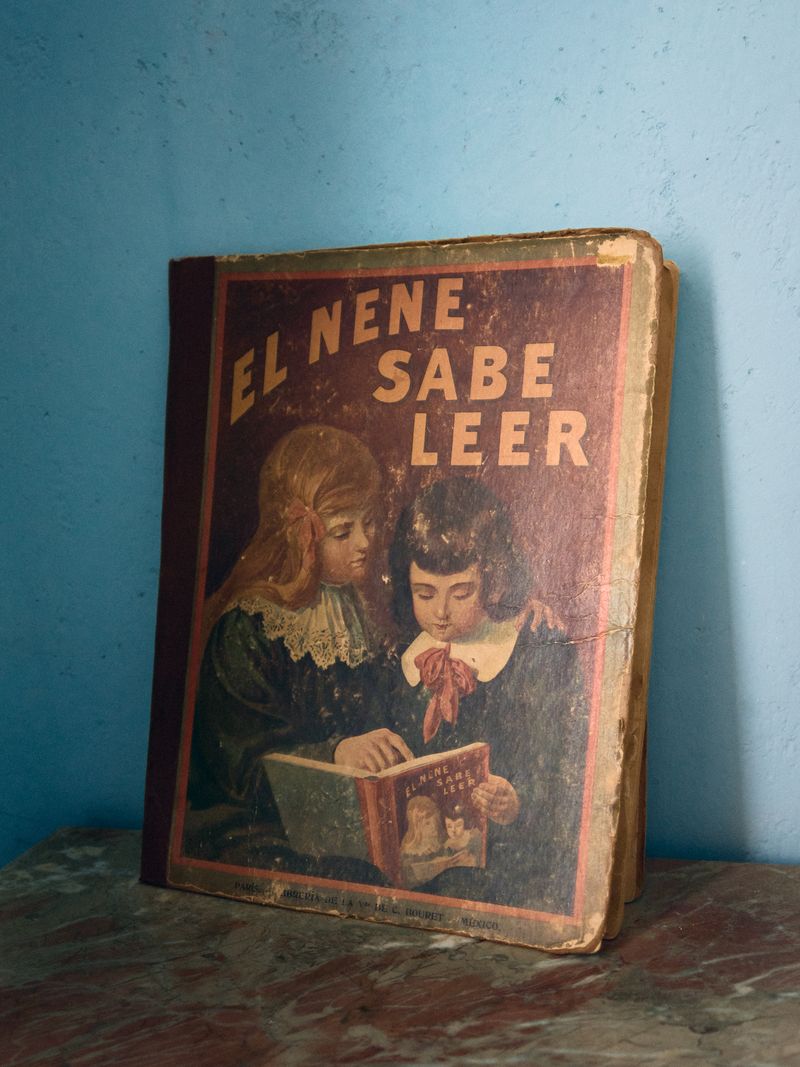
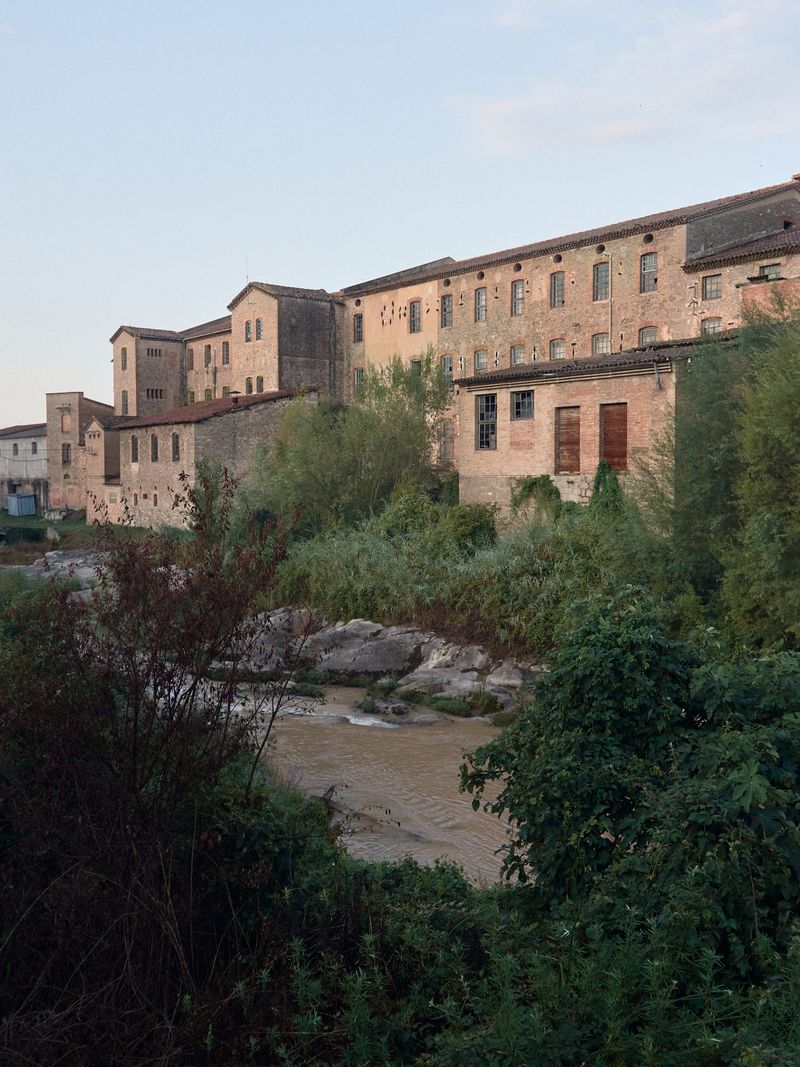
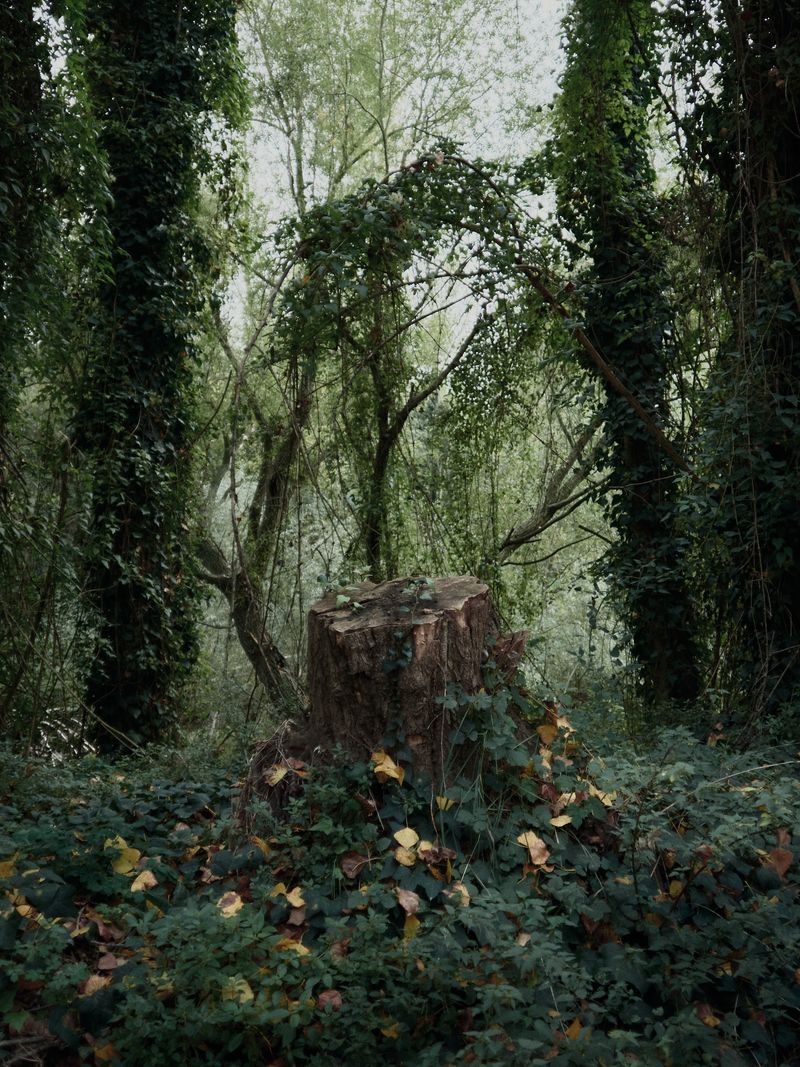
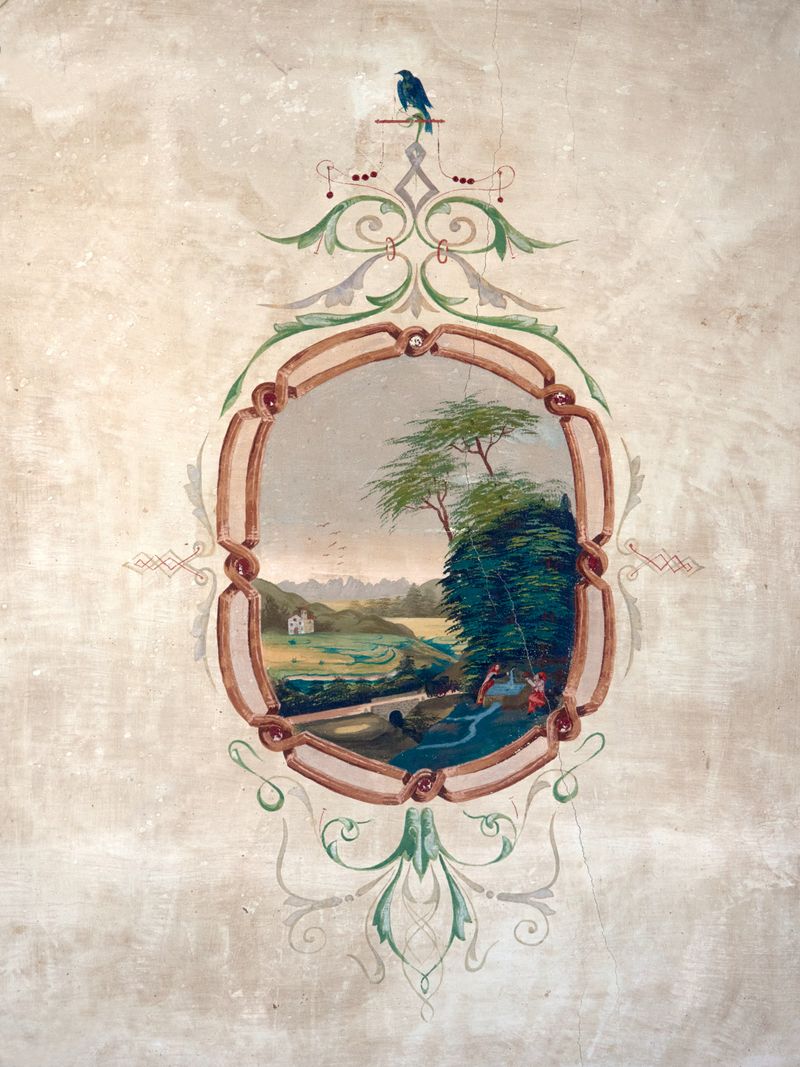
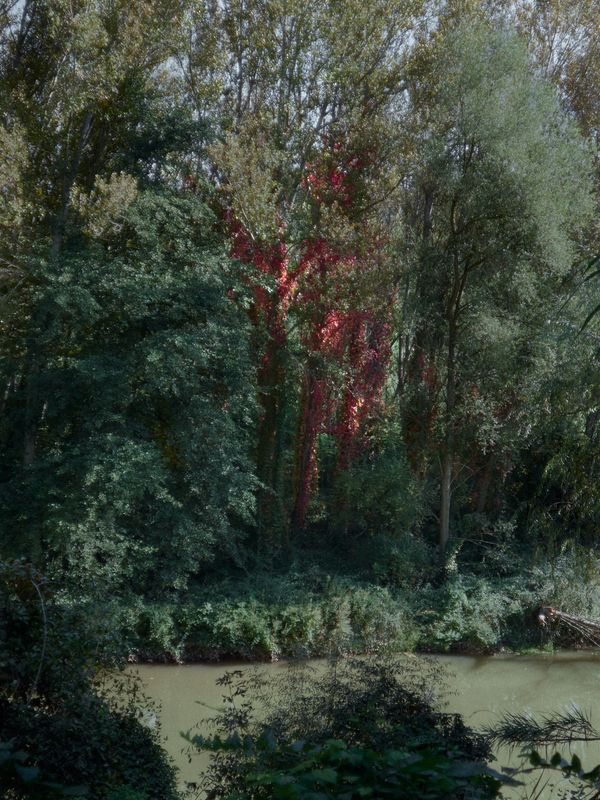
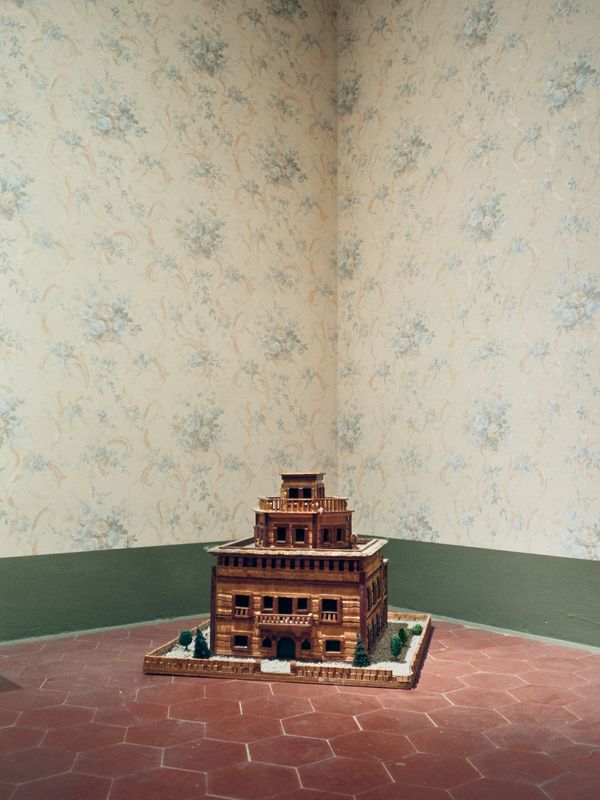
The project explores the rise and decline of textile colonies along Catalonia’s Llobregat River. Through the landscape and archival imagery reimagined as textile patterns, the project reveals traces of power, control, and memory in these spaces.
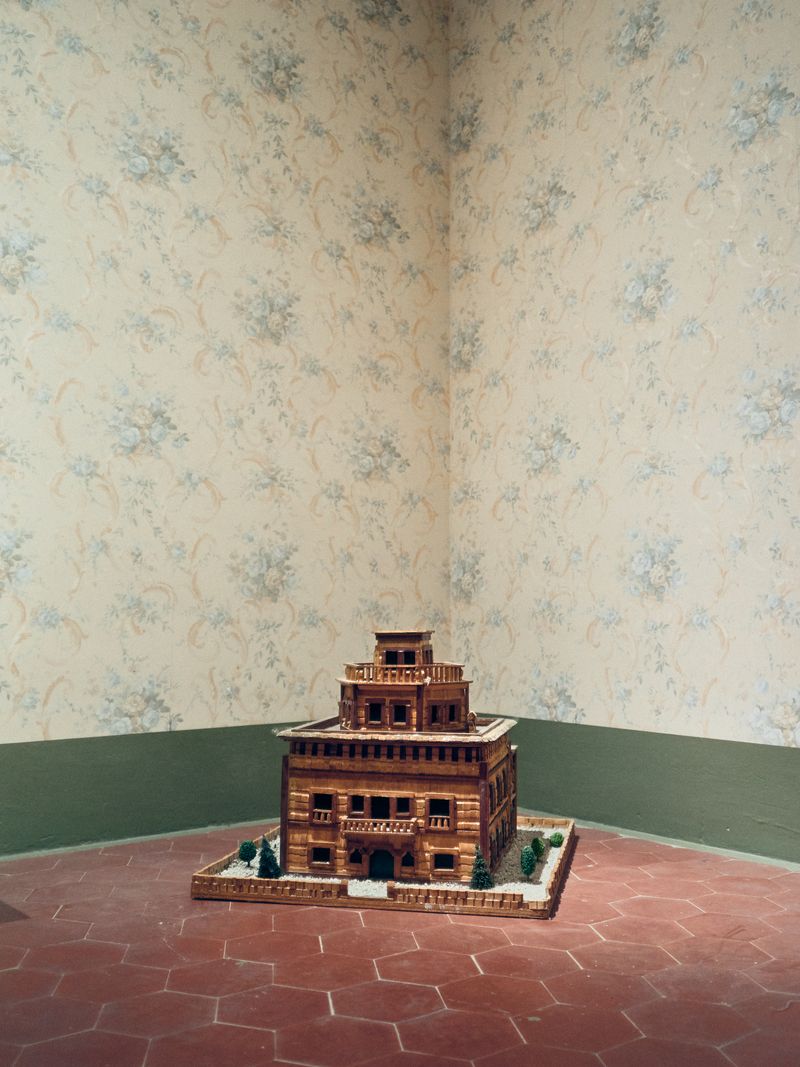
In the late 19th century, textile colonies emerged along the Llobregat River in Catalonia. Inhabited largely by immigrants from southern Spain, these self-contained communities integrated factories, worker housing, and communal amenities, forming microcosms of industrial life.
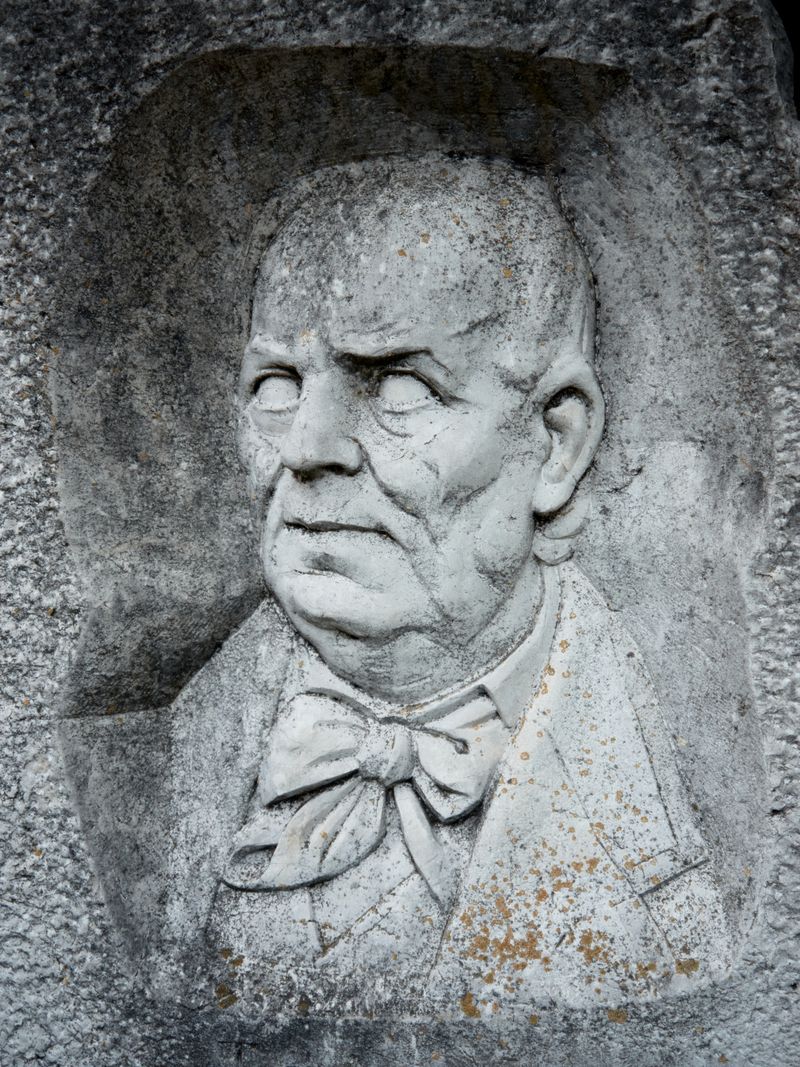
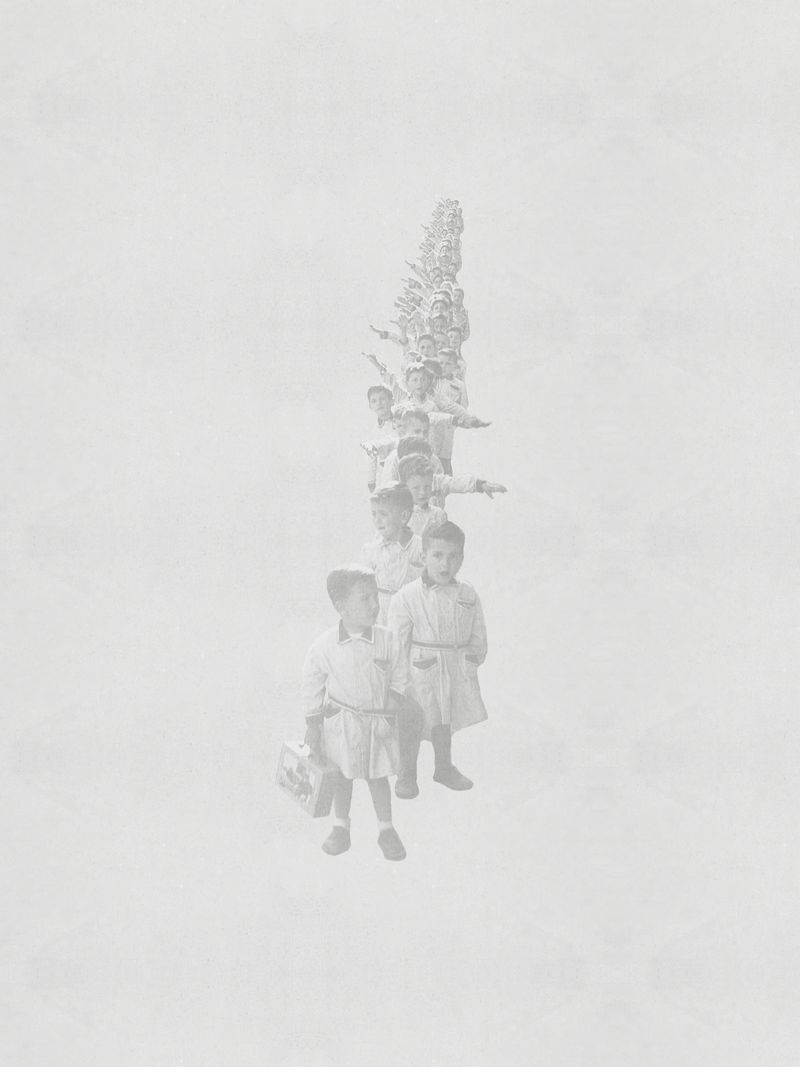
Operating under a paternalistic system, they offered low-cost welfare in exchange for exploited labor and restricted freedoms. The perceived benefits of this dynamic cultivated obedience and compliance among workers and their families, reinforcing structures of control.
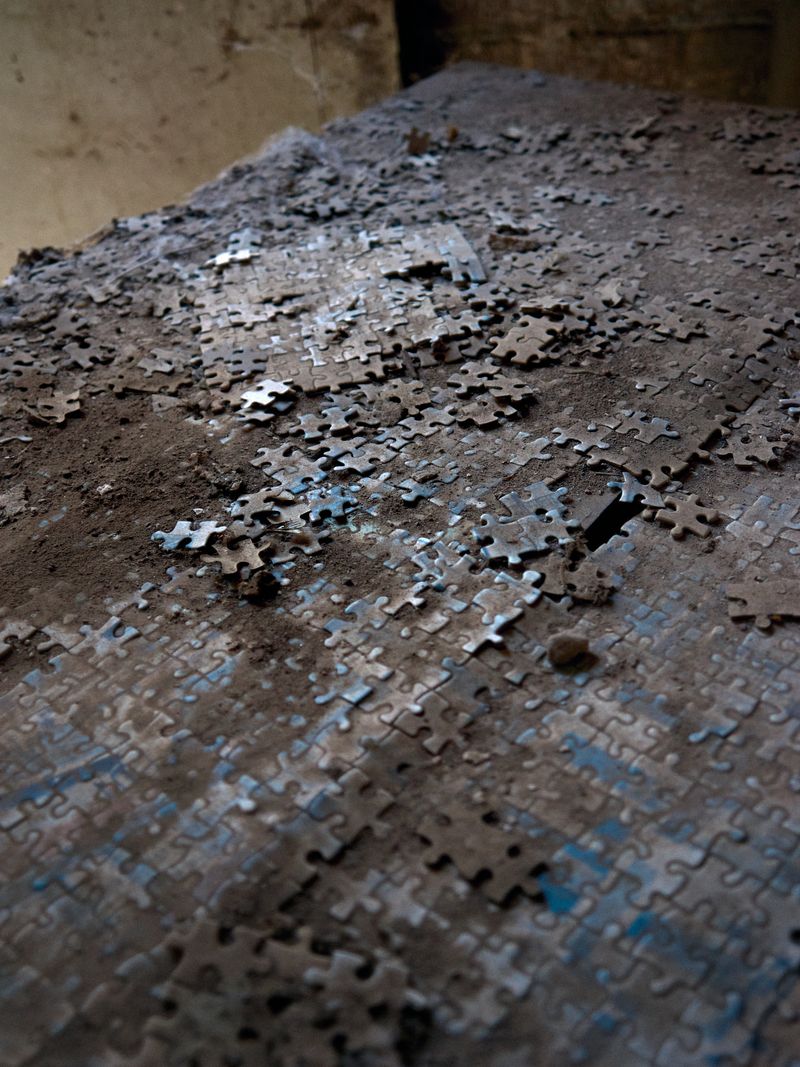
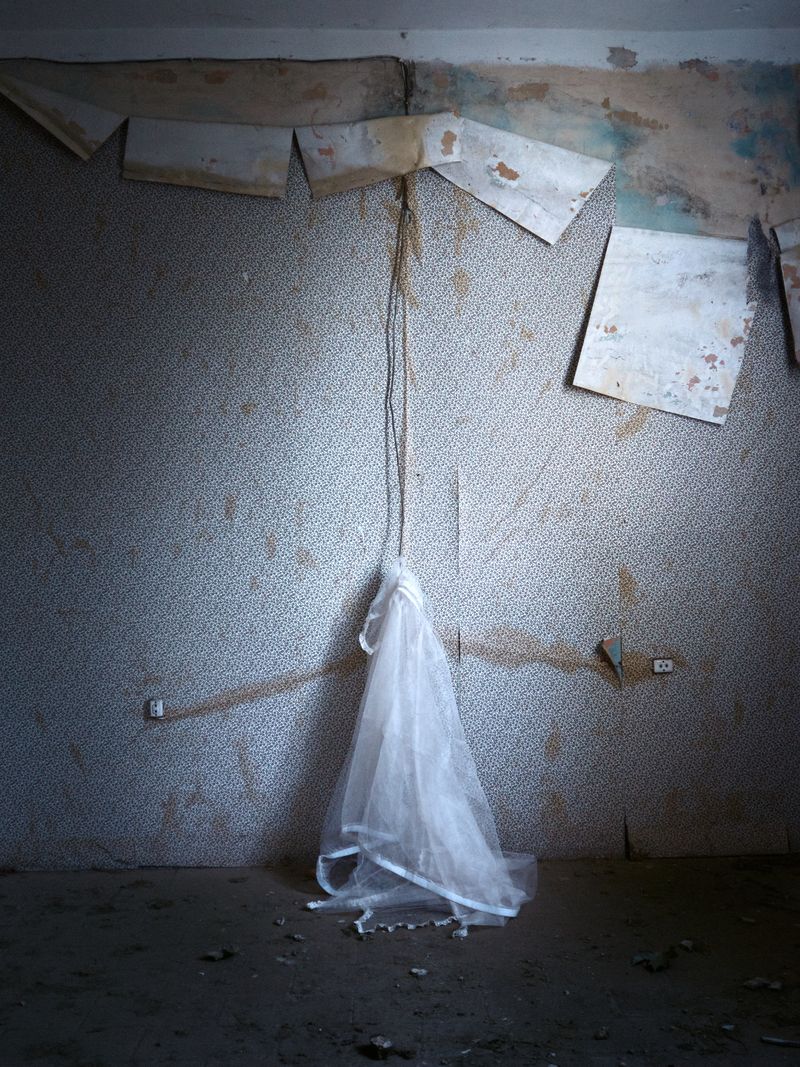
By the 1970s, the decline of the textile industry left these colonies in crisis. Factories fell silent, infrastructures collapsed, and once-thriving communities were displaced, leaving only spectral remnants of their industrial past.
“The river is a loom, the thread is a mountain” examines the layered histories embedded in these landscapes, developing a symbolic archaeology that uncovers traces of power, hierarchy, and class.
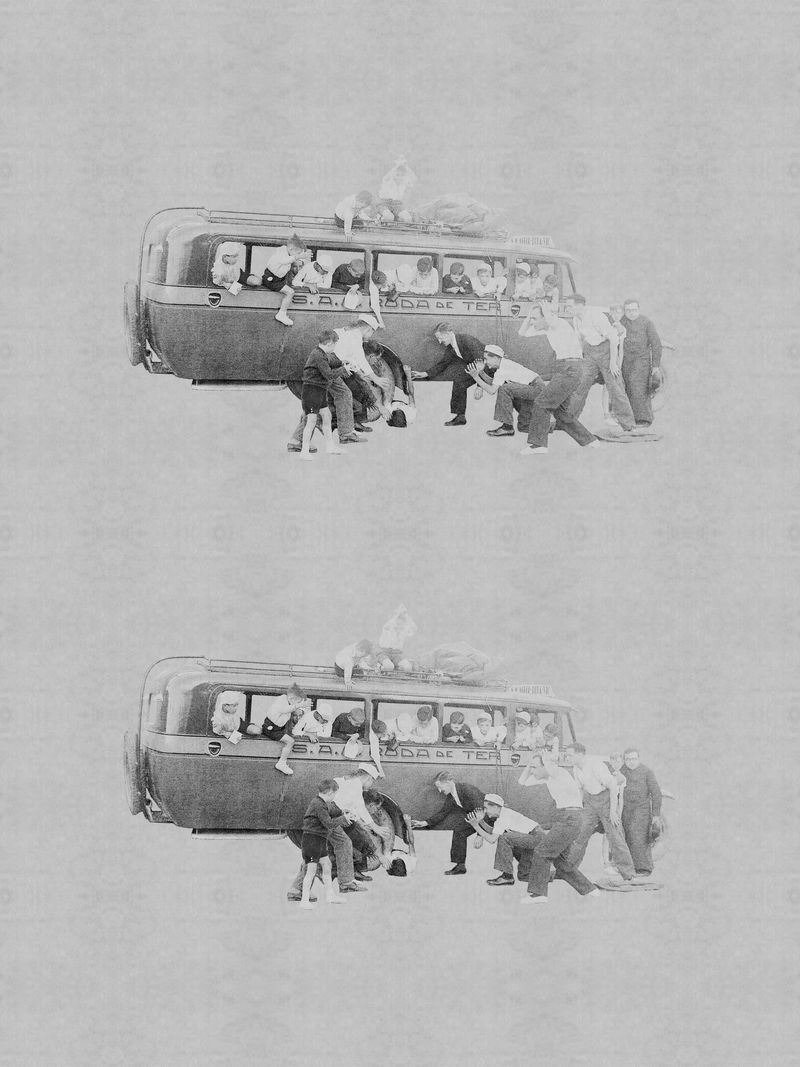
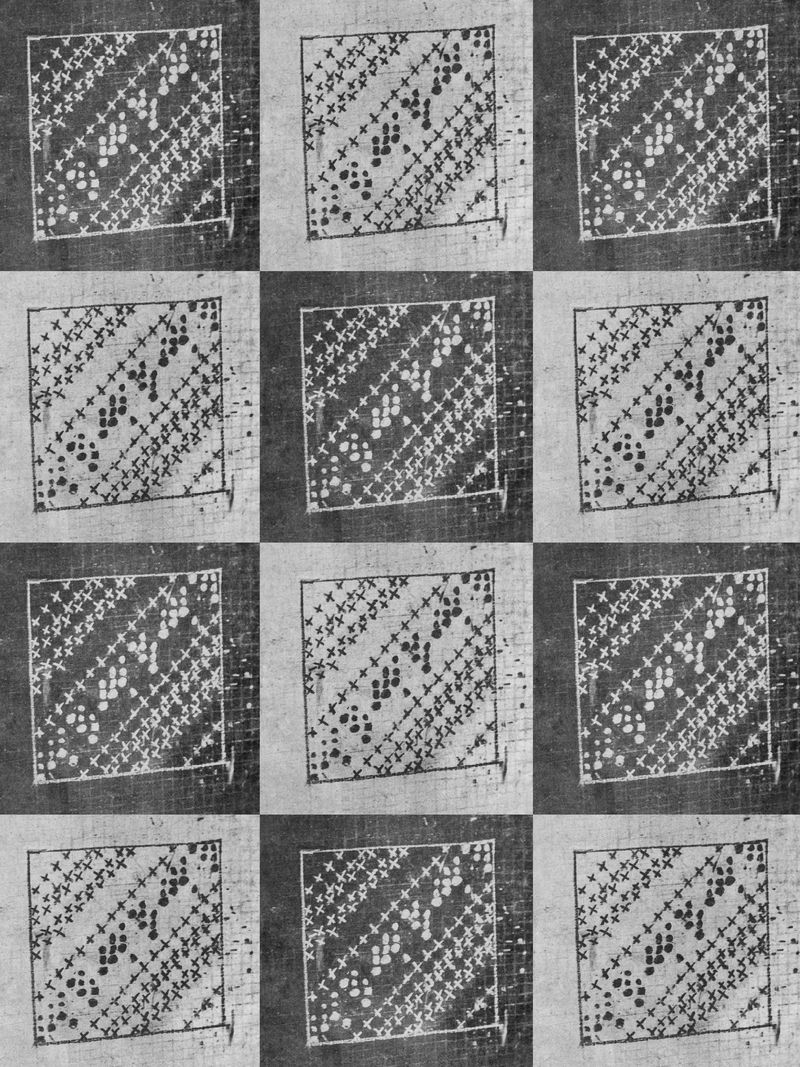
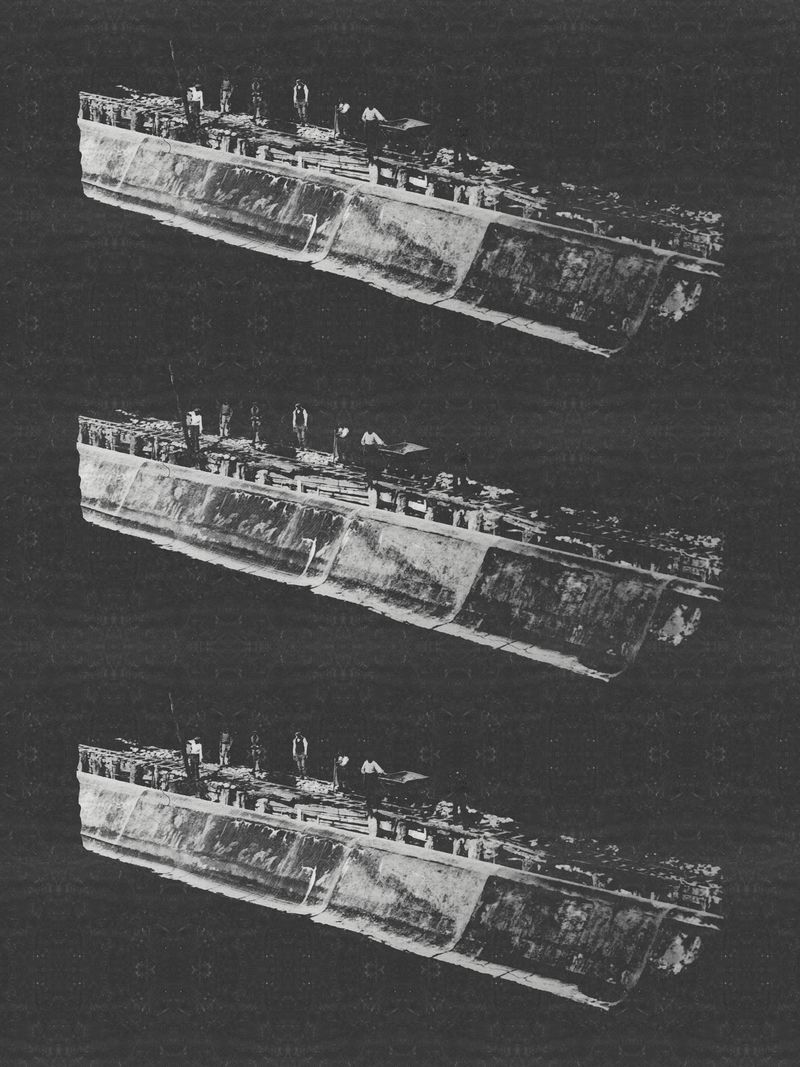
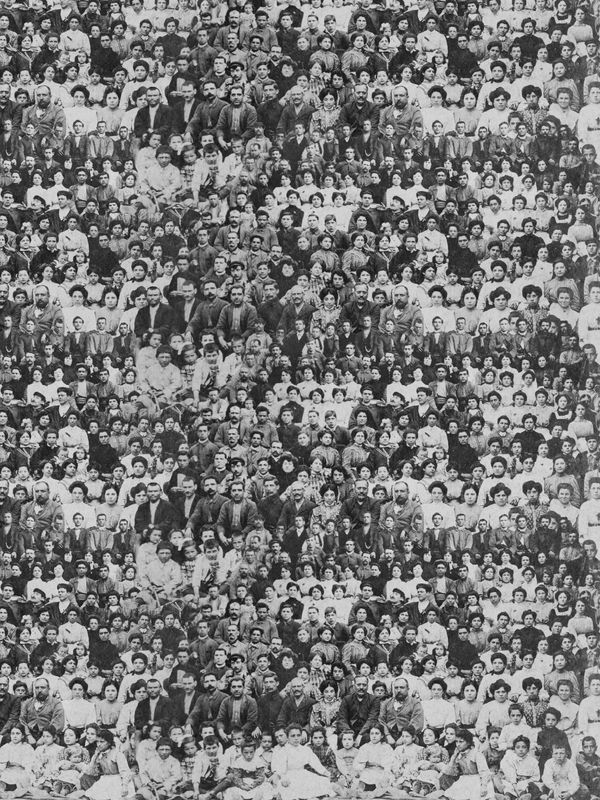
Drawing on textile as a language capable of reinterpreting the histories of these colonies, I transform archival photographs into textile patterns, which are then translated onto diverse textile materials. The distinct qualities of each material, combined with the repetitive act of making, inscribe new meanings into the images. The process evokes the disciplined labor that once defined these communities, connecting past and present through textile practice.
Weaving the fragmented archive into textile forms also challenges the idea of the archive as a fixed, immutable source of evidence. Instead, it becomes a living material, printed, woven, and assembled, that reveals how history is continuously constructed and mediated. Through this process, the project exposes the archive´s active role in shaping narratives of industry, labor, and truth, and questions how these histories are preserved and visualized.
Through the examination of the textile colonies as more than historical artifacts, the project positions them as a case study through which to reflect on contemporary structures of power. The paternalistic systems that once governed these communities, operating through discipline, surveillance, and social conformity, resonate with present-day mechanisms of productivity, control, and obedience. In this way, the project not only uncovers a layered past but also reveals how similar logics continue to shape our working and living conditions today.