The Ouroboros of Faces
-
Dates2025 - Ongoing
-
Author
- Locations Berlin, Helsinki, Hong Kong
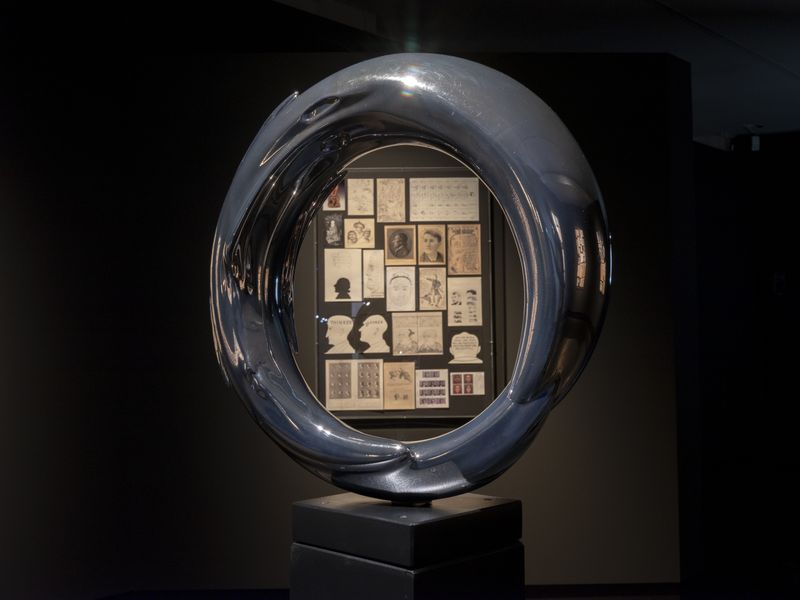
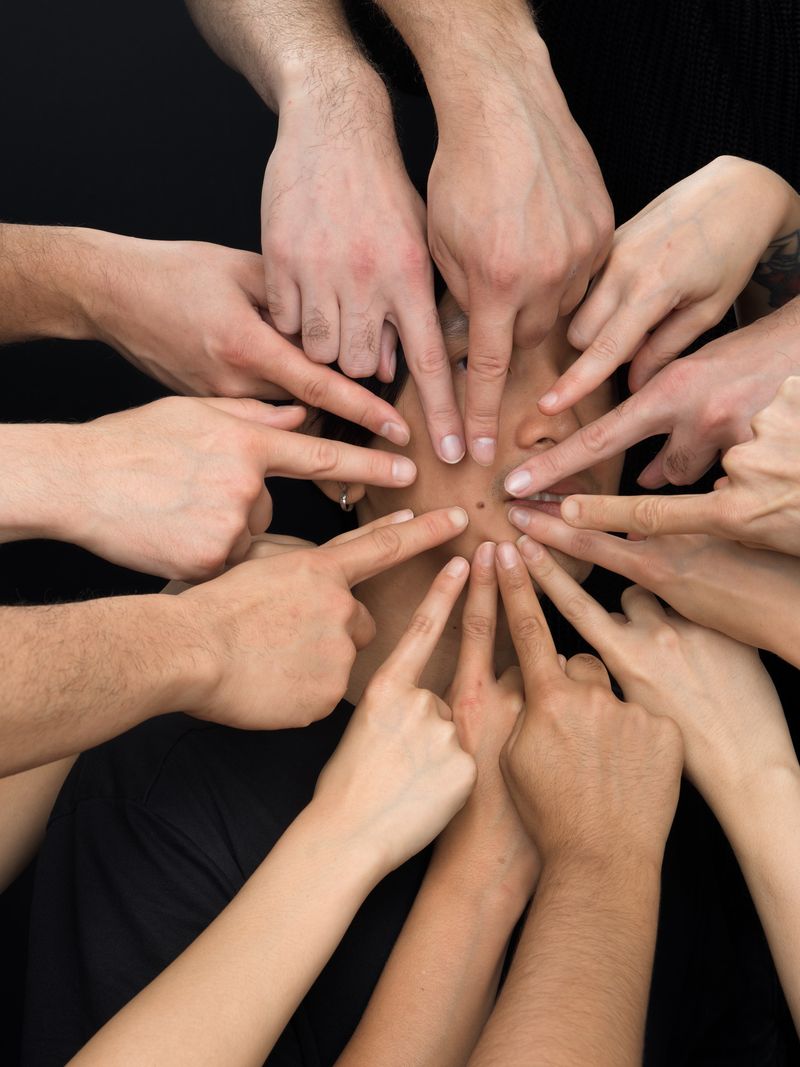
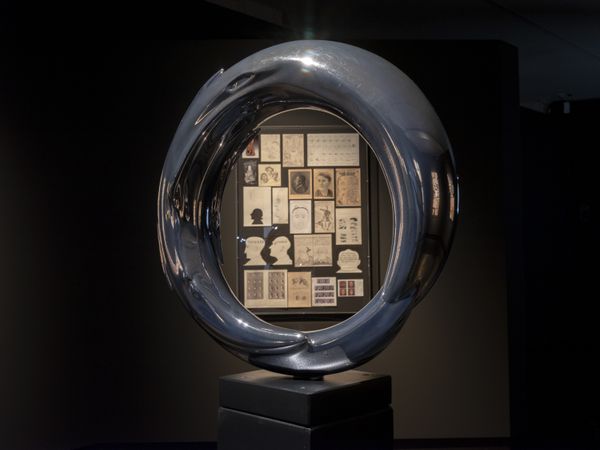
The advent of synthetic face data marks the latest phase of facial recognition. First, humans taught machines how to see faces. Now, machines are trained to recognize faces made by other machines —the logic forms a self-devouring snake, an ouroboros.
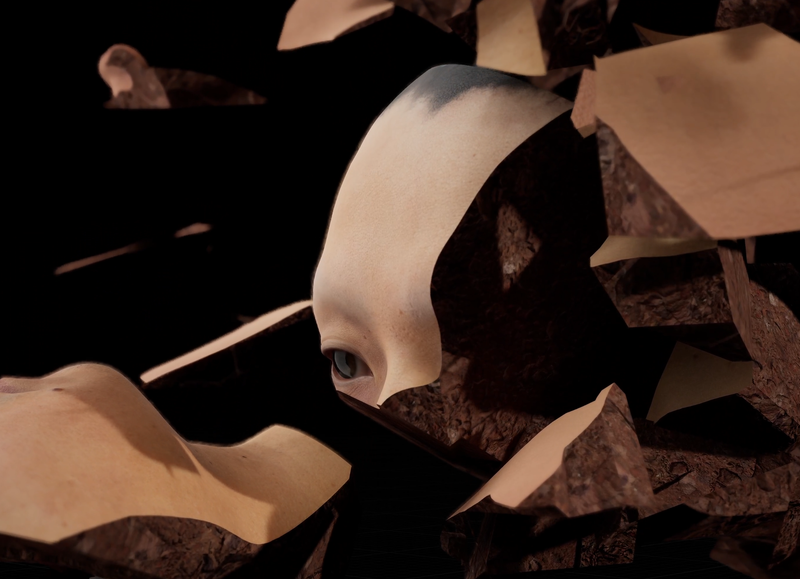
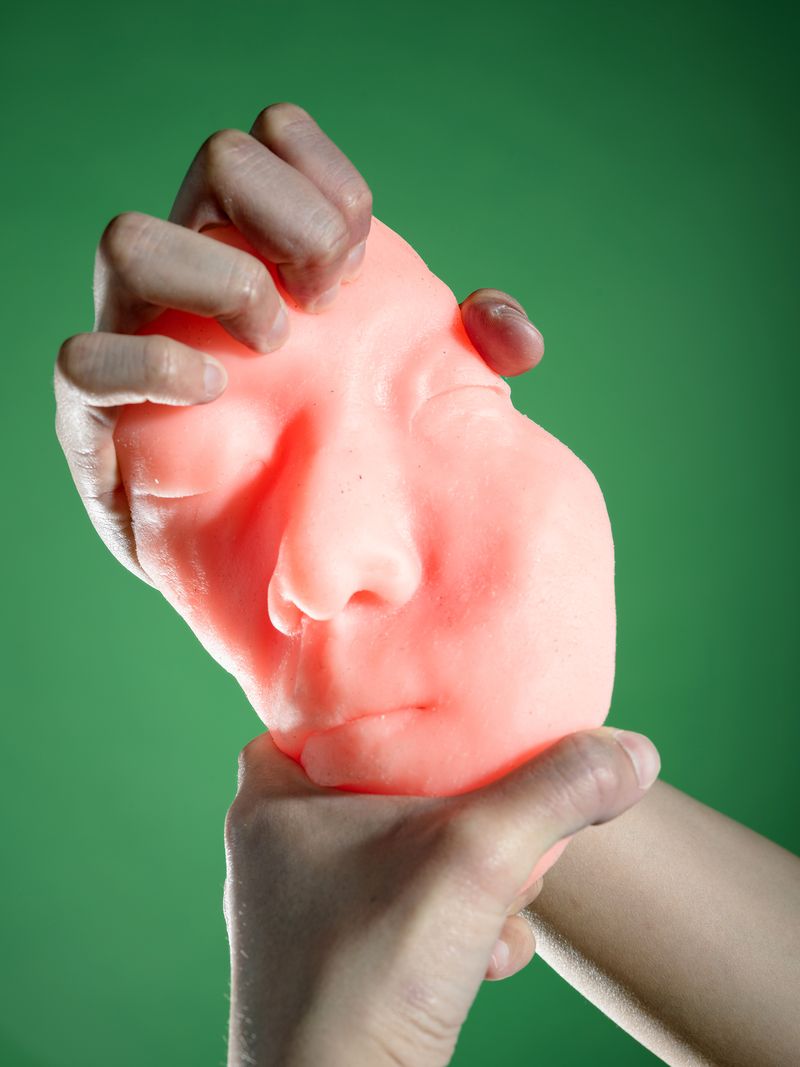
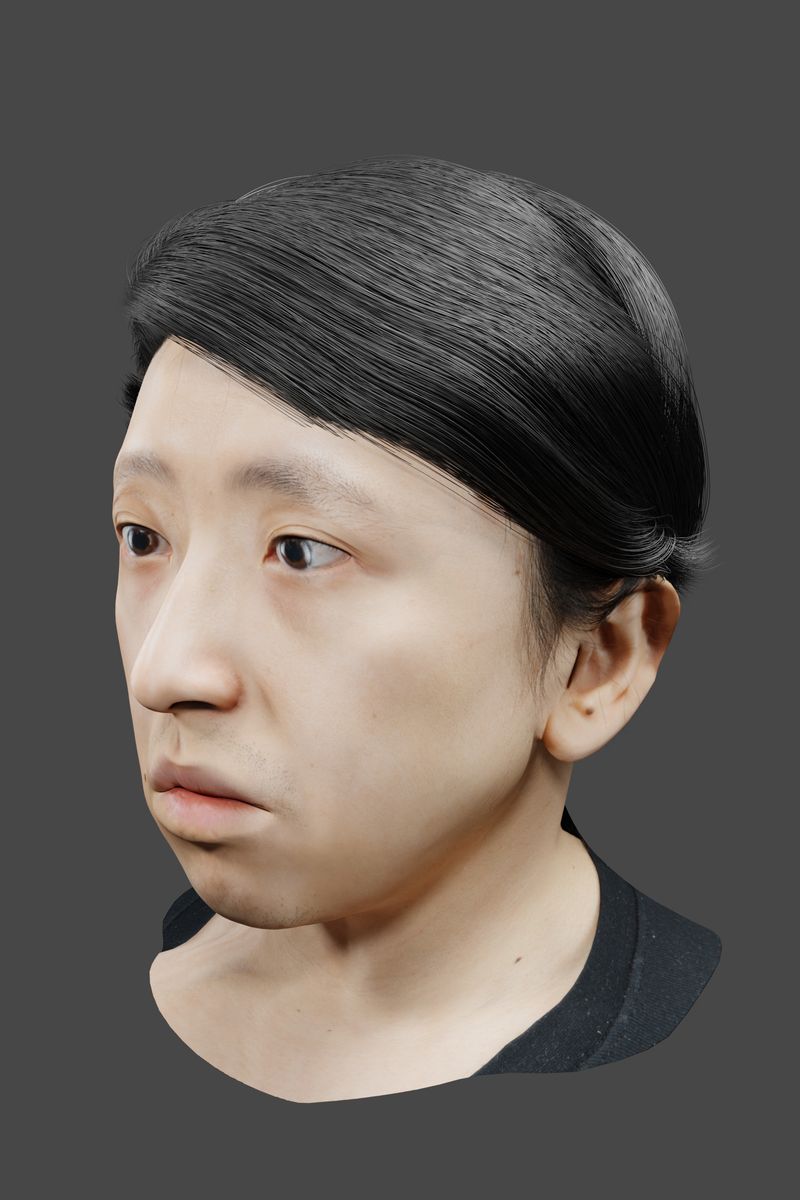
Synthetic face data are deepfakes or digitally rendered 3D faces generated solely as training material for facial recognition algorithms. Technologists have proposed them as a solution to the insatiable data demands of large-scale AI models, claiming the added benefit of circumventing issues of privacy and consent. These statistical artefacts of facial recognition are fed back into the models themselves. The advent of synthetic face data marks the latest phase of facial recognition, where the logic of statistical inference is stretched to its breaking point. First, humans taught machines how to see faces. Then, networks learned to generate digital faces modeled on human ones. Now, machines are trained to recognize faces made by other machines—a self-devouring snake, an ouroboros. In the near future, our faces may be judged by algorithms that have never “seen” a real one.
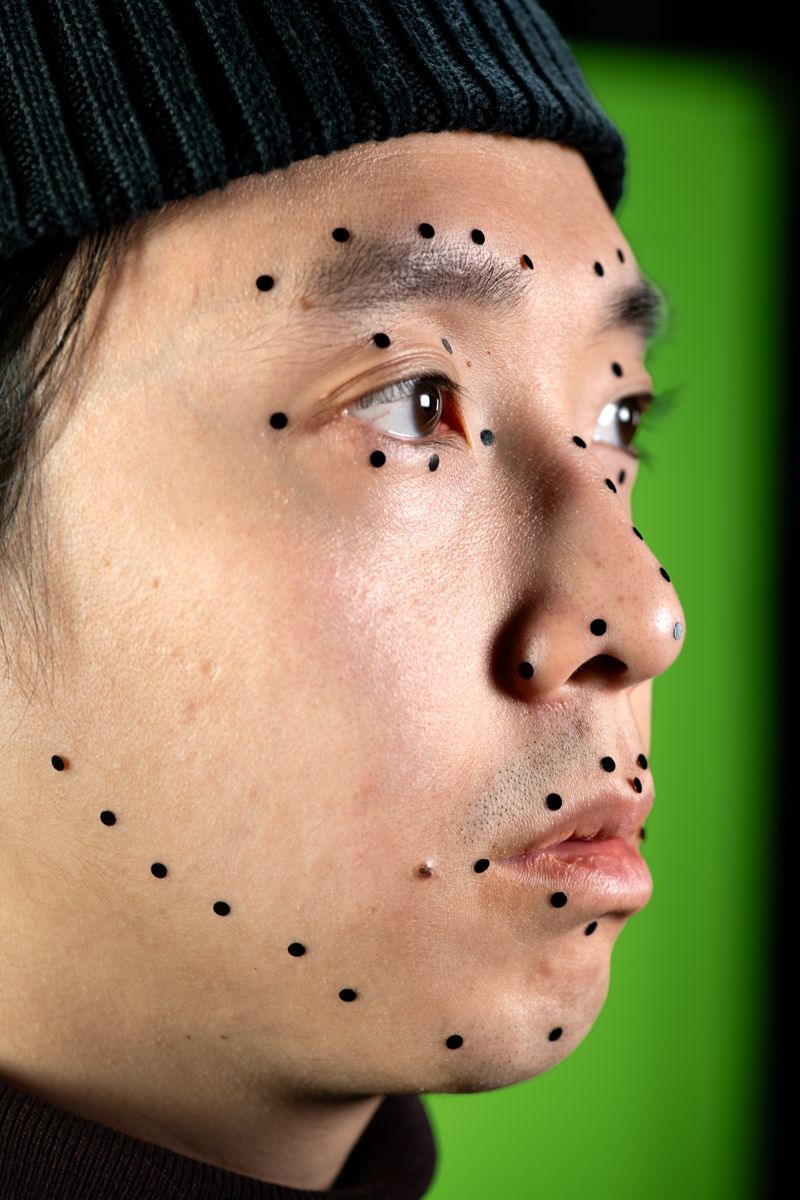
Through the machinic eye, a facial recognition algorithms look back at us. They claim the power to predict sexuality and political ideology from facial landmarks. Like a magic mirror, it was believed to have the sacred power of statistical prophecy. Sacred powers are rarely questioned. When facial recognition fails, the error is attributed to flawed algorithms or noisy training data, but rarely the underlying logic of physiognomy itself: the assumption that a person can be known, measured, and judged by appearance.
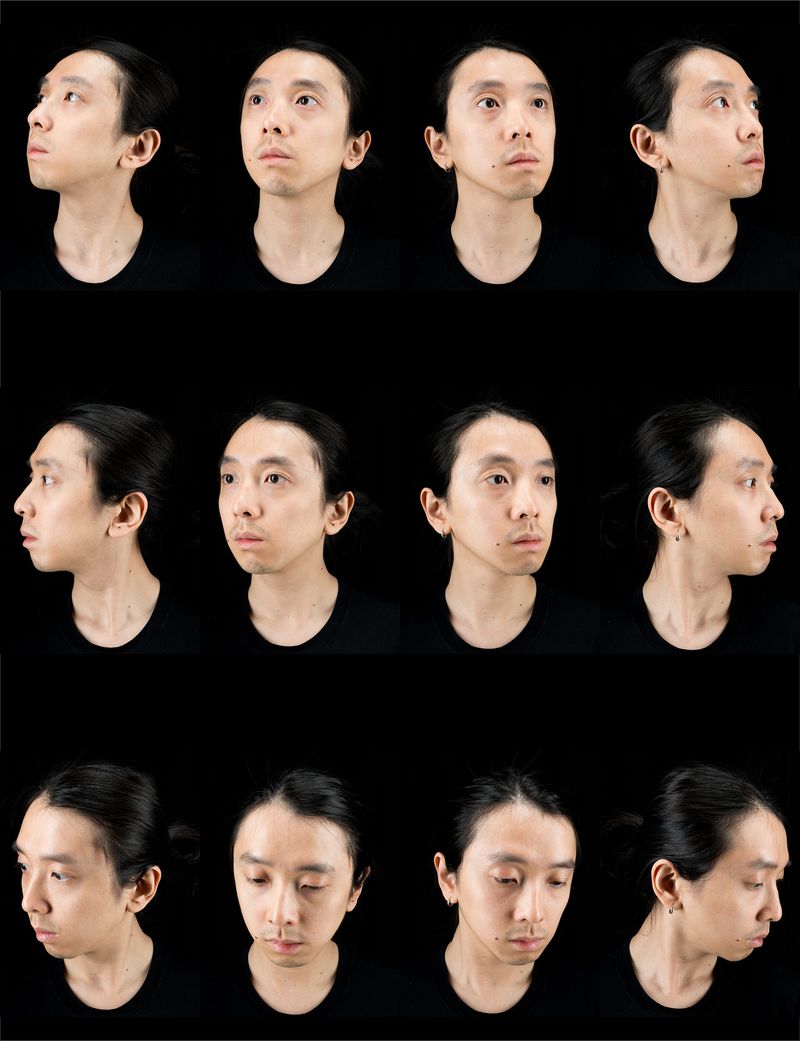
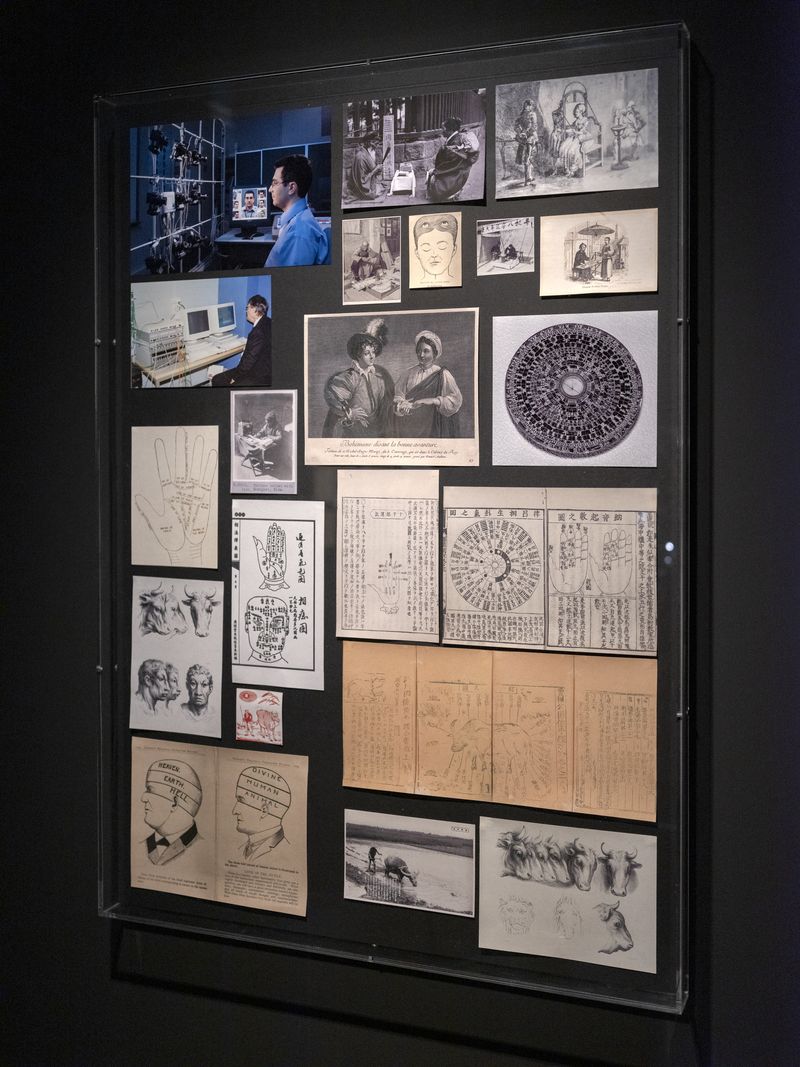
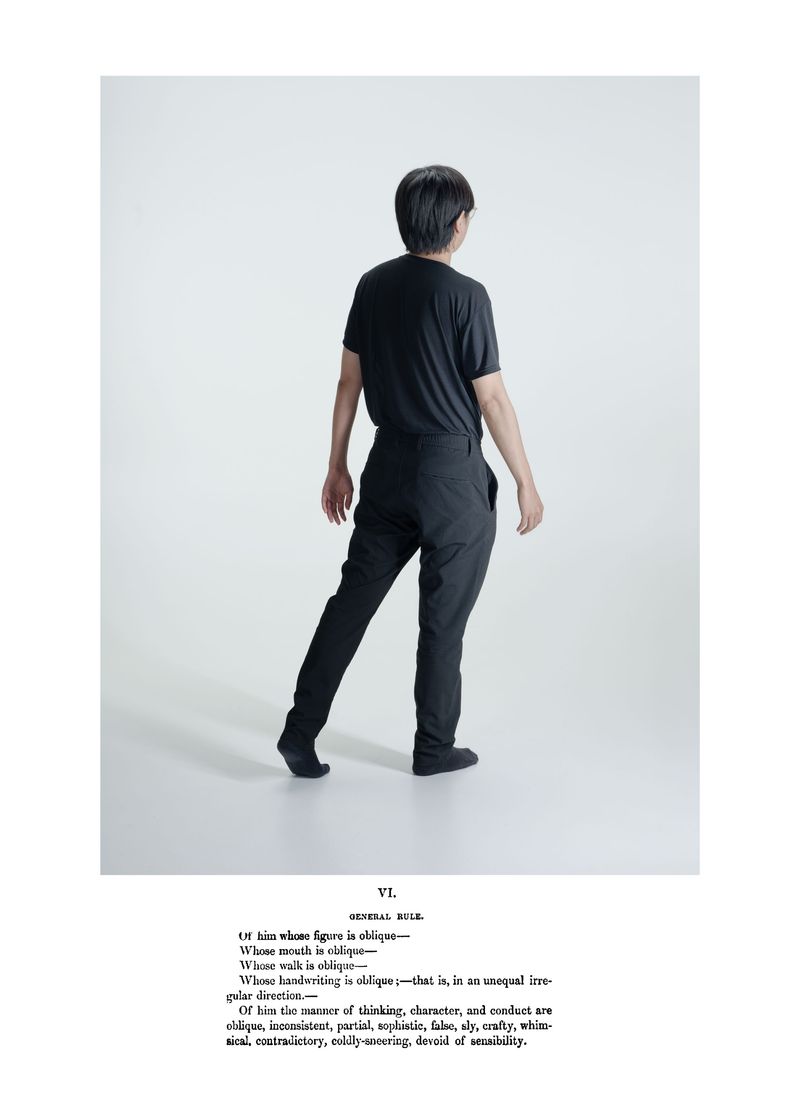
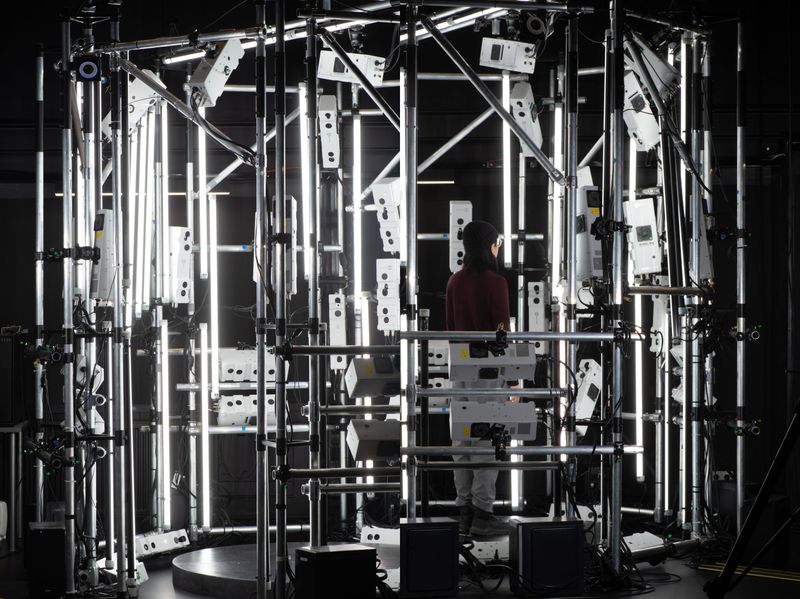
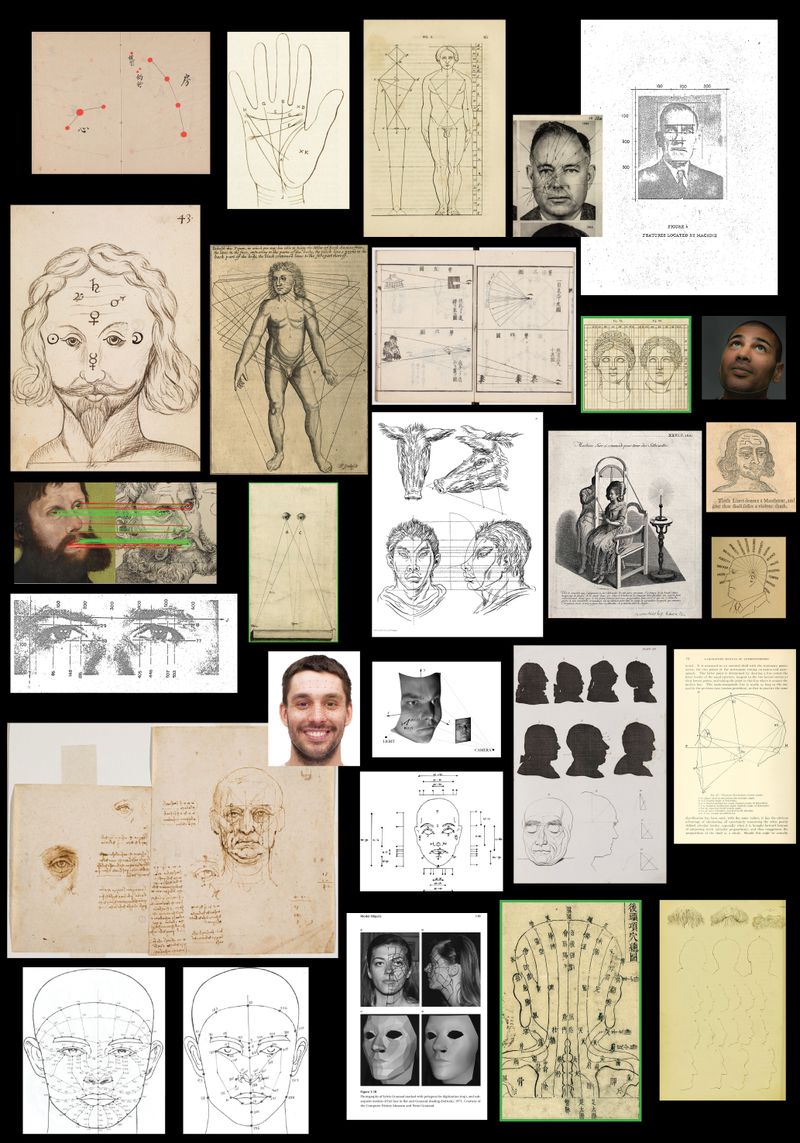
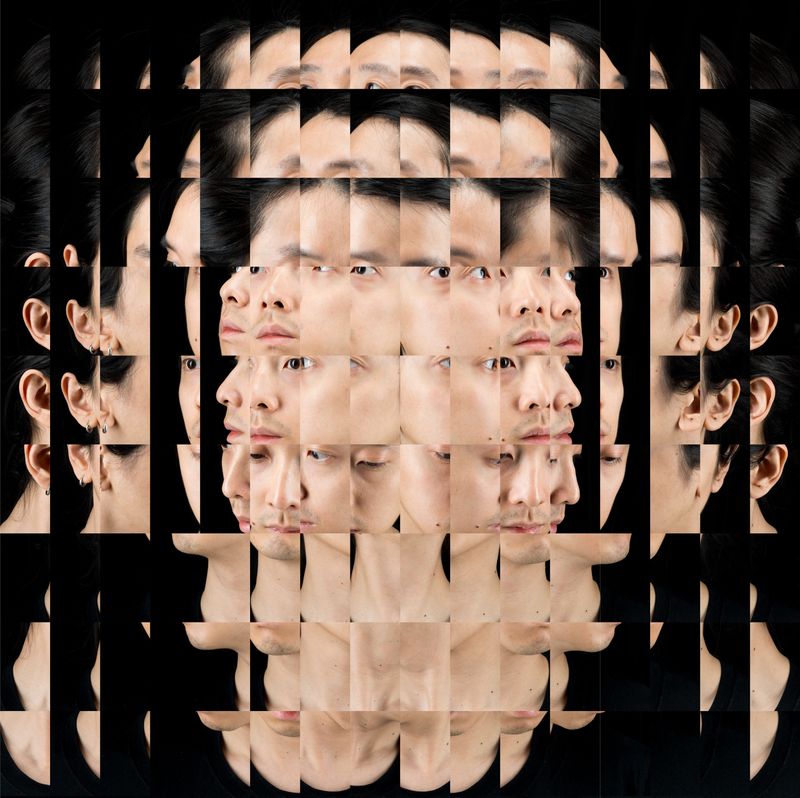
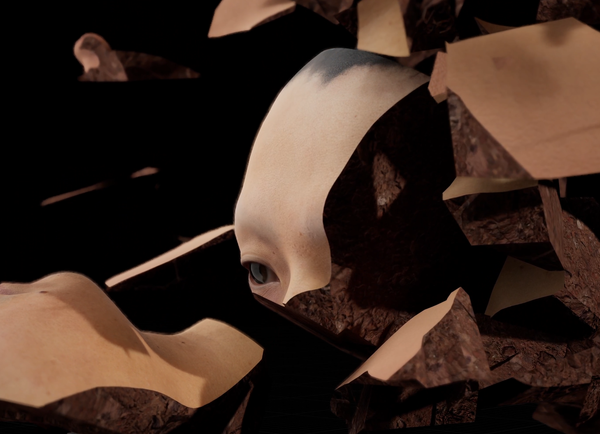
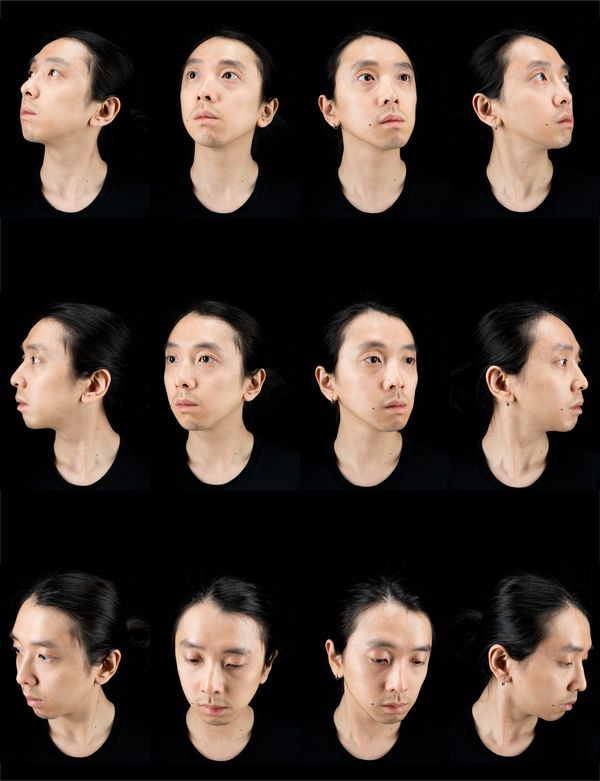
This project expands on my ongoing project (Inter)Faces of Predictions, which offers a critical reading of facial recognition alongside the forgotten pseudo-science of physiognomy and the lesser-known East-Asian face divination practices. The parallel reading casts facial recognition as physiognomic AI. The Ouroboros of Faces continues this investigation by examining the politics of synthetic face data. Using photogrammetry and generative AI, and synthetic facial datasets, I subject digital images of my own face to physiognomic interpretation as well as algorithmic manipulation to expose the magical thinking embedded in machine vision.
The project challenges how irrationality is automated in facial recognition. Is facial recognition a form of Western face reading, or is face reading a form of Eastern facial recognition? Perhaps the true art of deception lies in wrapping old beliefs in a shiny technological shell. Technology and magical belief—like faces circulating in the synthetic data pipeline—coil into one another, forming an ouroboros without end.