The Ouroboros of Faces
  • Dates
    2025 - Ongoing
  • Author
  • Locations Berlin, Helsinki, Hong Kong

The advent of synthetic face data marks the latest phase of facial recognition. First, humans taught machines how to see faces. Now, machines are trained to recognize faces made by other machines —the logic forms a self-devouring snake, an ouroboros.

Synthetic face data are deepfakes or digitally rendered 3D faces generated solely as training material for facial recognition algorithms. Technologists have proposed them as a solution to the insatiable data demands of large-scale AI models, claiming the added benefit of circumventing issues of privacy and consent. These statistical artefacts of facial recognition are fed back into the models themselves. The advent of synthetic face data marks the latest phase of facial recognition, where the logic of statistical inference is stretched to its breaking point. First, humans taught machines how to see faces. Then, networks learned to generate digital faces modeled on human ones. Now, machines are trained to recognize faces made by other machines—a self-devouring snake, an ouroboros. In the near future, our faces may be judged by algorithms that have never “seen” a real one. 

Through the machinic eye, a facial recognition algorithms look back at us. They claim the power to predict sexuality and political ideology from facial landmarks. Like a magic mirror, it was believed to have the sacred power of statistical prophecy. Sacred powers are rarely questioned. When facial recognition fails, the error is attributed to flawed algorithms or noisy training data, but rarely the underlying logic of physiognomy itself: the assumption that a person can be known, measured, and judged by appearance.

This project expands on my ongoing project (Inter)Faces of Predictions, which offers a critical reading of facial recognition alongside the forgotten pseudo-science of physiognomy and the lesser-known East-Asian face divination practices. The parallel reading casts facial recognition as physiognomic AI. The Ouroboros of Faces continues this investigation by examining the politics of synthetic face data. Using photogrammetry and generative AI, and synthetic facial datasets, I subject digital images of my own face to physiognomic interpretation as well as algorithmic manipulation to expose the magical thinking embedded in machine vision. 
The project challenges how irrationality is automated in facial recognition. Is facial recognition a form of Western face reading, or is face reading a form of Eastern facial recognition? Perhaps the true art of deception lies in wrapping old beliefs in a shiny technological shell. Technology and magical belief—like faces circulating in the synthetic data pipeline—coil into one another, forming an ouroboros without end.
© Sheung Yiu - Image from the The Ouroboros of Faces photography project
i

The 11-minute video essay is a digital fable tracing the cyclical evolution from facial recognition to synthetic facial data. Beginning with a digital scan of the artist’s own face, it recounts the invention of facial recognition and the emergence of synthetic datasets. video link: https://www.youtube.com/watch?v=xT3-6q5MSs0

© Sheung Yiu - Image from the The Ouroboros of Faces photography project
i

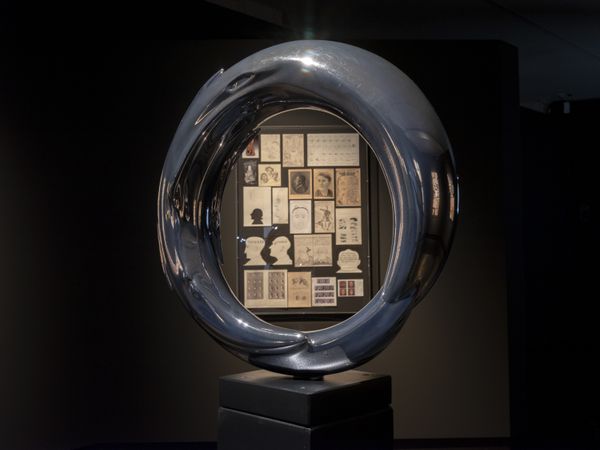
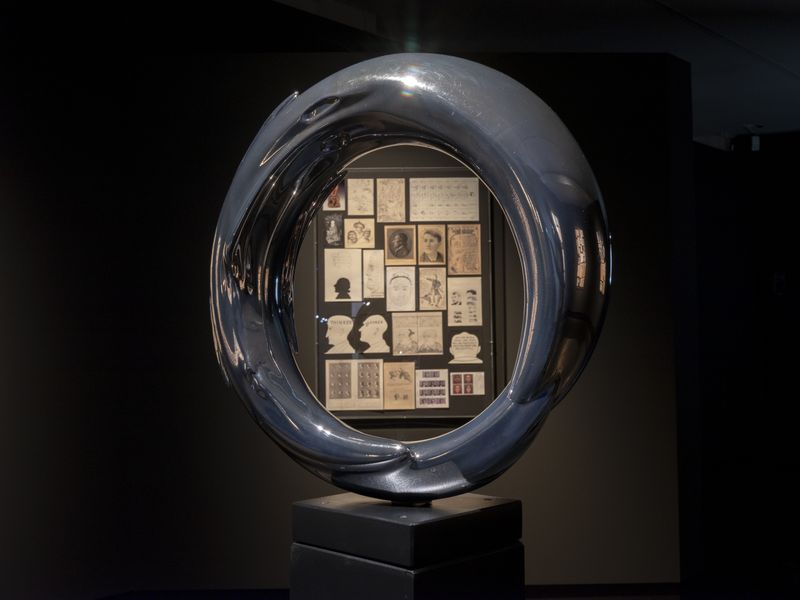
Ourosboros of My Face is a mirror sculpture created with a high-resolution 3D scan of my face warped into a loop to symbolize the cyclical logic of synthetic facial data.

© Sheung Yiu - Image from the The Ouroboros of Faces photography project
i

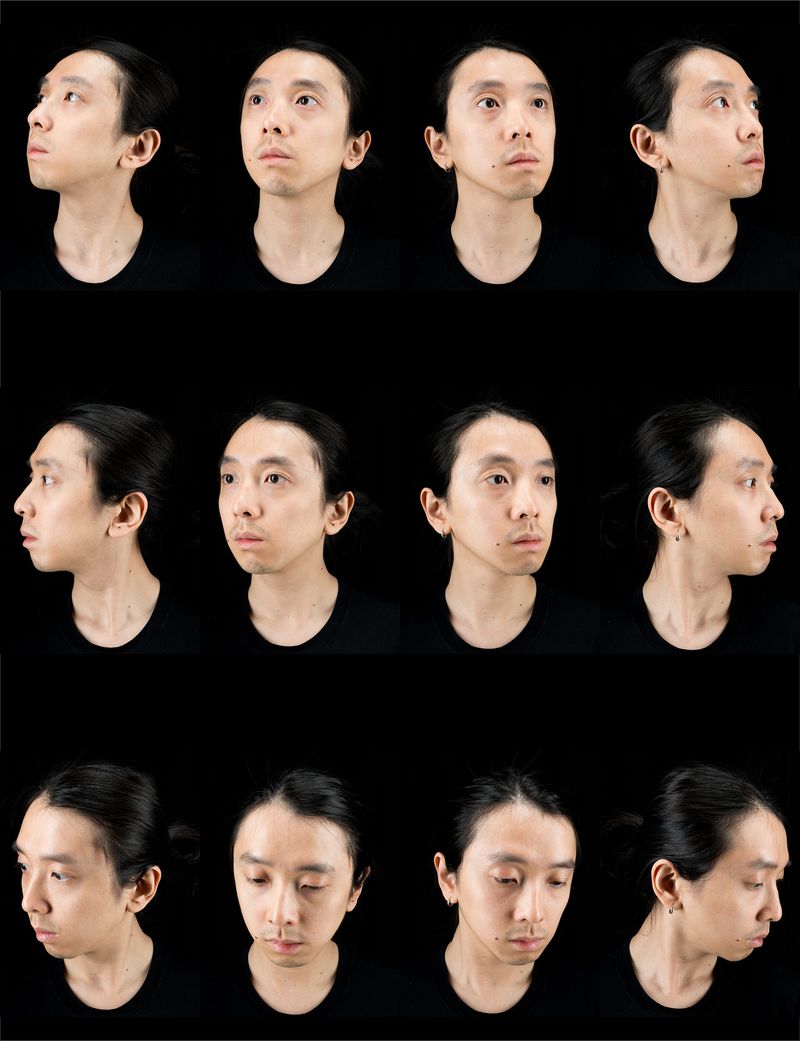
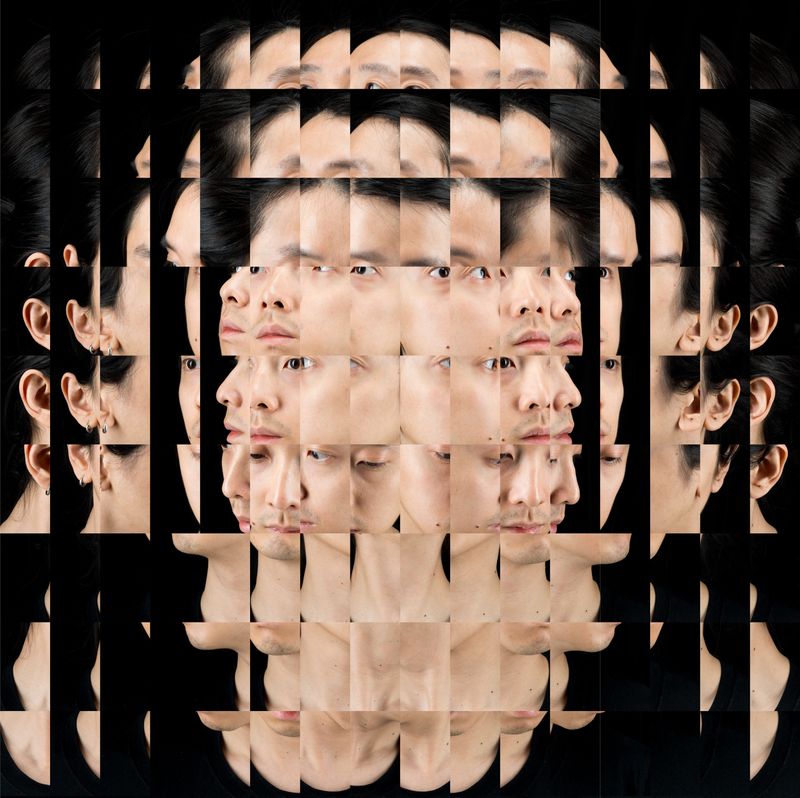
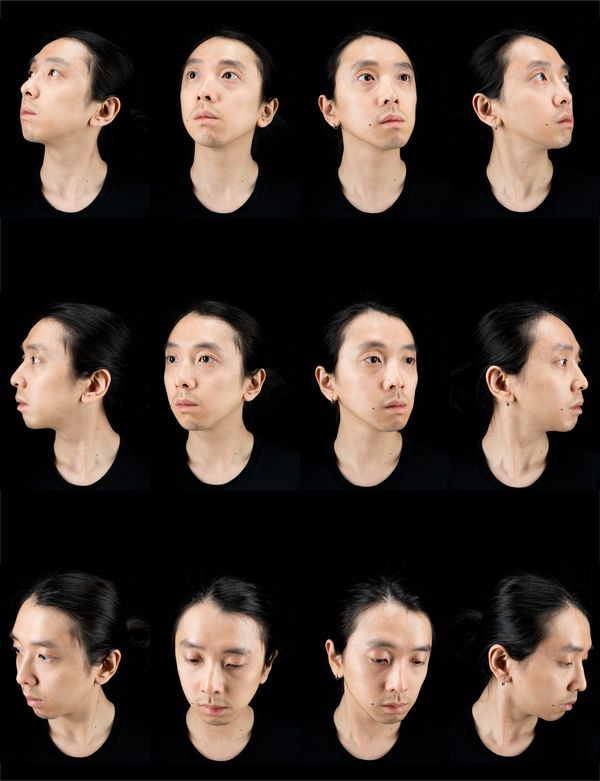
This piece is a large-scale photo collage. In an ongoing series, I upload a single portrait from the collage and prompt the generative AI model Nano Banana 3 to produce my face in the remaining eleven angles. Each real photograph thus generates eleven synthetic faces. The resulting images—both real and generated—are then intermingled and assembled into twelve collages.

© Sheung Yiu - Image from the The Ouroboros of Faces photography project
i

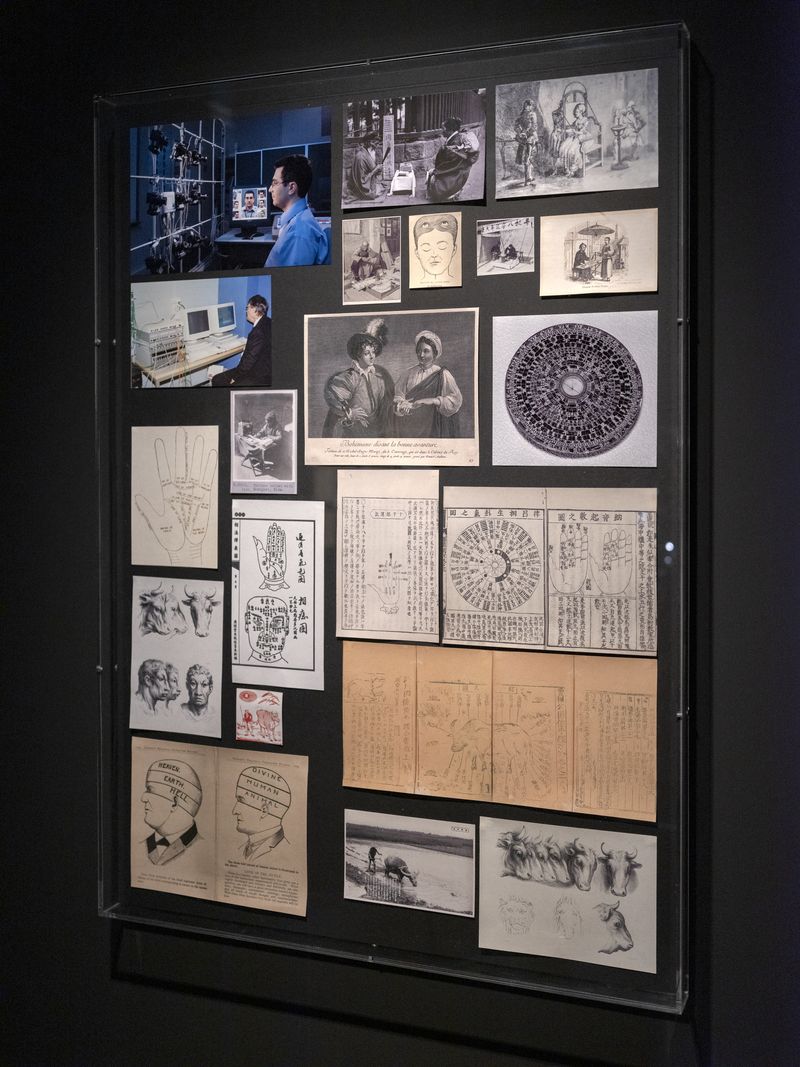
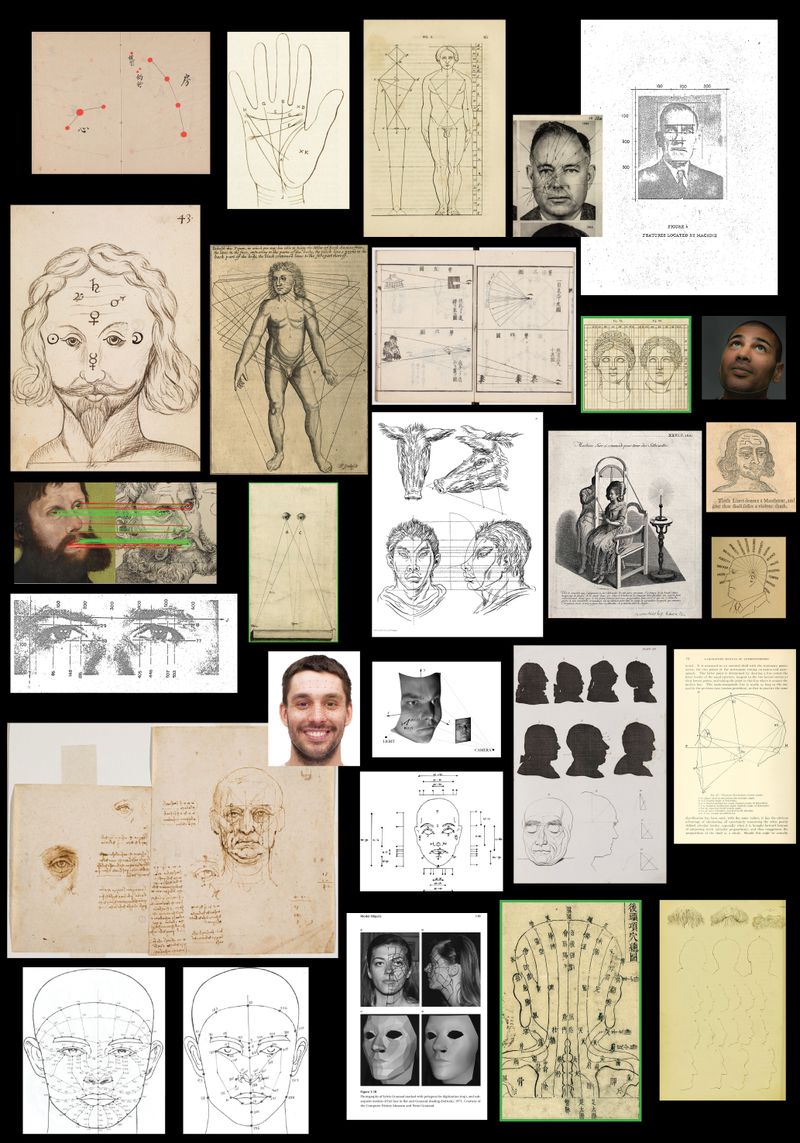
The photo panel is themed around divination, showing both ancient and contemporary practices of facial interpretation: face reading, physiognomy, anthropometry, and facial recognition.

© Sheung Yiu - Image from the The Ouroboros of Faces photography project
i

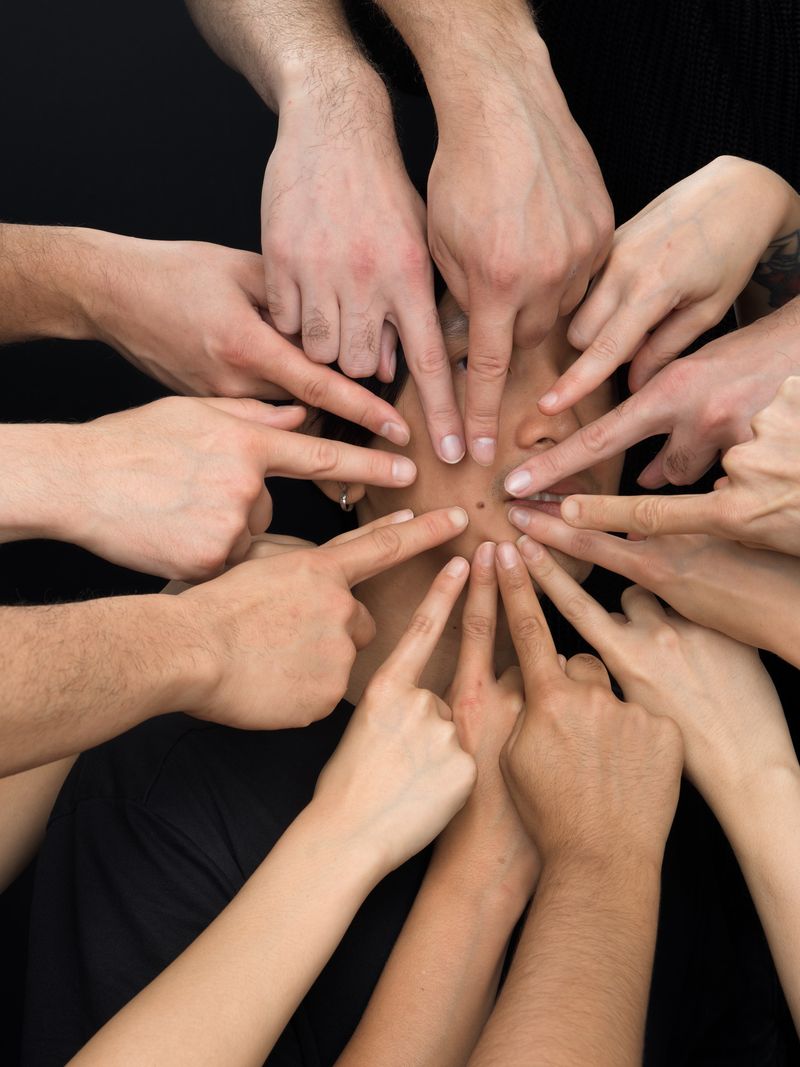
The self-portrait shows my mole, one basic operational unit of face reading, which posits that moles on faces are signs of personal character and future events. The belief is embedded in both Taoist cosmology and Western astrology.

© Sheung Yiu - Image from the The Ouroboros of Faces photography project
i

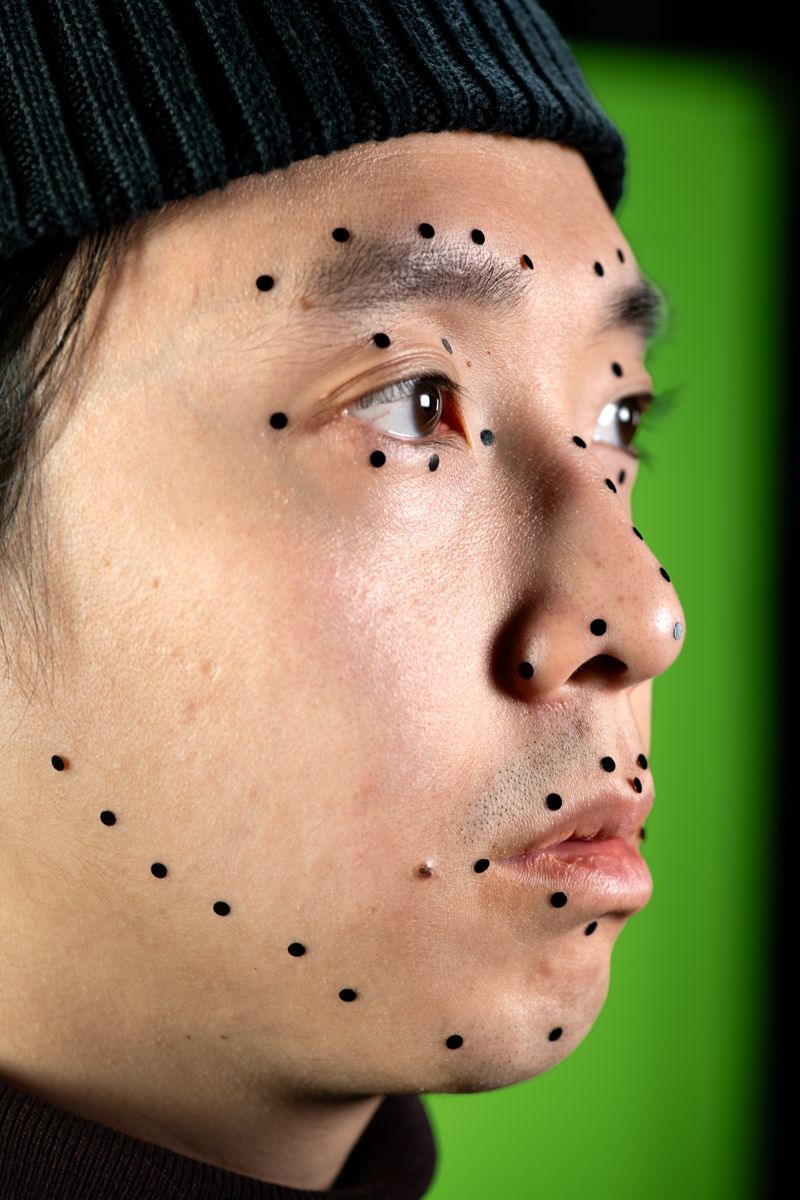
The self-portrait shows facial landmarks and my moles, each representing a cultural regime of facial interpretation: face reading and facial recognition.

© Sheung Yiu - Image from the The Ouroboros of Faces photography project
i

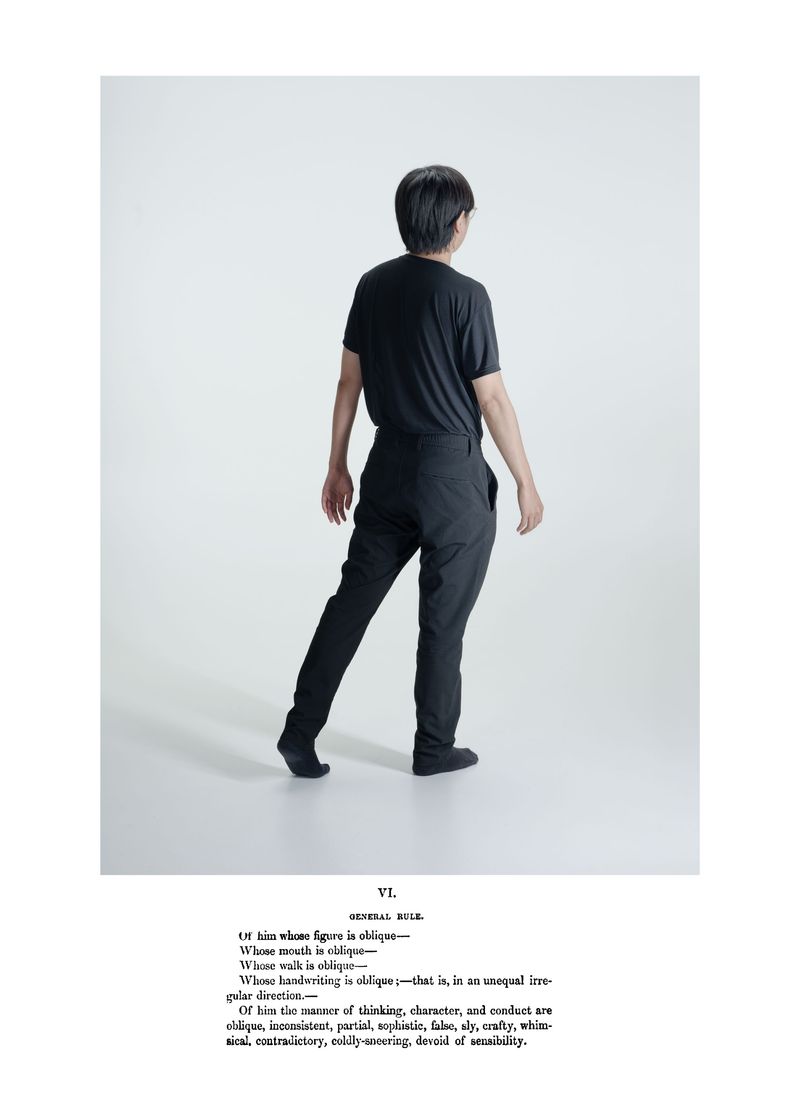
Beneath the self-portrait of me posing with poor posture is an excerpt from Vaught’s Practical Character Reader, a popular physiognomic manual from the early 1900s. The text describes the “oblique” character, suggesting that a person’s slanted posture and facial features mirror their moral disposition—usually with negative connotations.

© Sheung Yiu - Image from the The Ouroboros of Faces photography project
i

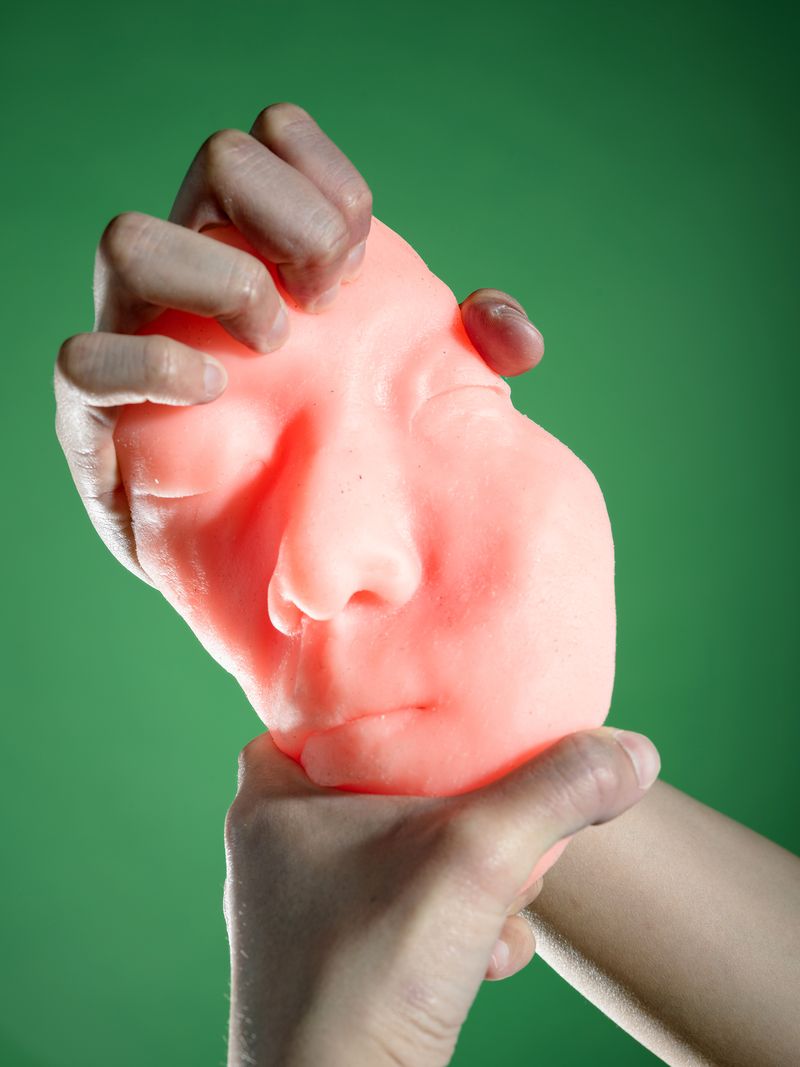
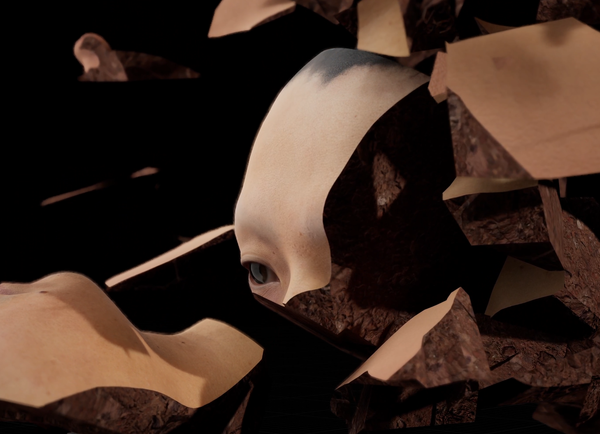
The still-life photograph presents a twisted silicone cast of my face. Facial recognition algorithms, grounded in the statistical analysis of facial landmark positions on two-dimensional images, often struggle to account for three-dimensional facial movement—expressions, distortions, and shifting poses. A contorted face disrupts the expected geometry; it is likely to confuse the algorithm, exposin

© Sheung Yiu - Image from the The Ouroboros of Faces photography project
i

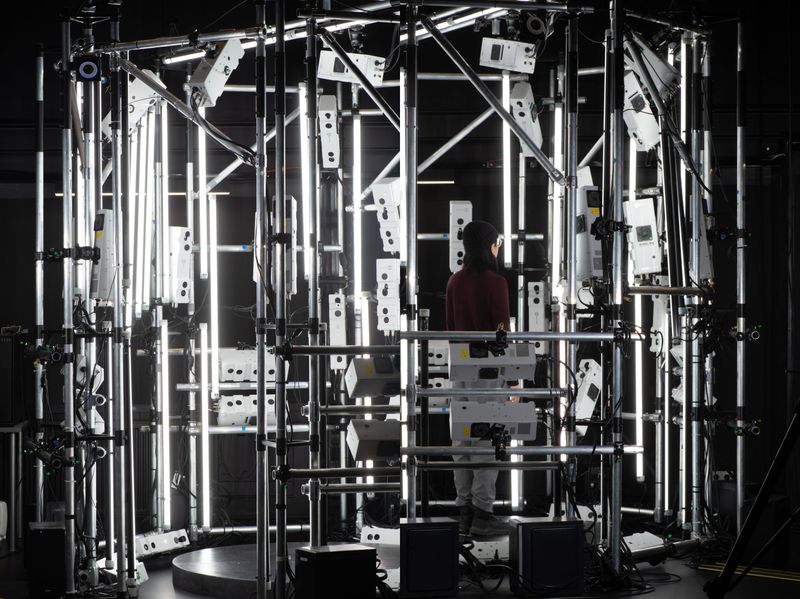
A documentation of one of the many 3D scanning sessions of my face, in which I participate to create a high-resolution digital twin.

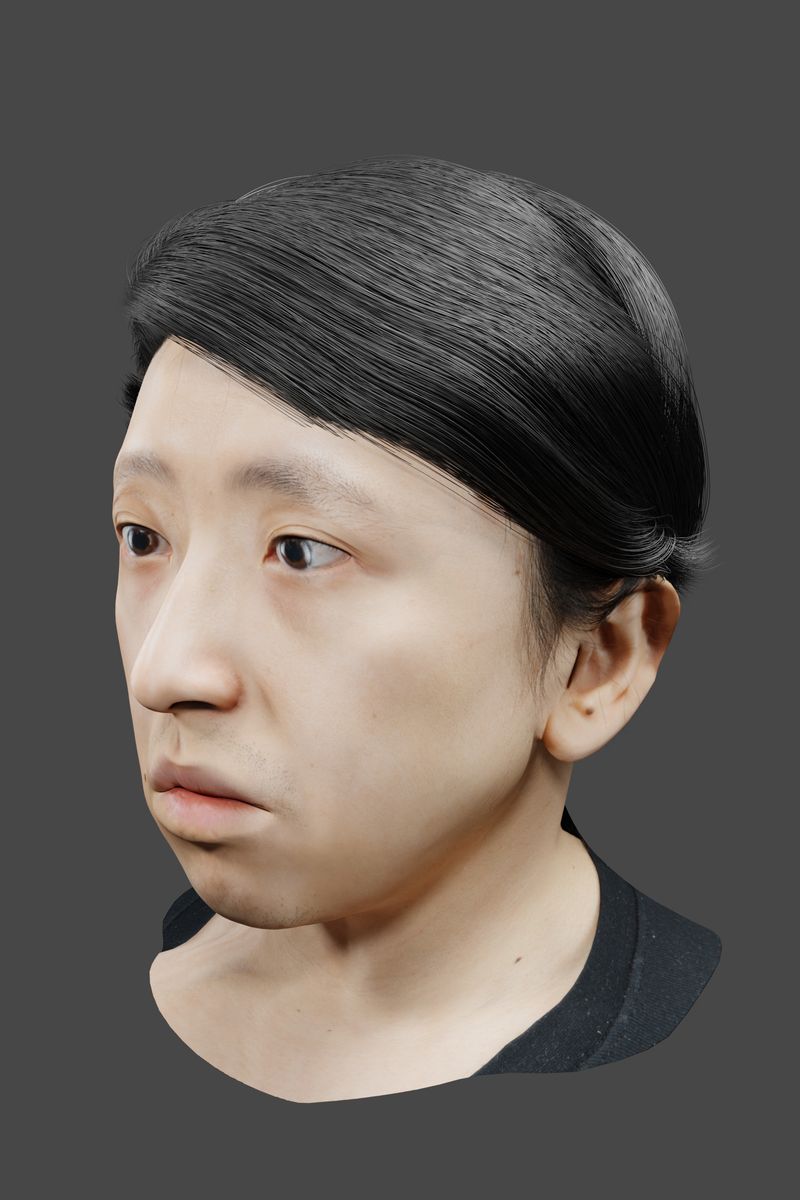
© Sheung Yiu - A digital twin of my face created using multiple photographs of my face and the Blender addon FaceBuilder
i

A digital twin of my face created using multiple photographs of my face and the Blender addon FaceBuilder

© Sheung Yiu - Image from the The Ouroboros of Faces photography project
i

This panel is themed around lines. Bringing together archival materials from physiognomic texts and computer science papers, it shows how faces are measured, interpreted, and generated according to (perceived) mathematical relations expressed through straight lines and acts of measurement.

© Sheung Yiu - Image from the The Ouroboros of Faces photography project
i

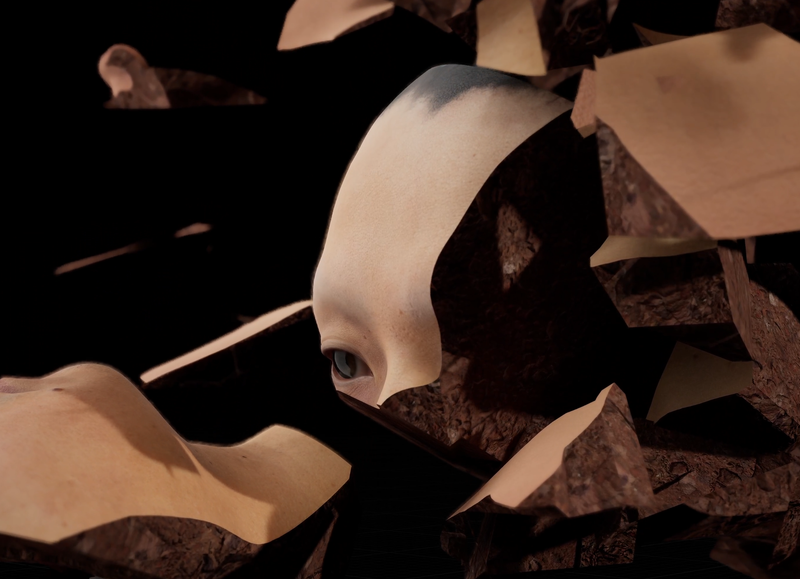
Multiple photos of my face are broken down and reassembled into a face, a visual metaphor for the statistical construction of a face in 3D photogrammetry.

The Ouroboros of Faces by Sheung Yiu

Prev Next Close