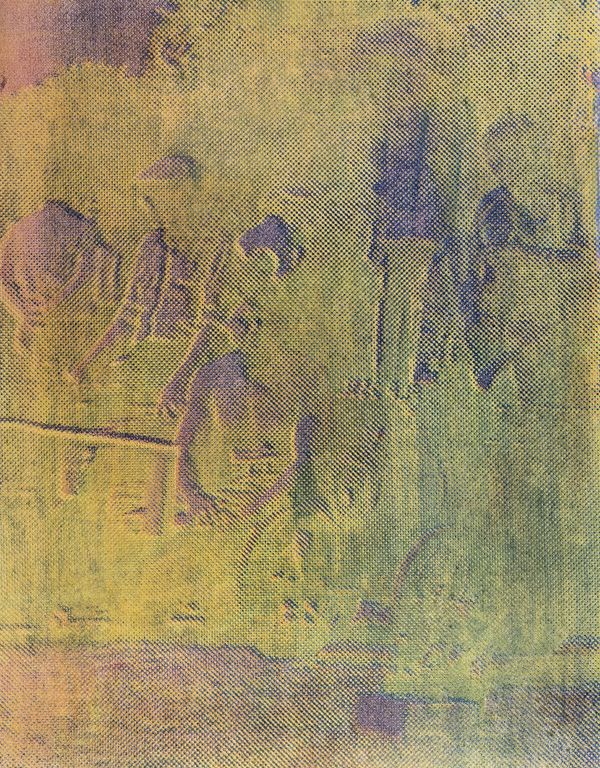
The Marches

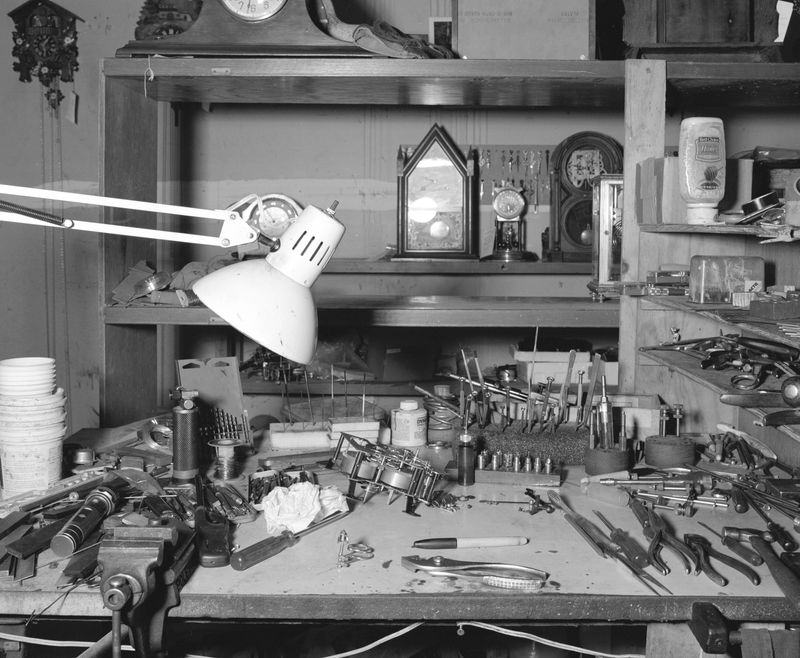
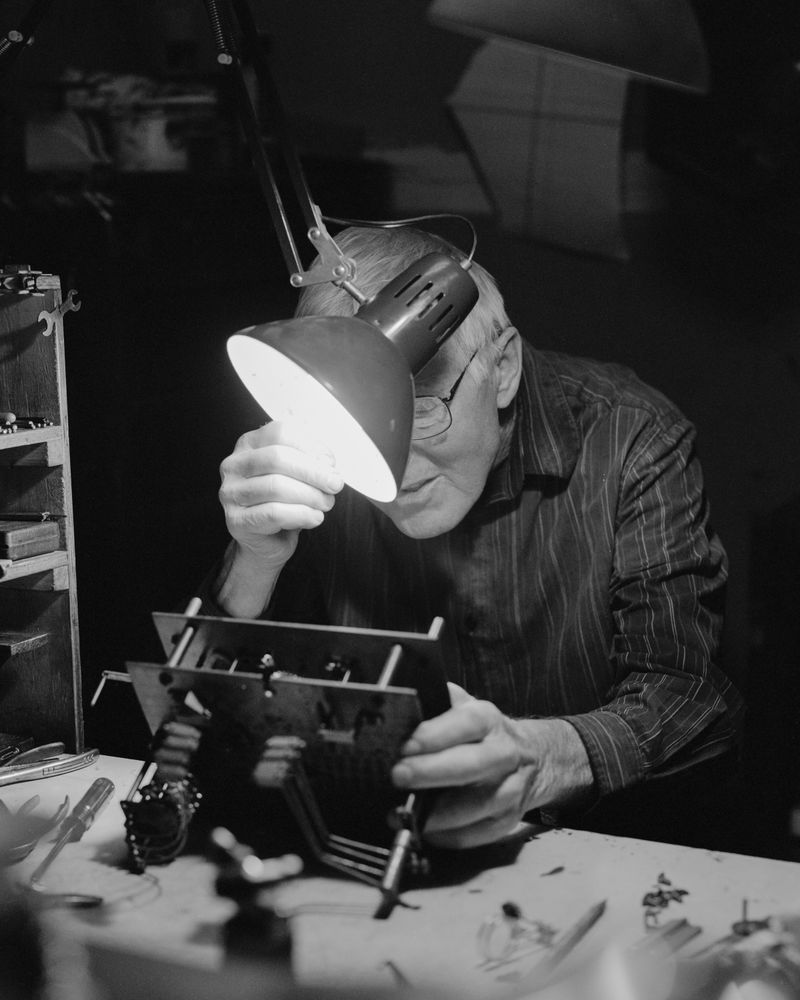
Made in collaboration with horologist Greg Arp, The Marches deconstructs the infinite depths within Arp Clock and Wood Shop to better understand how humans attempt to construct and control the most artificial of all our inventions: Time.

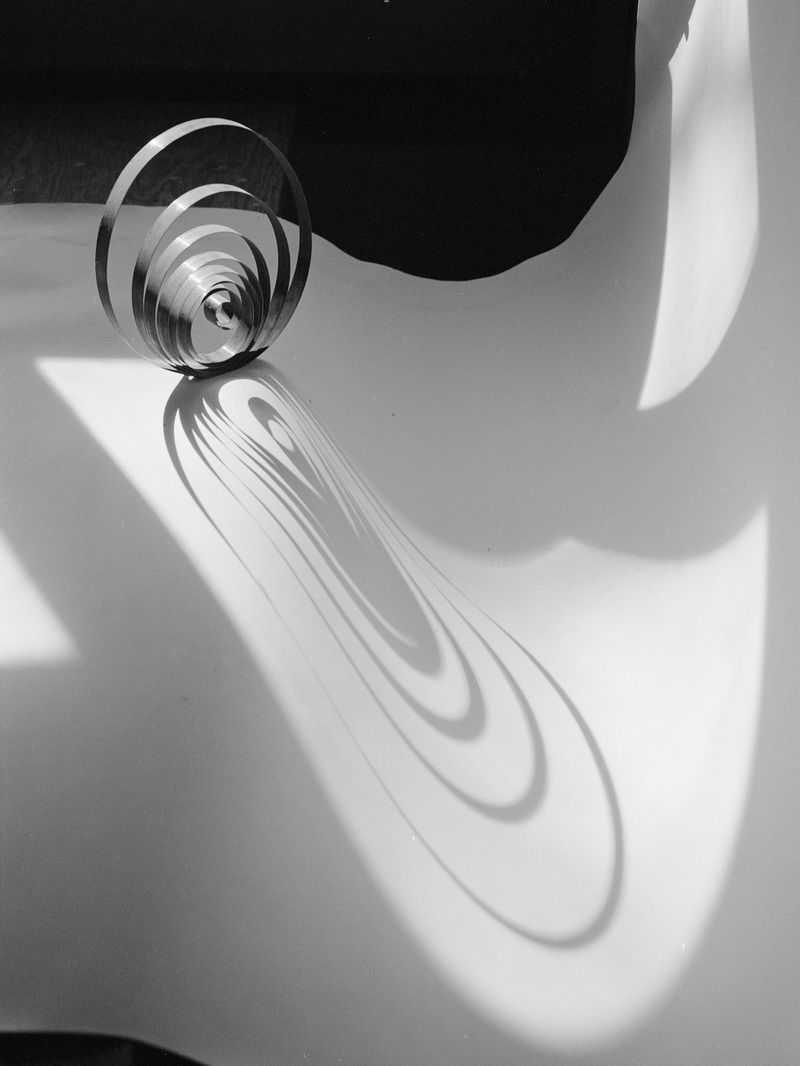
Inside Arp Clock and Wood Shop, time accumulates like layers of dust, or time, Barthes wrote, is like a spiral: "things recur but on another level, nothing is first, but everything is new."

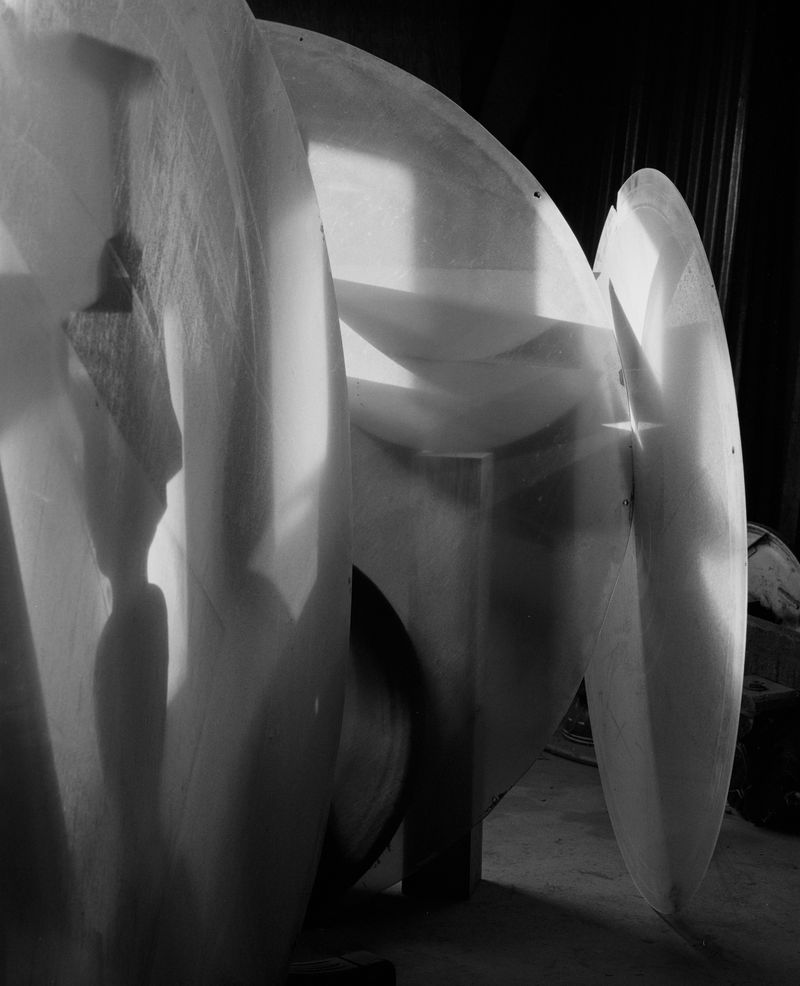
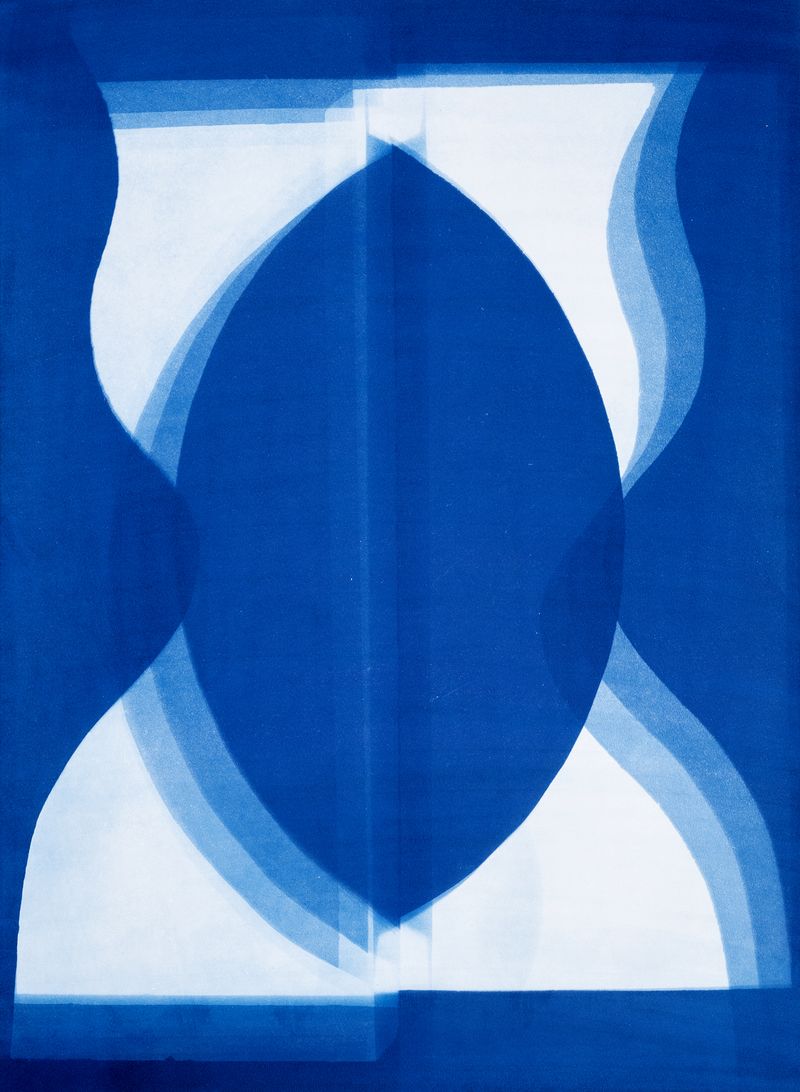
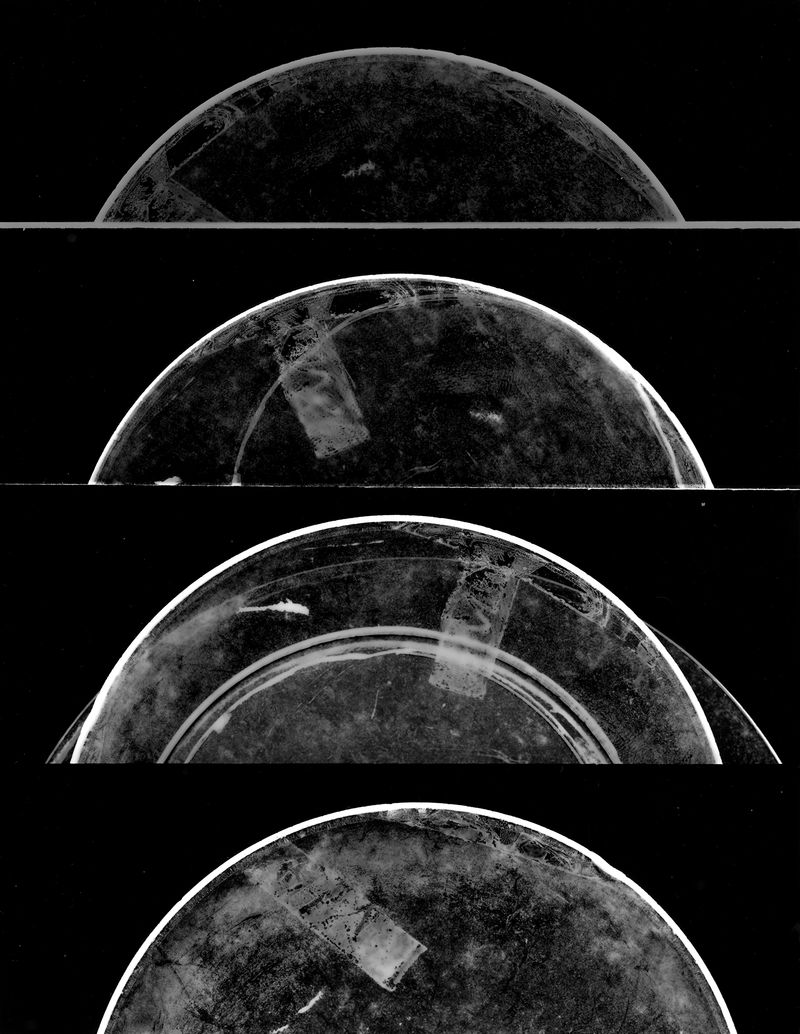
Working entirely within the constraints of the clock shop, I utilize recovered and recycled detritus as source material for various photographic processes. Cyanotypes, gum bichromates, photograms, archival images, and digital and film techniques collide in serial, abstract constellations designed to emphasize the accumulation and entanglement of all matter within the space.

Understanding the clock shop as a labyrinth-like archive of time, I see the diversity of forms and fragments within the space as a taxonomy of everything: schematics, drawings, newspaper clippings, family photos, broken clocks, wood, copper, glass, books, tools, machinery, dust, cobwebs, flies, spiders, and other ephemera. Repetition and difference serve as guiding threads, pointing to our society’s cycle of production and consumption, where novelty and obsolescence collide. Within this ephemera, constellations of new works emerge, echoing the past lives embedded in the materials.

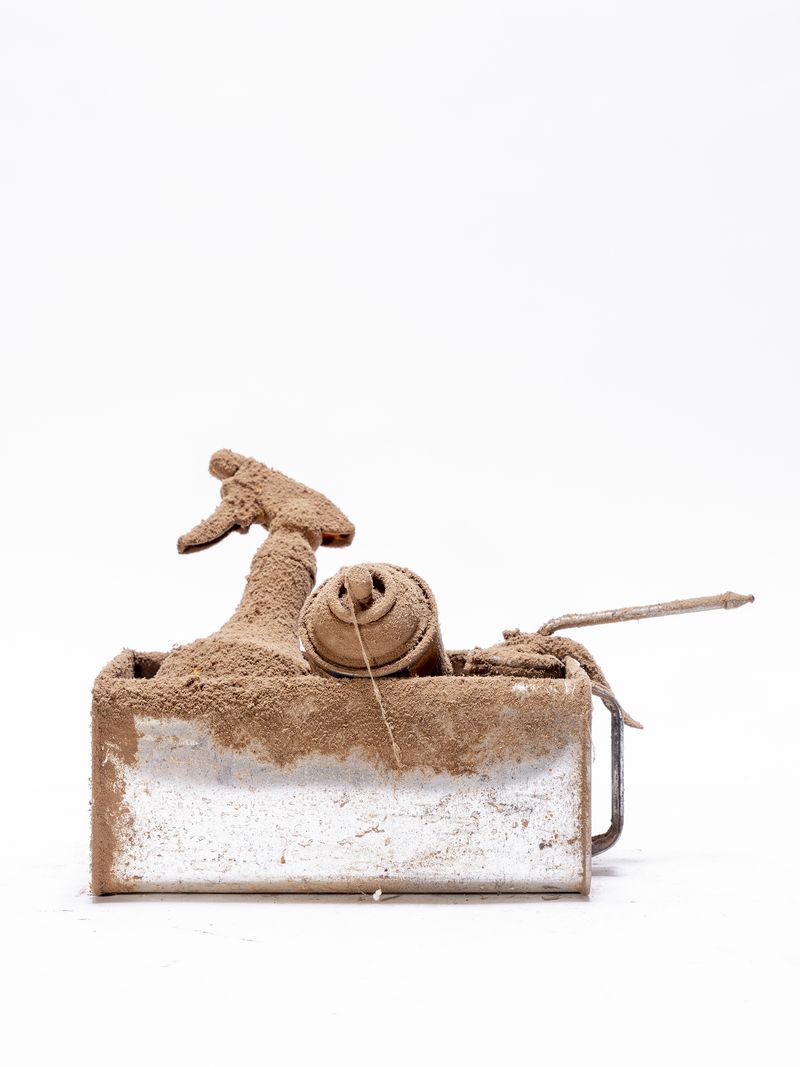
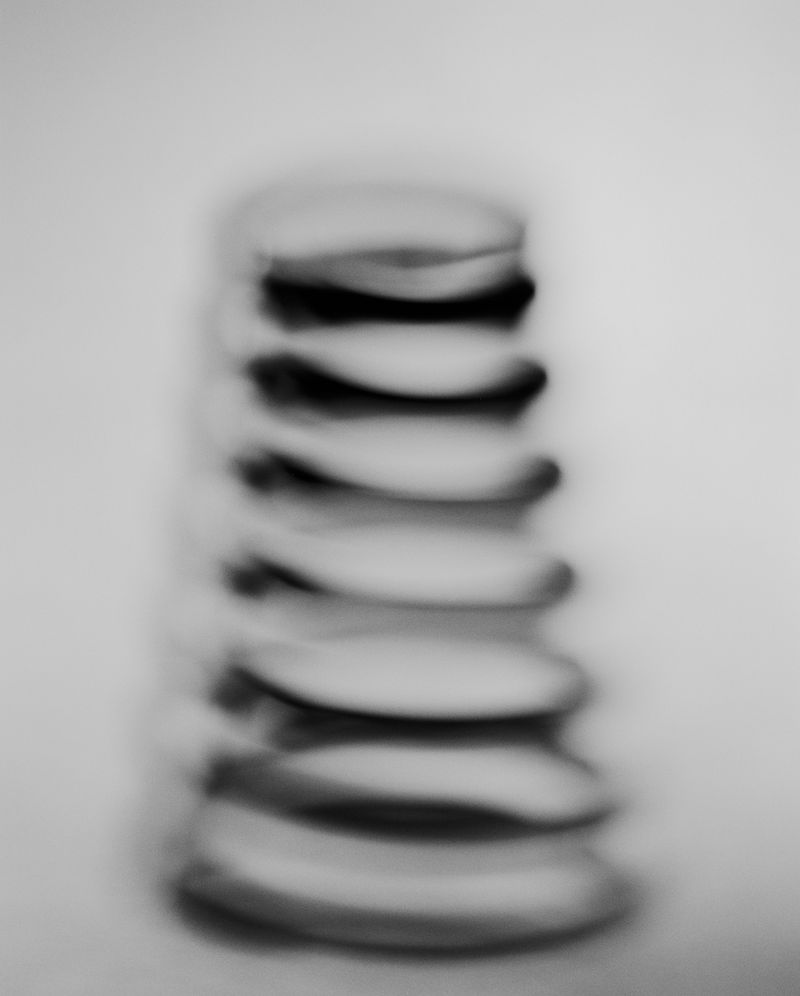
After 18 months of collaboration, Greg died unexpectedly. Left to grapple with his absence, I photographed 4,024 objects found in the shop as a way to preserve the memory of Greg as the clock shop rapidly dissolved. By photographing objects on a neutral background, each object is liberated from the everyday function of the clock shop and placed in shifting relations to each other, forming a comprehensive list-form inventory. 

My eclectic process strives to mirror the polymathic nature of Greg’s—where different hats are worn, and the refutation of obsolescence resists the authority of time. By mirroring and complicating the diverse methods of clockmaking and repair, I’ve come to recognize the clock shop as a photographic labyrinth of time, memory, and absence.
© Terry A. Ratzlaff - Image from the The Marches photography project
i

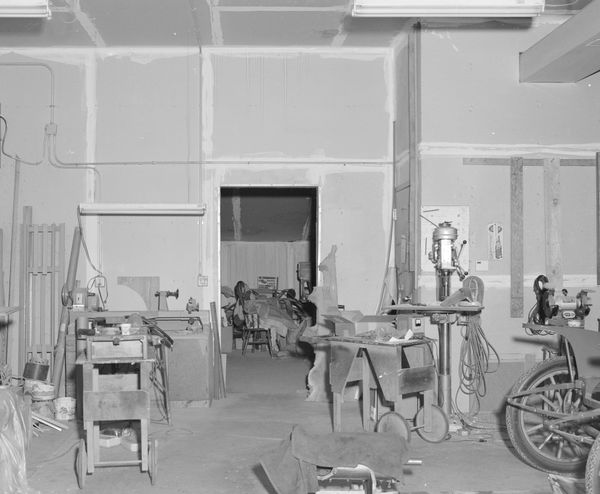
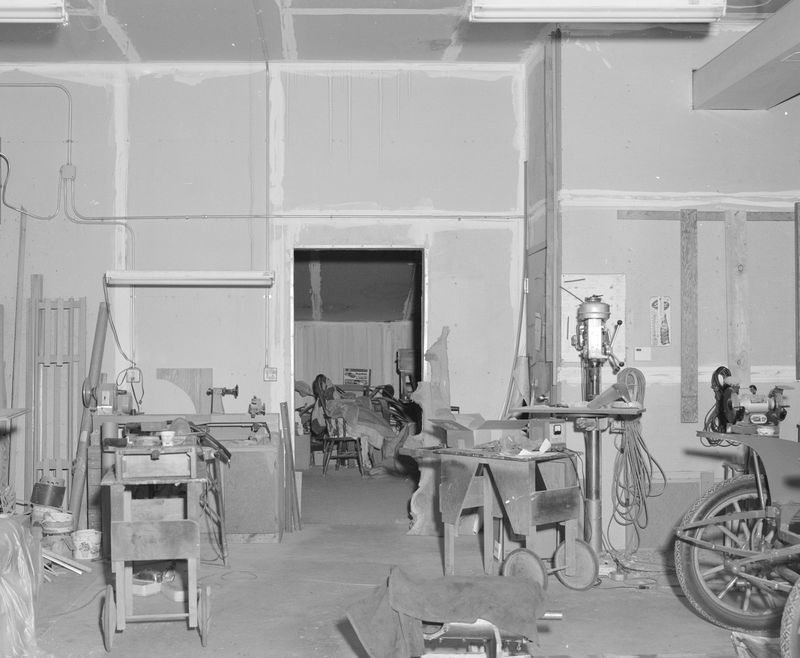
Immediately following Greg’s death, I photographed everything as it was on the day he left the shop forever, creating a preserved record of his last moments.

© Terry A. Ratzlaff - Image from the The Marches photography project
i

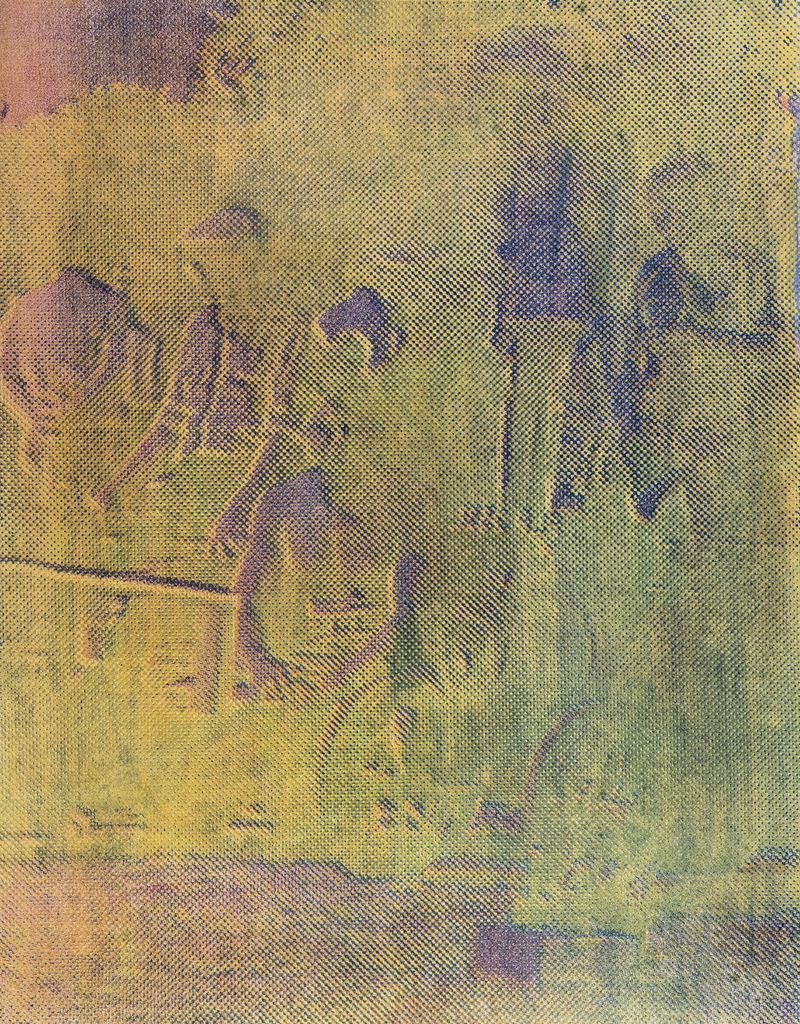
Gum bichromates serve as another medium to represent change and movement over time. Within the raster dot matrix, I’m interested in the tension between the mechanical program of image reproduction and the proliferation of human error in the misalignment of each color layer. The process gives rise to a contingent image—each one impossible to replicate, much like our memories over time.

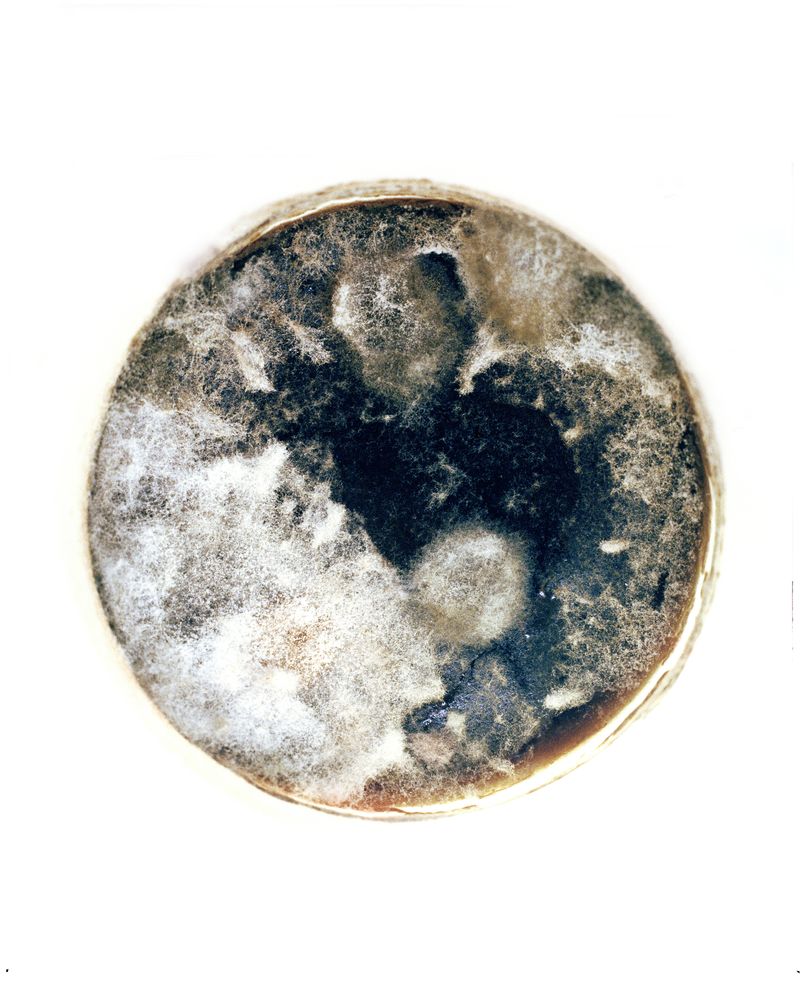
© Terry A. Ratzlaff - The accumulation of mold on a cup of coffee left in the clock shop becomes its own microcosm.
i

The accumulation of mold on a cup of coffee left in the clock shop becomes its own microcosm.

© Terry A. Ratzlaff - Image from the The Marches photography project
i

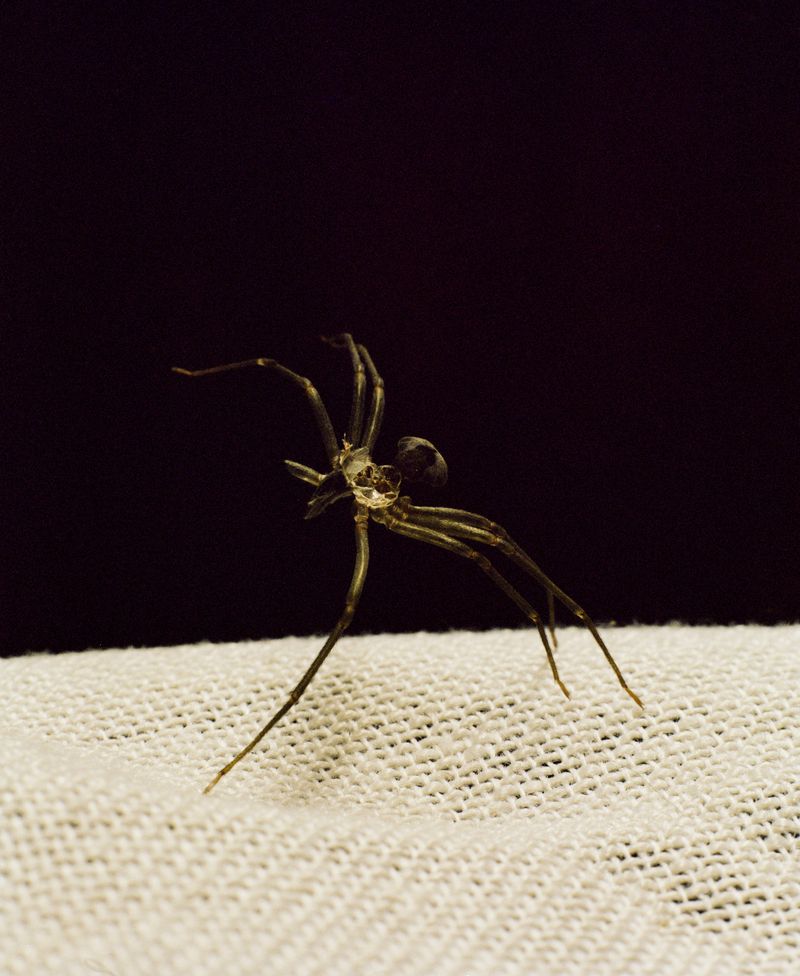
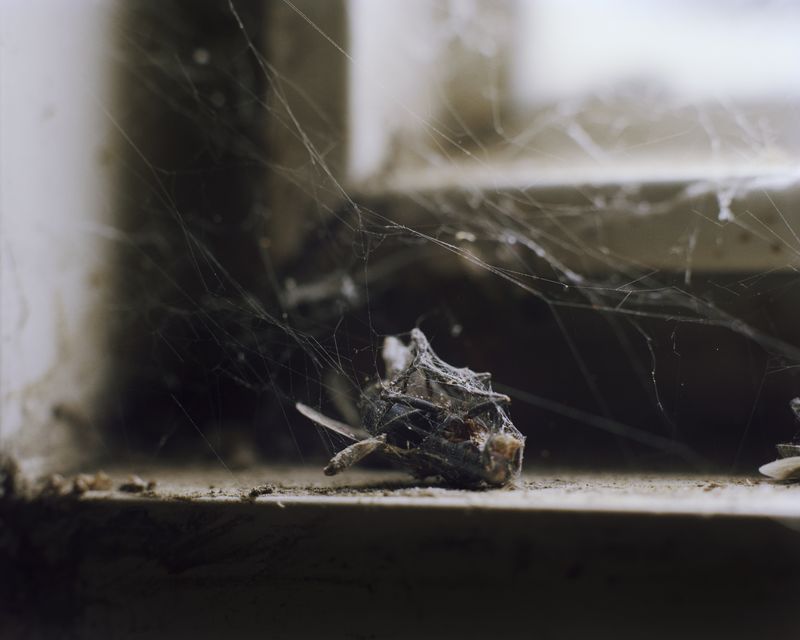
Brown Recluse spiders are part of the clock shop’s taxonomy—each discarded husk is a marker of time and transformation within the web of the shop.

© Terry A. Ratzlaff - Image from the The Marches photography project
i

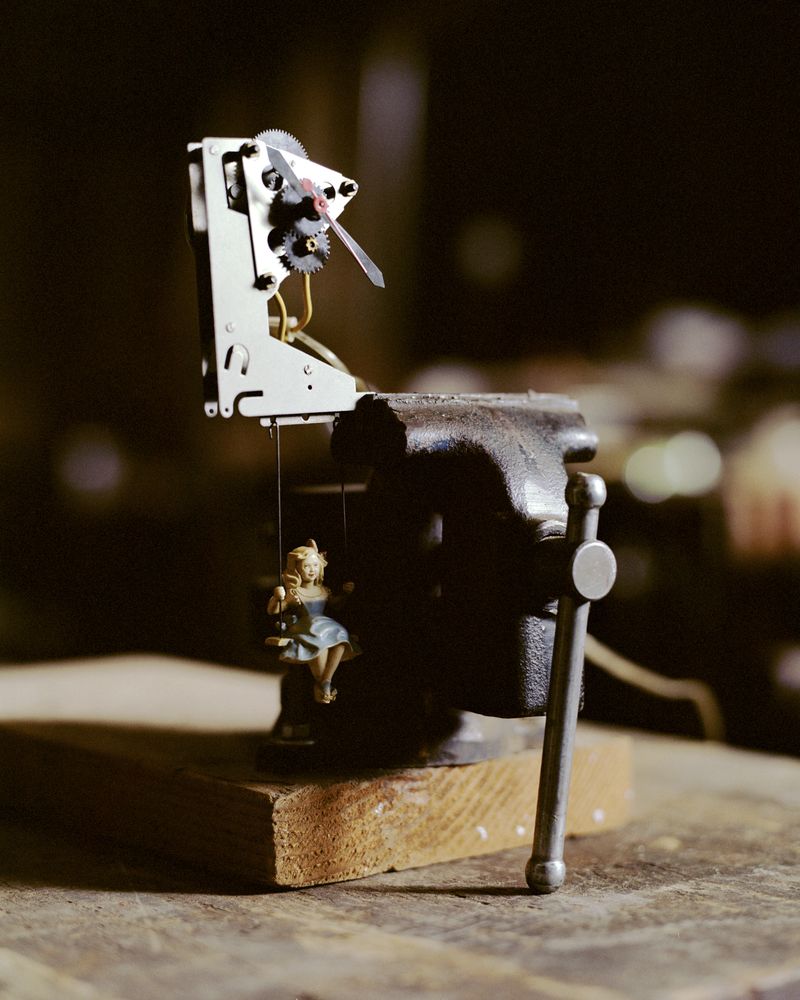
The clock movement of a girl swinging while anchored to a vice visualizes a delicate balance where mechanical precision meets the fluid, rhythmic motion of play.

© Terry A. Ratzlaff - Image from the The Marches photography project
i

Immediately following Greg’s death, I photographed everything as it was on the day he left the shop forever, creating a preserved record of his last moments.

© Terry A. Ratzlaff - Image from the The Marches photography project
i

Dead flies and spider webs are part of the clock shop’s taxonomy—a system where fragile threads of cause and effect are cataloged as interconnected.

© Terry A. Ratzlaff - Image from the The Marches photography project
i

Since 1981, time has been relative only to the operation of clocks in repair or disrepair from Greg Arp's small workshop. Chimes, bells, gongs, cuckoo chirps, tic tocs, and hammer strikes create a cacophonous refrain, stretching out for minutes depending on the time the clocks are keeping or not keeping.

© Terry A. Ratzlaff - Image from the The Marches photography project
i

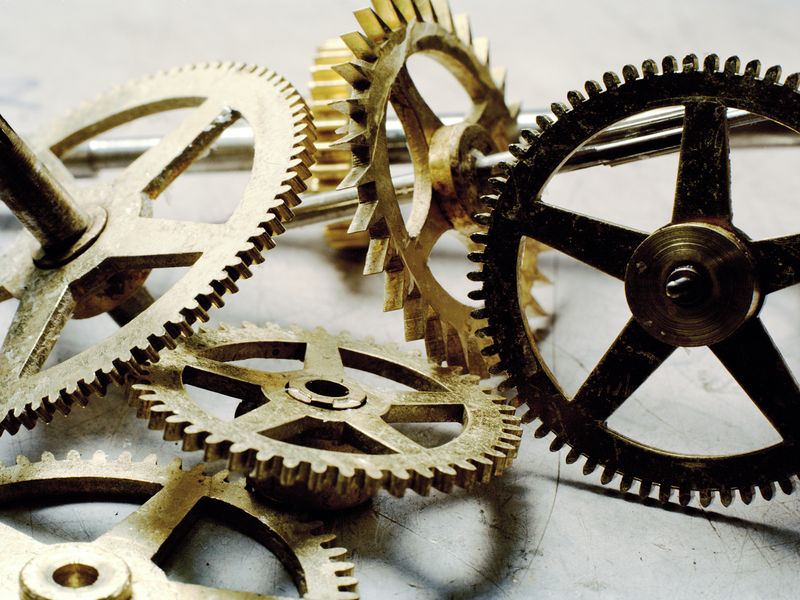
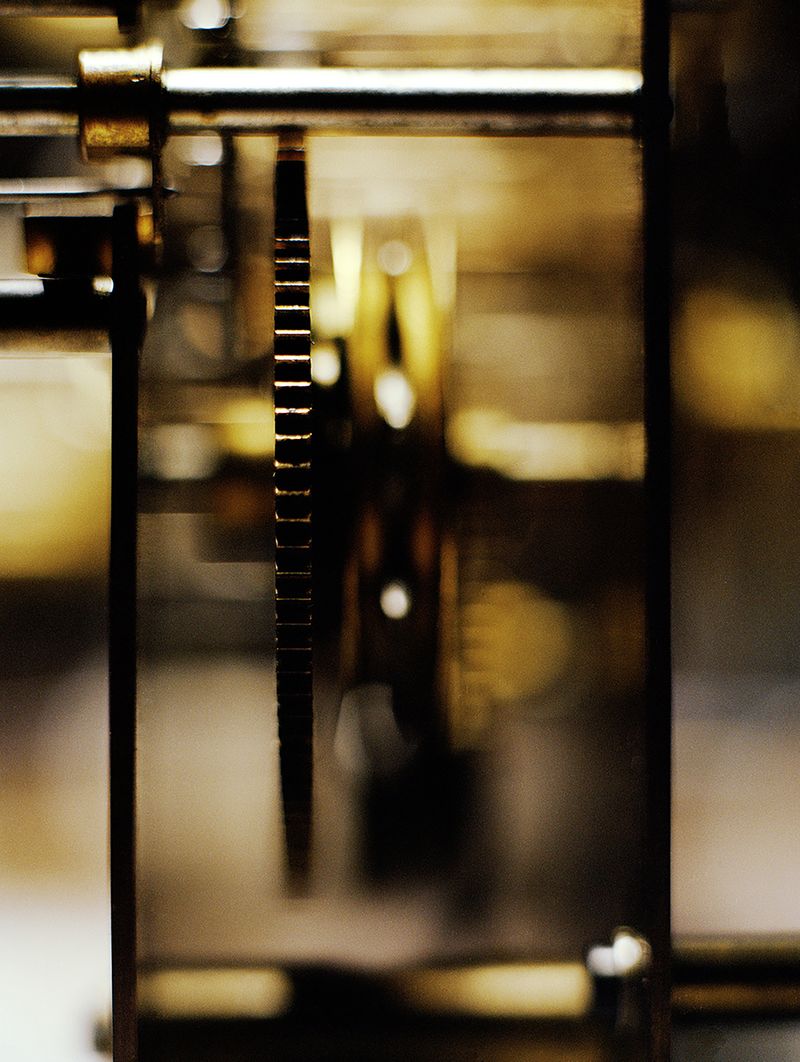
A macro view of the inside of a grandfather clock movement reveals an intricate, mechanical universe—gears, springs, and levers working in precise harmony of order and rhythm, yet also one of tension and fragility.

© Terry A. Ratzlaff - Image from the The Marches photography project
i

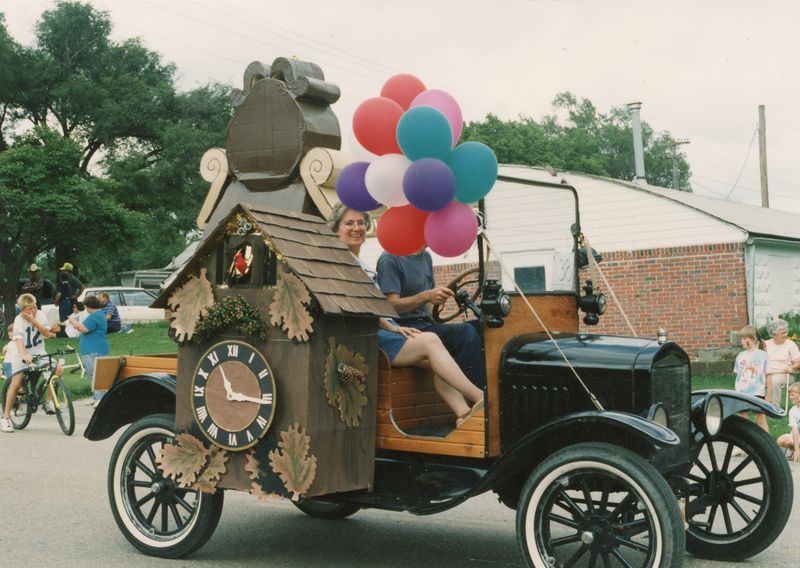
Archival image: Visit Bennet, nestled in the rolling hills of southeast Nebraska! Listen to the ‘Chimes of History’ toll out the hours. Check the time on the nostalgic street clock or set your watch by the equatorial sundial on a clear day. Relax by the lion fountain. Watch the Glockenspiel dancers perform for you. Browse in the showroom of Arp Clock and Wood Shop. Have a great time in our village

© Terry A. Ratzlaff - Image from the The Marches photography project
i

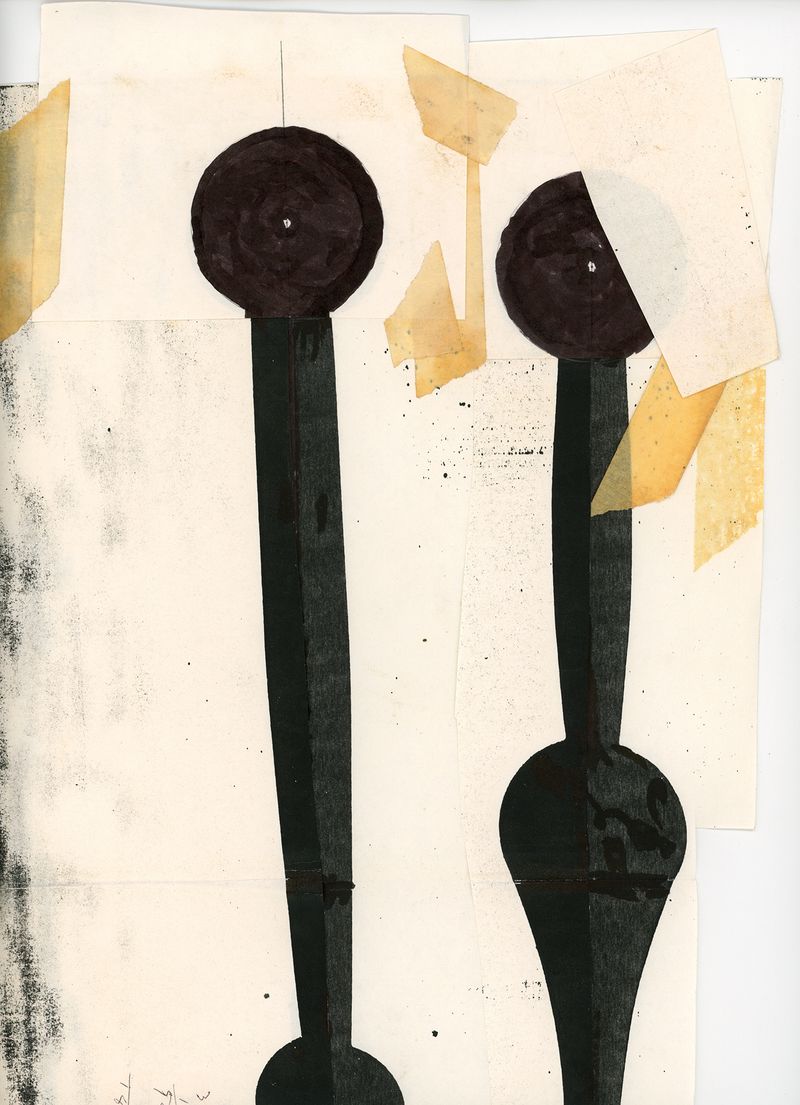
I collected thousands of images, schematic drawings, templates, newspaper clippings, and family photos, among many other objects, to explore the temporal relation between the past and the present.

© Terry A. Ratzlaff - Image from the The Marches photography project
i

I use cyanotypes to explore change and movement over time. With discarded materials from the shop as my starting point, I reference the work of Hans and Sophie Tauber-Arp—their shared last name tying back to Arp Clock & Wood Shop.

© Terry A. Ratzlaff - Image from the The Marches photography project
i

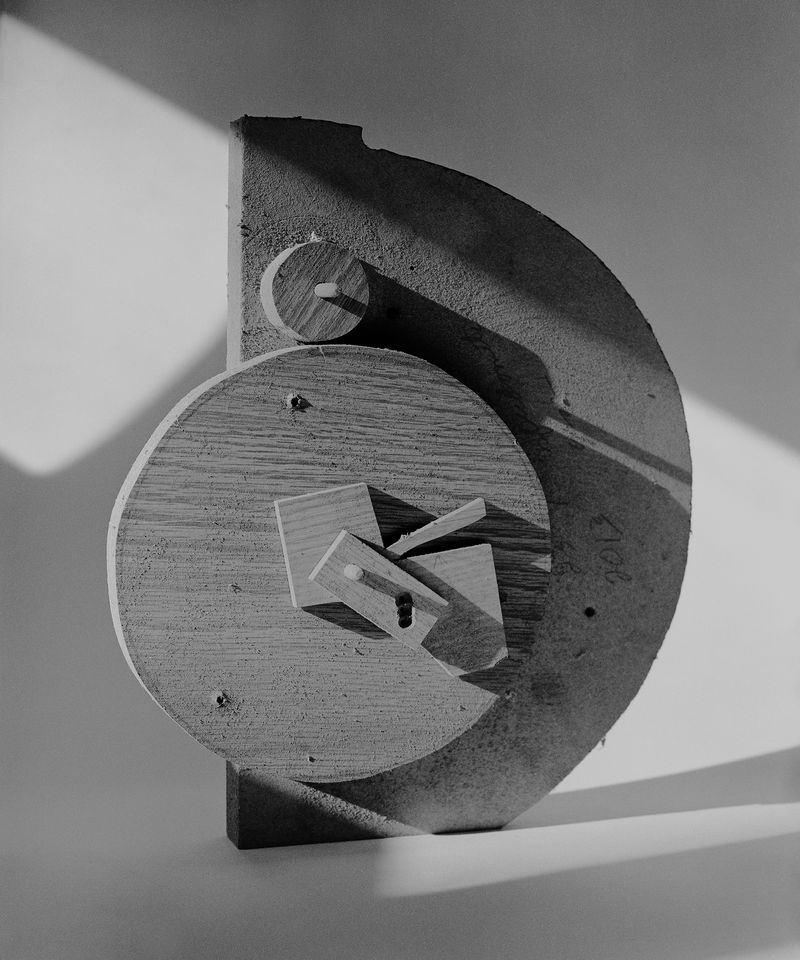
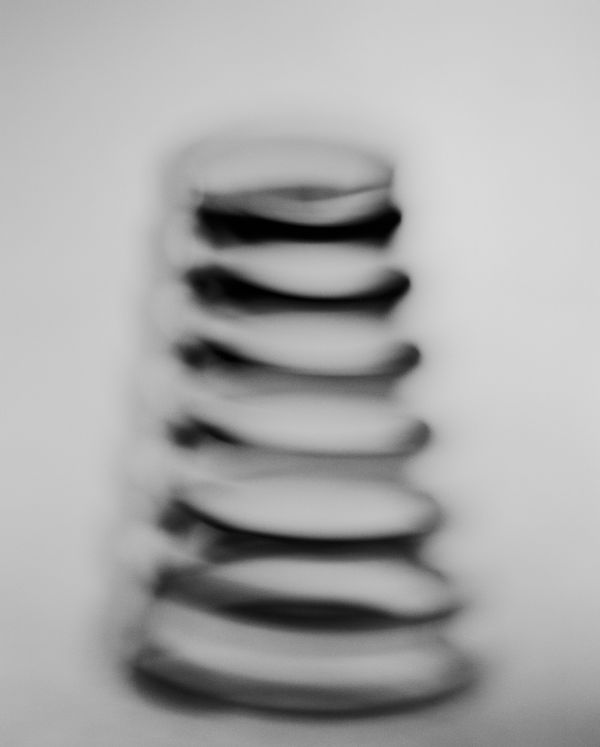
I’m drawn to the photogram in the clock shop as a way to counter the reproductive tendencies of the photographic image or negative—embracing the contradiction by creating serial, repetitive images of singular objects, further complicating the relationship between repetition and singularity.

© Terry A. Ratzlaff - Time, Barthes wrote, is like a spiral; "things recur but on another level, nothing is first, but everything is new."
i

Time, Barthes wrote, is like a spiral; "things recur but on another level, nothing is first, but everything is new."

© Terry A. Ratzlaff - Image from the The Marches photography project
i

By photographing objects on a neutral background, each item is liberated from its everyday function and placed in shifting relations to each other, forming a comprehensive list-form inventory. Like the dead, these objects exist outside time and space.

© Terry A. Ratzlaff - The clock is to time as the mirror is to space as the camera is to the eye.
i

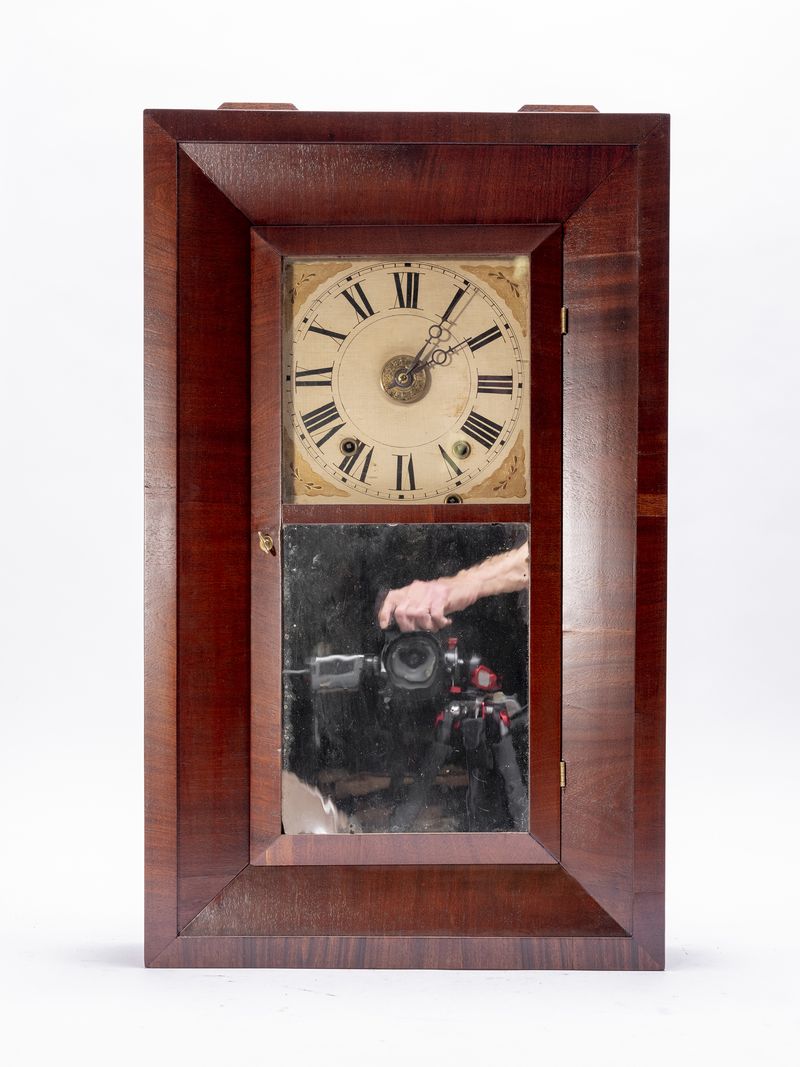
The clock is to time as the mirror is to space as the camera is to the eye.