The living nature of the stone-dead
  • Dates
    2018 - Ongoing
  • Author
  • Topics Landscape, Contemporary Issues

This project investigates evidence of the deep-time past coexisting in the present in Brazil. It tensions the notion of time, existence, and reality whilst colliding nature and culture.

This project, The Living Nature of the Stone-dead, investigates evidence of the deep-time past coexisting in the present and our contemporary relation with this heritage, in Brazil. It tensions the notion of time, existence, and reality whilst colliding nature and culture.

Every piece of land has a story to tell, and part of its ancestry is enclosed in the rocks.

Brazil has an ancient and diverse geological history, with evidence dating back hundreds of million years, in a time when the Earth was configured drastically differently.

For example, the oldest dinosaur species discovered are from Brazil and Argentina, indicating a South American origin for this clade.

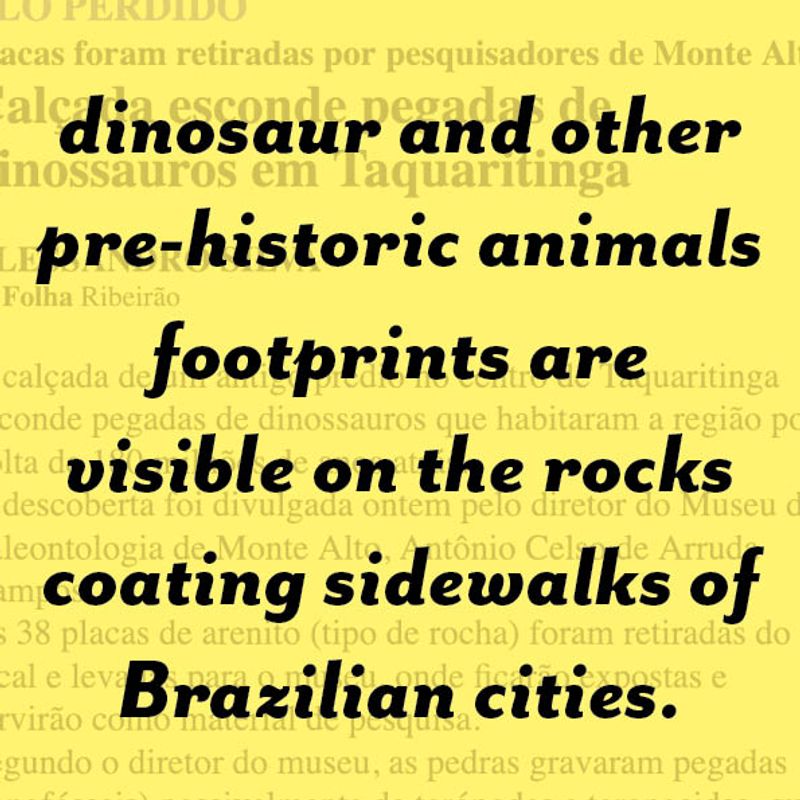
Rocks containing dinosaurs and other prehistoric animal footprints are found coating sidewalks and buildings in the southeast of Brazil.

The biggest South American impact crater, that simultaneously with other factors, contributed to the most extreme mass extinction ever, is located in the middle west of Brazil and has 40 km in diameter.

Widespread all over the country, fossil sites and outcrops help compose part of the natural history of the world, a story in which fact and fiction collide, revealing a fantastic reality that works as a guide for this project.

Alongside, it attempts to speculate about the relativity of time and life, contemplating natural history facts and associating them to the mundane existential parody.

What can the past teach us about the future?

© Paula Pedrosa - Image from the The living nature of the stone-dead photography project
i

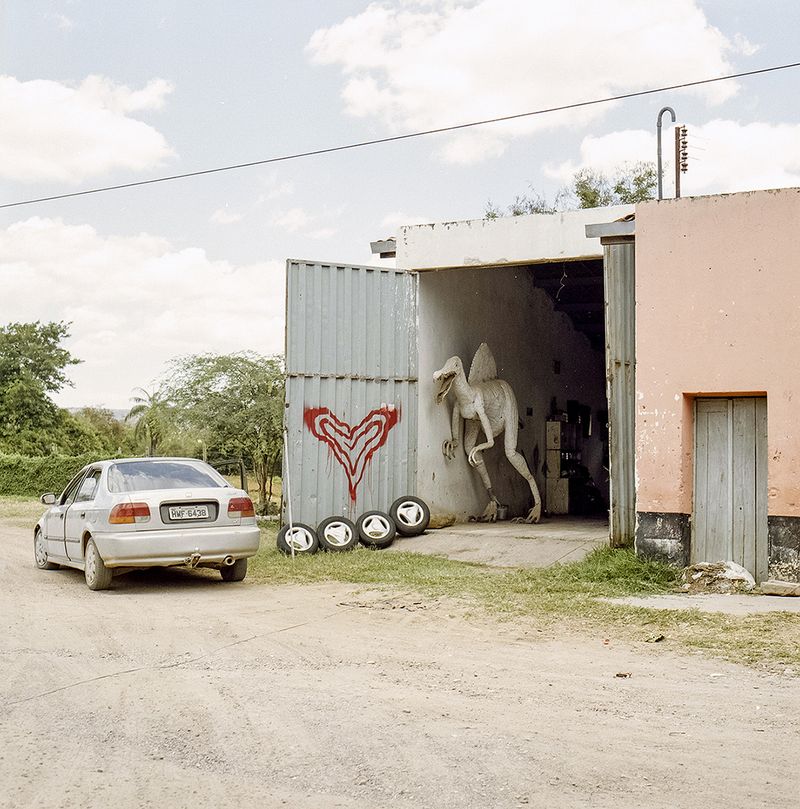
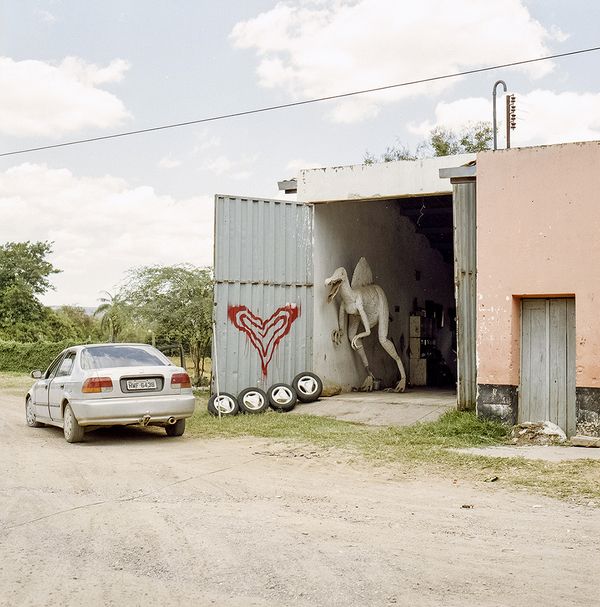
A kitschy replica of a spinosaur made of fiberglass decorates an auto shop in Santana do Cariri, Brazil, where this kind of dinosaur used to live during the Cretaceous period.

© Paula Pedrosa - Image from the The living nature of the stone-dead photography project
i

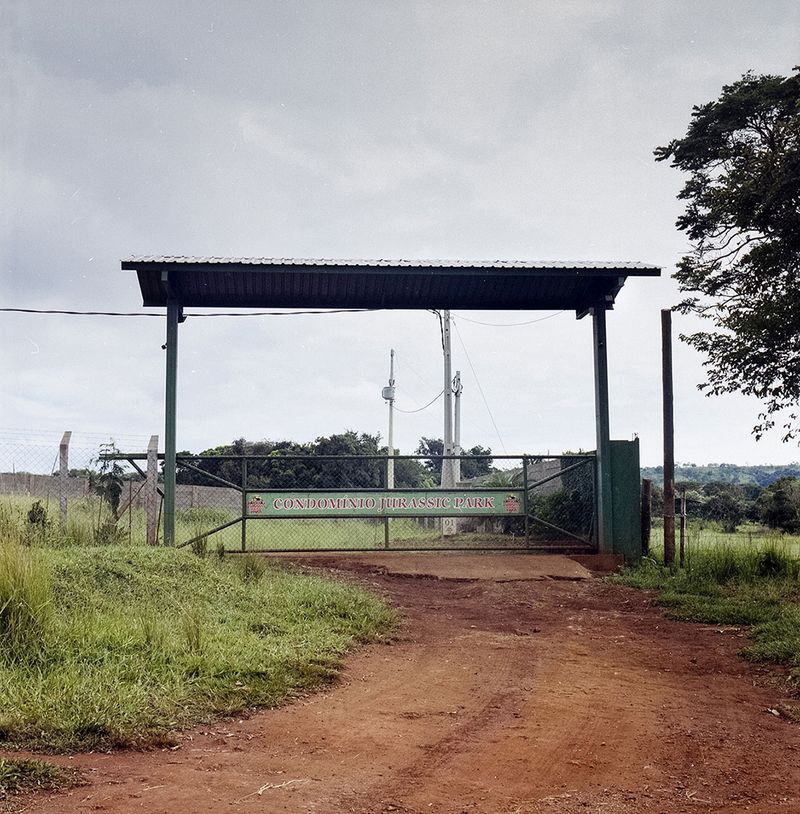
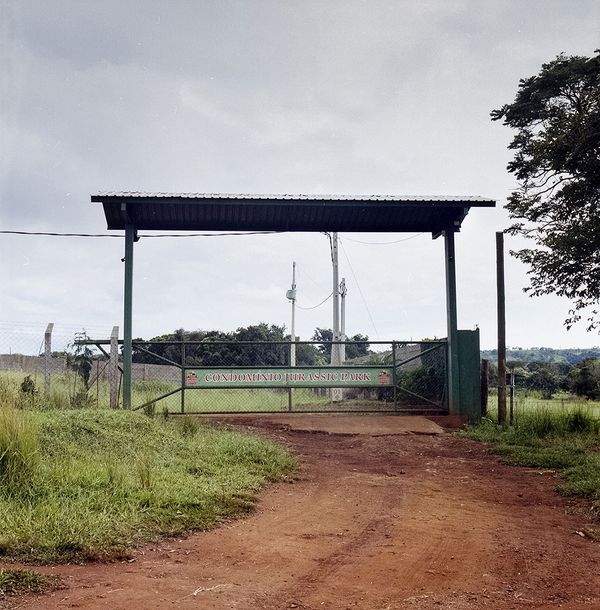
Ranch named after the Hollywood movie Jurassic Park in Peirópolis, Brazil. Peirópolis is known for its paleontological diversity and holds a museum and other touristic attractions.

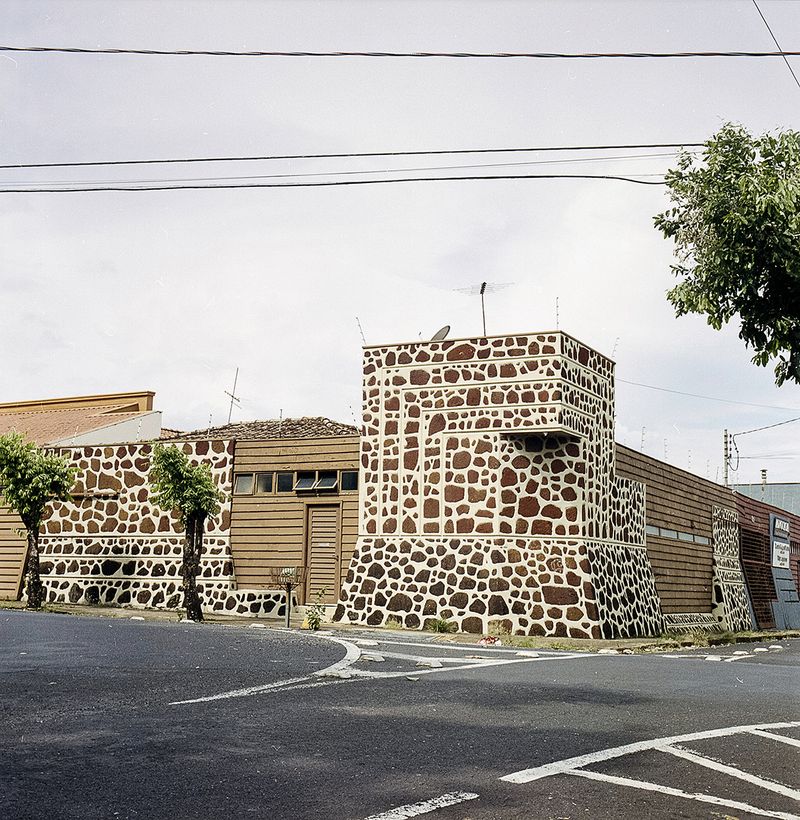
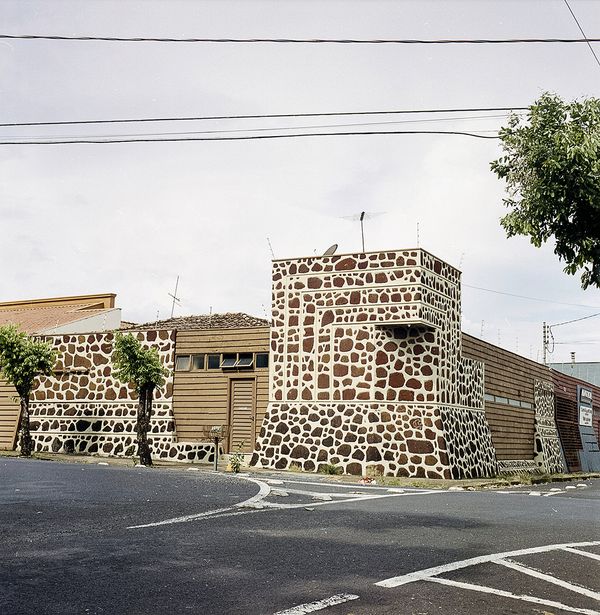
© Paula Pedrosa - Uberaba, Brazil, is a town known for being on top of fossil sites. This house is made of natural rocks from that region.
i

Uberaba, Brazil, is a town known for being on top of fossil sites. This house is made of natural rocks from that region.

© Paula Pedrosa - Image from the The living nature of the stone-dead photography project
i

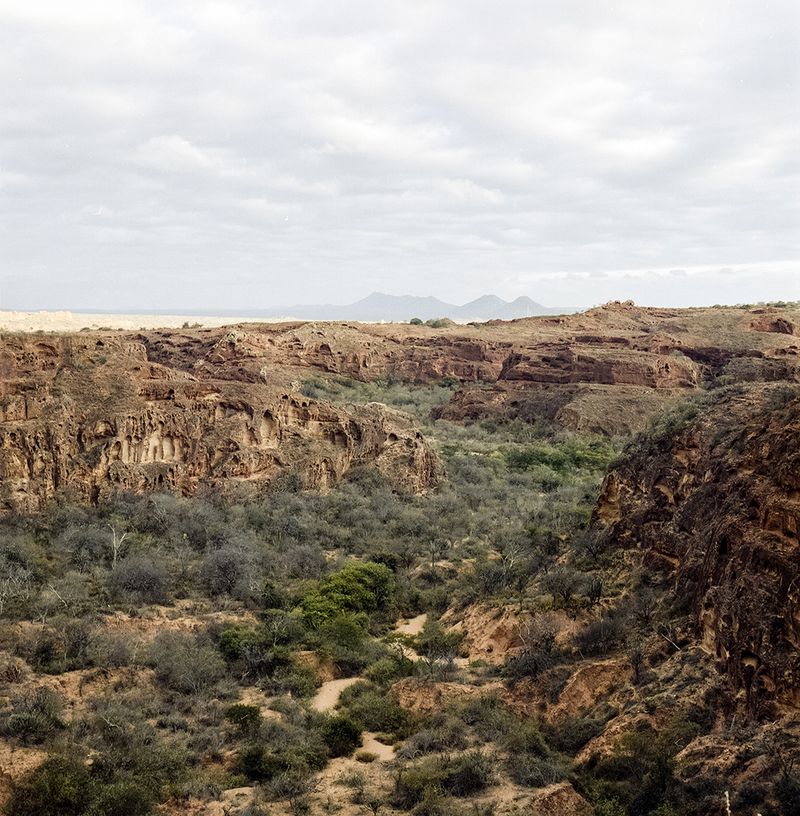
Serra Vermelha in Canudos, Brazil, is a geological landscape sculpted by time. It has been home for multiple life forms for a long time. Nowadays the descendants of dinosaurs, birds, use this formation for breeding.

© Paula Pedrosa - Image from the The living nature of the stone-dead photography project
i

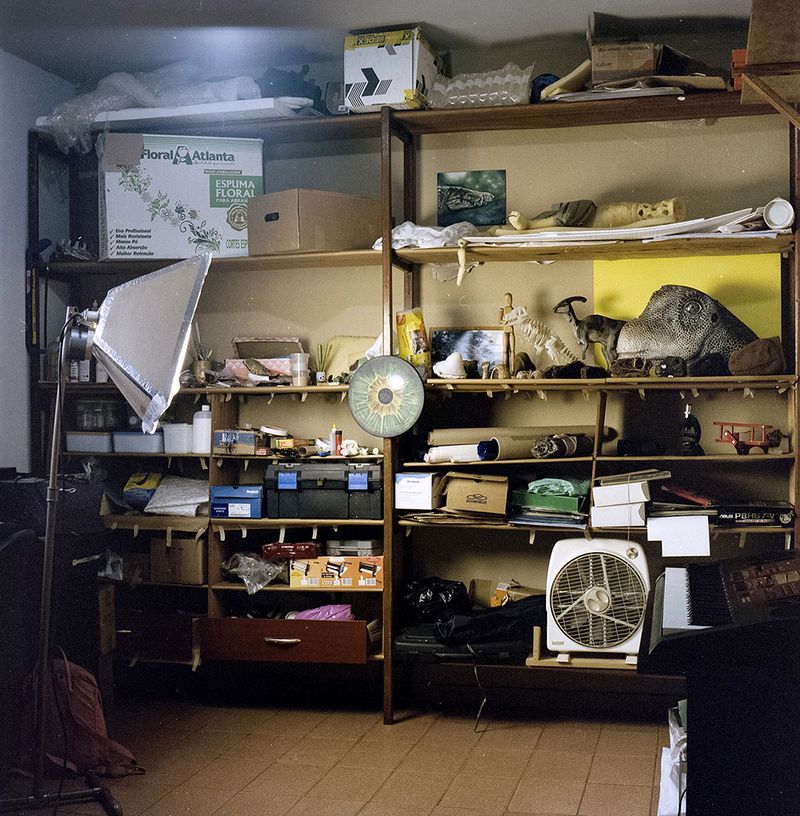
The studio Prehistoric Factory, from paleoartist Rodolfo Nogueira, is the place where contemporary dinosaurs are born. He uses multiple techniques, as 3D and sculpture, to give life to extinct animals.

© Paula Pedrosa - Image from the The living nature of the stone-dead photography project
i

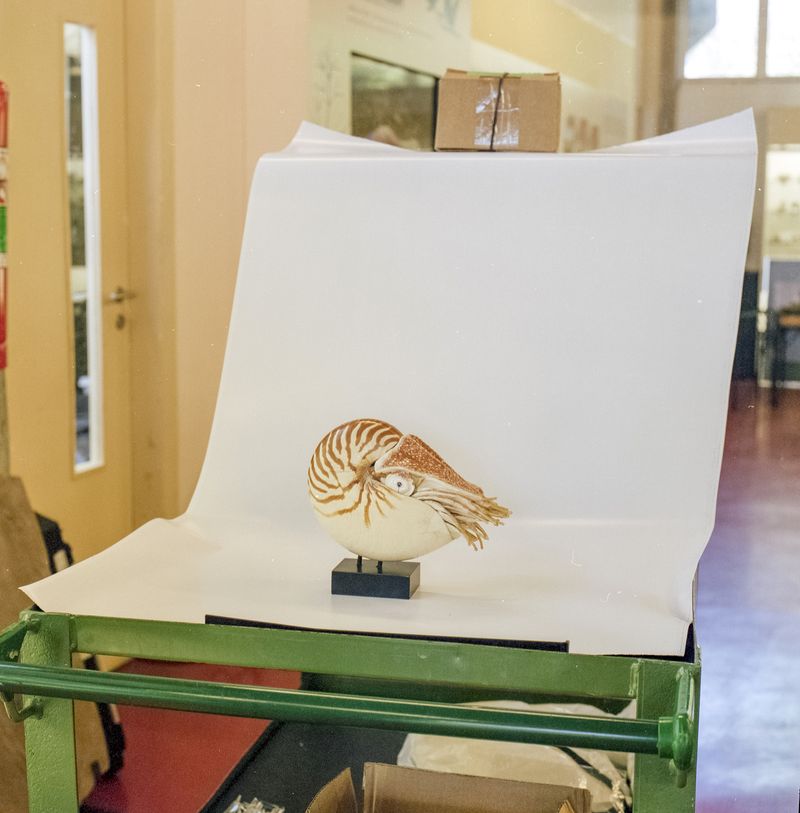
Nautilis is a species alive known as a living fossil due to its striking resemblance to ancestors that swam shallow seas half a billion years ago.

© Paula Pedrosa - Image from the The living nature of the stone-dead photography project
i

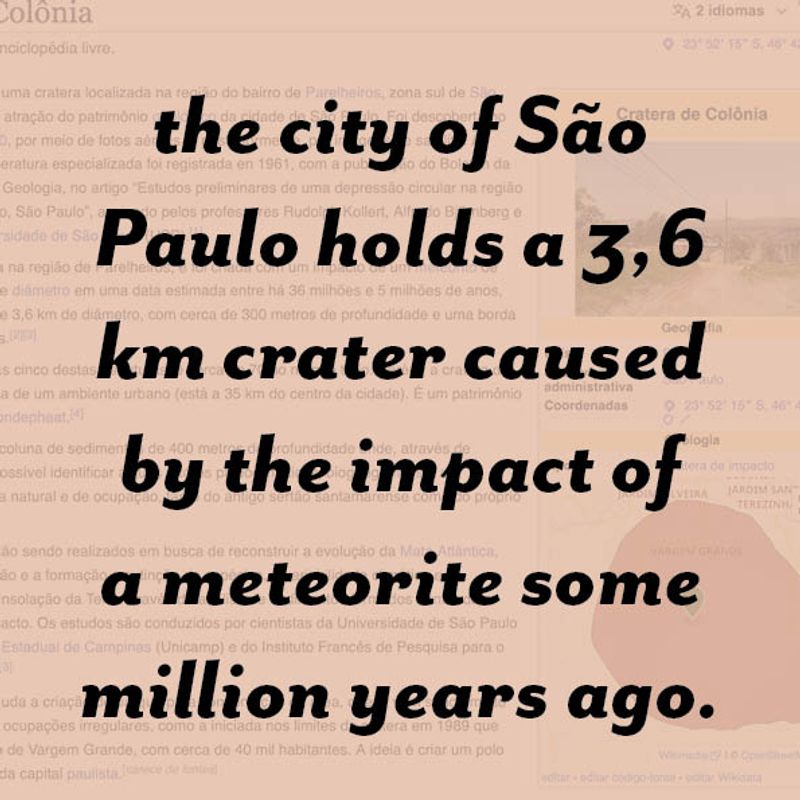
In this project, I combine images and text, to conduct the viewer within the concept of the project. The sentences work as an image and depict curious facts.

© Paula Pedrosa - Image from the The living nature of the stone-dead photography project
i

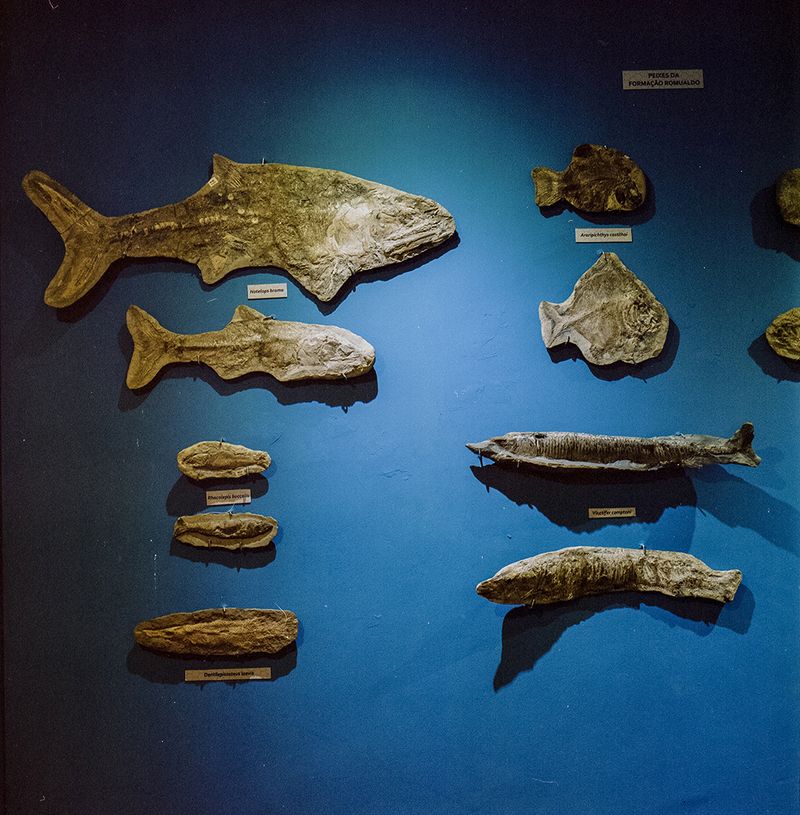
Diversity of fossil fishes found at Araripe Basin in display at Santana do Cariri Paleontology Museum. Araripe is a sedimentary deposit known for its magnificent preservation of fossil specimens, from insects to plants to larger animals.

© Paula Pedrosa - Image from the The living nature of the stone-dead photography project
i

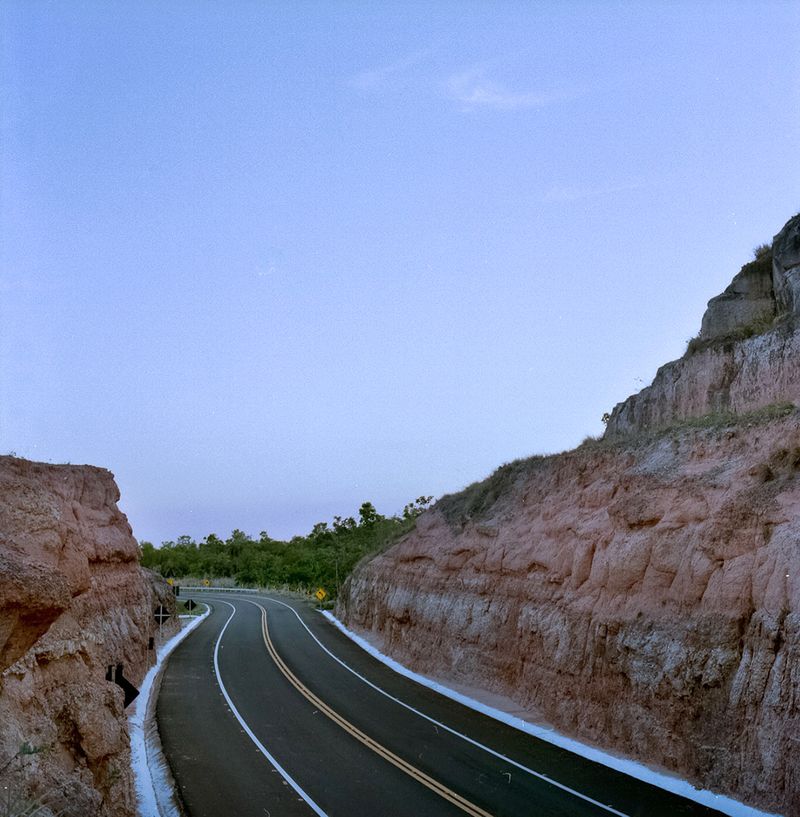
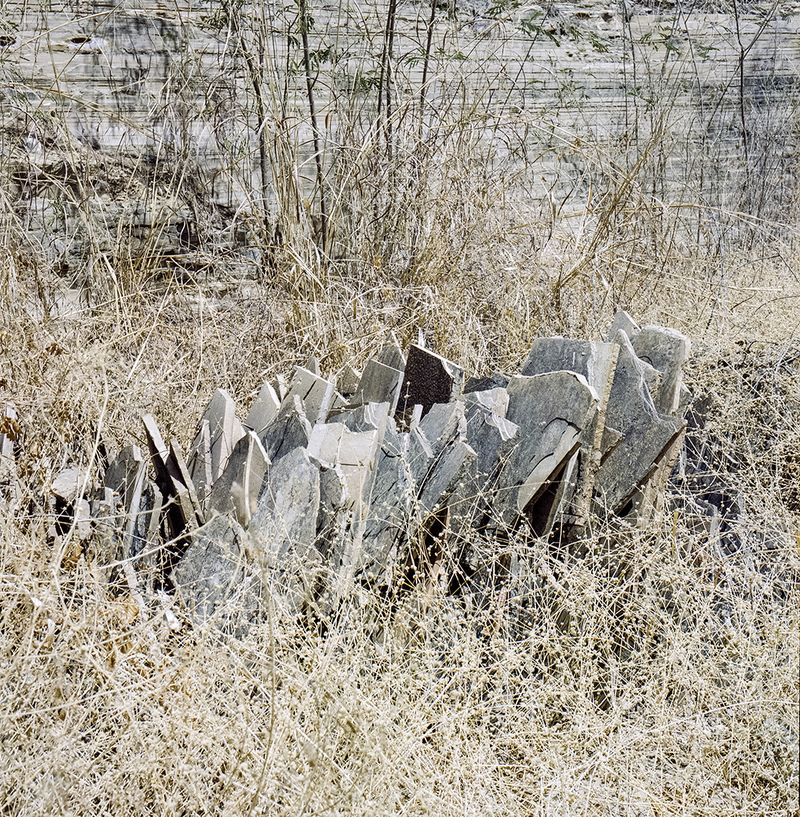
Sedimentary deposit exposed after opening a road in Campina Verde, Brazil. These rocks contain fossils from the Cretaceous period.

© Paula Pedrosa - The University of São Paulo, Brazil, has a lab that makes fossil replicas and models for educational purposes.
i

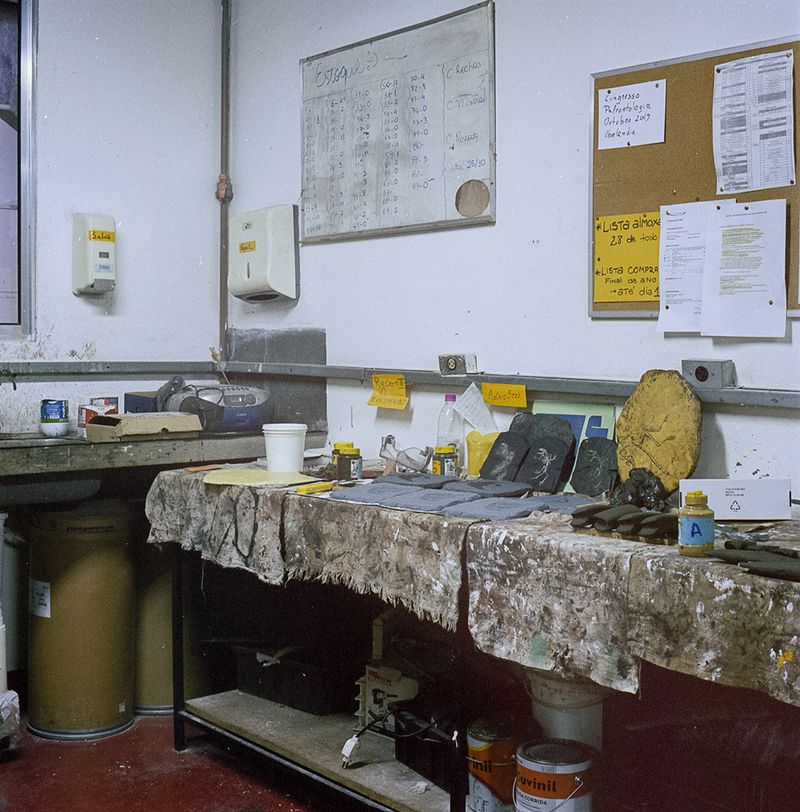
The University of São Paulo, Brazil, has a lab that makes fossil replicas and models for educational purposes.

© Paula Pedrosa - Image from the The living nature of the stone-dead photography project
i

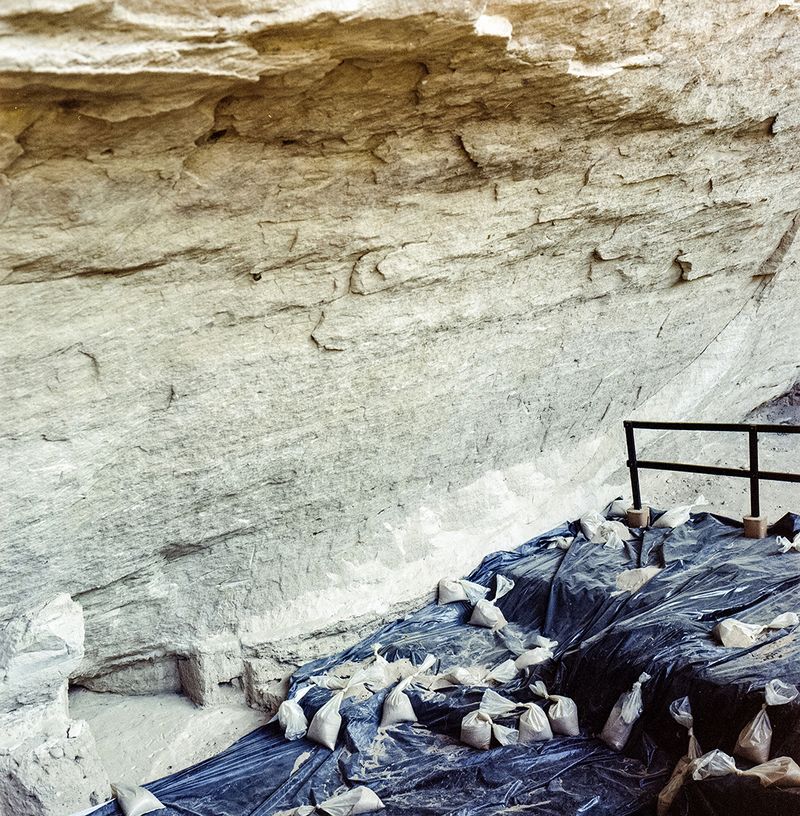
Serra da Capivara in São Raimundo Nonato, Brazil, is a unique digging site that holds archeological and paleontological findings. The evidence from ancient humans, other animals, and plants help compose the natural history of the Americas, and hence the world.

© Paula Pedrosa - Image from the The living nature of the stone-dead photography project
i

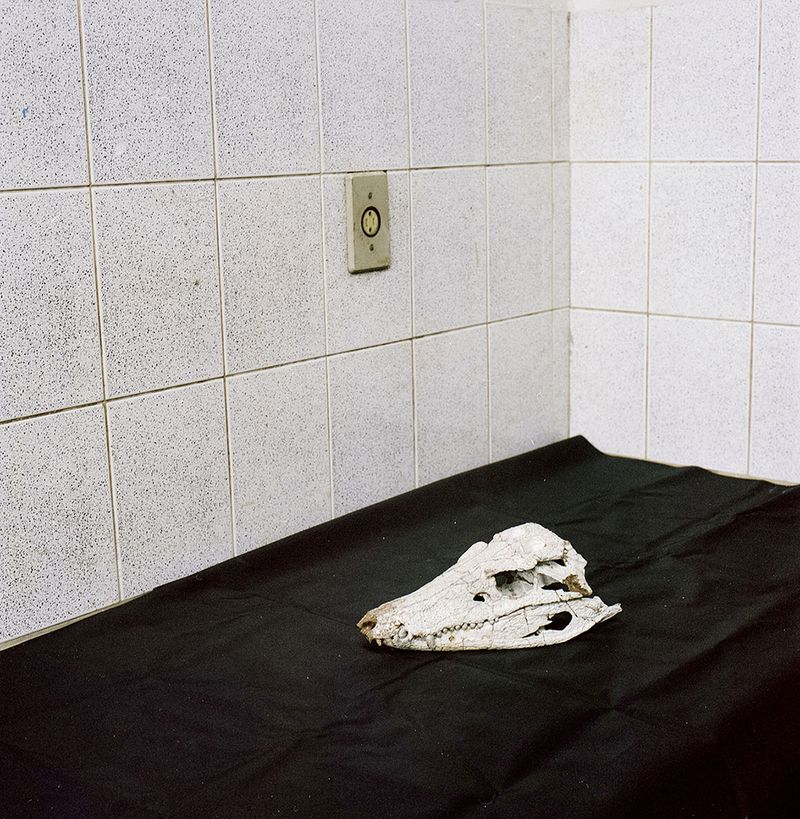
The Montealtosuchus arrudacamposi skull is a unique fossil finding. It is a missing link that helps comprehend the evolution of crocodiles. Its holotype is deposited at the Paleontology Museum of Monte Alto, Brazil.

© Paula Pedrosa - Image from the The living nature of the stone-dead photography project
i

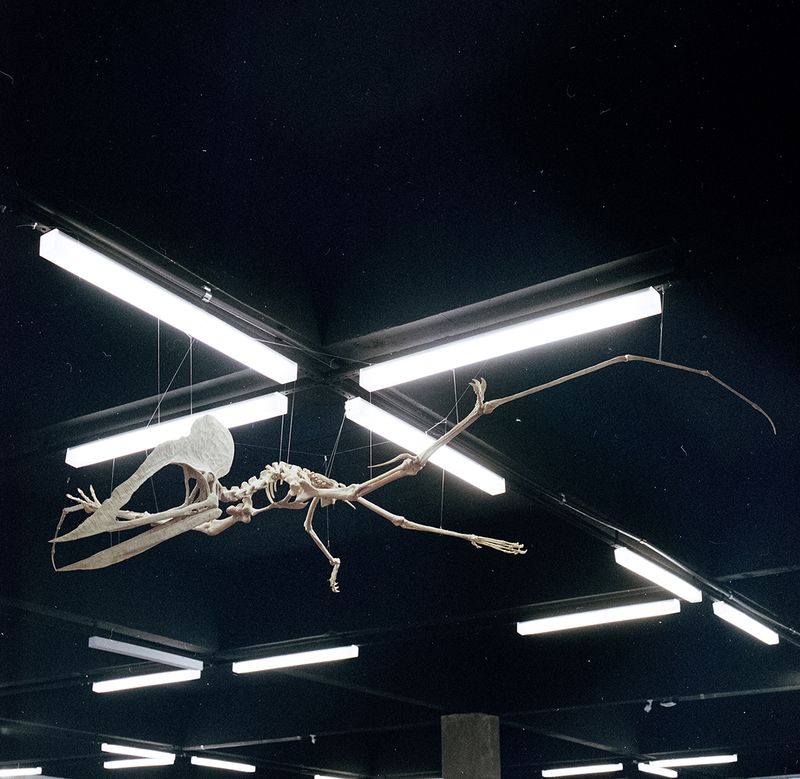
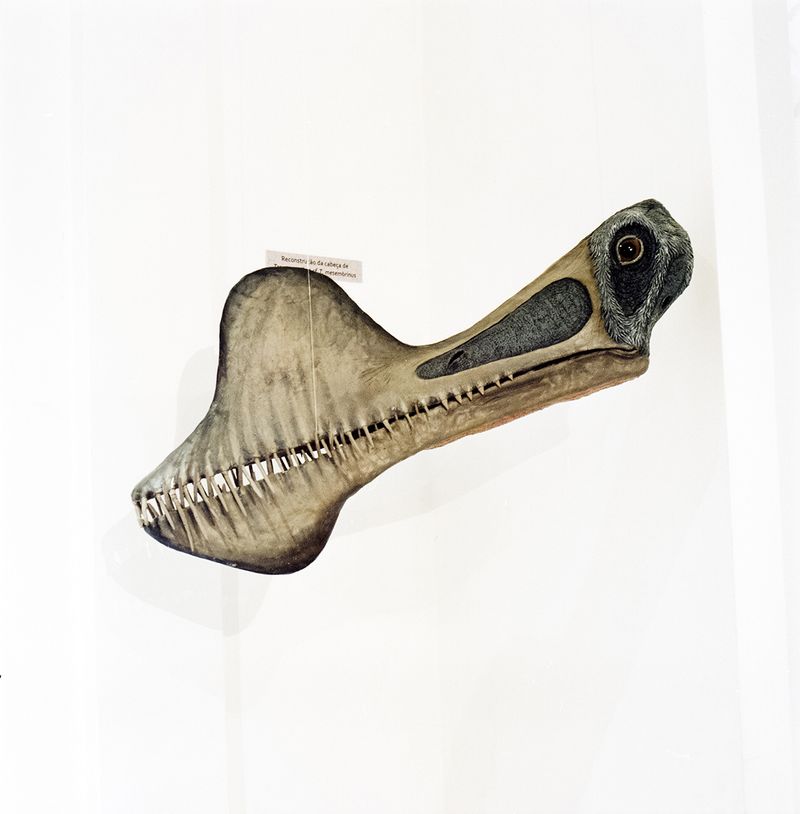
The Americas used to have a wide diversity of pterosaurs, many of them found in Brazil. Pterosaurs were the largest animals capable of flying.

© Paula Pedrosa - Image from the The living nature of the stone-dead photography project
i

In this project, I combine images and text, to conduct the viewer within the concept of the project. The sentences work as an image and depict curious facts.

© Paula Pedrosa - Image from the The living nature of the stone-dead photography project
i

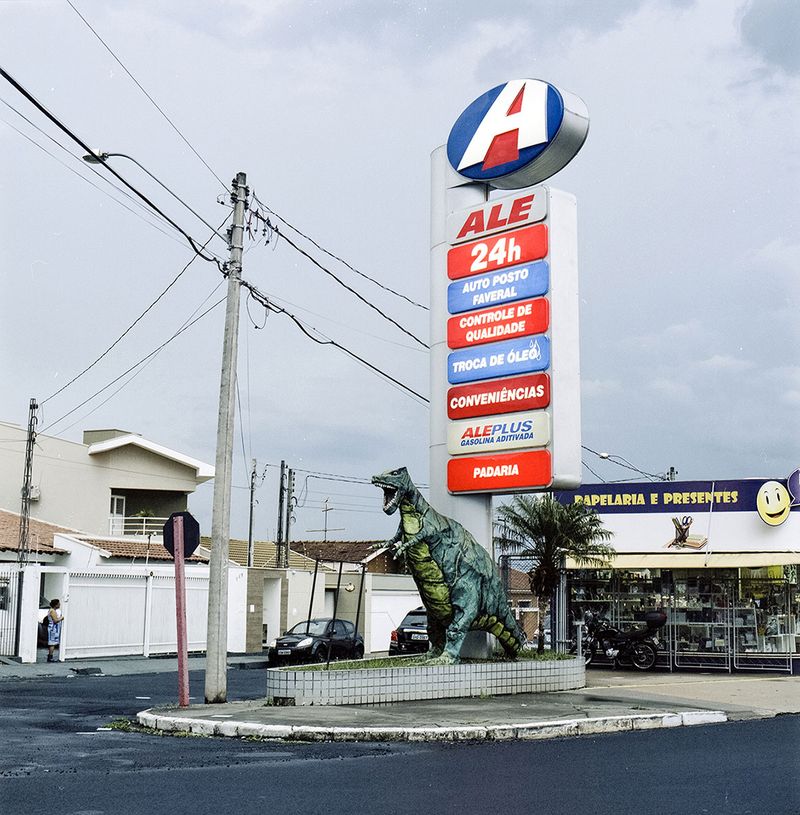
A kitschy model of a T-rex dinosaur decorates a gas station in Araraquara, Brazil. The district is known for its dinosaur footprints coating sidewalks, but T-rex is only found in North America.

© Paula Pedrosa - Sedimentary layers exposed in Gurinhatã, Brazil. It is a well-known spot to find fossils from the Cretaceous period.
i

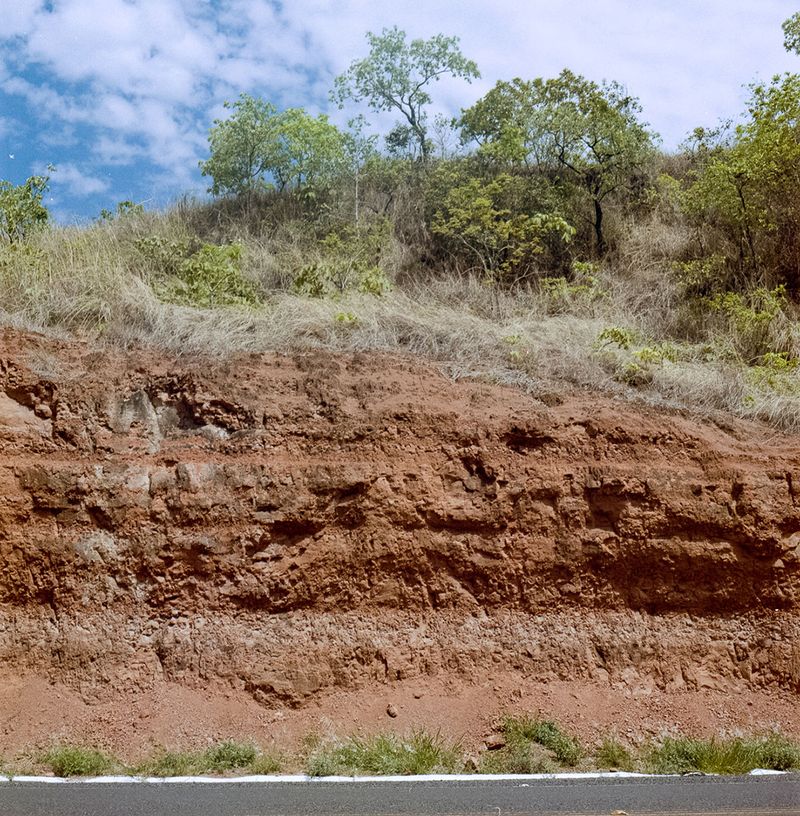
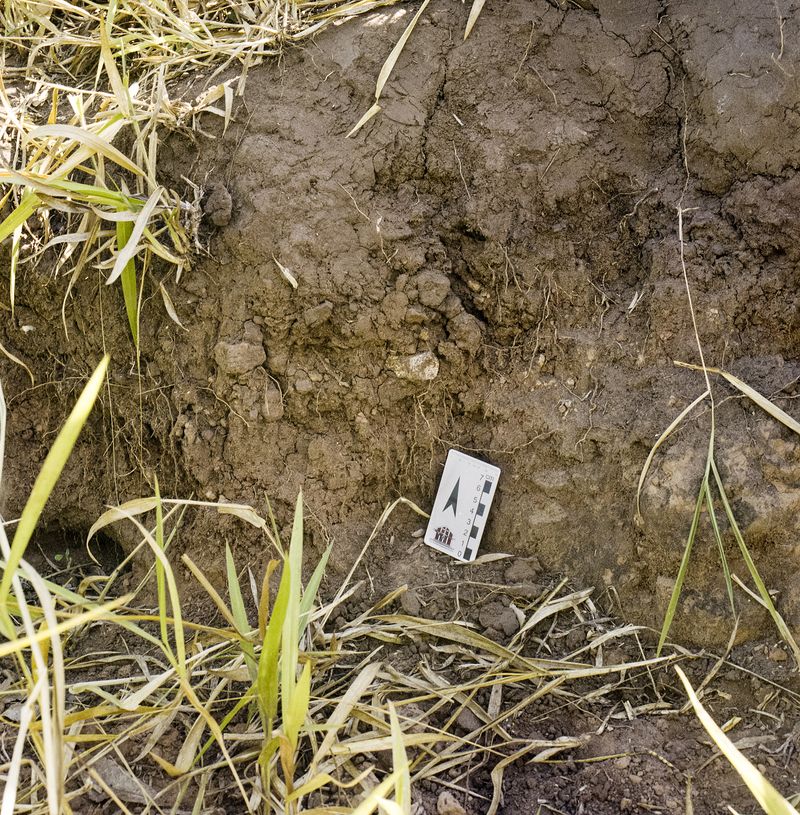
Sedimentary layers exposed in Gurinhatã, Brazil. It is a well-known spot to find fossils from the Cretaceous period.

© Paula Pedrosa - Display at Paleontology Museum of Monte Alto showing a sauropod dinosaur that can reach 14 meters and was found in the area.
i

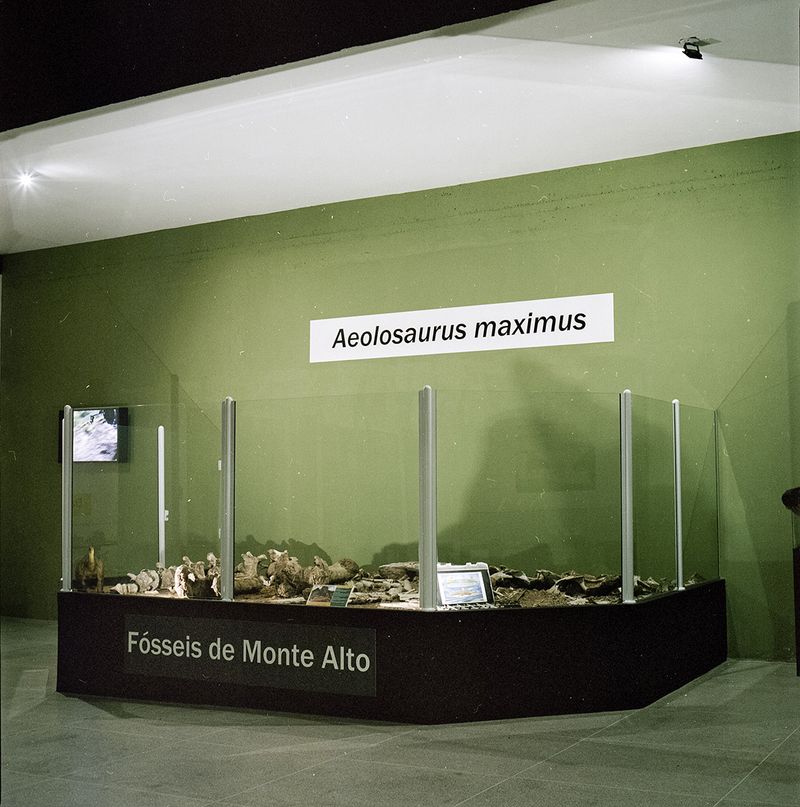
Display at Paleontology Museum of Monte Alto showing a sauropod dinosaur that can reach 14 meters and was found in the area.

© Paula Pedrosa - Image from the The living nature of the stone-dead photography project
i

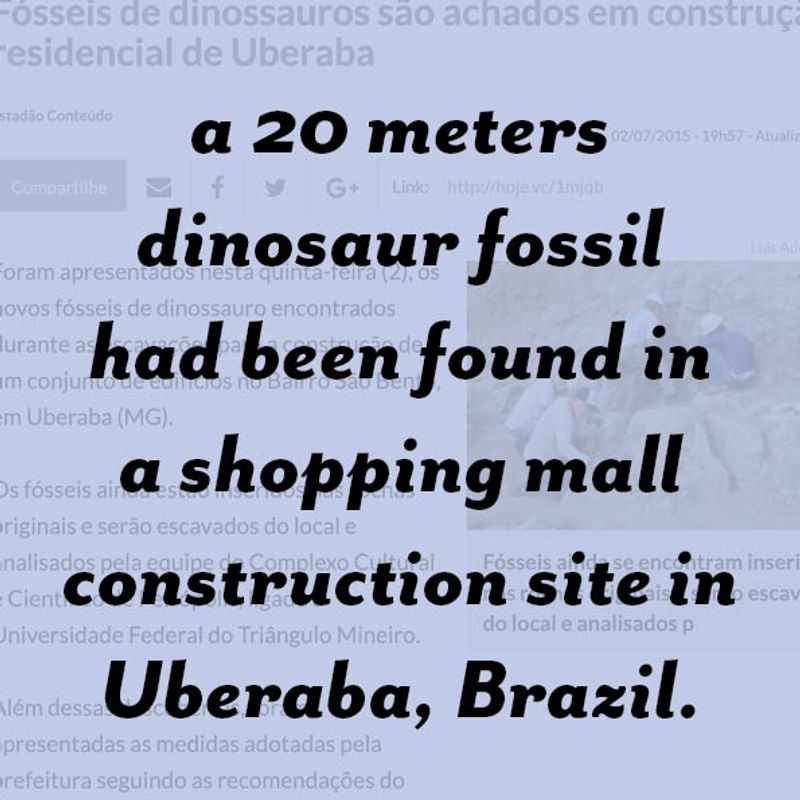
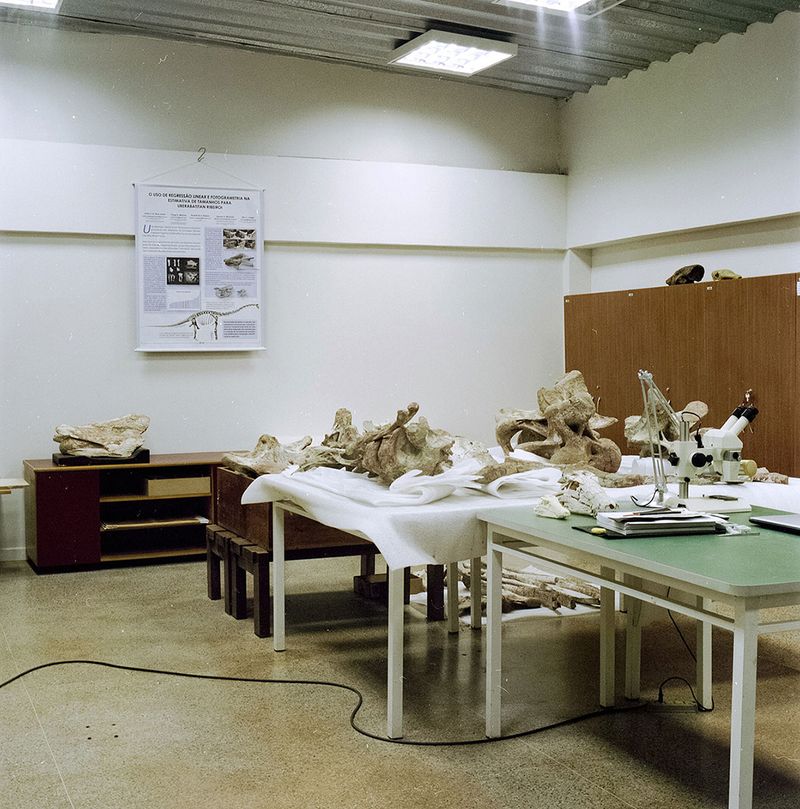
A 20 meters sauropod dinosaur was found in a shopping mall construction site. The fossil waits in Peirópolis paleontology laboratory to be studied. Peirópolis is situated on top of fossil sites from the Cretaceous period and holds a museum and touristic attractions.

© Paula Pedrosa - Image from the The living nature of the stone-dead photography project
i

In the quarry sites from Araripe Basin, in the northeast of Brazil, fossils are easily found on rocks laid on the side of the roads.

© Paula Pedrosa - Image from the The living nature of the stone-dead photography project
i

In this project, I combine images and text, to conduct the viewer within the concept of the project. The sentences work as an image and depict curious facts.

© Paula Pedrosa - A kitschy replica of a pterosaur and triceratops made of fiberglass decorates an auto shop in Santana do Cariri, Brazil.
i

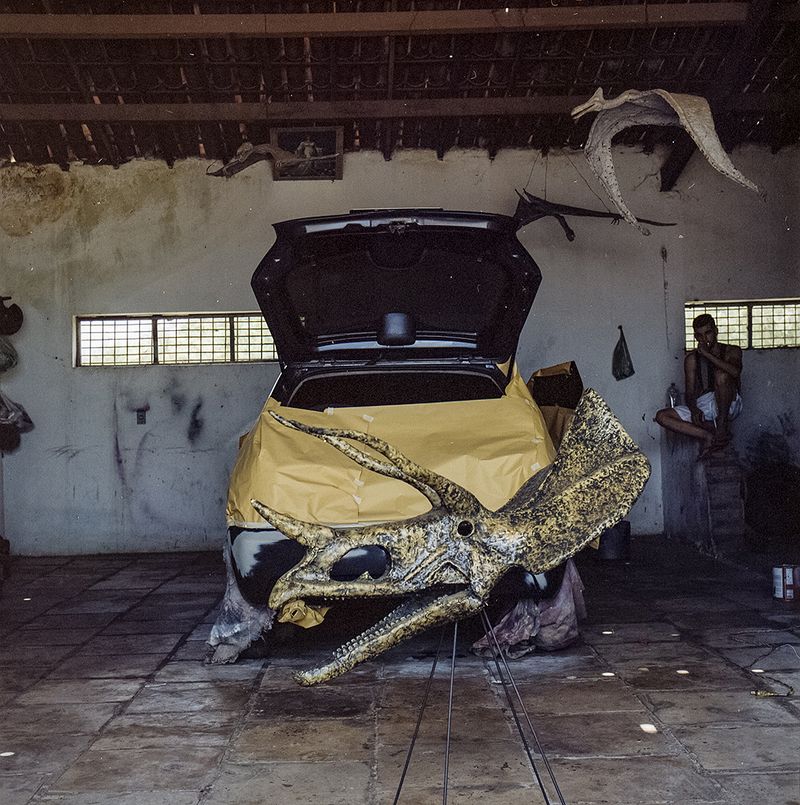
A kitschy replica of a pterosaur and triceratops made of fiberglass decorates an auto shop in Santana do Cariri, Brazil.

© Paula Pedrosa - Fossil vertebrae found during field work in Uchôa, Brazil.
i

Fossil vertebrae found during field work in Uchôa, Brazil.

© Paula Pedrosa - Image from the The living nature of the stone-dead photography project
i

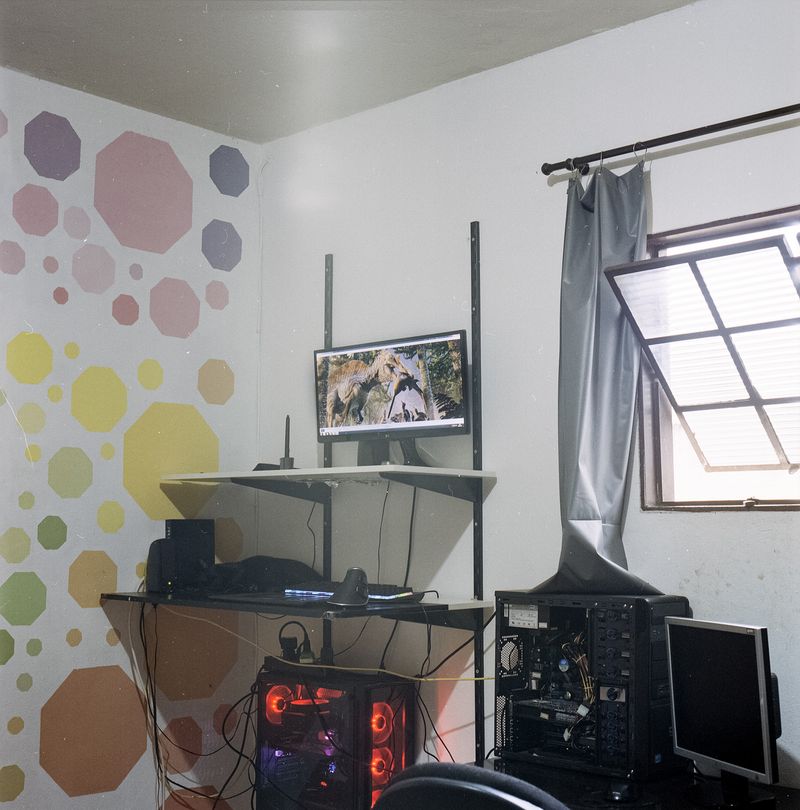
The studio Prehistoric Factory, from paleoartist Rodolfo Nogueira, is the place where contemporary dinosaurs are born. He uses multiple techniques, as 3D and sculpture, to give life to extinct animals.

© Paula Pedrosa - Compared anatomy lab at UFU (Uberlândia Federal University) where past and present animals are studied.
i

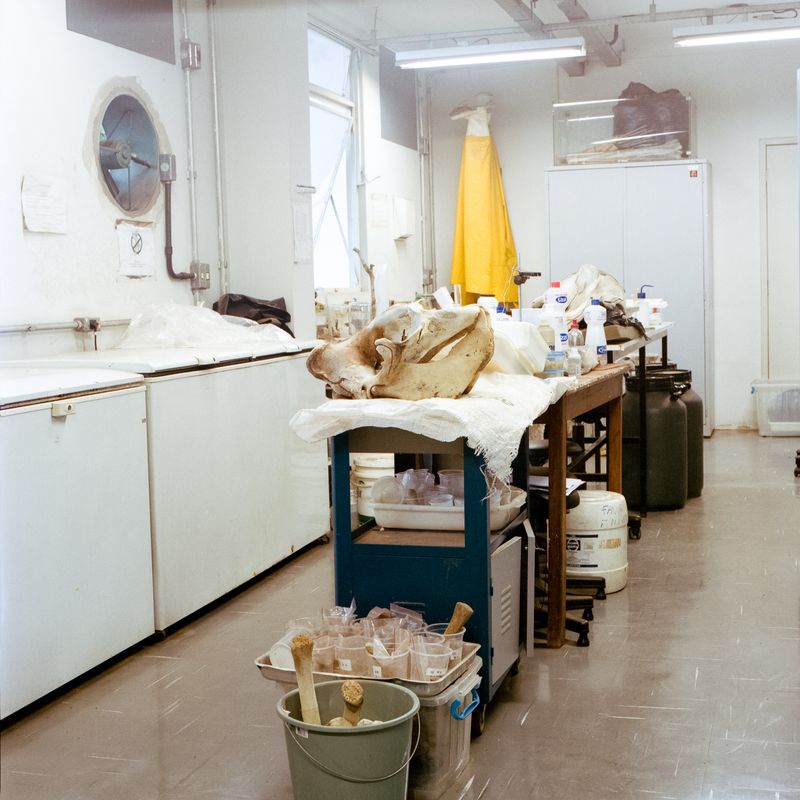
Compared anatomy lab at UFU (Uberlândia Federal University) where past and present animals are studied.

© Paula Pedrosa - Pterosaur replica at the Paleontology Museum in Santana do Cariri, Brazil.
i

Pterosaur replica at the Paleontology Museum in Santana do Cariri, Brazil.

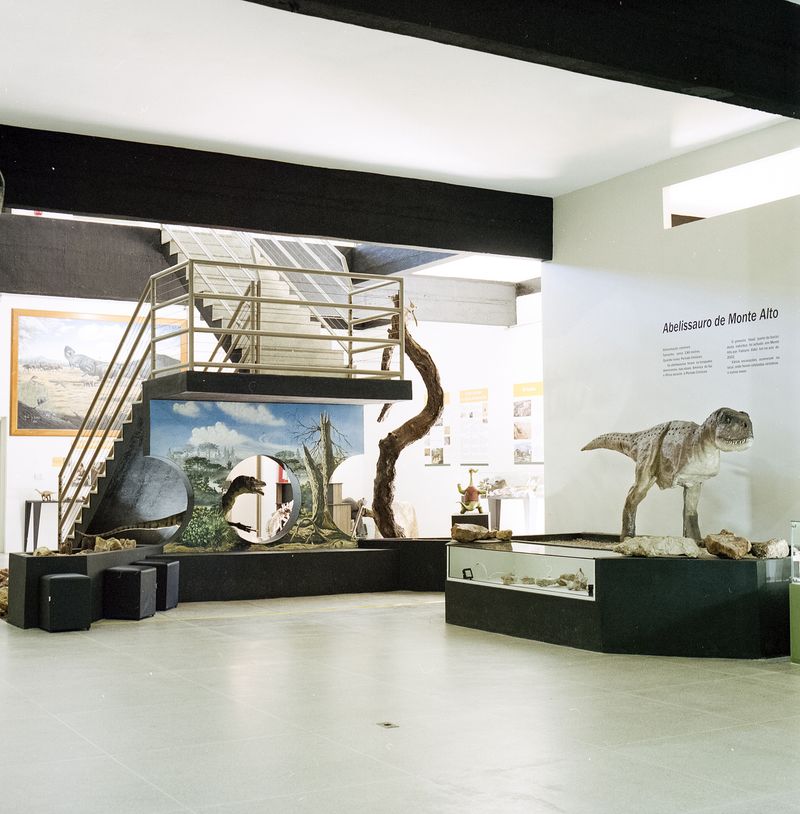
© Paula Pedrosa - Replicas of dinosaurs that used to live in Monte Alto, Brazil, on show at the Paleontology Museum.
i

Replicas of dinosaurs that used to live in Monte Alto, Brazil, on show at the Paleontology Museum.

The living nature of the stone-dead by Paula Pedrosa

Prev Next Close