The Last Coal Mine
-
Dates2019 - Ongoing
-
Author
- Location New York, United States
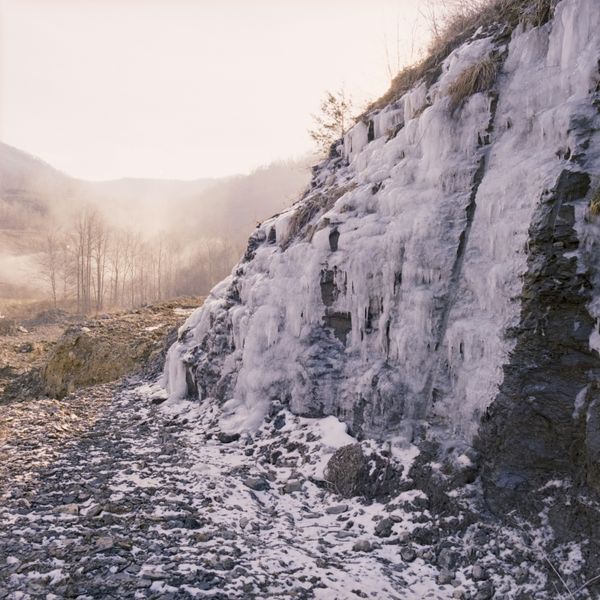
This long-term photographic and film project combines interviews, moving image, and still photography to explore coal’s imprint on landscapes and lives — a chronicle of communities and labor as coal cultures persist, shift, and fade.
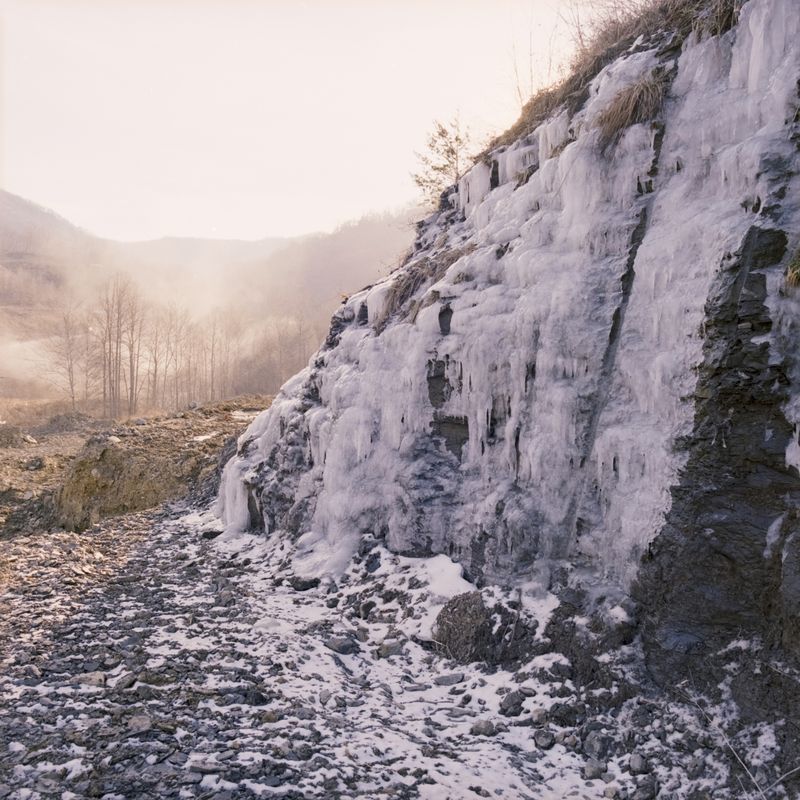
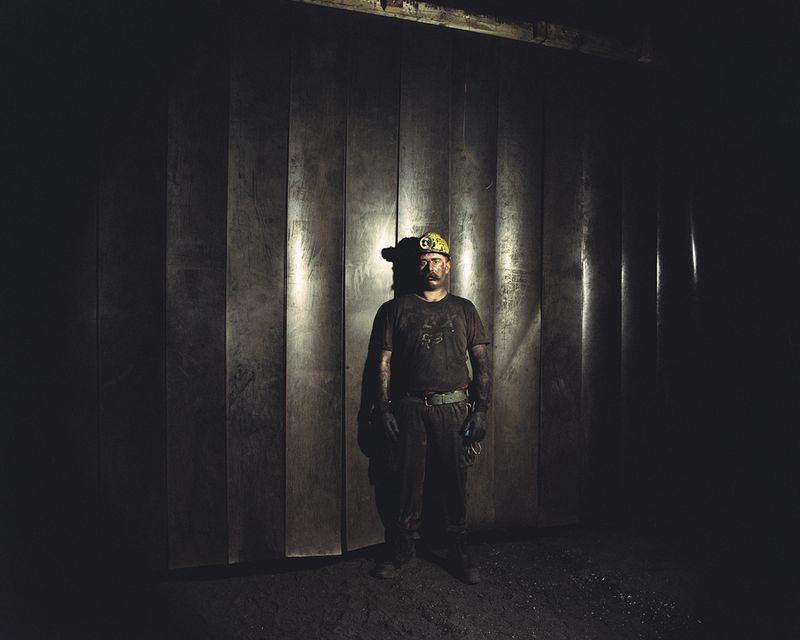
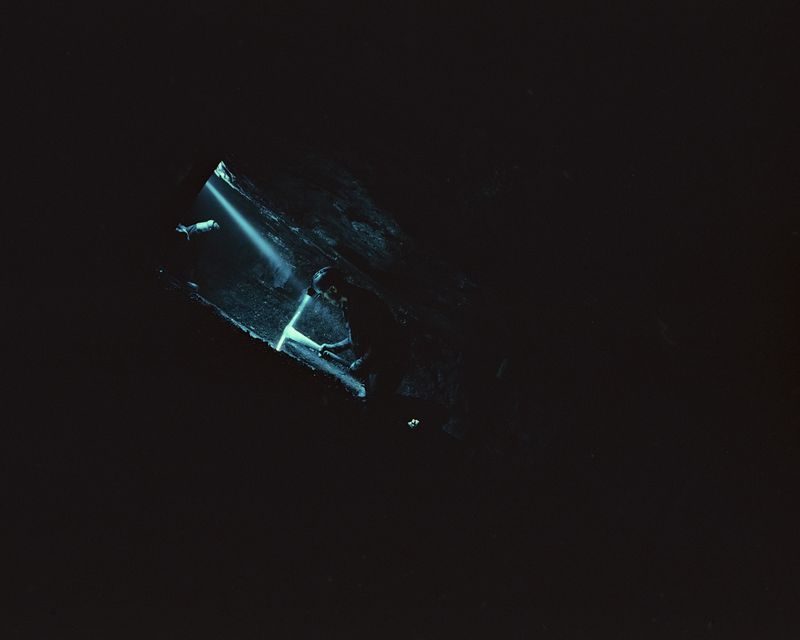
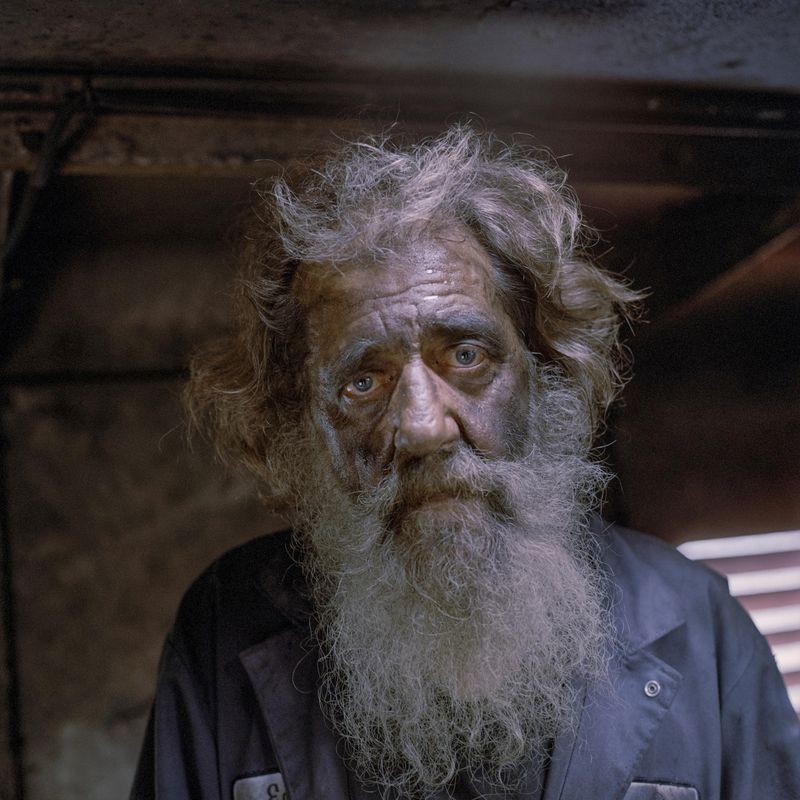
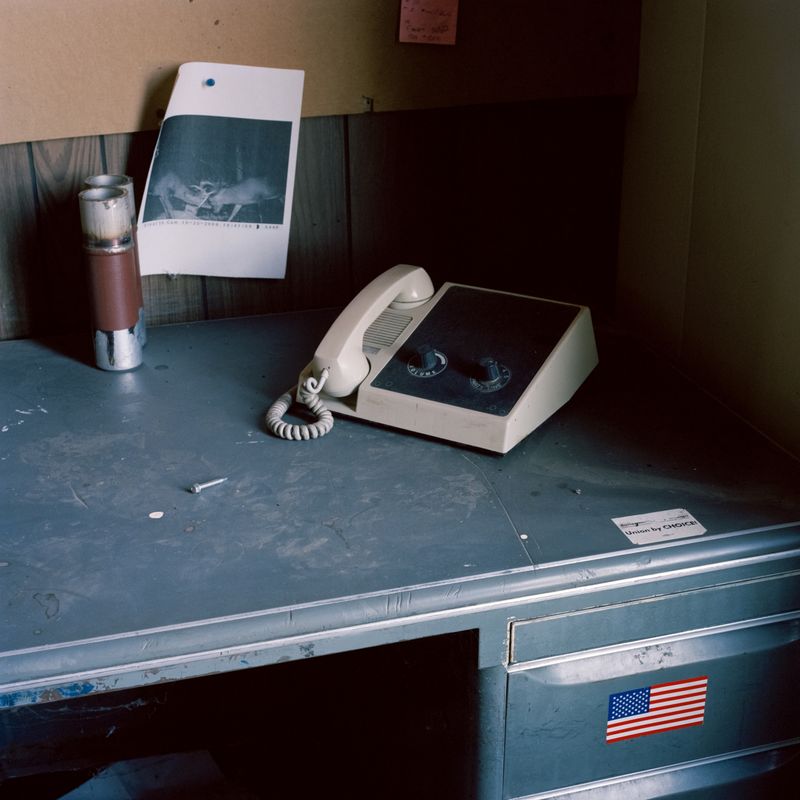
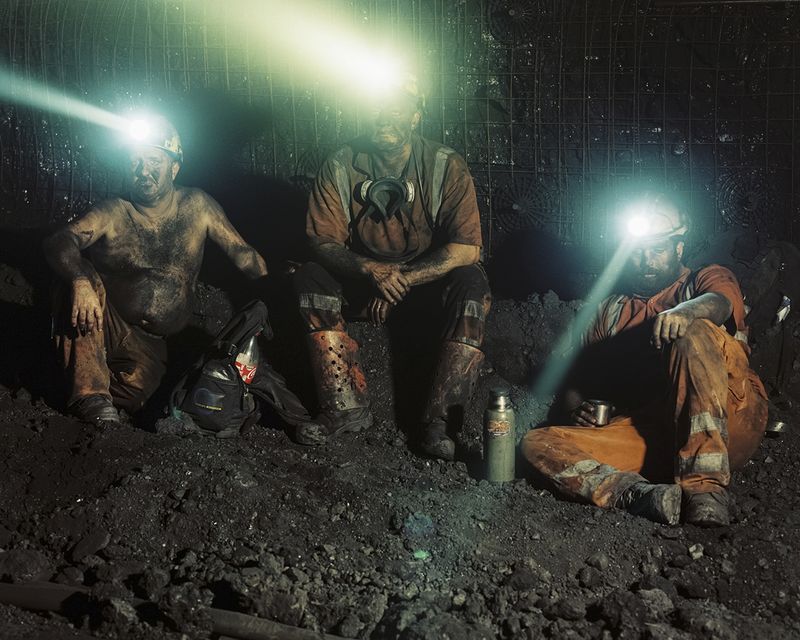
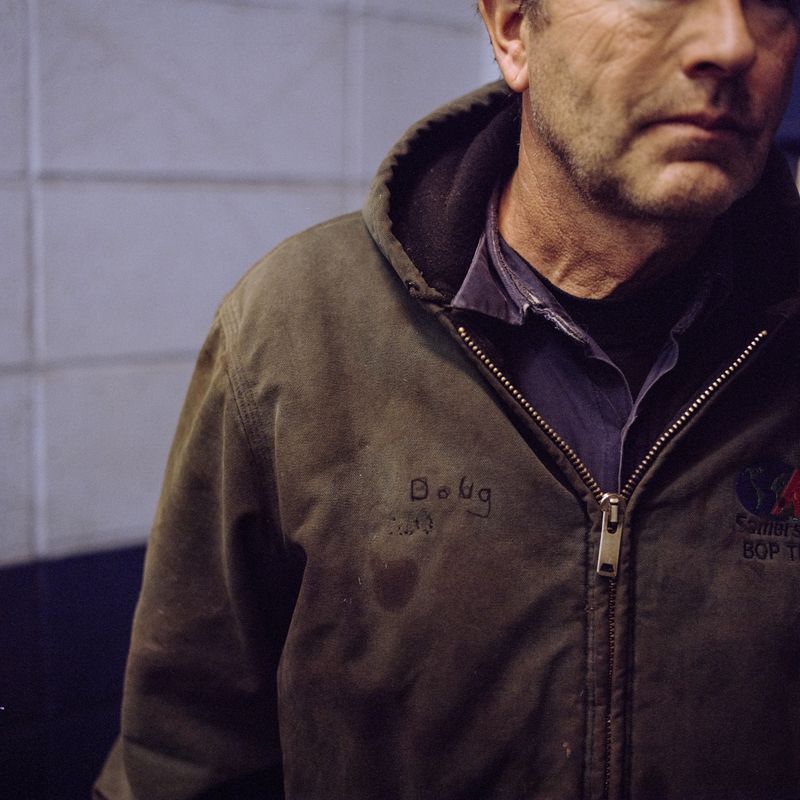
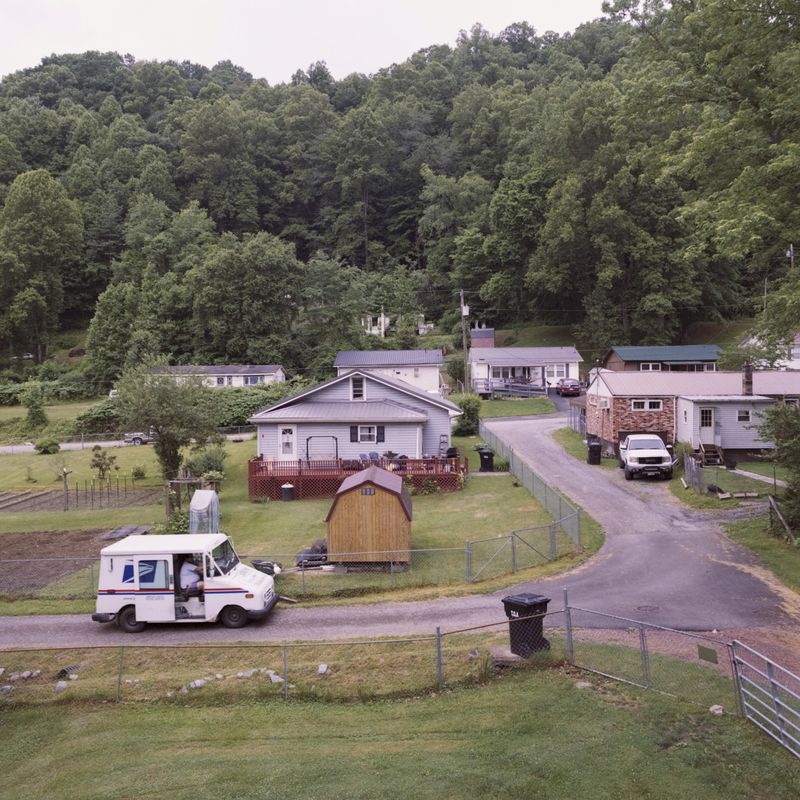
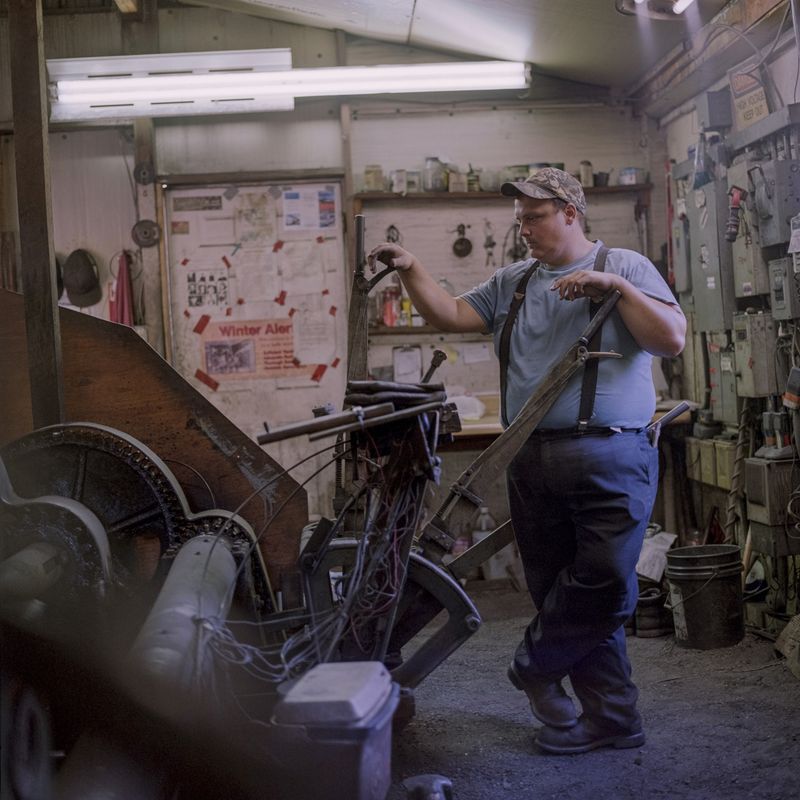
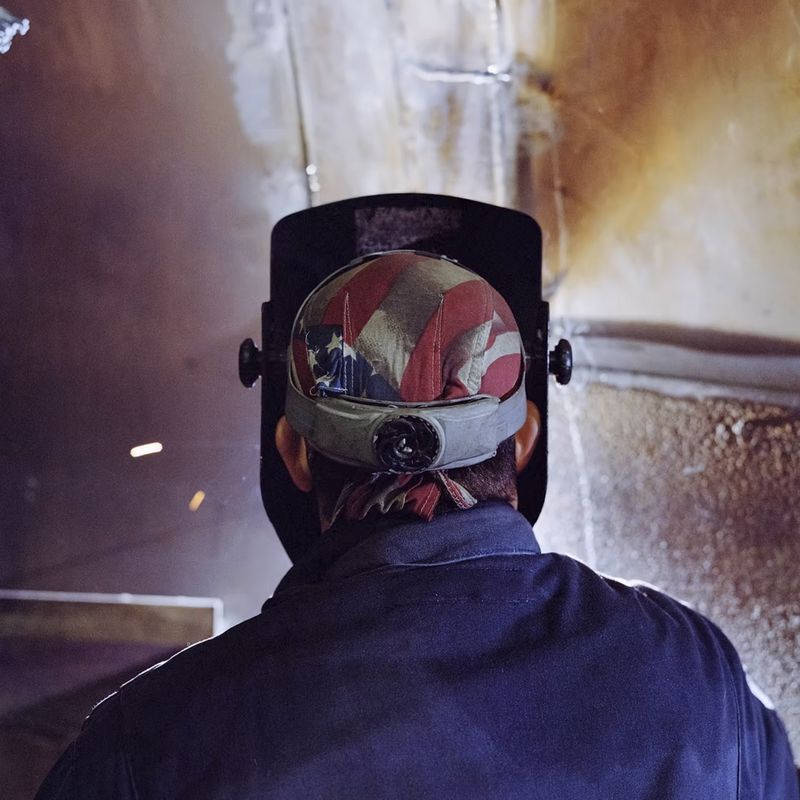
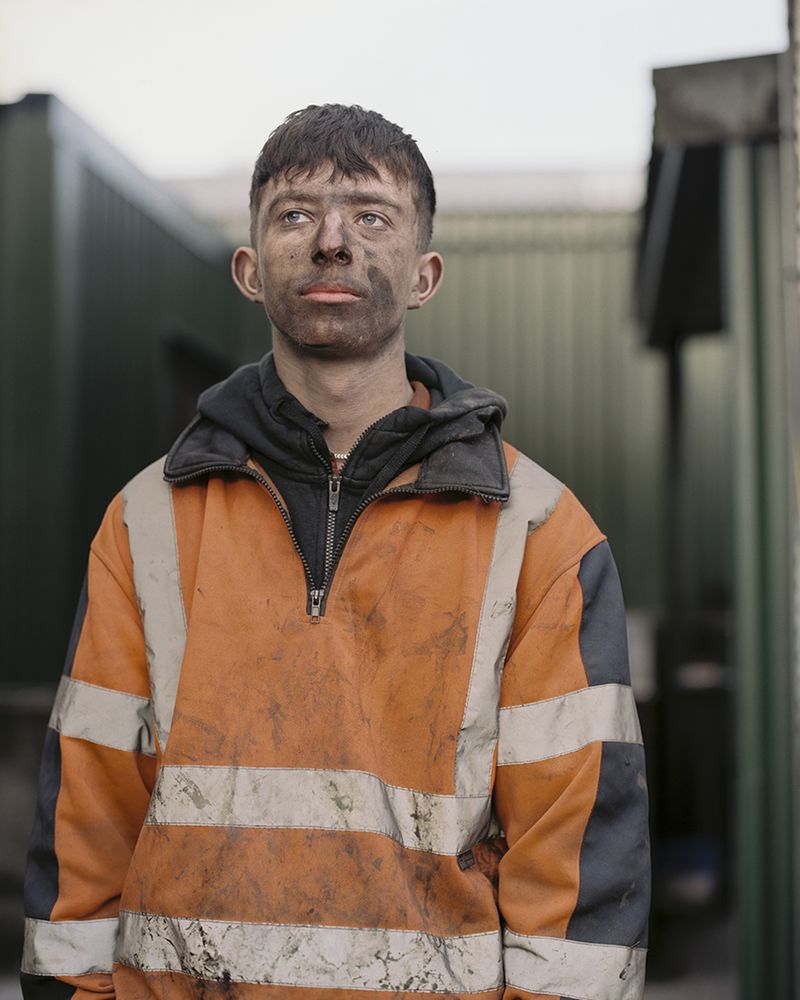
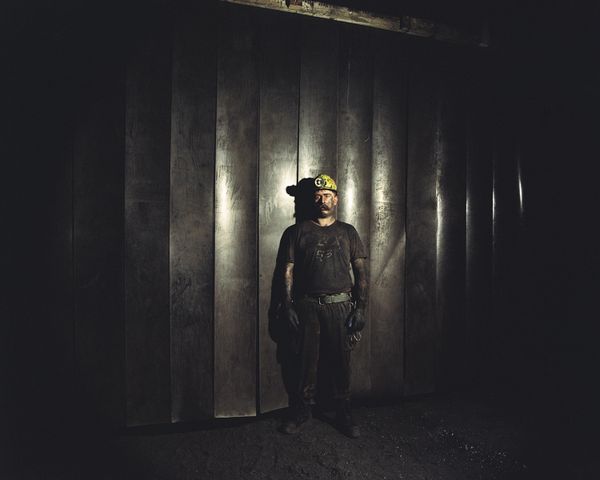
The Last Coal Mine is a long-term photographic and film project that investigates coal as a ongoing presence in the world, not a distant relic, but a force continuously shaping landscapes, labor, culture, and community. Through photography, moving image, and recorded interviews, the work foregrounds the voices and experiences of those who have lived with coal’s complex legacy: miners, families, and towns navigating the collapse and transformation of local economies and ways of life.
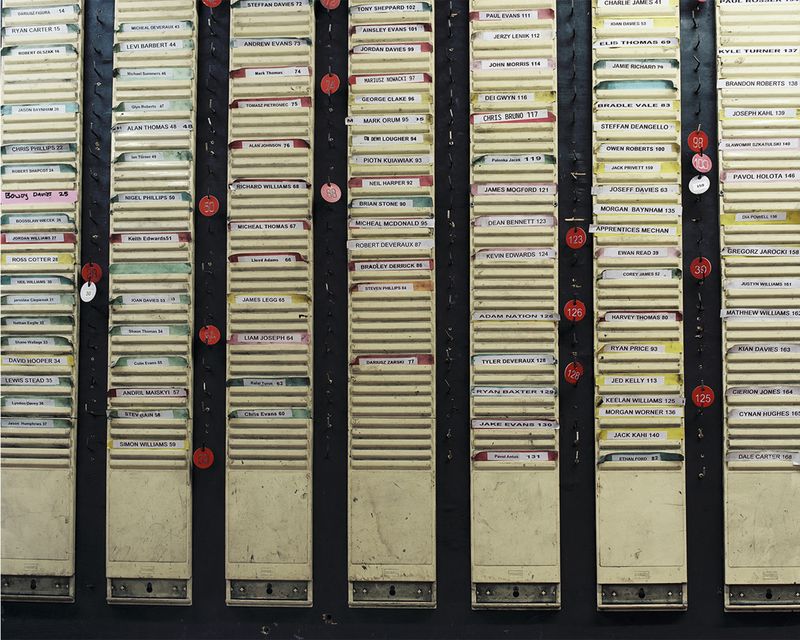
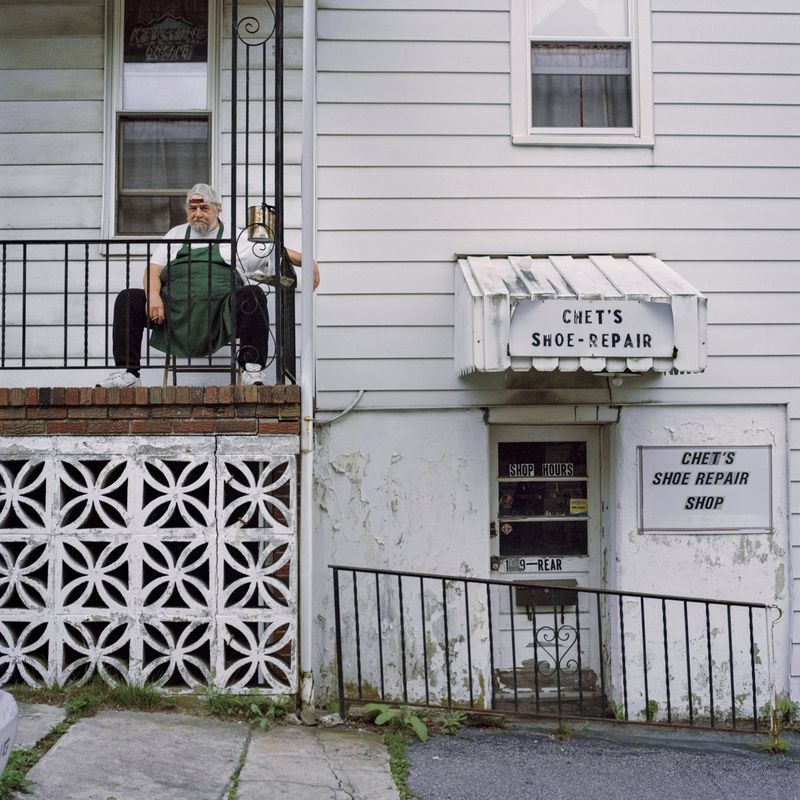
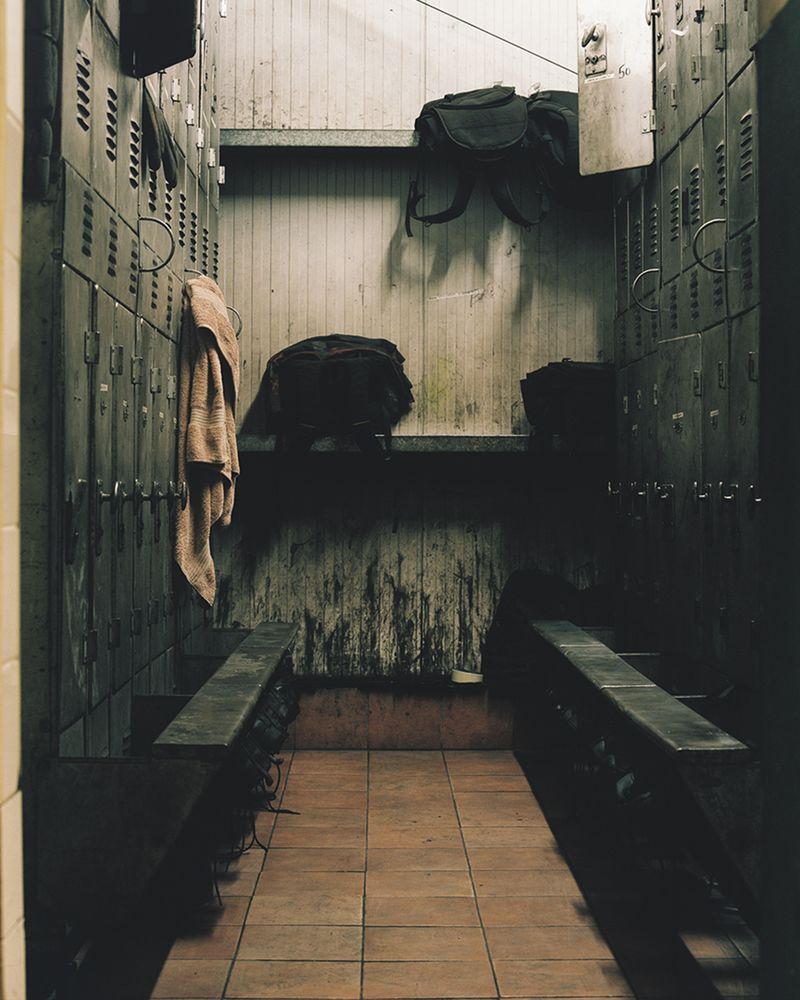
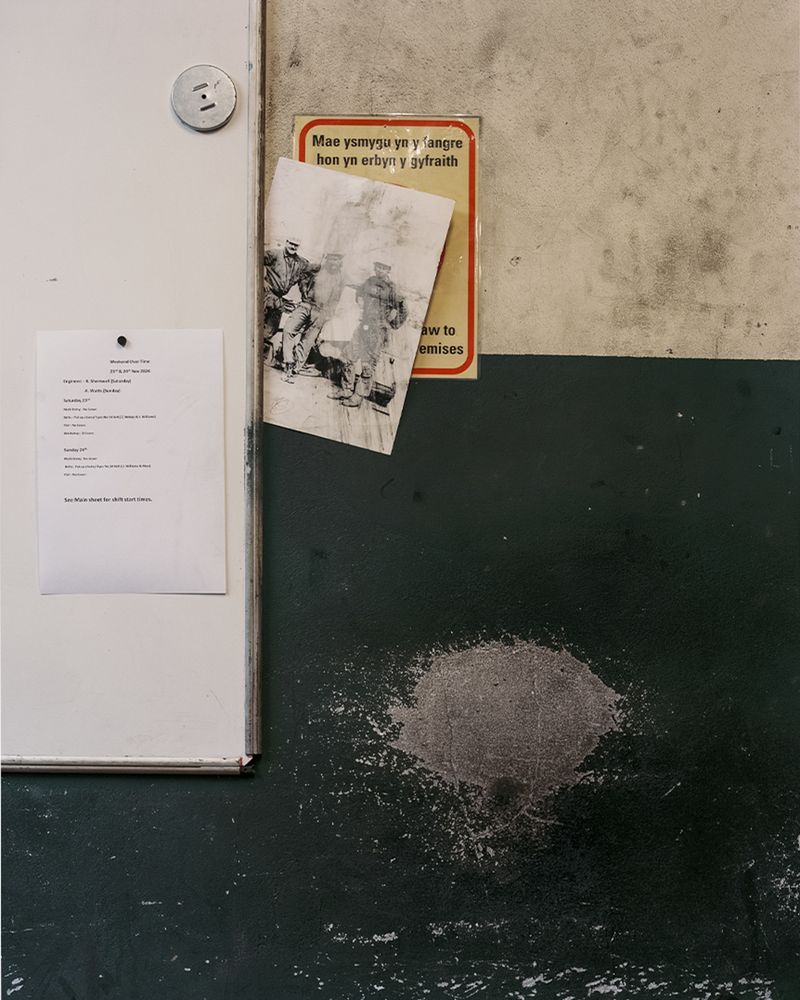
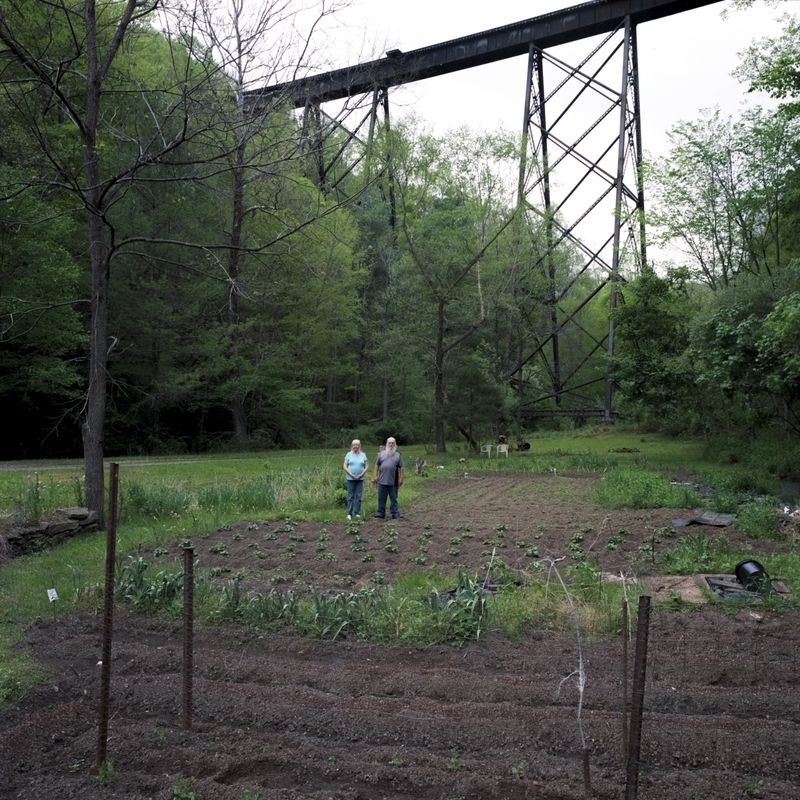
The project spans multiple chapters, each rooted in distinct coal-impacted regions, from the dwindling anthracite mines of Pennsylvania, where just a few operations remain of a once massive industry, to the last coal mine in Wales, where high-grade anthracite finds new markets even as traditional combustion demand dwindles. These bodies of work foreground the people, machinery, and environments shaped by extraction, and document how communities persist, adapt, or unravel amid industrial stagnation and change.
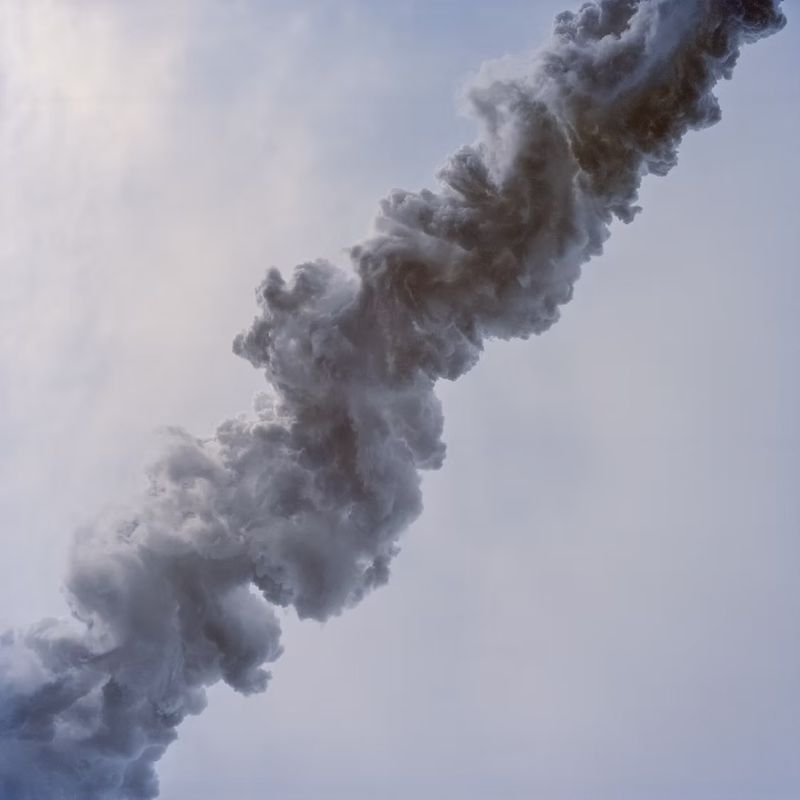
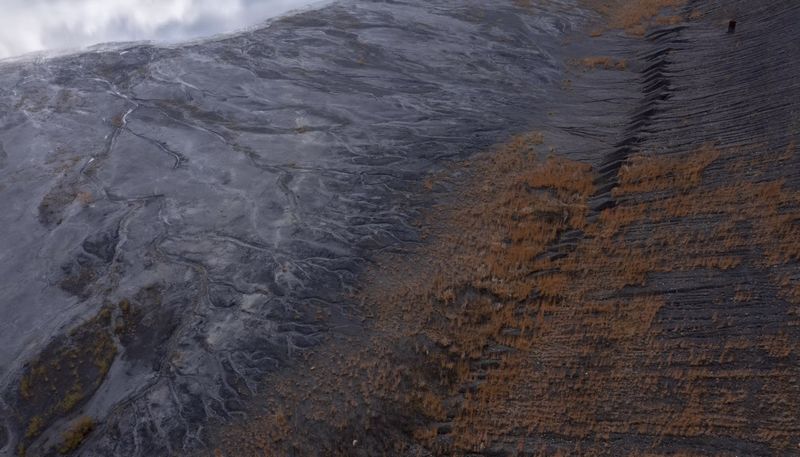
The project engages with the realities of mine closures and the socio-economic impacts that follow: layoffs and bankruptcies, the physical and environmental legacies of extraction, and the fraught negotiations over future uses of post-industrial sites. It situates these stories within broader conversations about union history, worker rights, and just transitions, acknowledging coal mining’s fraught labor legacy while documenting contemporary voices negotiating energy transitions and economic reinvention.
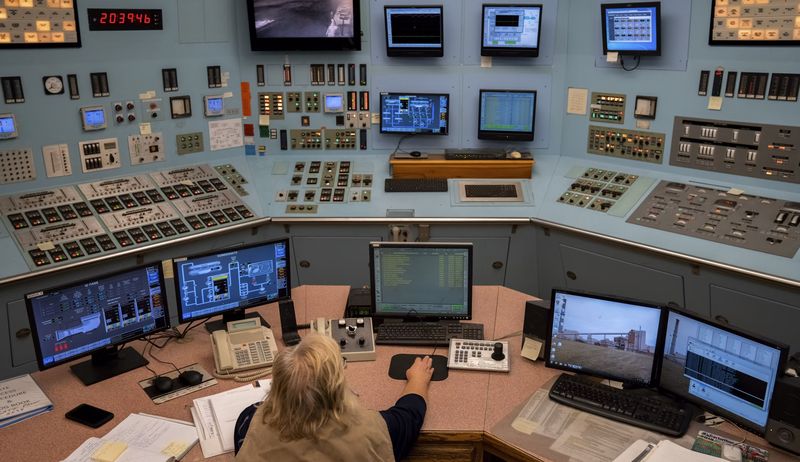
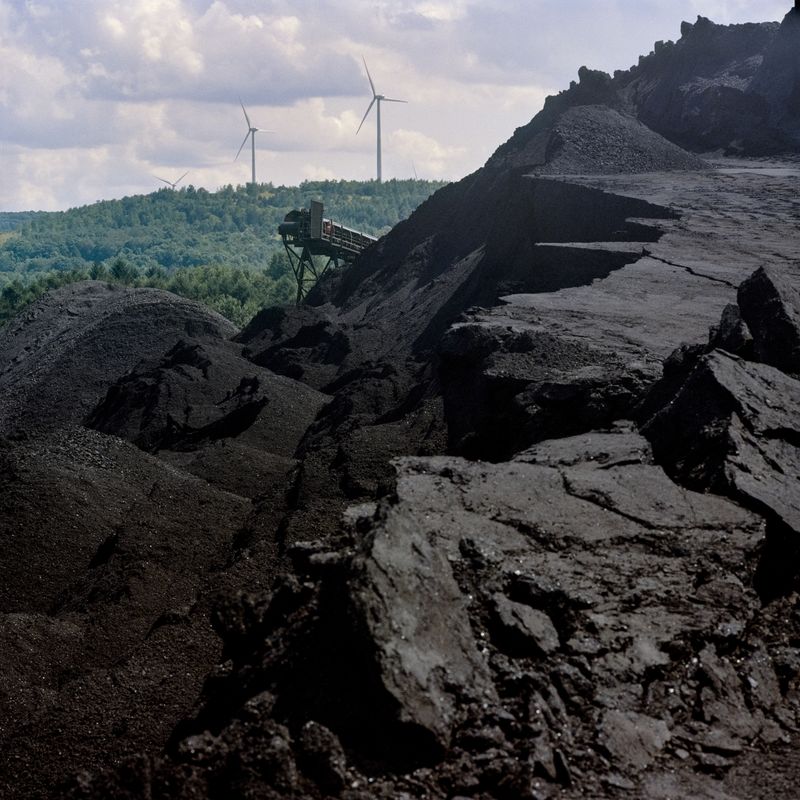
The Last Coal Mine weaves personal narrative with structural change. Interviews capture miners wrestling with the end of long careers, communities confronting environmental degradation and economic uncertainty, and individuals navigating what it means to adapt as the industry that defined their towns recedes. The work also observes sites of transition, former coal facilities repurposed for renewable energy, technology, or redevelopment, reflecting the tensions between loss, resilience, and the realities of an evolving energy future.
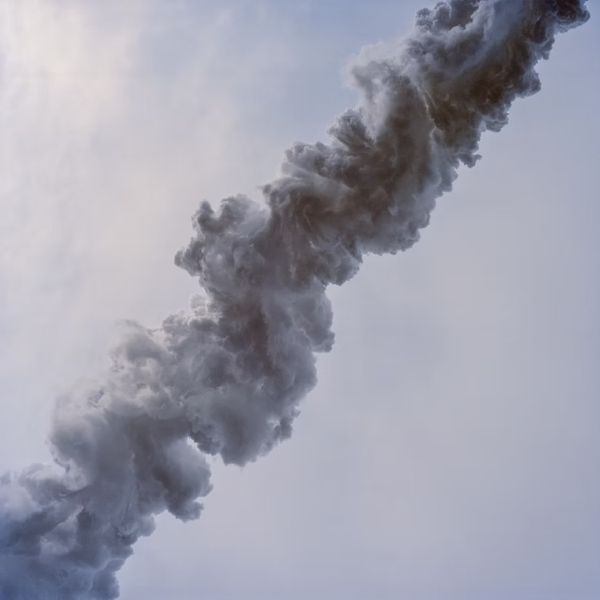
Ultimately, the project is a visual chronicle of extraction, endurance, and change, revealing how coalfields around the world have been shaped by industry, how they continue to grapple with closure and transition, and how people narrate their own histories amid these forces.