The Last Butterflies
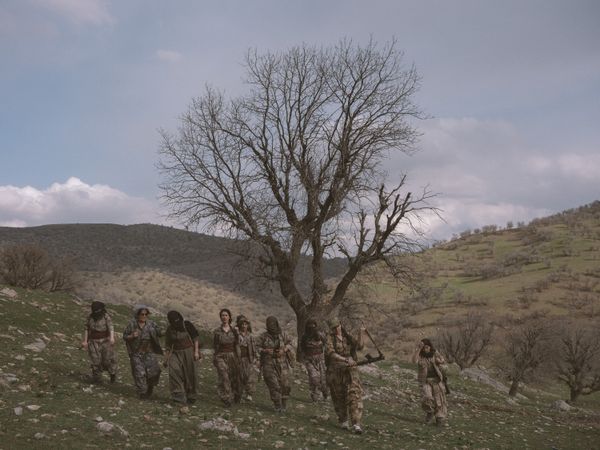
Female HPJ guerrillas of PJAK from Iran carry the struggle after the PKK ceasefire. They fight for freedom, Haqiqat, and women’s liberation, blending armed resistance with solidarity, gender equality, and Kurdish cultural preservation.

The Last Butterflies
Three butterflies see a fire from afar. The first reaches it and returns, saying it is light. The second comes back, saying it is warm. The third flies closer and dissolves into the flames, never returning. To reach truth, one must sacrifice.

For these female Kurdish guerrillas, this parable reflects their struggle. Most are from Kurdish regions of Iran and belong to the Kurdistan Free Life Party (PJAK), with the Women’s Protection Forces (HPJ) forming an all-female unit. They describe themselves as the third butterfly — the last butterflies — ready to sacrifice for freedom and Haqiqat — truth. Their role is especially significant as the PKK has formally declared a ceasefire and begun dissolving its armed structures, leaving HPJ as one of the few remaining armed forces committed to the Kurdish struggle.

As tensions in the region grow, some fighters remain on standby in hidden border caves while others operate inside Iranian territory. Many took part in the Women, Life, Freedom uprising, and some are battle-hardened veterans from fights against Islamic State in Syria and Iraq, including in Rojava.

Beyond combat, they dedicate themselves to promoting gender equality, ecological awareness, and the preservation of the Kurdish language, while teaching other women self-protection against oppression and assimilation. For them, every patrol, every training exercise, and every shared moment of solidarity is a step toward a future where their struggle may again be called upon.
© Valentina Sinis - Image from the The Last Butterflies photography project
i

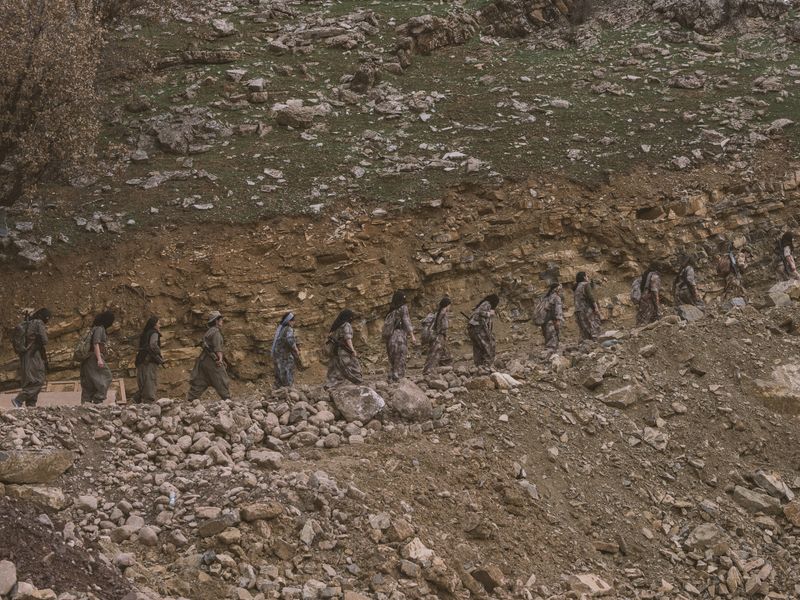
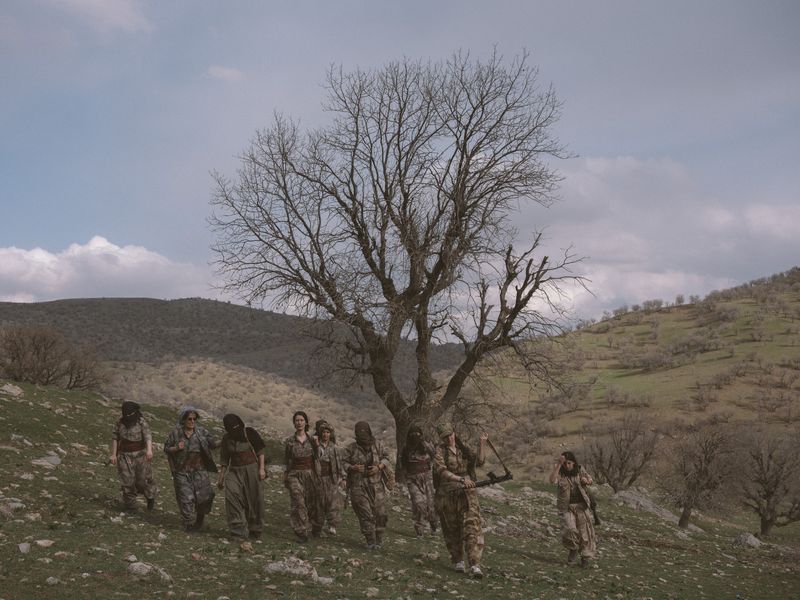
A group of haval — comrades — train in the mountains where their military bases are positioned. Most are from the Kurdish regions of Iran and belong to the Kurdistan Free Life Party (PJAK). Within it, the Women’s Protection Forces (HPJ) forms an all-female fighting unit.

© Valentina Sinis - Image from the The Last Butterflies photography project
i

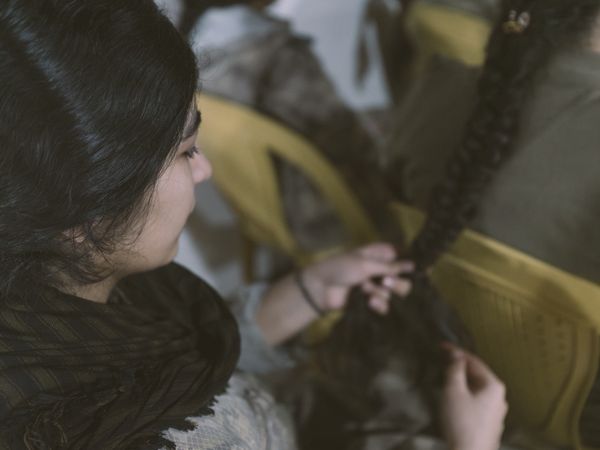
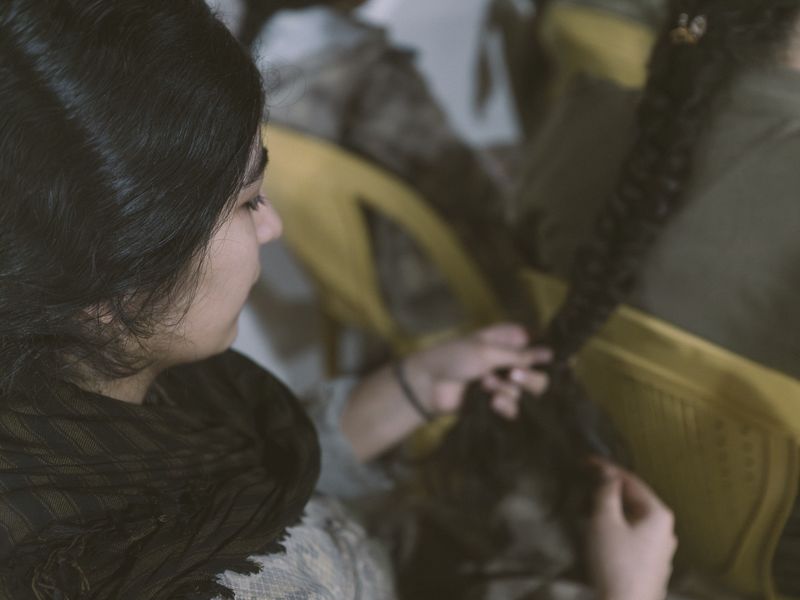
Haval Biseng — a comrade — braids another haval’s hair. Haval Biseng is a young haval from Rojhalat, who chose her name inspired by the previous Haval Biseng, an iconic figure in the Kurdish women’s movement. For her and her comrades, the braid (kezî) is a badge of honor, linking their fight in the mountains to the Women, Life, Freedom revolution in Iran.

© Valentina Sinis - Image from the The Last Butterflies photography project
i

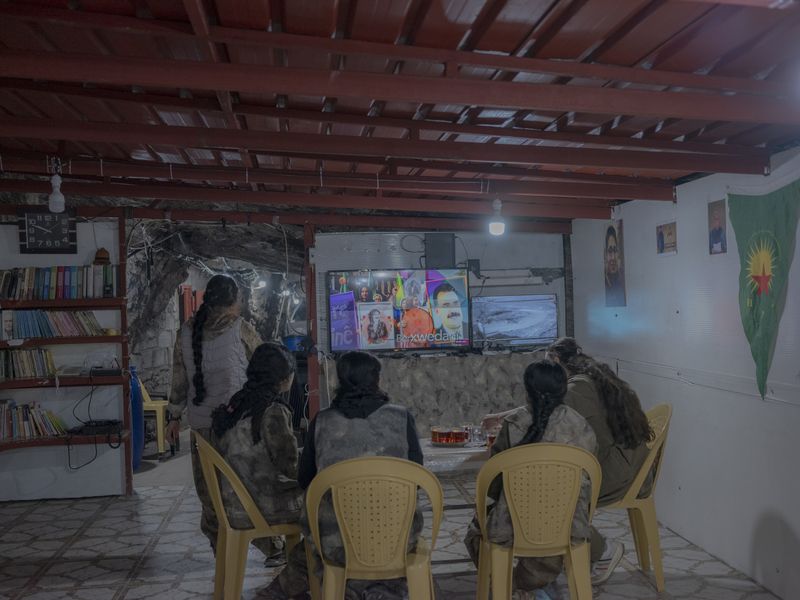
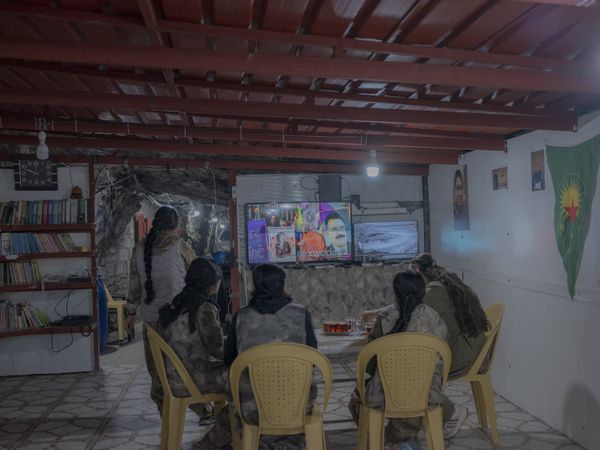
A moment of rest for the Women’s Protection Forces inside one of the caves. The havals — comrades — keep watch and follow news as the situation in Iran continues to unfold.

© Valentina Sinis - Image from the The Last Butterflies photography project
i

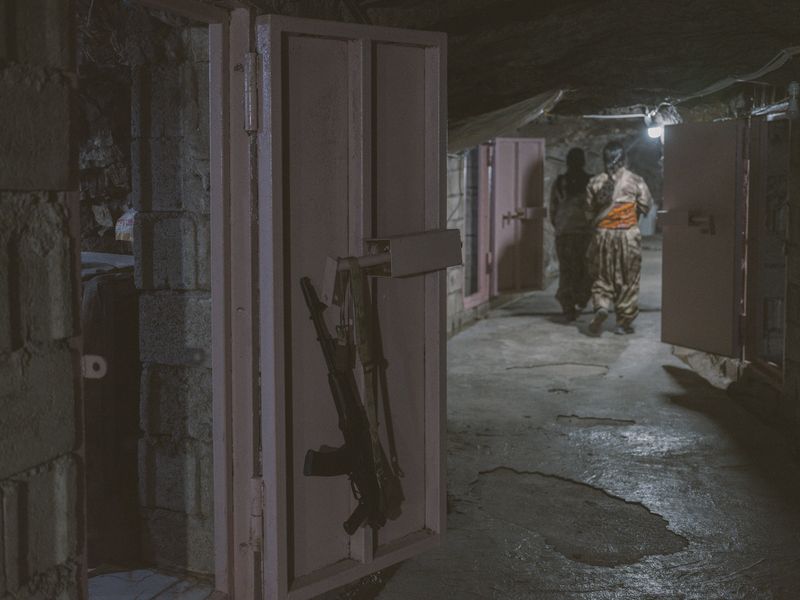
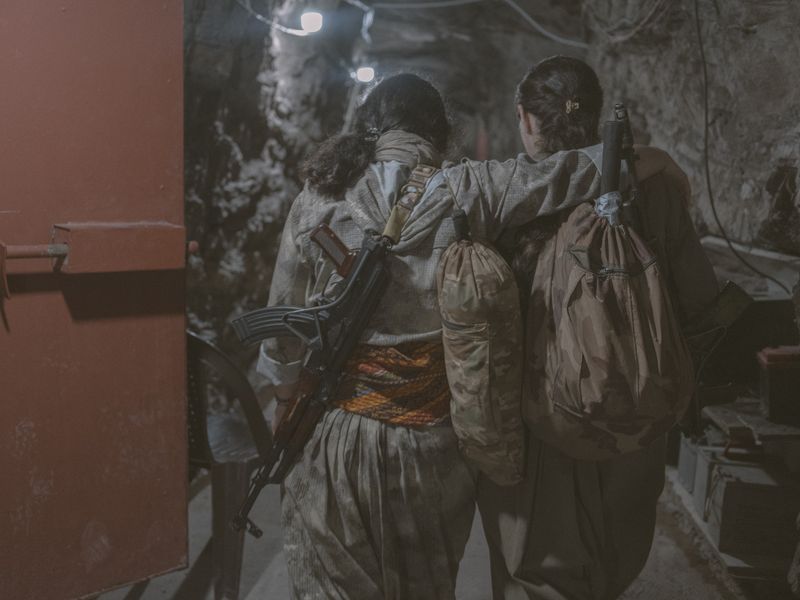
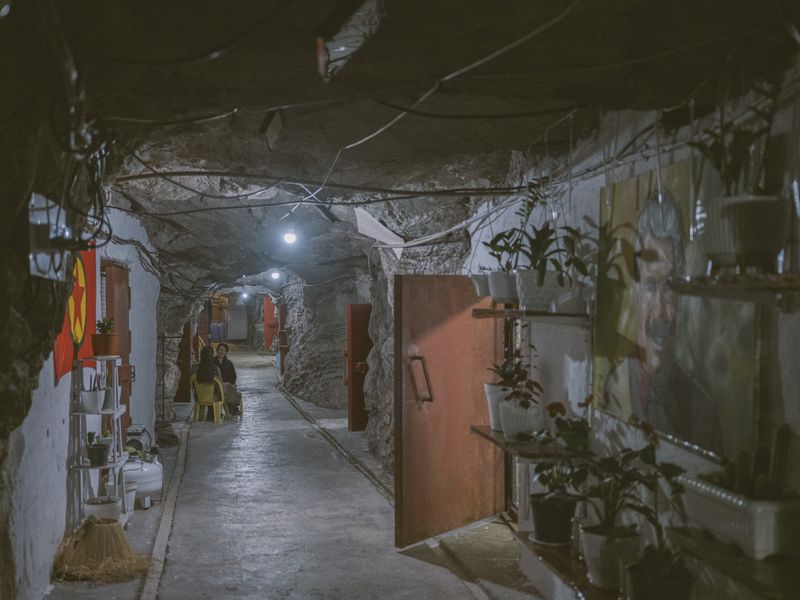
Havals— comrades — walk through the cave. This cave is used to host temporary guests before they are sent to other caves for military training, ideological study, or daily communal activities.

© Valentina Sinis - Image from the The Last Butterflies photography project
i

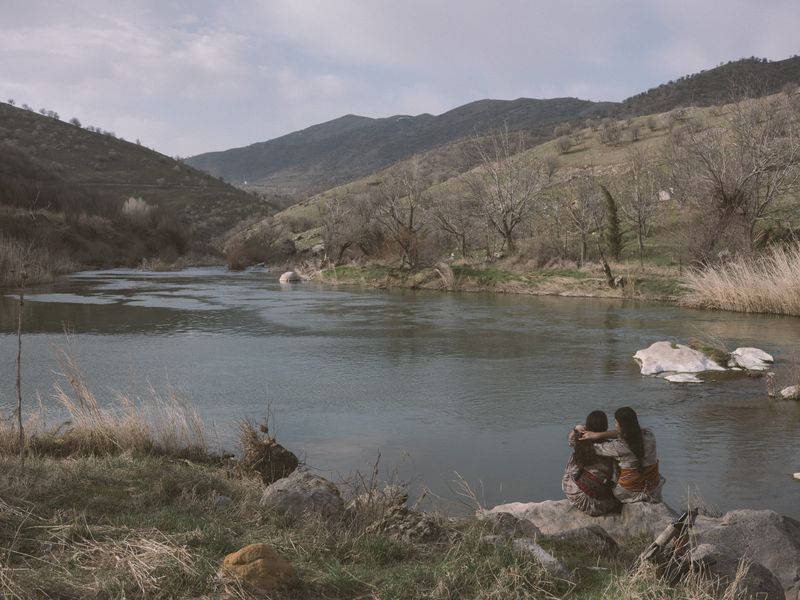
Two havals — comrades — take a break along the river between two caves. Most of the time, they walk between caves for three to four hours, avoiding main roads to remain unseen.

© Valentina Sinis - Image from the The Last Butterflies photography project
i

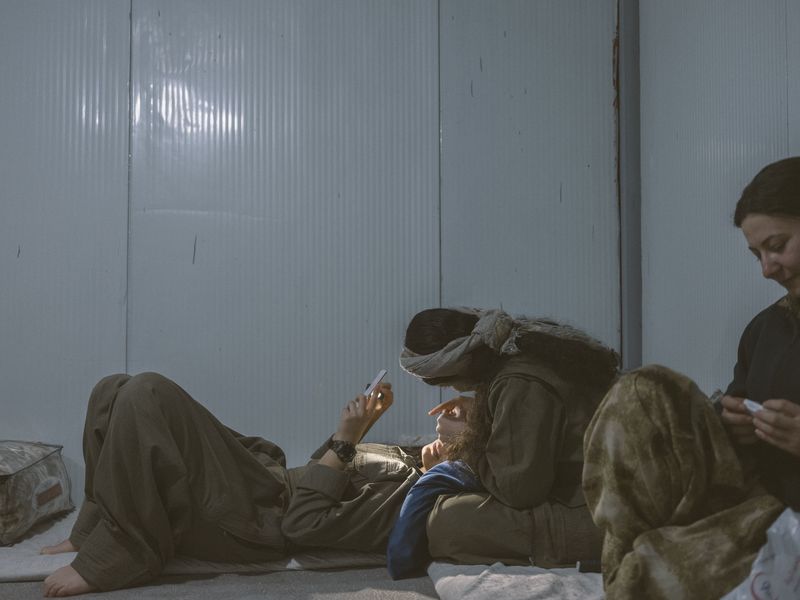
A moment of real intimacy between havals — these are women who genuinely feel communality in every gesture and shared breath. In their rhythms of daily life, care for one another is not just practical but deeply rooted in a collective ethic: cooking together, mending boots, braiding hair, sharing silence, and speaking openly about fears and hopes.

© Valentina Sinis - Image from the The Last Butterflies photography project
i

Haval Silav, 28, is a Kurdish woman from Bakur who grew up in Italy since she was four. Three years ago, after four years studying medicine, she left Italy and joined the Women’s Protection Forces (HPJ), inspired by the Jin, Jiyan, Azadî movement, to dedicate herself to the free Kurdish nation and women’s role in society.

© Valentina Sinis - Image from the The Last Butterflies photography project
i

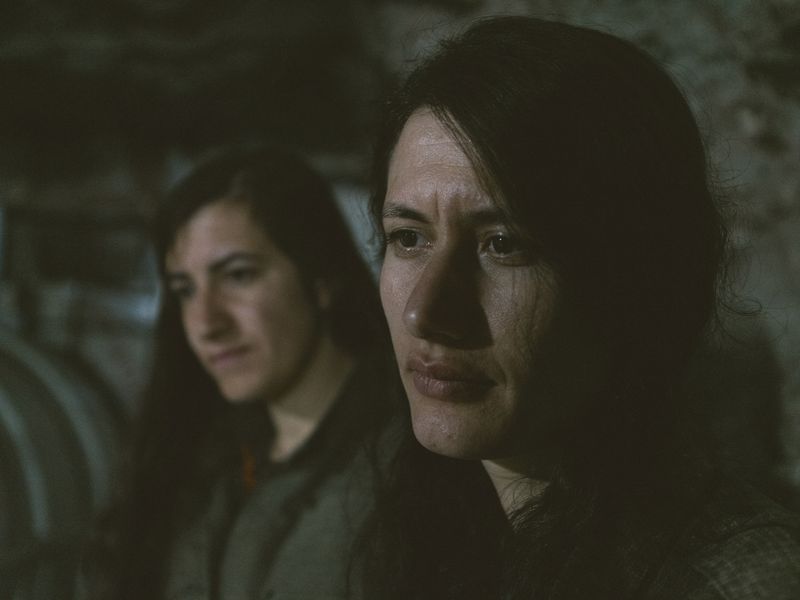
Haval Nuziyan (left) is from Bakur, and Haval Cekzin (right) is from Rojava. Both joined the Women’s Protection Forces (HPJ) to become women with free will. They draw strength from their friendship with fellow havals and from their engagement with Öcalan’s writings.

© Valentina Sinis - Image from the The Last Butterflies photography project
i

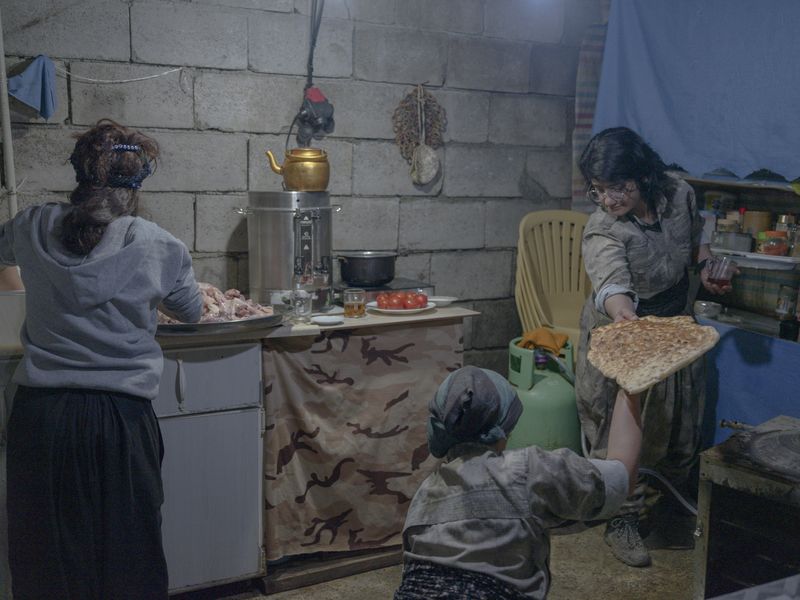
Havals bake bread and cook meals inside a small underground base. The HPJ live, study, and train militarily across caves, underground bases, and mountain peaks. They frequently change positions to practice different skills and to be able to operate in any situation.

© Valentina Sinis - Image from the The Last Butterflies photography project
i

Havals walk inside one of the caves. These women fight to dismantle the patriarchy, saying: “Before the rifle, fight yourself; before the war, fight in life.”They are women who come from different lives but feel united. They all insist that love is not about becoming a man’s slave.

© Valentina Sinis - Image from the The Last Butterflies photography project
i

A view of part of the cave, which houses a fully equipped hospital: dentist and X-ray rooms, doctors’ bedrooms, a surgery room, patient rooms, a kitchen and communal dining area, and baths for both HPJ women and male comrades.

© Valentina Sinis - Image from the The Last Butterflies photography project
i

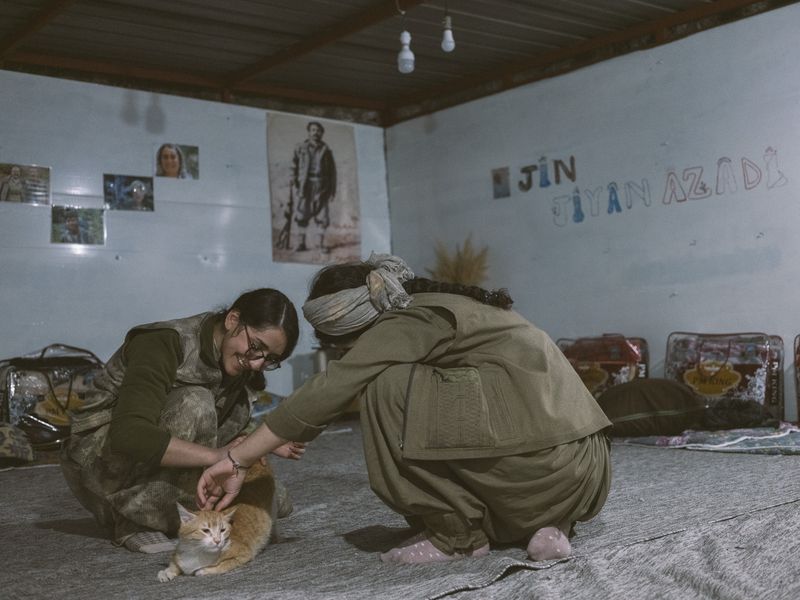
Haval Aryen plays with Haval Biseng and the cave’s cat. Aryen, 21, is from Rojhalat and joined the Women’s Protection Forces (HPJ) two years ago. She says she fights for her family and for the Kurdish people, who have long been oppressed, and that the only right they have is to die.

© Valentina Sinis - Image from the The Last Butterflies photography project
i

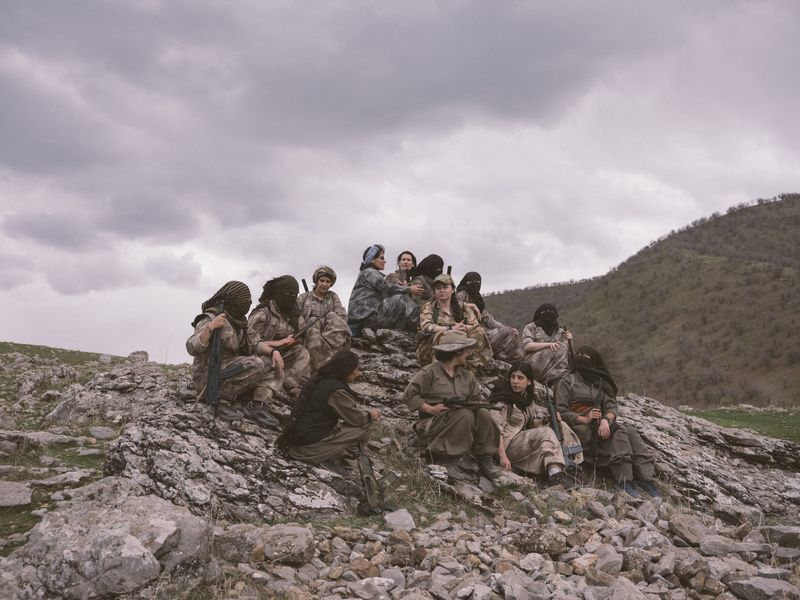
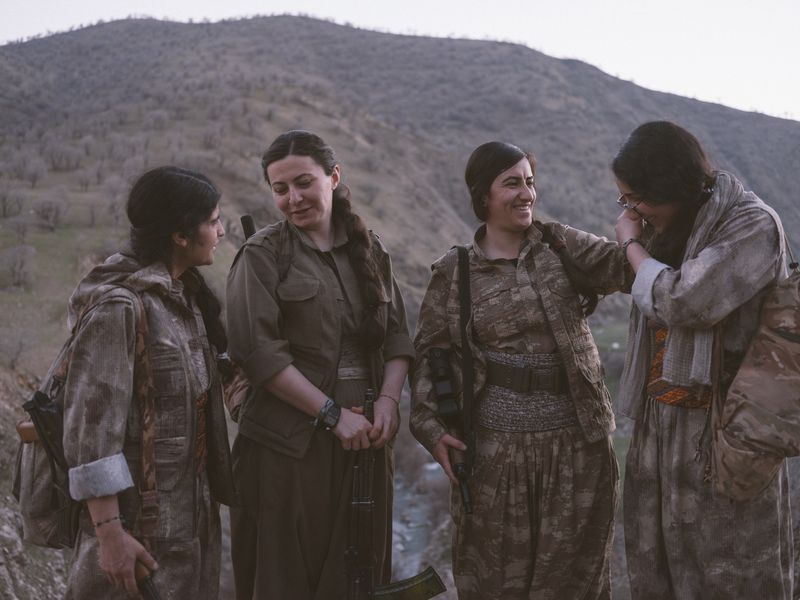
A group of havals rest and joke together, sharing intimacy after a long walk through the mountains where their secret bases are hidden. “We are the unstoppable cream of freedom. We are the third butterfly. We are ready to fight and sacrifice. We are ready to win a millennial war against the evil patriarchy, on behalf of all suppressed women, on behalf of all oppressed people.”

© Valentina Sinis - Image from the The Last Butterflies photography project
i

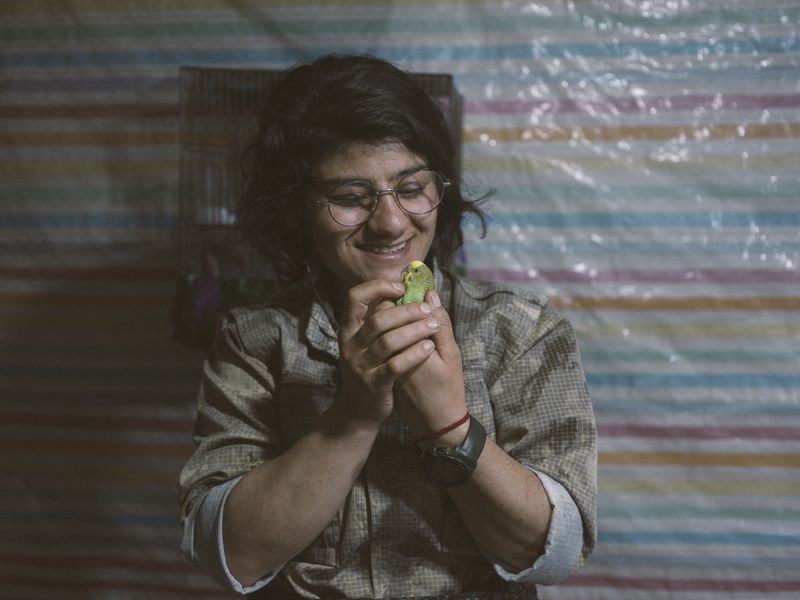
Haval Media plays with the bird in her underground base.She says she has suffered greatly for a fallen comrade and that the revolution feels more alive than ever now, especially because of the situation in Iran. The friendship between them always moves her deeply in a positive way.

© Valentina Sinis - Image from the The Last Butterflies photography project
i

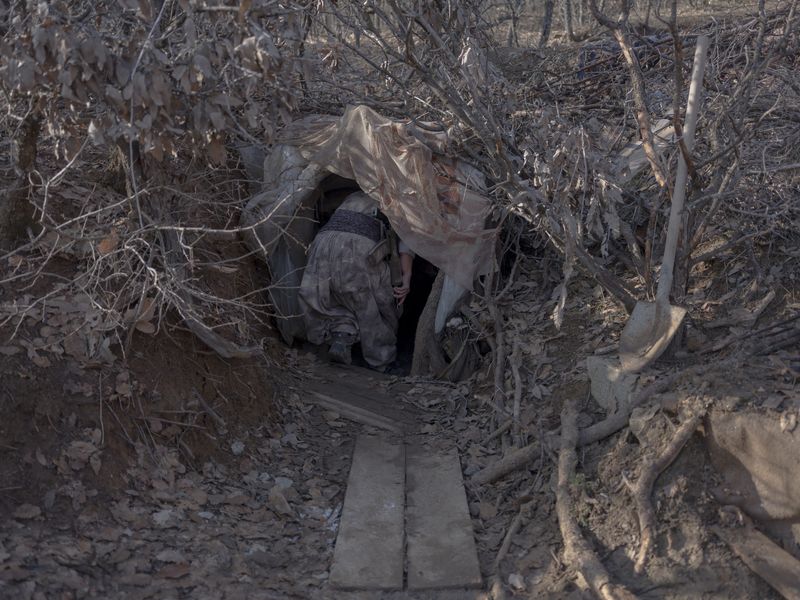
A haval enters one of the underground bases. Unlike the caves, these bases are built very quickly and are much more austere. When discovered by the enemy, they are immediately abandoned and left to collapse.

© Valentina Sinis - Image from the The Last Butterflies photography project
i

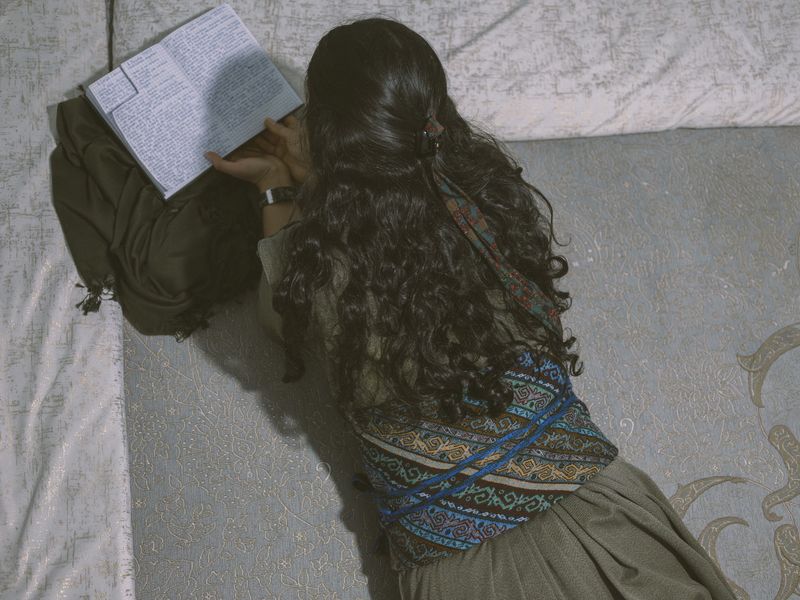
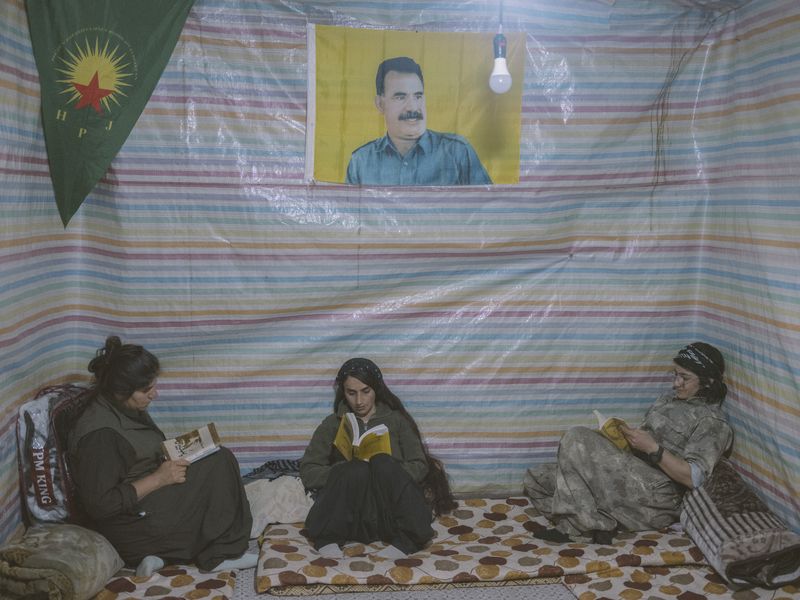
Havals read Öcalan’s books. All military training is always accompanied by ideological study based on his writings and the networks he established from prison. After the PKK’s ceasefire with Turkey, Öcalan has been able to communicate more with the party and, above all, to offer a more modern interpretation of his earlier ideas.

© Valentina Sinis - Image from the The Last Butterflies photography project
i

Three butterflies see a fire from afar. The first reaches it and returns, saying it is light. The second comes back, saying it is warm. The third flies closer and dissolves into it, never returning. To reach “the truth,” one must sacrifice.For these female Kurdish guerrillas, this is an analogy of their struggle, inspired by the philosophy of the imprisoned Abdullah Öcalan.

© Valentina Sinis - Image from the The Last Butterflies photography project
i

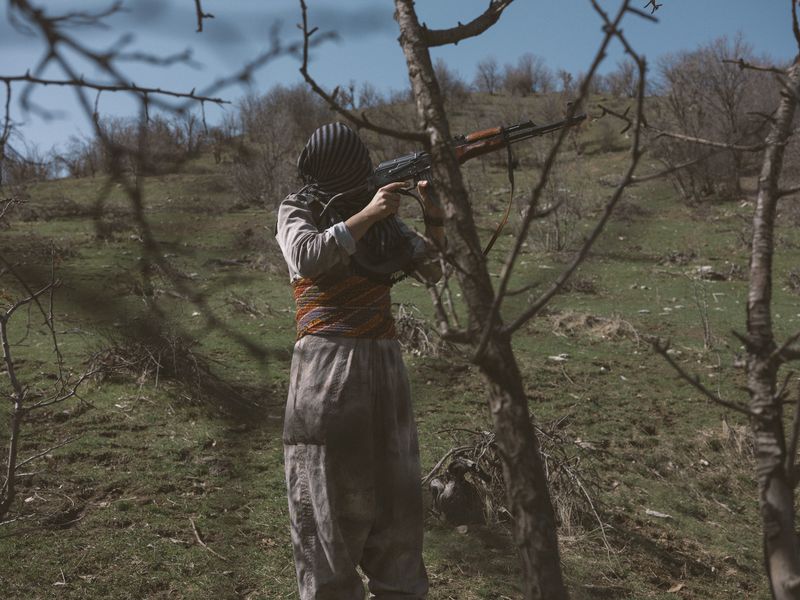
A fighter from a special unit, covering her face for security, is training as a sniper. She has completed sniper and drone training and is ready to enter Rojhalat if they send her.

© Valentina Sinis - Image from the The Last Butterflies photography project
i

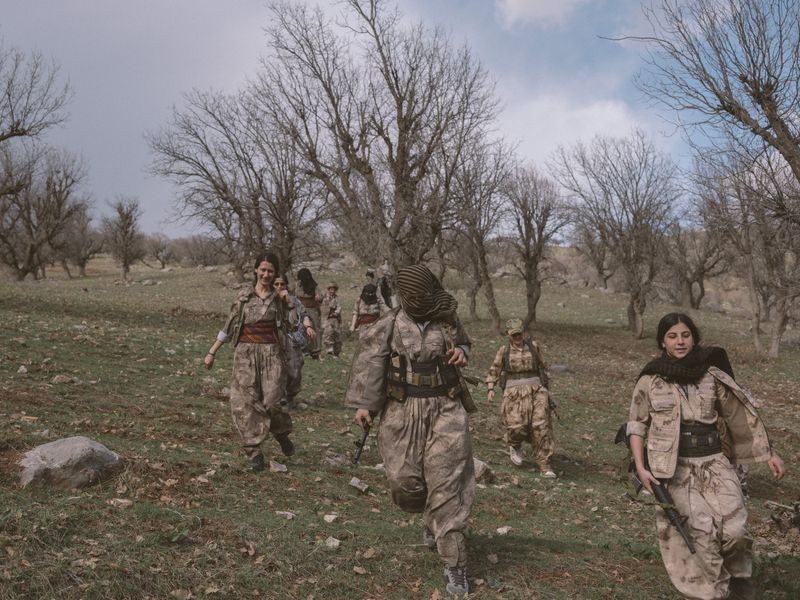
Female Kurdish guerrillas of the all-female HPJ run downhill, sharing a moment of freedom and joy. These women fighters laugh and have fun together, celebrating their solidarity, strength, and commitment to the cause, rooted in jineology — the Kurdish feminist ideology linking women’s liberation with social freedom and equality.

© Valentina Sinis - Image from the The Last Butterflies photography project
i

A group of HPJ women march along the mountain, their camouflage uniforms blending with the environment. Their pants, similar to men’s Kurdish trousers, also have a military purpose: to avoid detection by infrared from planes or drones.