The Feral Cat Friend of the Desert Fox
-
Dates2025 - Ongoing
-
Author
- Location Cantello, Italy
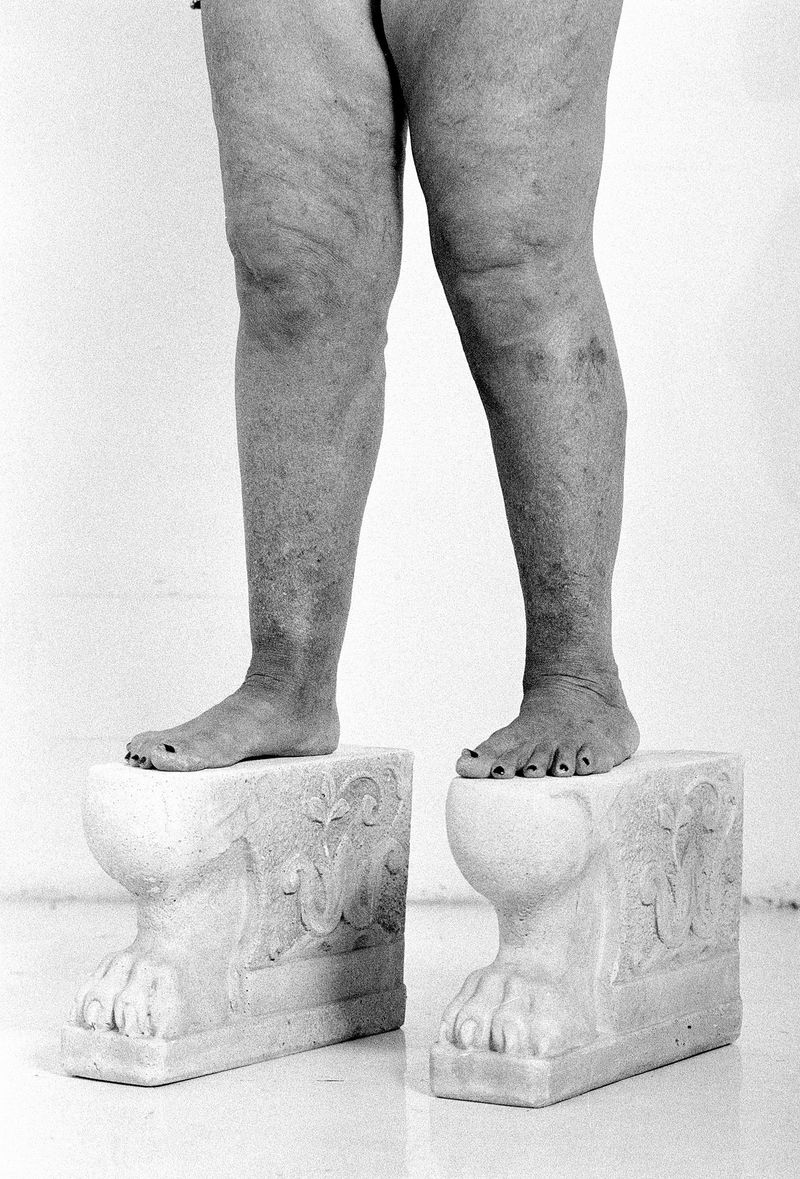
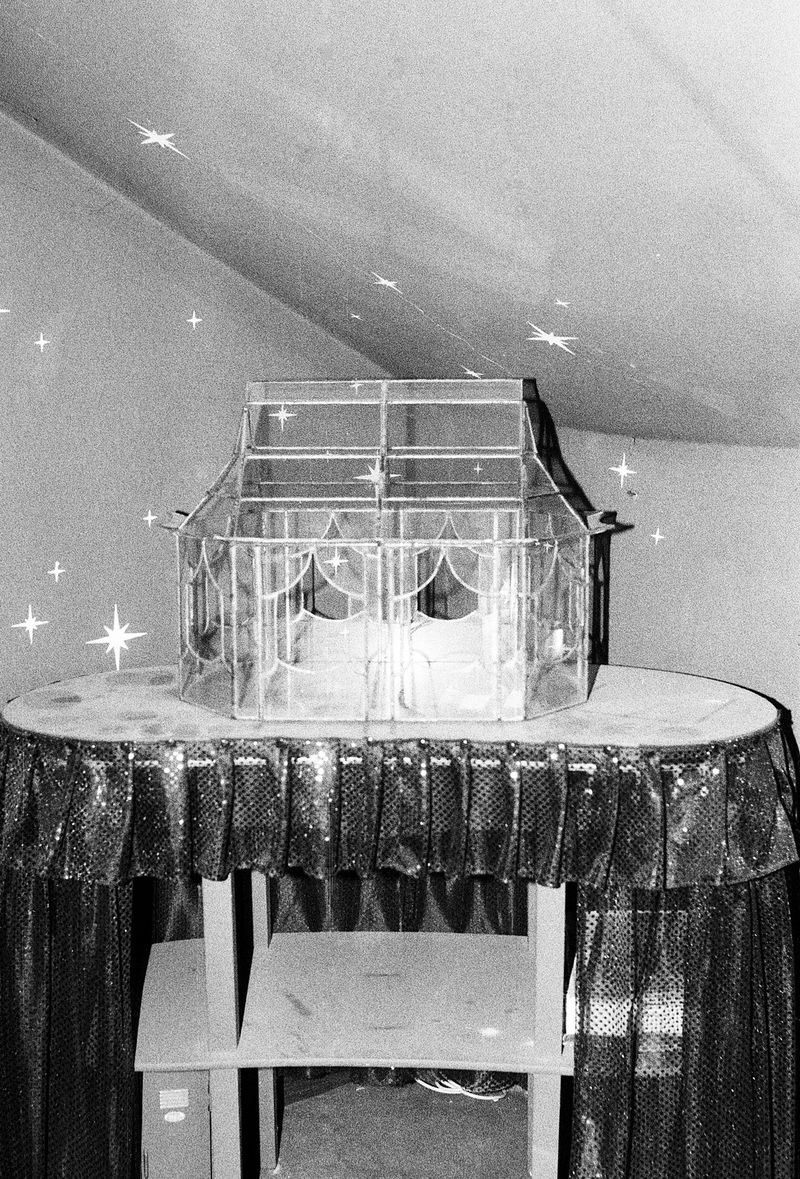
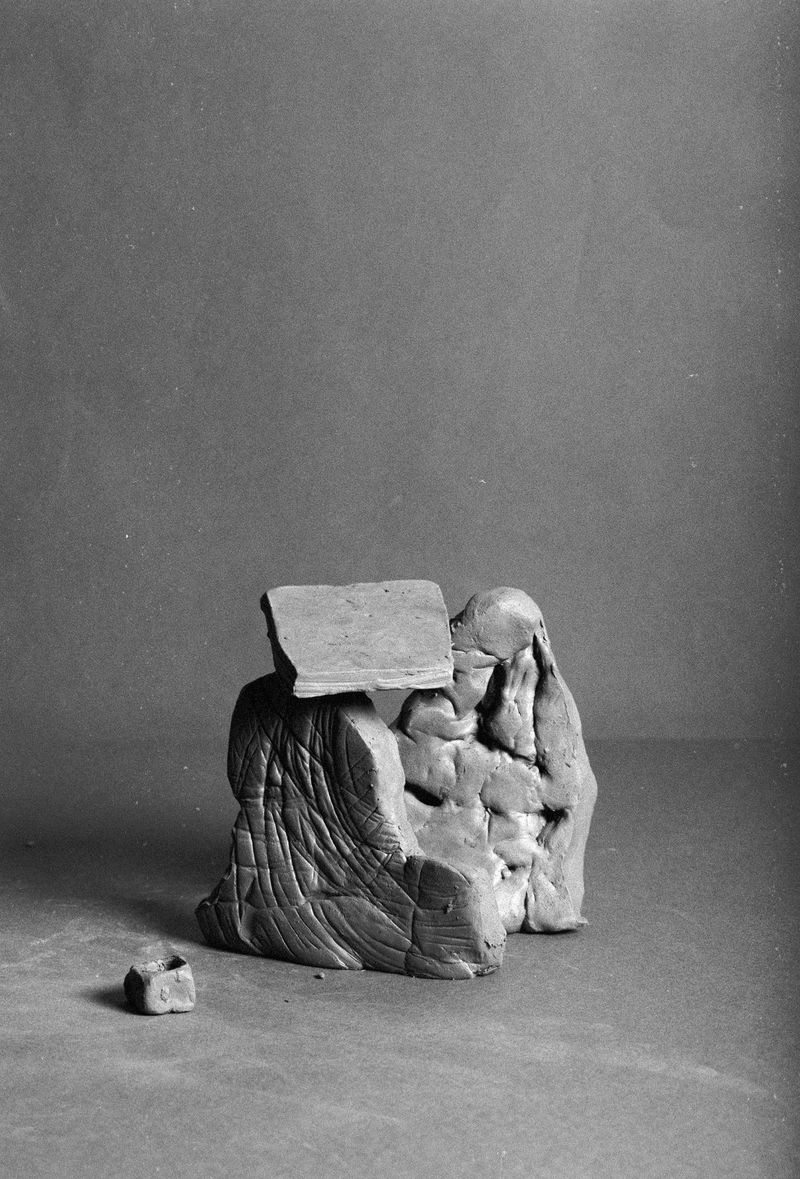
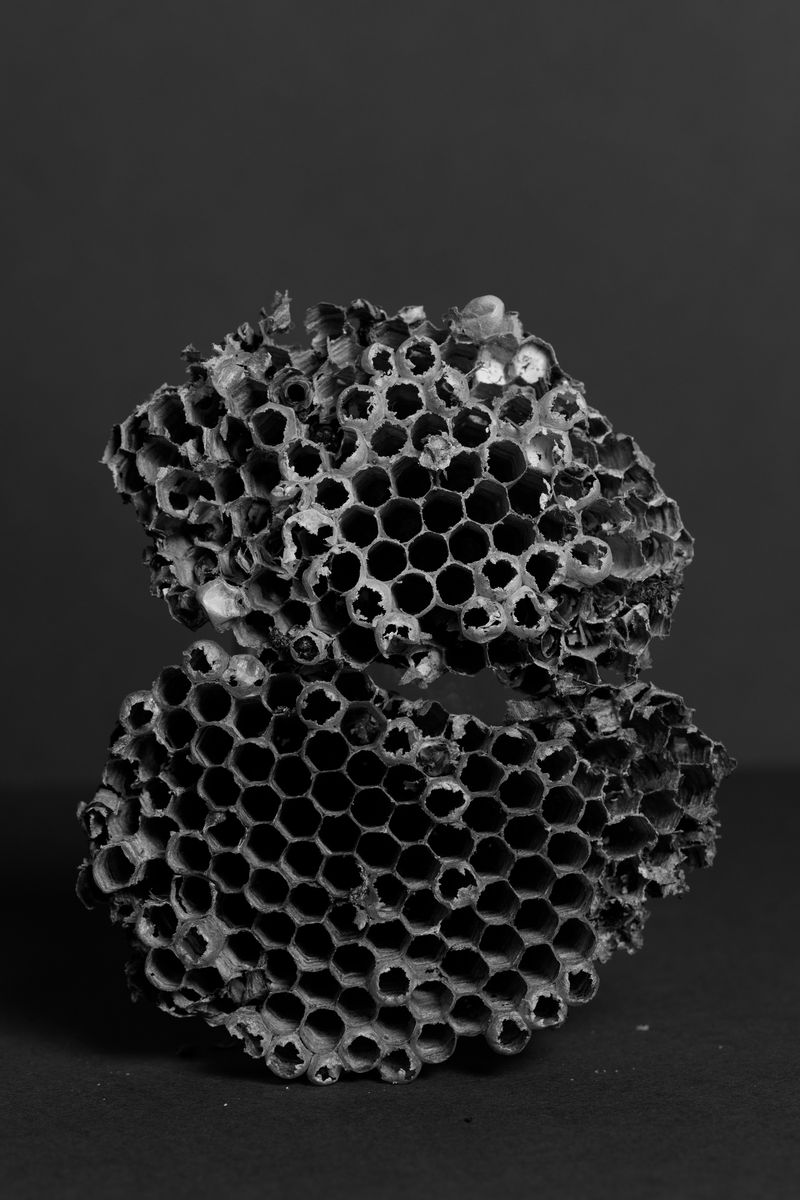
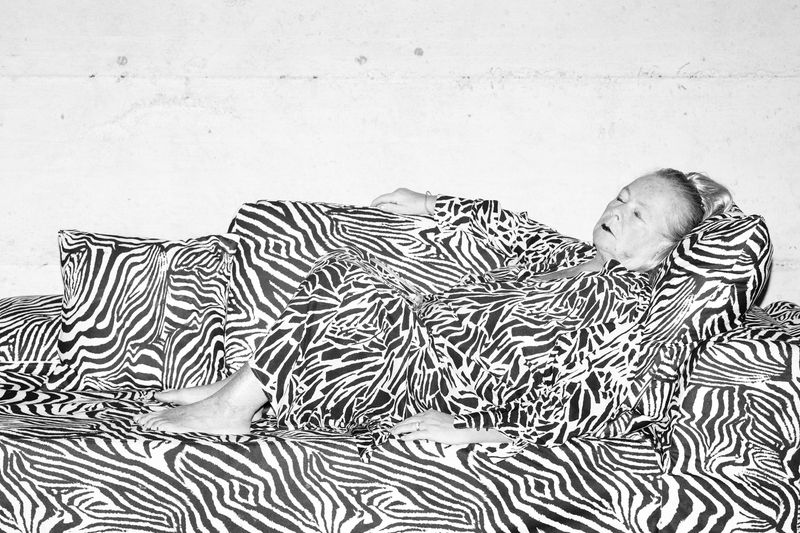
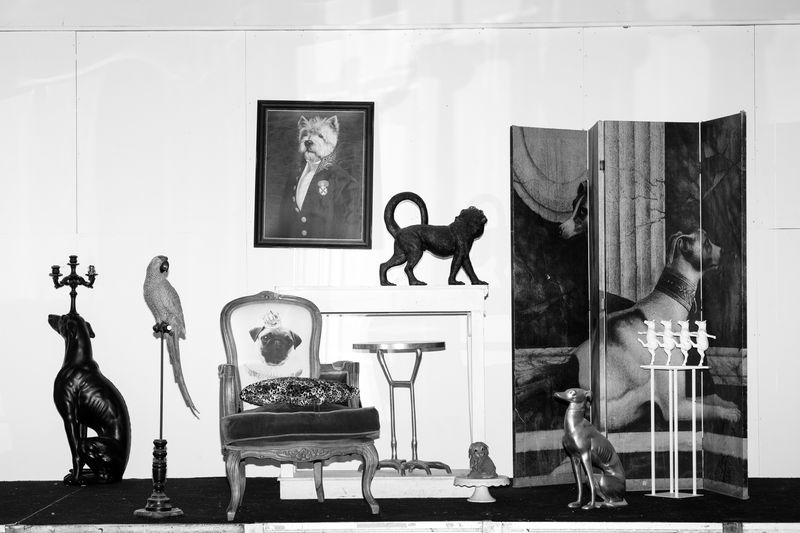
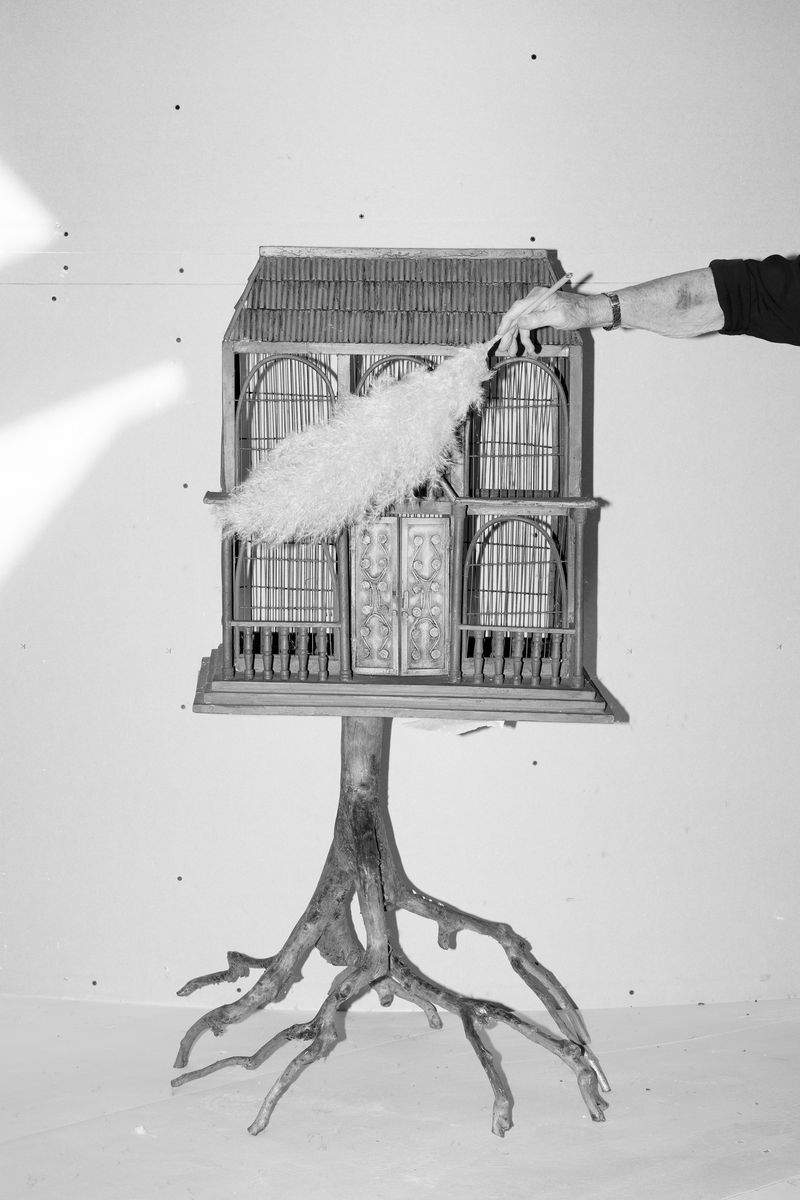
"The Feral Cat Friend of the Desert Fox" is a photographic exploration of home, family, and identity, where memory, animals, and inherited histories stage the complex ties between parent, child, and living space.
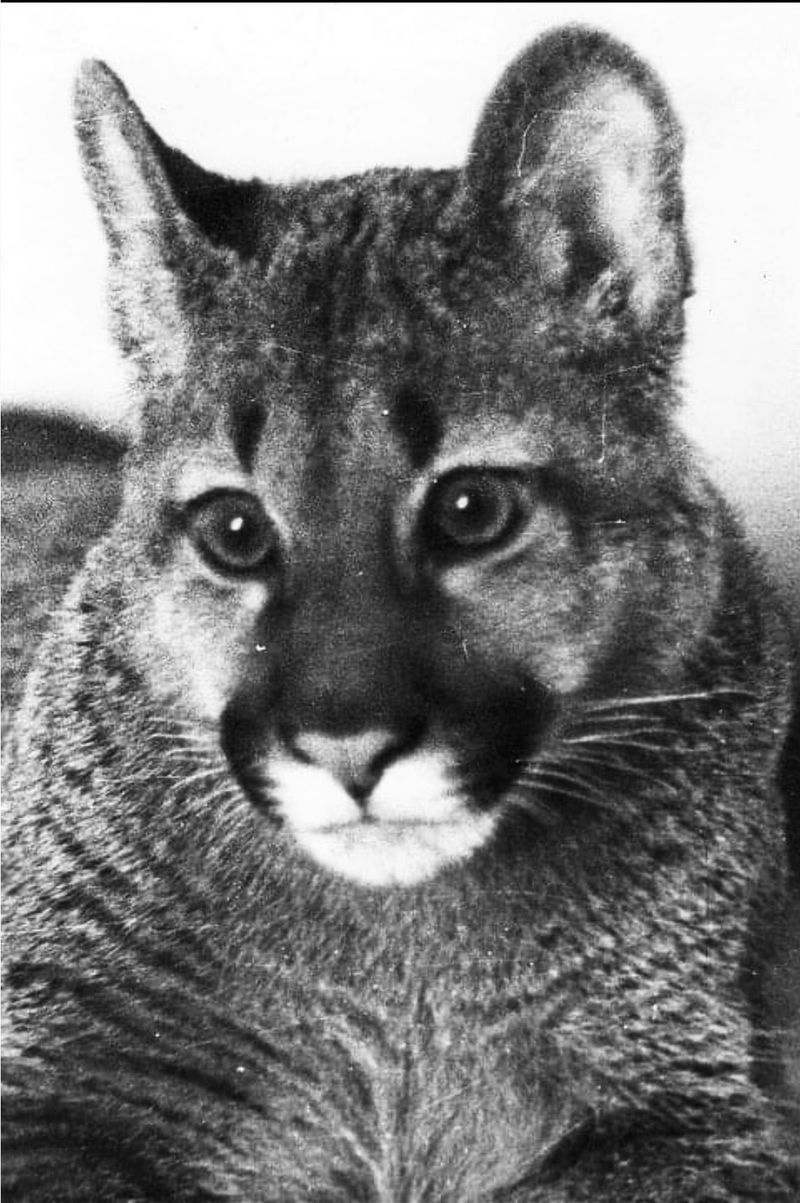
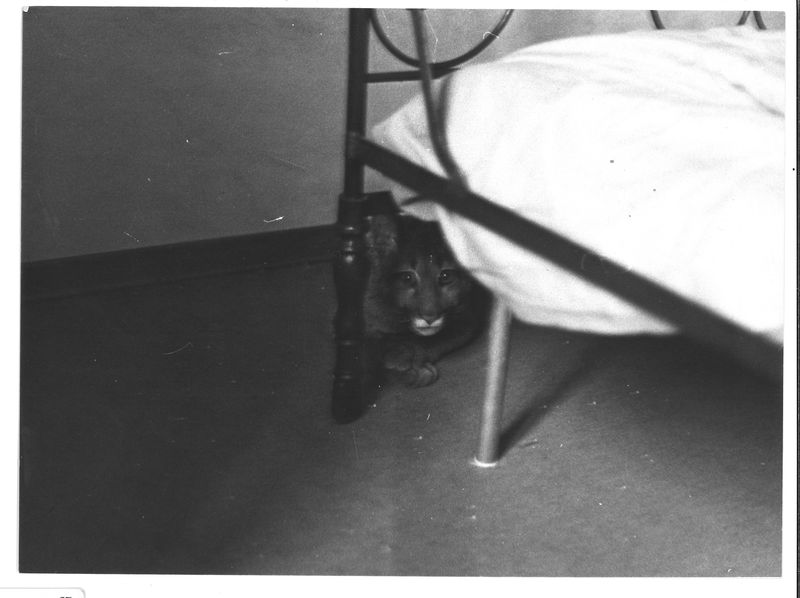
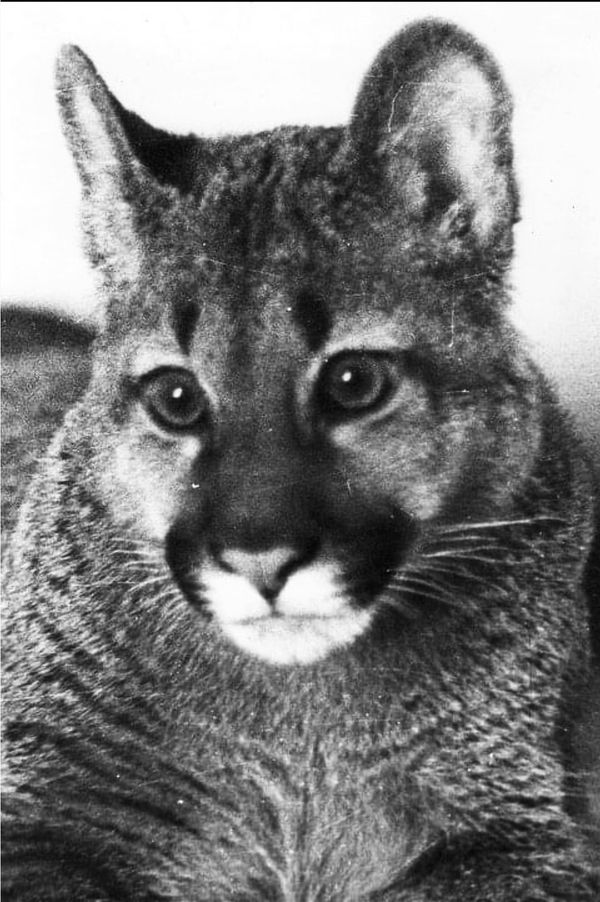
This project began as an investigation into my home and family, starting from an archive of photographs taken by my mother when she was my age — mostly images of animals.
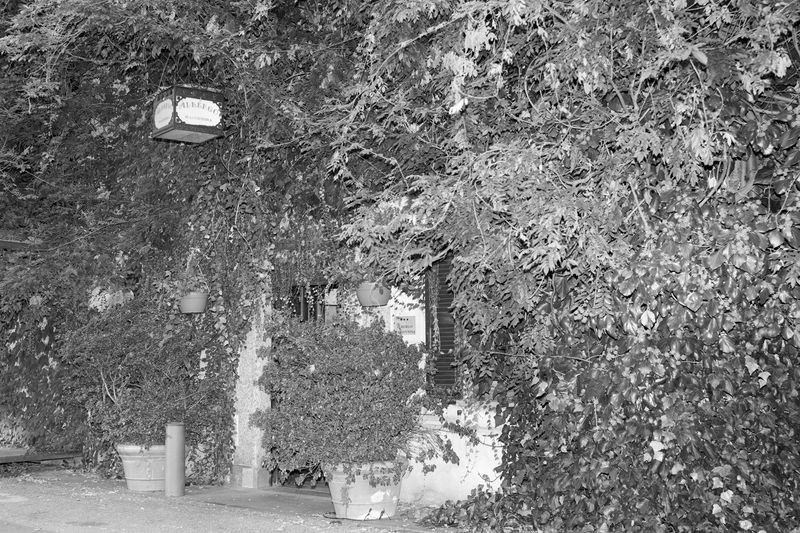
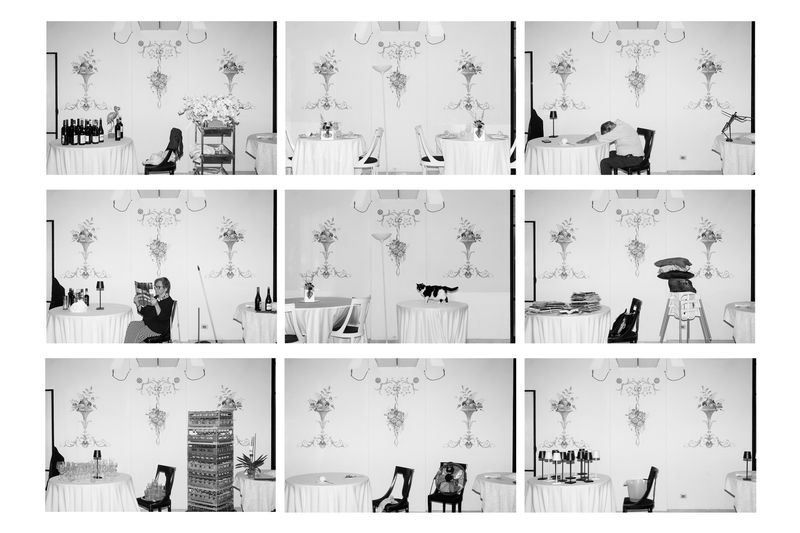
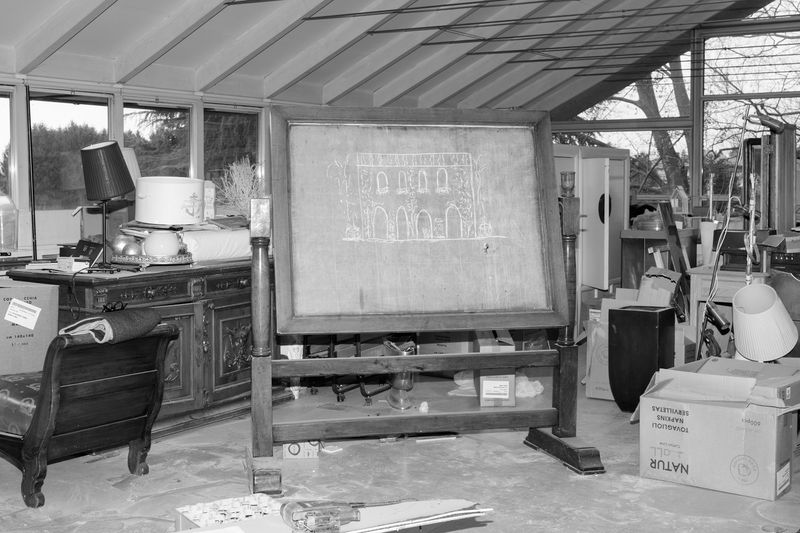
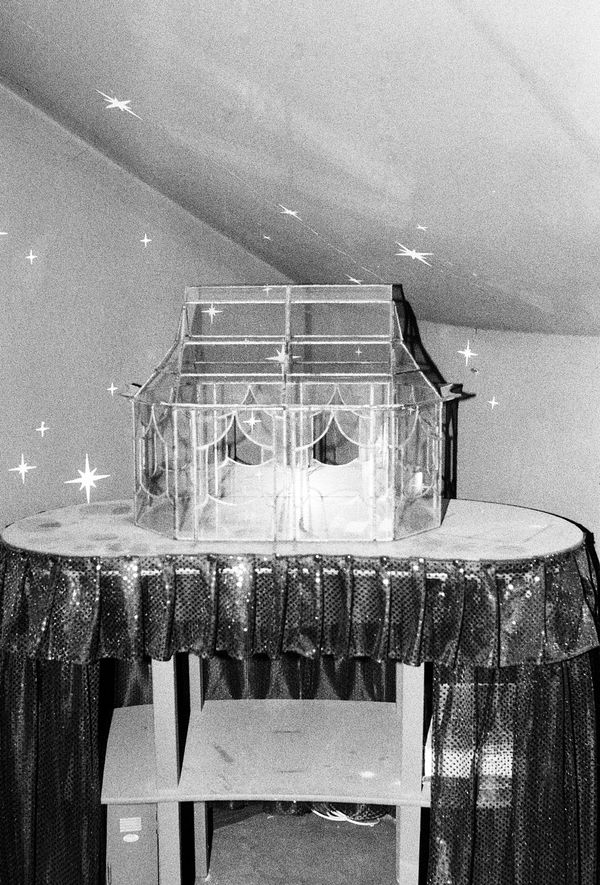
My parents are hoteliers, and I grew up inside the hotel they built, a place where private life and work have always overlapped. What began as a small family business gradually expanded, slowly erasing the boundary between domestic and professional space, turning it into a layered environment where different lives, roles, and presences coexist.
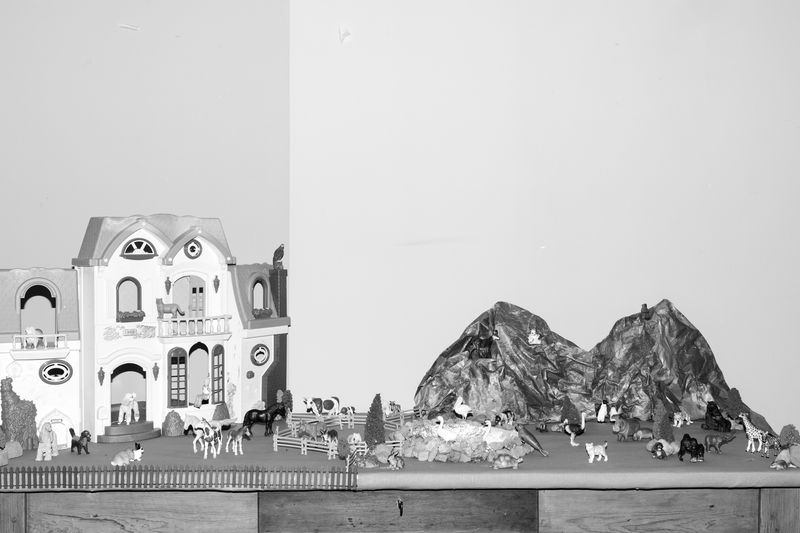
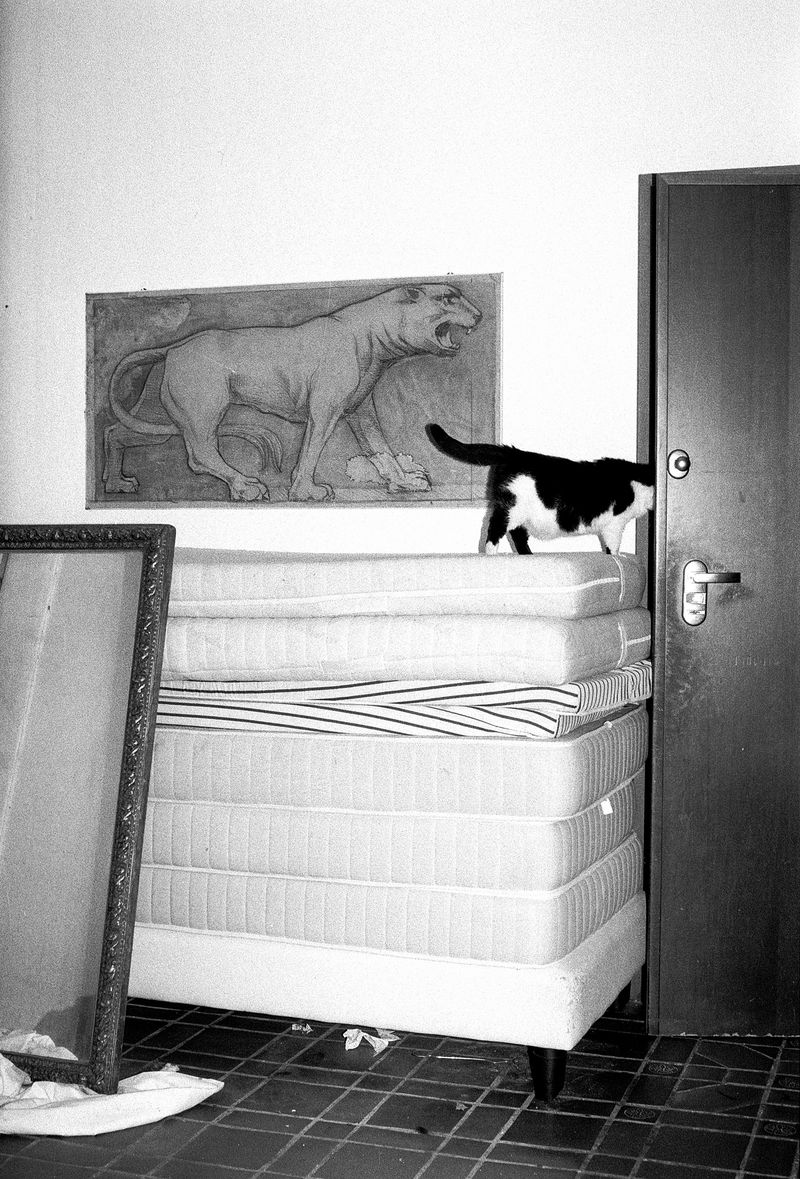
Animals were a constant presence in this environment. Years before I was born, my mother brought home a disabled puma cub that had been rejected by its mother and was being cared for by a veterinarian friend. At the time, her dog had just had puppies, and my mother attempted to have the dog nurse the puma as well. It worked, and the puma lived with my parents inside the hotel for nine years.
As a child, my living situation fascinated other children, who imagined many adventures. Yet for me it often produced a sense of displacement when entering houses that appeared more ‘normal.’
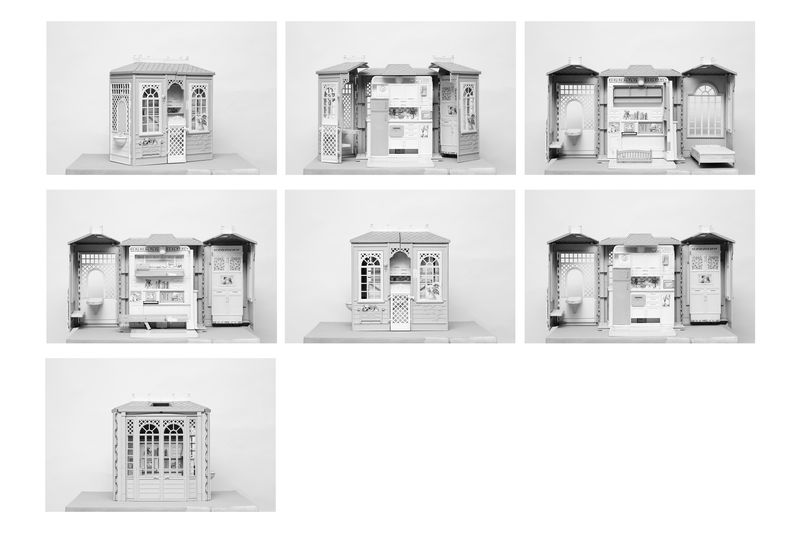
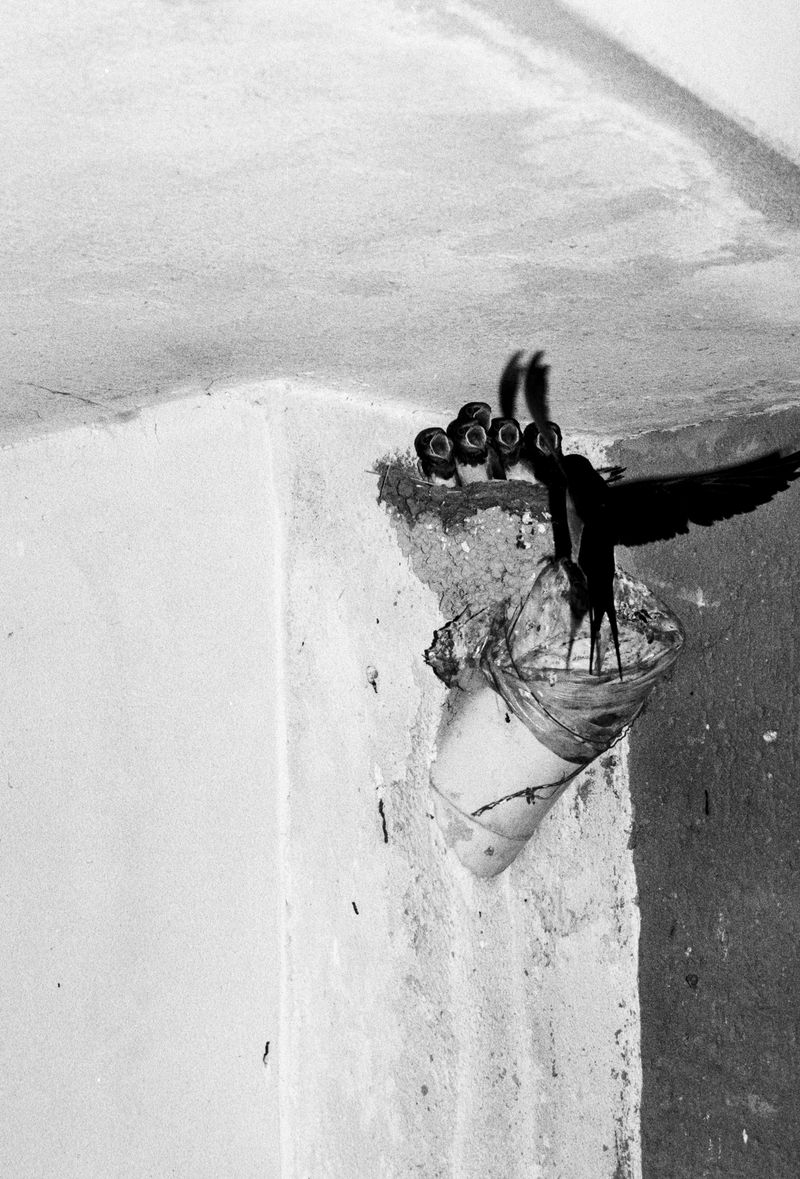
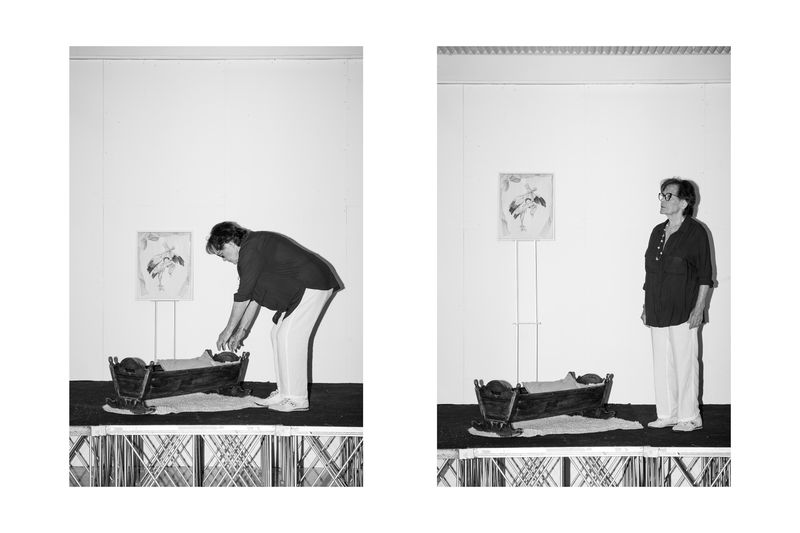
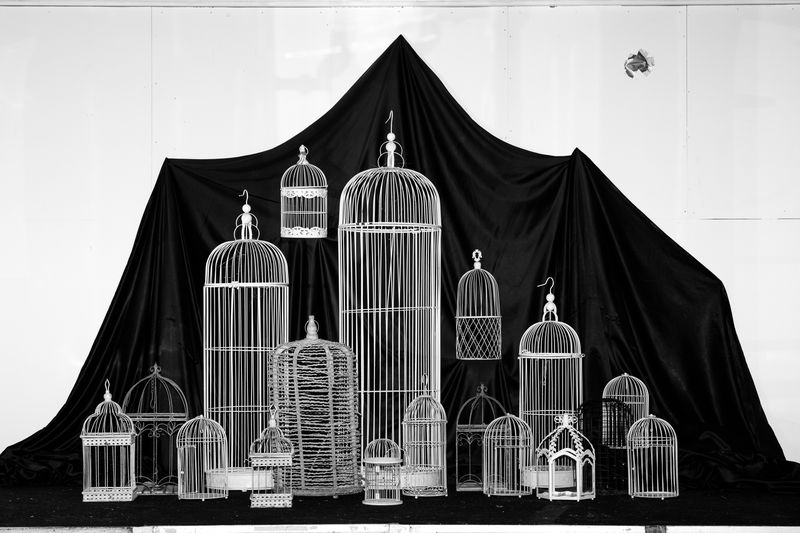
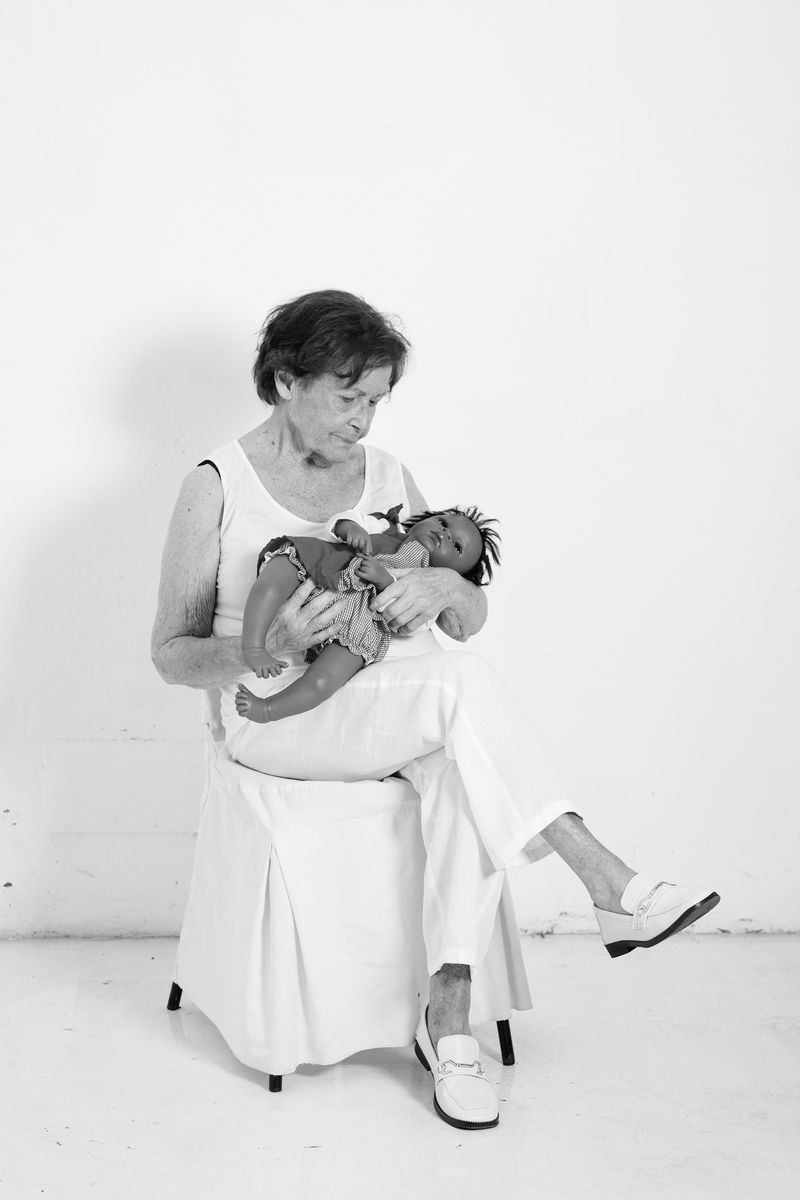
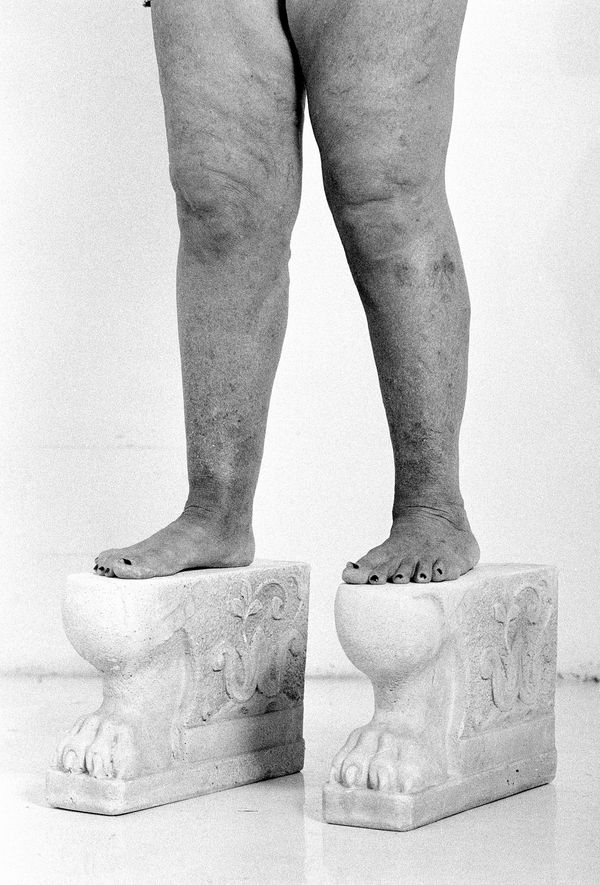
In this work, the hotel becomes a stage where identity and belonging are continuously examined and negotiated. Photographing the hotel and its transformations, the small apartment where my parents live, the animals around us, my family, and especially my mother — whom I have always seen as a wild animal, sometimes free, sometimes caged — I construct a study that weaves together observation, memories, dreams, and reconstructed moments.
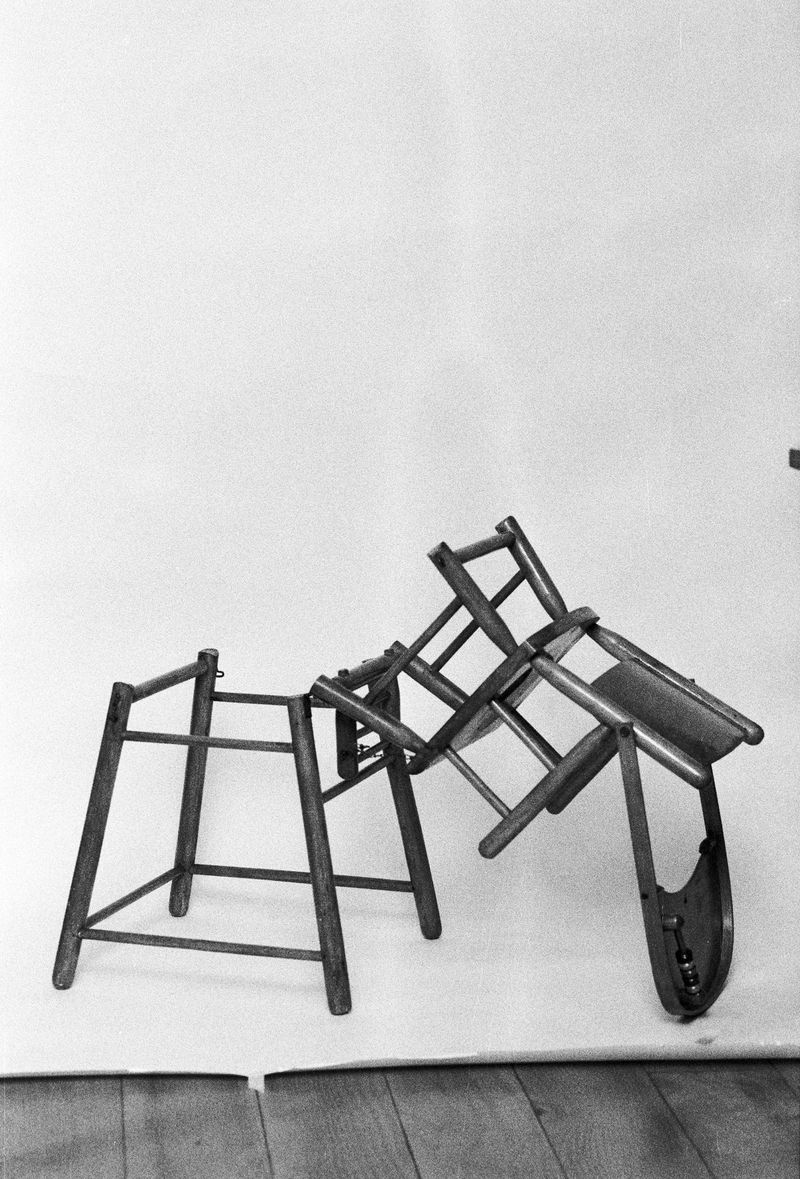
The project questions why we construct the idea of home and how it becomes tied to assumptions of normality, family, and motherhood. It reflects on the concept of “child” — someone who, by definition, belongs to a parent — and explores how domestic spaces shape identity, belonging, and the traces of personal and inherited histories and traumas.
The work is ongoing and was developed during a mentorship program with Fonderia 20.9 in Verona.