The Feminine Sun
-
Dates2022 - Ongoing
-
Author
- Locations Chengdu, New York
The Feminine Sun traces my journey from a military household in Chengdu to migration and transition in the U.S. Through family, queerness, and displacement, I explore how home can fracture yet be rebuilt across generations.
I have spent my entire late teens and early twenties in the United States as an international student. When I was growing up in Chengdu, I never had the words for what I was, but I knew enough to distance myself from my family. They would never accept me. Queerness was never spoken directly—only referred to with shame, as a category of people outside of what was permissible. When I left for the U.S., I rarely returned. Each time I came back in my twenties, I saw my parents growing older, their once rigid opinions softening with age, though the distance between us remained.
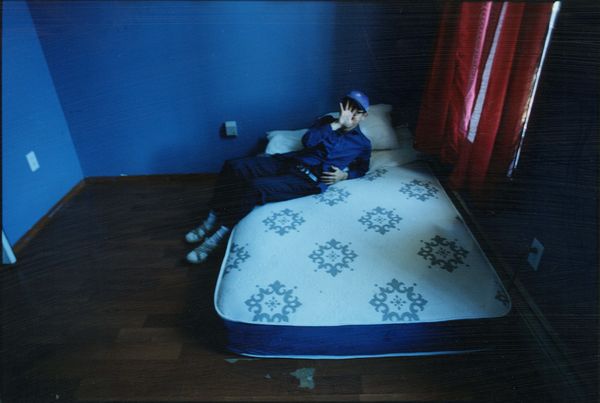
As I built a life abroad, “home” became a temporary word. Rooms I rented, friends’ couches, the intimacy of borrowed spaces—all stood in for permanence. Slowly, I began to feel that home was forming here, in America, even as I found myself in the liminal process of immigration through marriage. At the same time, I was undergoing medical transition, taking estrogen and hormone blockers alone, with no family to witness or support me. This deepened my estrangement from where I grew up and sharpened the question of where I could belong.
My family’s history is also one of migration and survival. My grandparents were born in wartime and my mother was raised in hunger. They moved from a small village in Southern Sichuan to Luzhou, and eventually to Chengdu, where I was born. Their trajectory—from rural hardship to an urban capital—formed the ground I later left behind. My own move across continents, and the solitude of transitioning in the U.S., became another layer in this generational story of displacement.
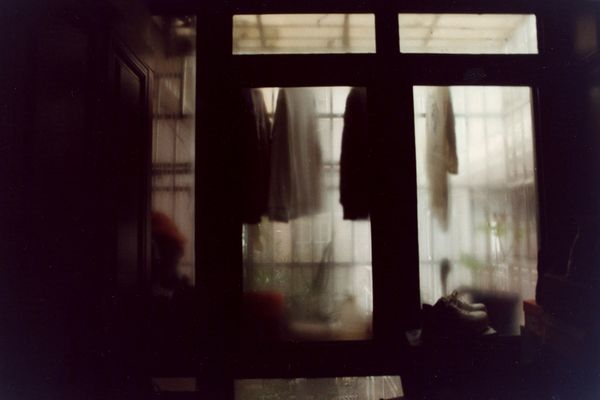
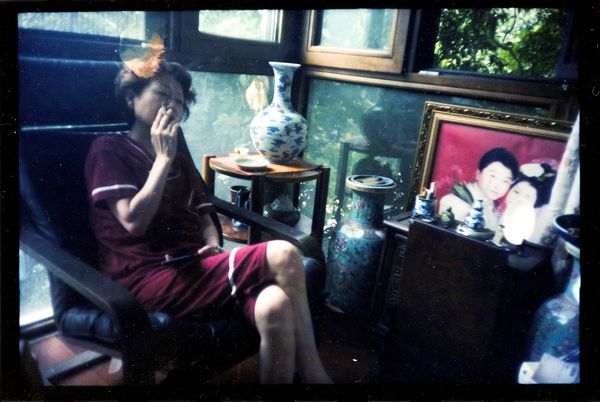
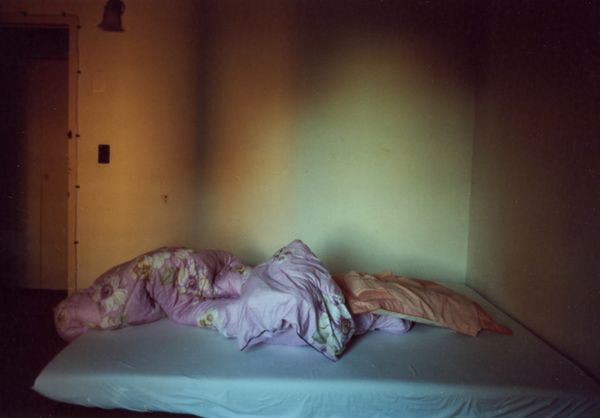
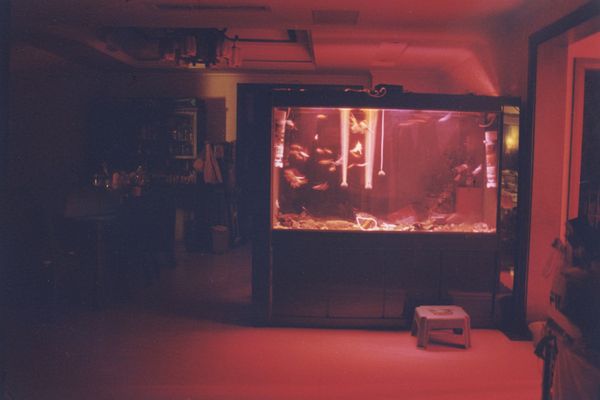
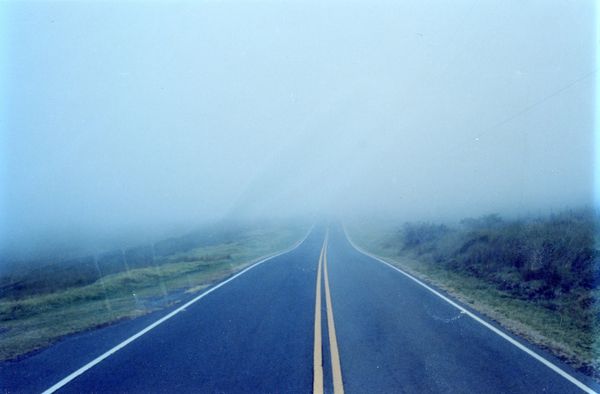
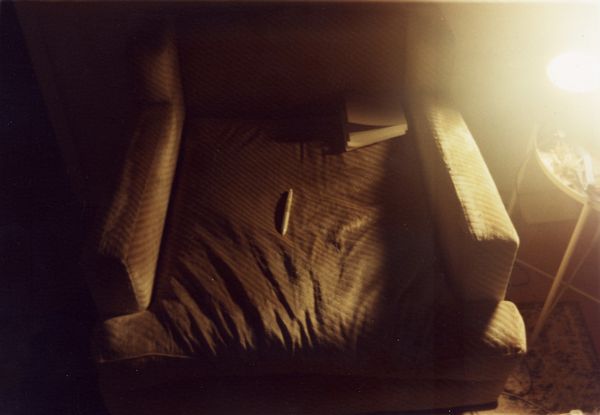
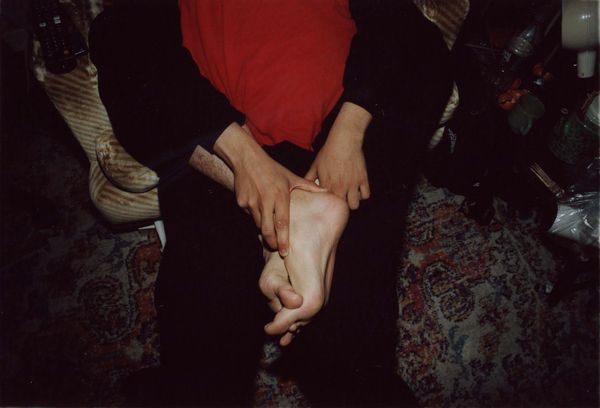
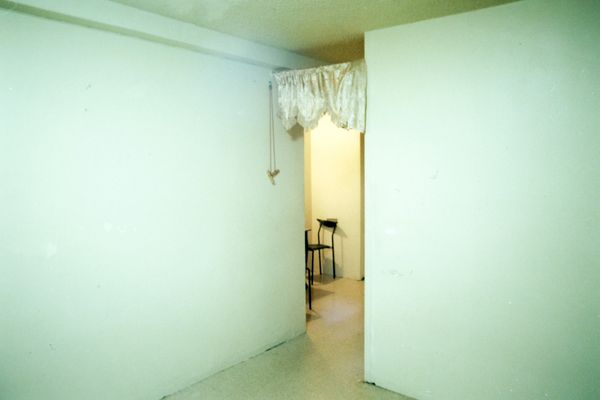
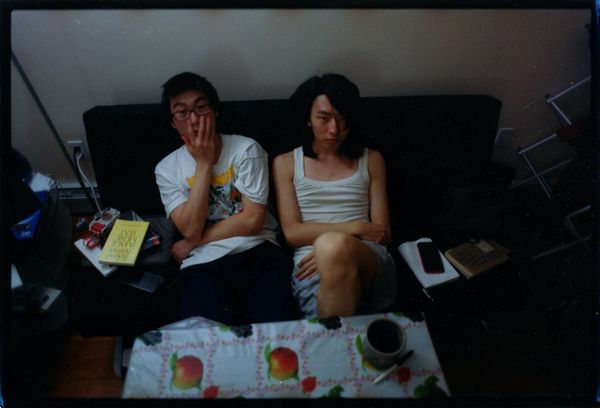
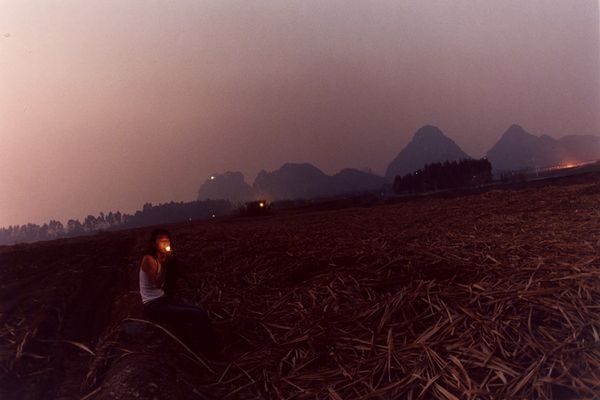
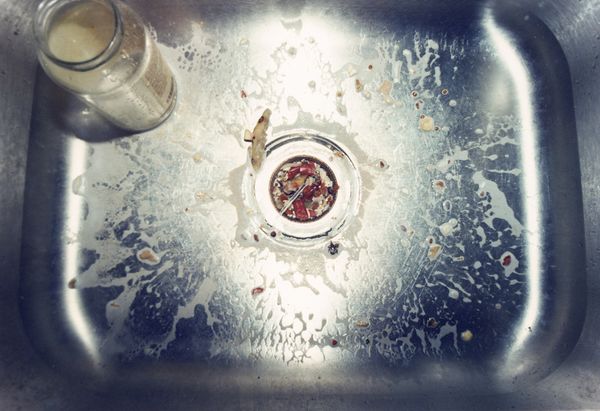
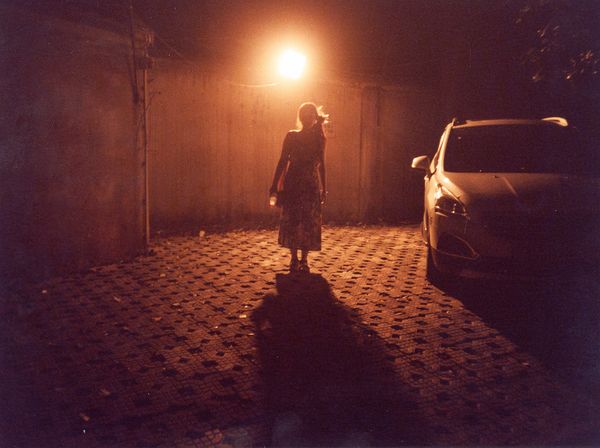
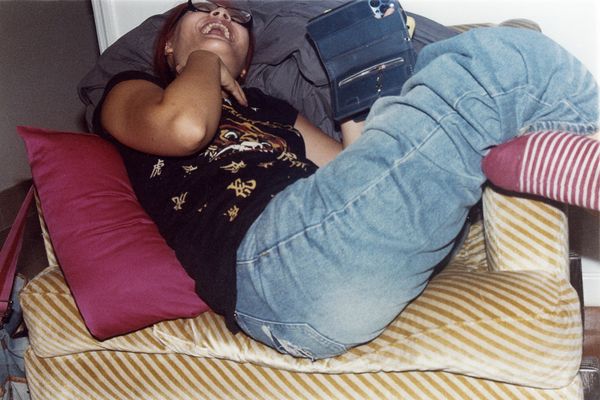
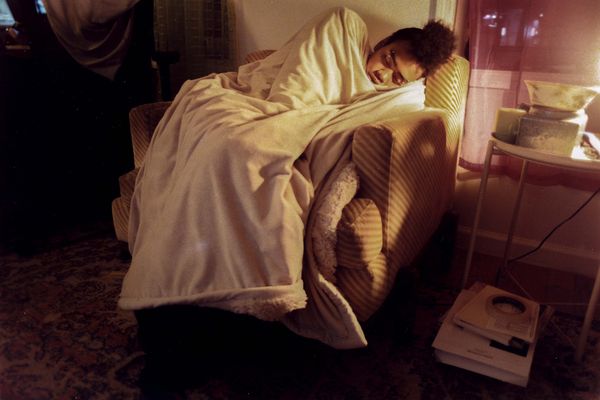
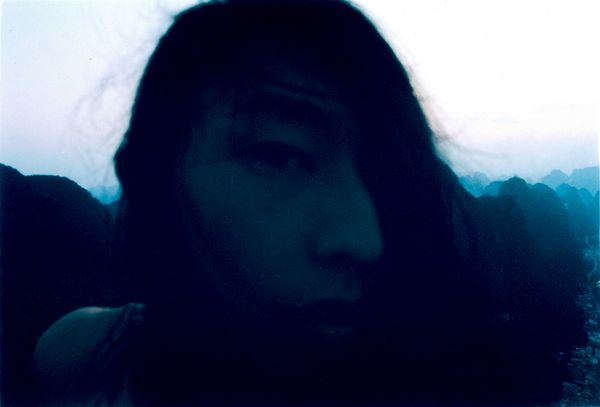
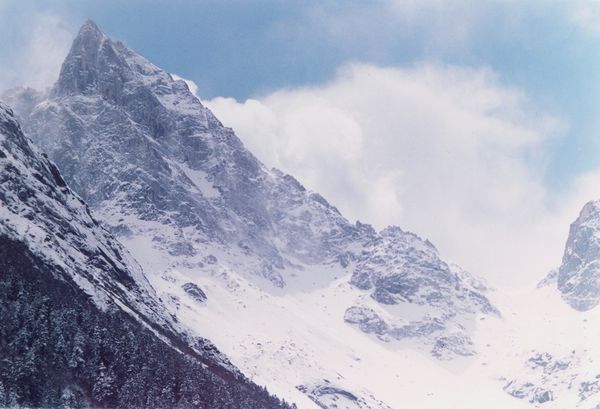
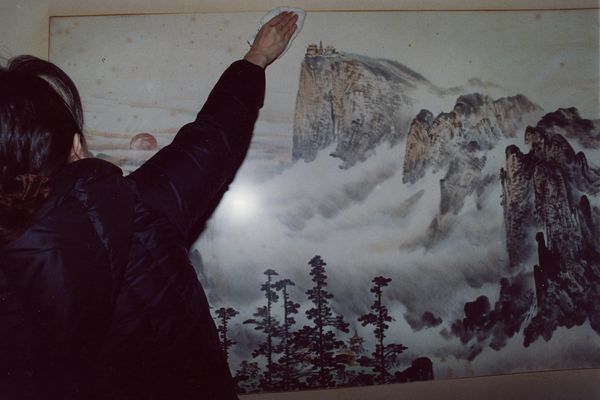
Through these photographs I search for the meaning of family and home. Images of my mother smoking in a room full of relics, friends asleep on an armchair in New York, the fog swallowing a road, or a fish tank left unattended, all carry fragments of this search. The work traces how home can be both inherited and remade, fractured and reimagined. It is about leaving and returning, but also about the possibility of belonging elsewhere—through friends, through love, and through the body I have claimed as my own.
This is an ongoing project.