The Edge of Permanence
This project explores pastoralism at a moment of transition, where access to water, education, & changing land use is reshaping patterns of movement & settlement. Mobility & permanence now coexist, forming fragmented yet connected “islands” of adaptation.

ThisThis project responds to the theme of ARCHIPELAGO for PhMuseum Days 2026, which explores fragmentation, crisis, and new models of coexistence in a world of cultural and environmental separation. It engages with the idea of “cultural islands” not as isolated places, but as connected yet distinct conditions of life shaped by uneven change.

The work follows Maasai pastoral communities at different stages of transition, where access to water, education, and infrastructure is reshaping movement, settlement, and intergenerational knowledge. In some communities, water access marks the beginning of adaptation, where uncertainty and adjustment define daily life. In others, longer-term stability has supported the emergence of schools and new aspirations, while remaining rooted in Maasai cultural continuity.

Rather than presenting a single linear narrative of progress, the project reveals a staggered geography of experience, an archipelago of pastoral realities where mobility and permanence coexist across the same cultural landscape. These “islands of change” are not separate worlds, but interconnected responses to environmental pressure and shifting access to resources.

Framed within this context, the work considers how ancestral knowledge, survival practices, and identity persist or transform when permanence begins to take hold in different ways and at different speeds. It asks how communities continue to carry forward cultural memory and ecological understanding while navigating the uneven arrival of stability.

In dialogue with ARCHIPELAGO, the project positions pastoral life not as a disappearing system, but as a field of ongoing negotiation and where separation and connection, tradition and adaptation, exist simultaneously within a shared but shifting terrain.

© Naomi Fowler - Image from the The Edge of Permanence photography project
i

Maasai women gather at the edge of their home in anticipation as technicians search for water beneath the savannah. After reaching 100 metres without success, uncertainty spread through the village, where prolonged drought and the daily search for water continue to shape routines, movement, and labour. The drilling eventually continued beyond 200 metres before striking water. O

© Naomi Fowler - Image from the The Edge of Permanence photography project
i

Maasai women gather at the edge of their village as drill technicians search for water beneath the savannah. After reaching 100 metres without success, uncertainty spread through the community, where drought and the daily search for water continue to shape movement, labour, and routine. The drilling eventually continued beyond 200 metres before striking water, marking a moment of transition.

© Naomi Fowler - Image from the The Edge of Permanence photography project
i

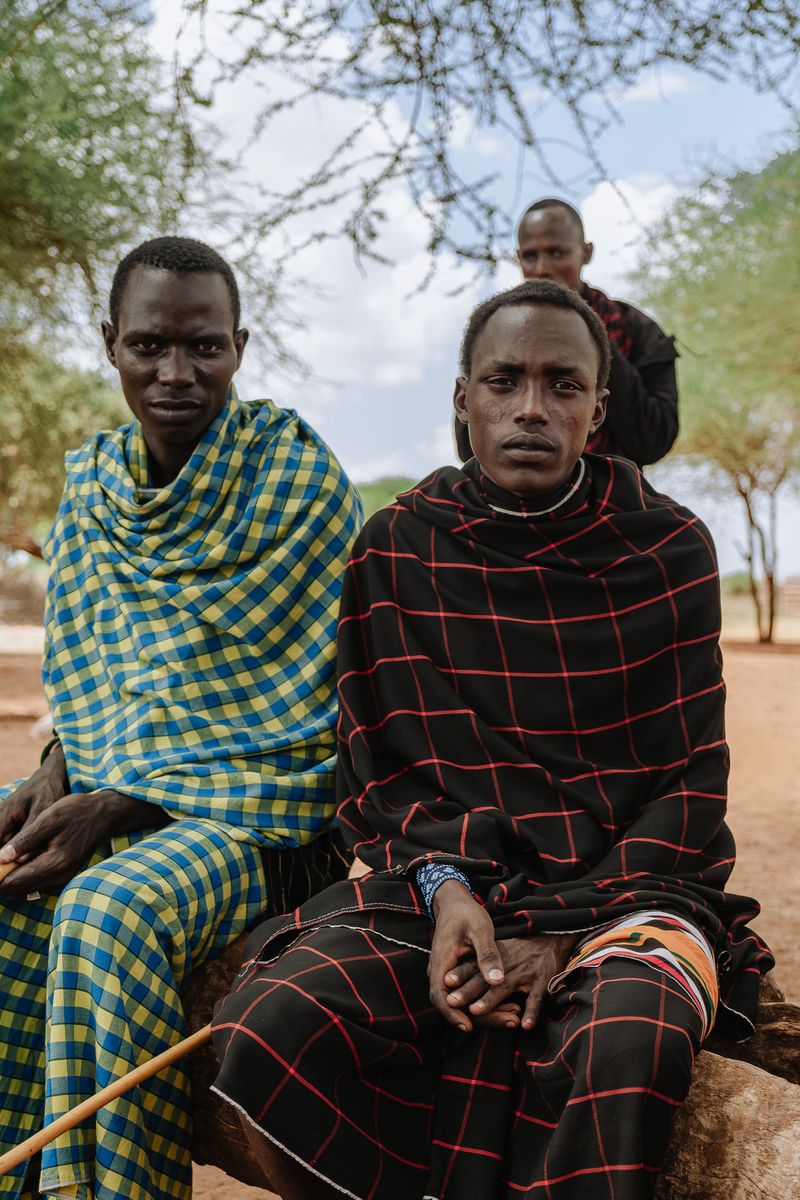
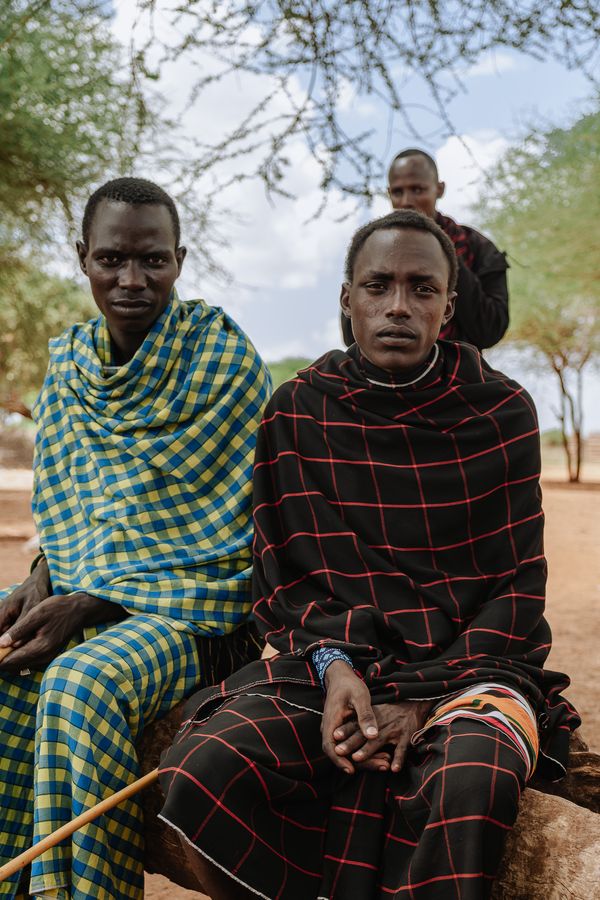
Two Maasai men sit together following the arrival of new water infrastructure in their community, their expressions quiet and restrained. The portrait reflects a moment of uncertainty and transition, as pastoral life encounters new forms of permanence shaped by water access, settlement, and environmental change. The image considers how communities negotiate adaptation while maintaining tradition.

© Naomi Fowler - Image from the The Edge of Permanence photography project
i

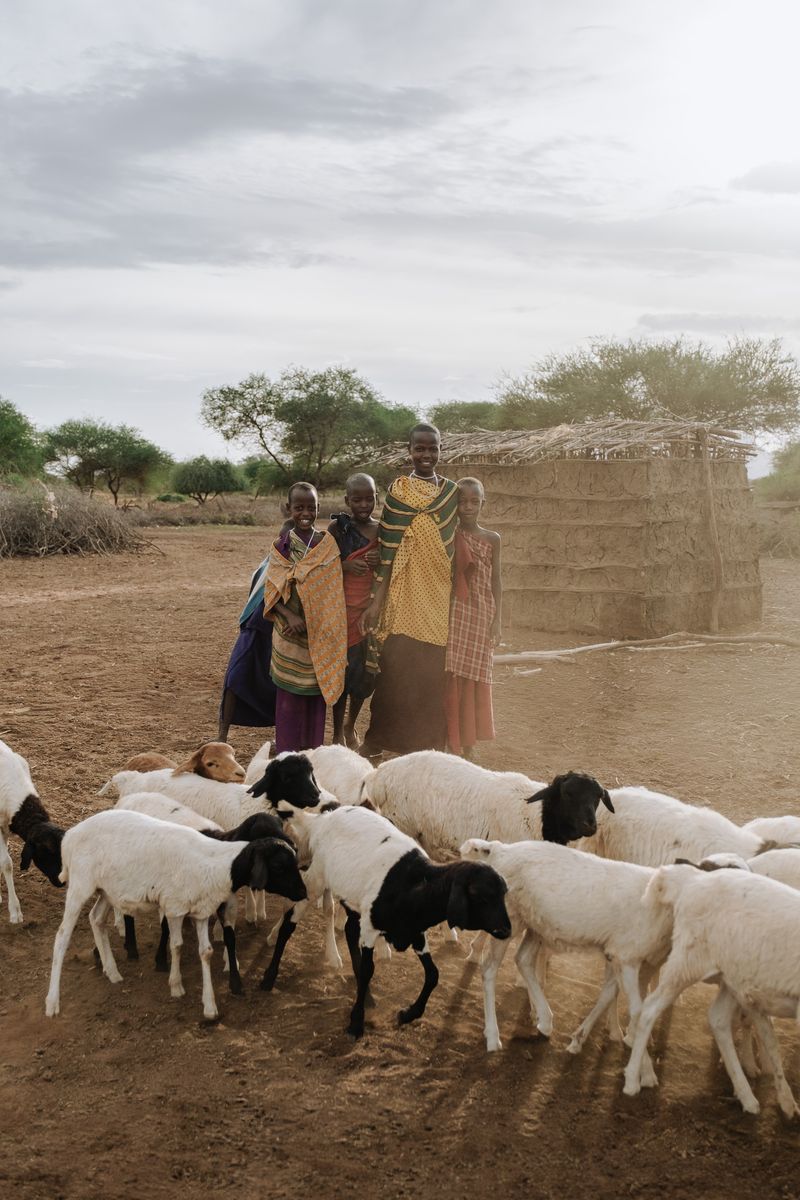
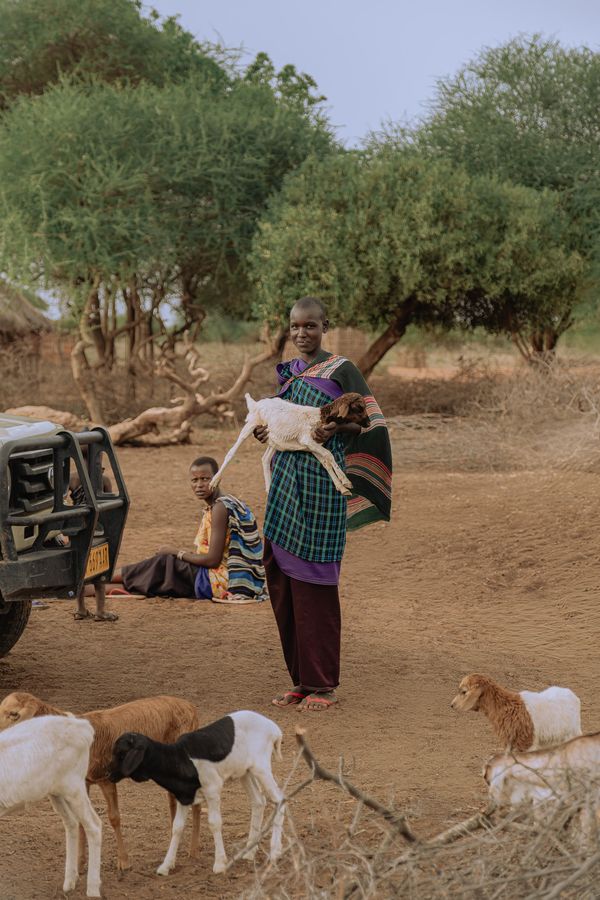
Maasai children stand together as goats move through the village. For generations, pastoral life has shaped childhood through movement, labour, and close relationships with land and livestock. As access to reliable water begins to reshape settlement and daily routine, the lives of younger generations may also begin to change, influencing education & responsibility.

© Naomi Fowler - Image from the The Edge of Permanence photography project
i

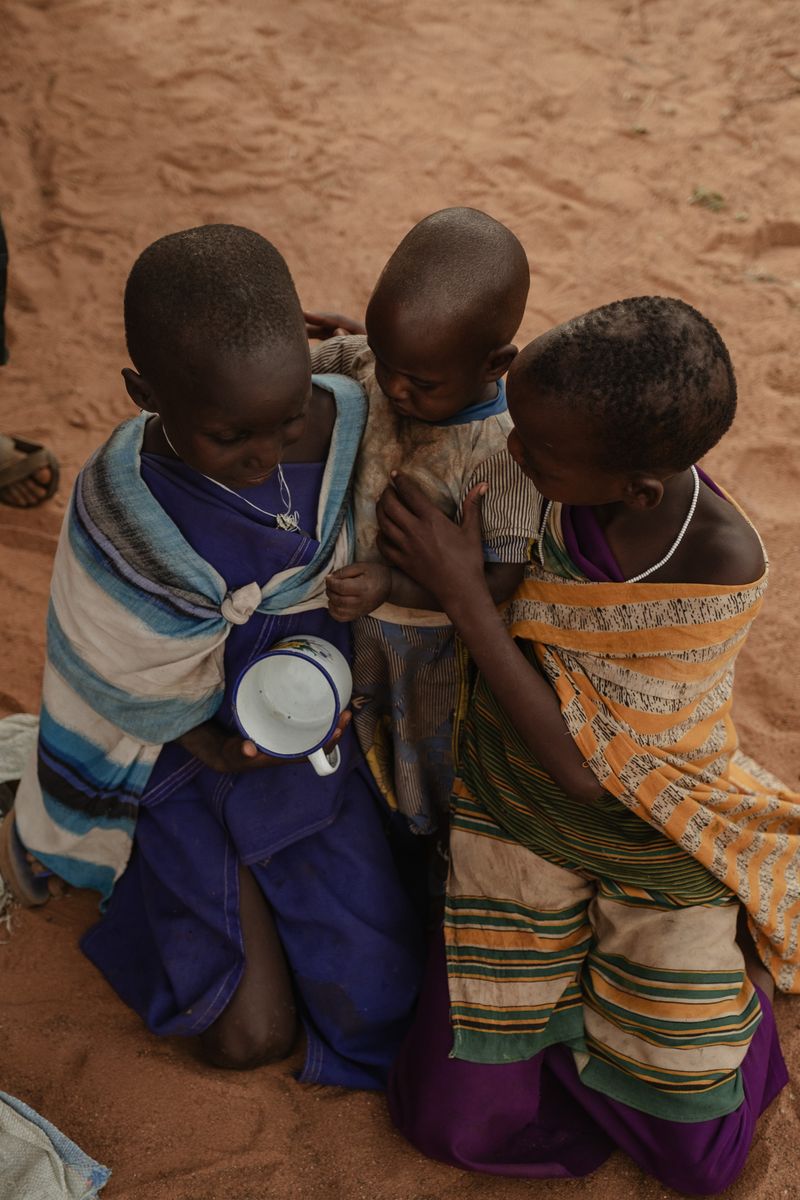
Three Maasai children sit together, holding an empty cup as they wait for water. Viewed from above, the scene captures a quiet moment of expectancy shaped by daily reliance on access to water in a dry savannah landscape. Their focus on one another, rather than the camera, reflects a shared stillness where childhood, routine, and survival intersect within a changing environment.

© Naomi Fowler - Image from the The Edge of Permanence photography project
i

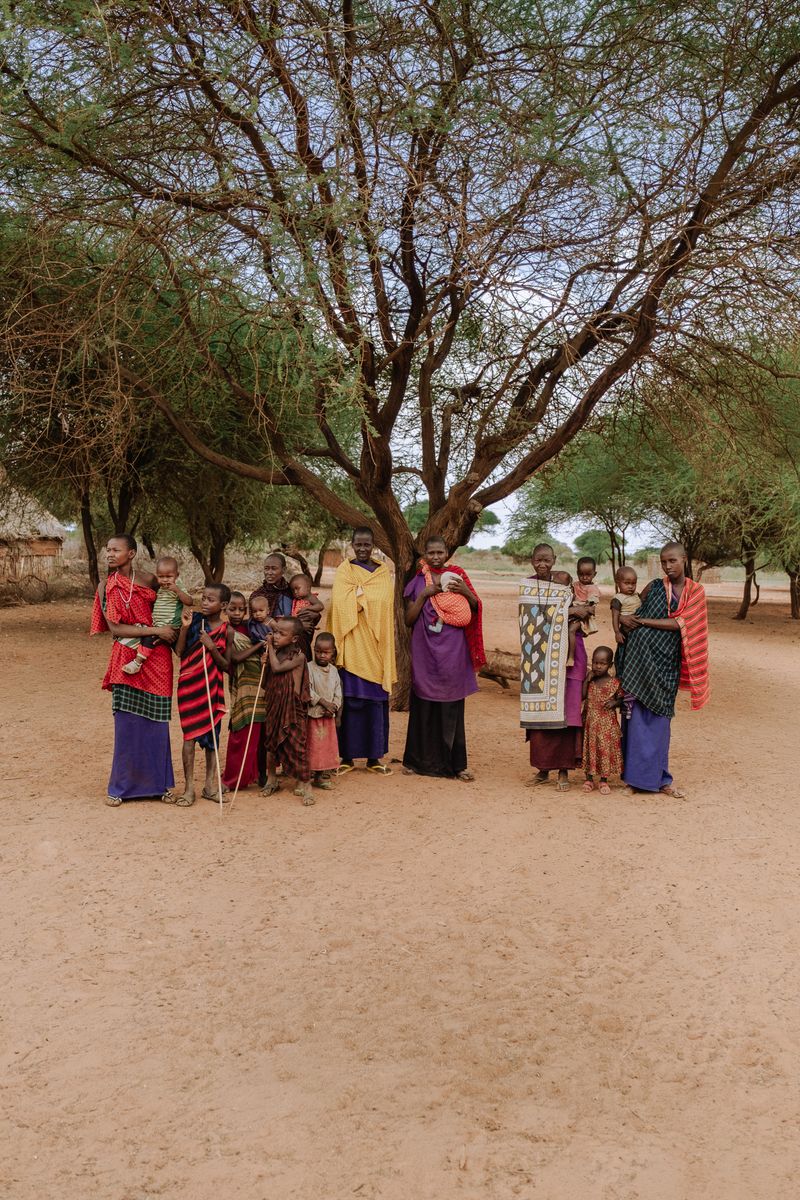
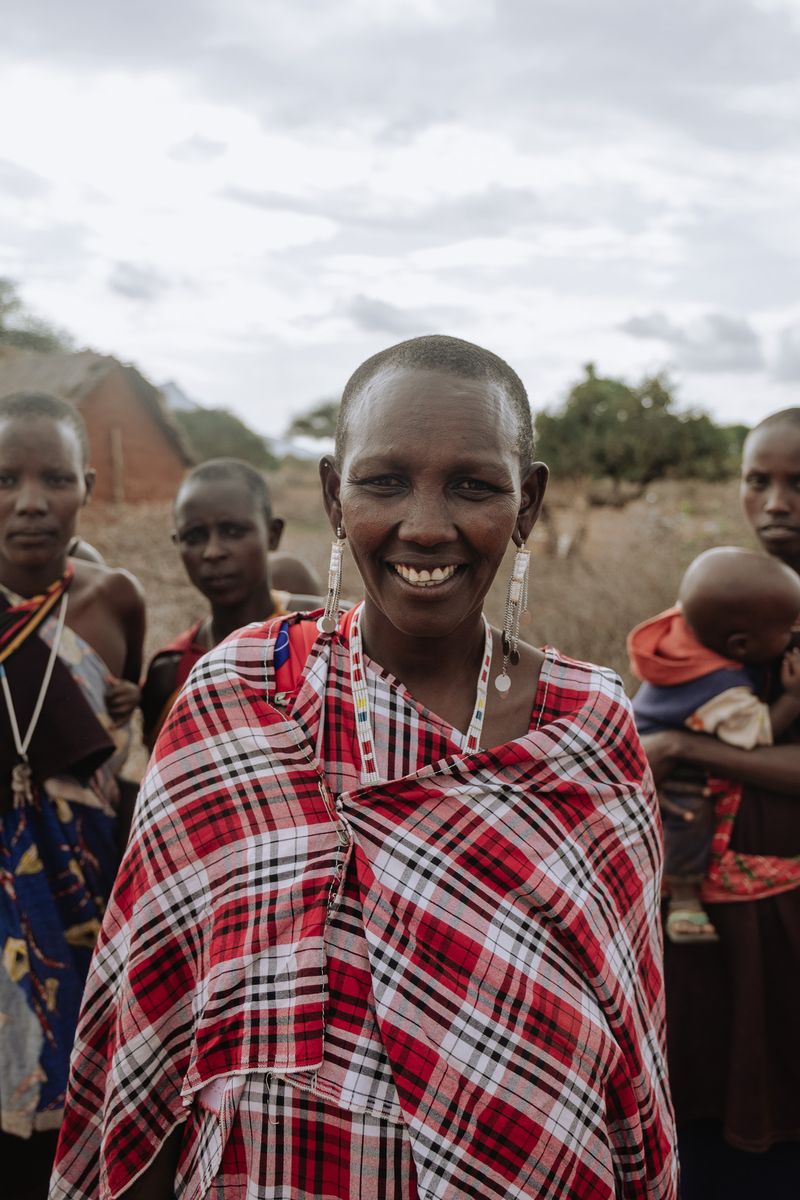
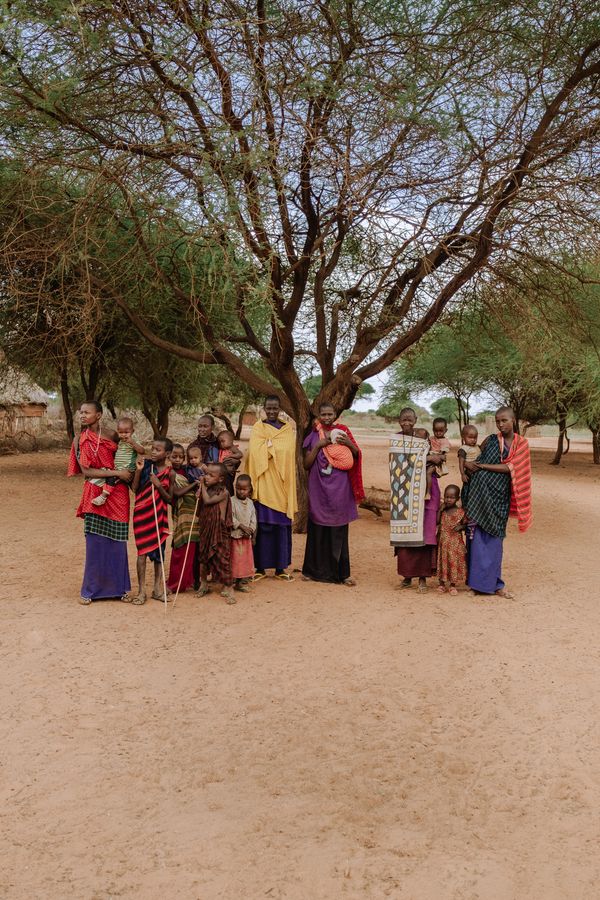
The chief’s sister stands adorned in ceremonial jewellery and Maasai cloth, surrounded by women from her community. Their expressions meet the camera with openness and quiet strength, reflecting a moment of cultural continuity within everyday life. The image holds both celebration and presence, where identity, tradition, and community remain central.

© Naomi Fowler - Image from the The Edge of Permanence photography project
i

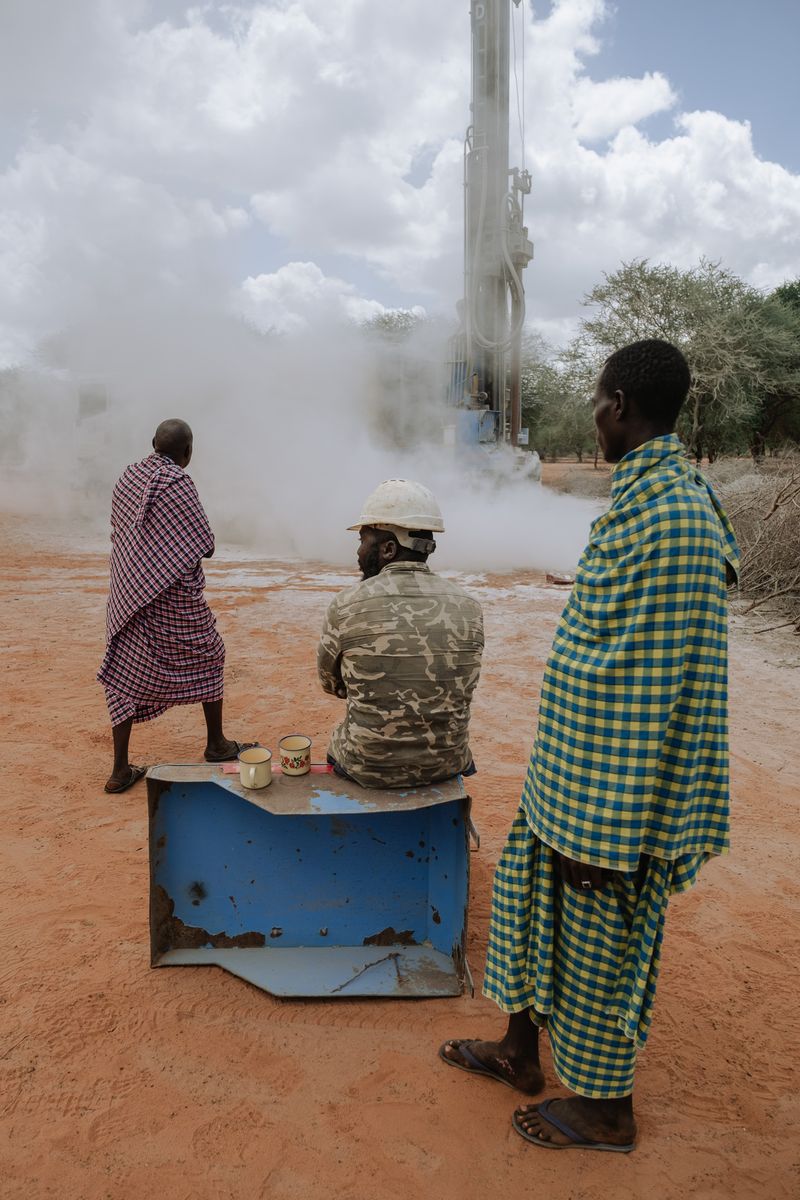
Two Maasai men stand near the drilling site as technicians continue work on a new water source. Dust rises from the machinery as the process reaches deeper underground, while the technicians observe with quiet focus and routine familiarity. The scene captures a suspended moment between effort and outcome, where access to water remains uncertain but deeply tied to shifting patterns of movement.

© Naomi Fowler - Image from the The Edge of Permanence photography project
i

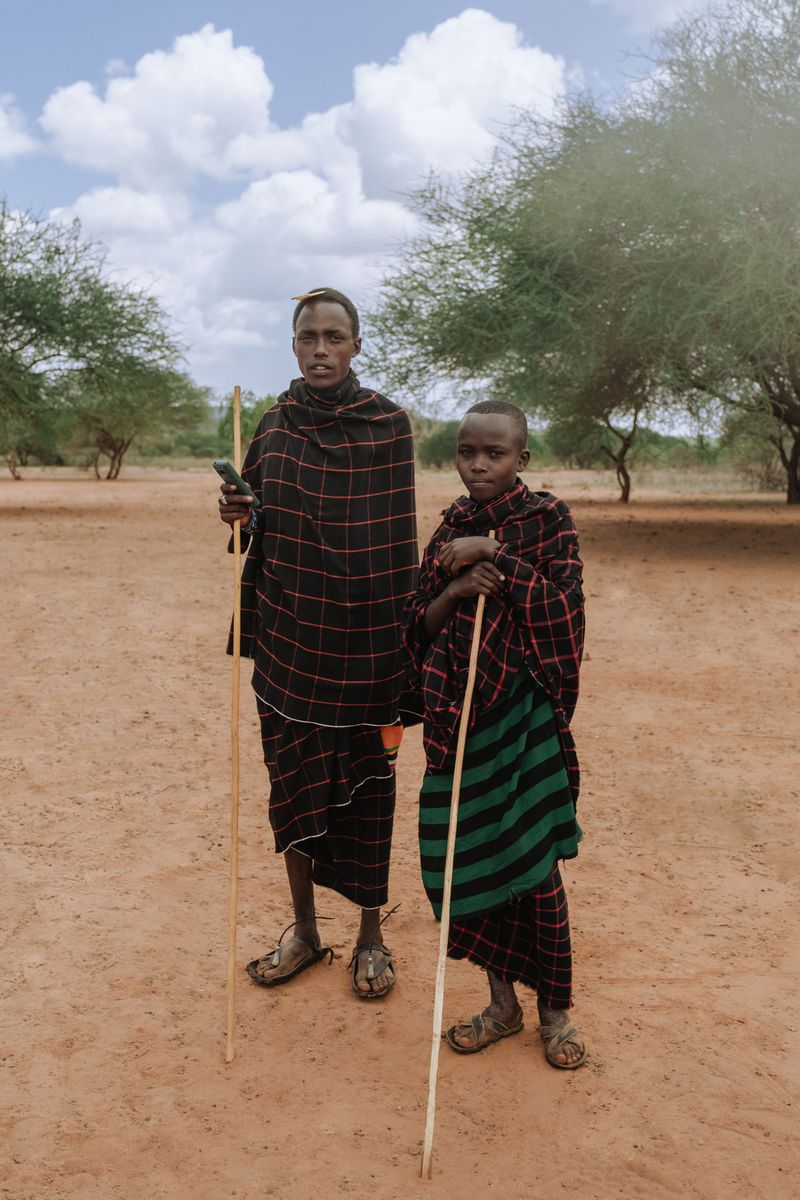
Two young Maasai stand facing the camera, one holding a mobile. The portrait reflects a generation navigating change, where new technologies are becoming part of daily life alongside inherited pastoral knowledge and responsibilities. Rather than marking a break with tradition, the image considers how adaptation unfolds, as communities respond to shifting patterns in rural life.

© Naomi Fowler - Image from the The Edge of Permanence photography project
i

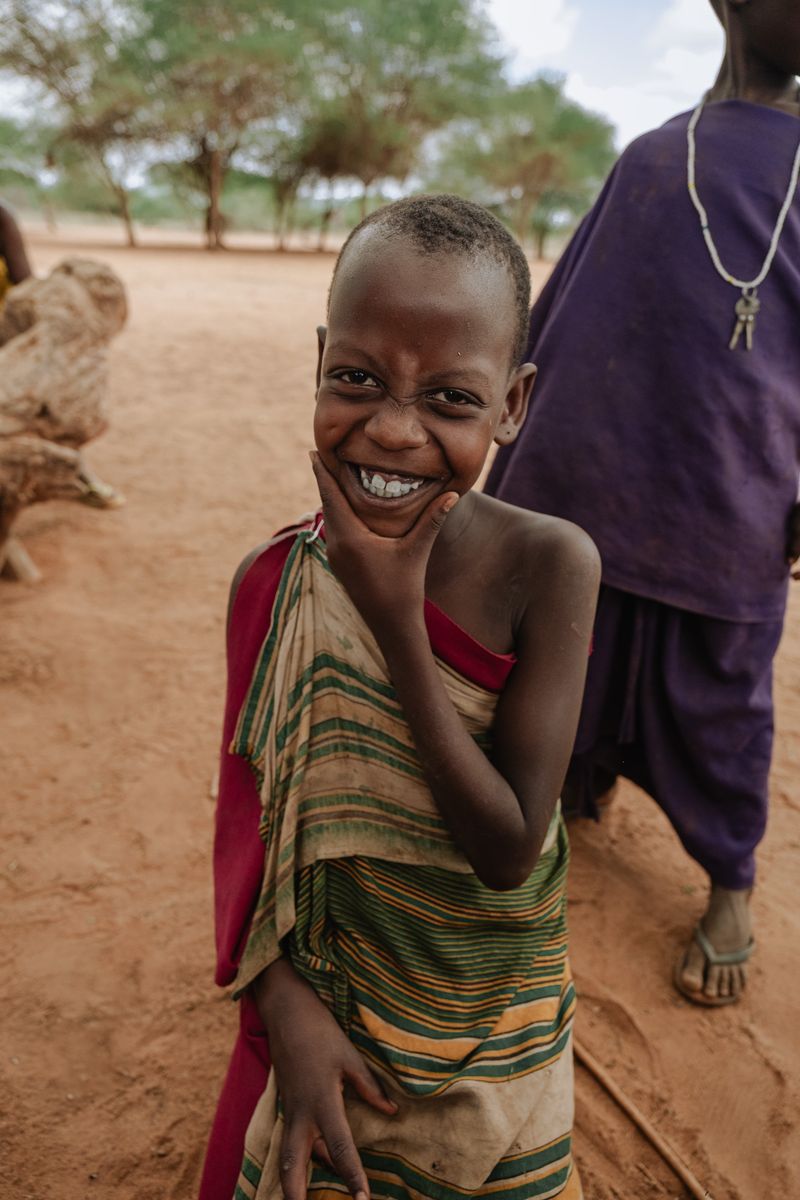
A young Maasai girl looks directly at the camera, her expression open and bright. The portrait reflects a moment shaped by the arrival of new water access in her community and the possibilities it brings for daily life ahead. It speaks to a generation growing up between pastoral tradition and changing environmental conditions.

© Naomi Fowler - Image from the The Edge of Permanence photography project
i

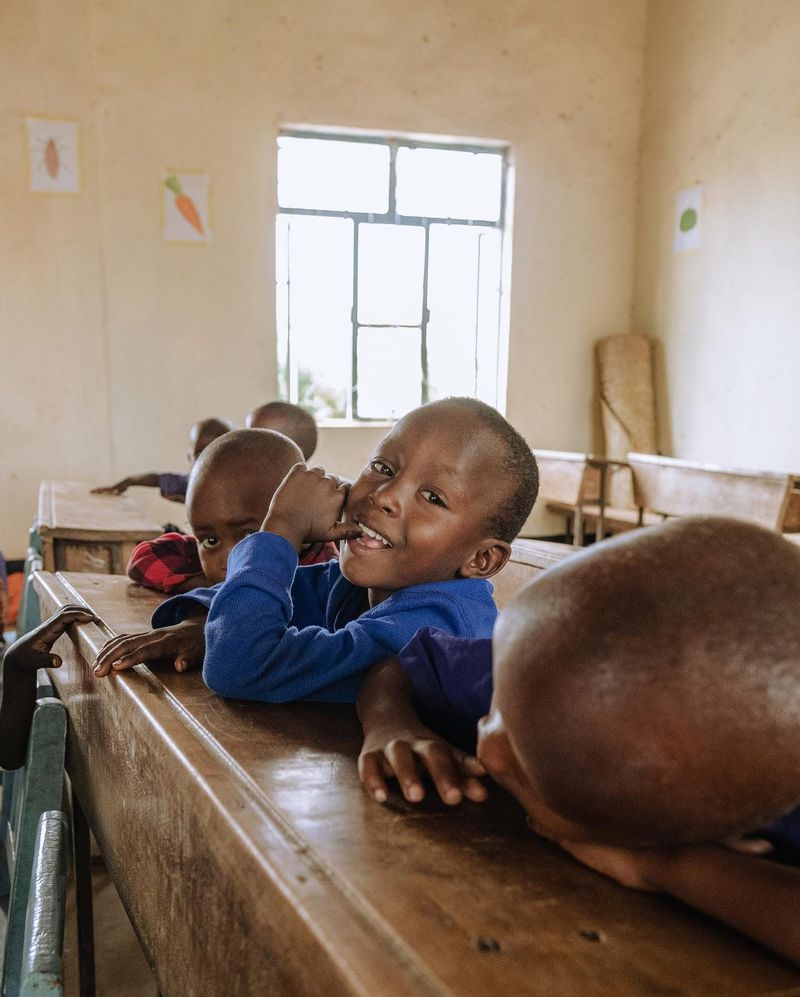
A young child looks directly at the camera, smiling with a raised thumb inside a village where integrated water systems have supported new forms of local development. Increased access to resources and stability has enabled the community to build a school, shaping new opportunities for education alongside existing pastoral life. The image reflects how infrastructure can extend beyond survival.

© Naomi Fowler - Image from the The Edge of Permanence photography project
i

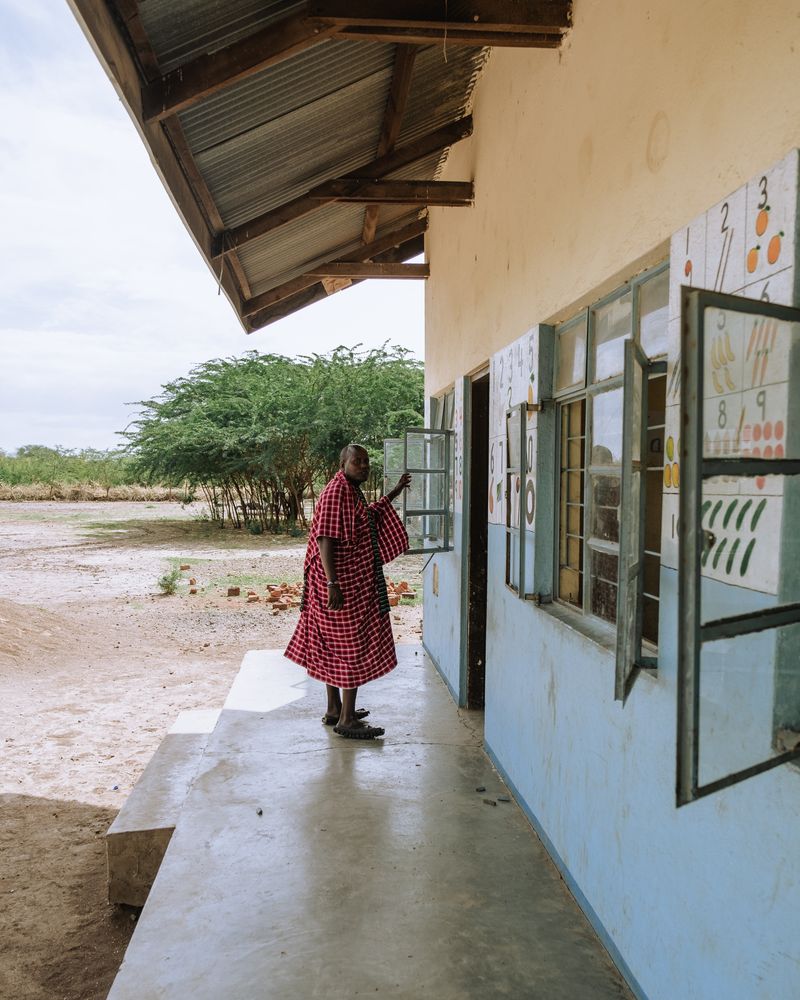
Moses stands at the school window in his village where he helped support the long-term collaboration on local water infrastructure. Beyond him, the savannah stretches into the distance, grounding the scene in its wider landscape. The image reflects how sustained access to water has supported community-led development, including education.

© Naomi Fowler - Image from the The Edge of Permanence photography project
i

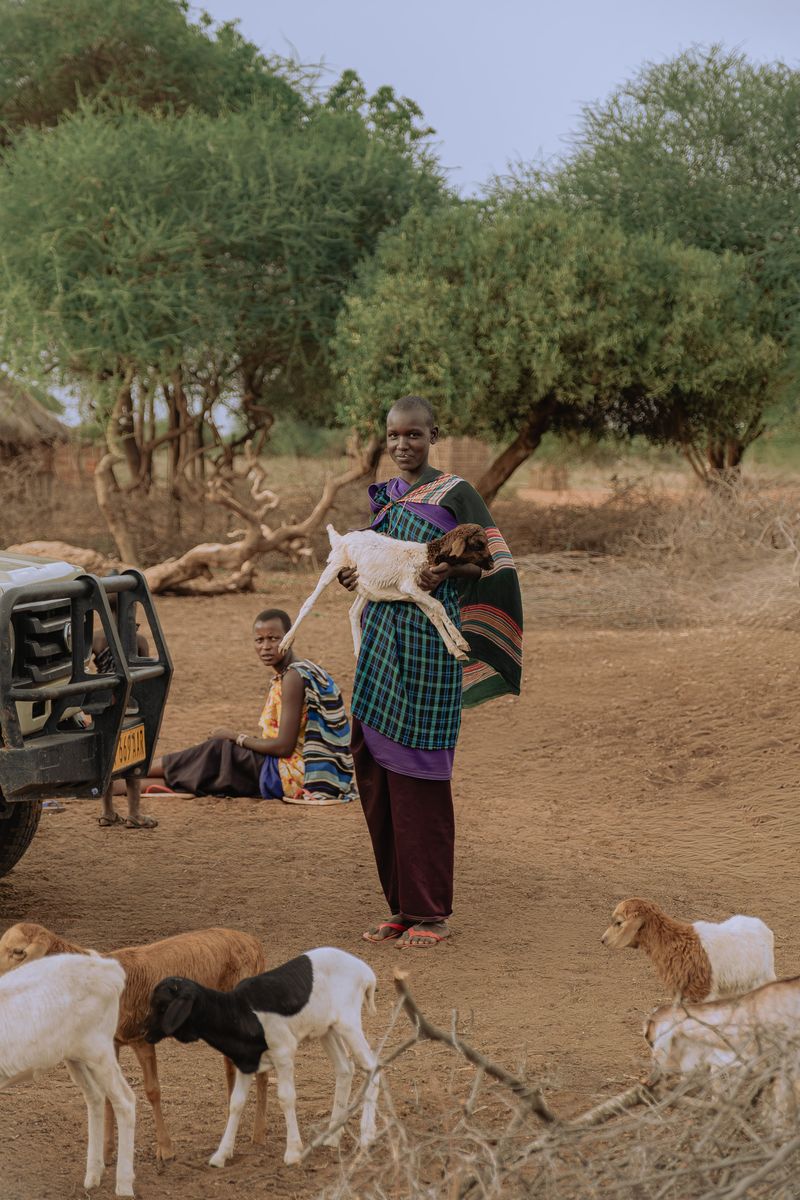
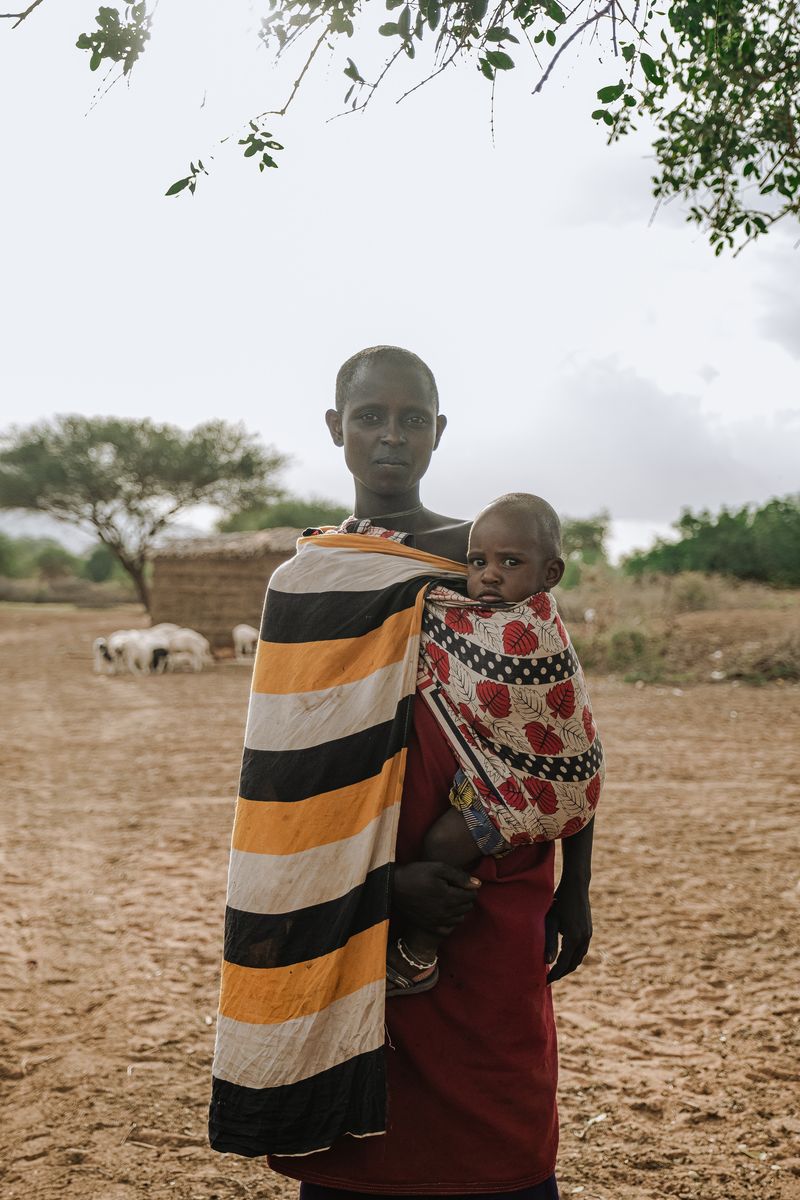
A young Maasai woman stands holding her child, both looking directly at the camera as drilling work continues nearby to access a new water source. In the distance, a hut sits within the savannah, grounding the scene in its rural setting. The image reflects a moment where daily life, caregiving, and changing infrastructure meet.

© Naomi Fowler - Image from the The Edge of Permanence photography project
i

In Moses’ village, children at a local school speak about their hopes for the future, naming roles such as doctor, nurse, and Prime Minister. Moses acted as a collaborator and translator in supporting the earlier water project that helped establish long-term access to water in the community. The image reflects how infrastructure and education intersect, shaping aspirations.

© Naomi Fowler - Image from the The Edge of Permanence photography project
i

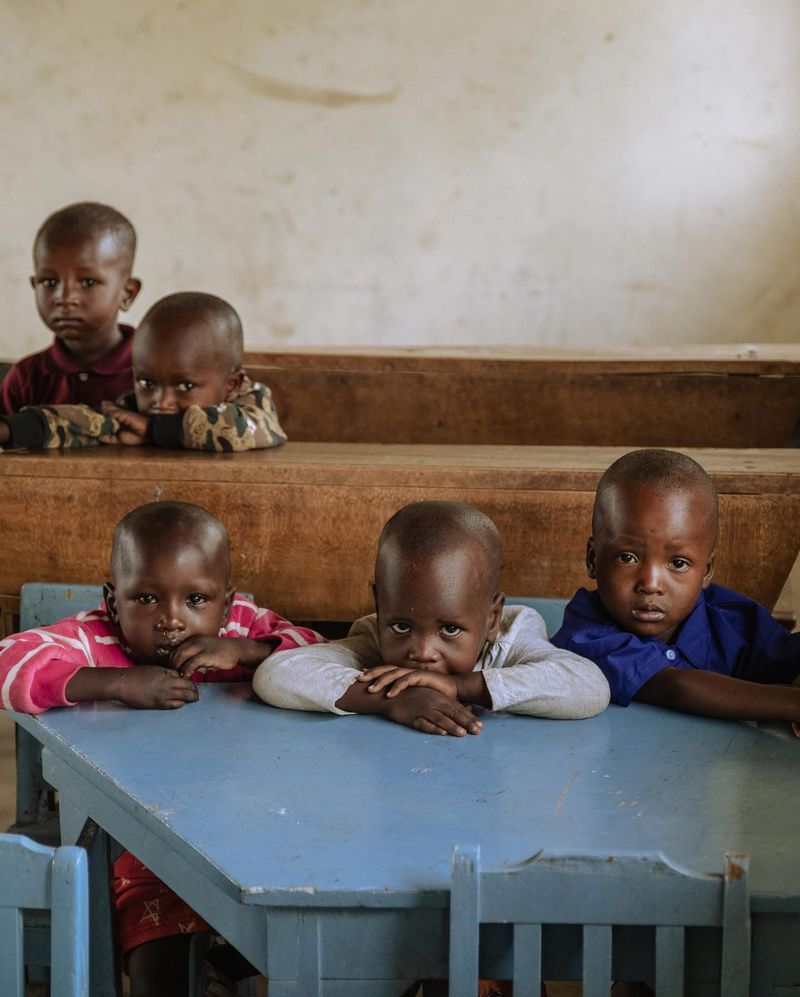
At a school in Moses’ village, younger children stand quietly before the camera, shy and reserved in the presence of unfamiliar visitors. The moment reflects a space where daily life and outside attention briefly meet, as education, water access, and visiting projects bring new forms of visibility into a familiar environment.

© Naomi Fowler - Image from the The Edge of Permanence photography project
i

At a school in Moses’ village, children engage with openness and curiosity, answering questions through translation between Maa, Swahili, and English. The moment reflects a learning environment shaped by both local knowledge and expanding educational exchange, where water access and community-led development have supported new opportunities for connection, language, and aspiration.

© Naomi Fowler - Image from the The Edge of Permanence photography project
i

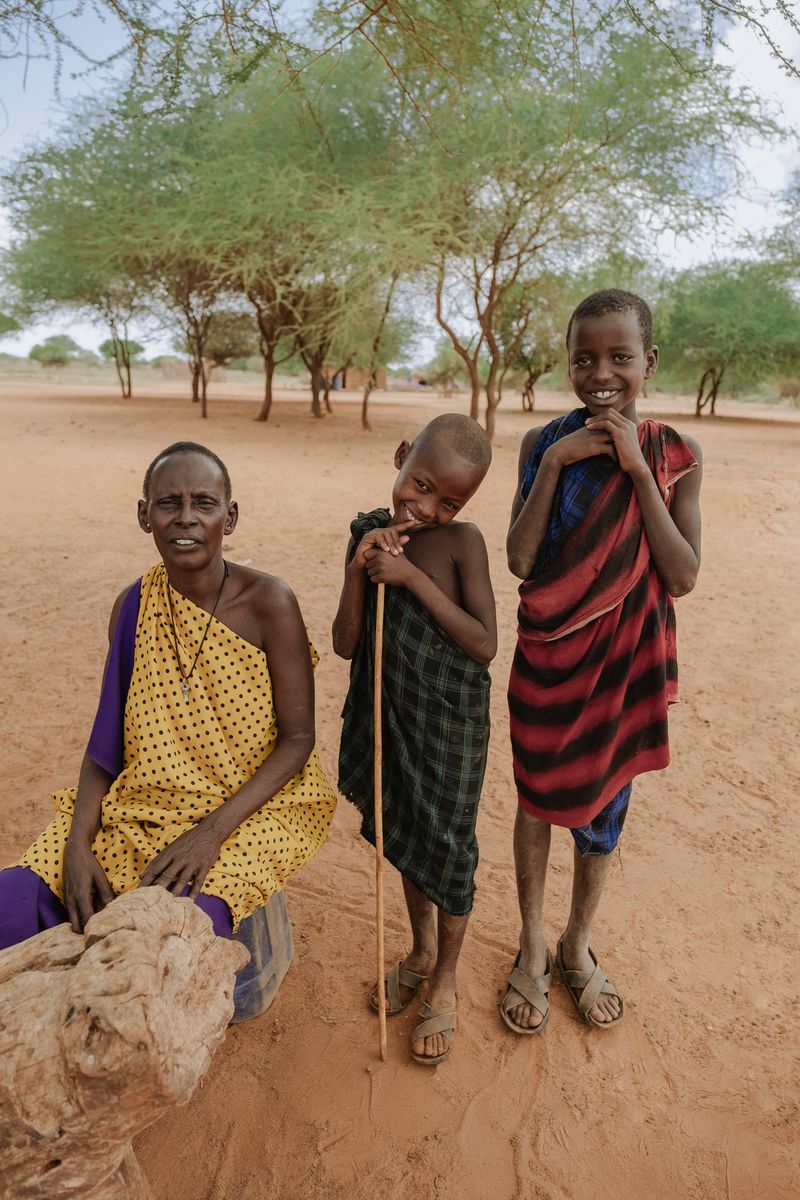
An older Maasai woman sits with two young children, who look toward the camera with quiet smiles. The image reflects intergenerational care within pastoral life alongside the arrival of new water access in the community. It holds a moment where continuity and change meet as daily life and future possibilities begin to shift.

© Naomi Fowler - Image from the The Edge of Permanence photography project
i

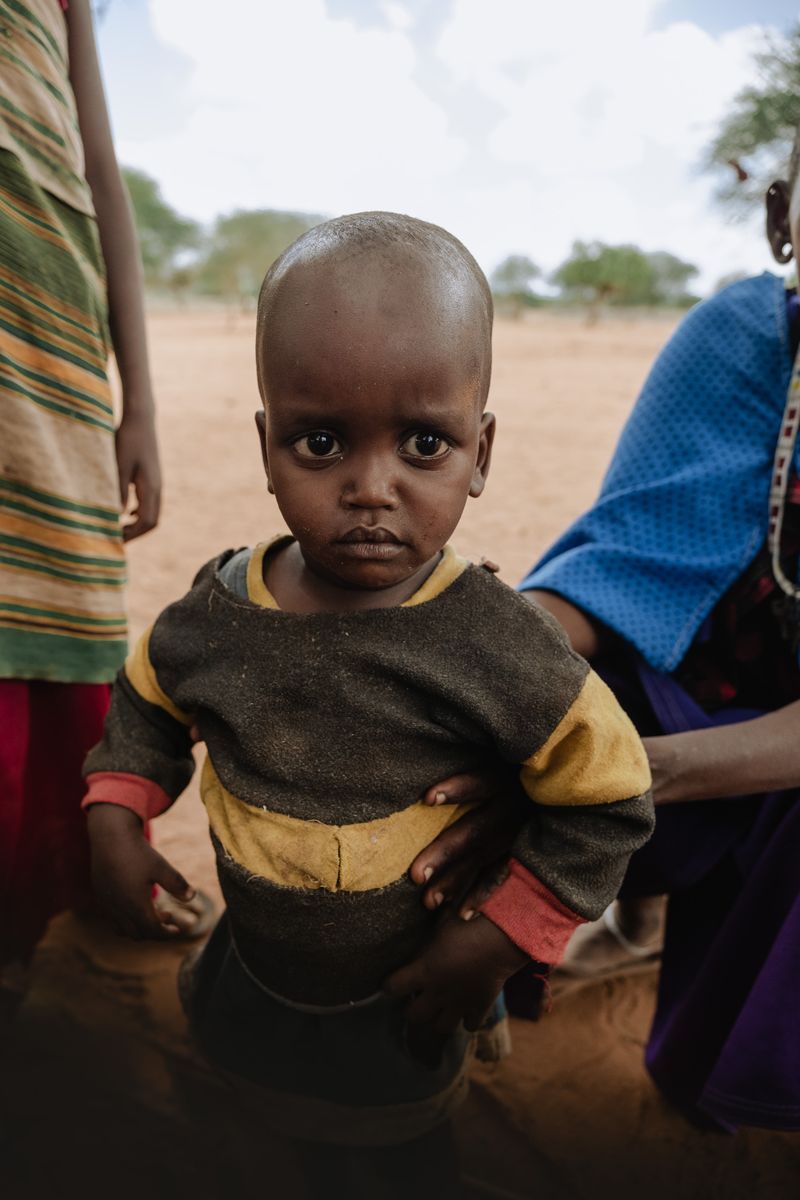
A young Maasai toddler is held up by family members, their hands framing the moment as he looks toward the camera. The image reflects early childhood within a close knit pastoral community, where care is collective and daily life is shaped by both tradition and changing environmental conditions brought by new access to water.

© Naomi Fowler - Image from the The Edge of Permanence photography project
i

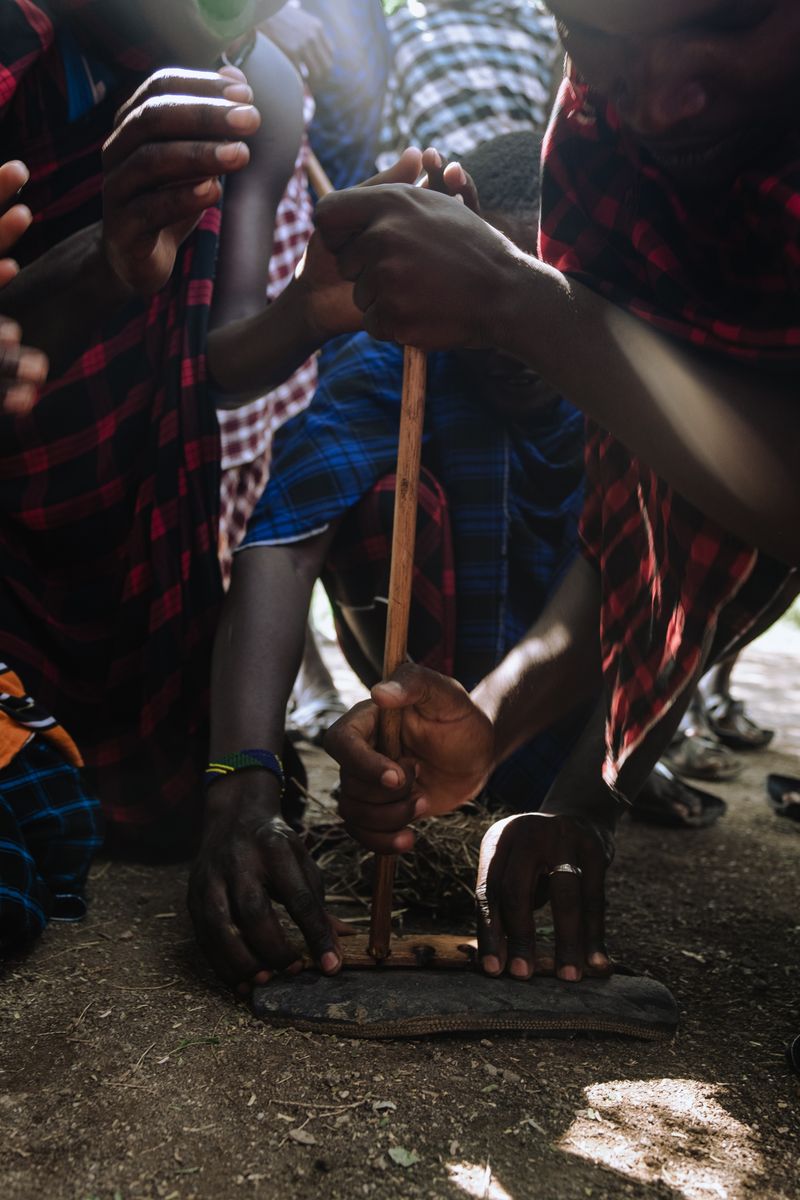
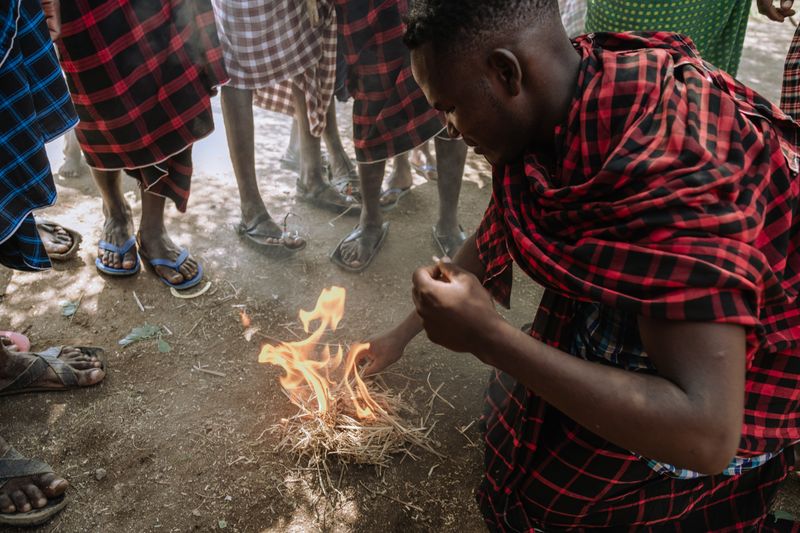
Maasai men demonstrate a traditional fire-starting technique passed down through pastoral life. The image reflects the continuity and resilience of ancestral knowledge and survival practices, held alongside changing environmental conditions and the adaptations that follow.

© Naomi Fowler - Image from the The Edge of Permanence photography project
i

Maasai men stand together as one catches the spark and brings a fire to life, a practice rooted in pastoral knowledge and connection to the land. The image reflects inherited survival skills shaped through movement across the savannah, while also raising questions about how such practices may evolve or become less central as pastoral life shifts toward greater permanence and changing conditions.

© Naomi Fowler - Image from the The Edge of Permanence photography project
i

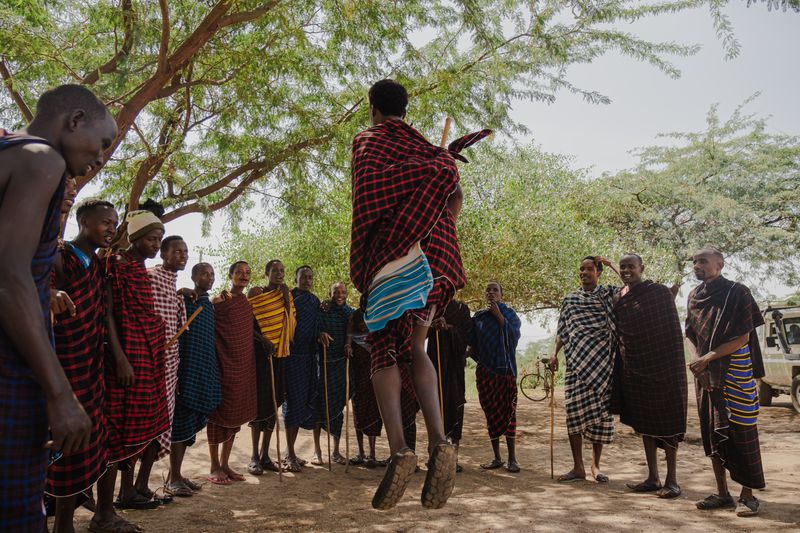
Maasai men gather in a ceremonial display of jumping and vocal rhythm, a practice rooted in generational knowledge and pastoral culture. The image reflects embodied tradition passed between generations, closing the series by bringing into focus how ancestral knowledge, environmental change, and growing permanence intersect, and how such practices may be carried forward as pastoral life evolves.