The dice was loaded from the start
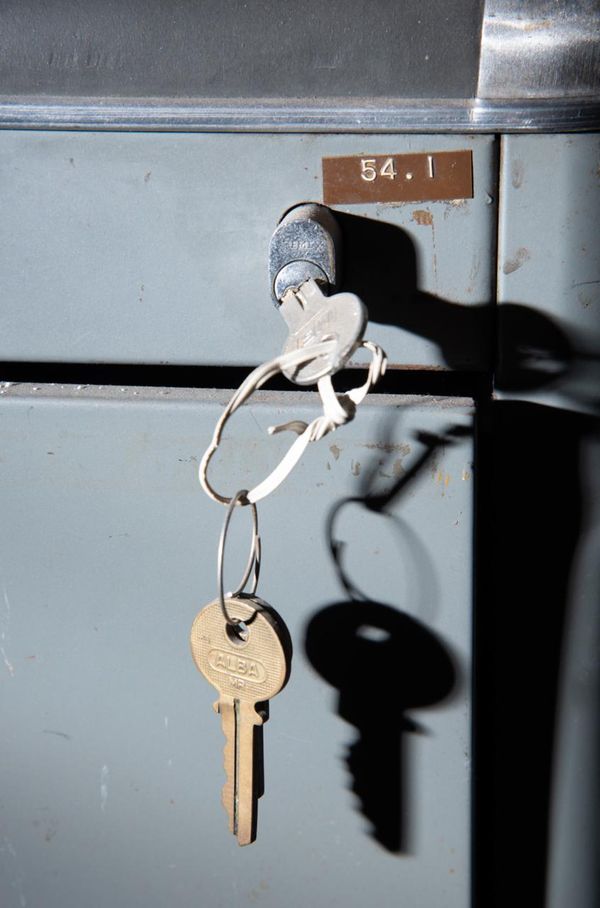
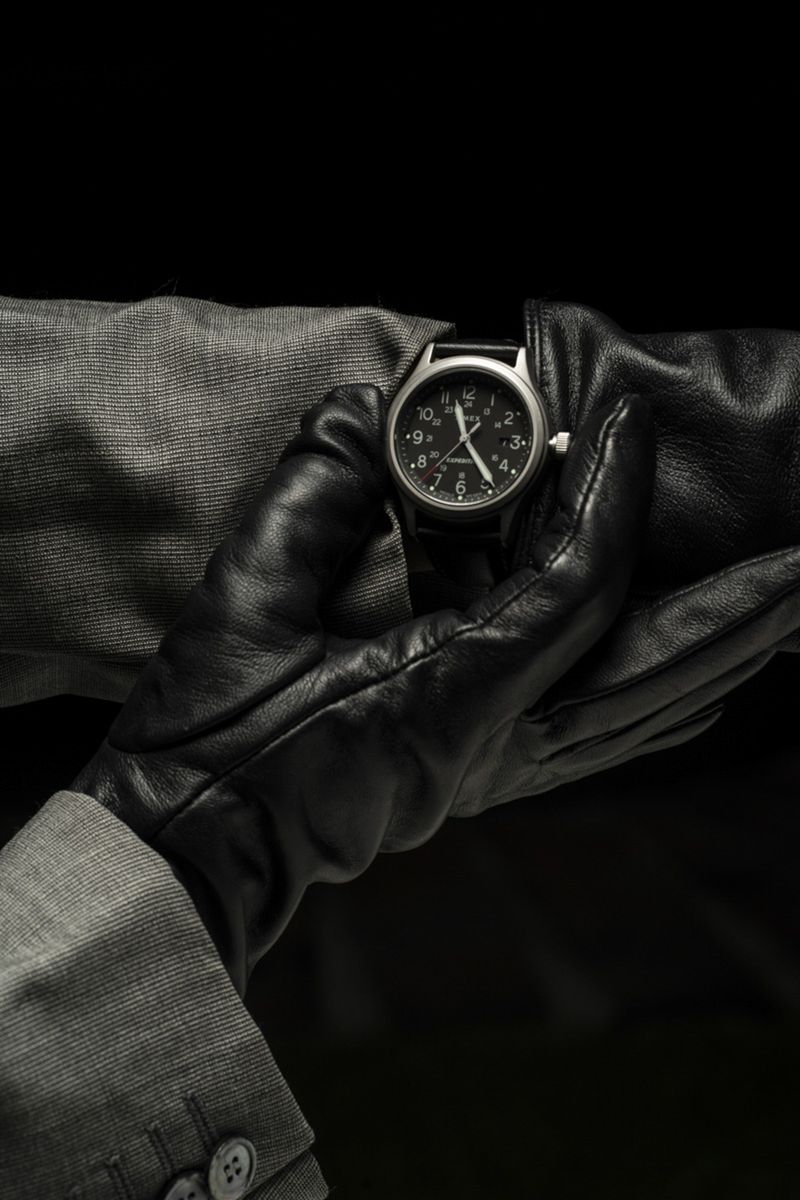
At the height of the Cold War, an invisible army kept Mexico’s surveillance machine running. Information moved through hotel desks, telephone lines, cars, homes and ordinary conversations, transforming everyday life into a field of suspicion.

A project by Eleana Konstantellos & Valeria Arendar

During the Cold War, Mexico City became one of the main hubs of espionage in Latin America. The simultaneous presence of the United States and the Soviet Union, together with the intelligence apparatus developed by the Mexican state through the Federal Security Directorate (DFS), gave rise to an extensive surveillance network targeting students, dissidents, intellectuals, foreign visitors, trade union leaders, and political exiles.

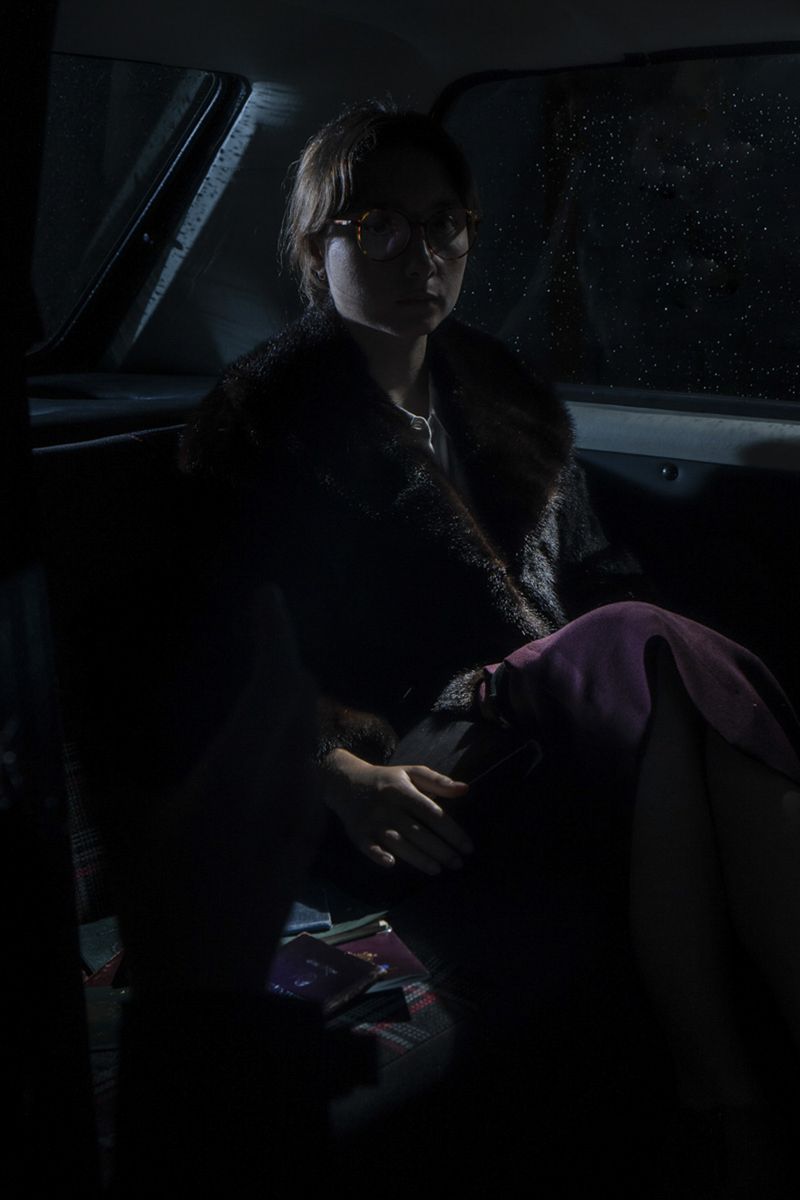
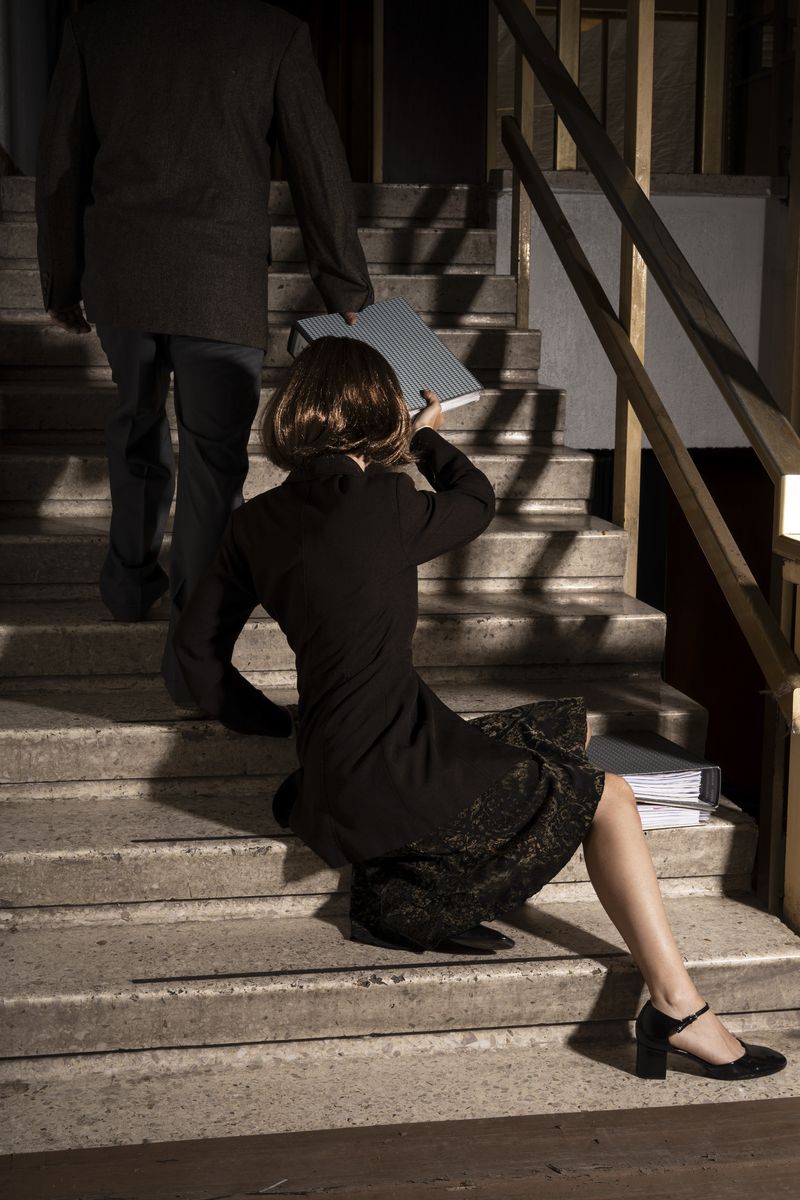
Espionage, however, did not rely solely on undercover agents or covert operations. Its everyday functioning also depended on a much broader and less visible network: secretaries, receptionists, telephone operators, diplomats’ wives, drivers, neighbours, and occasional informants who enabled information to circulate.

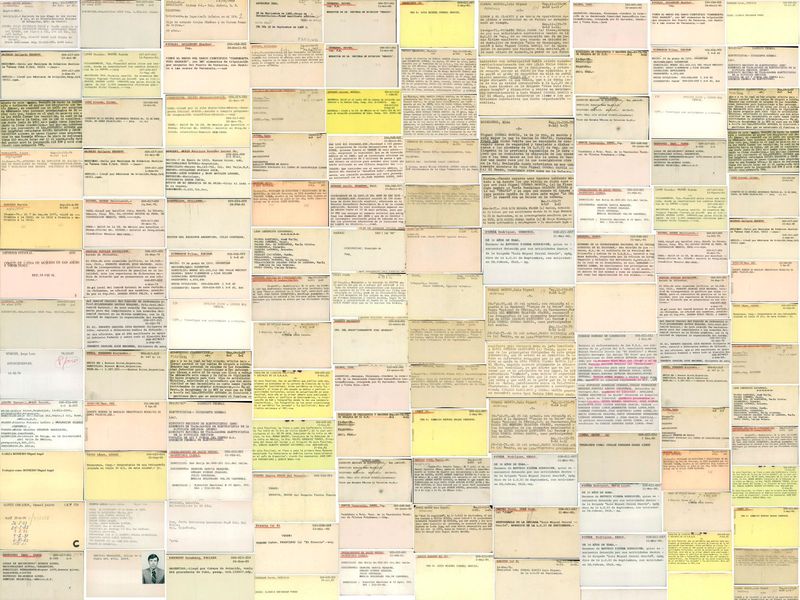
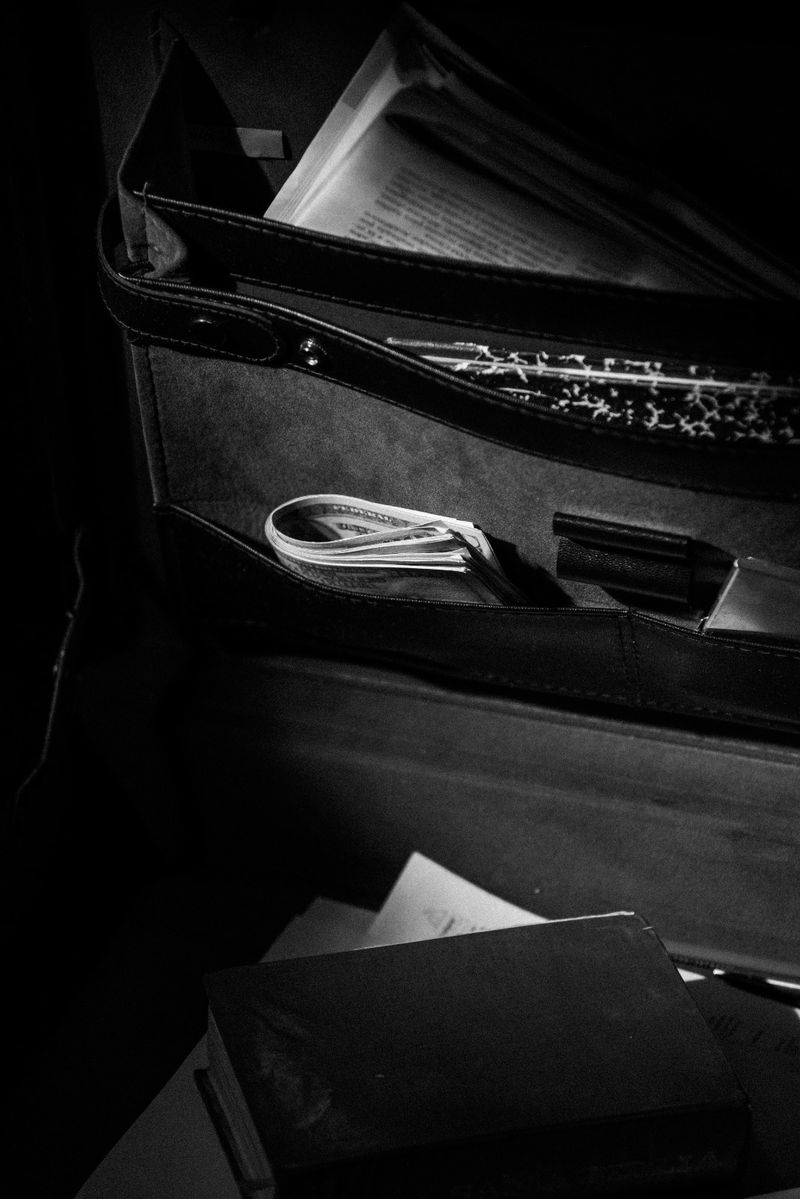
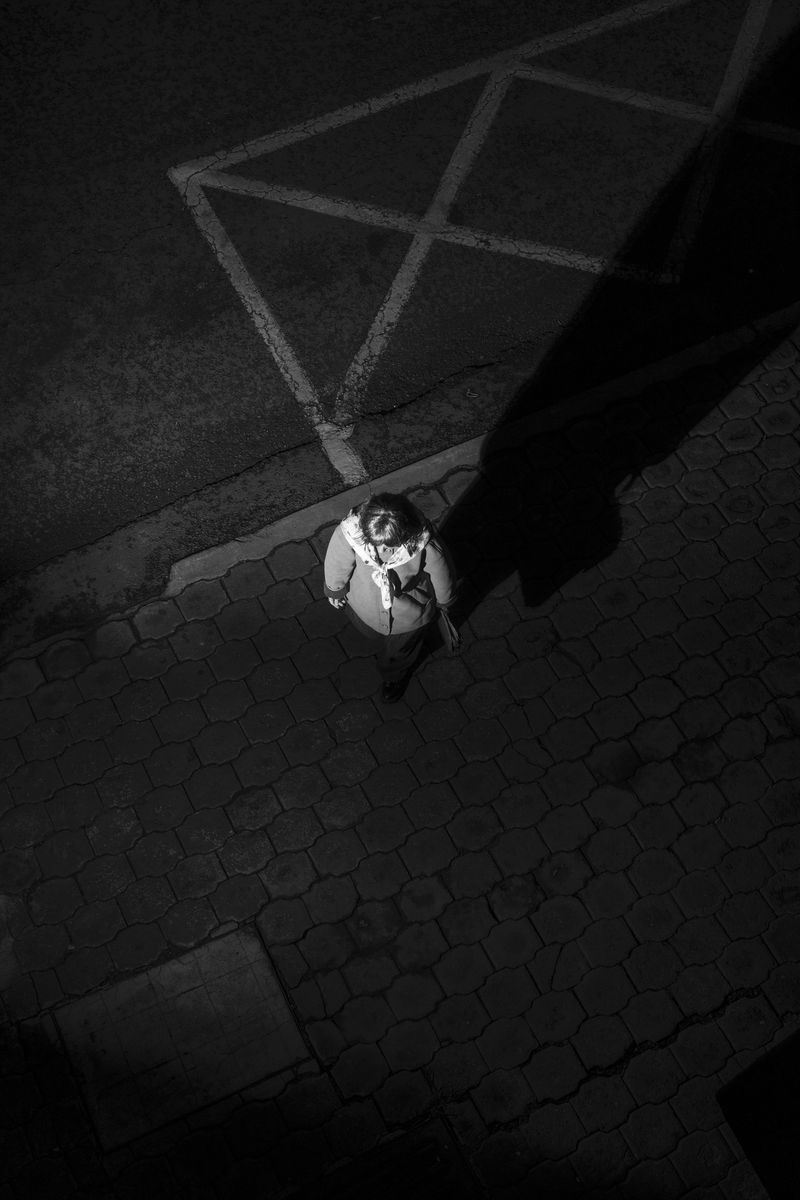
Arrivals and departures, telephone calls, hotel stays, meetings, correspondence, personal relationships, and movements were recorded, classified, and transformed into index cards, reports, and intelligence files. Seemingly insignificant activities acquired meaning within a system organised around suspicion.

The Dice Was Loaded from the Start focuses on these invisible infrastructures of espionage: the bodies, spaces, routines, and ordinary relationships that made surveillance possible and that, despite their importance, have occupied a secondary place in historical narratives of the Cold War.

This project is a candidate for PhMuseum 2026 Women Photographers Grant

Learn more Present your project
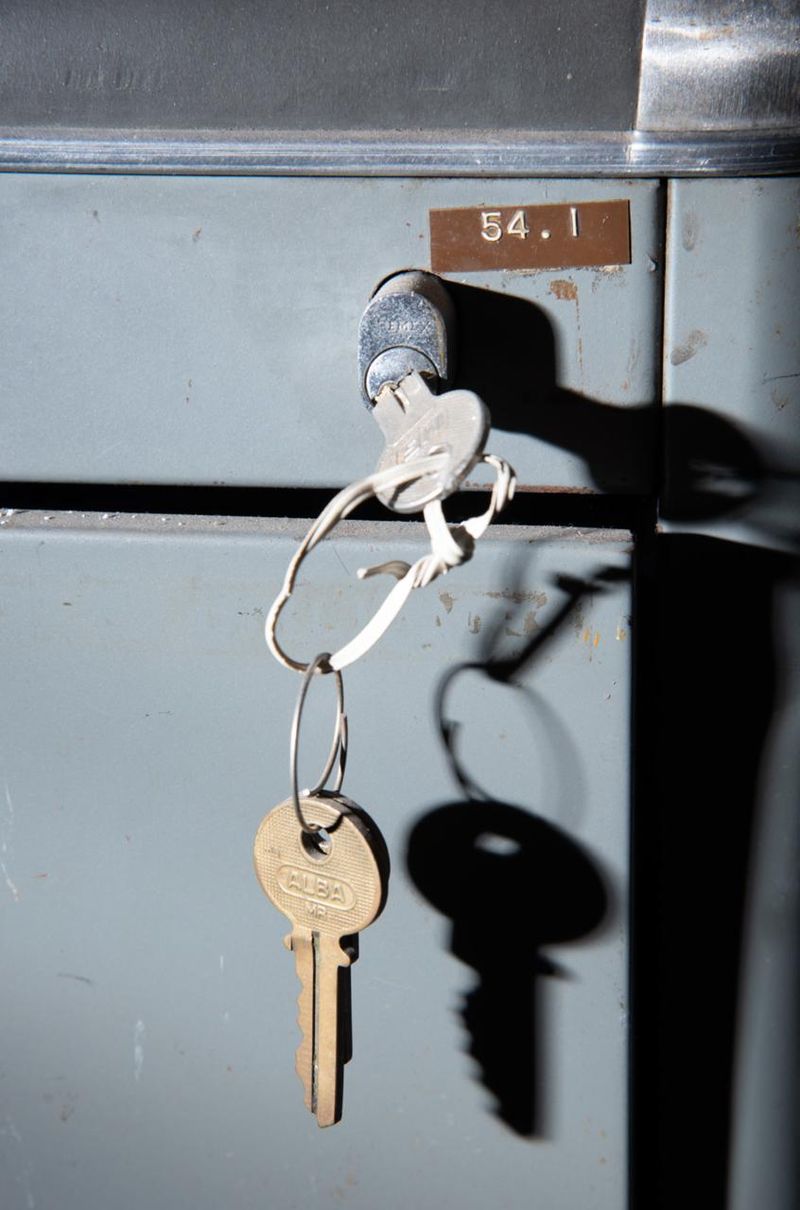
© Valeria Arendar - Image from the The dice was loaded from the start photography project
i

The files—now partially safeguarded in the National Archives—reveal the existence of a state intelligence infrastructure that operated in close collaboration with the CIA, aimed at monitoring both foreign targets (such as embassies) and domestic political actors.

© Valeria Arendar - Image from the The dice was loaded from the start photography project
i

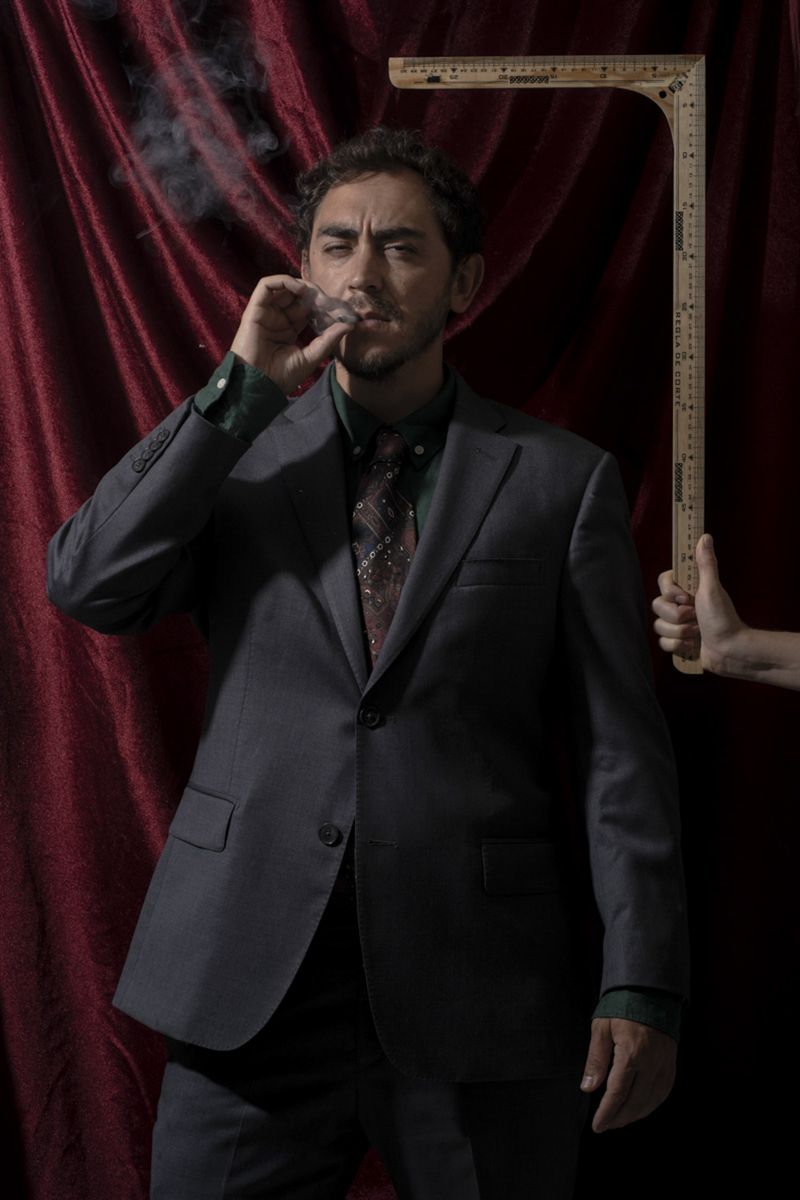
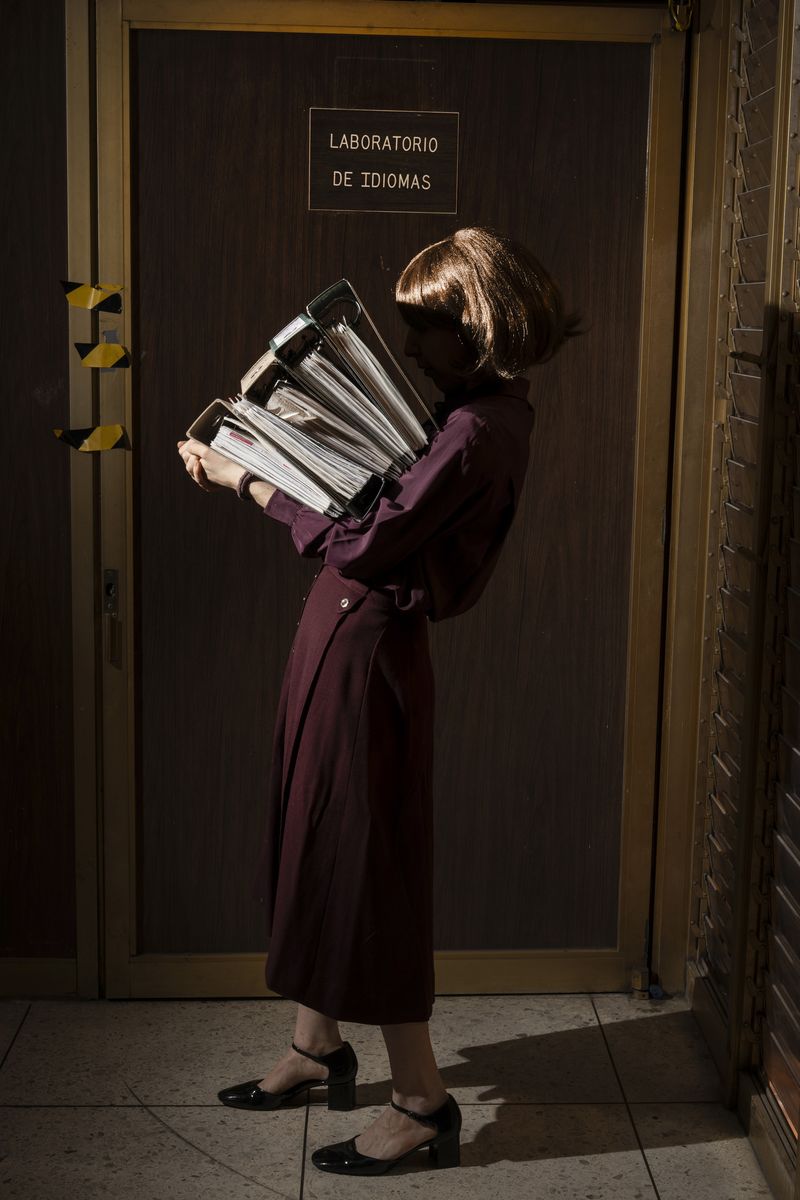
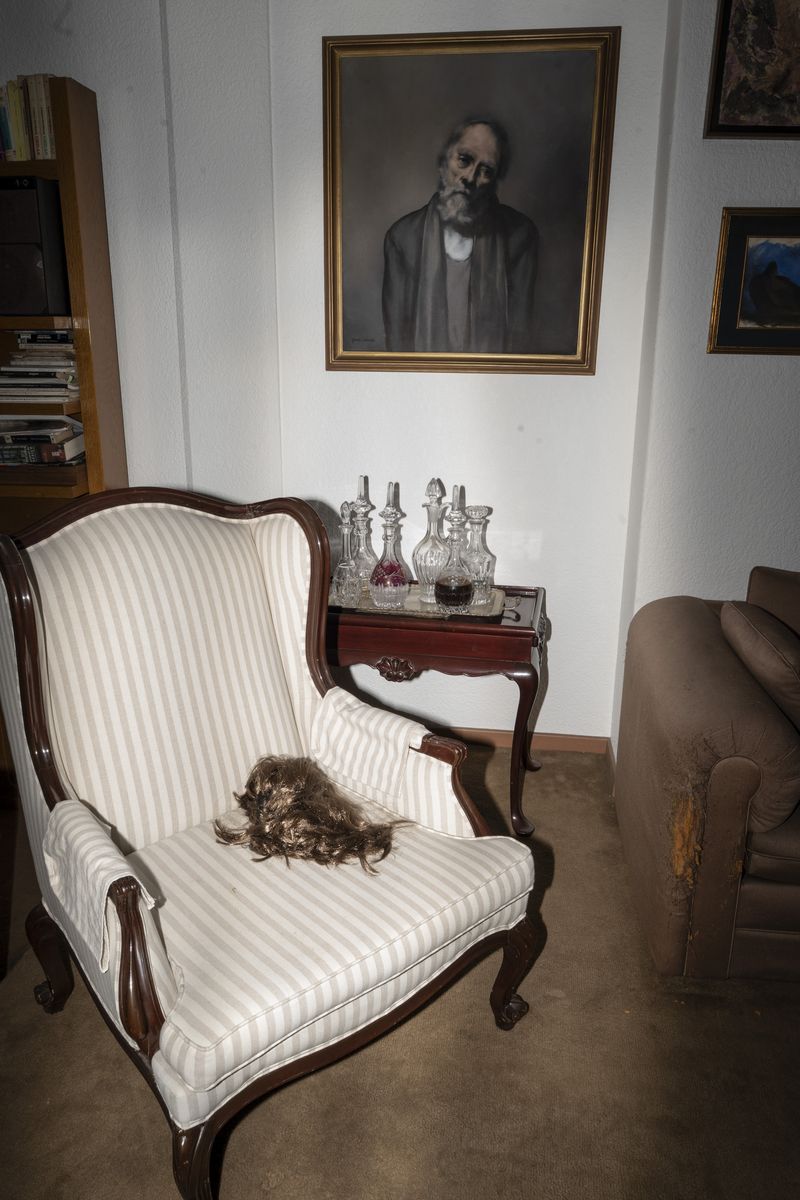
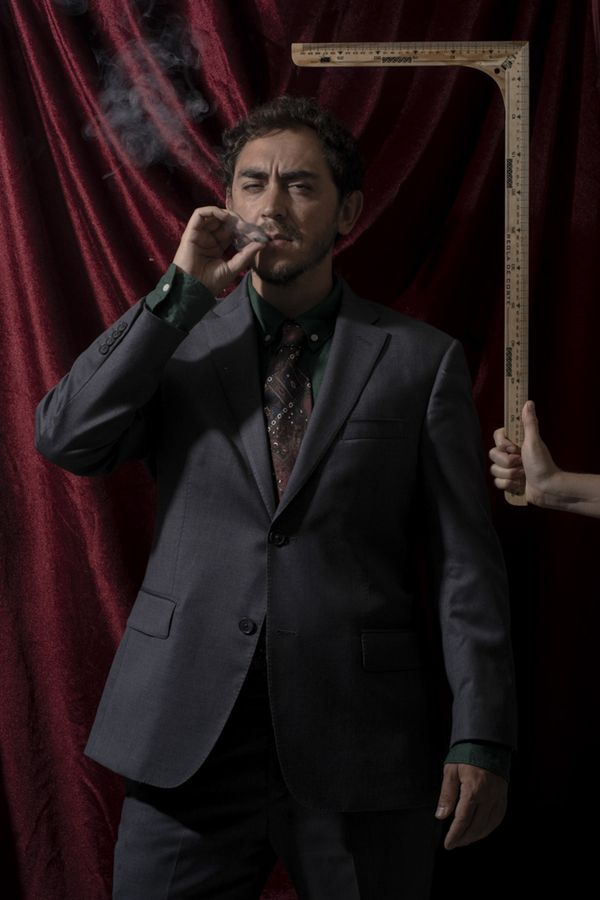
Entry requirements included a minimum height of 1.70 m, knowledge of at least two languages, recorded eye color and physical build, unrestricted marital status, immediate availability, political and family background subject to review, and strong skills in observation and discretion.

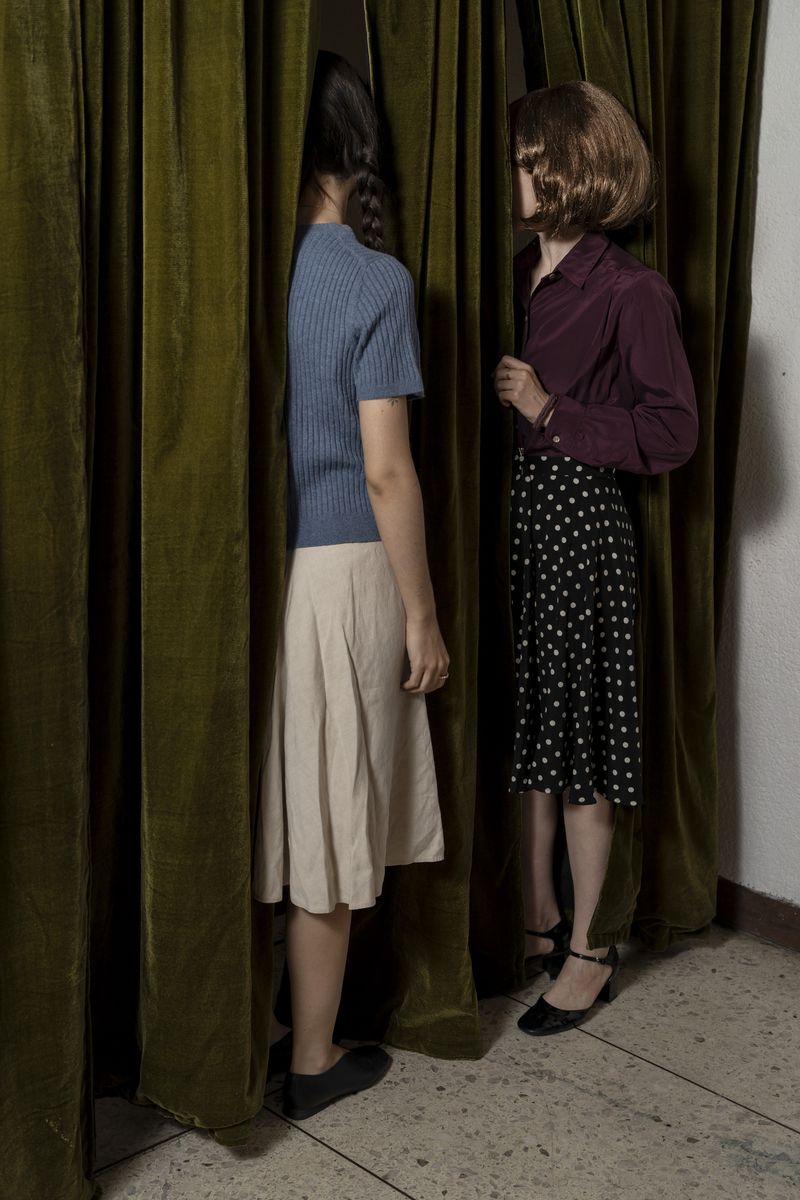
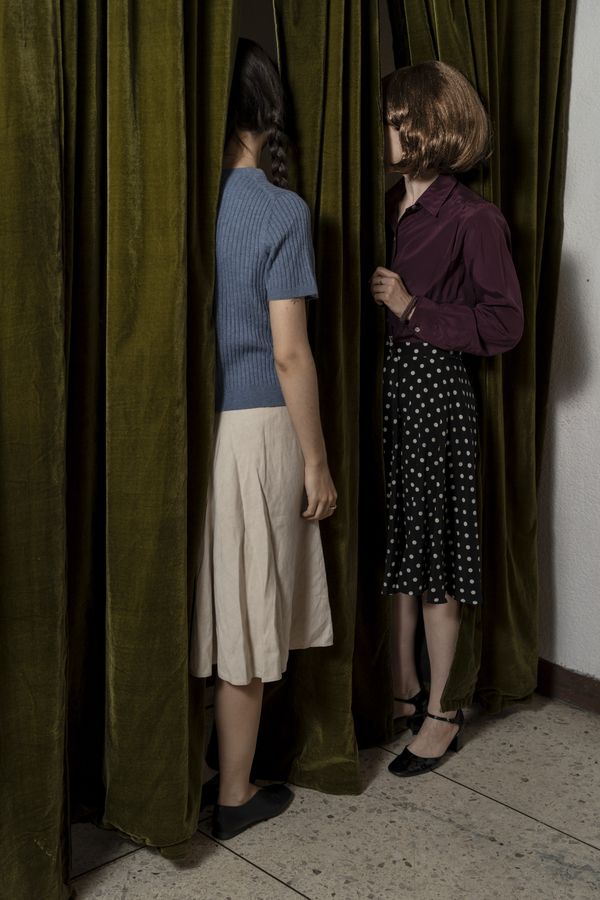
© Valeria Arendar - Behind the curtain, ordinary gestures of looking and whispering become entangled with gossip, suspicion, and paranoia.
i

Behind the curtain, ordinary gestures of looking and whispering become entangled with gossip, suspicion, and paranoia.

© Valeria Arendar - Image from the The dice was loaded from the start photography project
i

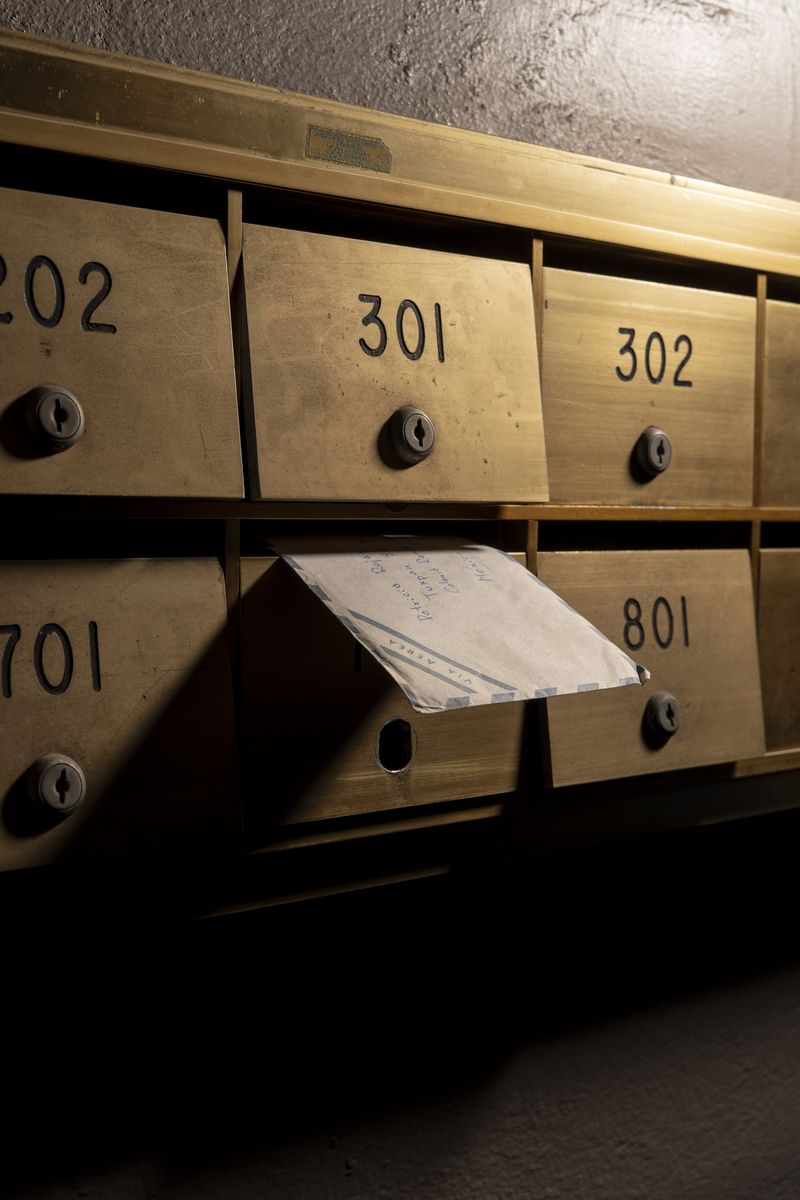
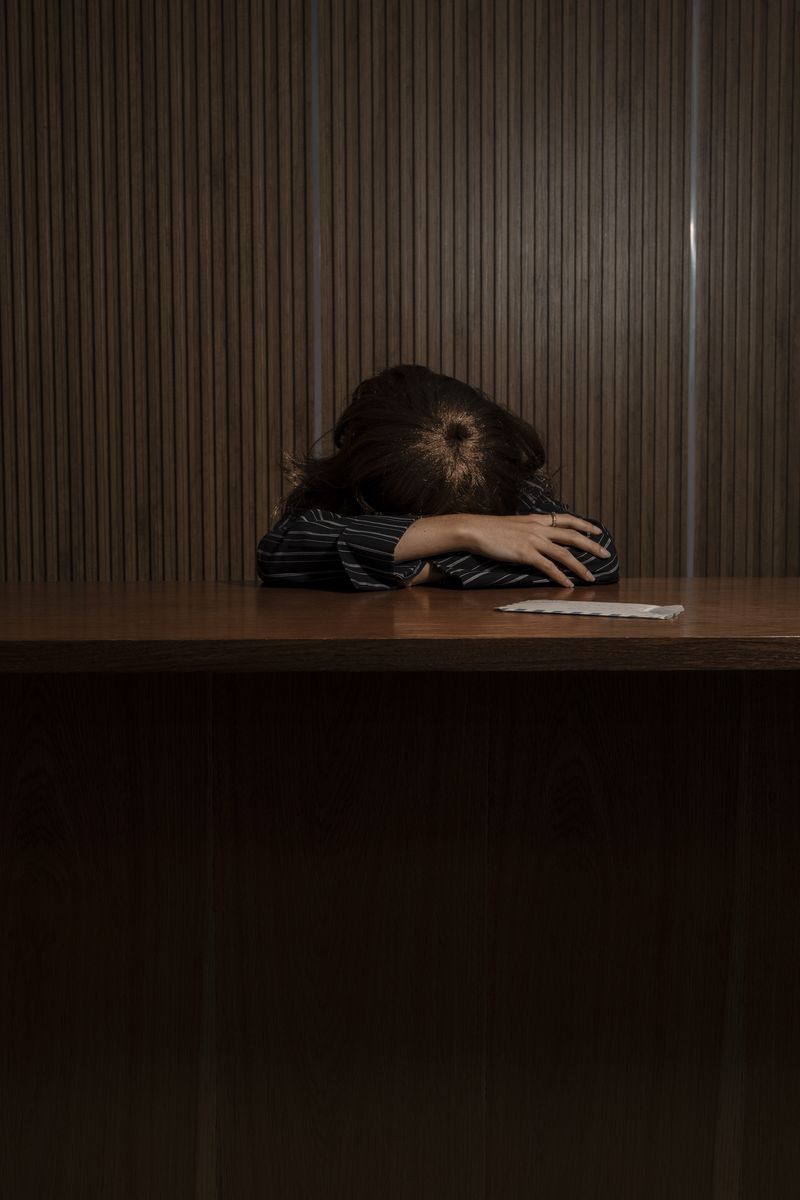
A letter sent to an Argentine political exile under a clandestine name. In response to the risk of mail being intercepted and opened by the DFS, private correspondence was often addressed using aliases.

© Valeria Arendar - Image from the The dice was loaded from the start photography project
i

Records of Surveillance: These cards were basic units of the Dirección Federal de Seguridad’s surveillance apparatus. Names, addresses, affiliations, movements and relationships were reduced to searchable data.

© Valeria Arendar - Image from the The dice was loaded from the start photography project
i

Information does not remain where it is observed; it moves. It passes from witness to agent, from agent to report, from report to file, and from file to archive.

© Valeria Arendar - Image from the The dice was loaded from the start photography project
i

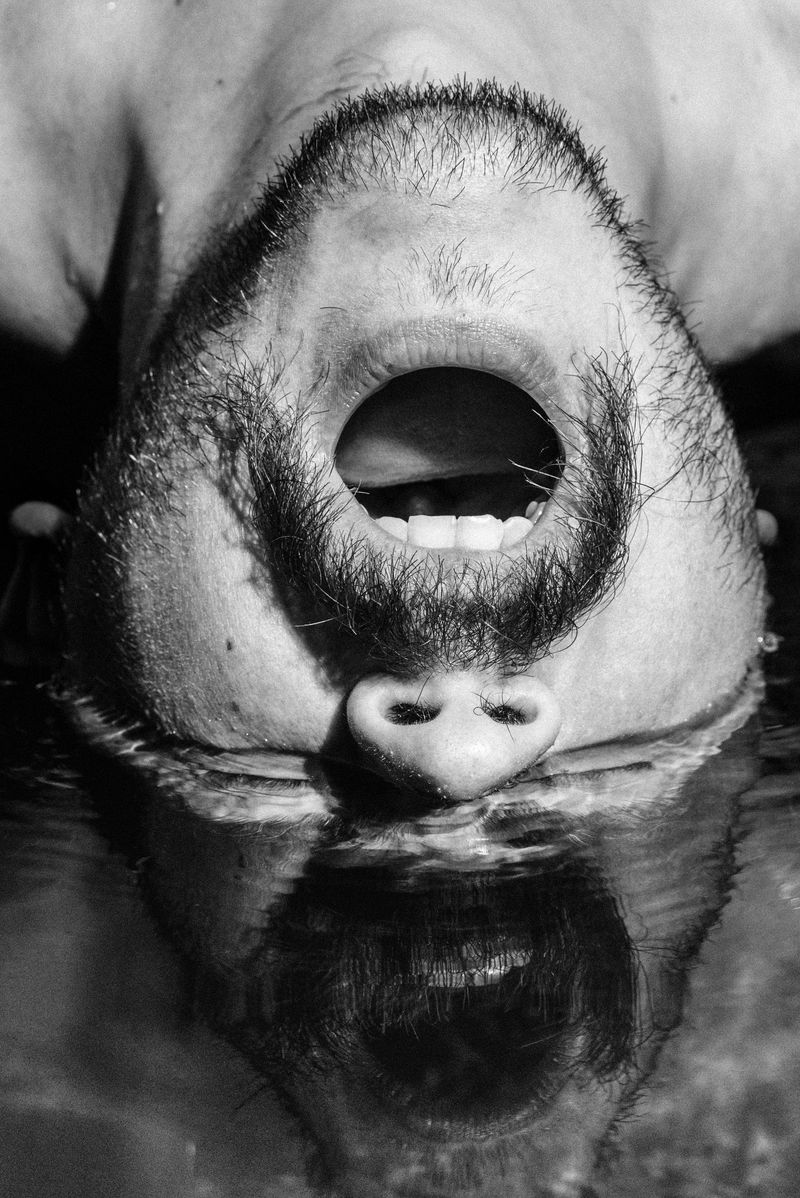
Known as “el pozito,” the technique consisted of repeatedly submerging the detained person’s head in a container of water—such as a bathtub, cistern, or improvised tank—causing asphyxiation, panic, and disorientation.

© Valeria Arendar - Image from the The dice was loaded from the start photography project
i

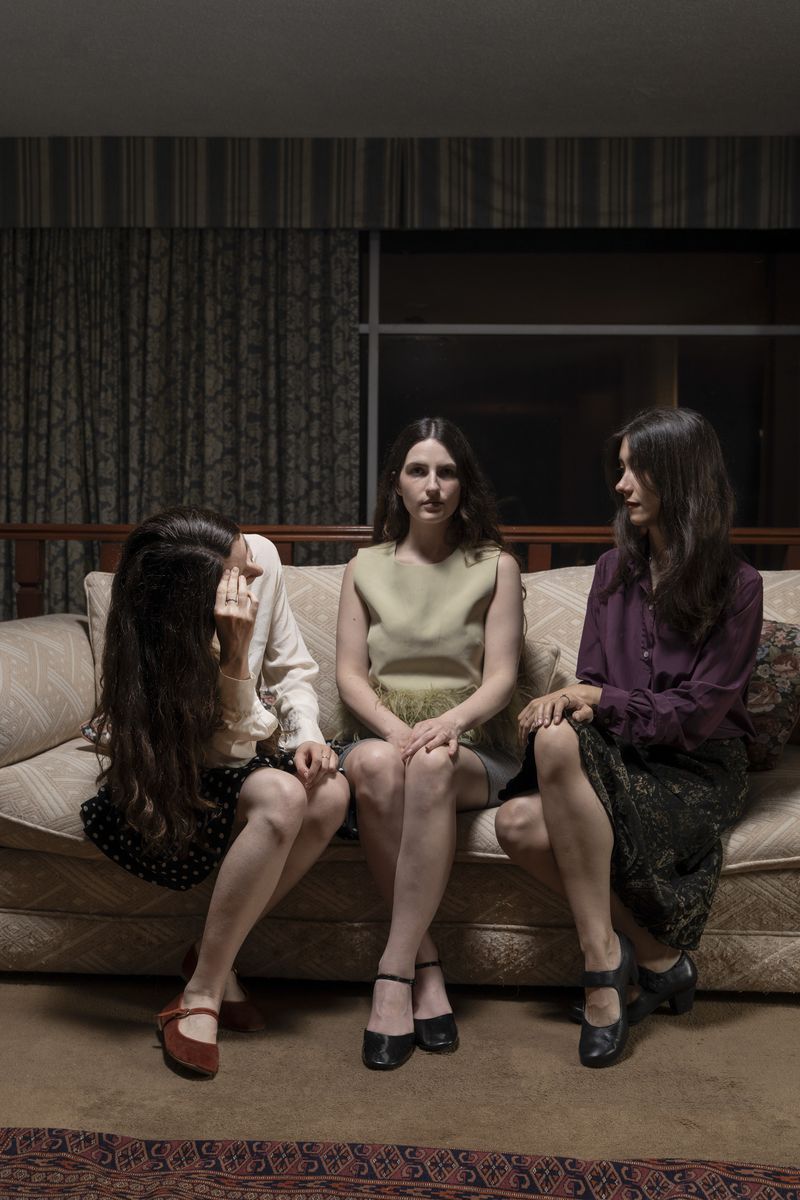
The tertulia as a site of informal surveillance: diplomatic wives could observe conversations, alliances and political affinities, turning sociability into a channel for intelligence.

© Valeria Arendar - Image from the The dice was loaded from the start photography project
i

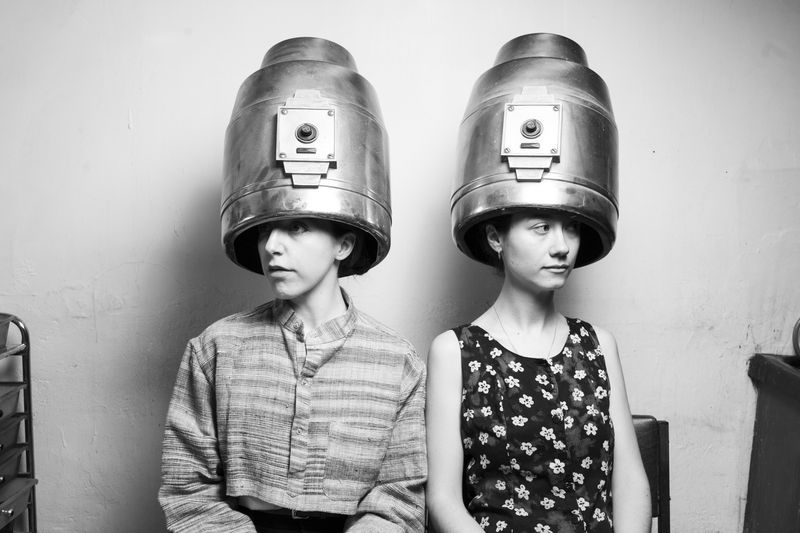
Hairdressing Workers’ Union: an everyday workplace could also become a point of observation, rumor, informal exchange and political surveillance.

© Valeria Arendar - The hotel as a site of surveillance and eavesdropping.
i

The hotel as a site of surveillance and eavesdropping.

© Valeria Arendar - Image from the The dice was loaded from the start photography project
i

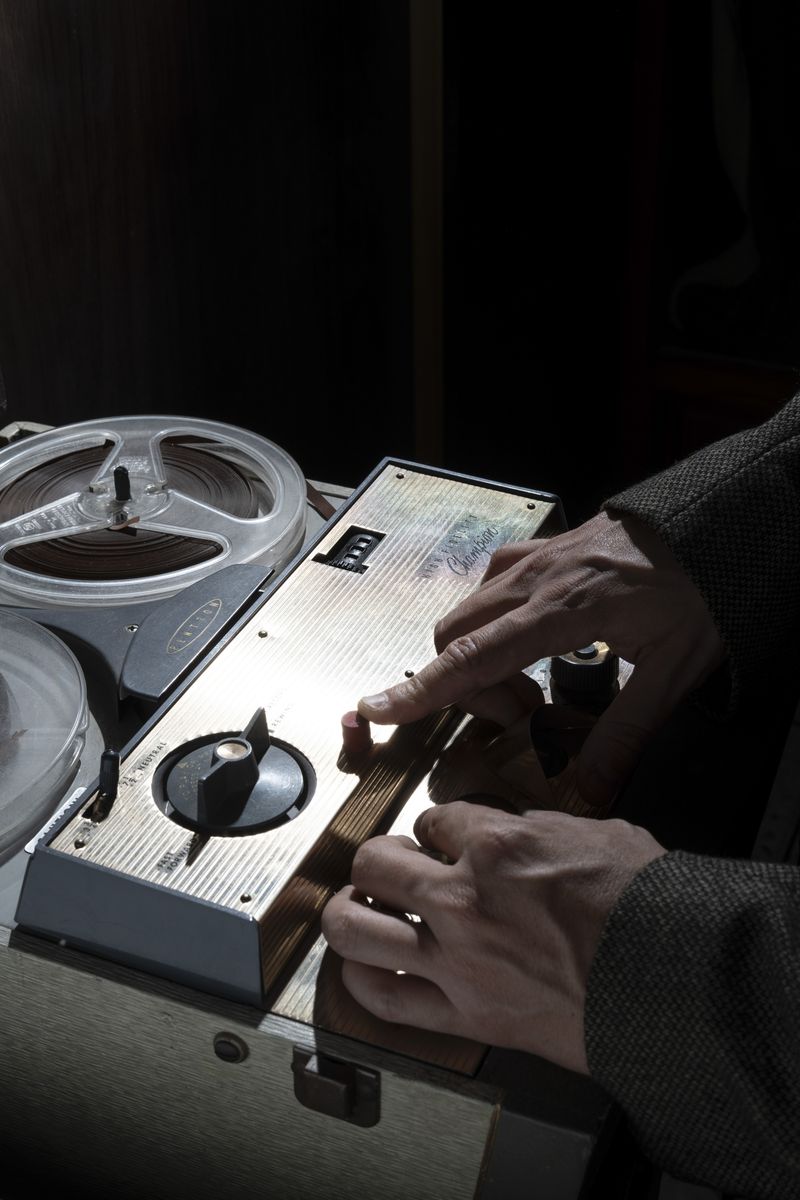
A private call becomes evidence: voices, routines and relationships captured, recorded and absorbed into the machinery of surveillance.

© Valeria Arendar - Image from the The dice was loaded from the start photography project
i

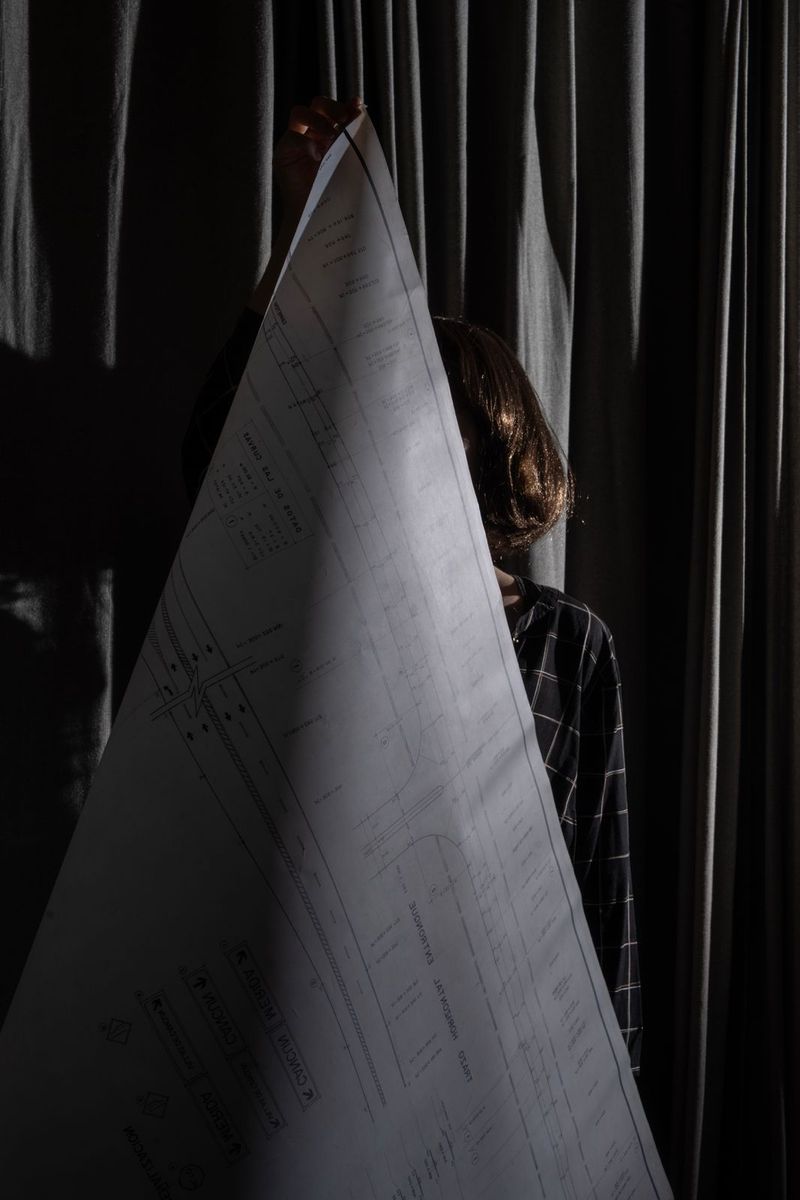
Reading a map becomes an act of surveillance: tracing routes, anticipating movements, and locating the places where observation might continue.

© Valeria Arendar - Image from the The dice was loaded from the start photography project
i

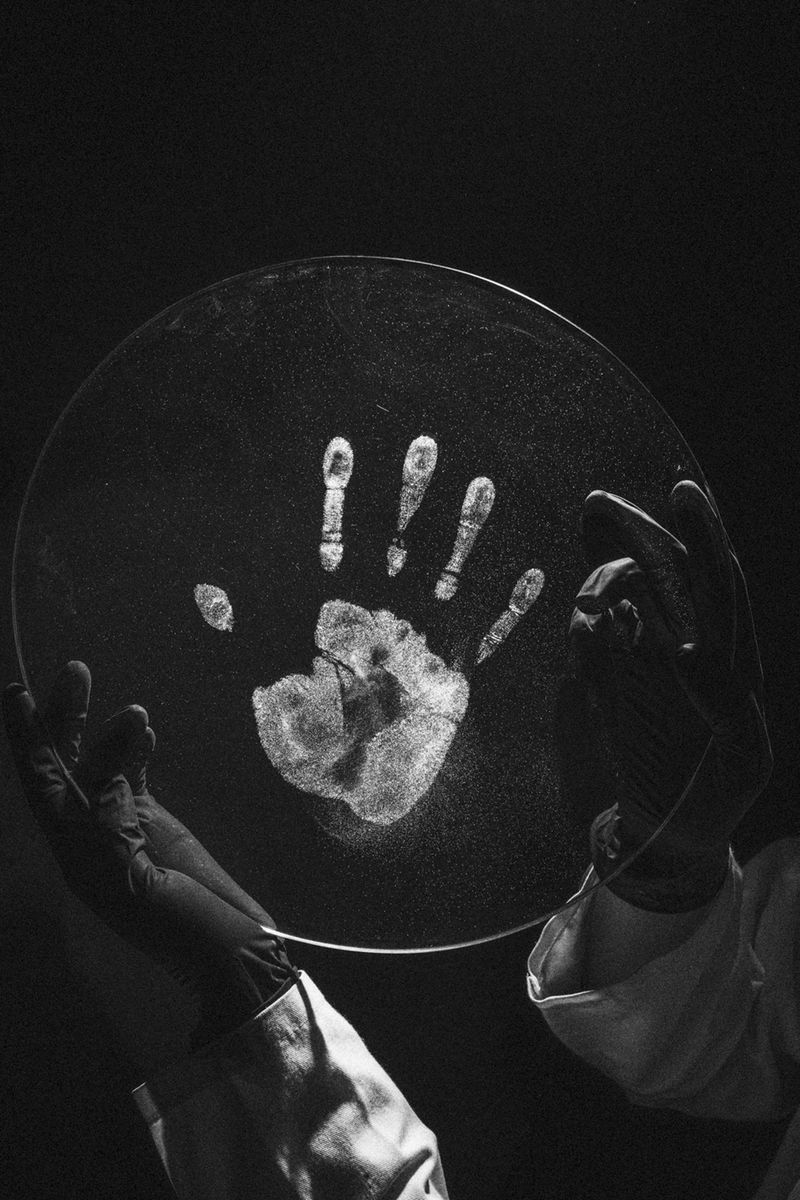
There is a record that on May 15, 1983, Detective Officer Anthony Amoroso, a specialist in fingerprint identification, arrived in Mexico City from New York. In the image, he is seen analyzing a left-hand print, marked in white powder on a circular glass surface.

The dice was loaded from the start by Valeria Arendar

Prev Next Close