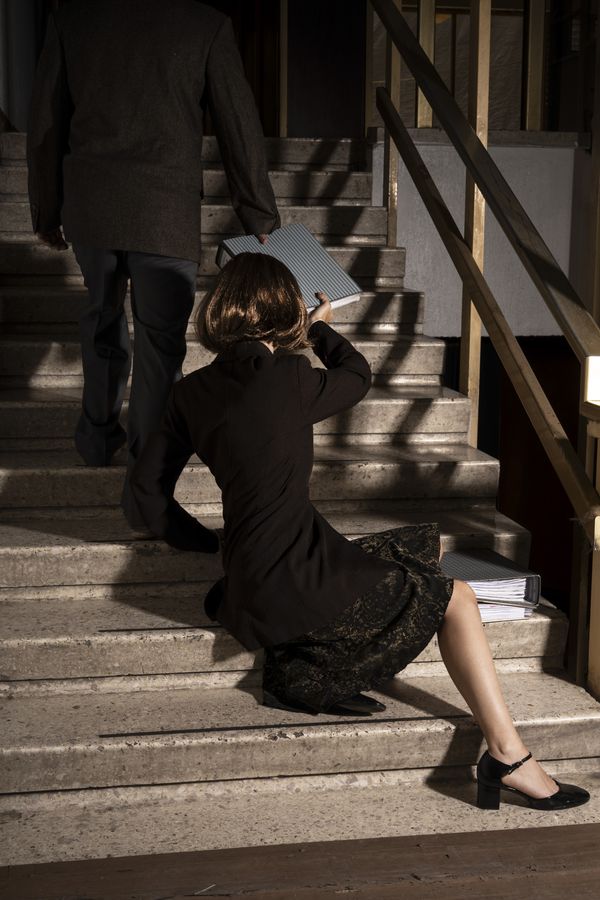
The dice was loaded from the start
-
Dates2023 - Ongoing
-
Author
- Location Mexico City, Mexico
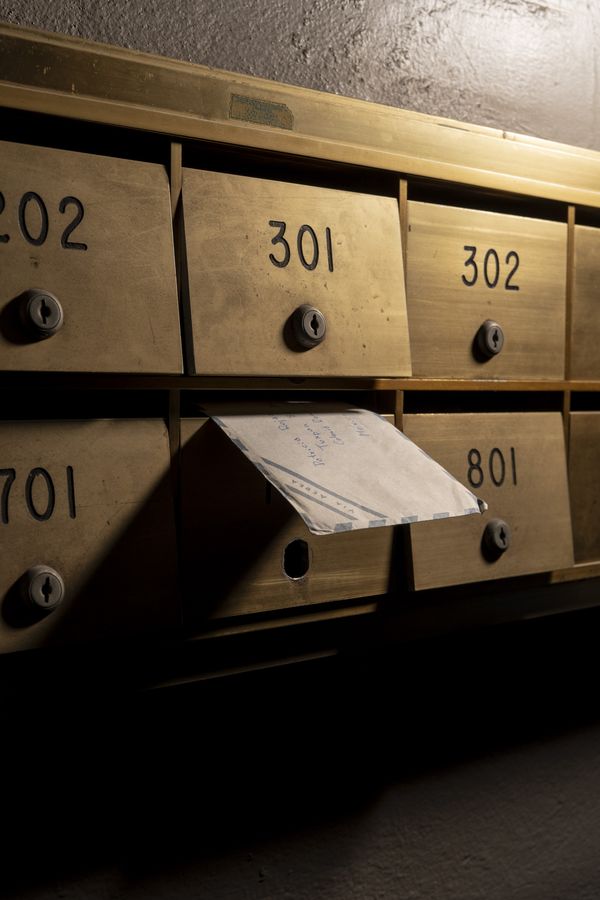
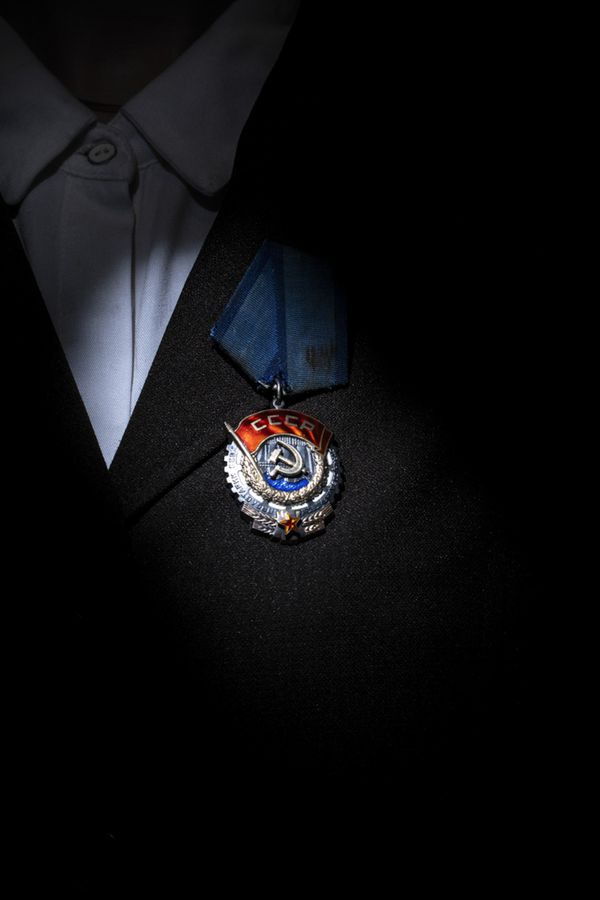
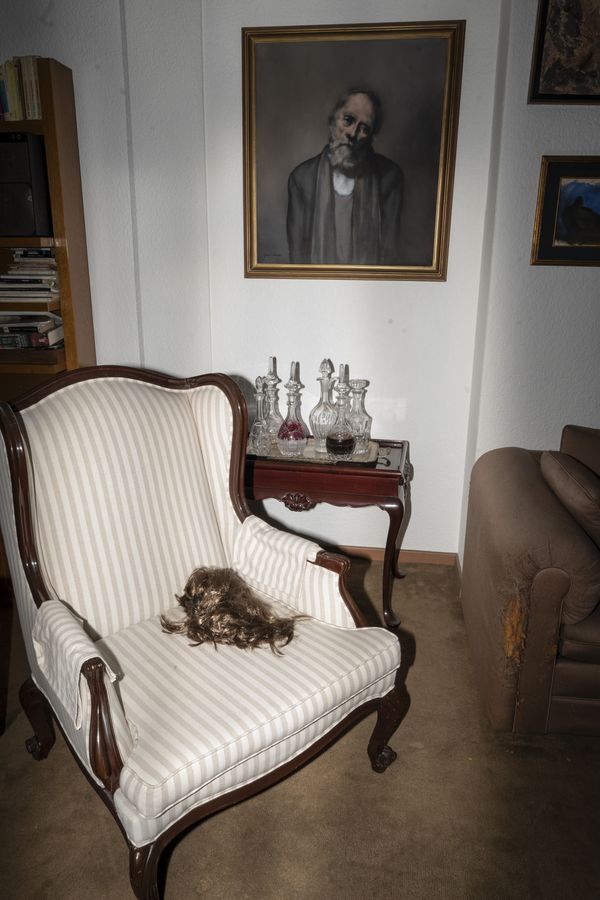
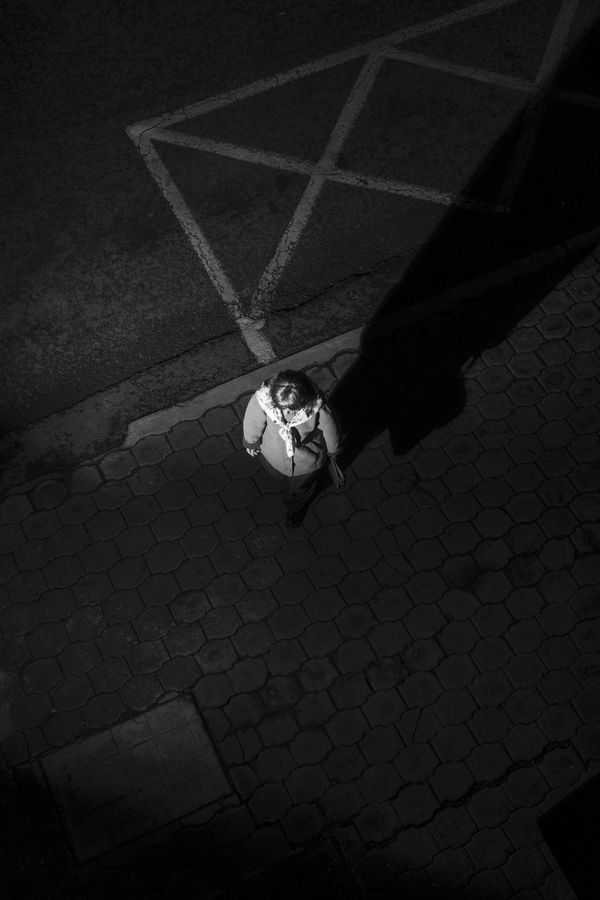
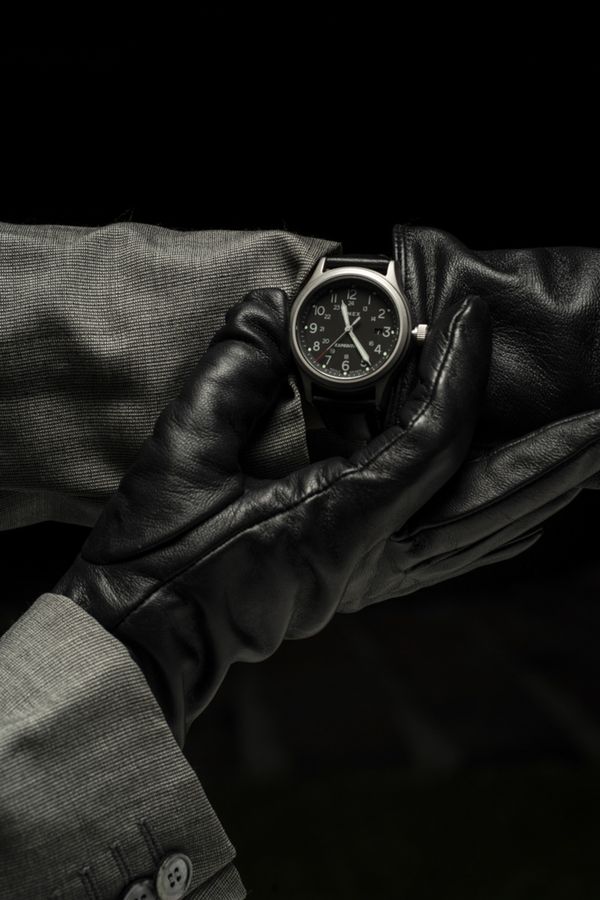
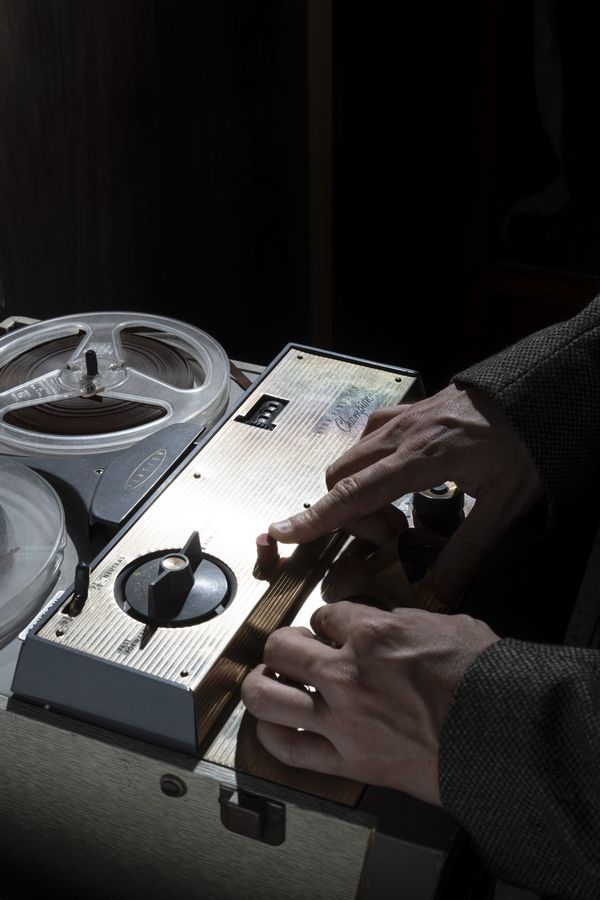
At the height of the Cold War, an invisible army kept Mexico’s surveillance machine running. Information moved through hotel desks, telephone lines, cars, homes and ordinary conversations, transforming everyday life into a field of suspicion.
A project by Eleana Konstantellos & Valeria Arendar
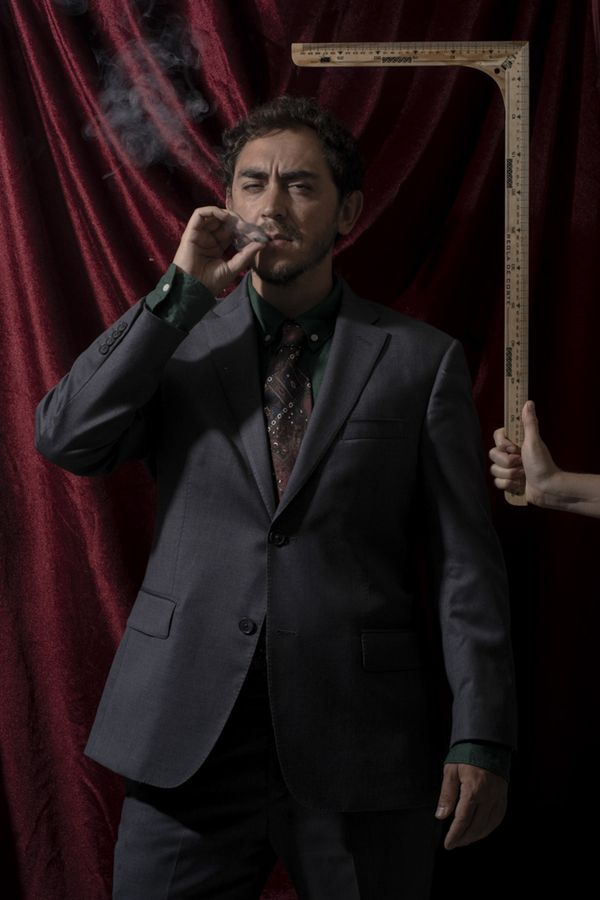
During the Cold War, Mexico City became one of the main hubs of espionage in Latin America. The simultaneous presence of the United States and the Soviet Union, together with the intelligence apparatus developed by the Mexican state through the Federal Security Directorate (DFS), gave rise to an extensive surveillance network targeting students, dissidents, intellectuals, foreign visitors, trade union leaders, and political exiles.
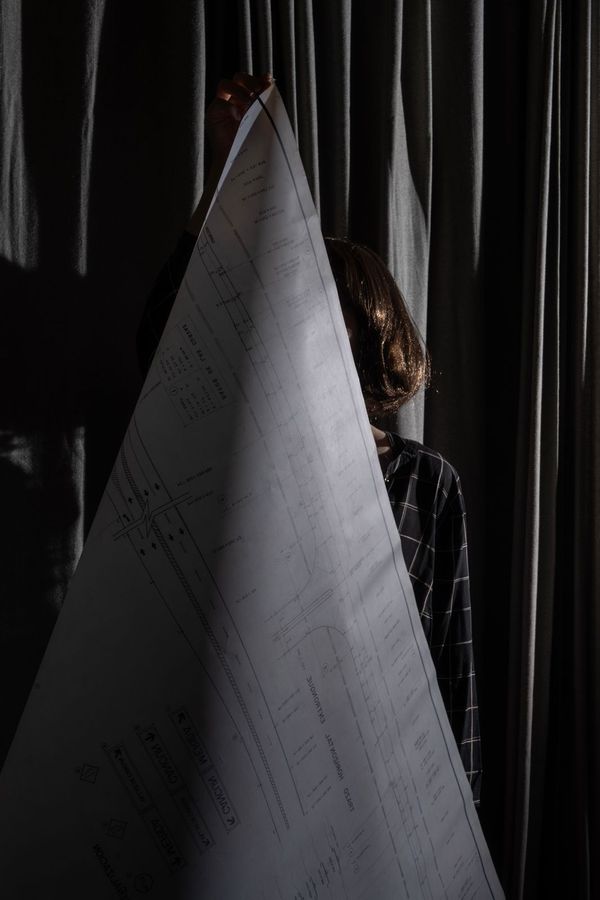
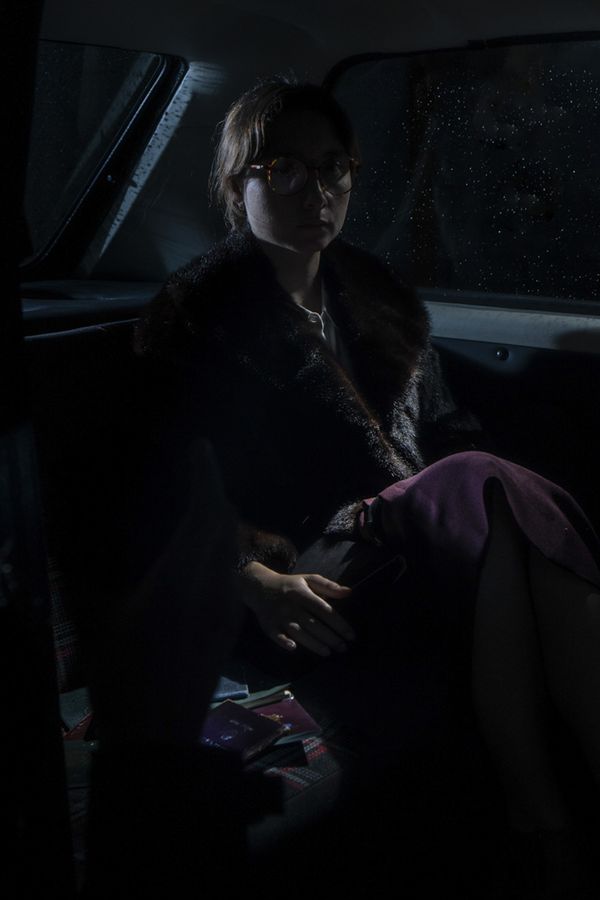
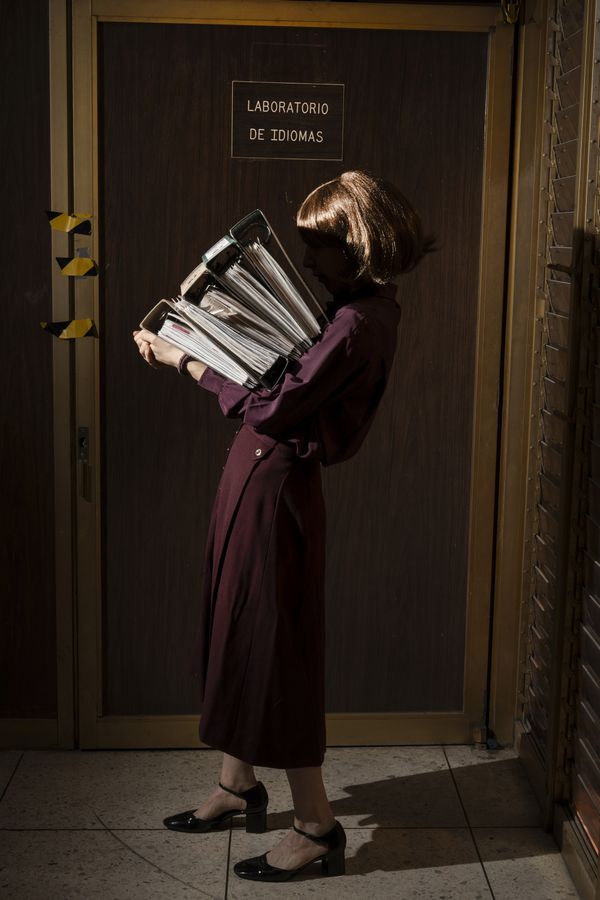
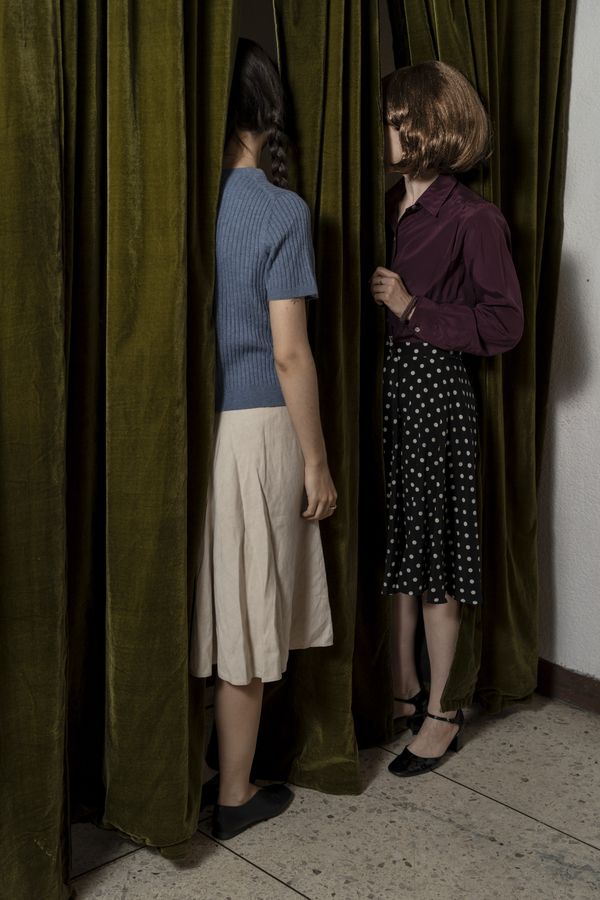
Espionage, however, did not rely solely on undercover agents or covert operations. Its everyday functioning also depended on a much broader and less visible network: secretaries, receptionists, telephone operators, diplomats’ wives, drivers, neighbours, and occasional informants who enabled information to circulate.
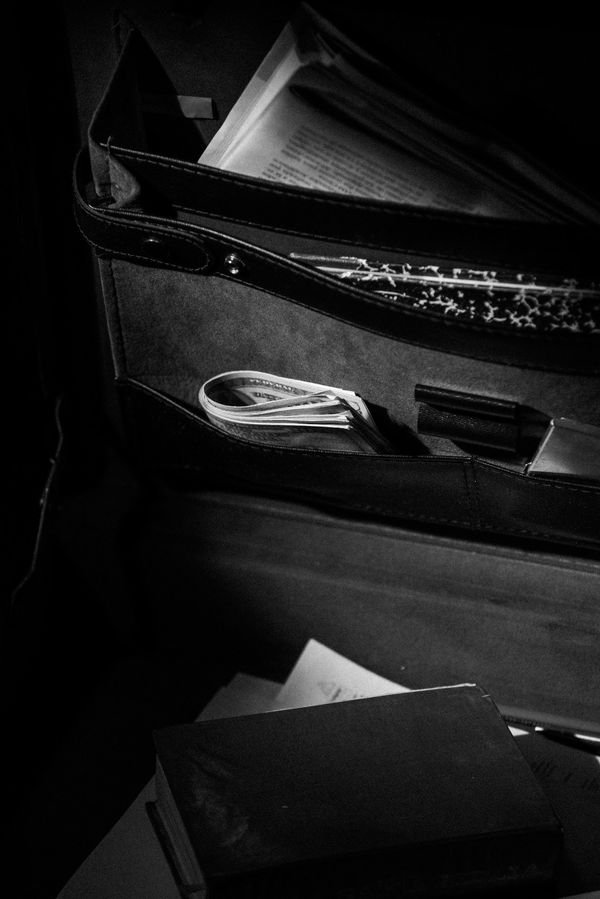
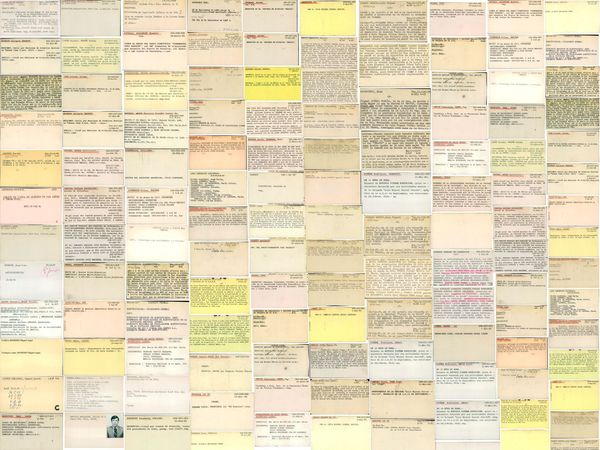
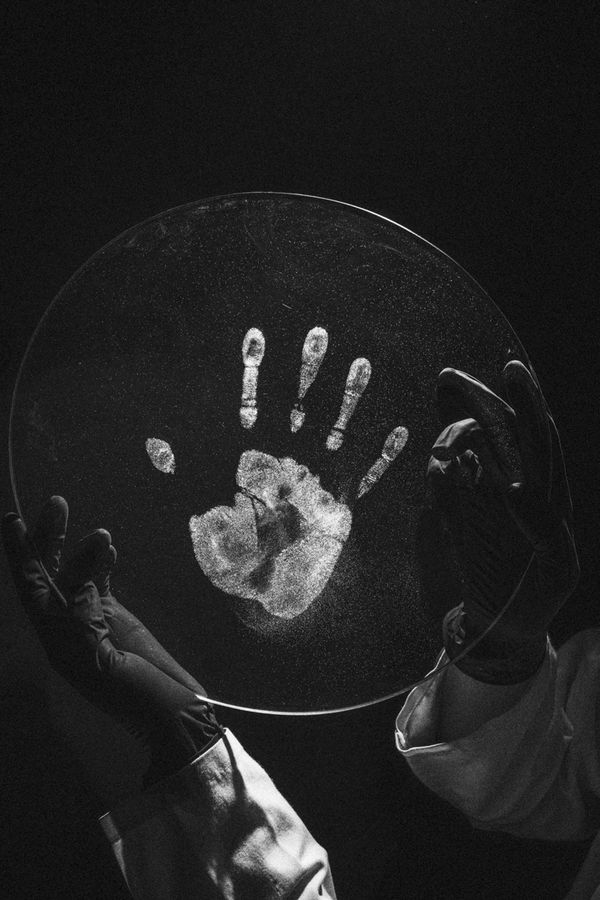
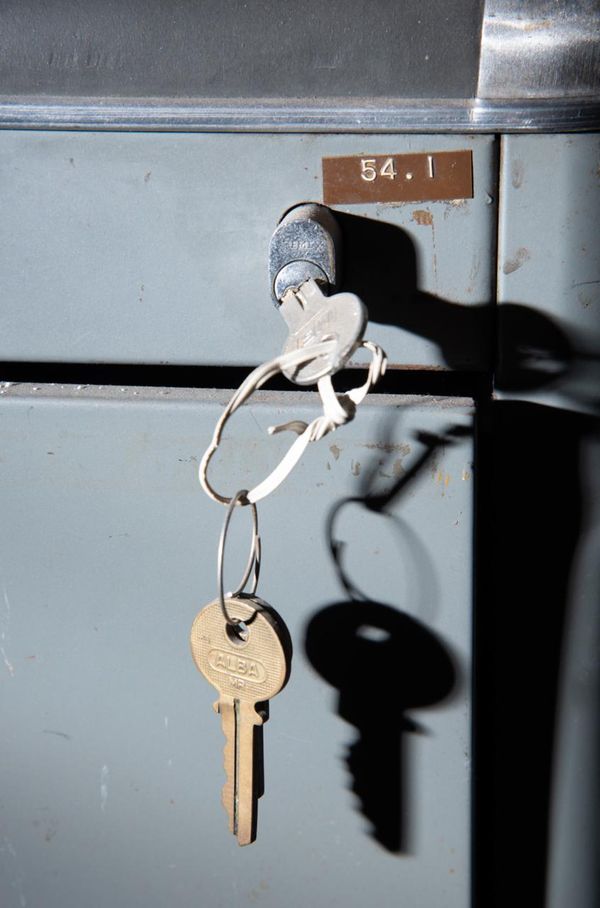
Arrivals and departures, telephone calls, hotel stays, meetings, correspondence, personal relationships, and movements were recorded, classified, and transformed into index cards, reports, and intelligence files. Seemingly insignificant activities acquired meaning within a system organised around suspicion.
The Dice Was Loaded from the Start focuses on these invisible infrastructures of espionage: the bodies, spaces, routines, and ordinary relationships that made surveillance possible and that, despite their importance, have occupied a secondary place in historical narratives of the Cold War.