The Course of Water
-
Dates2016 - 2024
-
Author
- Location California, United States
The Course of Water explores California’s Owens Valley, revealing how the diversion of water reshapes landscapes, displaces communities, and fuels ecological crises, prompting urgent questions about power, survival, and environmental justice.
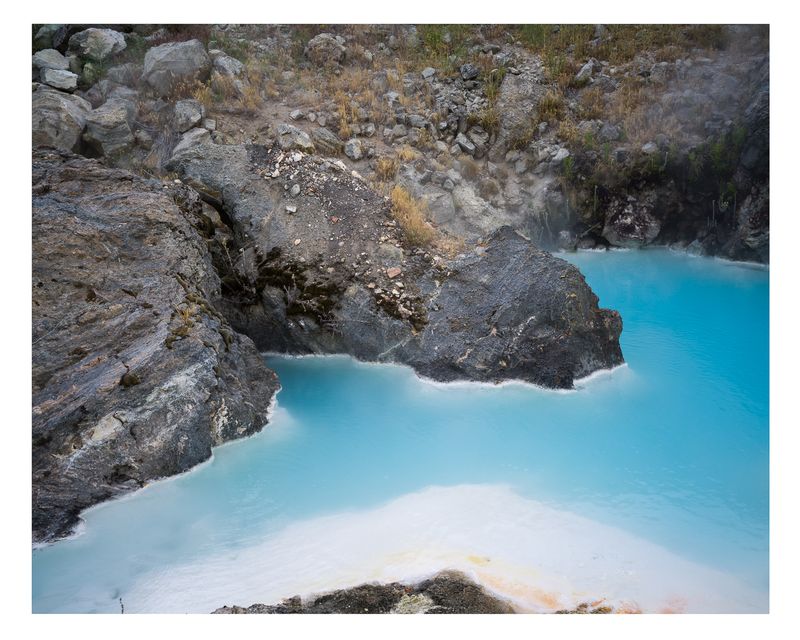
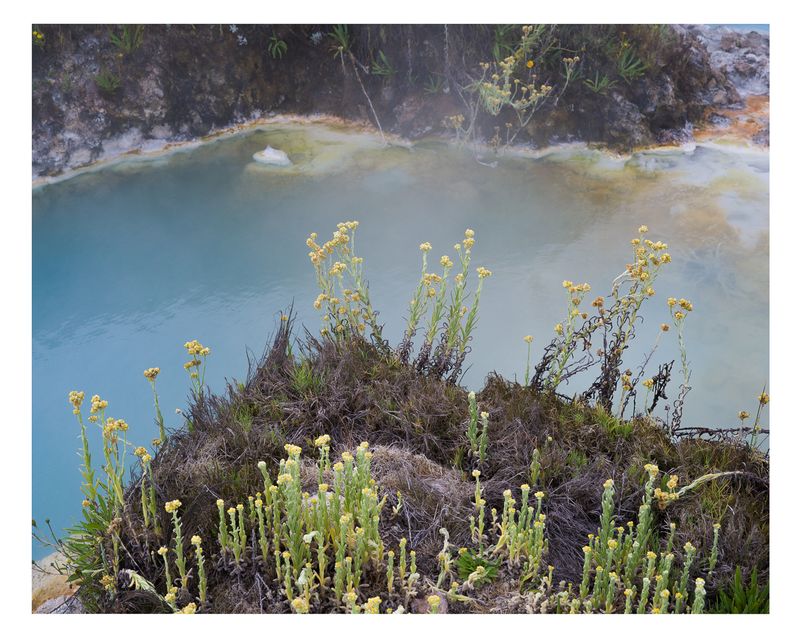
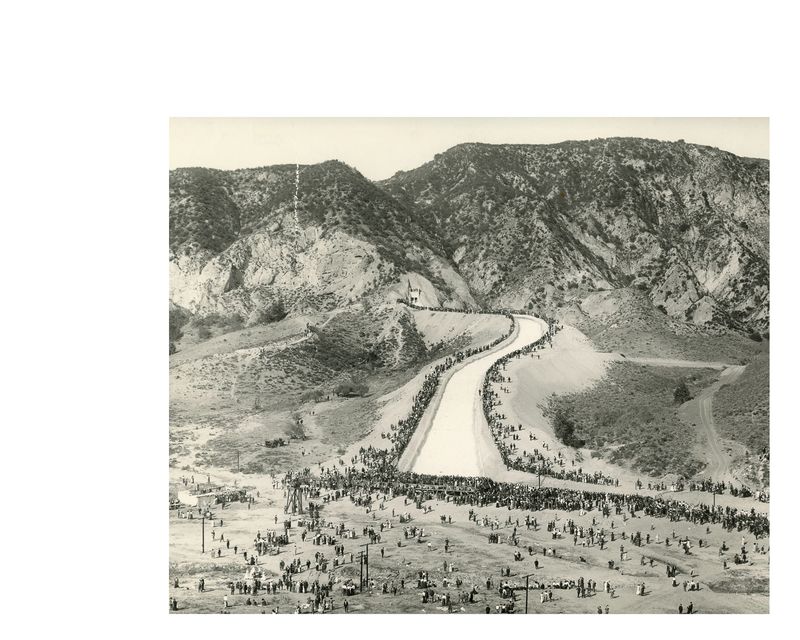
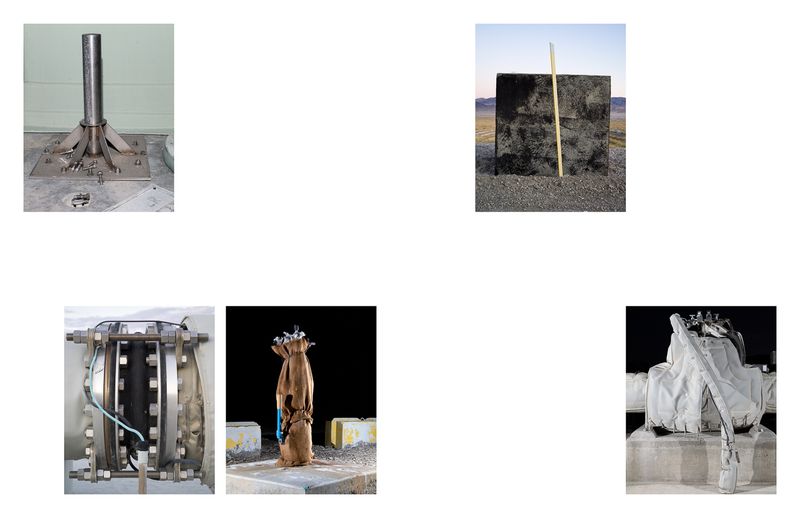
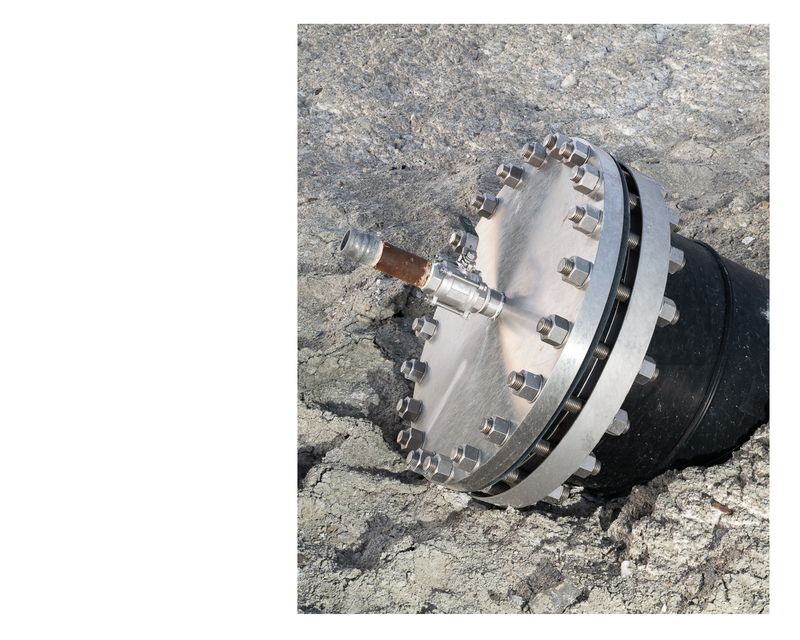
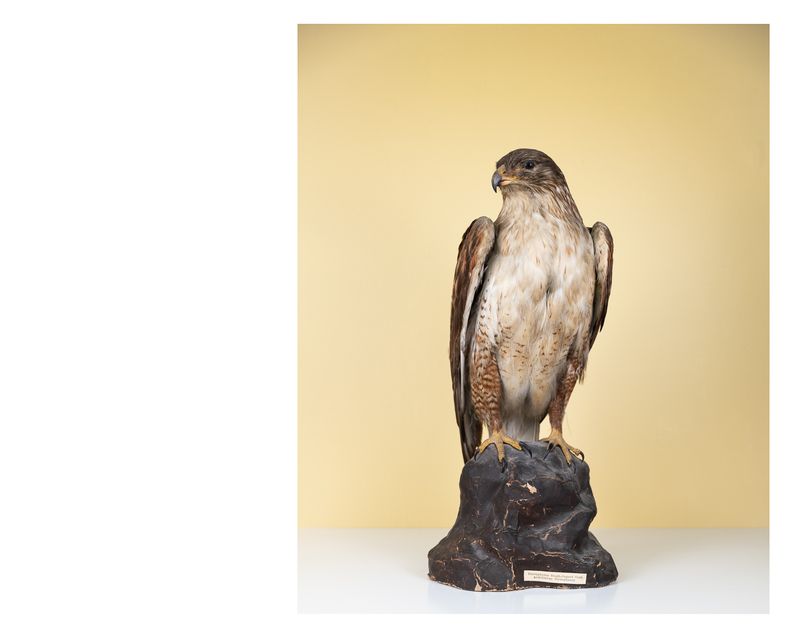
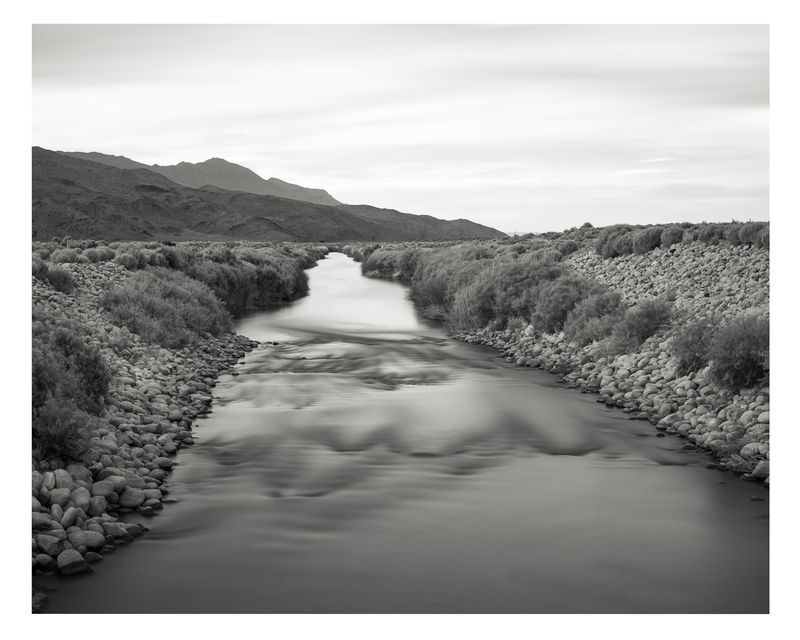
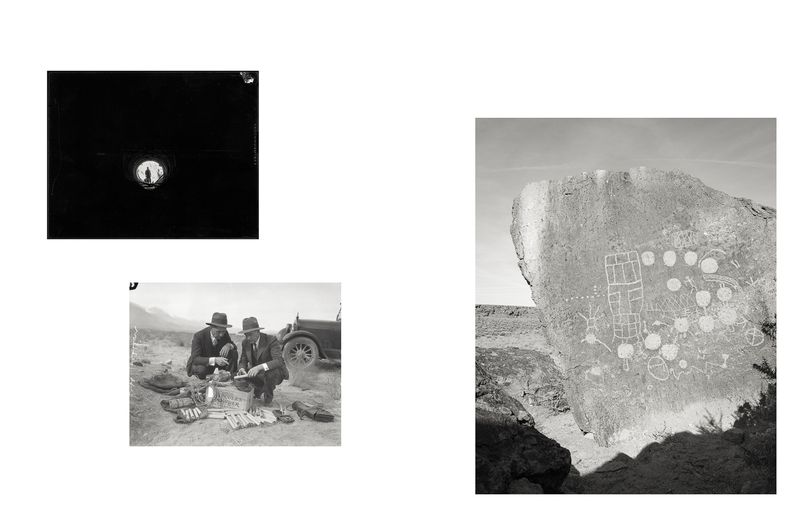
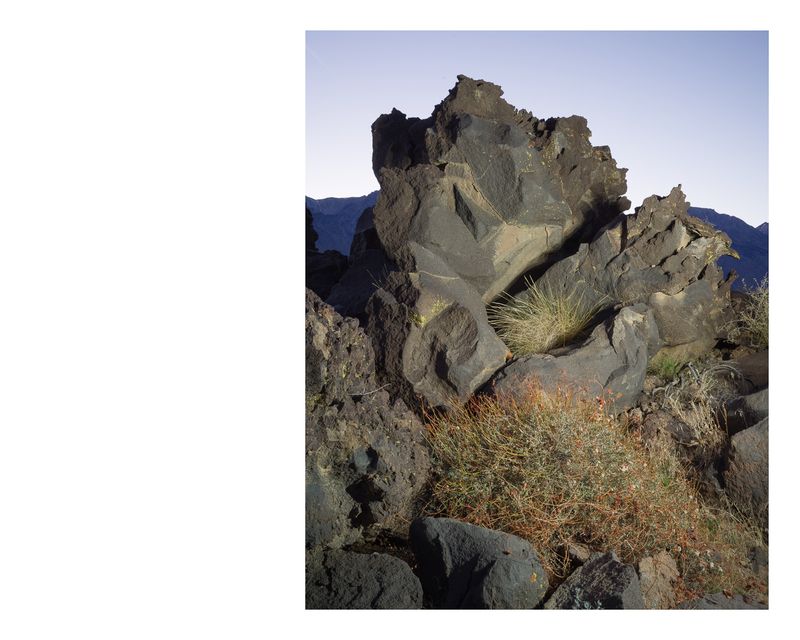
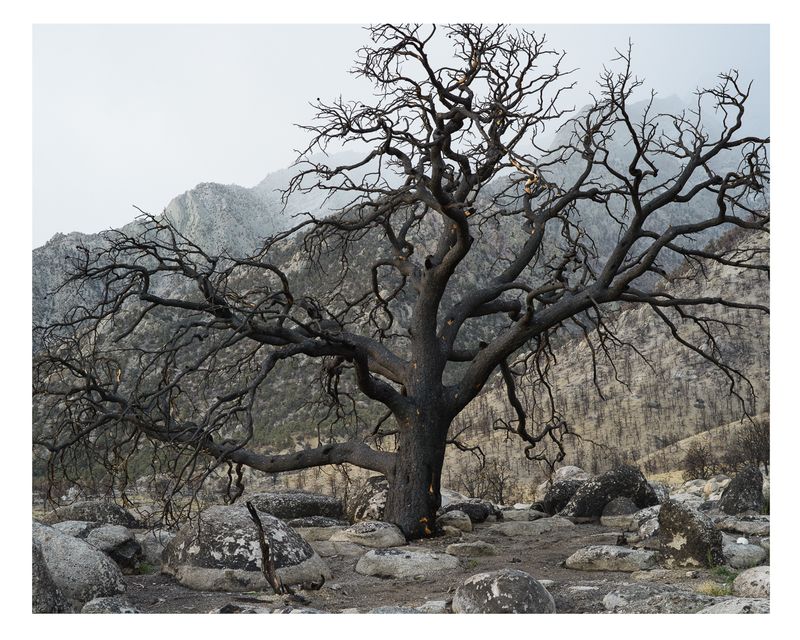
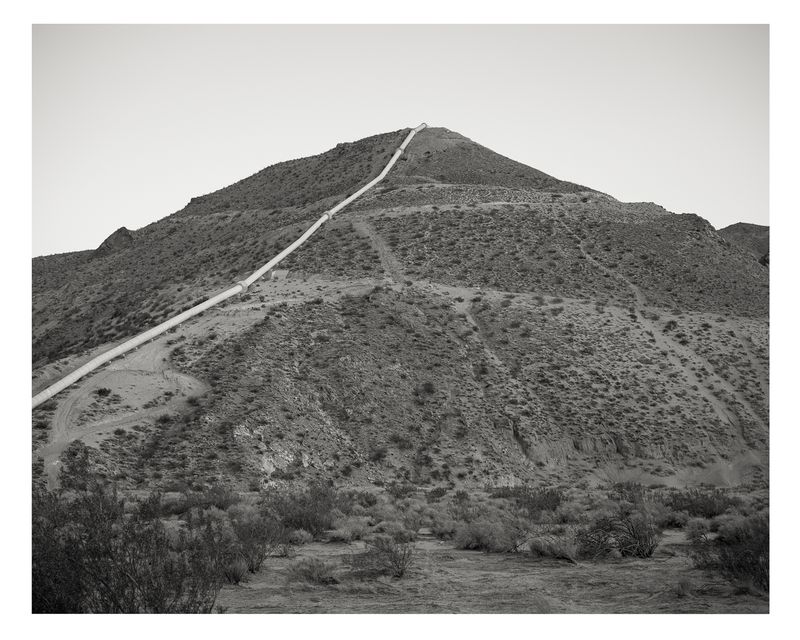
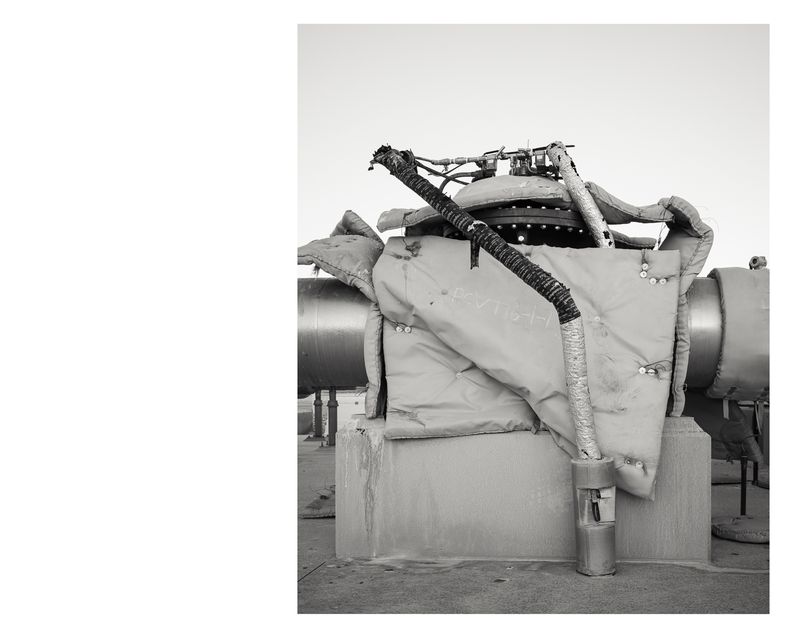
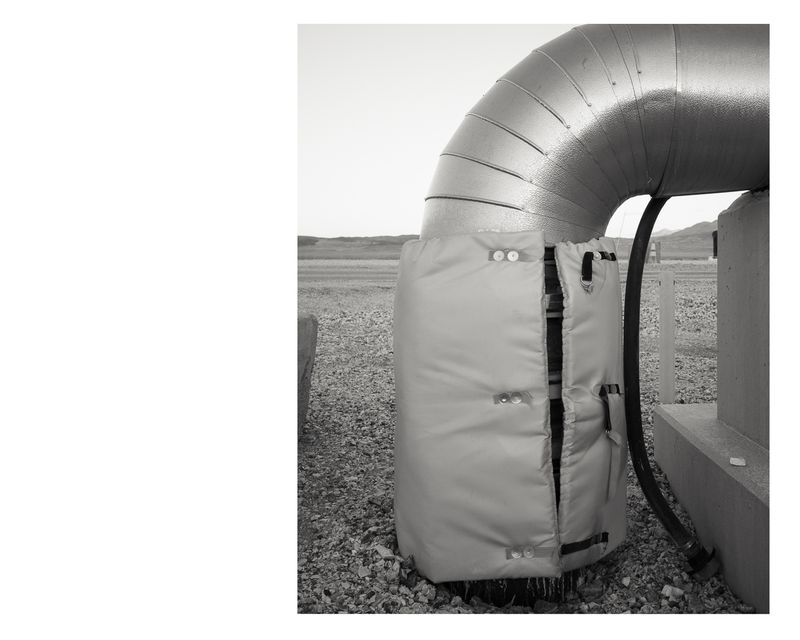
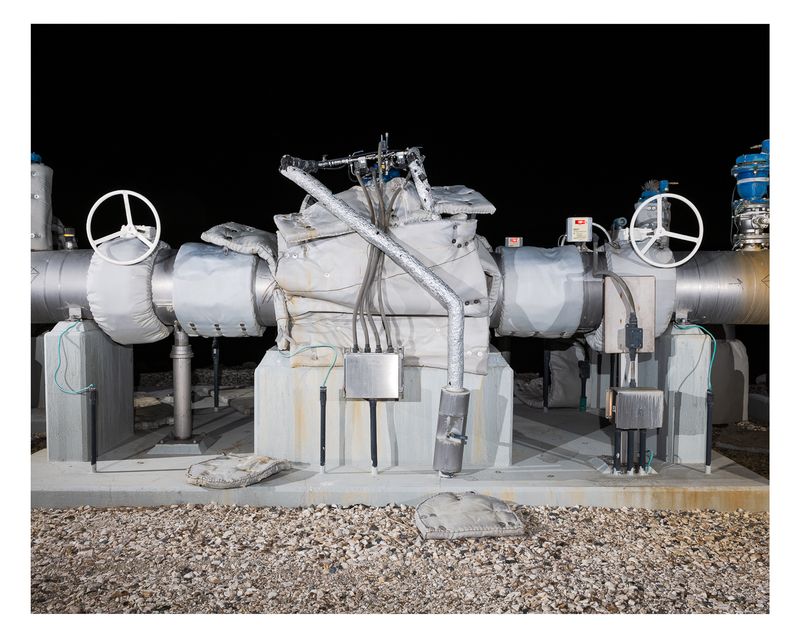
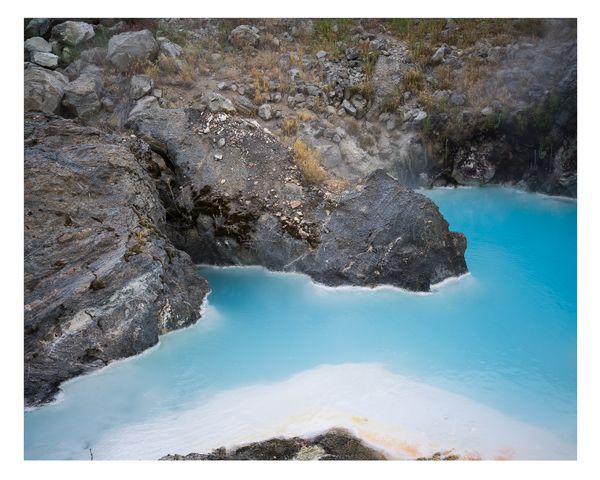
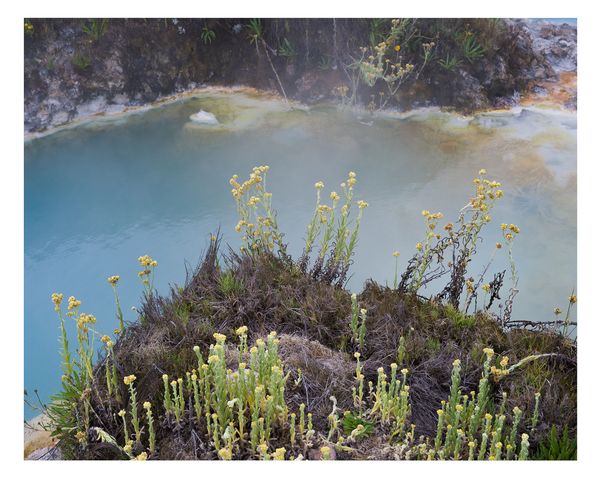
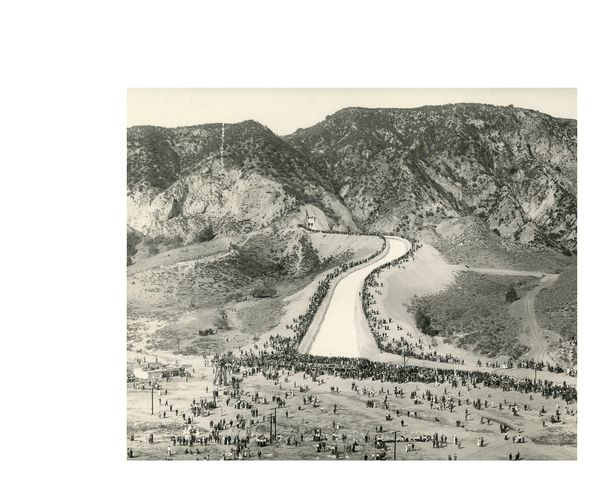
The Course of Water explores the environmental and social histories of California’s Owens Valley by tracing the manipulation of its water systems. Through a blend of contemporary photography and archival imagery, the project examines the region’s transformed hydrology—where stolen rivers, diverted aqueducts, and engineered wetlands tell a layered story of displacement, survival, and environmental control.
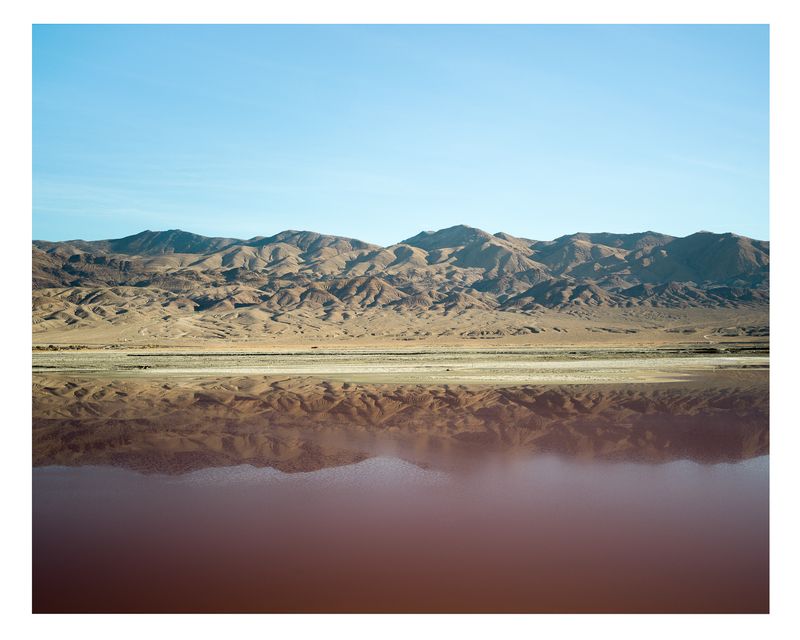
Once a vital resource for Indigenous and settler communities, the Owens River was redirected at the turn of the 20th century to fuel Los Angeles’ unrestrained expansion. The desiccation of Owens Lake led to one of the worst air pollution crises in North America, prompting a billion-dollar mitigation effort that continues today. This altered landscape, marked by both scarcity and excess, becomes a visual metaphor for the entanglement of natural and human histories.
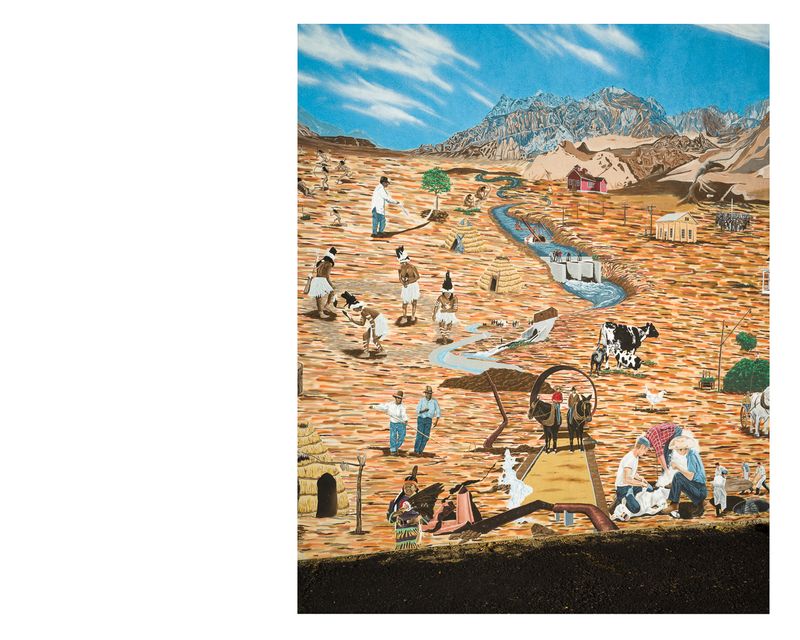
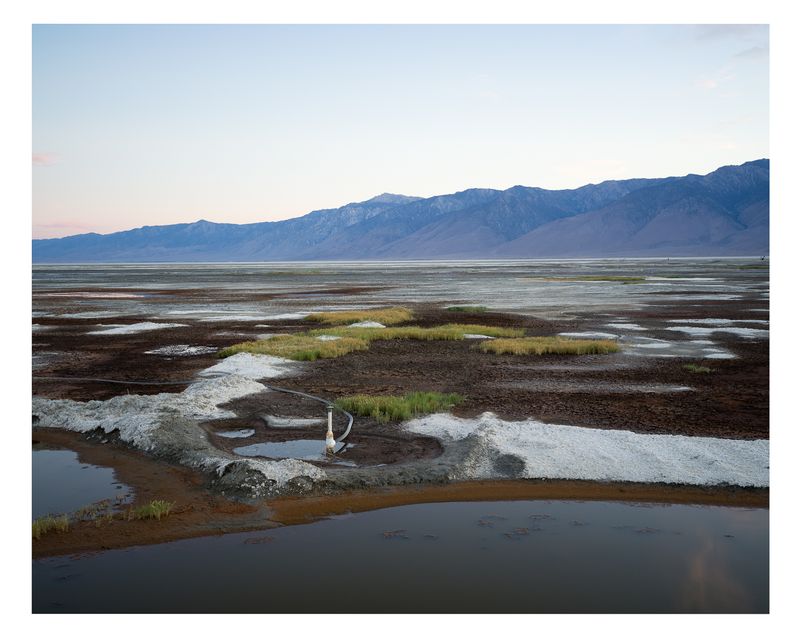
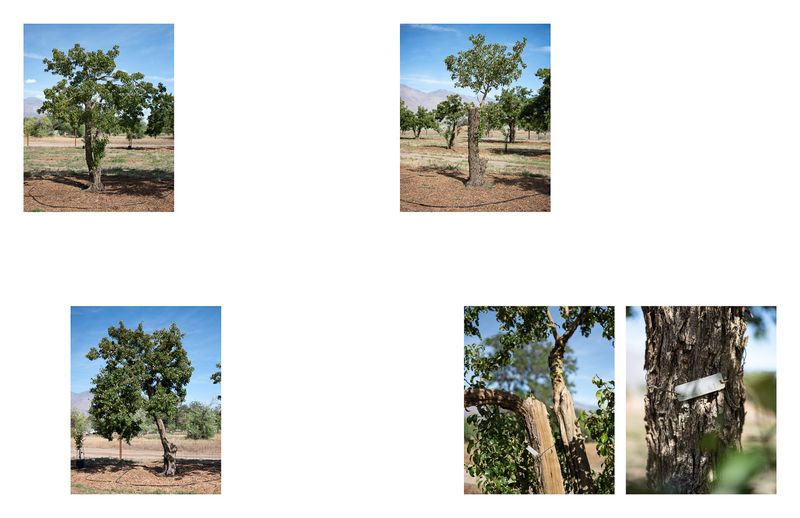
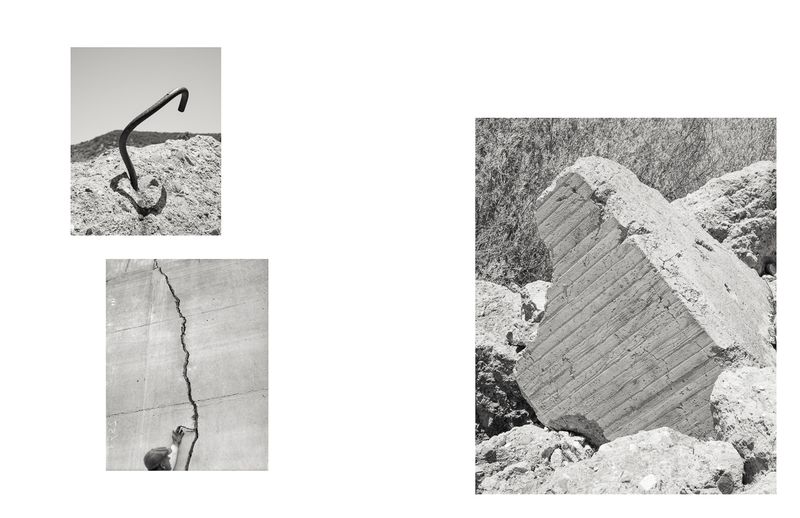
The project juxtaposes photographs of contemporary interventions—dust control measures, irrigation systems, and abandoned homesteads—with images that evoke historical traces, such as Paiute irrigation networks and Japanese internment camp orchards. These layers of past and present illuminate ongoing tensions between colonization, industrialization, and ecological restoration.
By documenting the complexities of the Owens Valley, The Course of Water not only reveals the historical consequences of water control but also raises urgent questions about sustainability and environmental justice in the American West. The work invites viewers to consider how water, as both a resource and a symbol, shapes landscapes, livelihoods, and cultural memory.