The Country Of Loneliness

The Country of Loneliness presents a fiction of unwanted loneliness. From aspects of contemporary clinical and experiential perspectives, to the appropriation of historically rooted symbols of emotional stigma, based on colonial individualism logics.

The Country Of Loneliness

It brings together aspects of contemporary clinical and experiential perspectives, while also appropriating historically rooted symbols of emotional stigma, originating in colonial hyper-individualism and capitalist logics of connection and idealization of technological development. These contexts sustain loneliness, understood as encompassing generalized isolation, the systematic abandonment of subordinate groups, and representing fertile ground for solitary individuals in need of connection, but through supremacist ideas and an inherited alienation.

These polyvalent images revisit global efforts to understand and express the disconnection between people and with the environment around us, questioning who experiences it and from where.

  • IDENTIFYING THE CAPITALIST HIERARCHY OF AFFECTIONATENESS

    Starting from the self-questioning about loneliness, which is often presented as an alternative to the still culturally imposed goal of forming a family, acquiring goods and becoming primarily worker-consumers, I find writers like Brigitte Vasallo (1).

    She describes how the socio-economic system instrumentalizes the exclusivity of romantic love (especially white and heterosexual) and the nuclear family as the ultimate axes for experiencing love. This hierarchy of affection contributes to the functioning of capitalism: this individualistic, colonizing, patriarchal, extractive, and racist system.

  • (1) Brigitte Vasallo, Monogamous Mind, Polyamorous Terror. Editorial Hacerse de palabras, Spain, 2020.

  • HISTORY OF THAT AUTONOMOUS WHITE MAN

    On her end, Almudena Hernando details how this model, based on positions of power and control over the world, has been formed. From an ethnoarchaeological perspective, that in socio-historical terms, a higher level of community life existed in the past. However, the development of science and technology, from writing to internet access, allowed men to explain their environment more autonomously and thus become increasingly individualized (2). This has created a structure that, to this day, idealizes technological advancement, justifies the exploitation of human and non-human resources, and relegates the task of affective care to women, making it the basis of their relational identity: around whom they are wives, mothers, sisters, etc.

    (2) Almudena Hernando. The Fantasy of Individuality: On the Sociohistorical Construction of the Modern Subject. Editorial Traficantes de sueños, Spain, 2018.

  • ETHICAL LONELINESS, THE INVOLUNTARY SUPPORT OF THE INDIVIDUALIST

    Thus we can understand a reality in which the most precarious women tend to be in charge of human care, domestic work and, along with a few other men in indigenous communities, the custody of 80% of the planet's biodiversity (3). Representing the most vulnerable groups, whom I think of within what Jill Stauffere calls ethical loneliness, described as the experience of being violated and abandoned by a system that does not listen and does not repair (4).

    We then have two types of loneliness: that which is sustained by individualistic culture, experienced by the most privileged people within the capitalist hierarchy, while this same culture subordinates the most vulnerable groups in an ethical loneliness.

  • (3) Michel Nieva, Technology and Barbarism. Editorial Anagrama, Spain. 2020.

    (4) Jill Stauffer. Ethical Loneliness. The injustice of not being heard. Columbia University Press, US, 2018.

As if traveling through a country, the project includes images that allude to:

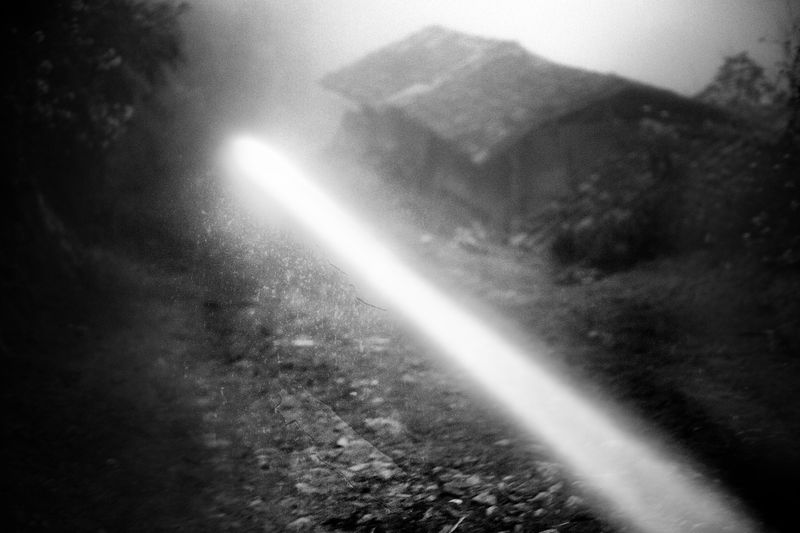
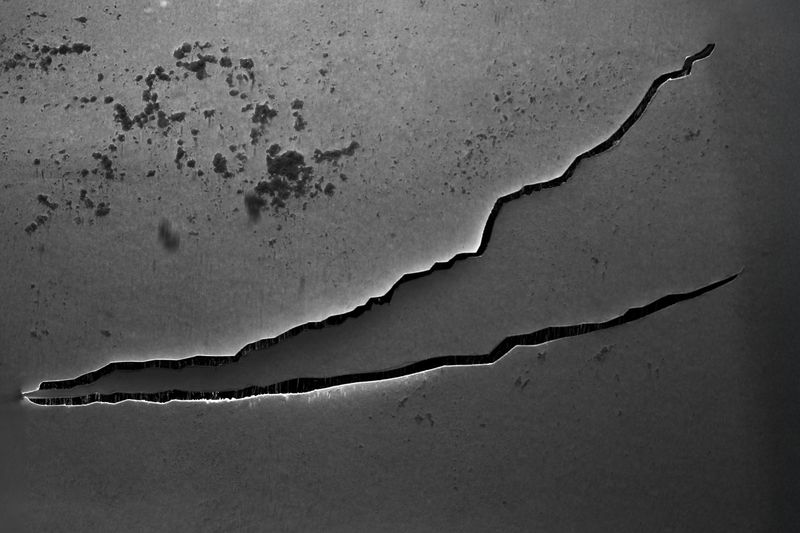
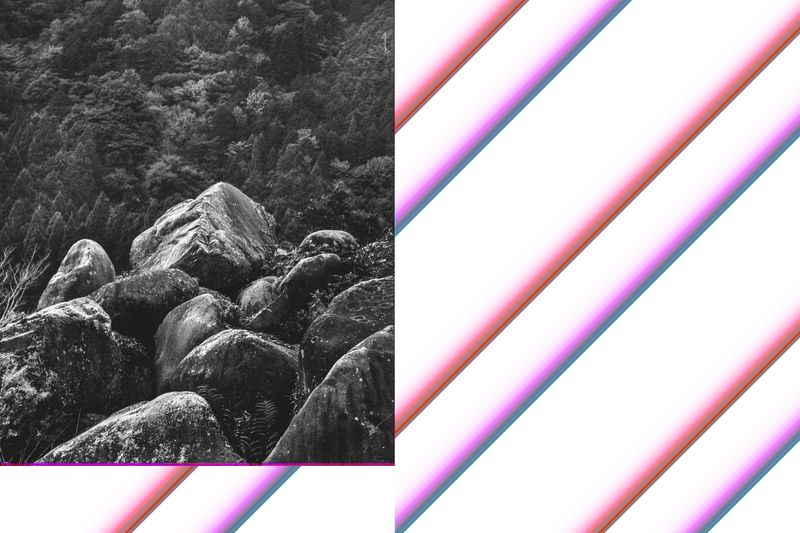
Its landscapes - From community displacement and lack of connection in times of technological idealization.
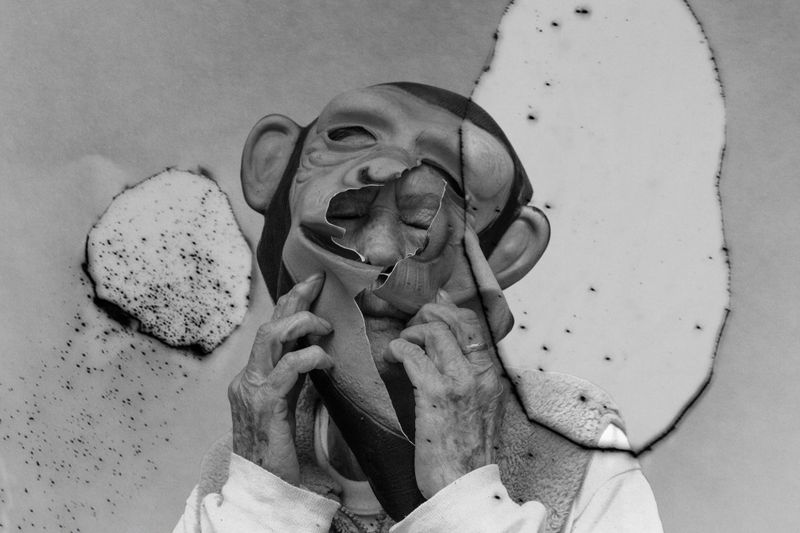
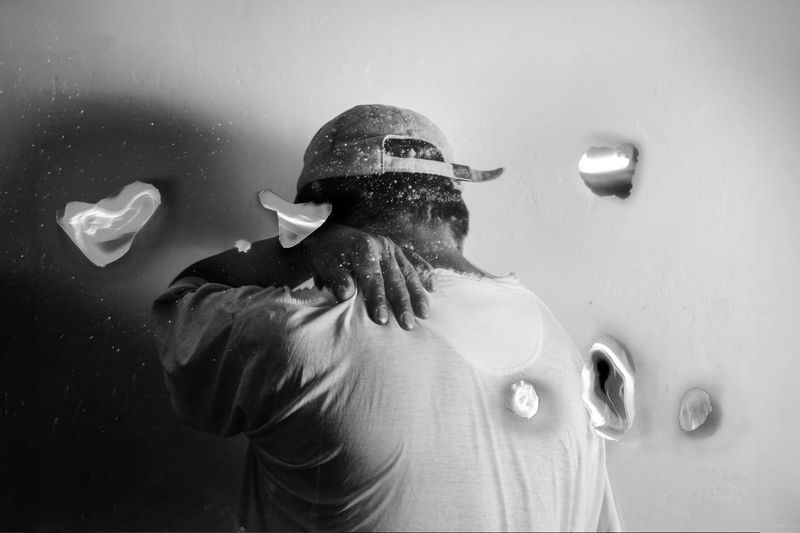
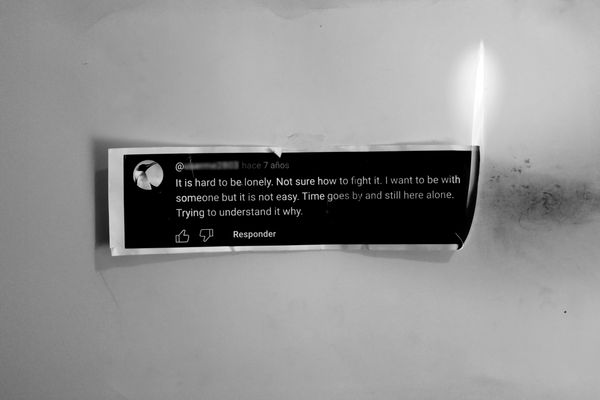
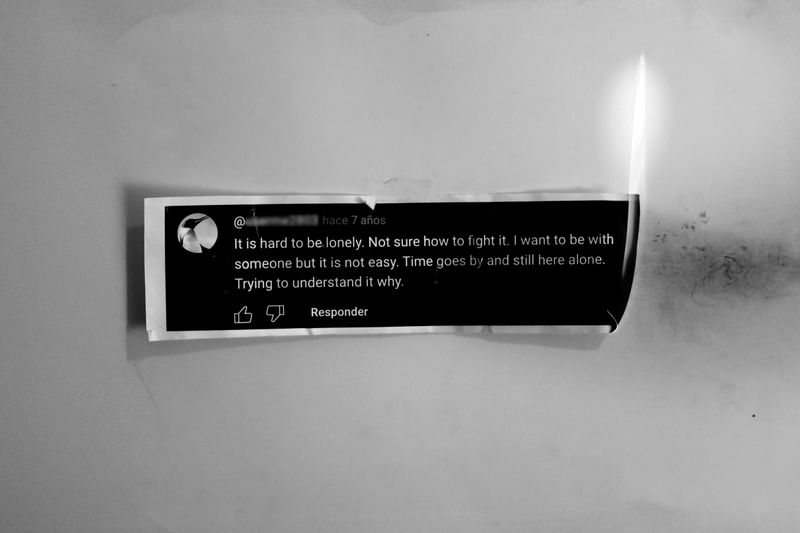
Its technology - You will see ashes from printed loneliness comments found on internet, to make visible the paradox of technology surrounding unwanted loneliness.
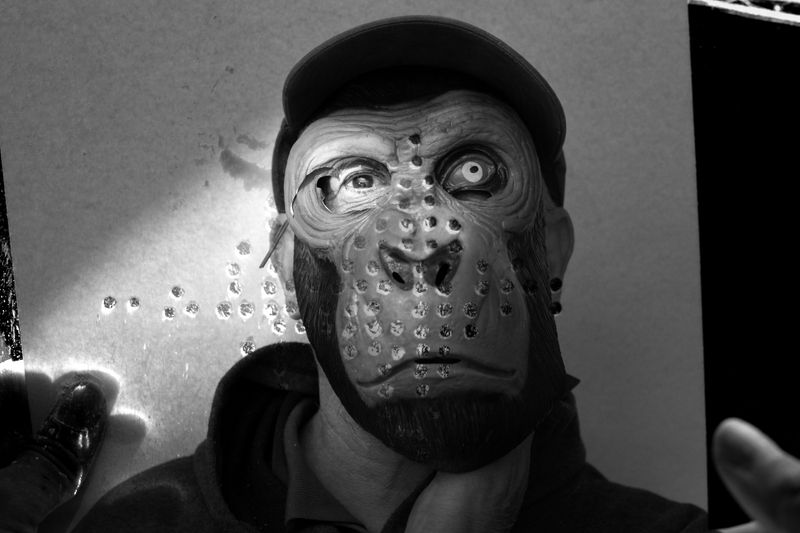
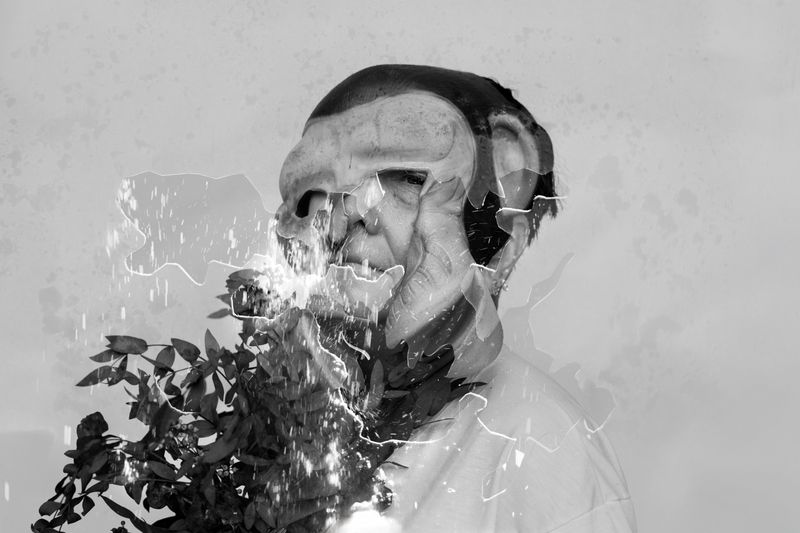
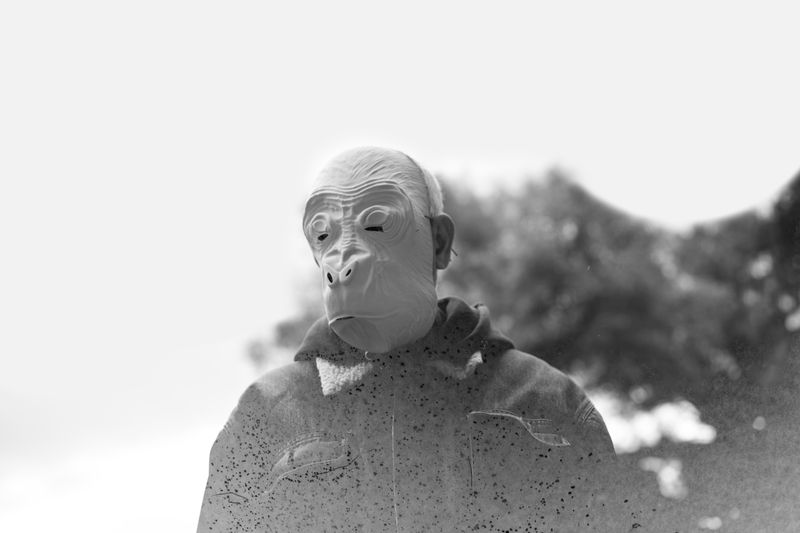
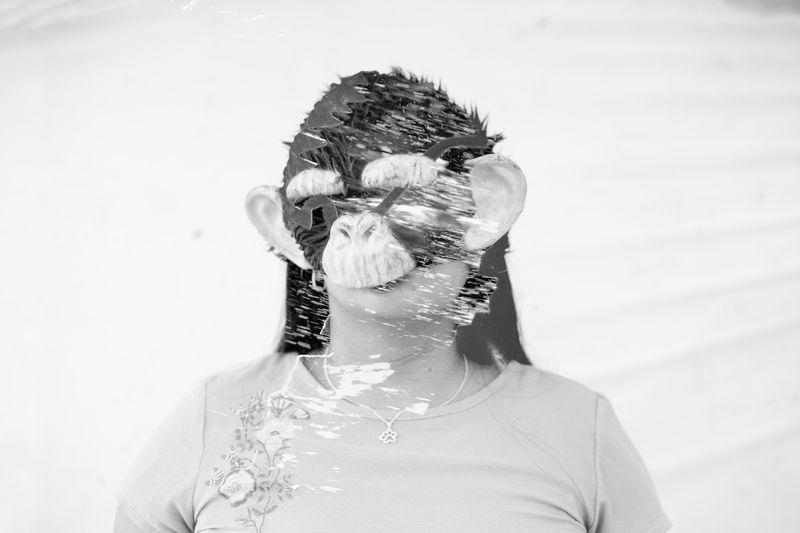
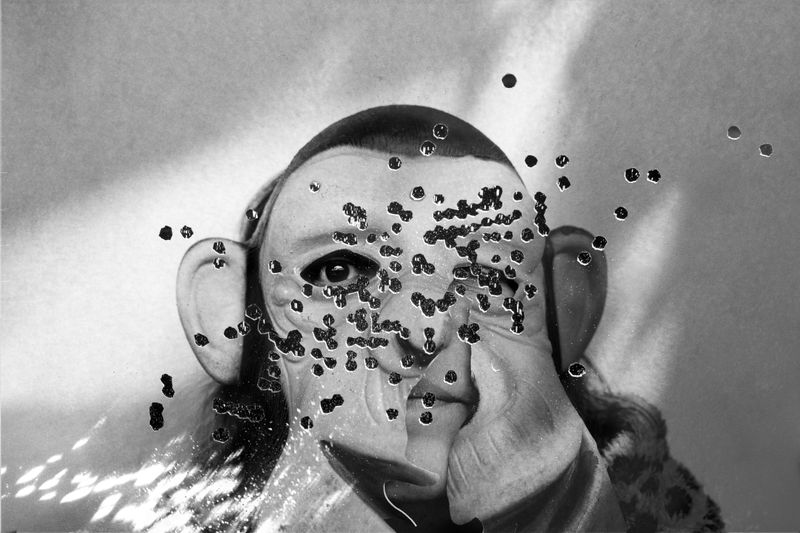
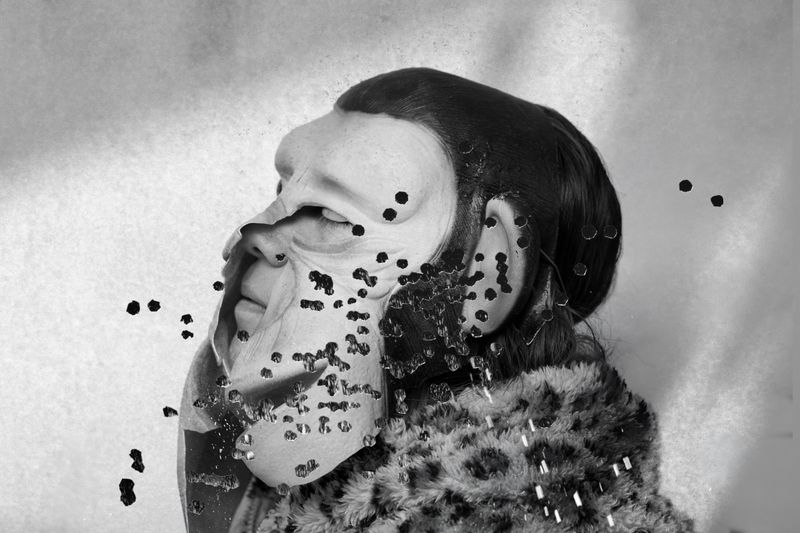
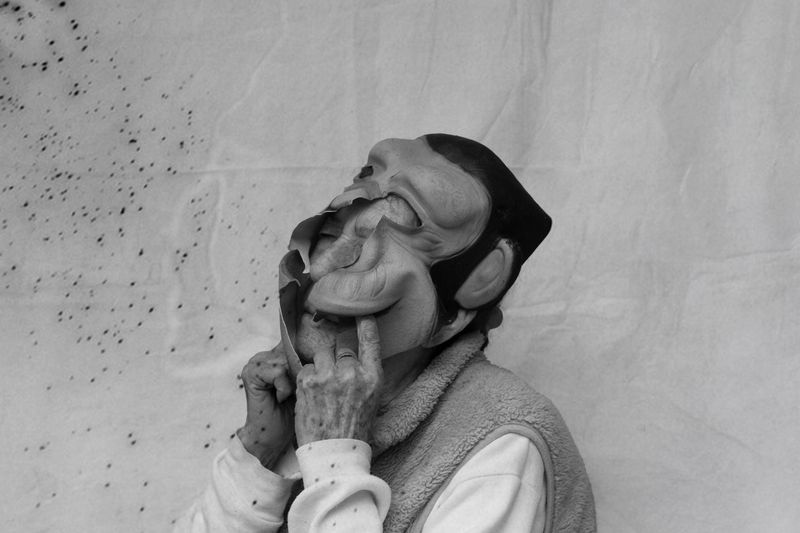
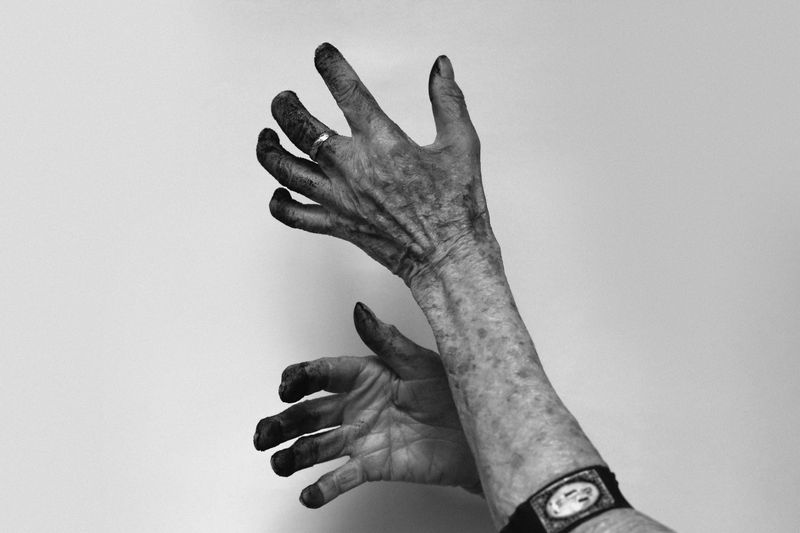
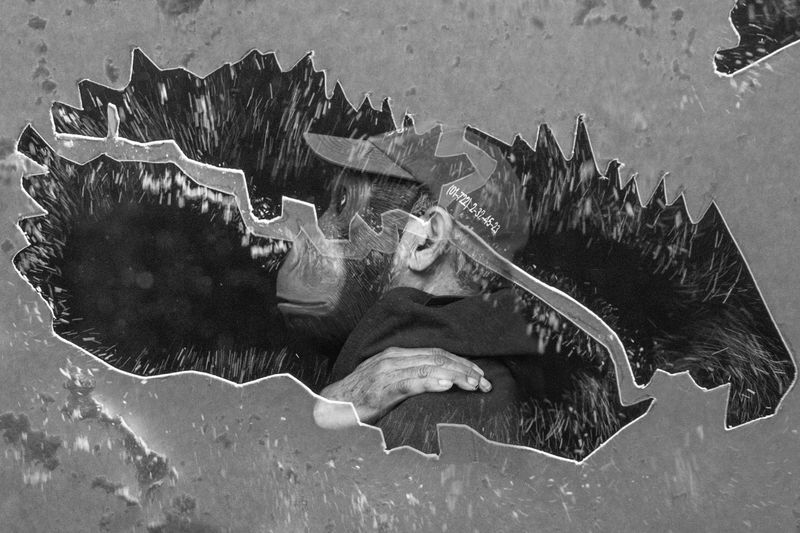
Its inhabitants - Under the monkey, which I appropriate as a symbol of emotional stigma originating in colonization, the fundamental basis of this solitary capitalism. Reproducing white men at the top of the hierarchy or aspiring to reach it. Linking themselves from a position of supremacy, which historically subordinates women, uproots and exploits communities, calling them inferior, irrational, lazy, melancholic. Monkeys.

This project is a candidate for PhMuseum Days 2026 Photography Festival Open Call

Learn more Present your project
© Denis Serrano - Image from the The Country Of Loneliness photography project
i

I portrait who I call "mono-melancholic entities", as the habitants of this fictional country.Clinical studios about loneliness found on open source can be seen affecting the portraits, along with ashes from printed public comments of loneliness found on internet going through.These persons talked to me about their own feelings about loneliness while been photographed.

© Denis Serrano - Comments found on internet.
i

Comments found on internet.

© Denis Serrano - Image from the The Country Of Loneliness photography project
i

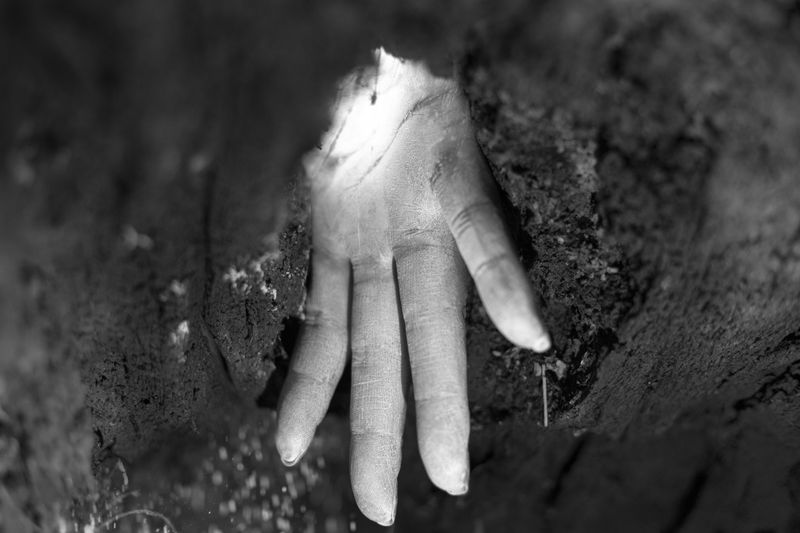
Ashes from printed loneliness comments found on internet, passing through a paper cut guided by clinical studios of loneliness.

© Denis Serrano - Image from the The Country Of Loneliness photography project
i

I portrait who I call "mono-melancholic entities", as the habitants of this fictional country.Clinical studios about loneliness found on open source can be seen affecting the portraits, along with ashes from printed public comments of loneliness found on internet going through.These persons talked to me about their own feelings about loneliness while been photographed.

© Denis Serrano - Image from the The Country Of Loneliness photography project
i

I portrait who I call "mono-melancholic entities", as the habitants of this fictional country.Clinical studios about loneliness found on open source can be seen affecting the portraits, along with ashes from printed public comments of loneliness found on internet going through.These persons talked to me about their own feelings about loneliness while been photographed.

© Denis Serrano - Ashes from printed loneliness comments found on internet on a displaced territory landscape.
i

Ashes from printed loneliness comments found on internet on a displaced territory landscape.

© Denis Serrano - Image from the The Country Of Loneliness photography project
i

These portraits also alude to the way colonizers photographed indigenous communities as they were criminals. This is why profiles versions can also be seen in the project.

© Denis Serrano - Image from the The Country Of Loneliness photography project
i

I portrait who I call "mono-melancholic entities", as the habitants of this fictional country.Clinical studios about loneliness found on open source can be seen affecting the portraits, along with ashes from printed public comments of loneliness found on internet going through.These persons talked to me about their own feelings about loneliness while been photographed.

© Denis Serrano - This is paper cut guided by clinical studios about loneliness found on open source.
i

This is paper cut guided by clinical studios about loneliness found on open source.

© Denis Serrano - Image from the The Country Of Loneliness photography project
i

I portrait who I call "mono-melancholic entities", as the habitants of this fictional country.Clinical studios about loneliness found on open source can be seen affecting the portraits, along with ashes from printed public comments of loneliness found on internet going through.These persons talked to me about their own feelings about loneliness while been photographed.

© Denis Serrano - Image from the The Country Of Loneliness photography project
i

I portrait who I call "mono-melancholic entities", as the habitants of this fictional country.Clinical studios about loneliness found on open source can be seen affecting the portraits, along with ashes from printed public comments of loneliness found on internet going through.These persons talked to me about their own feelings about loneliness while been photographed.

© Denis Serrano - This is paper cut guided by clinical studios about loneliness found on open source.
i

This is paper cut guided by clinical studios about loneliness found on open source.

© Denis Serrano - This is paper cut guided by clinical studios about loneliness found on open source.
i

This is paper cut guided by clinical studios about loneliness found on open source.

© Denis Serrano - A landscape of The Country Of Loneliness.- Corrupted file
i

A landscape of The Country Of Loneliness.- Corrupted file

© Denis Serrano - Image from the The Country Of Loneliness photography project
i

These portraits also alude to the way colonizers photographed indigenous communities as they were criminals. This is why profiles versions can also be seen in the project.

© Denis Serrano - Image from the The Country Of Loneliness photography project
i

These portraits also alude to the way colonizers photographed indigenous communities as they were criminals. This is why profiles versions can also be seen in the project.

© Denis Serrano - Ashes from printed loneliness comments found on internet,
i

Ashes from printed loneliness comments found on internet,

© Denis Serrano - This is paper cut guided by clinical studios about loneliness found on open source.
i

This is paper cut guided by clinical studios about loneliness found on open source.

The Country Of Loneliness by Denis Serrano

Prev Next Close