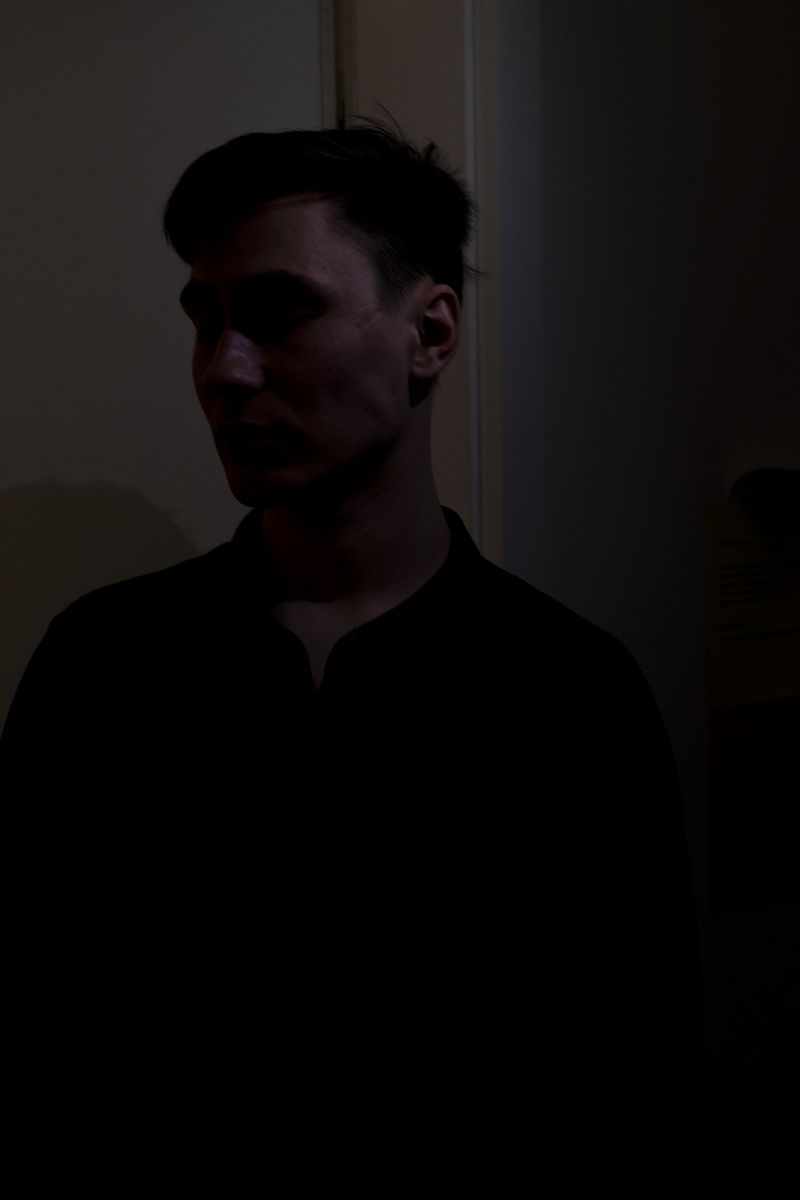
The burden of freedom
Between April and September 2023, I traveled through Italy, Germany, Serbia, Georgia, and Armenia to meet with young Russian activists and dissidents who, after the invasion of Ukraine, decided to leave their country to preserve their freedom and safety.

On February 24th, 2022, troops of the Russian Federation invaded Ukrainian territory, starting what would later be called by Putin and all his supporters a "special operation."

The war waged by the Russian president, which sowed and continues to sow death and destruction in Ukraine, has not only caused serious international imbalances, but also a drastic and irrevocable change in Russian civil society. Included in this change is the historic exodus of Russian citizens.

While there is no hard data, it is estimated that more than one million Russians have left the country without going back, so much so that the Russian Ministry of Communications itself has complained of a 10 percent shortage of IT workers.

In addition to the ideological reasons related to the invasion of Ukraine, what drove such a large number of people to leave their homes was the increasingly authoritarian turn of the Russian state, which left no choice to anyone who showed opposition to Russian military actions on Ukrainian territory.

According to the OVD-Info organization, 19,735 people were arrested in Russia from February 24th , 2022 to April 21st , 2023, thanks in part to the use of facial recognition cameras installed in subways.

The count of arrests includes people stopped as a result of participating in protests or publicly broadcasting dissent against the war in Ukraine, either through social media or by displaying peace symbols, blue-yellow ribbons or objects, green ribbons, stickers in support of Ukraine. Immediately, repression came through censorship. Foreign socials such as Facebook and Twitter were blocked, human rights associations and independent news outlets were put on the foreign agent list, forced to close down and move abroad along with all those journalists who did not agree to disseminate state-controlled information. State propaganda has spread to every aspect of society, through television, on the Internet, on the streets, in schools and universities.

Over the course of these months in Italy, Germany, Serbia, Georgia and Armenia, I have met young Russian dissidents who left the country after the start of the war. Those of them who are in Europe have sought political asylum.

Some of them were arrested during the protests that erupted in the first days after the invasion of Ukraine. Others managed to escape military conscription.

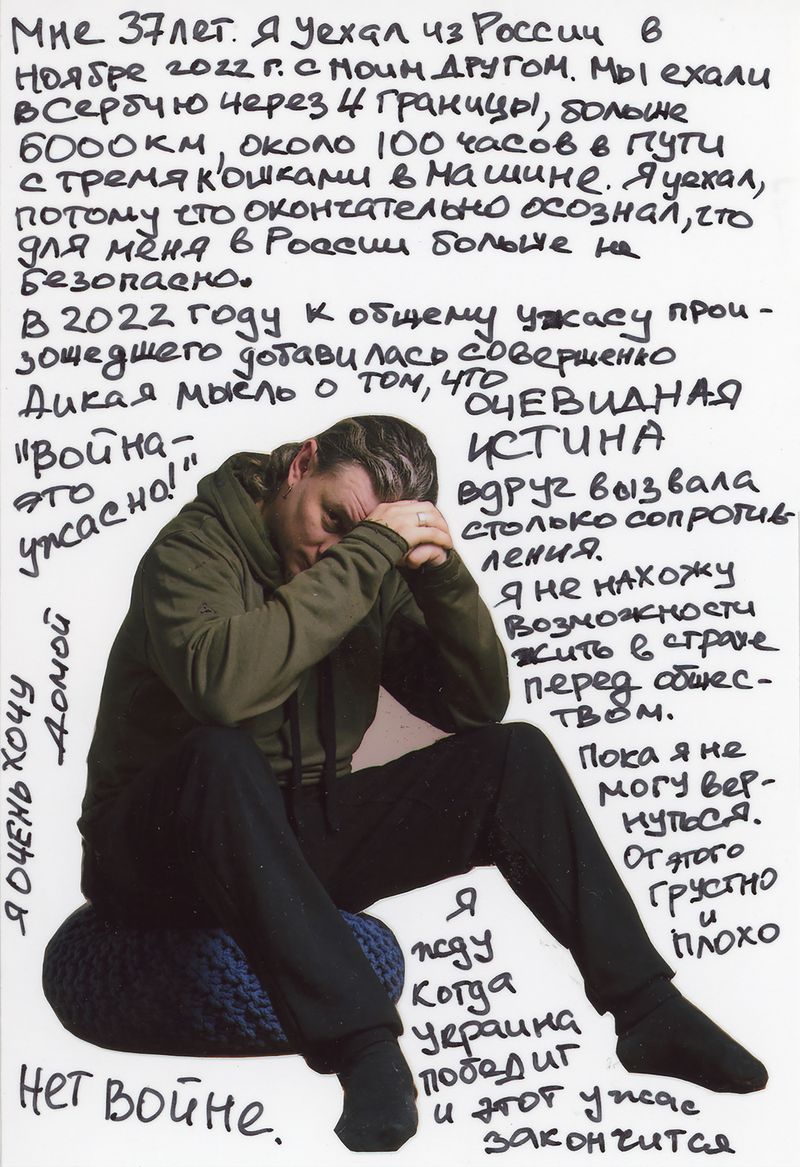
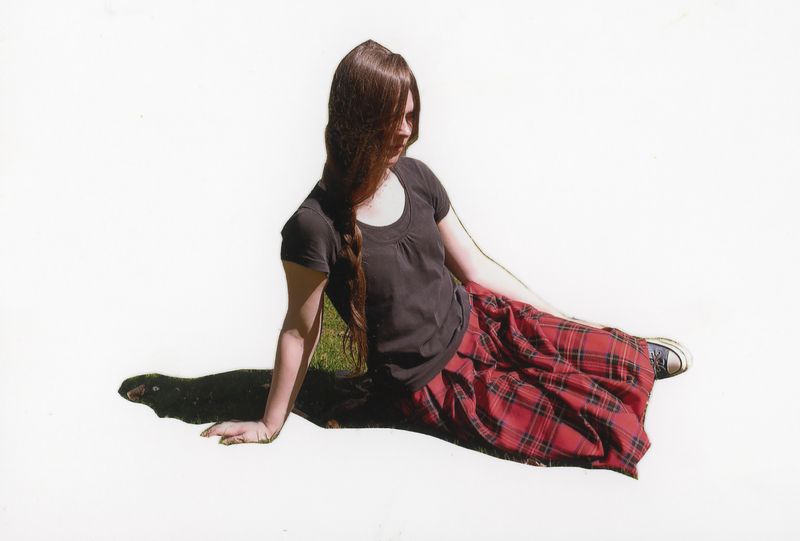
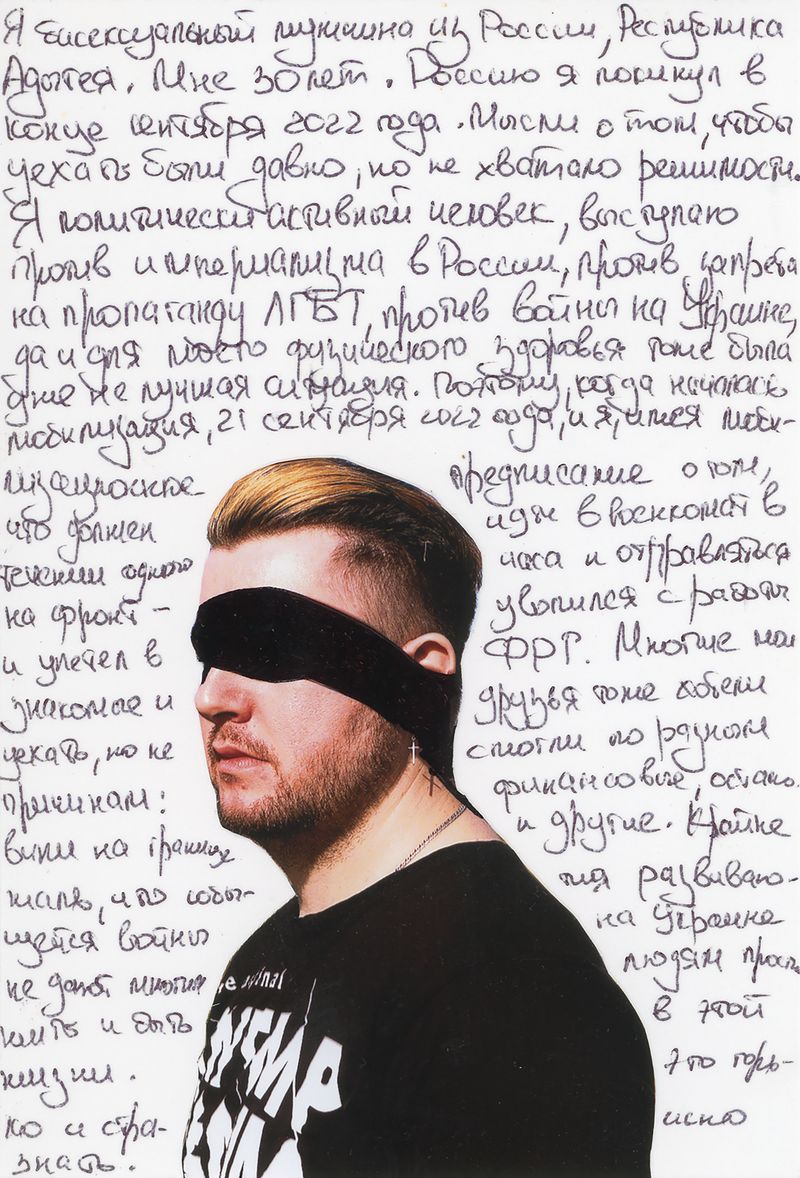
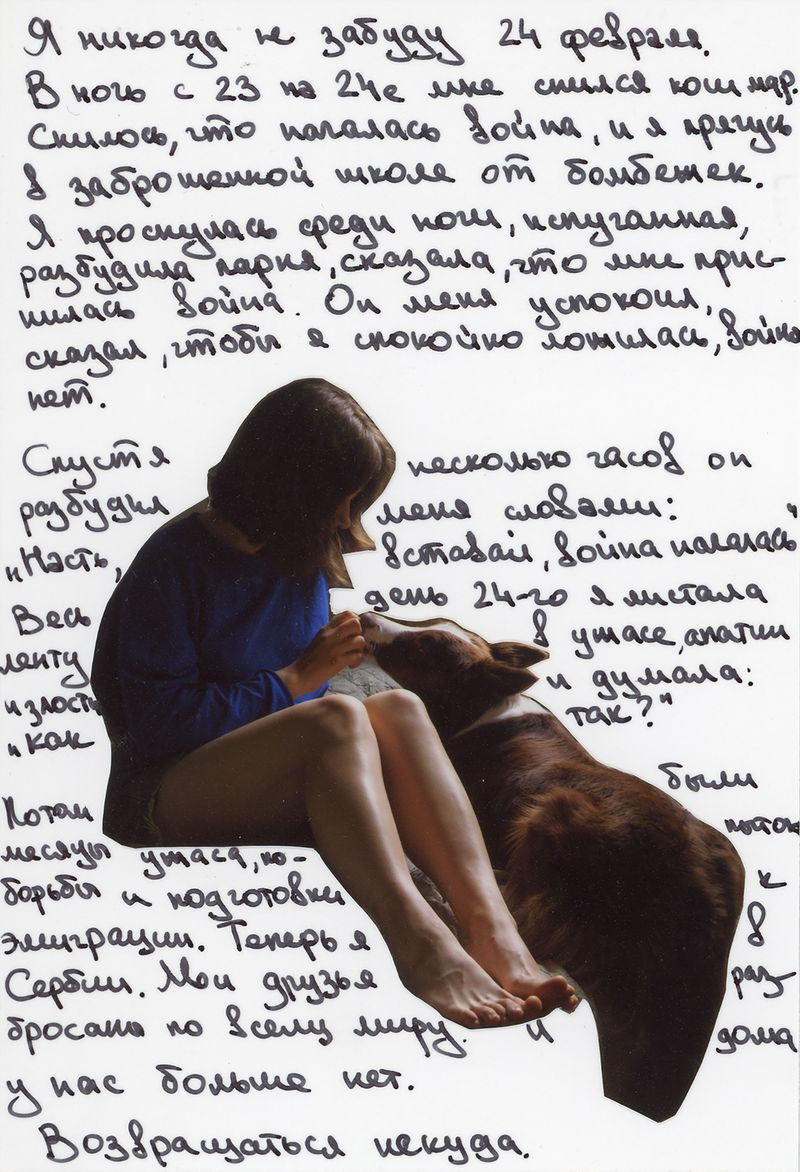
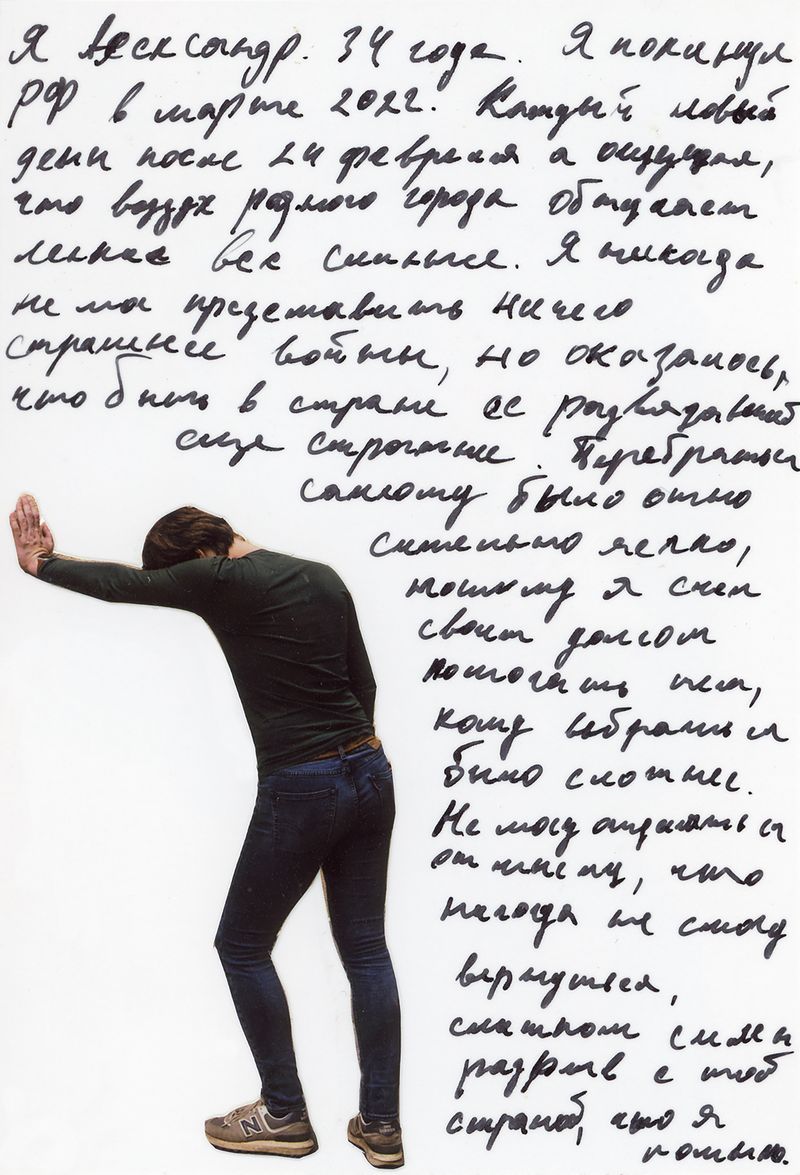
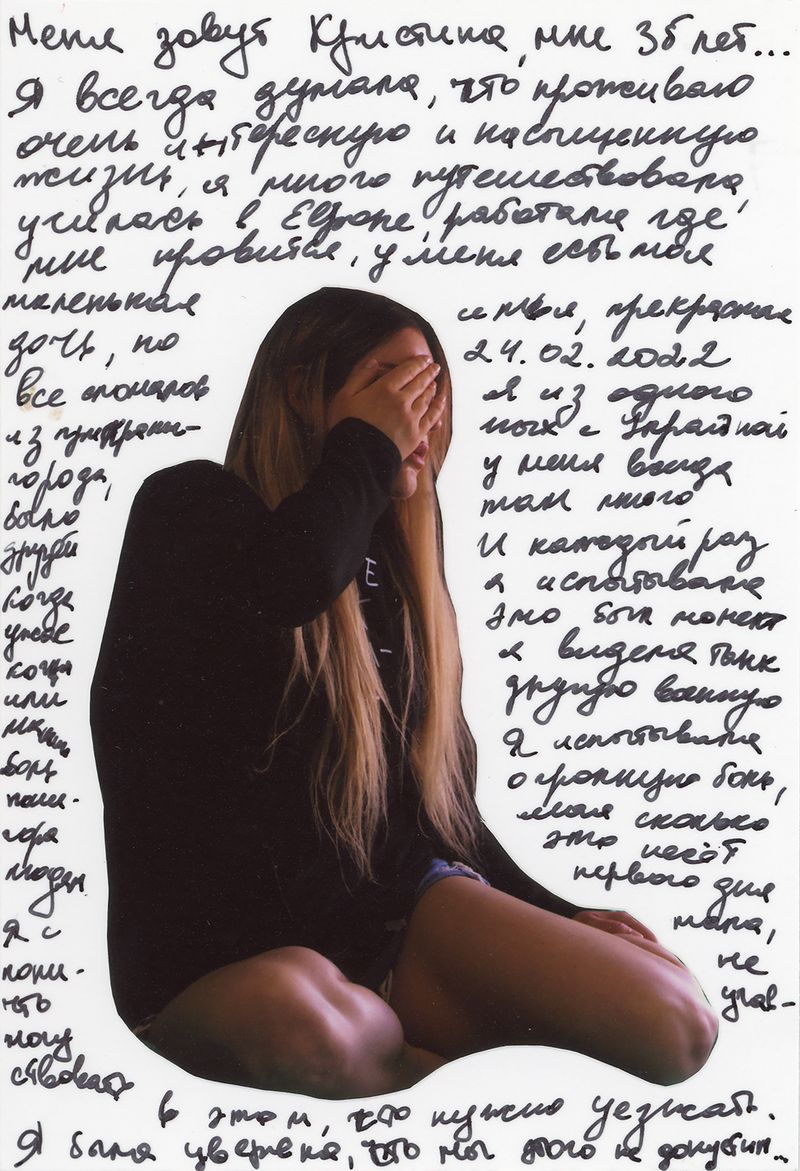
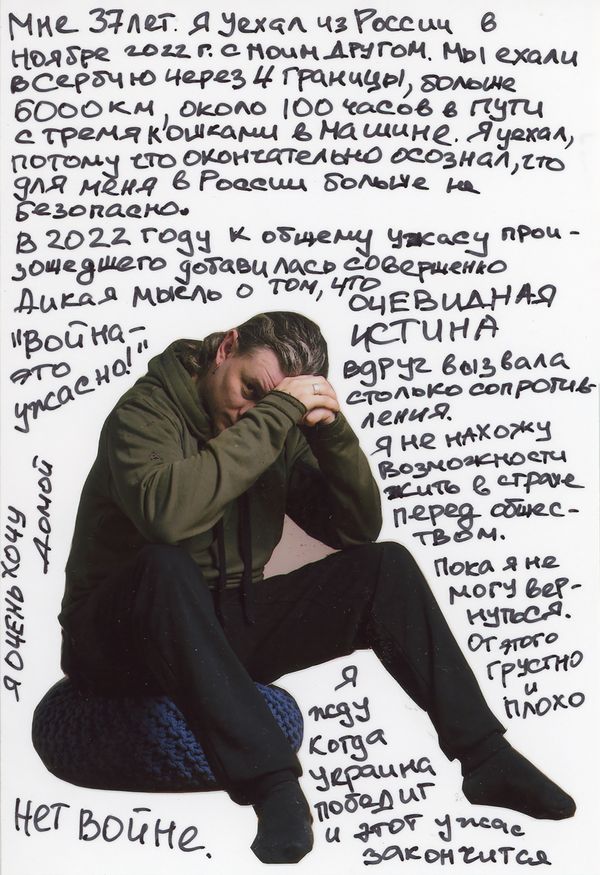
They include activists and people from the LGBTQ+ community who, following the tightening of the law against homosexual propaganda, were no longer safe in their own country. I decided to have them tell their stories by their own hand, writing them on the photos. Some of them preferred not to do so because of the difficulty of summarizing in a few lines the complexity of their thoughts about this tragic page of world history and their own condition.

© Cecilia Frollano - Image from the The burden of freedom photography project
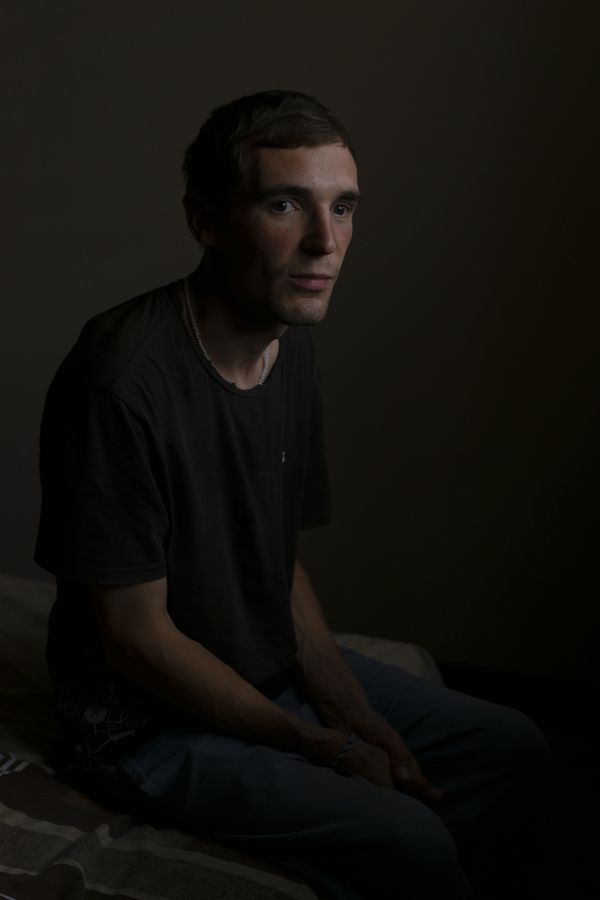
i

L., 37, left Russia in November 2022. He has actively expressed his contrast against the war in Ukraine and Putin's regime since 2014. Russia wasn't a safe place for him anymore. Belgrade, Serbia, 6/7/2023

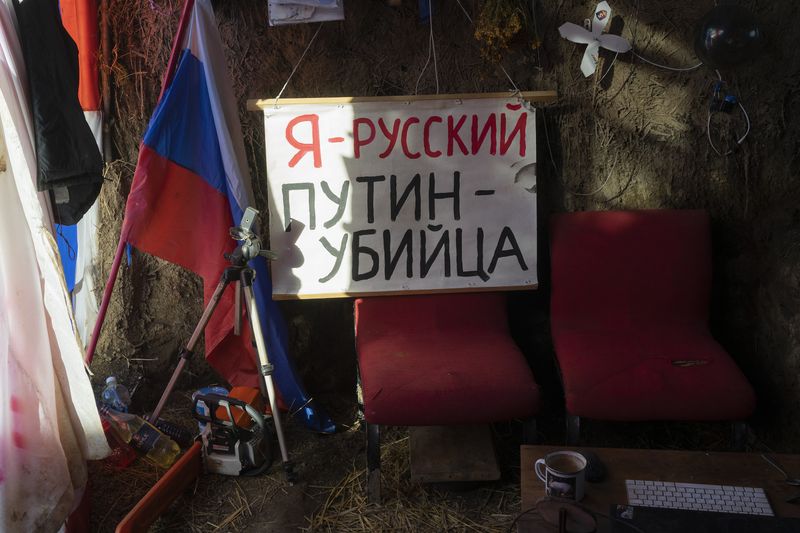
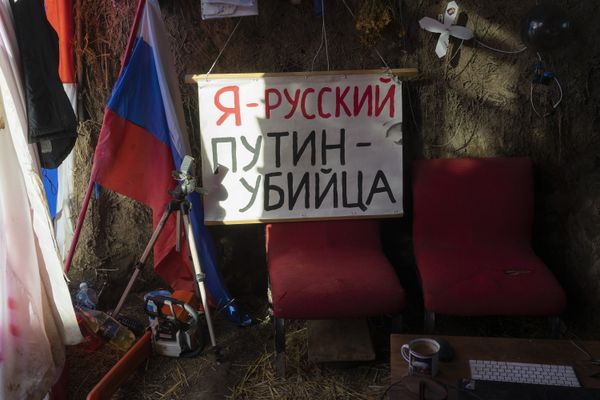
© Cecilia Frollano - Protest poster "I'm Russian, Putin is a killer" hung in the shelter of Y., 49. Navur, Armenia, 9/6/2023
i

Protest poster "I'm Russian, Putin is a killer" hung in the shelter of Y., 49. Navur, Armenia, 9/6/2023

© Cecilia Frollano - Image from the The burden of freedom photography project
i

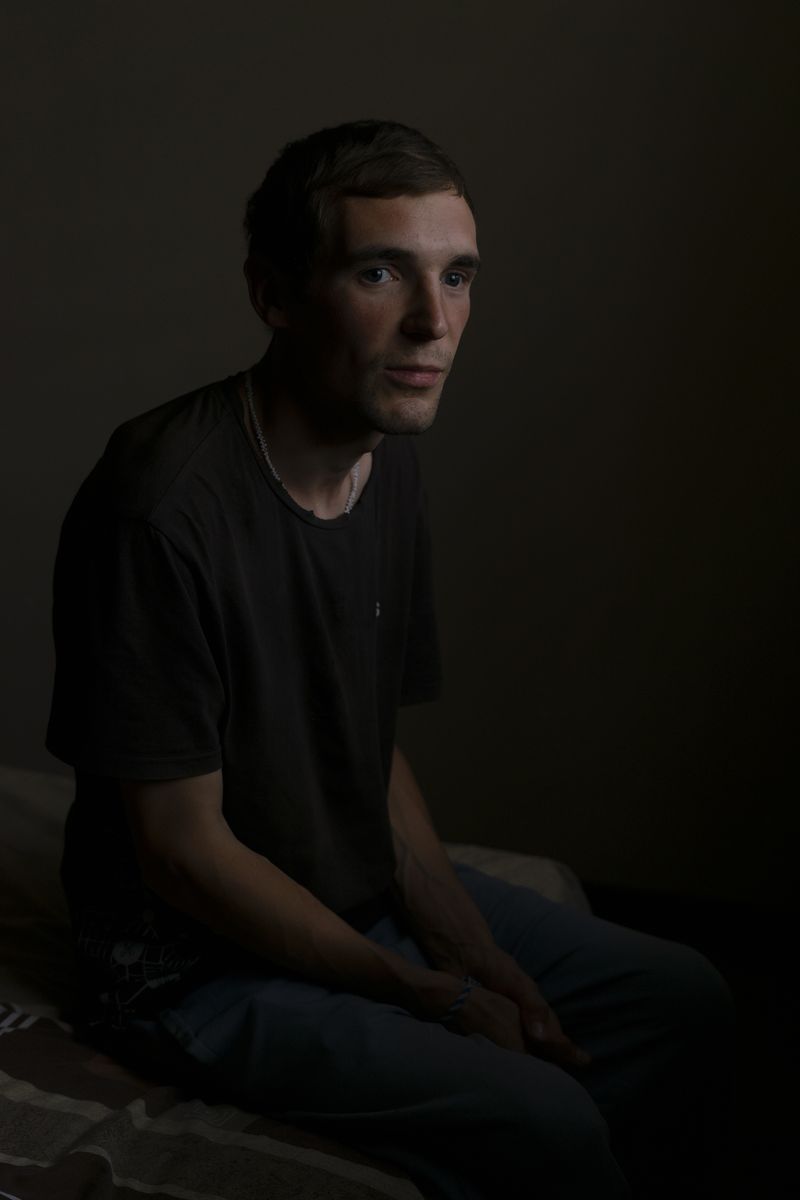
A., 33, is an activist. He had constantly acted against the war. He took part in general protests in the first days of the war, and then continued to show his dissent protesting alone in the streets. He got arrested 9 times. Erevan, Armenia, 9/9/2023

© Cecilia Frollano - Image from the The burden of freedom photography project
i

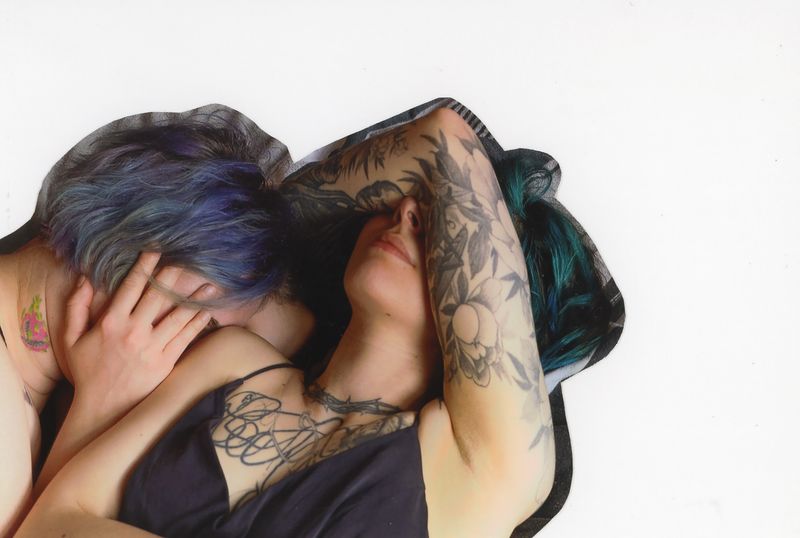
S., 26, and C., 25, are two LGBTQ+ activists. After the start of the war they left Russia for idealogical reasons. S. is committed in the production of an independent opposition media. Berlin, Germany, 4/20/2023

© Cecilia Frollano - Image from the The burden of freedom photography project
i

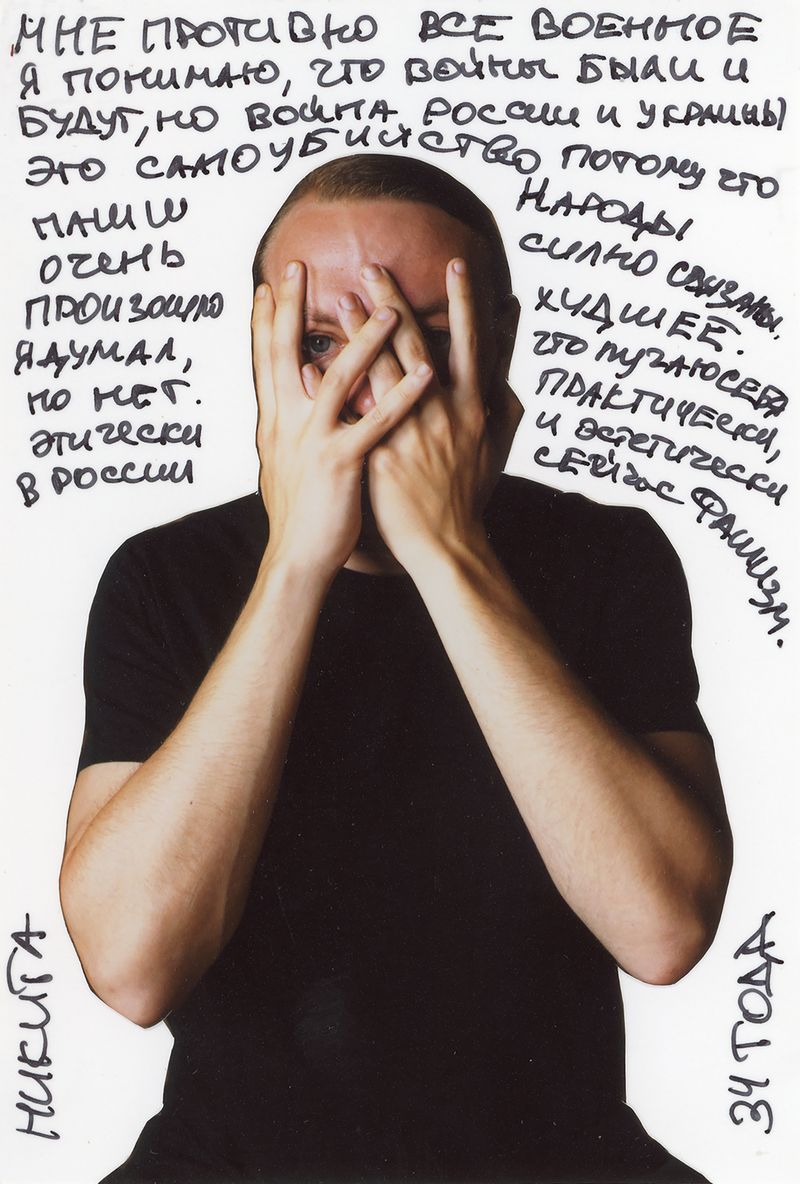
N., 34 is a sound technician. After the invasion of Ukraine the only way to work for artists was to perform or exhibit in propaganda events. He refused to do so, so he left. Belgrade, Serbia. 6/9/2023

© Cecilia Frollano - Image from the The burden of freedom photography project
i

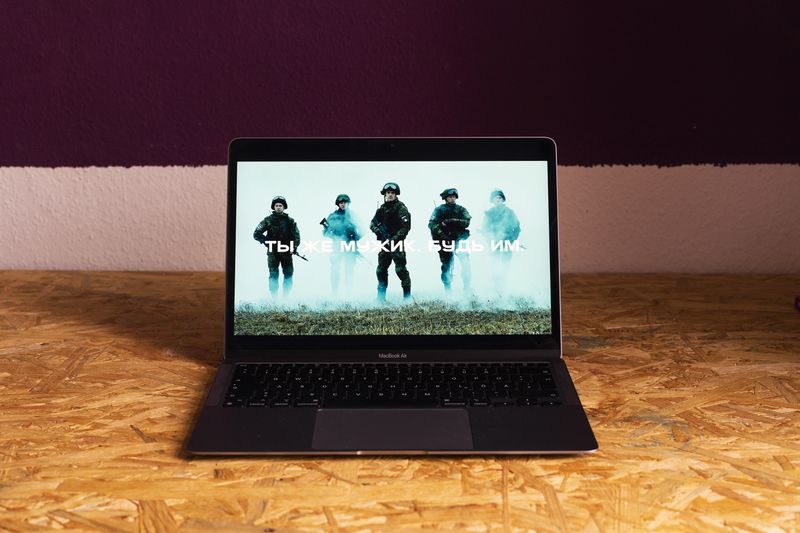
Computer screen in the room of S., 26, shows a video frame of a Russian propaganda video, encouraging men to go to the front. Berlin, Germany, 4/20/2023

© Cecilia Frollano - Image from the The burden of freedom photography project
i

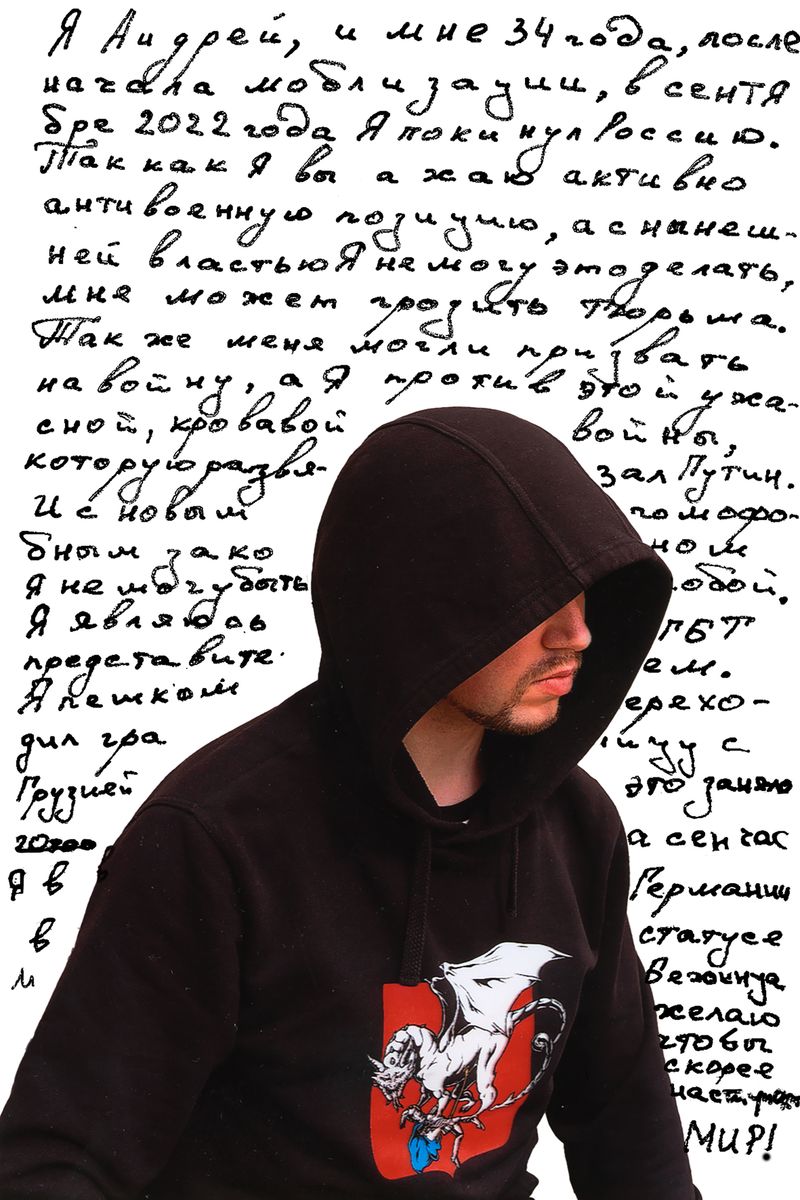
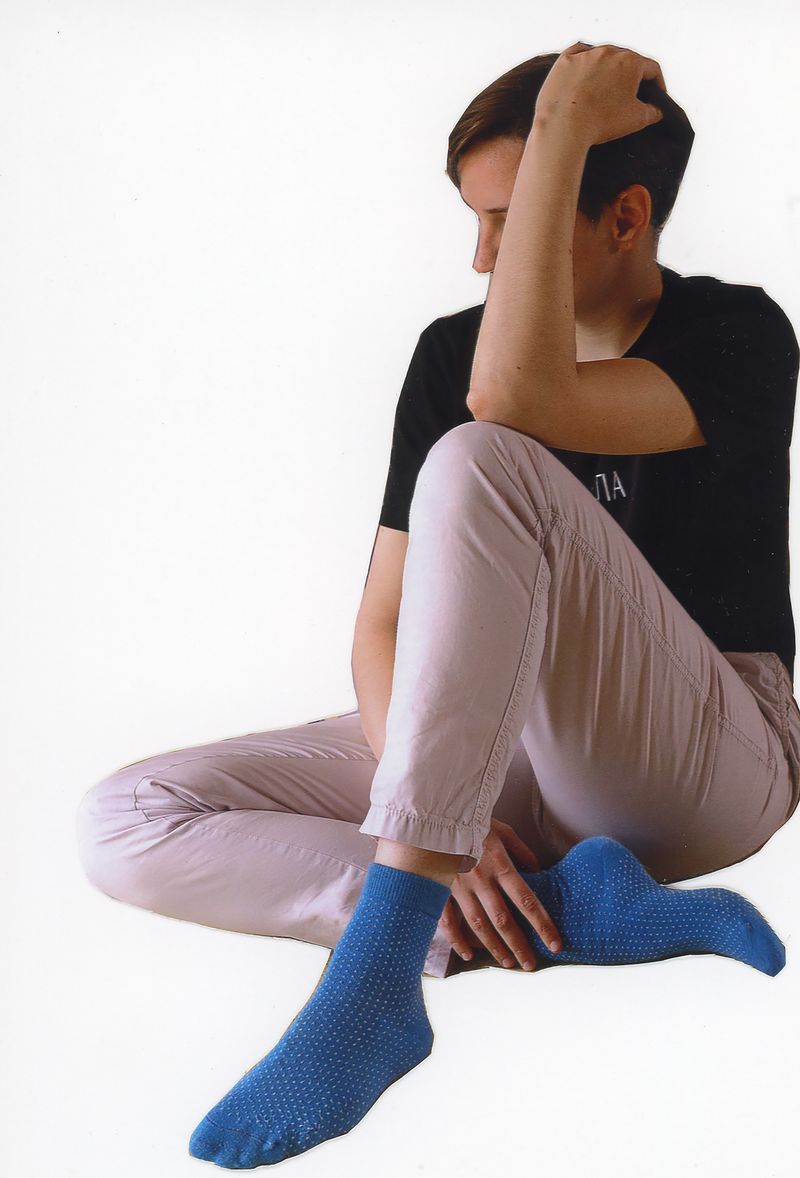
A., 34, is a member of LGBTQ+ community and activist. Now he lives in Germany as an asylum seeker. Berlin, Germany, 4/26/2023

© Cecilia Frollano - Image from the The burden of freedom photography project
i

P., 27, is a transgender person and activist. In Russia she was subjected to discrimination and persecuted for her position against the war in Ukraine. She was arrested three times. After which she fled Russia. Berlin, Germany, 4/22/2023

© Cecilia Frollano - Image from the The burden of freedom photography project
i

A., 30, is a bisexual man from the Adighezia Republic of Russia. He actively opposed the Russian imperialism. He left Russia on September 2022 to seek asylum in Germany. Berlin, Germany, 4/22/2023.

© Cecilia Frollano - Image from the The burden of freedom photography project
i

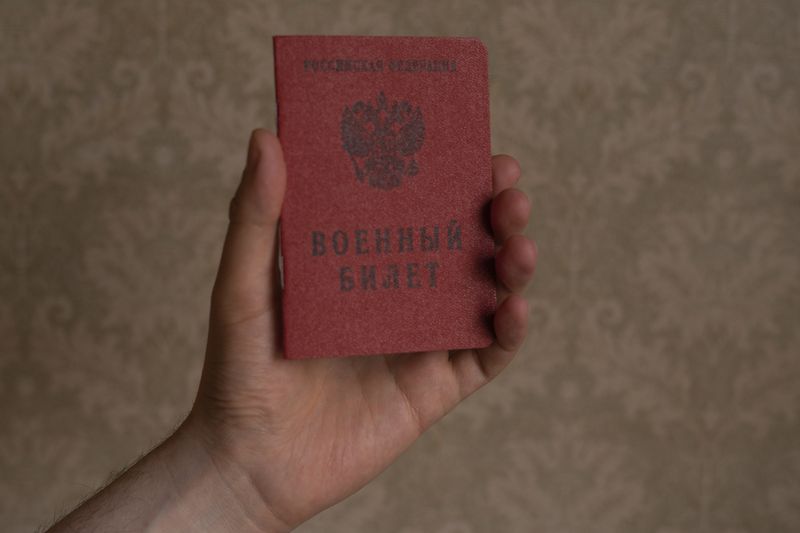
K., 33, shows his "voennij bilet", a military document, in which the conscription order is placed, when you get called to the front. Wittemberge, Germany, 4/24/2023

© Cecilia Frollano - Image from the The burden of freedom photography project
i

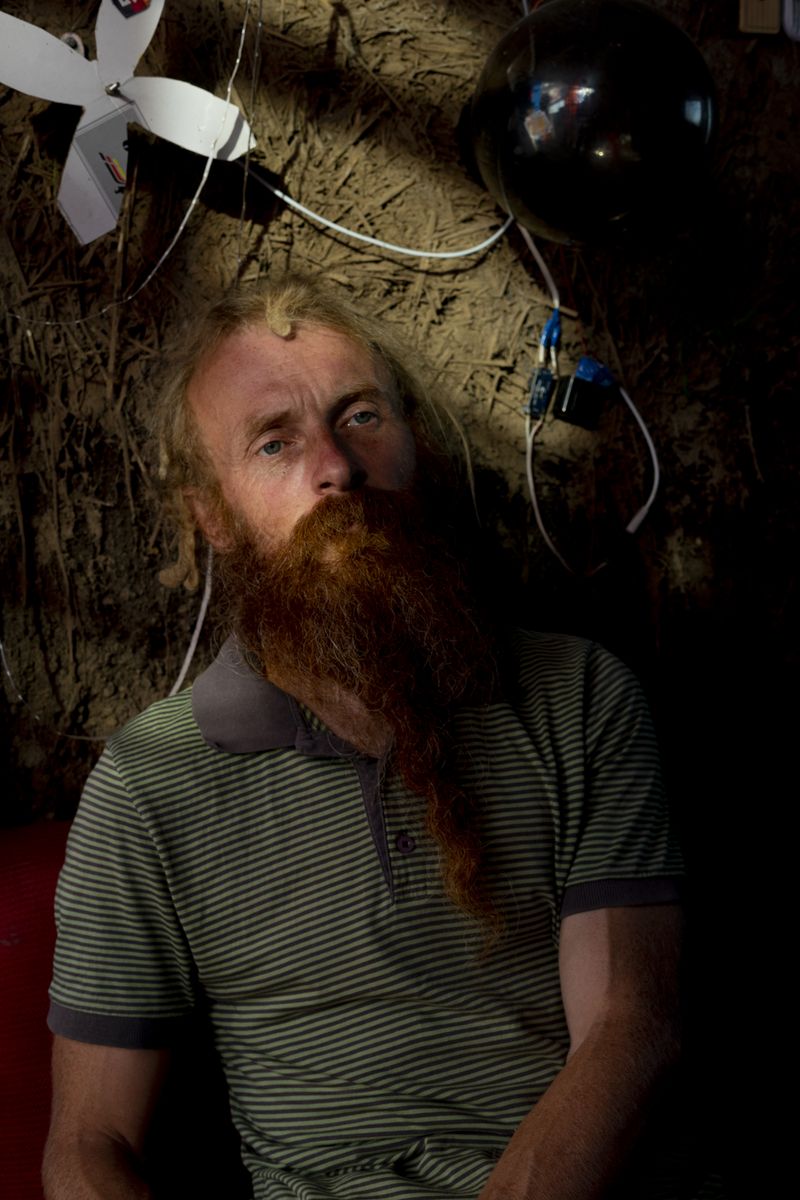
Y., 49, is a Russian activist. He left Russia after he was arrested three times for having shown his dissent for Putin's regime before and after the Invasion of Ukraine in 2022. Navur, Armenia, 9/6/2023

© Cecilia Frollano - Image from the The burden of freedom photography project
i

N., 26, "On 24th February, I read the news all day long feeling horror, apathy and rage, thinking “how is it possible?” Then, there were months of horror, attempts to rebel and preparation to immigrate." Belgrade, Serbia, 6/11/2023

© Cecilia Frollano - Image from the The burden of freedom photography project
i

T., 30, is a non binary person. She left Russia with her partner after the start of conscription. Now she lives in a refugee camp in Germany, apart from her son, who she hasn't seen for several months. Wittenberge, Germany, 4/24/2023

© Cecilia Frollano - Image from the The burden of freedom photography project
i

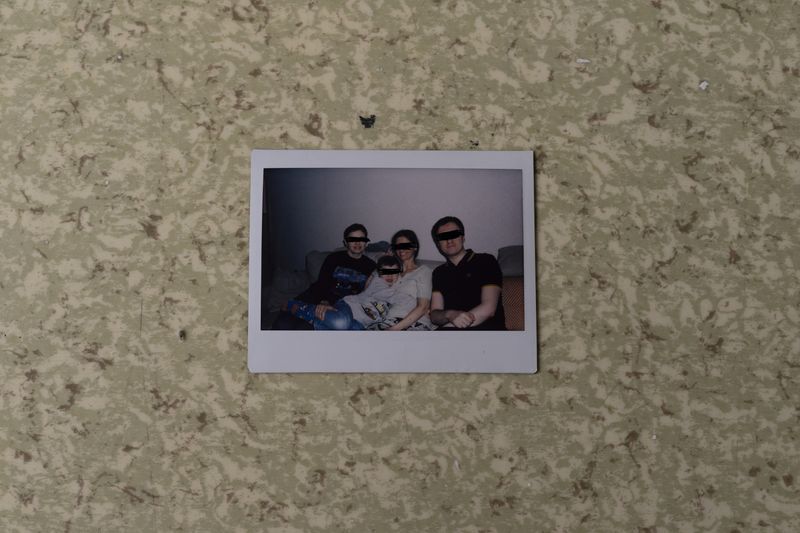
Polaroid showing family of T., 30. She hasn't seen her son since three monhts. As she is a asylum seeker in Germany she lives in uncertain conditions, so her son lives now with his father in UK. Wittenberge, Germany, 4/24/2023

© Cecilia Frollano - Image from the The burden of freedom photography project
i

A., 34, "I felt suffocated by the atmosphere I breathed in my home town." He says. "My move was relatively easy, after which I felt it my duty to help those that encountered more difficulties." Belgrade, Serbia, 6/5/2023

© Cecilia Frollano - Image from the The burden of freedom photography project
i

C., 35, lived in a city on the border with Ukraine. She saw the tanks heading to Ukraine before the war started. She decided to leave because she didn't want her daughter to grow up in a killer state. Belgrade, Serbia, 6/9/2023

© Cecilia Frollano - Image from the The burden of freedom photography project
i

V., 27, he came under enormous psychological pressure from members of his own family, who support the war. It all became unbearable after the LGBT+ propaganda ban. Now he is an asylum seeker in Germany. Berlin, Germany, 4/26/2023