The Building House

One Hundred Years after the Bauhaus settled in Dessau, McQuillan-Byrne reflects on the school's legacy as the extreme far-right continues to grow in the heart of Europe.

I first visited the Bauhaus in Dessau when I was nineteen as part of a delegation of art students from the UK. We were challenged to stage a series of performances in response to work by Bauhaus student-turned-tutor Xanti Schawinsky for the Bauhaus Centenary Festival. It was during this time that I began to dig into the history and politics of the Bauhaus.

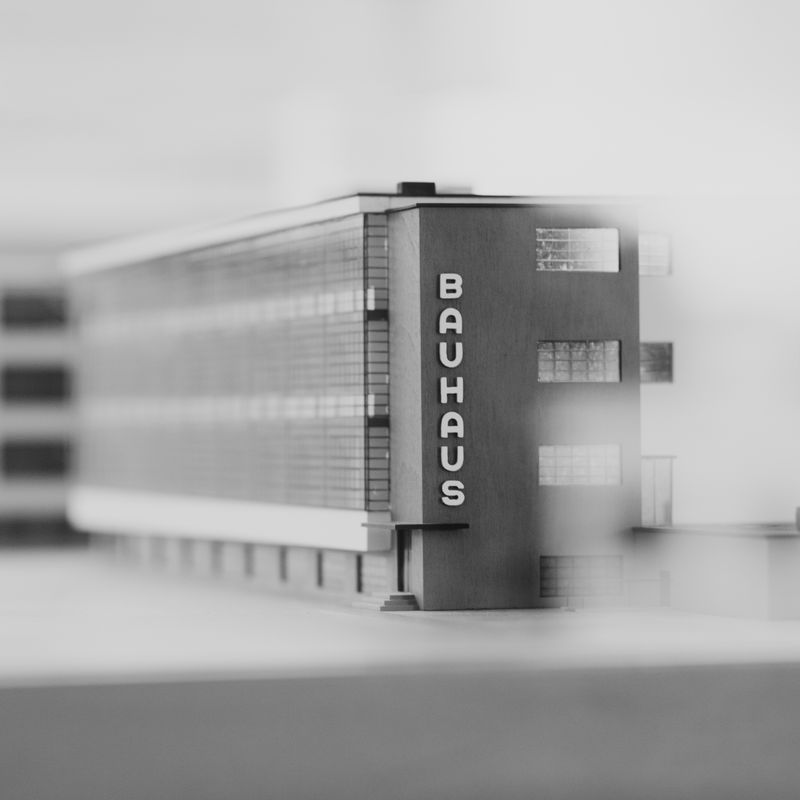
In 1925, the Bauhaus (German for 'Building House') moved from Weimar to Dessau. The Bauhaus would enjoy its most productive and prolific period in Dessau. The school championed a dynamic, multidisciplinary approach to design and the arts, which promoted the idea of the Gesamtkunstwerk (Comprehensive Artwork), in which all the arts would eventually come together. Many significant artists taught and studied at the Bauhaus. Pioneering modernists such as Josef and Anni Albers, Wassily Kandinsky, Oskar Schlemmer, László Moholy-Nagy and Paul Klee formed part of the teaching staff. They taught radical artists such as Xanti Schawinsky, T.Lux Feininger and Otti Berger, to name a few. Under the directorship of Architect Walter Gropius, a radical 'art laboratory' was formed in Dessau.

In 1928, having led the Bauhaus since its inception, Gropius stood down as director, appointing Swiss architect Hannes Meyer as his successor. Meyer was a committed and proud Socialist. During his directorship, a great number of Bauhaus students embraced socialist and communist ideas. As the proportion of communist students grew, so too did the political factionalism amongst the student body. The left-wing ideology associated with the school was subsequently targeted by the Nazis and their supporters. Having been labelled 'Degenerate' by Nazi authorities, Dessau's local councils pulled their funding just like Weimar's had in 1925. In 1930, Meyer was dismissed as director by the mayor of Dessau as a result of the political tensions they claimed he was causing.

Ultimately, the Bauhaus was forced to close in 1933, one year after Hitler came to power, after its leadership refused to meet the new Nazi Government's demands for conformity. While historically, many have accused Meyer of allowing a communist cell to form at the Bauhaus, one could argue that he sought to resist the rise of totalitarianism in Germany through solidarity in leftist ideologies. As a person strong in their beliefs, what else could he do when forced to face up to the far-right mob?

It is also important to note that the Bauhaus has historically been held in opposition to national socialism, as a hallmark of democratic artistic expression that spread across the world after it was forced to leave Germany. In reality, the members of the Bauhaus who were able to escape tended to be the wealthy and famous teachers, whereas many students and lower-waged personnel were forced into hiding or had to meet the new political conditions halfway to make ends meet. Some even became collaborators, with one alumnus responsible for designing the gas chambers at Auschwitz that would ultimately take the lives of several of their former classmates, including Otti Berger.

I began to think seriously about the Buahus again in October 2024, when members of Anhalt-Saxony's far-right Alternative for Germany (AfD) began calling for a 'cultural reappraisal' of its legacy to be debated in the regional parliament. Whilst the motion was soundly rejected due to striking similarities with Nazi language, the Bauhaus has long been a foe of the German far-right. The AFD are currently on track to sweep the polls in Germany's upcoming local elections in Dessau and its surrounding areas, as well as much of the country. At a time when we are seeing this play out across democracies worldwide, I have been visiting Dessau in an attempt to understand what is happening today through the lens of the Bauhaus.

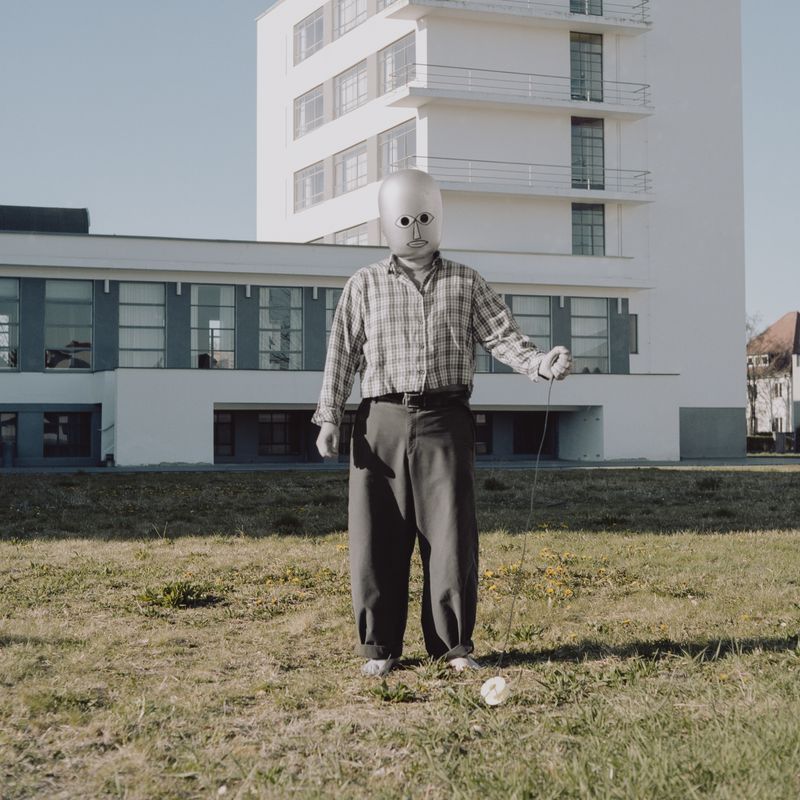
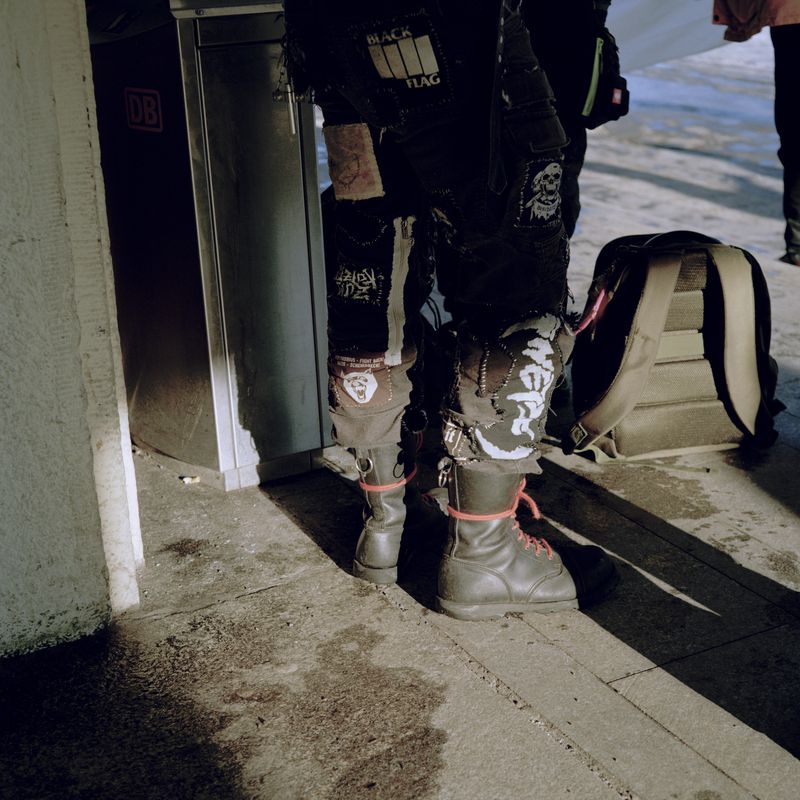
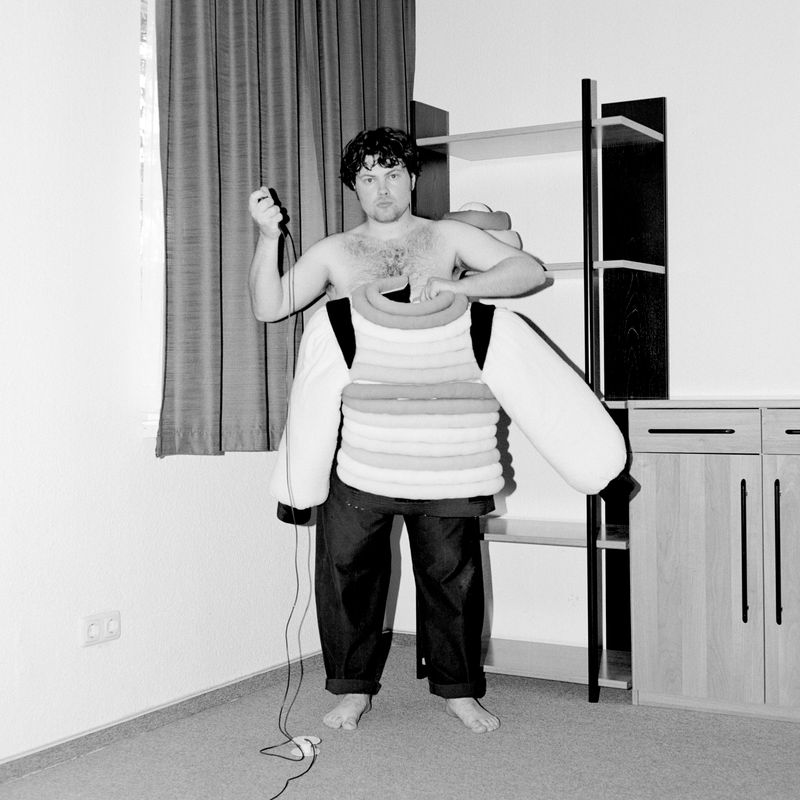
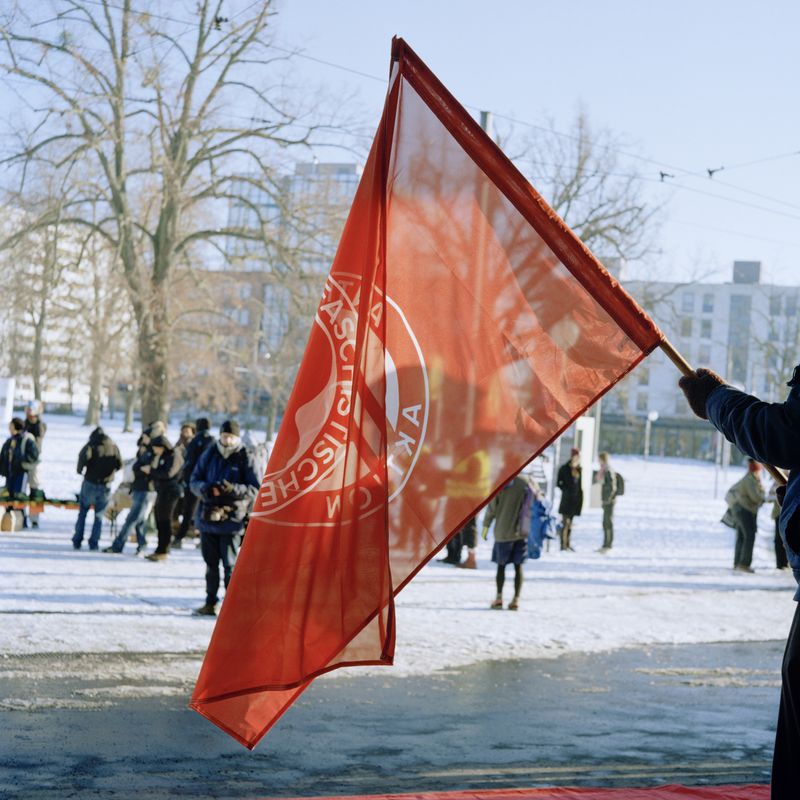
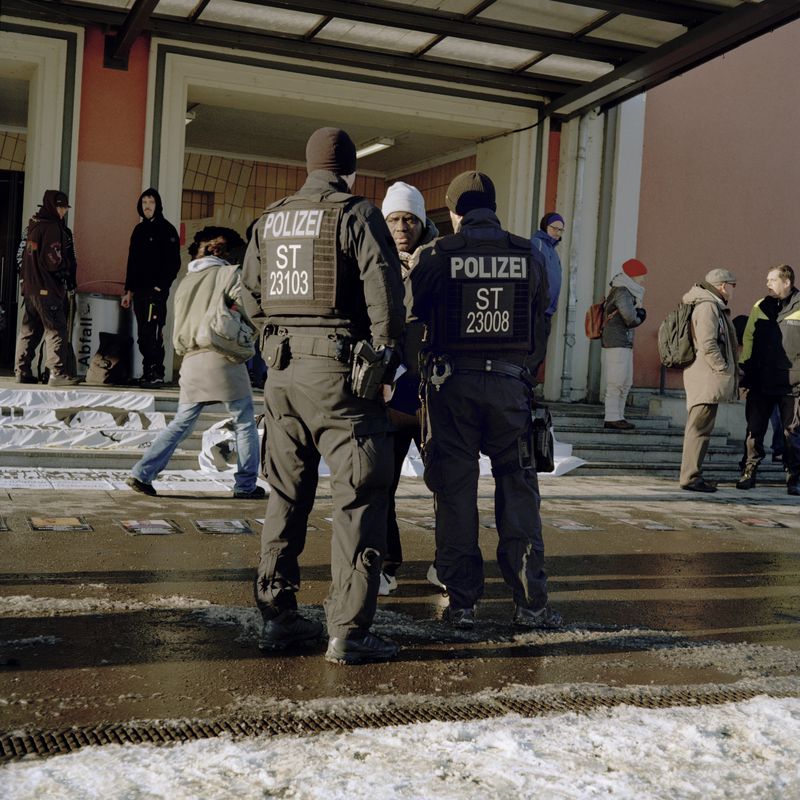
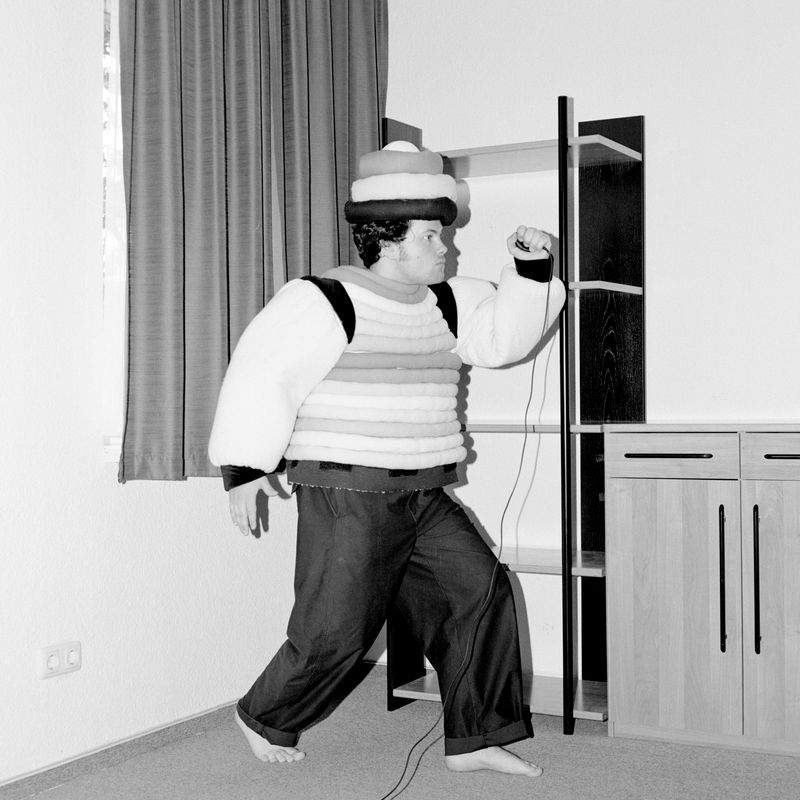
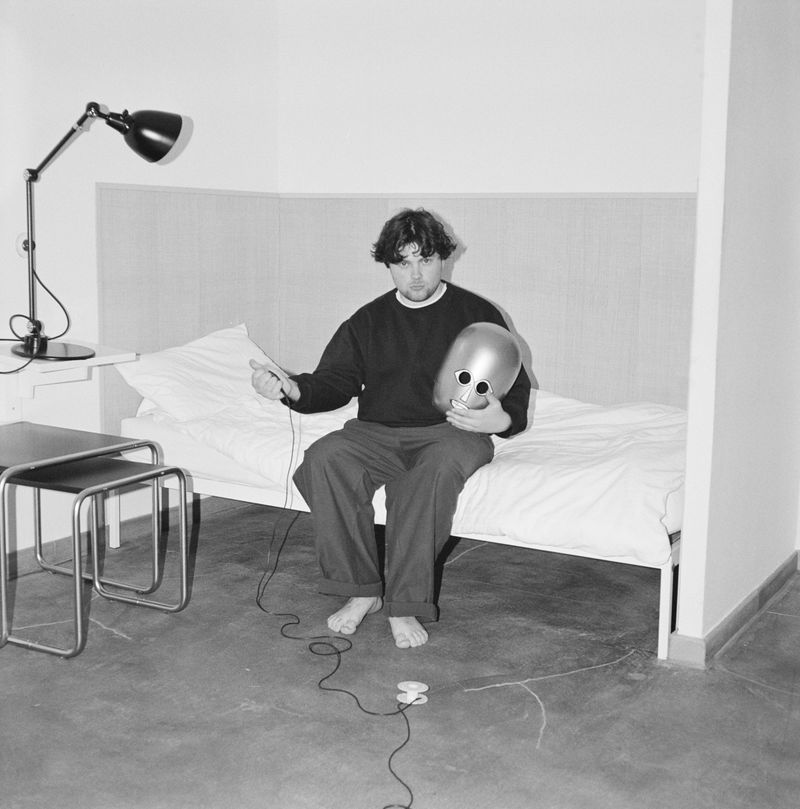
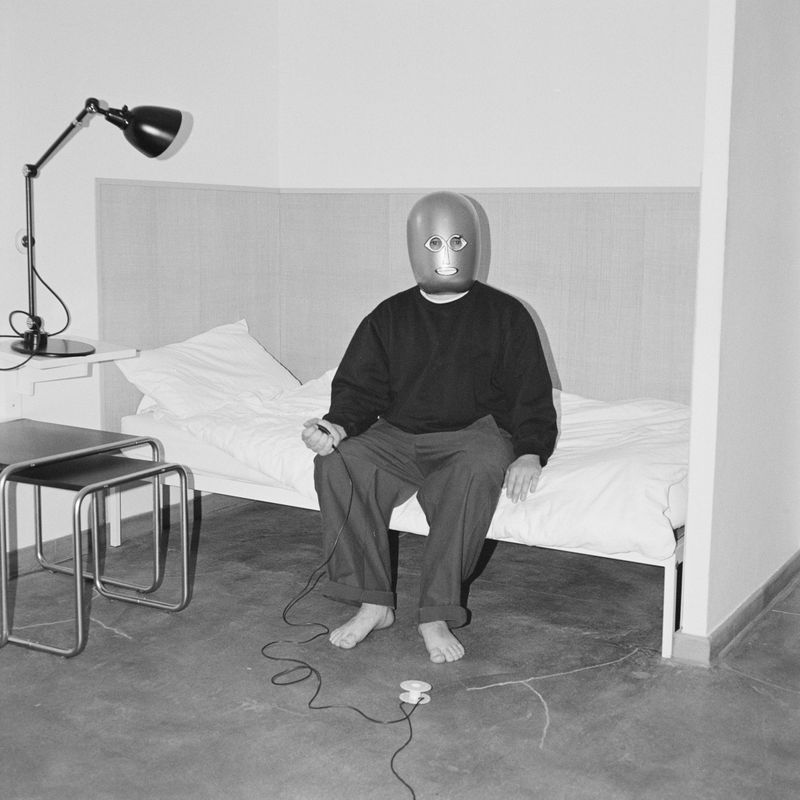
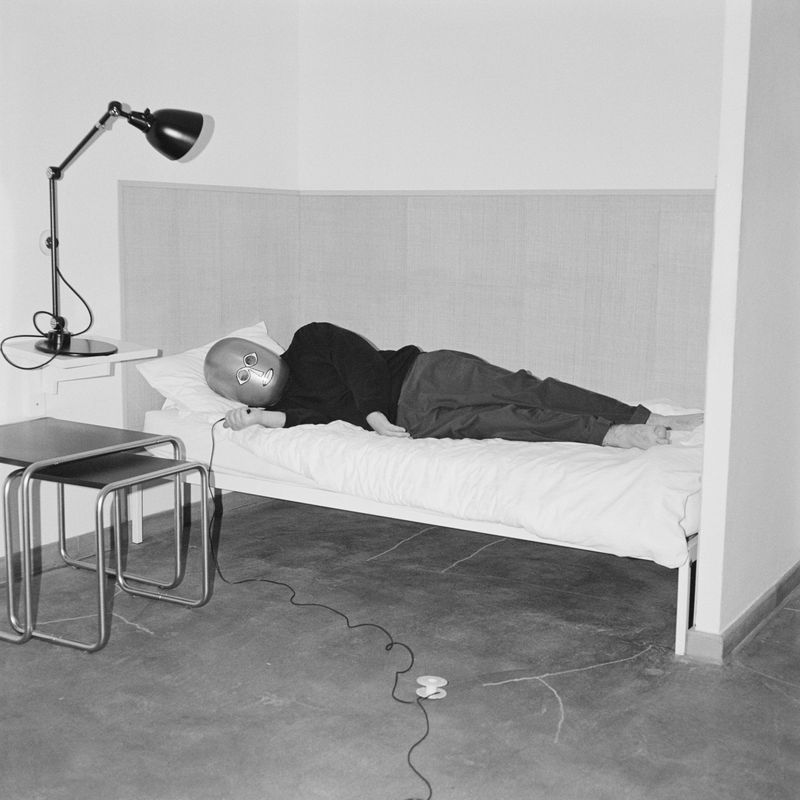
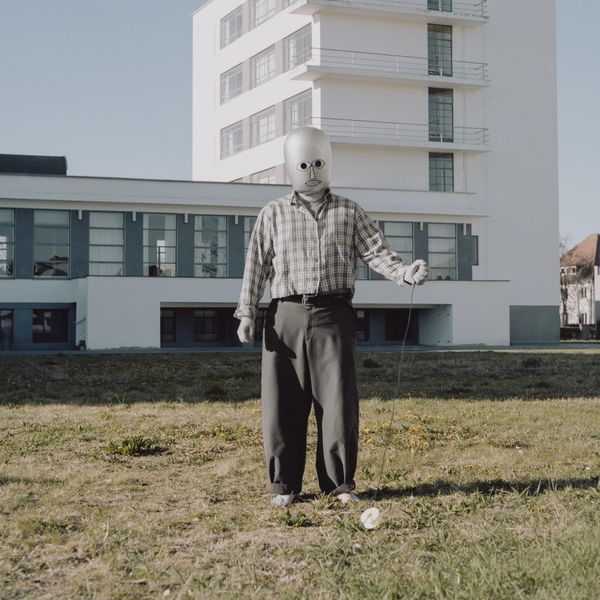
The photographs in this project are all made in Dessau, some of them in and of the Bauhaus School, others in the areas that surround it. They include examples of resistance from the Left in Dessau, as exemplified by demonstrations in the memory of Oury Jalloh, an asylum seeker from Sierra Leone who was allegedly burnt to death in police custody in Dessau in 2005. Other images, such as the self-portraits in this work, look to reanimate characters from the School's famous theatre programme as new Bauhaus Ghosts. I have adopted these characters to investigate what many ghosts are traditionally concerned with: unfinished business.

That first trip to Dessau left its mark on me as a teenager, and the Bauhaus and its utopian vision continue to inform my work and my worldview. A lot has happened since 2019, and, indeed, the creative forces that once called the Bauhaus home have long since moved on. However, I still often find myself longing for that summer spent performing with friends in Dessau.

© Oscar McQuillan-Byrne - Self-Portrait with Triadic Ballet Costume. Dessau, Germany
i

Self-Portrait with Triadic Ballet Costume. Dessau, Germany

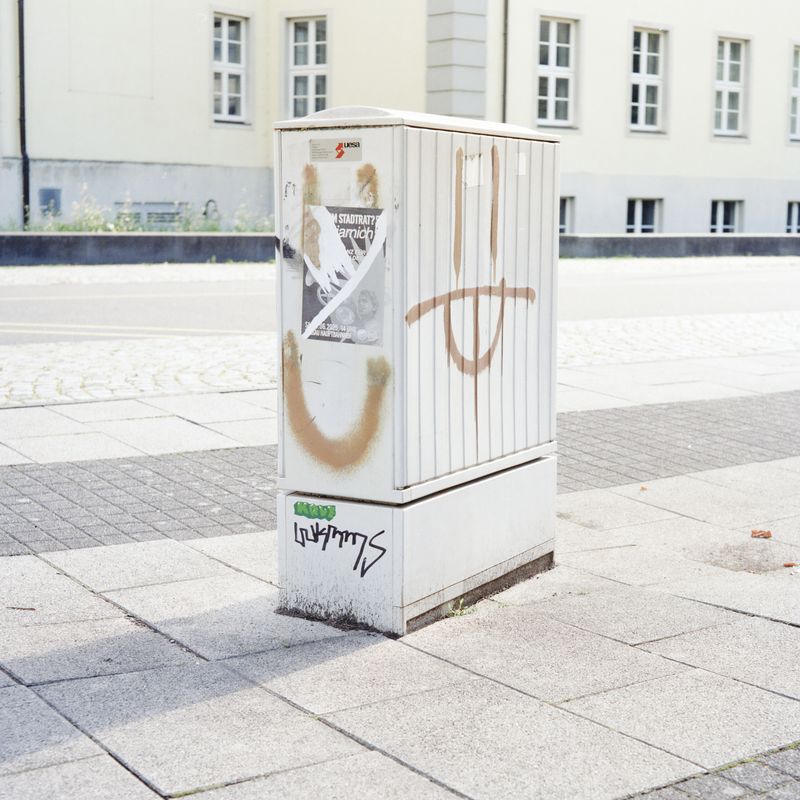
© Oscar McQuillan-Byrne - Electrical Box with defaced anti-fascist rally poster, Dessau, Germany
i

Electrical Box with defaced anti-fascist rally poster, Dessau, Germany

© Oscar McQuillan-Byrne - Image from the The Building House photography project
i

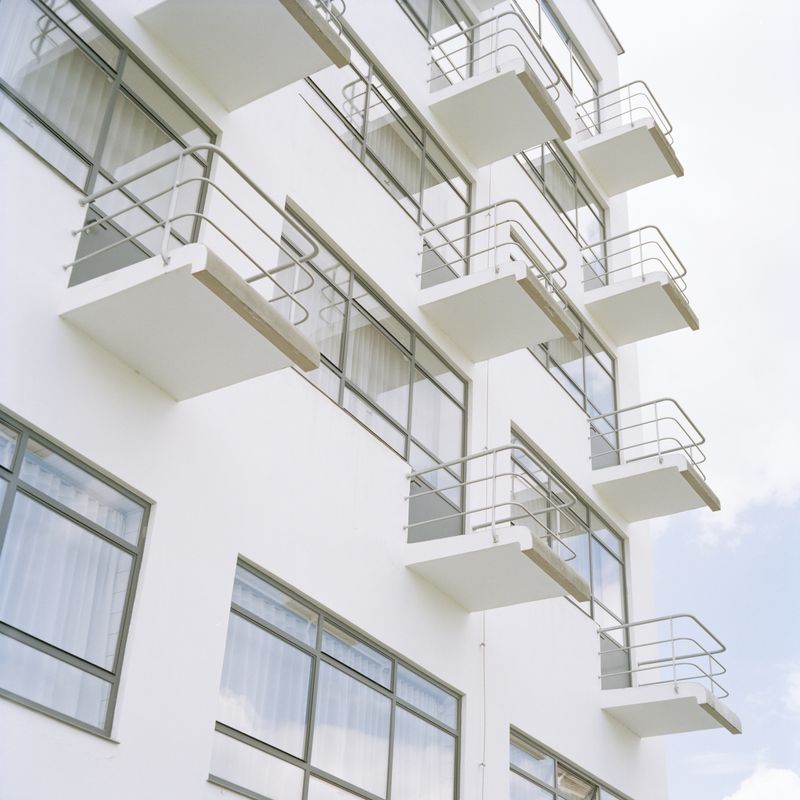
Exterior of the Bauhaus Archive Dessau, Located in a disused brewery in the industrial outskirts of the city, Dessau, Germany.

© Oscar McQuillan-Byrne - Protester at a memorial demonstration for the 20th Aniverssary of the death of Oury Jalloh. Dessau, Germany.
i

Protester at a memorial demonstration for the 20th Aniverssary of the death of Oury Jalloh. Dessau, Germany.

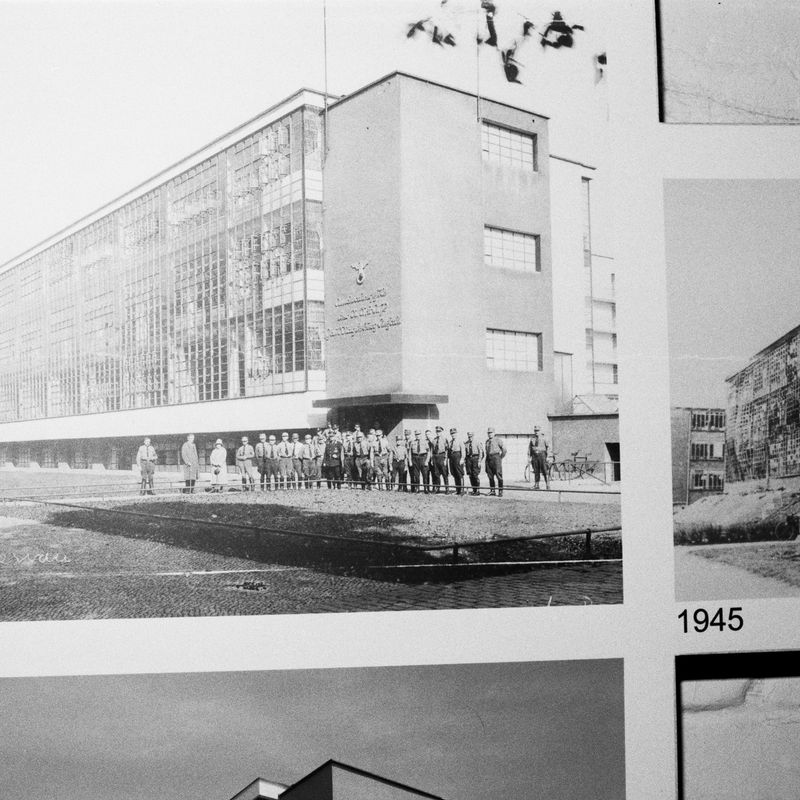
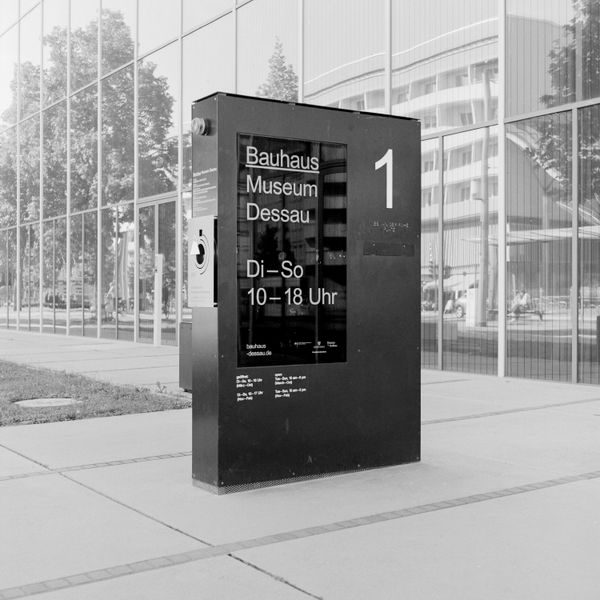
© Oscar McQuillan-Byrne - Bauhaus Museum Dessau information board. Dessau, Germany
i

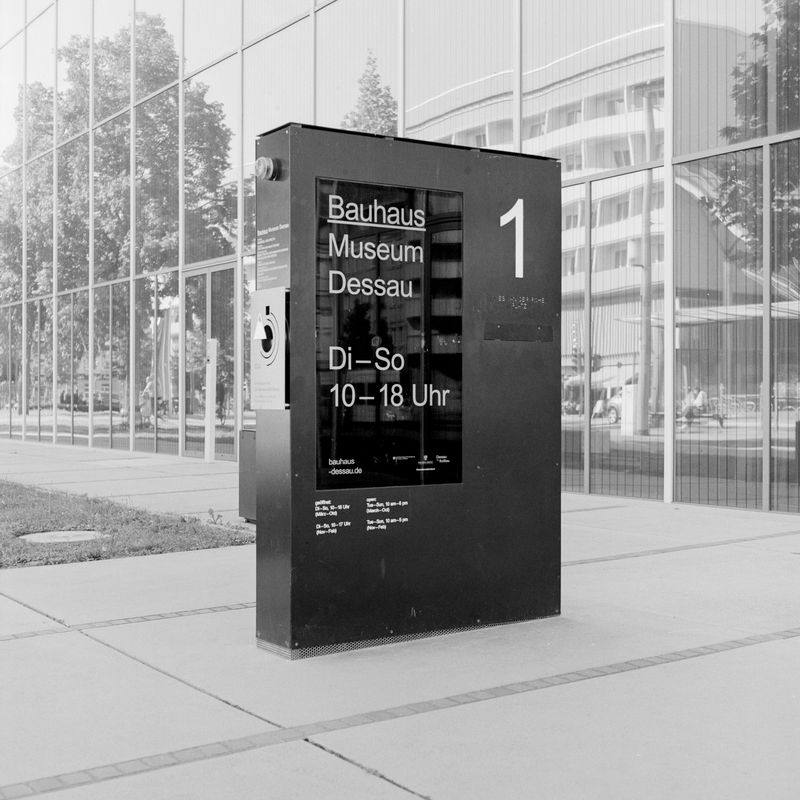
Bauhaus Museum Dessau information board. Dessau, Germany

© Oscar McQuillan-Byrne - Image from the The Building House photography project
i

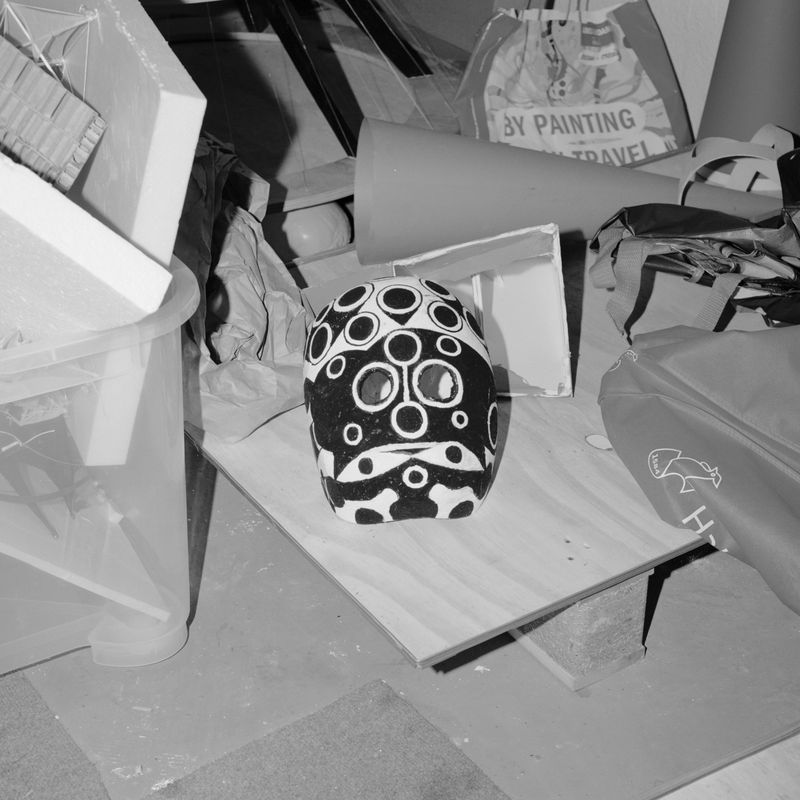
Preperations for the 'Tradic Dance Club' as part of the celebrations for the Bahuas100 festival programme, 'To The Core' that looks to celebrate 100 years of the Bauhaus in Dessau. Dessau, Germany.

© Oscar McQuillan-Byrne - Self-Portraits with Triadic Ballet Costume. Dessau, Germany.
i

Self-Portraits with Triadic Ballet Costume. Dessau, Germany.

© Oscar McQuillan-Byrne - Clematis Vitalba (Old Man's Beard).                                Dessau, Germany.
i

Clematis Vitalba (Old Man's Beard). Dessau, Germany.

© Oscar McQuillan-Byrne - Doorway to Paul Klee's studio, Dessau, Germany
i

Doorway to Paul Klee's studio, Dessau, Germany

© Oscar McQuillan-Byrne - Anti-fascist flag at Oury Jalloh Memorial Demonstration. Dessau, Germany
i

Anti-fascist flag at Oury Jalloh Memorial Demonstration. Dessau, Germany

© Oscar McQuillan-Byrne - Mask based on a design by Oskar Schlemmer. Dessau, Germany.
i

Mask based on a design by Oskar Schlemmer. Dessau, Germany.

© Oscar McQuillan-Byrne - Police question organisers of Oury Jalloh memorial demonstration outside Dessau train station. Dessau, Germany.
i

Police question organisers of Oury Jalloh memorial demonstration outside Dessau train station. Dessau, Germany.

© Oscar McQuillan-Byrne - Self-Portrait with Schlemmer Mask. Dessau, Germany.
i

Self-Portrait with Schlemmer Mask. Dessau, Germany.

© Oscar McQuillan-Byrne - Wild Grapes.                    Dessau, Germany.
i

Wild Grapes. Dessau, Germany.

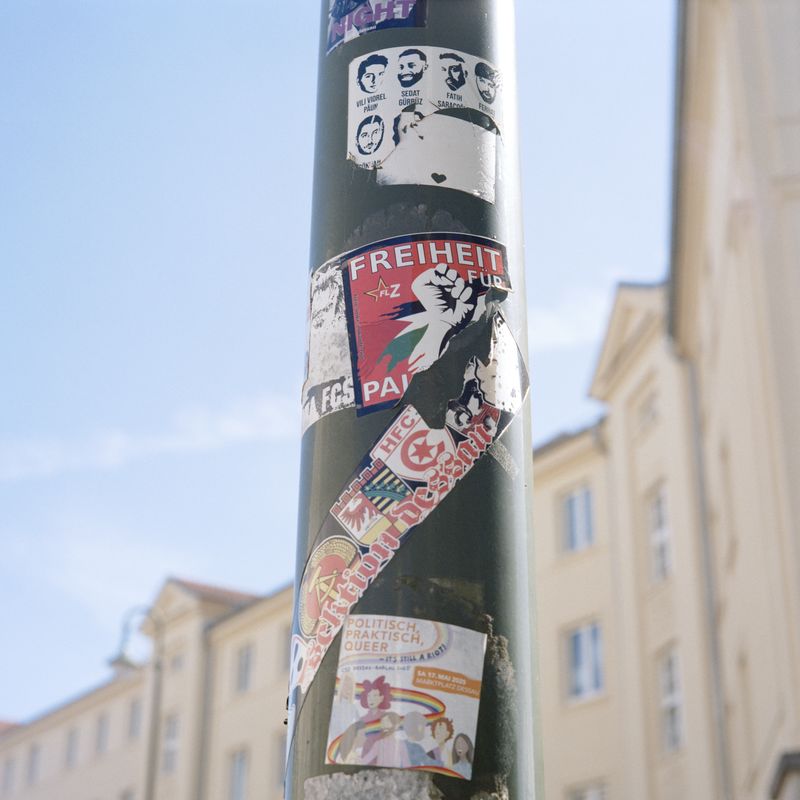
© Oscar McQuillan-Byrne - Anti-AFD sticker (Reads: "No platform for the AFD"). Torten Estate, Dessau, Germany.
i

Anti-AFD sticker (Reads: "No platform for the AFD"). Torten Estate, Dessau, Germany.

© Oscar McQuillan-Byrne - Statue of Walter Gropius. Dessau, Germany.
i

Statue of Walter Gropius. Dessau, Germany.

© Oscar McQuillan-Byrne - Image from the The Building House photography project
i

Self-portraits with Schlemmer Mask. Dessau, Germany. These photographs were made whilst staying in the Prellerhaus, the old student accommodation at the Bauhaus.

© Oscar McQuillan-Byrne - Materias from the original Bauhaus pre-restoration. Dessau, Germany.
i

Materias from the original Bauhaus pre-restoration. Dessau, Germany.

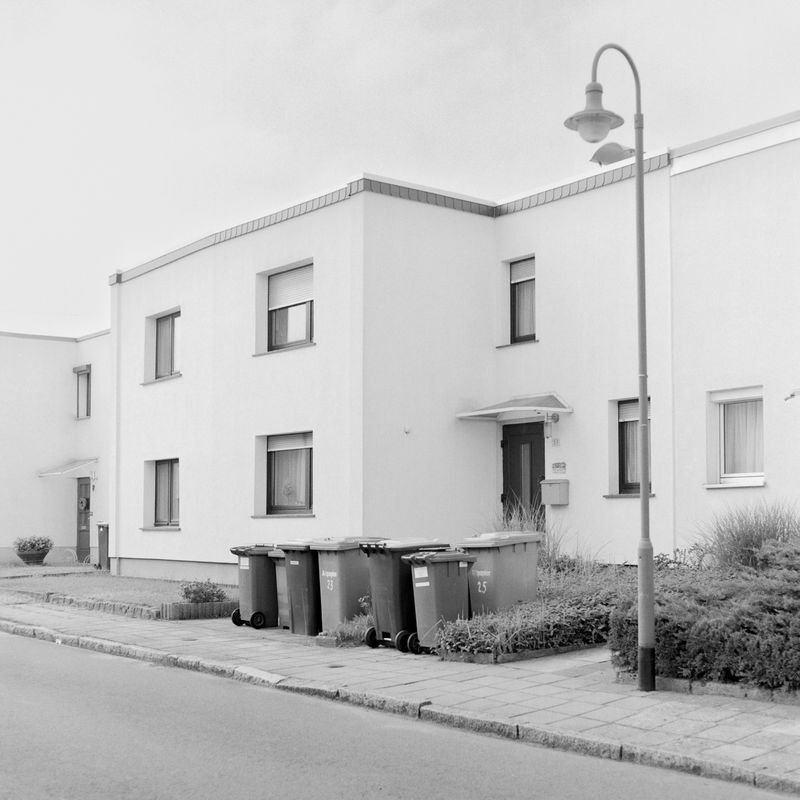
© Oscar McQuillan-Byrne - Torten Estate, Dessau, Germany.
i

Torten Estate, Dessau, Germany.

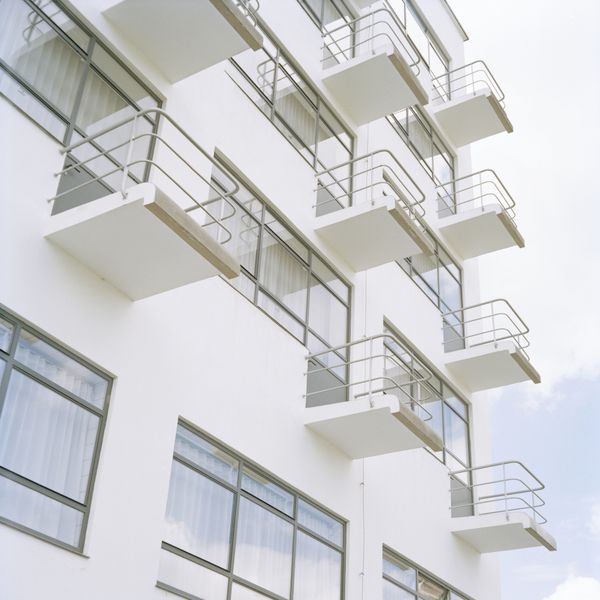
© Oscar McQuillan-Byrne - Bauhaus Dessau. Dessau, Germany.
i

Bauhaus Dessau. Dessau, Germany.