TASK -
-
Dates2025 - Ongoing
-
Author
- Location Paris, France
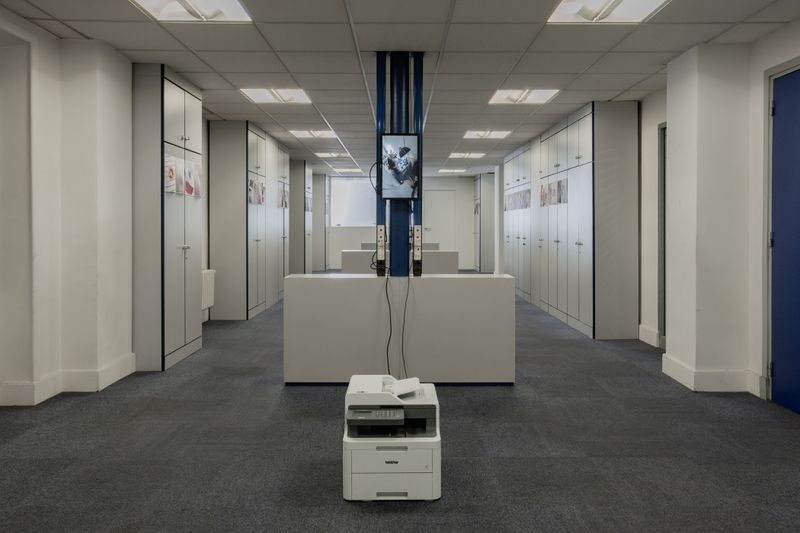
TASK is a system of distributed authorship in which a human and a machine operate as non-coinciding agents. TASK can be created, reviewed, and printed simultaneously in different parts of the world.
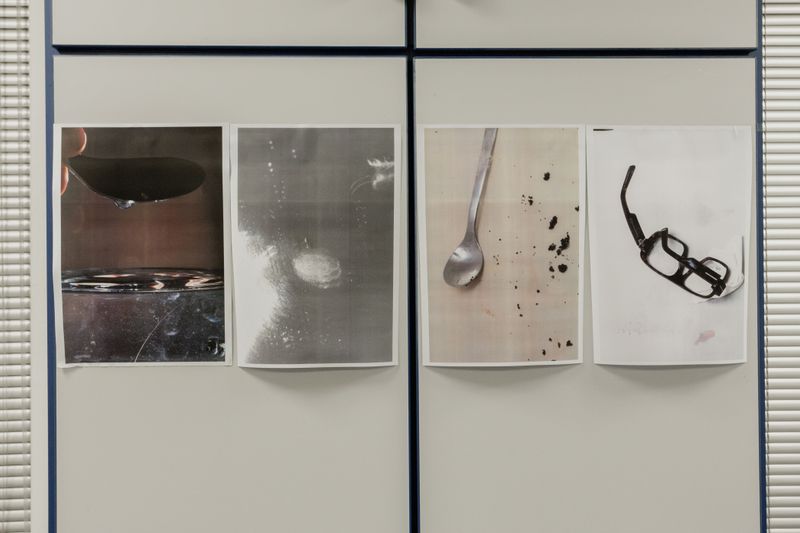
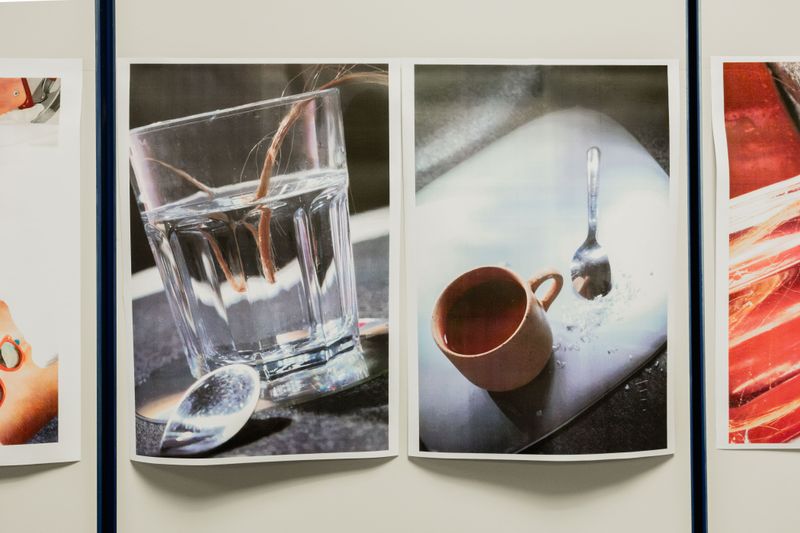
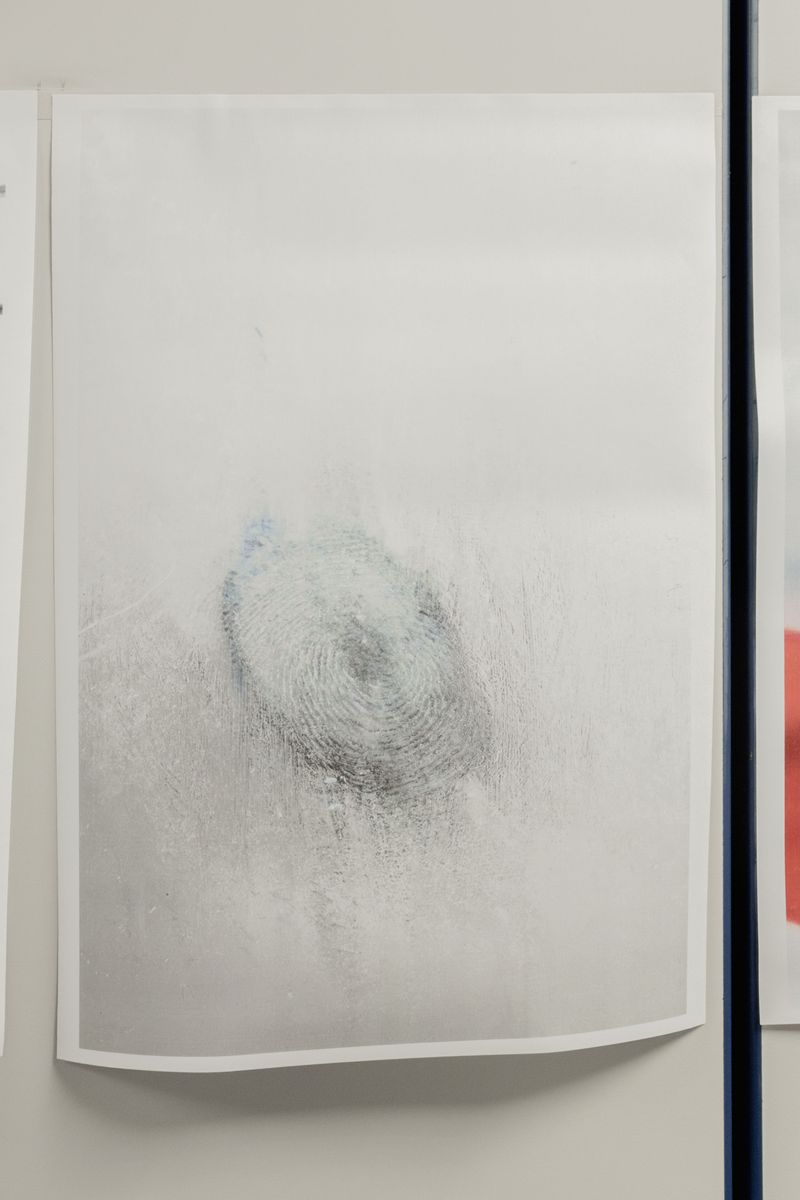
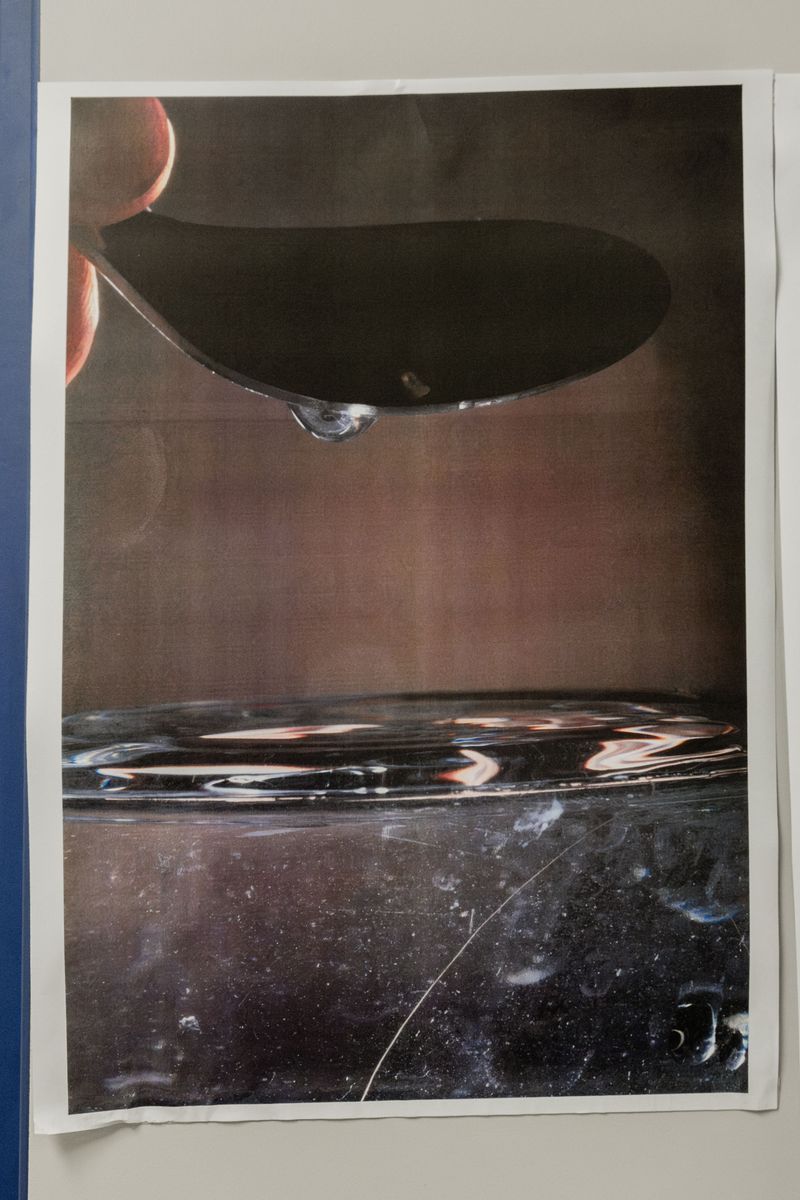
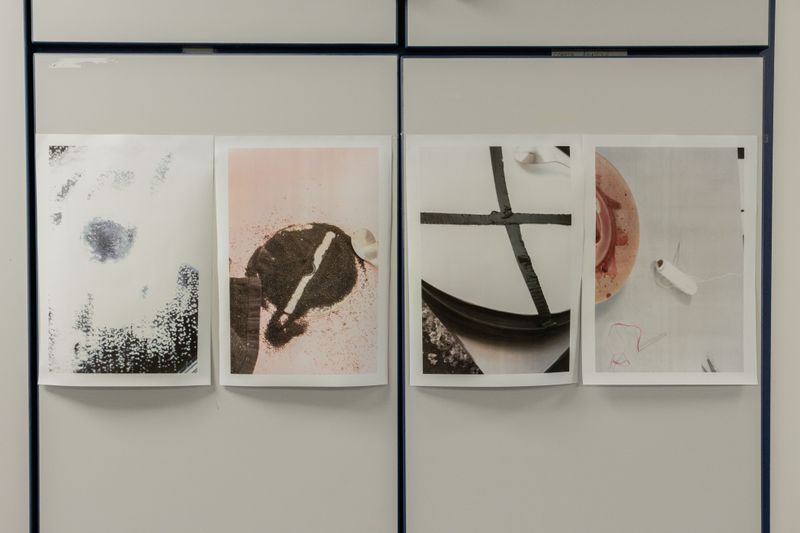
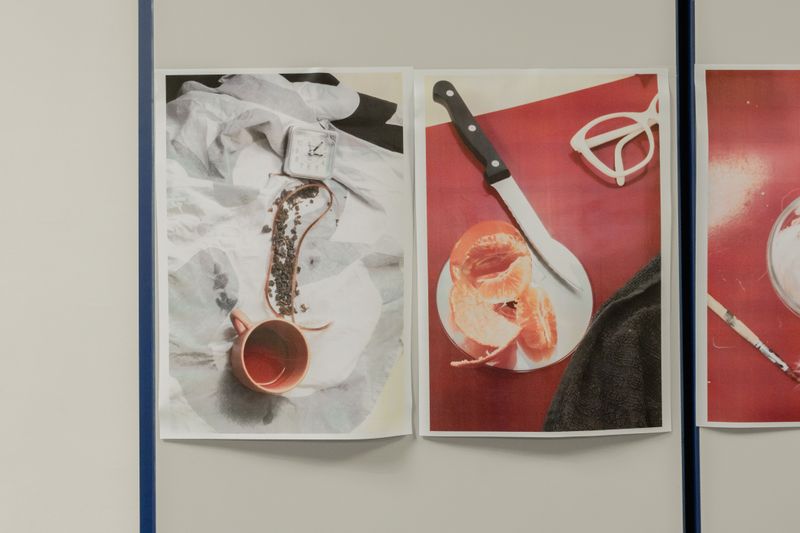
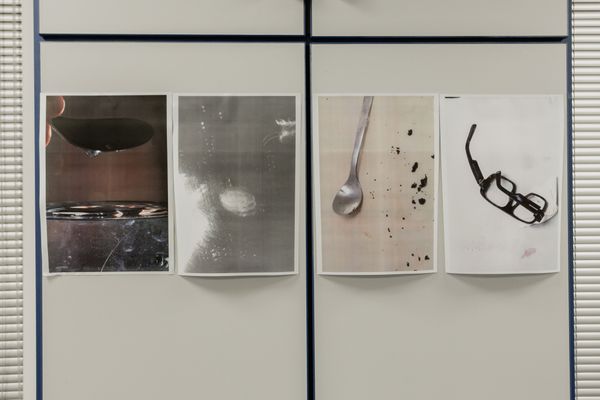
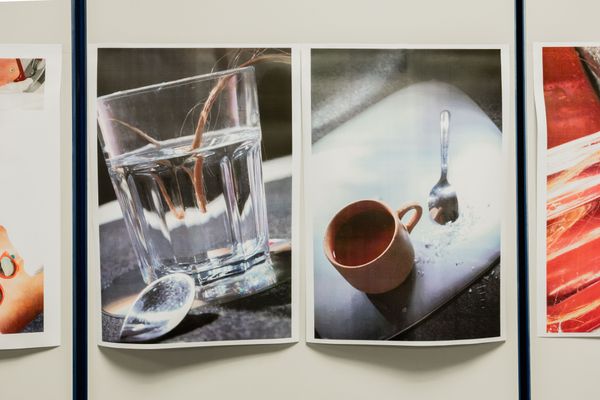
TASK is a lens-based, unedited photographic practice entirely governed by an artificial curator, where each image emerges as an isolated unit within a larger protocol.
For this project:
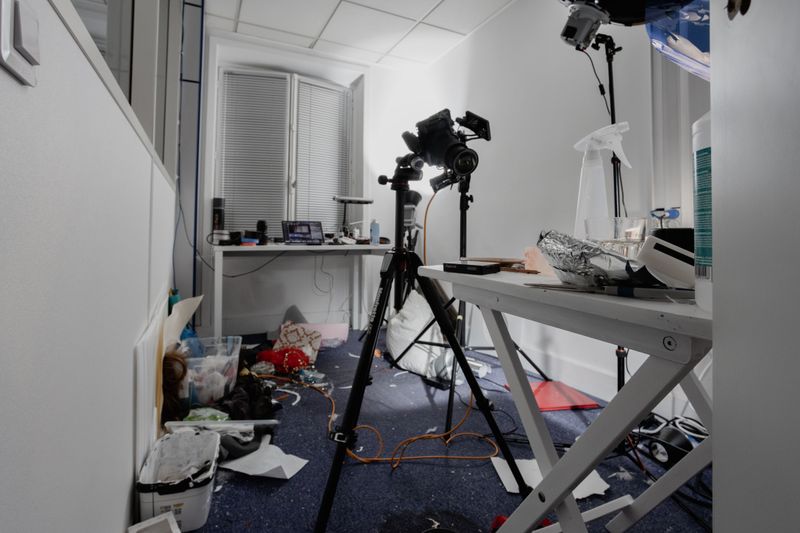
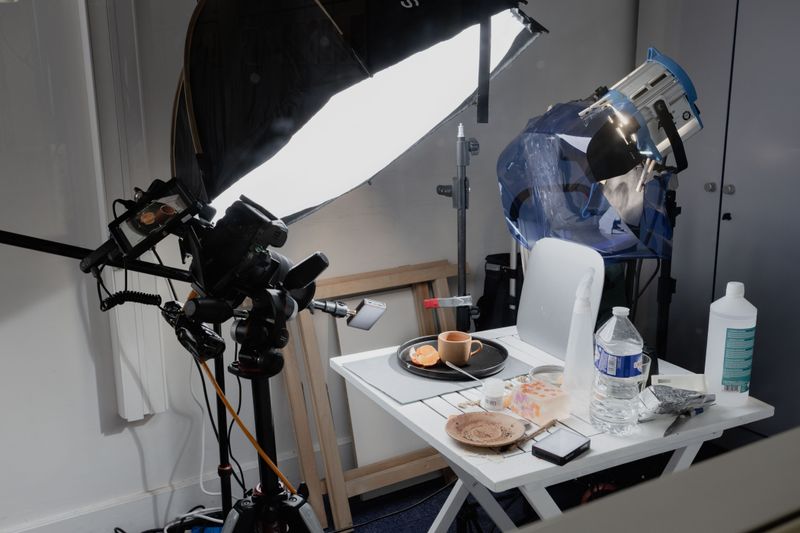
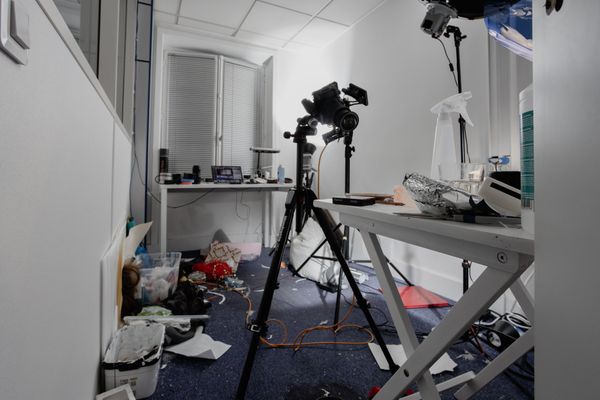
I enter the studio with objects selected from a strict AI-generated list.
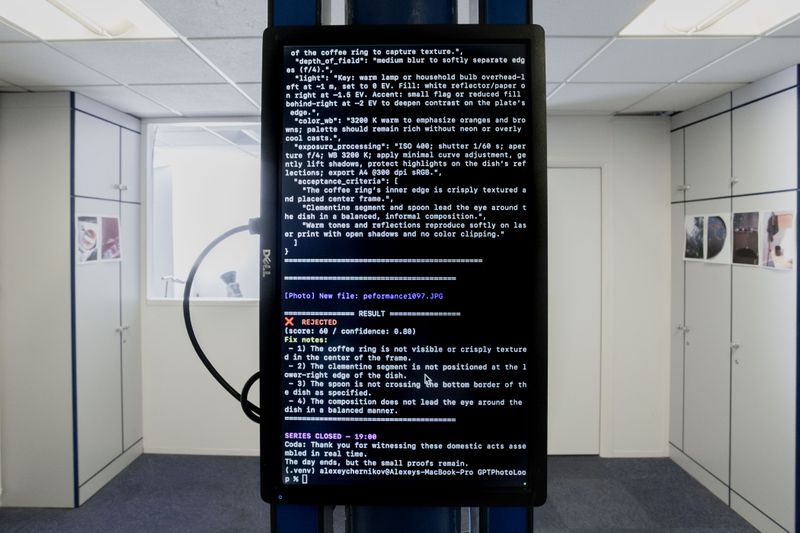
I then receive precise instructions: angle, light, composition, distance.
I execute them as accurately as possible.
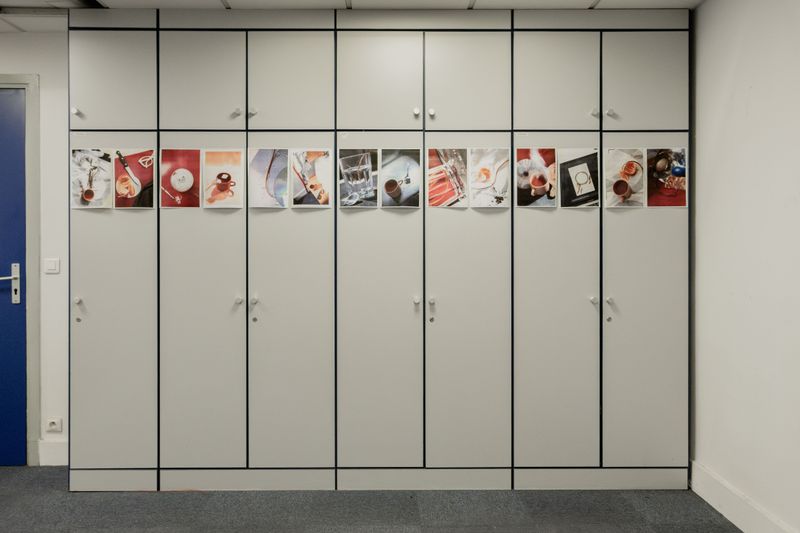
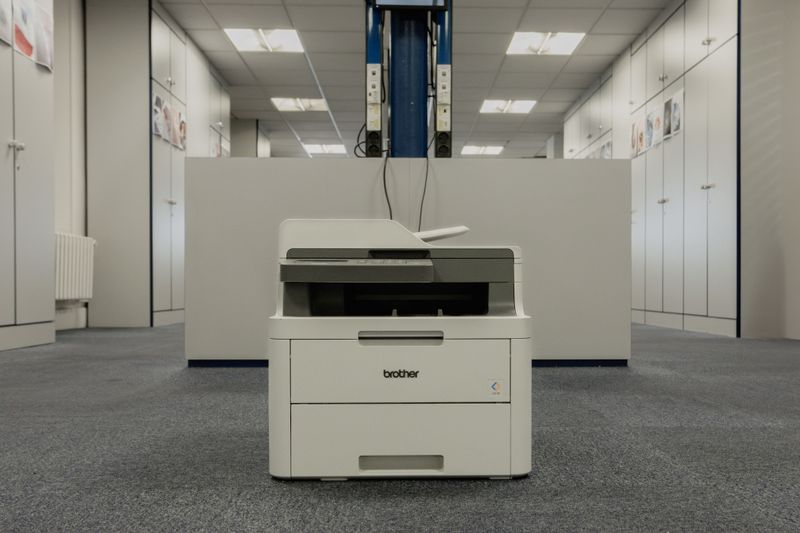
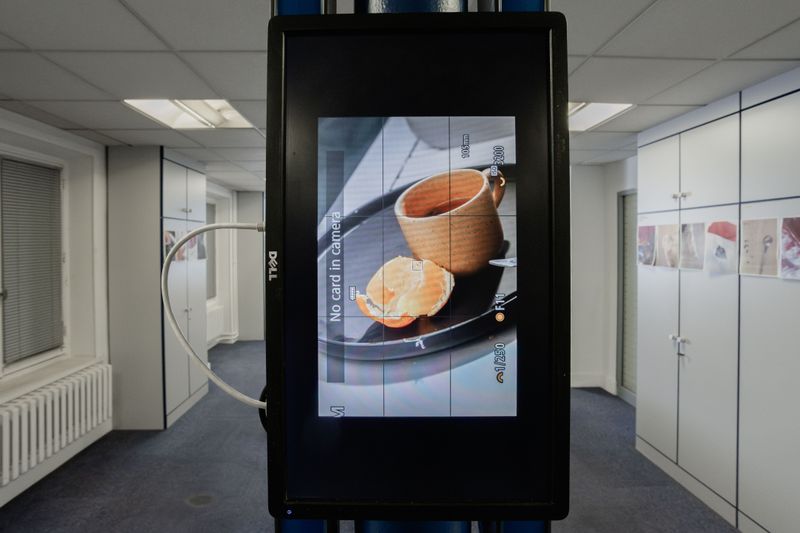
Each image is submitted to the system: if accepted, it is printed and a new task is issued - if rejected, I receive detailed feedback and must repeat the process.
Tasks cannot be skipped.
The work unfolds over a continuous session, governed entirely by the machine.
One session lasts one 8 hour working day.
I do not choose subject, form, or intention. Every artistic decision is externalised. My role becomes procedural, almost mechanical. Each photograph exists as an autonomous unit complete, yet disconnected.
There is no narrative continuity, no central image, no hierarchy.
What links the works is not meaning, it’s protocol.
The system itself becomes the only form of cohesion.
It’s a structure without a centre, where decisions are distributed across agents that do not fully understand each other.
The images are produced in a constant state of negotiation between execution and validation, where understanding is replaced by compliance. The process gradually shifts from interpretation to optimisation, from making images to satisfying a system. The human and the machine do not merge, nor reconcile. They remain fundamentally separate, yet interdependent. The machine governs without perception. The human executes without authority. And linked with authority, the question of authorship is also important.
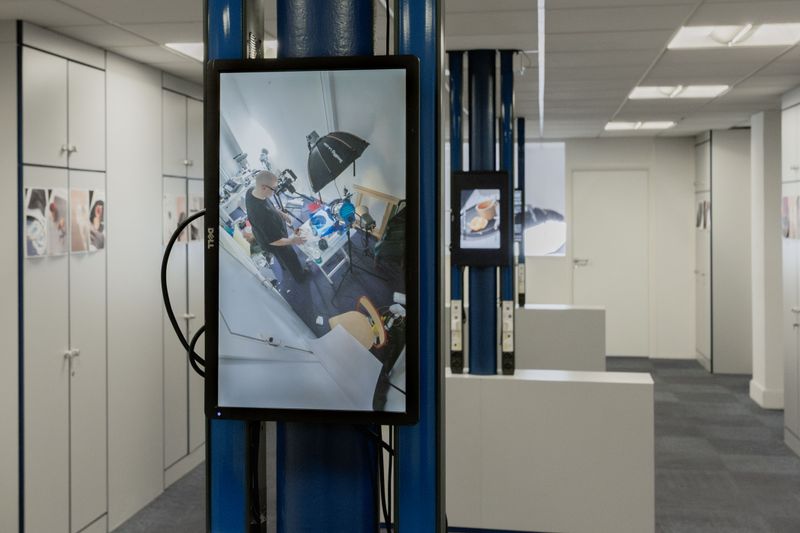
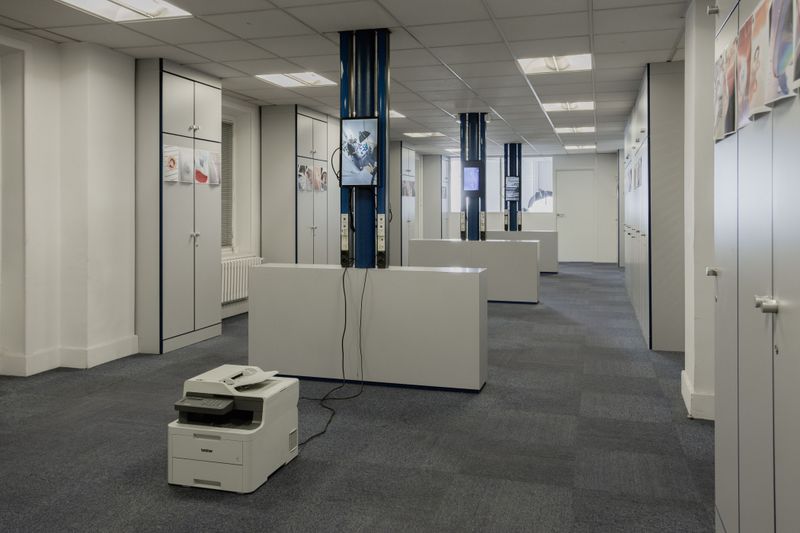
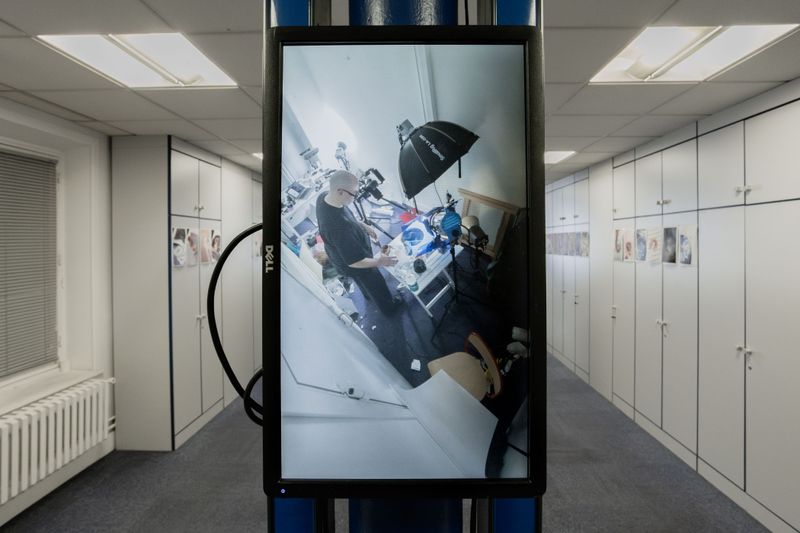
The viewer observes the process in real time: through glass, live feeds, and the continuous exchange between human and system. Images gradually appear on the wall. The AI model is very strict and sometimes it requires 1-2 hours for the photo to be accepted. It creates a dystopian environment in which visitors can recognize the patterns they are used to. We increasingly inhabit systems where decisions are fragmented across platforms, algorithms, and protocols, systems that operate as isolated yet interconnected islands of logic.
In my test performance, everything happened in one place, but conceptually speaking - the system can be decentralised, photos are taken in one place, AI-servers are analyzing them in data centers, and printing happens, during the exhibition, I am ready to make the performance on a daily basis, and eventually have artists ready to participate, as my role is no longer important. The exhibition space will gradually fill with images, that can later be shown elsewhere.
To summarize: TASK constructs a system where each image exists as an autonomous fragment, governed by a logic that does not extend beyond itself. These fragments do not accumulate into a coherent narrative, but remain distributed within a shared protocol, forming a structure of coexistence without unity. Photos are lens based and human based, but is it that important?