Tamed land - German villages in transformation
-
Dates2020 - Ongoing
-
Author
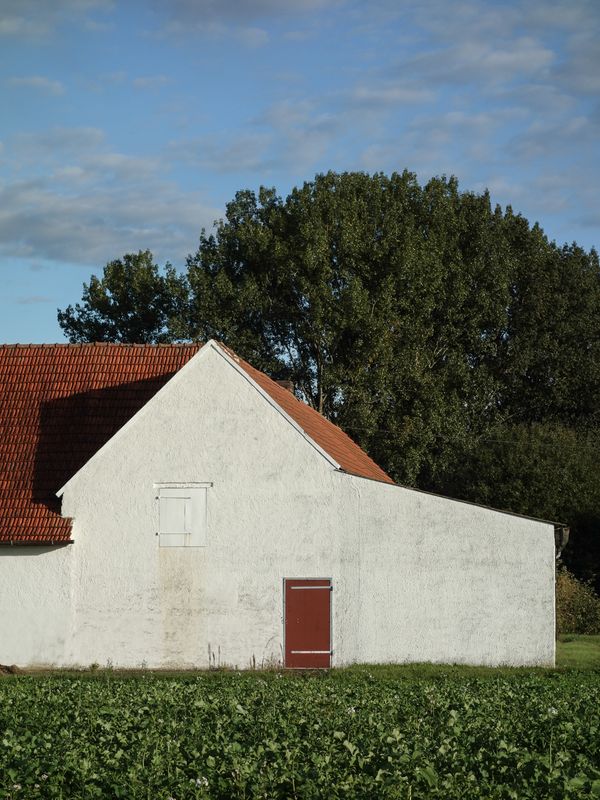
My project “Tamed Land” shows two southern German villages in transition, between agriculture and urbanization The memories of my childhood in the village on the Rhine mix with the experiences of village life on the Danube during Cor
My project “Beyond the Wild - the tamed Land” shows two southern German villages in transition, between agriculture and urbanization, a mainly unseen side of Germany.
The memories of my childhood in the village on the Rhine mix with the experiences of village life on the Danube during Corona. I capture them in my photographs in a space-time context that was and is personally formative for me.
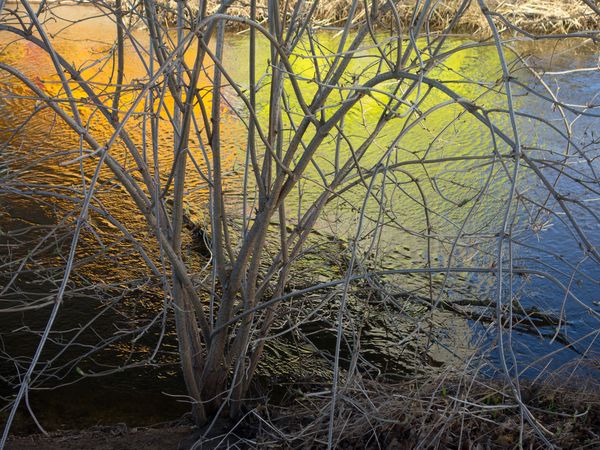
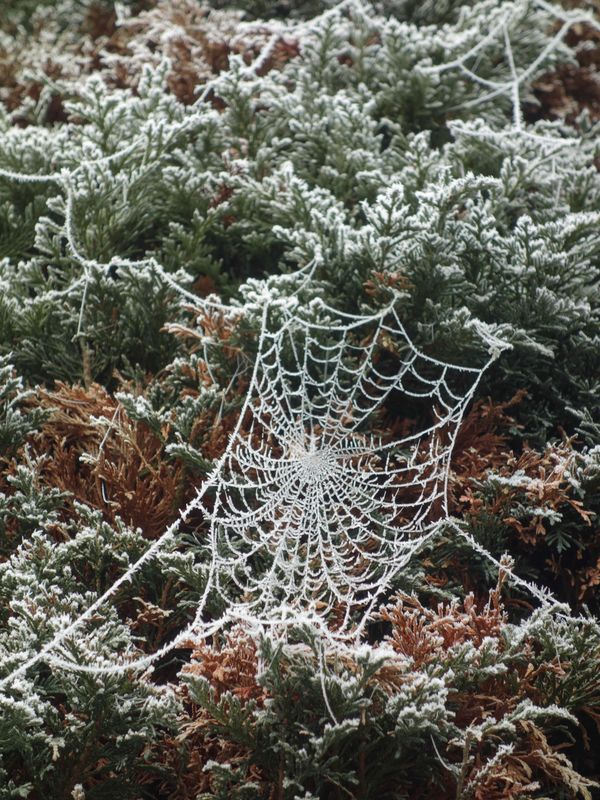
In a wider sense, it deals with the relationship between people and nature. The topic of nature and the environment is very close to my heart and also has high social relevance:
"Land use has remained largely stable over the last 12,000 years, but began to change radically from the 1800s until around 1950 ... "*. The near-natural, "wild" areas are becoming smaller and smaller. The proportion of people living in small villages fell from 76% to 17% between 1871 and 2000. Only 2% of Germans still live from agriculture. As a result, villages and our relationship with nature have changed massively. This is exactly where I start with my photo project and investigate which and how much relationship to nature is (still) present in seemingly natural village life and what consequences this can have for our lives.
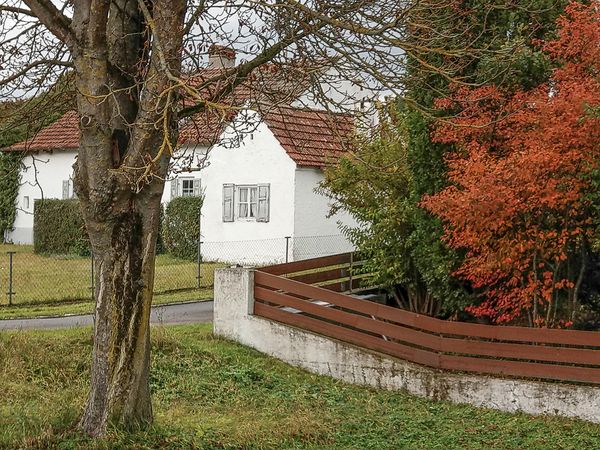
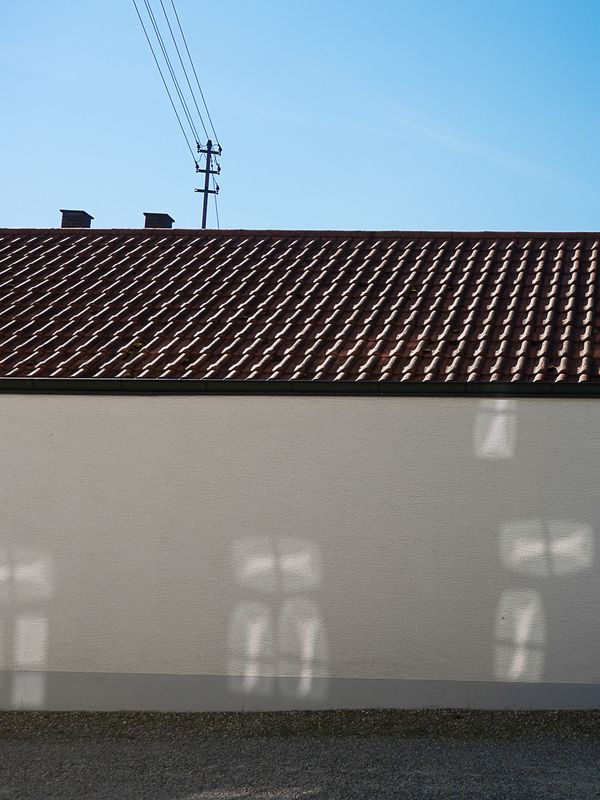
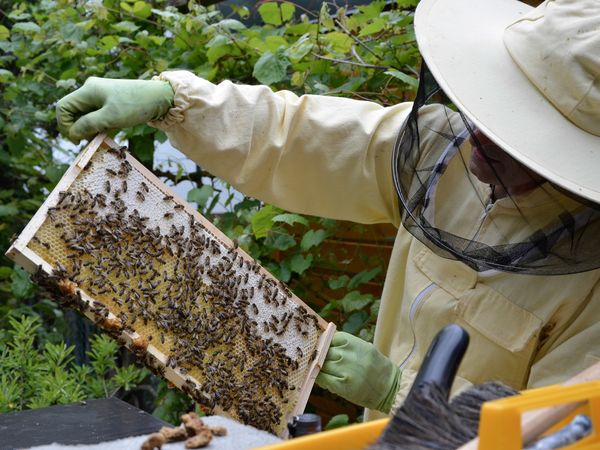
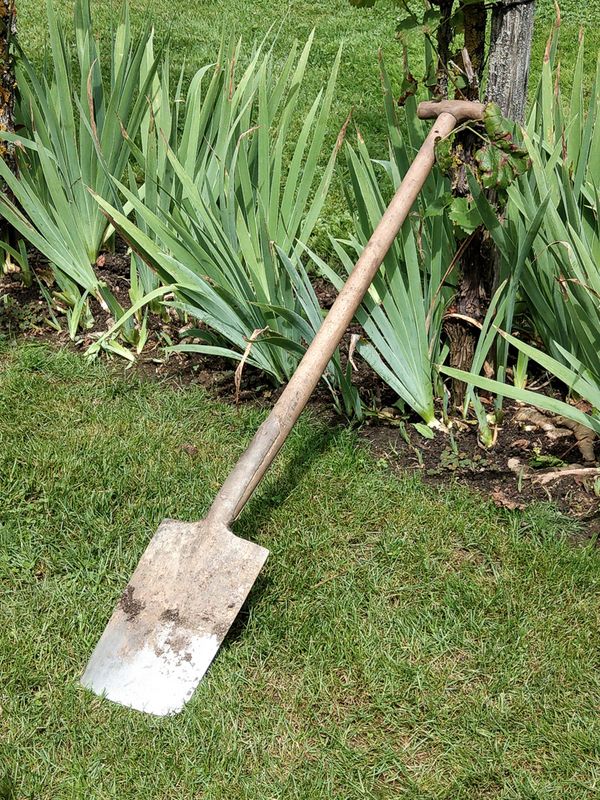
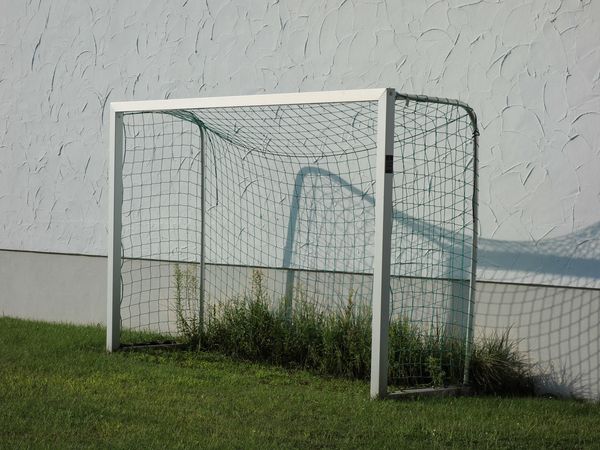
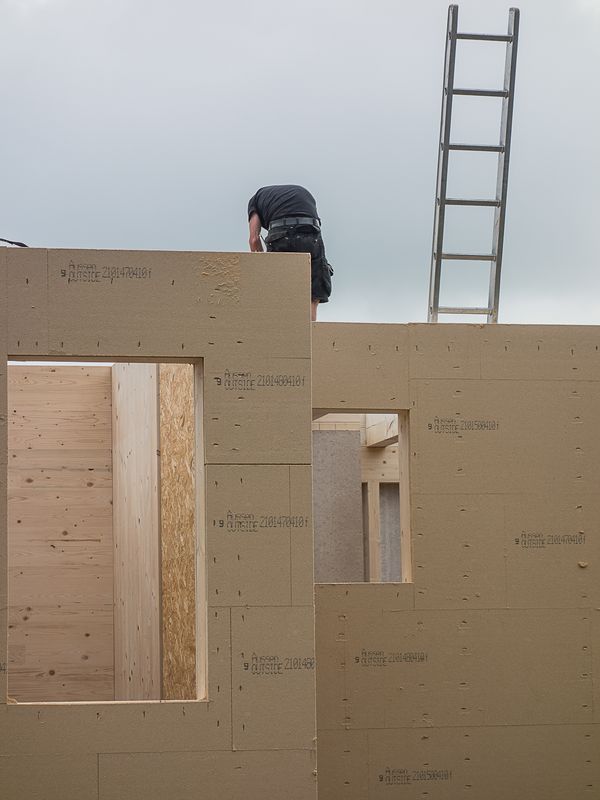
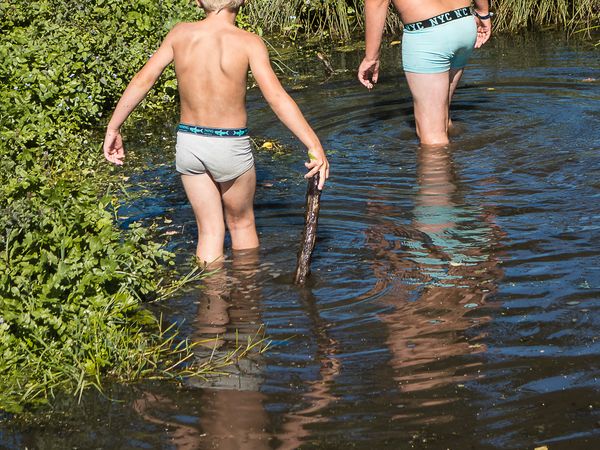
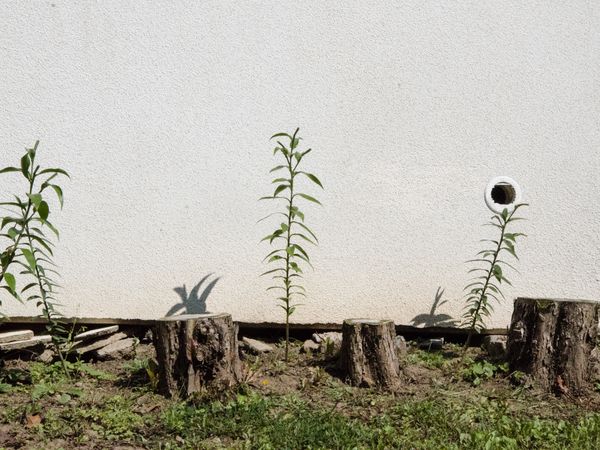
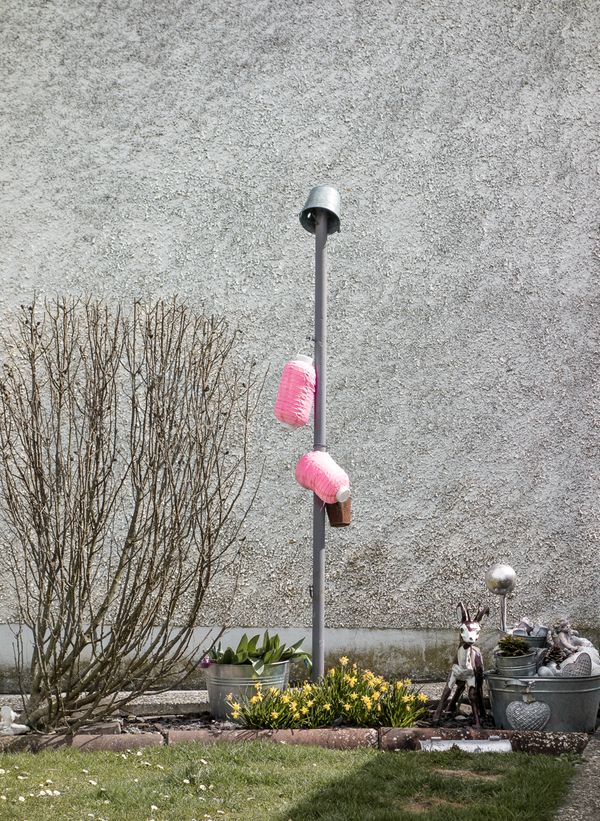
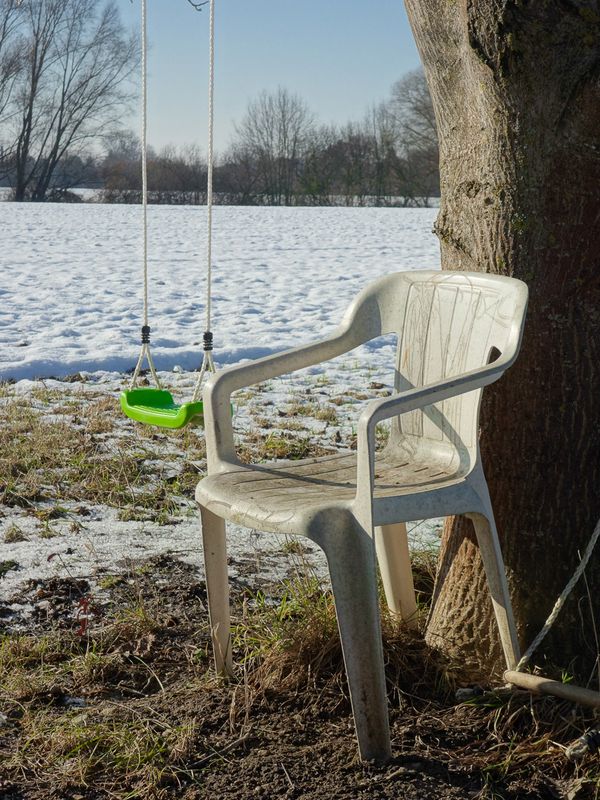
I am creating a visual portrait of rural areas in (southern) Germany and their change over time. On walks, I explore this space of life and experience, which is shaped by the surrounding landscape. I look at architecture, gardens and fields and children's play areas.
Where are there still traces of rural life, where are we already in the middle of the suburbs? I sense an ecosystem and the fine lines between tradition and progress. On the one hand, this ecosystem is a benefit-driven economic system and ensures our survival. On the other hand, it is closely interwoven with feelings of belonging to a place, time and community, as is the case with myself. Personal memories of my childhood in the countryside flow into my work, I let myself be guided by feelings from back then. This is how I explore my relationship with nature and my home. Our emotional connect to nature, or lack thereof, is key to interacting with the land and the regional village structures of the human communities that use it. If this relationship is lost, not only the survival of nature is threatened, but also that of humans.