Tamed land - German villages in transformation
My project “Tamed Land” shows two southern German villages in transition, between agriculture and urbanization The memories of my childhood in the village on the Rhine mix with the experiences of village life on the Danube during Cor

My project “Beyond the Wild - the tamed Land” shows two southern German villages in transition, between agriculture and urbanization, a mainly unseen side of Germany.

The memories of my childhood in the village on the Rhine mix with the experiences of village life on the Danube during Corona. I capture them in my photographs in a space-time context that was and is personally formative for me.

In a wider sense, it deals with the relationship between people and nature. The topic of nature and the environment is very close to my heart and also has high social relevance:

"Land use has remained largely stable over the last 12,000 years, but began to change radically from the 1800s until around 1950 ... "*. The near-natural, "wild" areas are becoming smaller and smaller. The proportion of people living in small villages fell from 76% to 17% between 1871 and 2000. Only 2% of Germans still live from agriculture. As a result, villages and our relationship with nature have changed massively. This is exactly where I start with my photo project and investigate which and how much relationship to nature is (still) present in seemingly natural village life and what consequences this can have for our lives.

I am creating a visual portrait of rural areas in (southern) Germany and their change over time. On walks, I explore this space of life and experience, which is shaped by the surrounding landscape. I look at architecture, gardens and fields and children's play areas.

Where are there still traces of rural life, where are we already in the middle of the suburbs? I sense an ecosystem and the fine lines between tradition and progress. On the one hand, this ecosystem is a benefit-driven economic system and ensures our survival. On the other hand, it is closely interwoven with feelings of belonging to a place, time and community, as is the case with myself. Personal memories of my childhood in the countryside flow into my work, I let myself be guided by feelings from back then. This is how I explore my relationship with nature and my home. Our emotional connect to nature, or lack thereof, is key to interacting with the land and the regional village structures of the human communities that use it. If this relationship is lost, not only the survival of nature is threatened, but also that of humans.


© Lu Mazen - Image from the Tamed land - German villages in transformation photography project
i

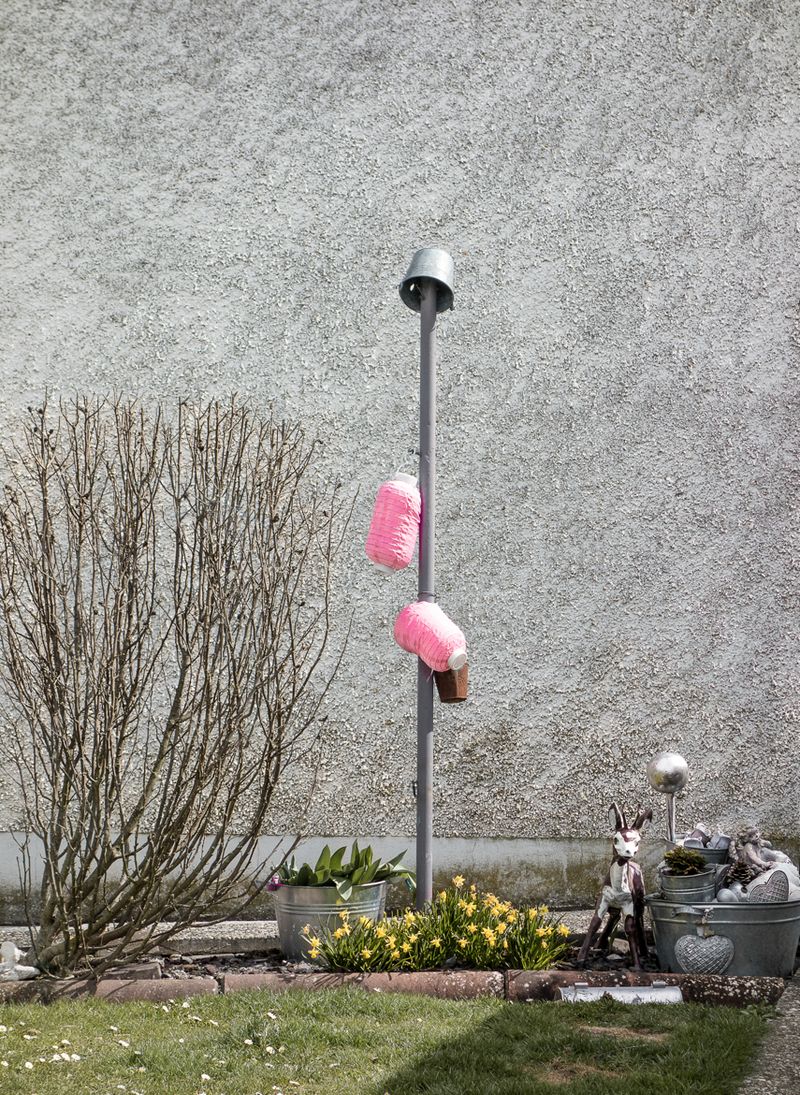
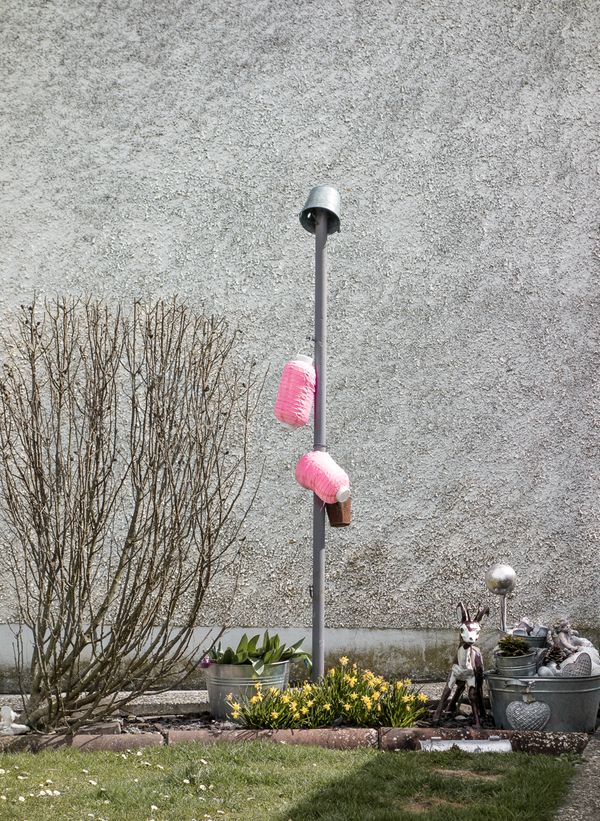
Farm garden in spring, individually and artistically decorated, like a random sculpture. A garden can be very healing for body and soul. Garden therapy has been around in Germany for 20 years

© Lu Mazen - Image from the Tamed land - German villages in transformation photography project
i

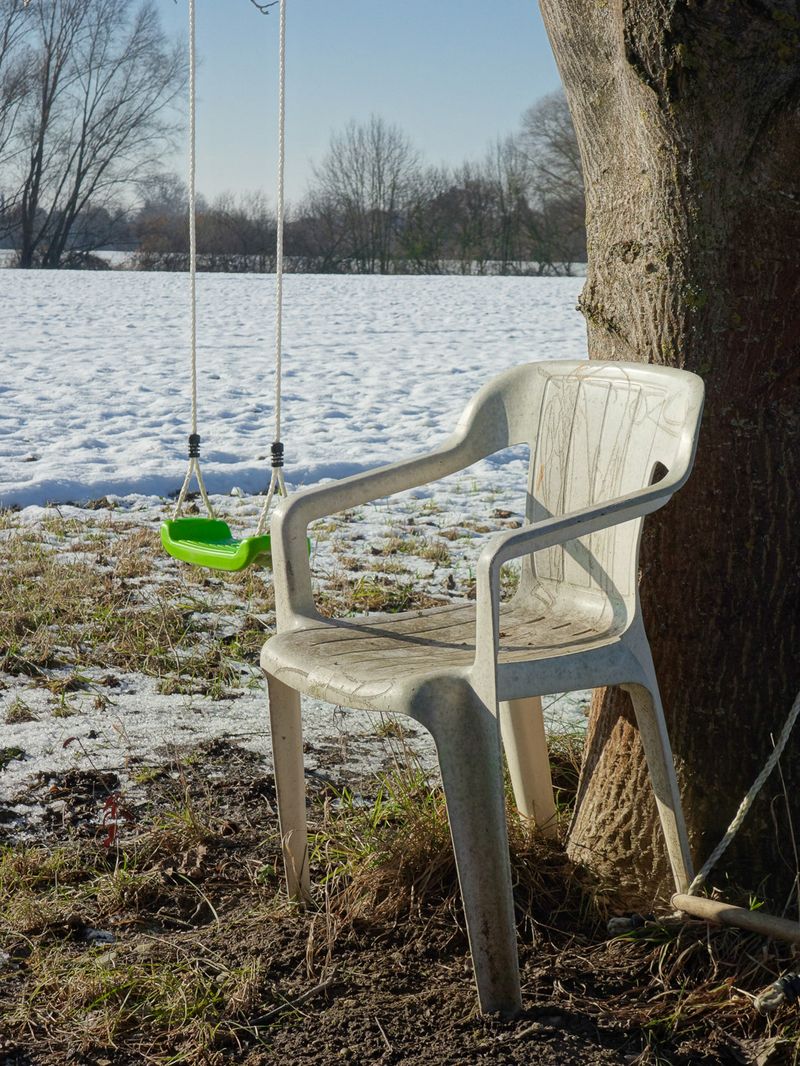
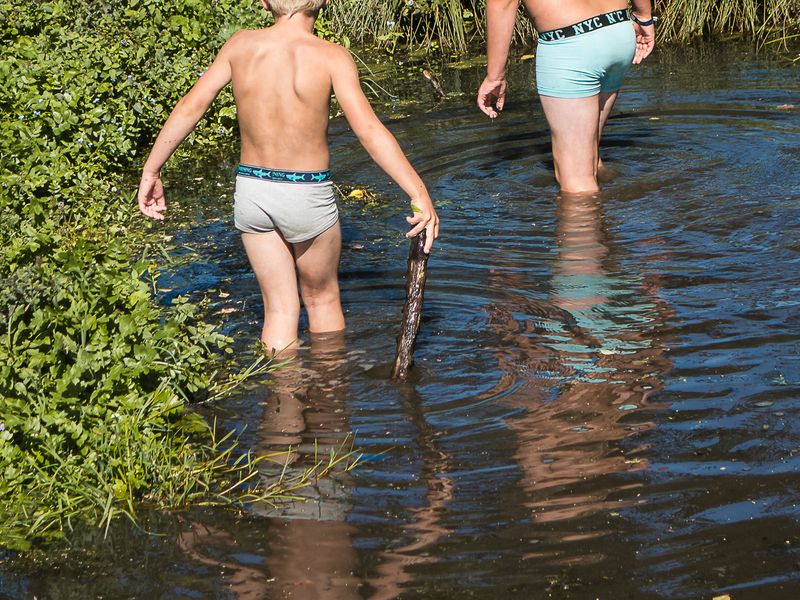
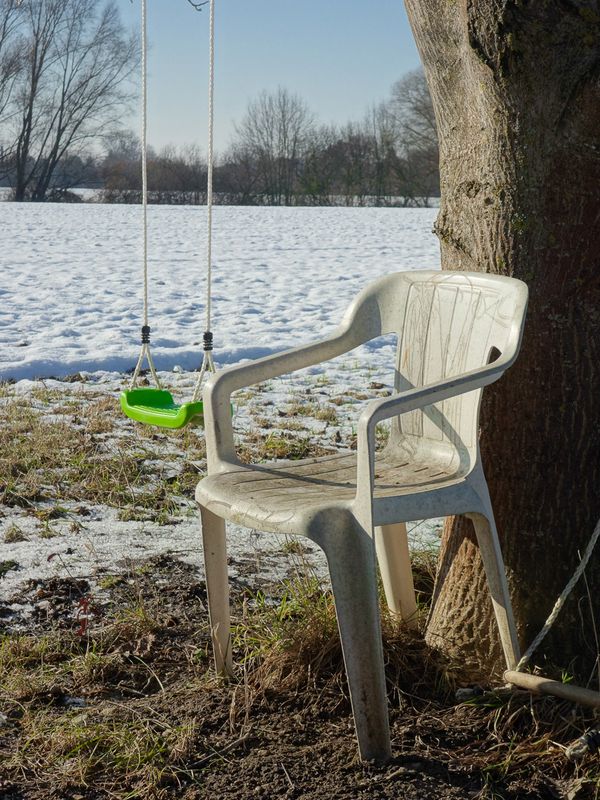
Play is a child's right and outdoor play in particular is central to a child's overall development. It requires space, time, freedom and safety. And preferably a grandma to watch

© Lu Mazen - Image from the Tamed land - German villages in transformation photography project
i

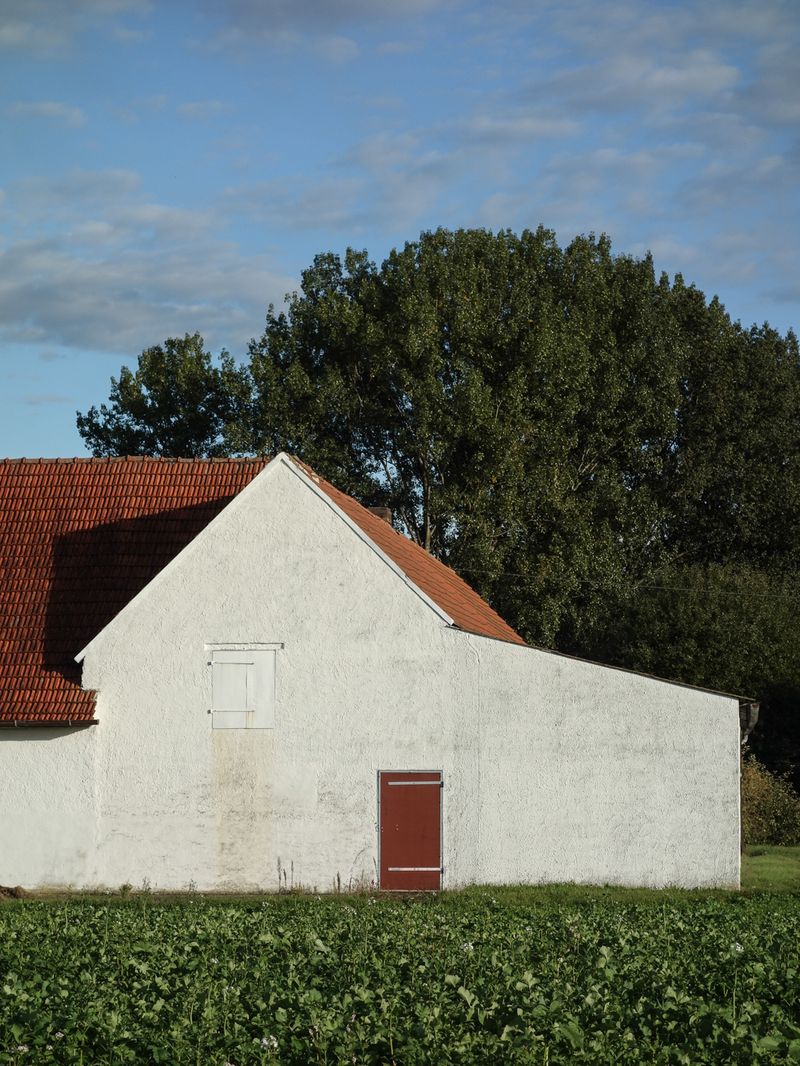
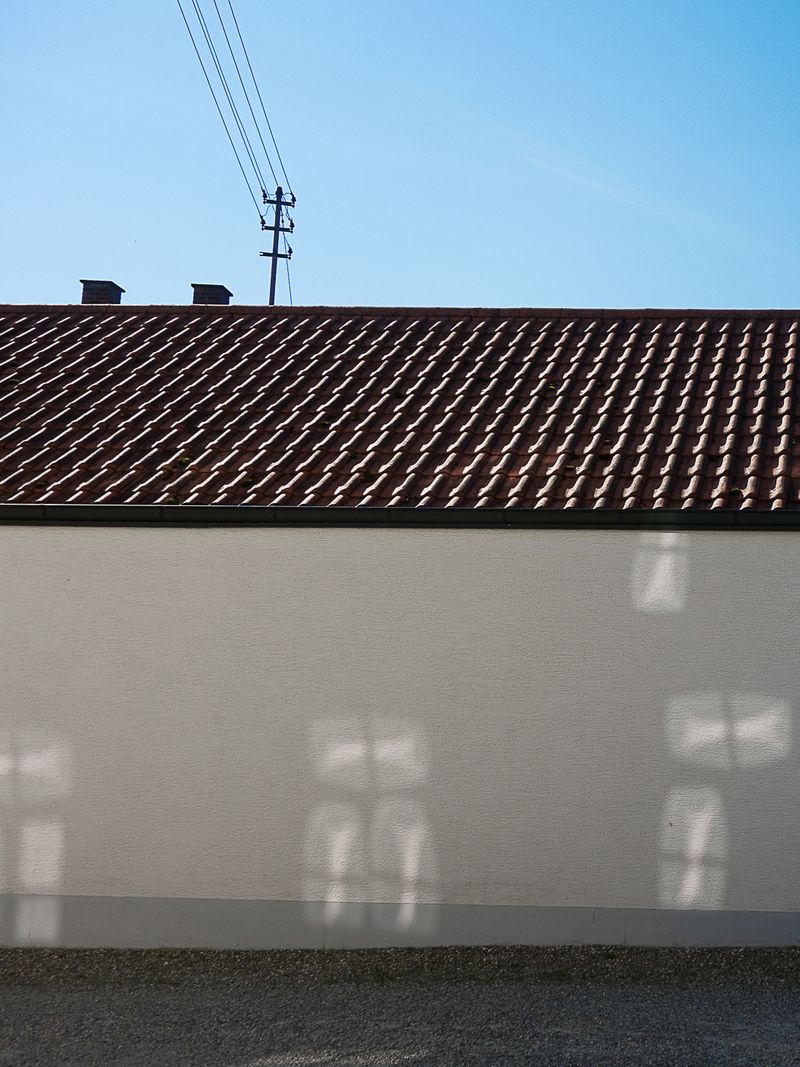
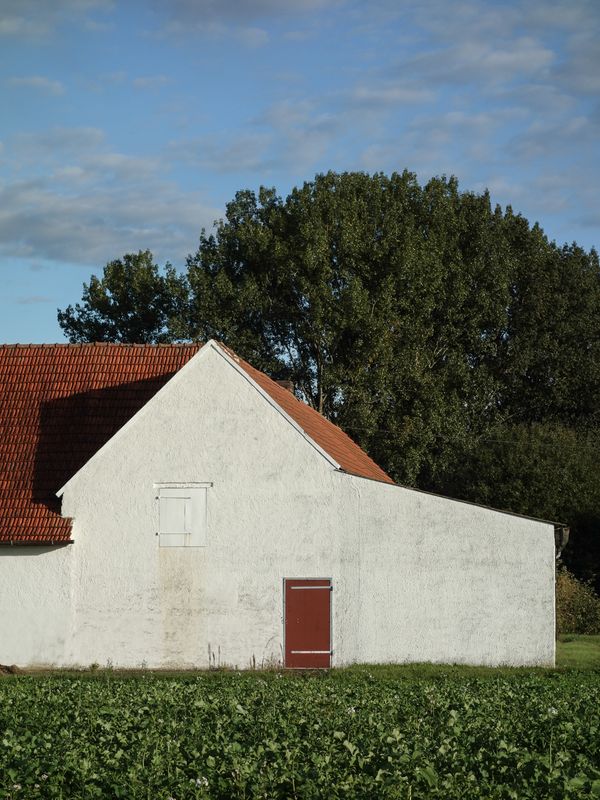
Adapted building: As the weather usually comes from the west, traditional Bavarian farmhouses have white walls with no windows or doors facing west. This helps to save energy and offers protection

© Lu Mazen - Image from the Tamed land - German villages in transformation photography project
i

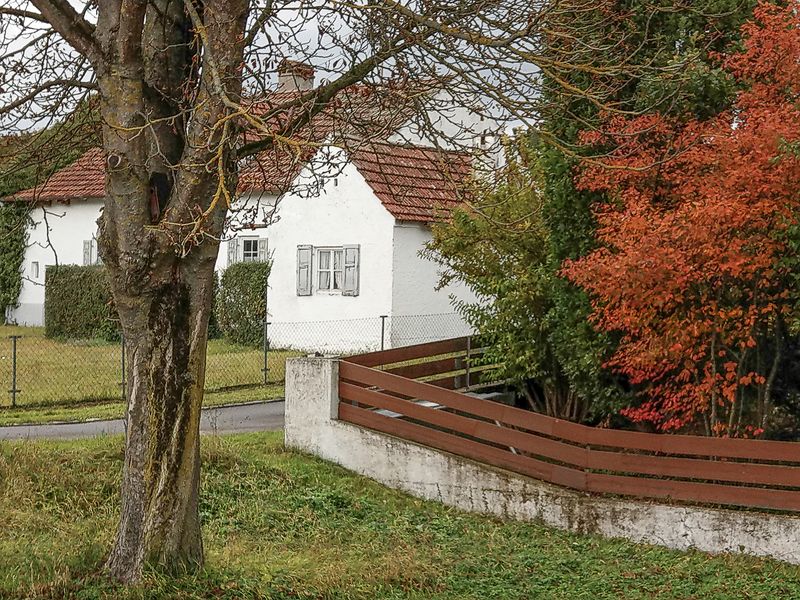
Symbiosis of architecture and land: Rural spaces become projection surfaces for future developments: for demography, services of general interest, climate crisis, energy production, nutrition and migration.

© Lu Mazen - Image from the Tamed land - German villages in transformation photography project
i

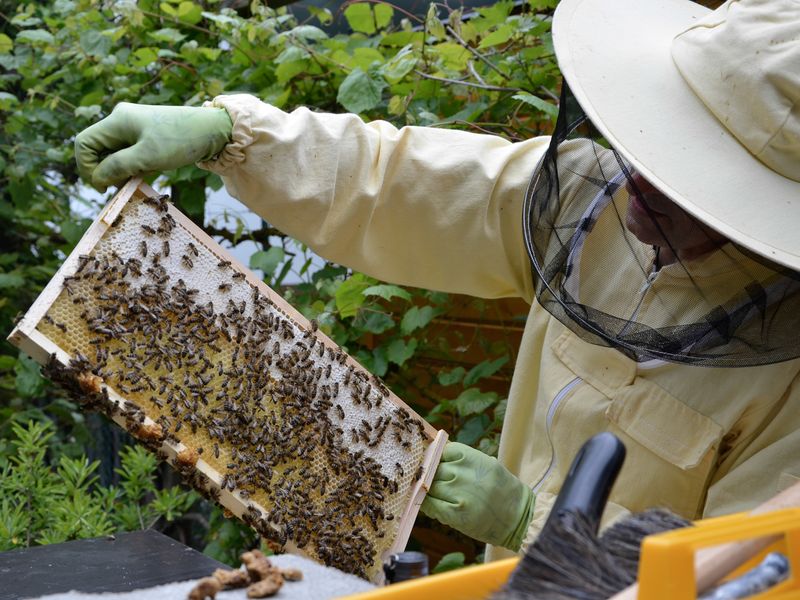
In Germany, 25% of bee colonies disappeared in 2012. The German value added by bees is €2 billion, worldwide €265 billion. Pollination is necessary for 80% of the flora, increasing yield and quality

© Lu Mazen - Image from the Tamed land - German villages in transformation photography project
i

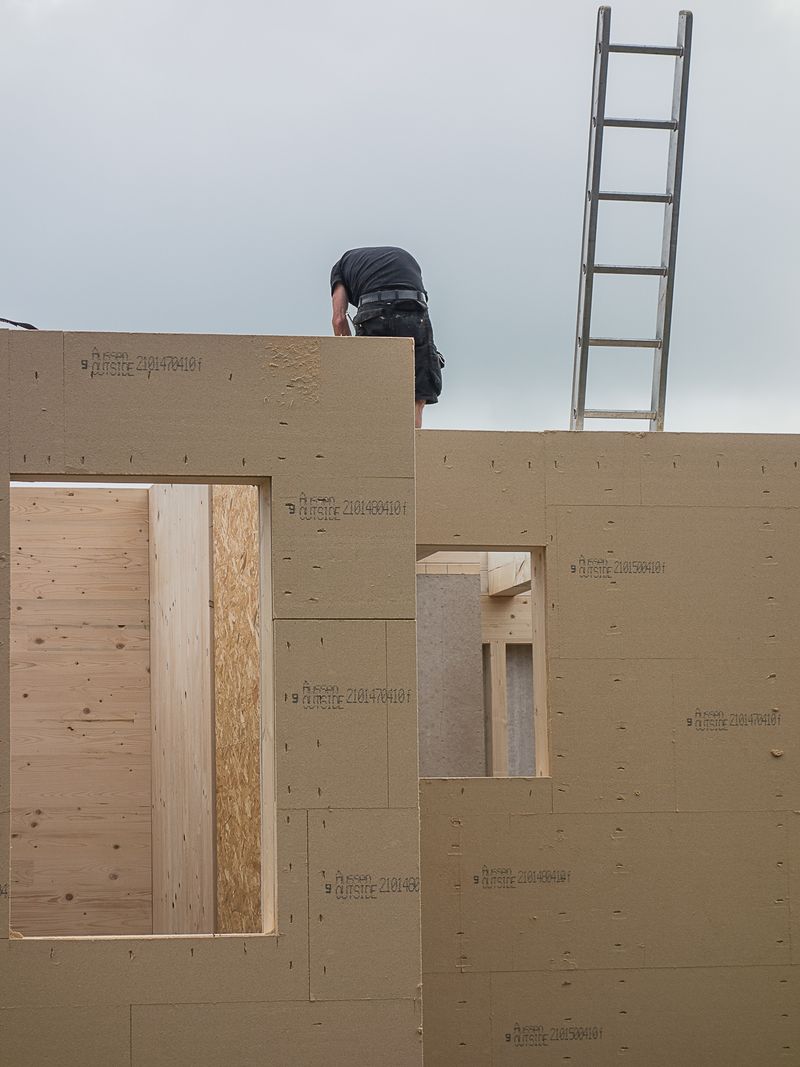
Wooden houses have a market share of 17.7% in Germany, and up to 35% in the south. They are sustainable, quick and energy-efficient to build, with good fire protection and indoor climate.

© Lu Mazen - Image from the Tamed land - German villages in transformation photography project
i

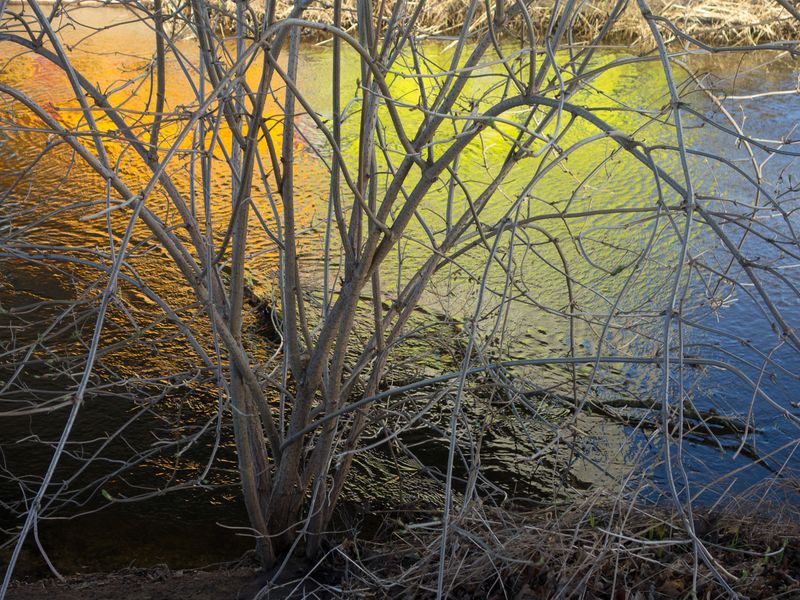
Pollution or a coincidence of nature? Here in the river, only the graffiti on the bridge above is reflected in the evening light - a beautiful illusory world of nature created by man?

© Lu Mazen - Image from the Tamed land - German villages in transformation photography project
i

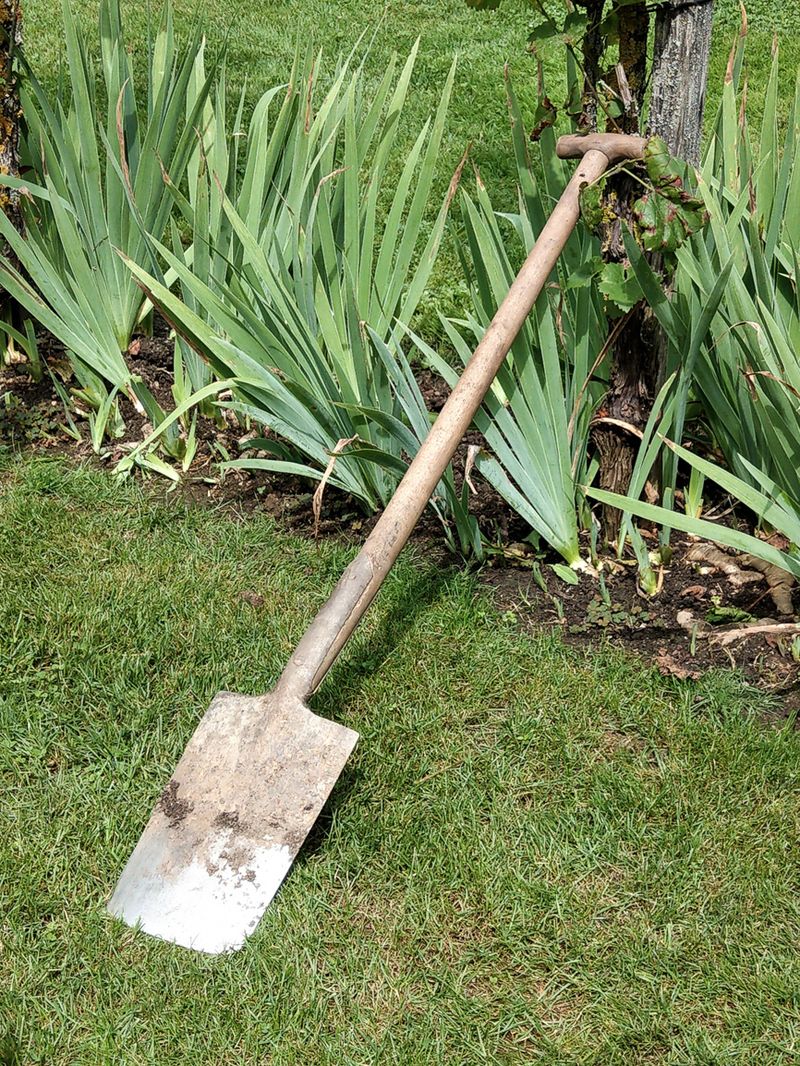
The spade is one of man's oldest tools for cultivating the land. Even today, every garden owner owns one. The spade symbolizes the use of nature

© Lu Mazen - Image from the Tamed land - German villages in transformation photography project
i

Back to Play: In 50 years, areas for play have declined by 90 percent, while the proportion of children playing regularly in the great outdoors has fallen from 50 to 10 percent (George Monbiot)

© Lu Mazen - Image from the Tamed land - German villages in transformation photography project
i

A farmhouse barn illuminated by the evening light creates a surreal twist, here nature creates an artistic impression in the banal.

© Lu Mazen - Image from the Tamed land - German villages in transformation photography project
i

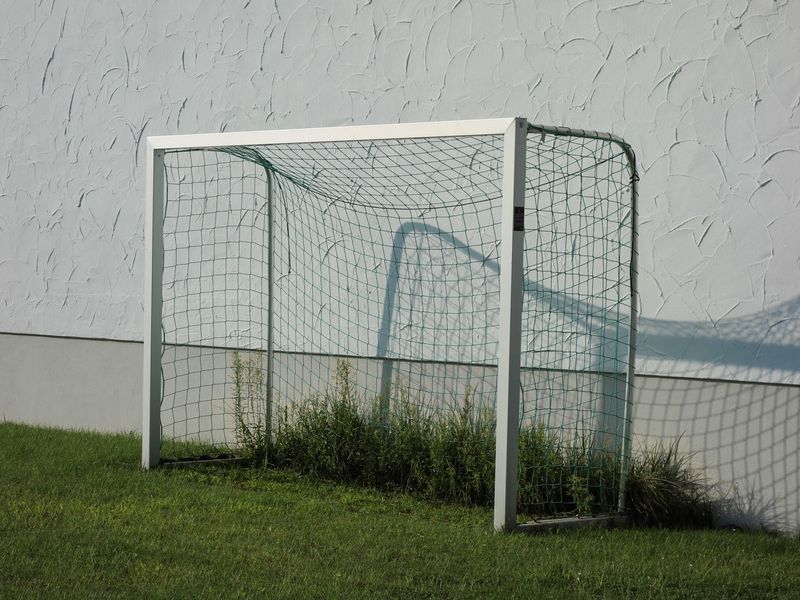
According to Statista, in 2023, 29% of Germans consider small towns with fewer than 5,000 inhabitants to be the best place for children, while only 10% consider a large city to be the best place. There, most people live in their own house with a garden and turn that into a playing field for their children. Soccer goals are a common sight.

© Lu Mazen - Nature always organically wins back any ground if even trees are cut as in this farm front garden.
i

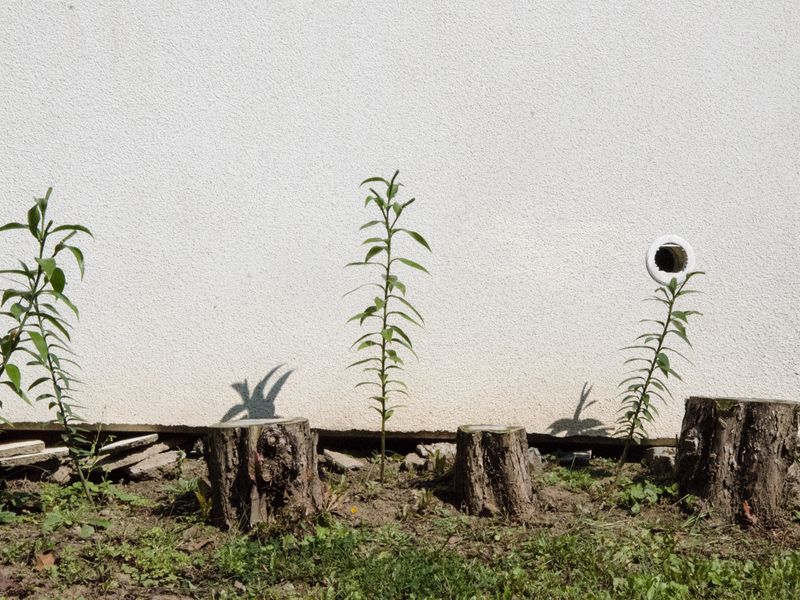
Nature always organically wins back any ground if even trees are cut as in this farm front garden.

© Lu Mazen - Image from the Tamed land - German villages in transformation photography project
i

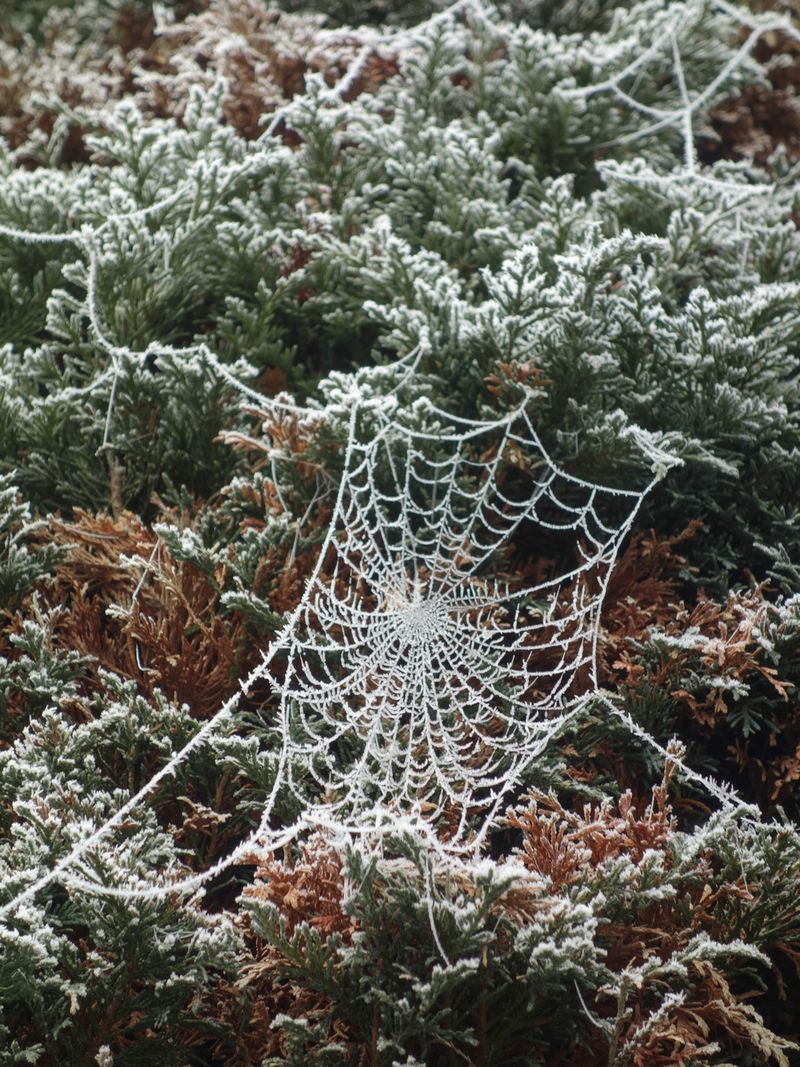
The spider's web is evidence of great craftsmanship. It is a dwelling place, serves to procure and store food and to reproduce. A housing model similar to traditional self-sufficient farms

Tamed land - German villages in transformation by Lu Mazen

Prev Next Close