Symposium
-
Dates2024 - 2024
-
Author
- Topics Documentary, Fashion, Social Issues
- Locations Kosovo, Prizren
This project documents the consumption society and the fashion industry that evolve alongside the customs and traditions of Kosovo society, which adheres to its traditions while maintaining social harmony, especially as it enters the summer season.
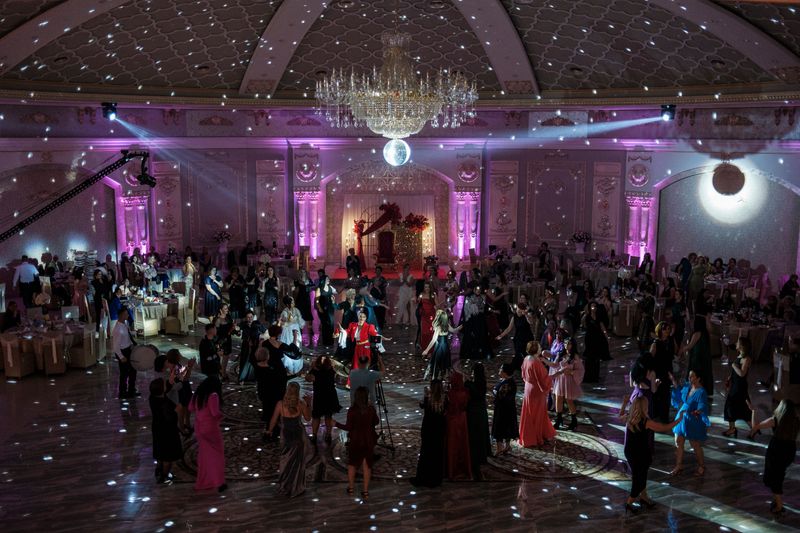
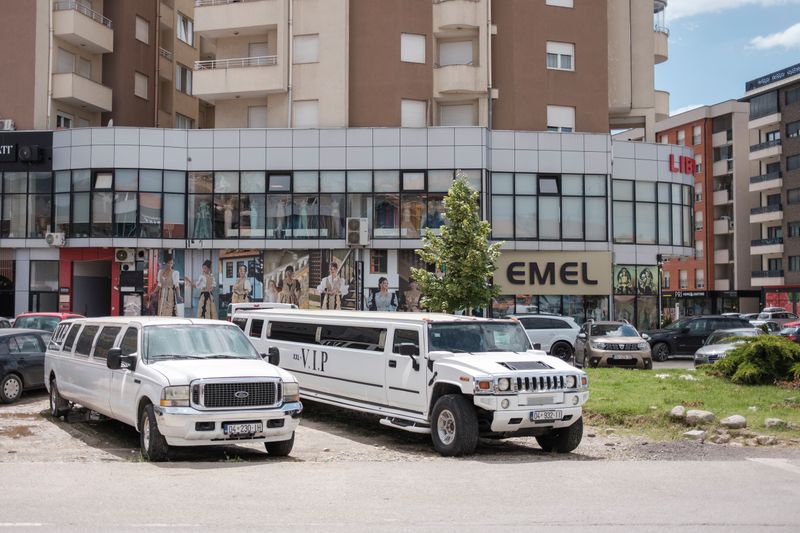
Since I was 14 years old, when I started to learn how to use cameras from a technical point of view, I was interested in weddings in Kosovo—the organizations, the clothes, the cars, and the lives lived like royalty for a day. Although the people of Kosovo were rapidly adapting to consumerism, the tight family ties and adherence to customs and traditions reminded me that they were embracing this social adventure in harmony rather than ostentation. Some might not like these grandiose events, but they do not rebel against social cohesion. These events, which take place throughout the summer, also play an important role in the country’s economic cycle.
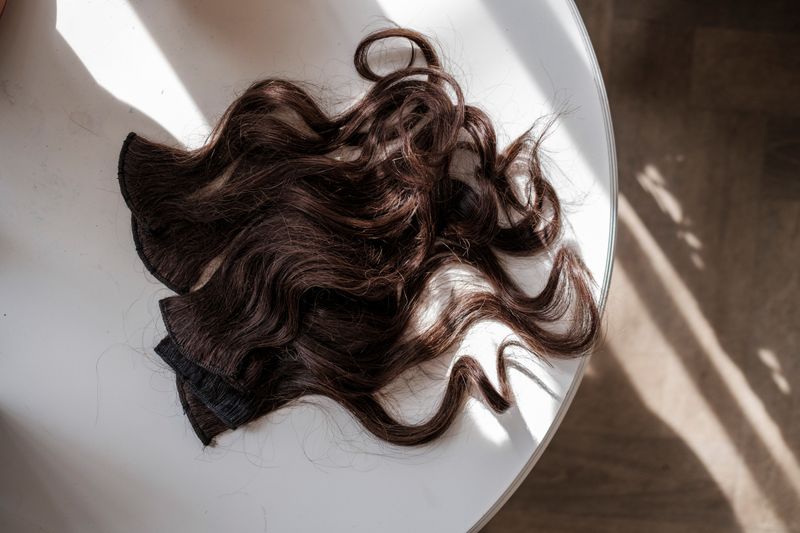
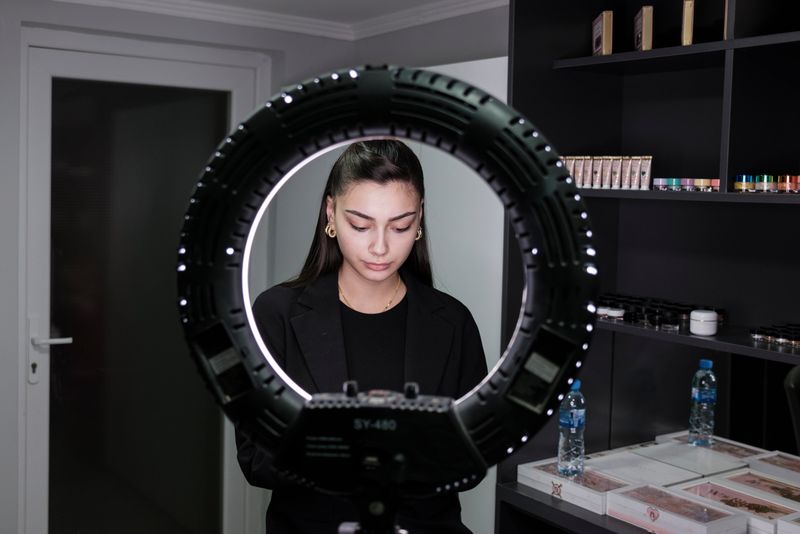
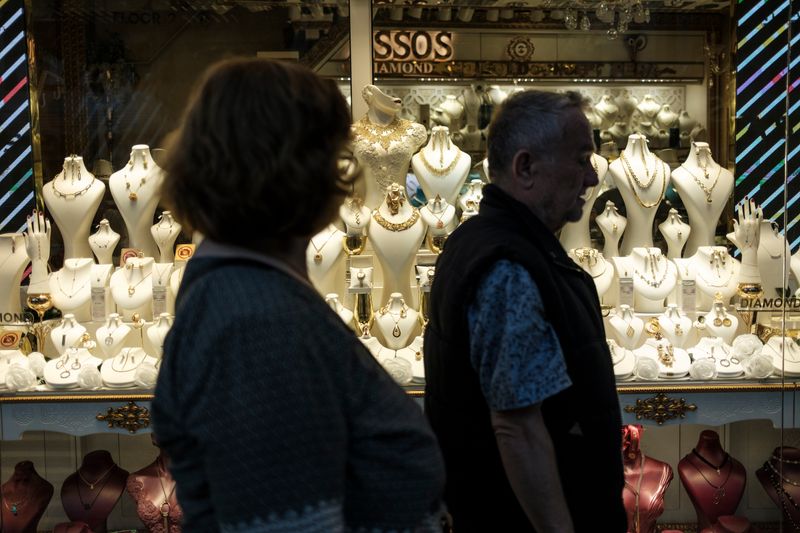
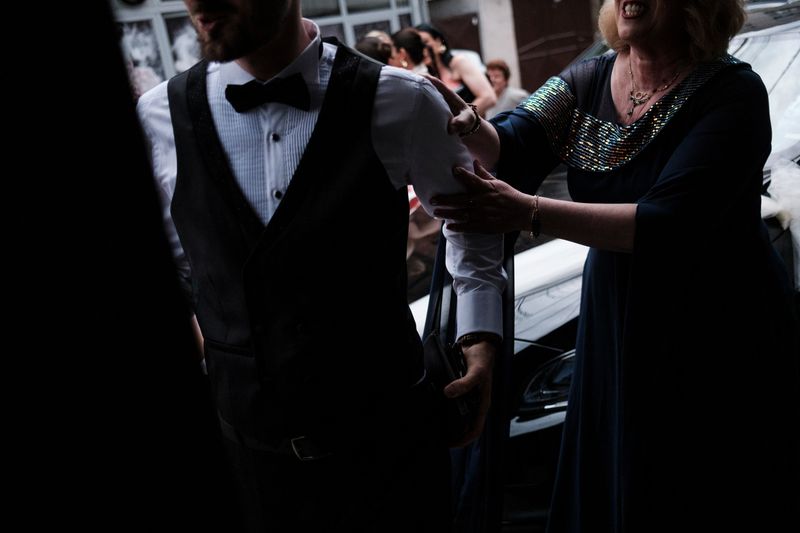
During the summer, wedding musicians, hall operators, jewelry shops, fashion designers, tailors, make-up artists, and hairdressers are always busy preparing for their most productive period. Additionally, with the significant diaspora in Europe, the sounds of sirens in bridal convoys, the music with darbukas in neighborhoods, and the melodies coming from a neighbor’s house are constant.
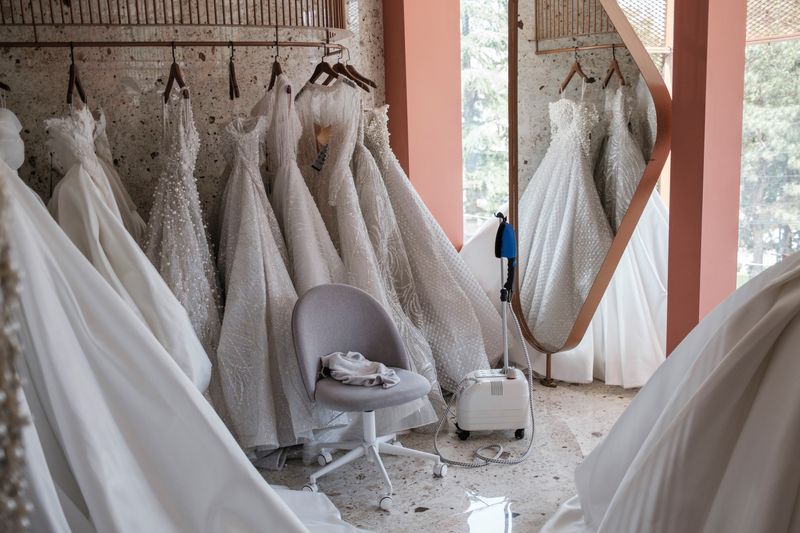
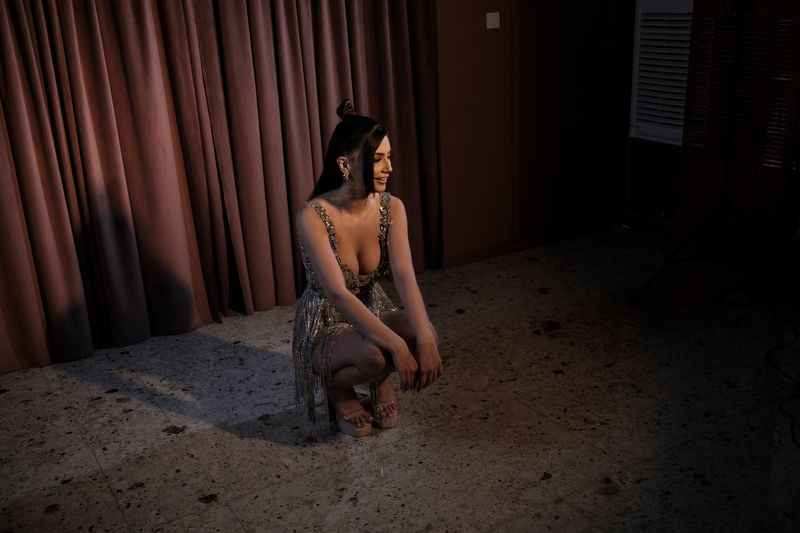
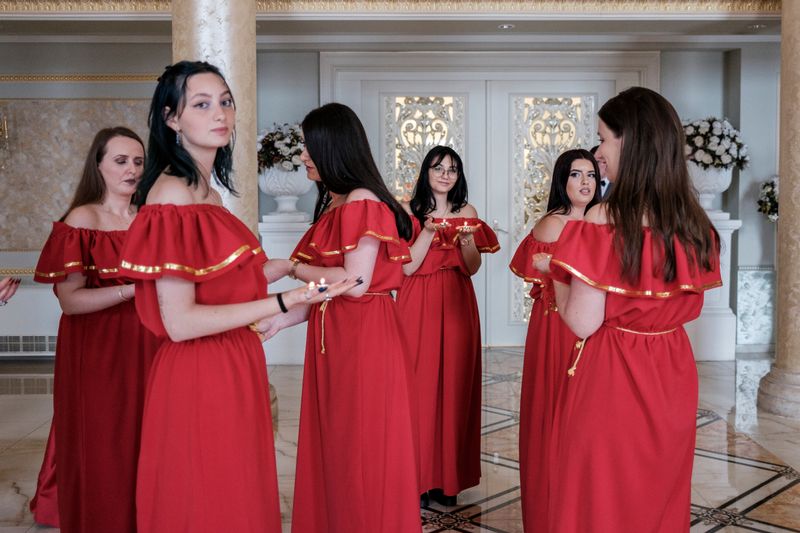
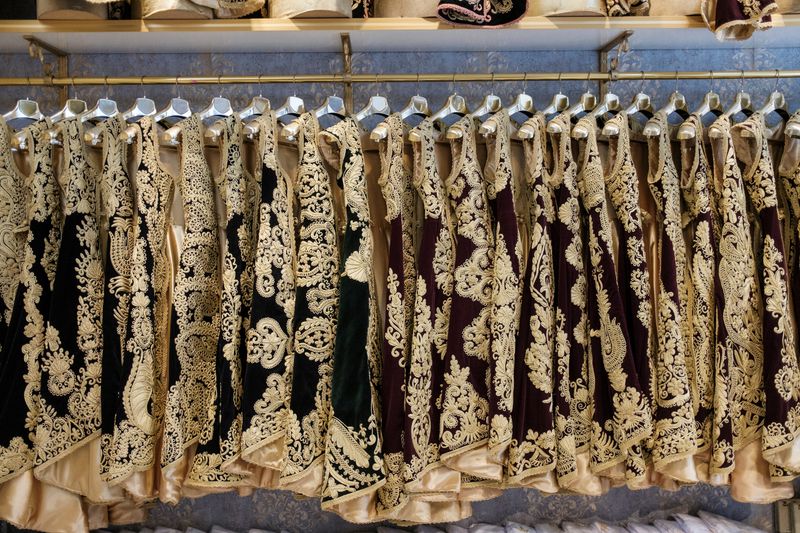
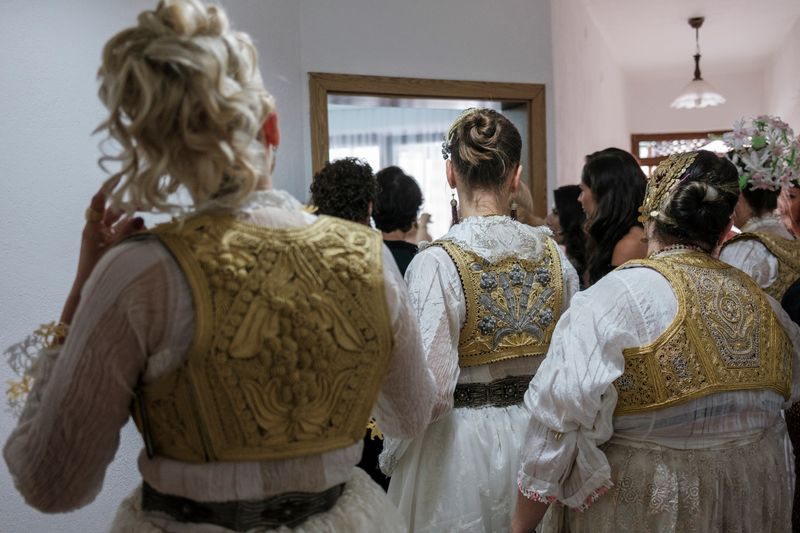
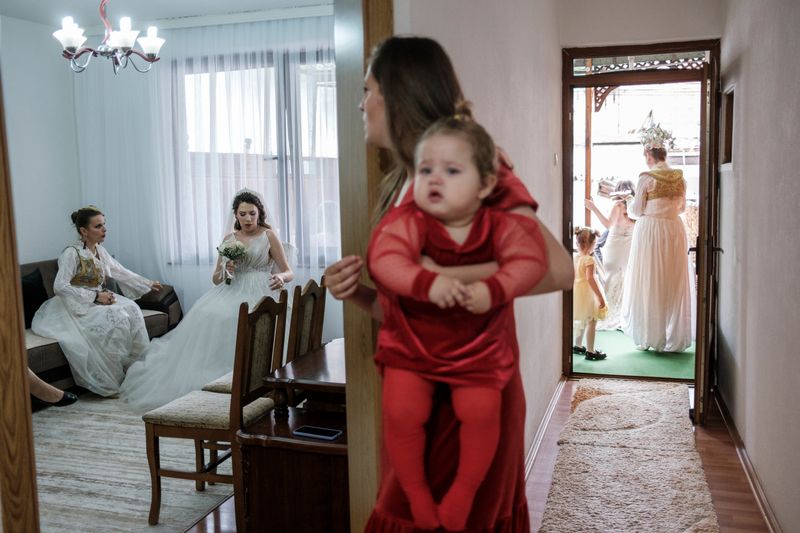
These celebrations start at home, with a henna night organized exclusively for women, followed by the wedding sometime later. In recent years, new additions such as bachelorette parties have emerged. And it doesn’t stop there! When a baby is born, there is a separate celebration in a wedding hall, circumcision ceremonies for boys, and various other wedding-related events that people attend in addition to their own celebrations. Different dresses are worn for each occasion, and once a dress is worn at an event, it is rarely worn again. Even though these dresses are suitable for long-term use, a social media post discourages repeat wear.
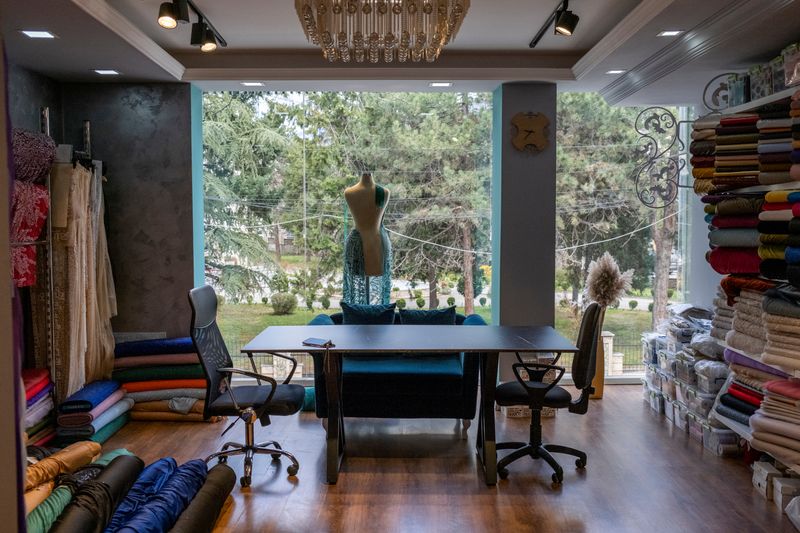
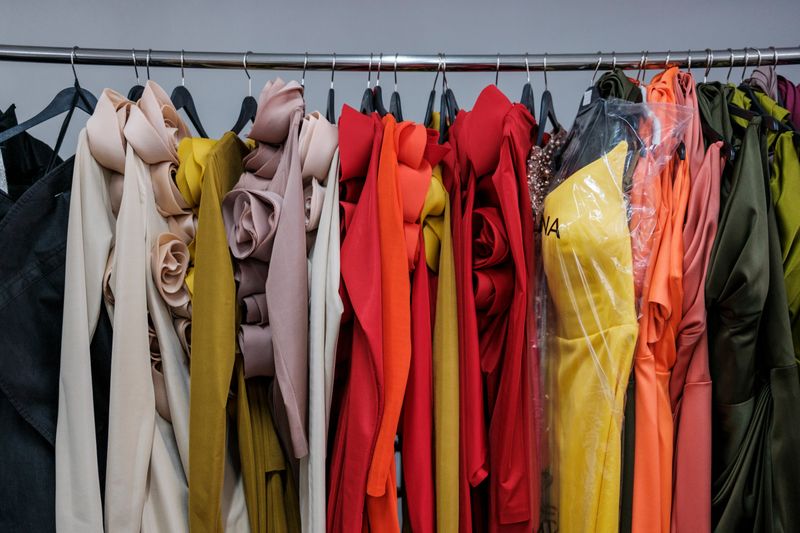
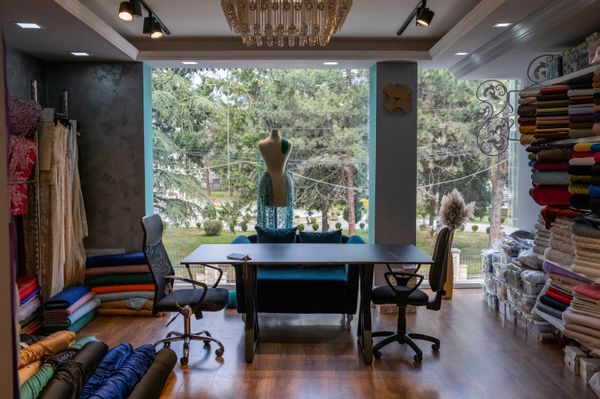
We met tailor Nisa Zurnaxhiu, a slow fashion entrepreneur, to discuss this issue. She finds it fascinating that customers request laces that allow dresses to expand and contract. While they initially believe the dress will be worn for a long time, social norms and trends lead to its premature retirement. On henna nights, brides change 6-7 dresses on average, and up to 16 for more elaborate events, each time entering the wedding hall with a new choreography. The grandeur of the dresses increases based on the wearer’s closeness to the couple. It is thought-provoking that while recently married women from the bride and groom’s family wear handcrafted traditional dresses embroidered with gold, starting at 3,000 euros, the country still struggles with a minimum wage of 250 euros. The cost of weddings affects not only the hosts but also the guests, as attending a wedding means expenses for makeup and a new outfit.
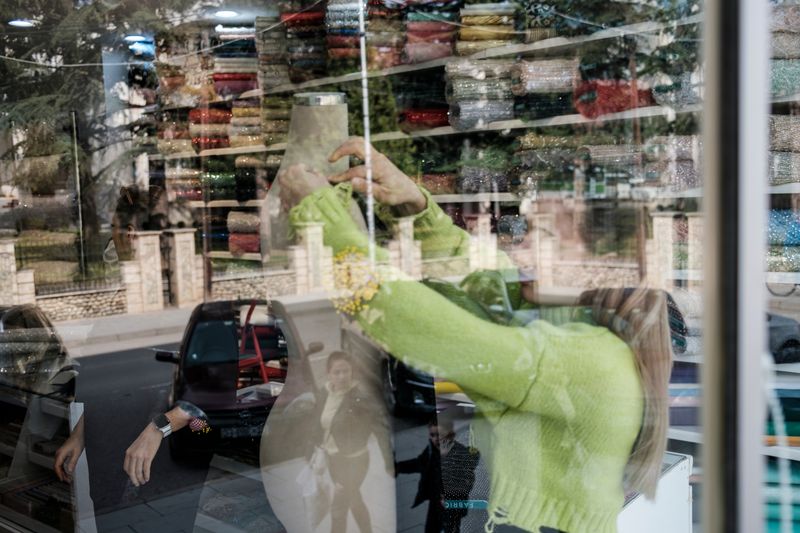
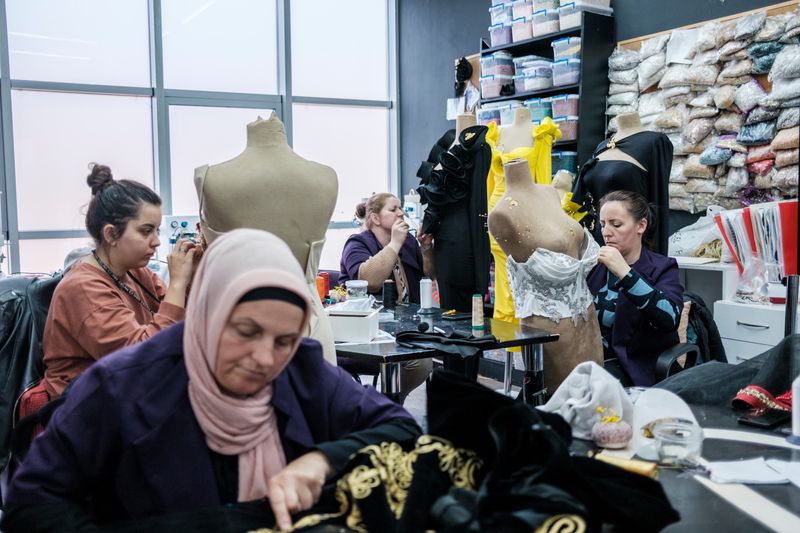
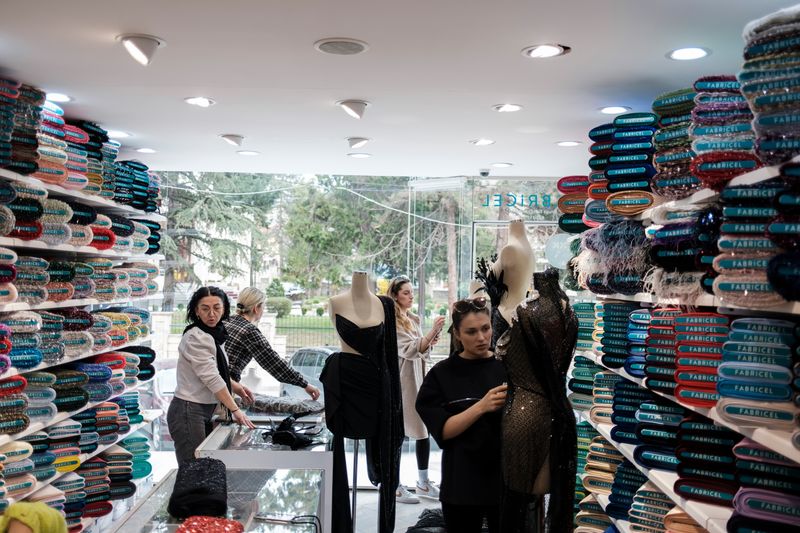
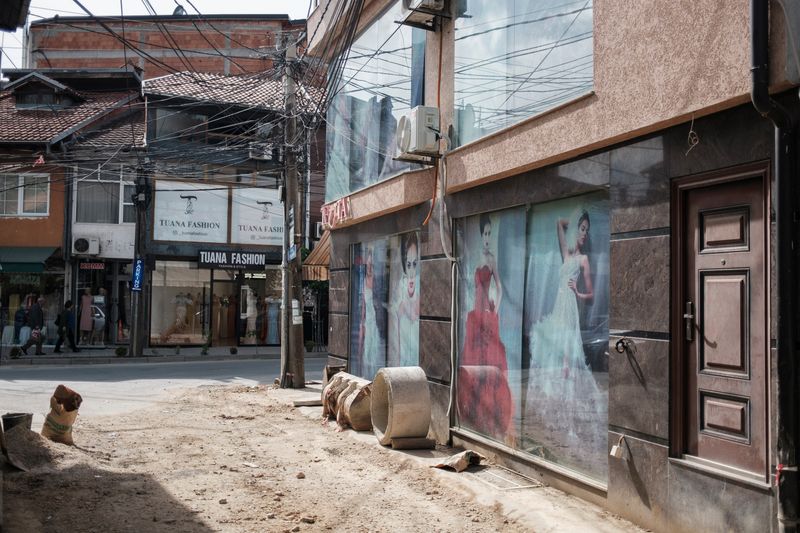
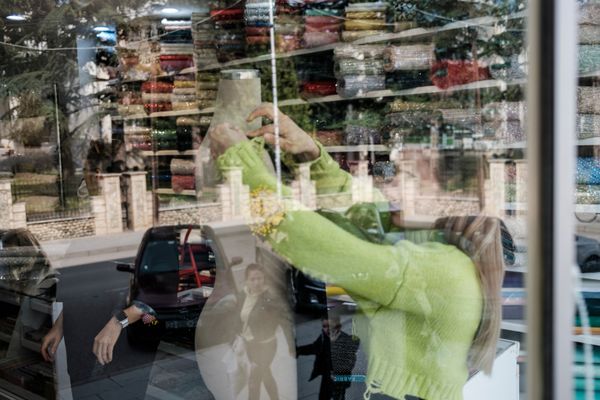
To meet the demand for haute couture dresses, many fashion design workshops have been established, and university fashion design programs are overcrowded. Walking through the Bazhdarhane neighborhood of Prizren, one can see a half-kilometer-long street lined with jewelry shops, fashion ateliers, and dress boutiques.
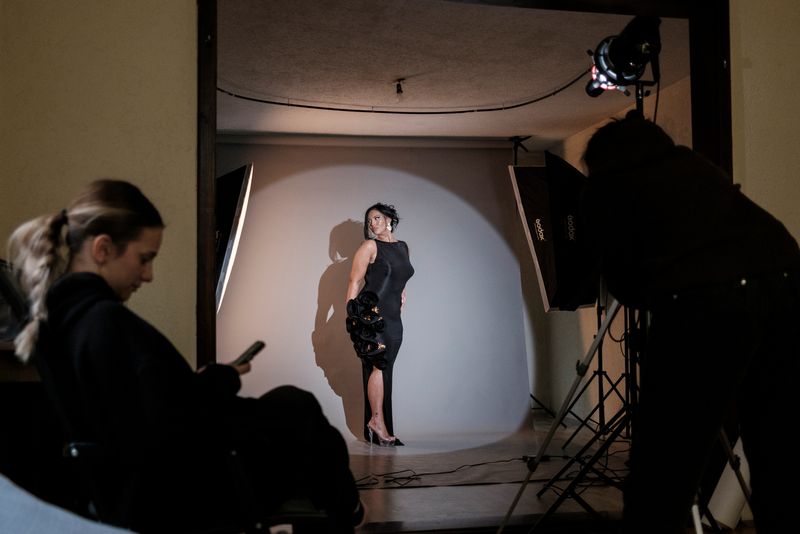
As social media has become an influential part of our lives, Kosovar fashion designers have expanded their reach by collaborating with influencers and dressing international celebrities. During my visit with designer and academician Diba Celina, she noted that they no longer produce dresses according to fixed sizes but tailor them on demand, likening the process to aesthetic interventions that do not require surgery. She also mentioned that Kosovo has gained recognition for its haute couture exports, even to high-risk areas.
However, what happens to these dresses and fabrics consumed so rapidly? Textiles account for 1.8% of the country’s total waste—a figure from 2014. Over the past decade, the volume of fabrics and the number of fashion workshops have increased exponentially. Nisa points out that if such fabric waste exists in a small country like Kosovo, the scale in larger, more populous nations is unimaginable. She also highlights the difficulty of accessing organic fabrics, as the textile industry significantly contributes to the climate crisis. According to United Nations data, the fashion industry is responsible for 10% of global carbon emissions, with the production of one kilogram of fabric consuming between 95 and 400 liters of water.
Celina, who has dreamed of recycling textile waste since her undergraduate years, is excited to take concrete steps this year by acquiring recycling machines to repurpose waste materials in schools for making dolls.