Sweet Thing

  • Dates
    2011 - Ongoing
  • Author
  • Topics Archive, Contemporary Issues, Fine Art, Social Issues
  • Location Cuba

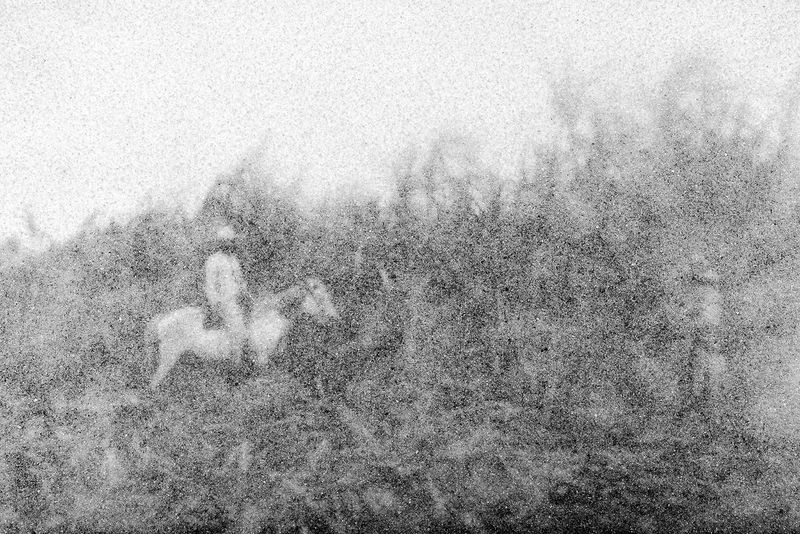
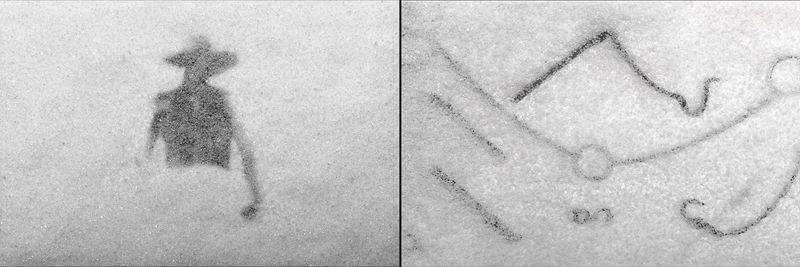
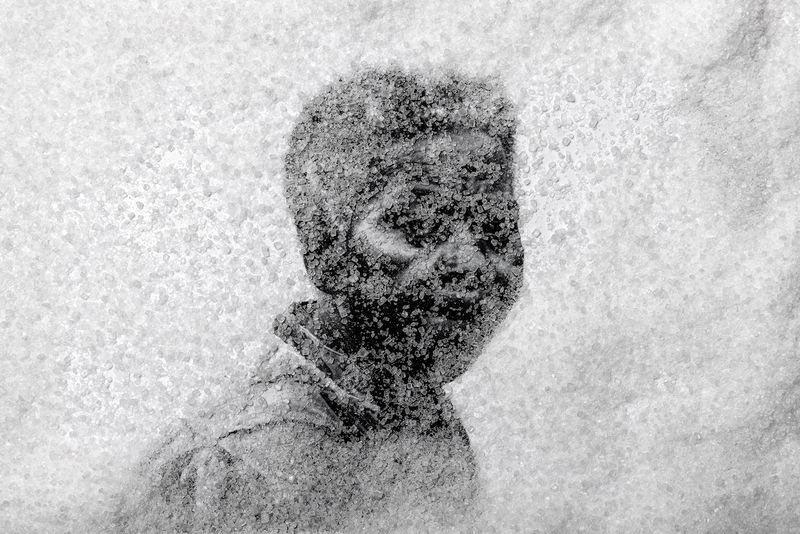
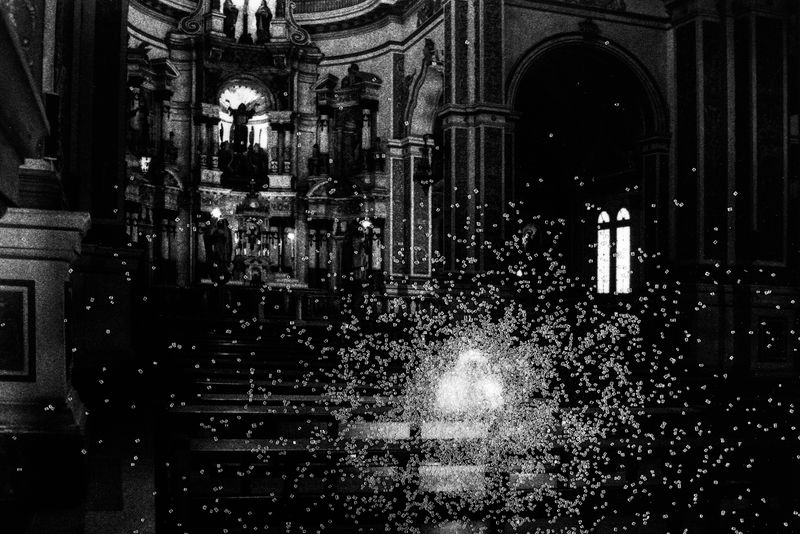
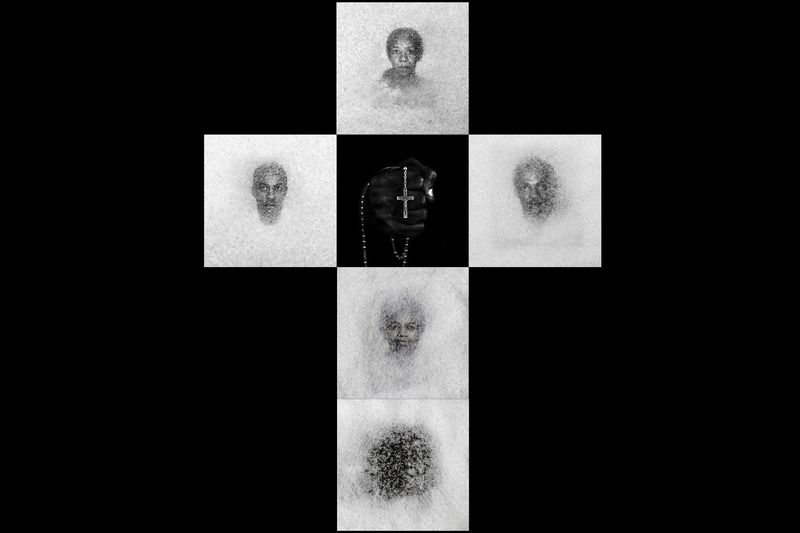
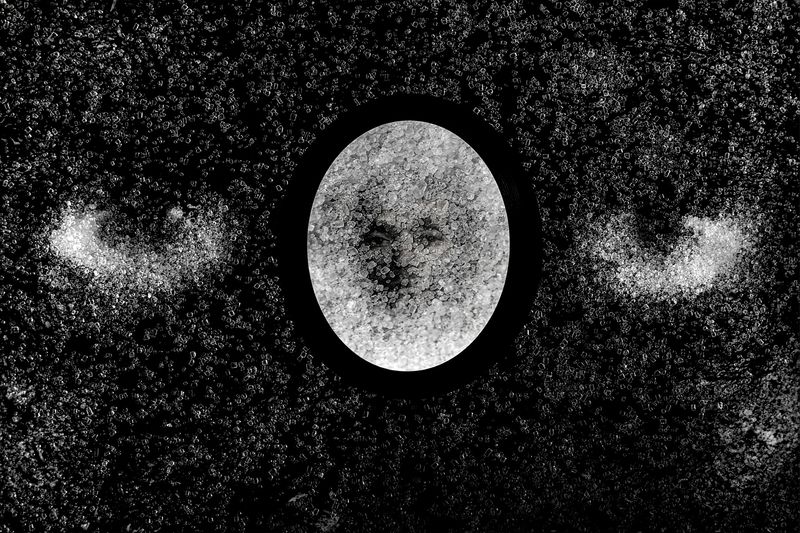
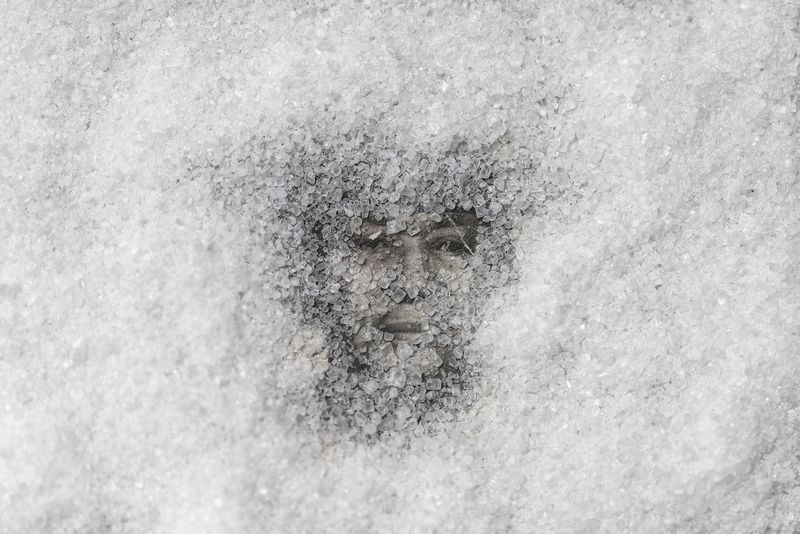
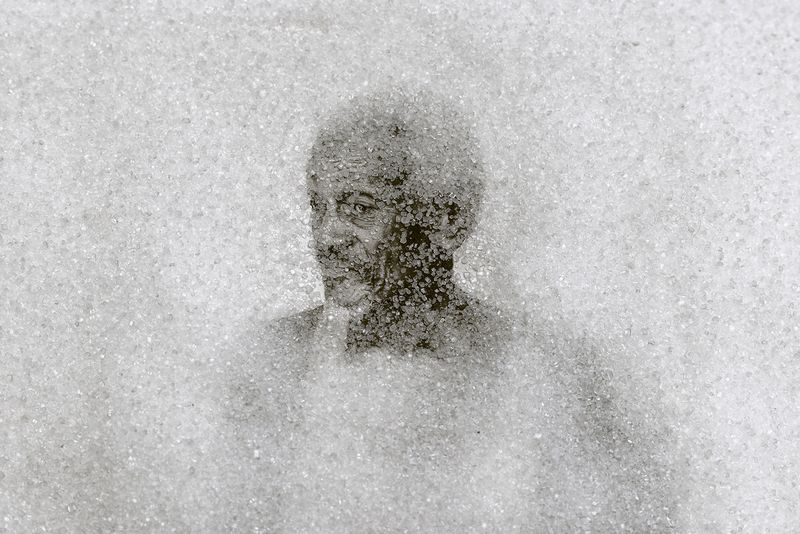
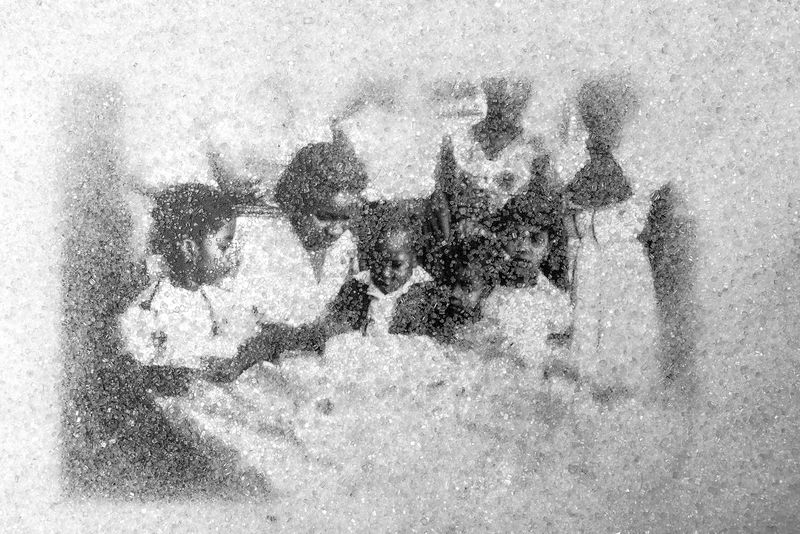
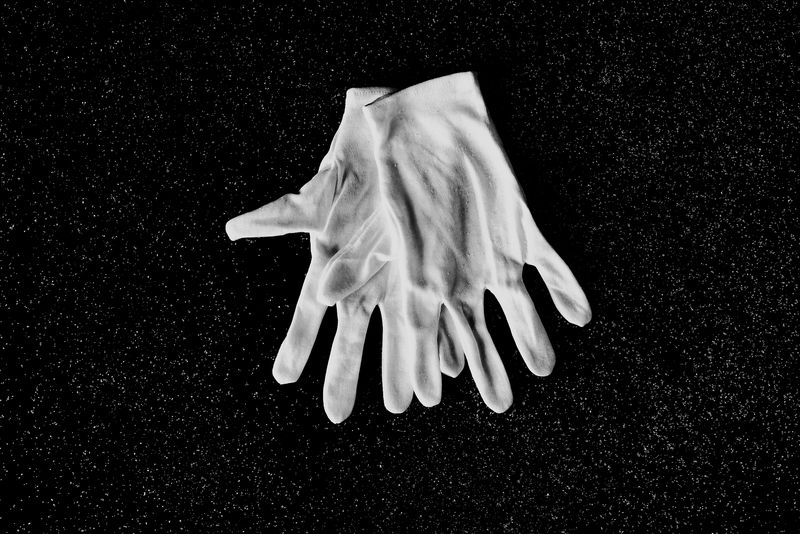
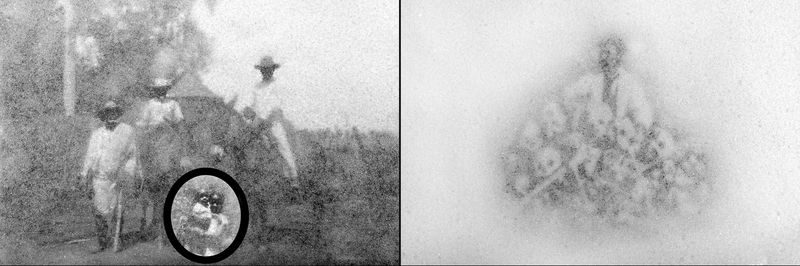
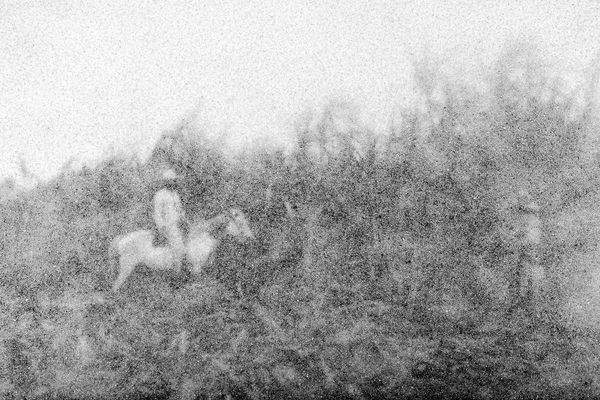
Sweet Thing is a project that uses sugar as a symbolic thread to connect a broken family album as part of a history of displacement and erasure faced by millions of people worldwide. I create blurred visuals that echo the elusive nature of memory.

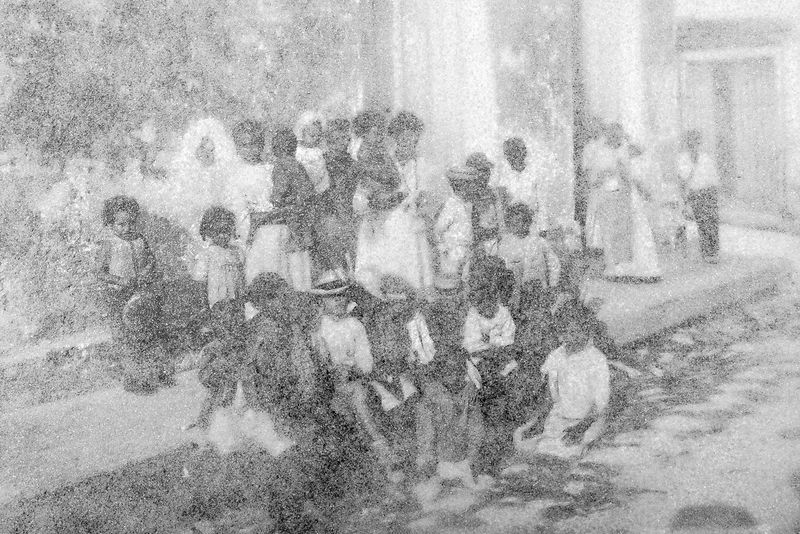
Sweet Thing is a project that uses sugar as a symbolic thread to connect a broken family album. I make blurry pictures that remind me of how memory works by combining old, rare photos of my Cuban ancestors with new photos from my visits to their old homes.

The title of the series is based on a part of Nina Simone's famous song "Four Women". It's not a direct reference to the song's content but rather a word play that I use to try to address one of the main reasons why it's hard for me and millions of other people to trace our roots.

My method is nonlinear, unlike traditional genealogical records. I have to build memories using places and images because I don't have all the papers and stories I need to draw a coherent imaginary line to our origins.

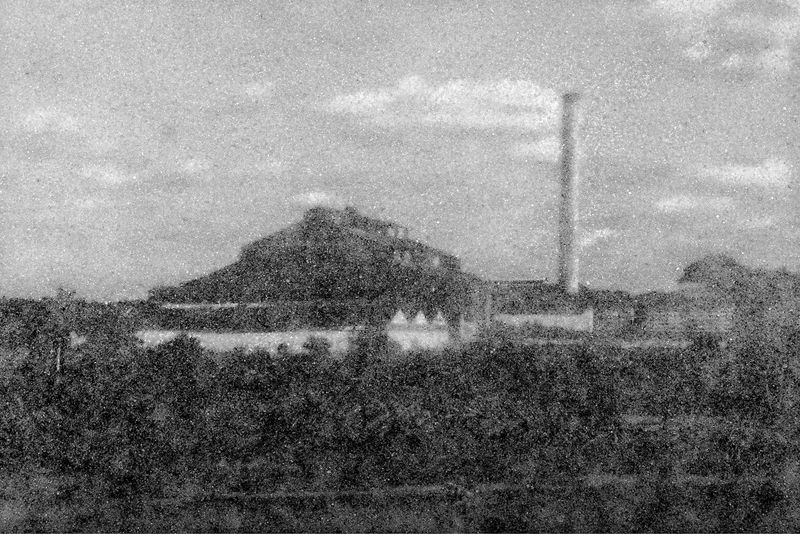
My research encompasses two isolated Cuban communities associated with the sugar industry—one with slightly over 1,200 inhabitants and the other nearly deserted, where Creole was still spoken as of 1998.

I want to look into displacement, survival, erasure, and the fragile nature of inherited memory through this series. This could be through selective amnesia, a lack of references, or omission.
© Jorge Luis Alvarez Pupo - Image from the Sweet Thing photography project
i

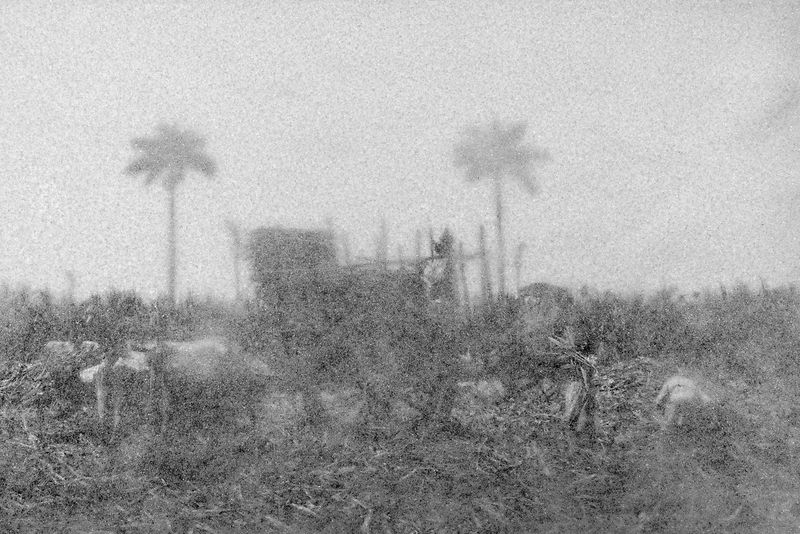
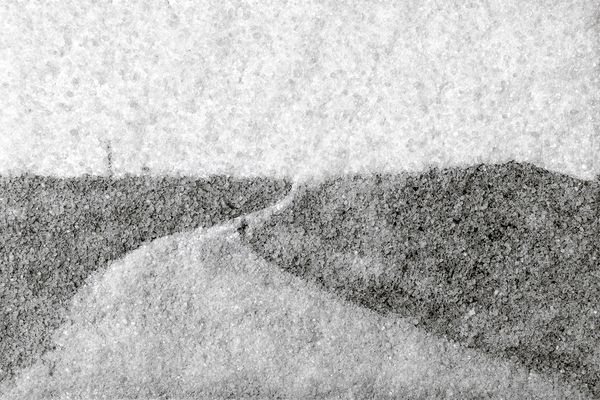
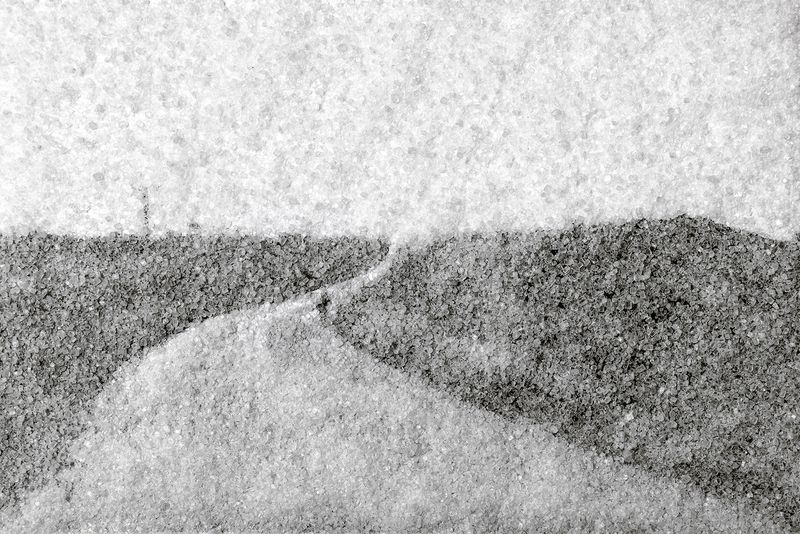
Since I was a little child, I was always eager to visit my grandma Rosa in a tiny town in the countryside of Matanzas. I still remember that narrow ribbon of earth winding down from my grandfather’s house towards the old Triunvirato plantation, the same fields where an enslaved woman called Carlota, who led an uprising in 1843,

© Jorge Luis Alvarez Pupo - Image from the Sweet Thing photography project
i

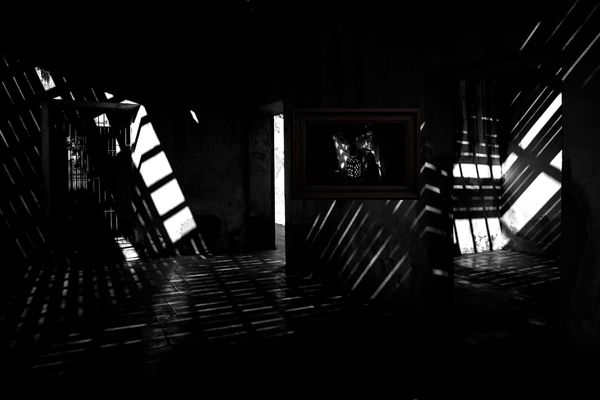
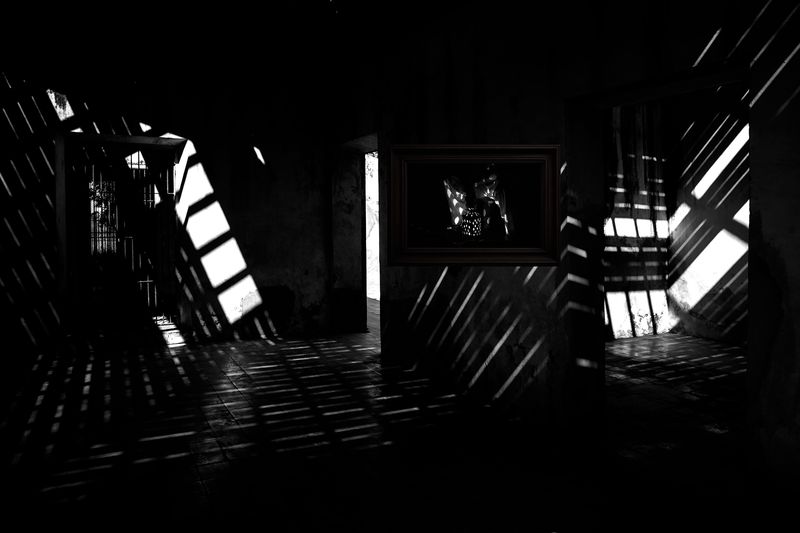
One day I decided to go and visit the former plantation, that is nowadays a museum dedicated to slavery, inside the foreman’s house, I wandered through the different empty spaces, with walls missing pieces. Sunlight streams in and casts silhouettes, sometimes in shapes that tell a story I don’t know, one I can only imagine.There are places where silence sounds like screaming…

© Jorge Luis Alvarez Pupo - Image from the Sweet Thing photography project
i

Anytime that you’d read or hear stories about life on plantations during slavery, either through history lessons, movies or soap operas, the figure of the overseer would be mentioned due to their key role in control and repression.

© Jorge Luis Alvarez Pupo - Image from the Sweet Thing photography project
i

Reaching my adulthood, I became aware of the fact that some of my ancestors are included in the statistics related to the slave trade, that shameful process in which millions of human beings were trafficked and deprived of any connection to their environment of origin. The first step was to change their names.

© Jorge Luis Alvarez Pupo - Image from the Sweet Thing photography project
i

Every time I visited Cidra, before reaching my grandmother’s house on the way from downtown, I would always make a sort of mandatory stop at my aunt's "Coty"—whose real name I never knew. I never understood why she always had that sad face, even when she smiled; she spent her entire life in her home in Santa Ana de Cidra, raising six children.

© Jorge Luis Alvarez Pupo - Image from the Sweet Thing photography project
i

My interest in learning about my family’s origins has indirectly led me to study and learn about various aspects of my ancestors’ religious life during slavery, including an imposed faith and a form of “supervised” devotion.

© Jorge Luis Alvarez Pupo - Image from the Sweet Thing photography project
i

Everyone calls me “Pupo,” which is actually my last name.I recently asked my older sister if she knew where the Pupo surname in our family came from, since it apparently has European roots.She told me that, according to the story, our Great-great-grandmother Isidra worked as a maid in the home, and out of gratitude for the “kindness” of the lady of the house, who taught her to read and write.

© Jorge Luis Alvarez Pupo - Image from the Sweet Thing photography project
i

I grew up longing to have known and spent time with my paternal grandfather, Benito. He was born just two years after Cuba finally abolished slavery, and sadly, he passed away when I was only one year old. His life could be summarised as working in jobs related to the sugarcane harvest and helping to raise his children.

© Jorge Luis Alvarez Pupo - Image from the Sweet Thing photography project
i

Several members of my father’s side of the family develop widespread osteoarthritis as they reach adulthood; some doctors have said it’s hereditary.Sometimes I wonder if this so-called heredity is due to a genetic predisposition or if it might also be the result of repeatedly exposing the body to rather harsh living and working conditions.

© Jorge Luis Alvarez Pupo - Image from the Sweet Thing photography project
i

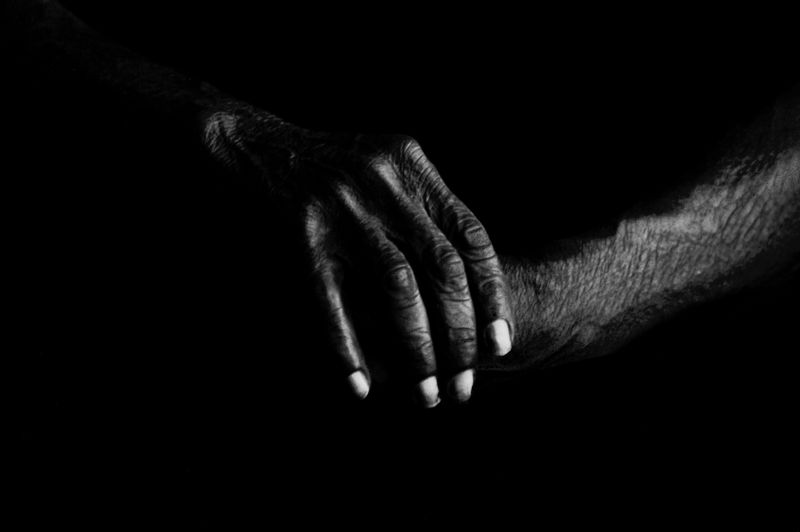
Every time I asked my father specific questions about his elders. He’d often say, "I don’t remember."All I know is that many of the things he inherited—whether as memories or opportunities—were always tied to physical labor, be it cutting sugarcane, picking coffee, farming, or loading sacks at the port. I think most of those answers were etched on his body.

© Jorge Luis Alvarez Pupo - Image from the Sweet Thing photography project
i

My fondest memory of Cidra is of my grandmother Rosa, born in 1898, who, even at the age of 98, you’d find working, planting vegetables in the garden around the house and looking after the animals.She didn’t tell stories of the past or dwell on nostalgia; perhaps she already had enough on her plate and little time or energy to waste on things that wouldn’t change what tomorrow would bring.

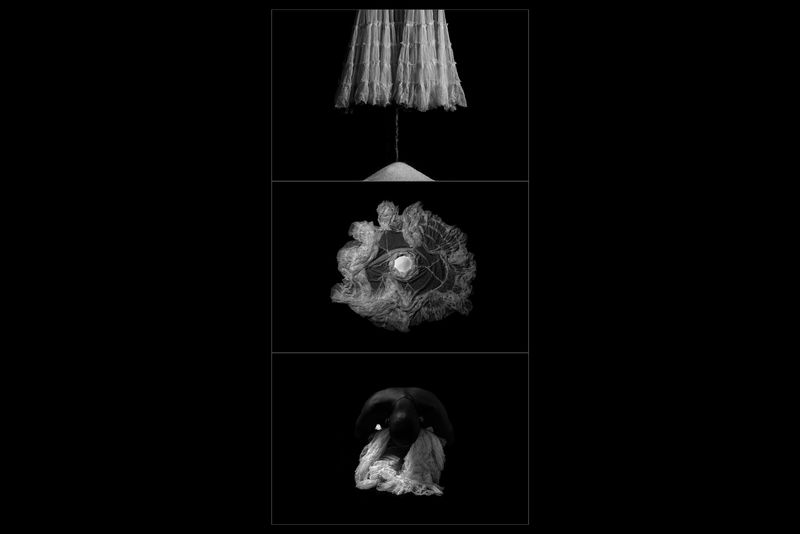
© Jorge Luis Alvarez Pupo - Sweet Thing No. 12 (Triptych), 2025.
i

Sweet Thing No. 12 (Triptych), 2025.

© Jorge Luis Alvarez Pupo - Image from the Sweet Thing photography project
i

I always had a special spiritual bond with my father, probably because, even though he was demanding, he listened more than he spoke and always saw a connection between a problem and its solution.However, he was always quite evasive when it came to talking about his origins, and every answer to a question was like a riddle I had to decipher.

© Jorge Luis Alvarez Pupo - Image from the Sweet Thing photography project
i

My late mother was born in a tiny village of fewer than ten houses in eastern Cuba. She was barely eight years old when her mother sent her to work as a maid in the mansions of Holguín. As soon as she considered that my mom was old enough to find a “good prospect,” she took her to the church she attended and set her up on a date with a man nearly 16 years older.

© Jorge Luis Alvarez Pupo - This is not my name…, 2025
i

This is not my name…, 2025

© Jorge Luis Alvarez Pupo - Image from the Sweet Thing photography project
i

Both of my parents were born near a sugar plantation.There’s always a very peculiar smell gravitating around; it's heavy and difficult to breathe. A bitter-sweet mix, which you become used to after a while.

© Jorge Luis Alvarez Pupo - Image from the Sweet Thing photography project
i

The aftermath of the so-called reconcentration policy led to a massive civilian dislocation and overcrowding, where disease, malnutrition, and high mortality rates became widespread.The agricultural economy of the countryside collapsed, deepening famine and destroying livelihoods.

© Jorge Luis Alvarez Pupo - Image from the Sweet Thing photography project
i

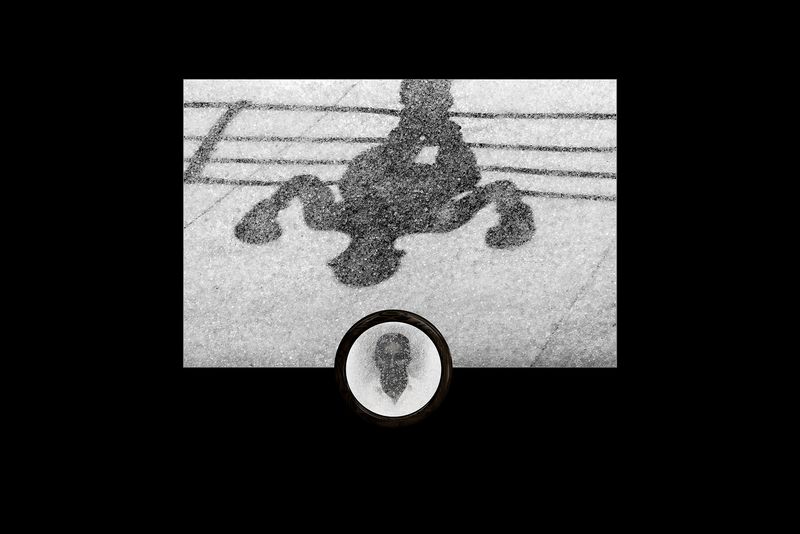
I don’t know much about the history of my maternal grandfather, Evaristo Pupo. Who was born in a small village near San Andrés, in eastern Cuba. When he arrived in the city of Holguín, he did a bit of everything—mainly manual labor—to help support the family. When In 1927, he decided trying professional boxing, running those times, there was a lot of illegal gambling.I was told that, during his

© Jorge Luis Alvarez Pupo - Image from the Sweet Thing photography project
i

Often, when we search for archival images—especially those of people who, in the colonial mindset, are considered socially unimportant or “inferior”—we realise that they are nothing more than anonymous records, stripped of any sign of identity beyond the interpretation of the observer.Today, I have the almost compulsive purpose of going as far as possible to find the origin of my ancestors.

© Jorge Luis Alvarez Pupo - Image from the Sweet Thing photography project
i

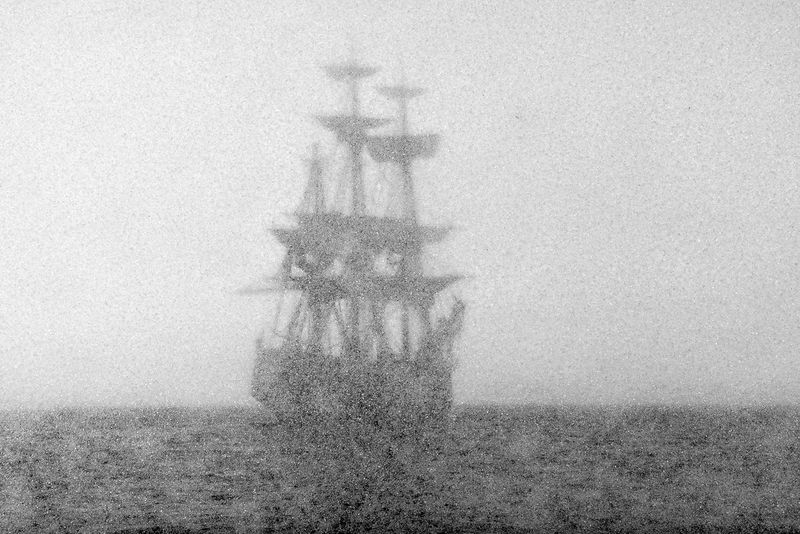
It is virtually impossible to state precisely how many ships took part in the transatlantic slave trade or give an exact tally of the people who moved between African, European, and Cuban ports. When people refer to historical atrocities, we often mention reparations, which usually involve financial compensation.And I wonder: how can the erasure of millions of people be repaired?