Sunsetting 64 Megatons
-
Dates2024 - Ongoing
-
Author
- Locations Germany, South Africa
Sunsetting 64 Megatons begins at Sasol Secunda—the single largest point source of CO₂ on Earth—and traces its coal-to-liquid technology back through apartheid South Africa to Nazi Germany. A photographic essay on what petrochemical dependency looks like.
Essay
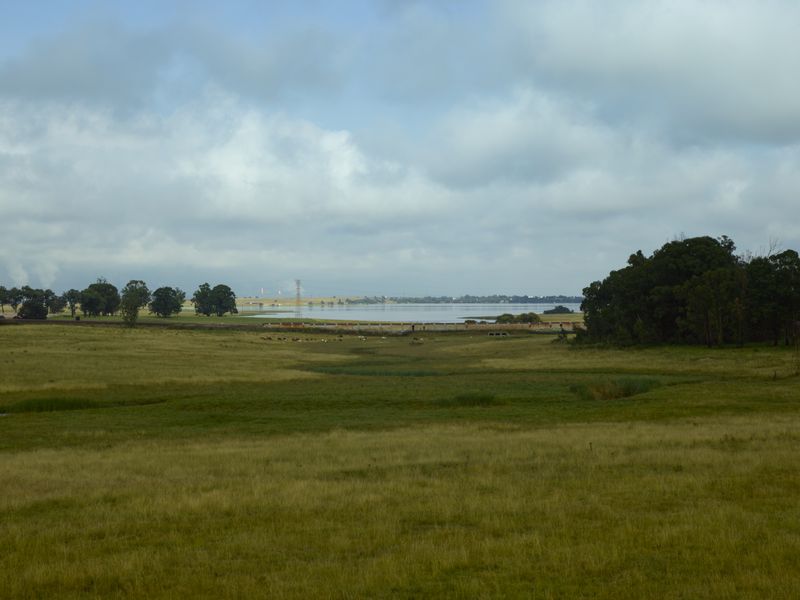
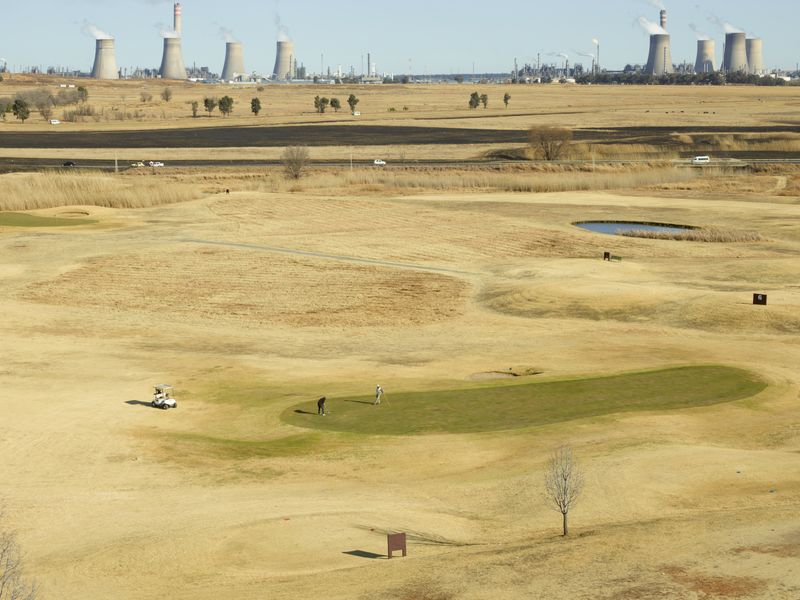
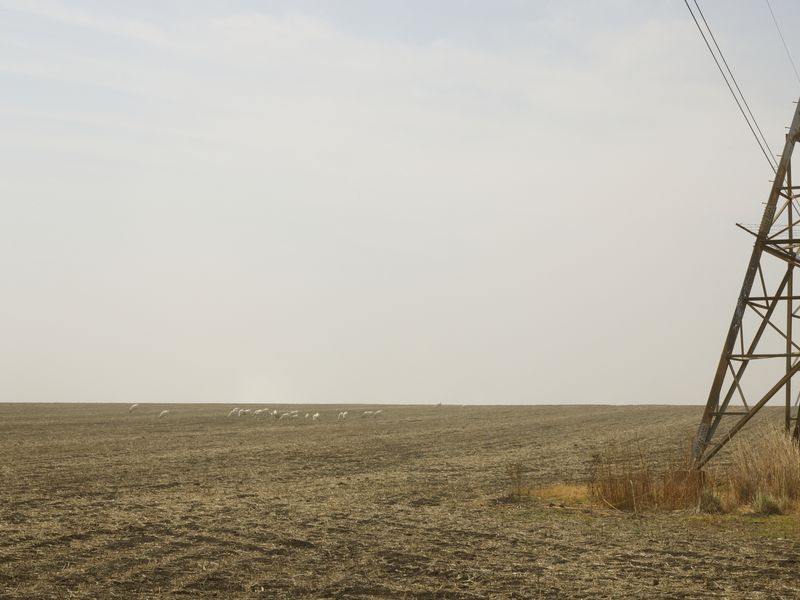
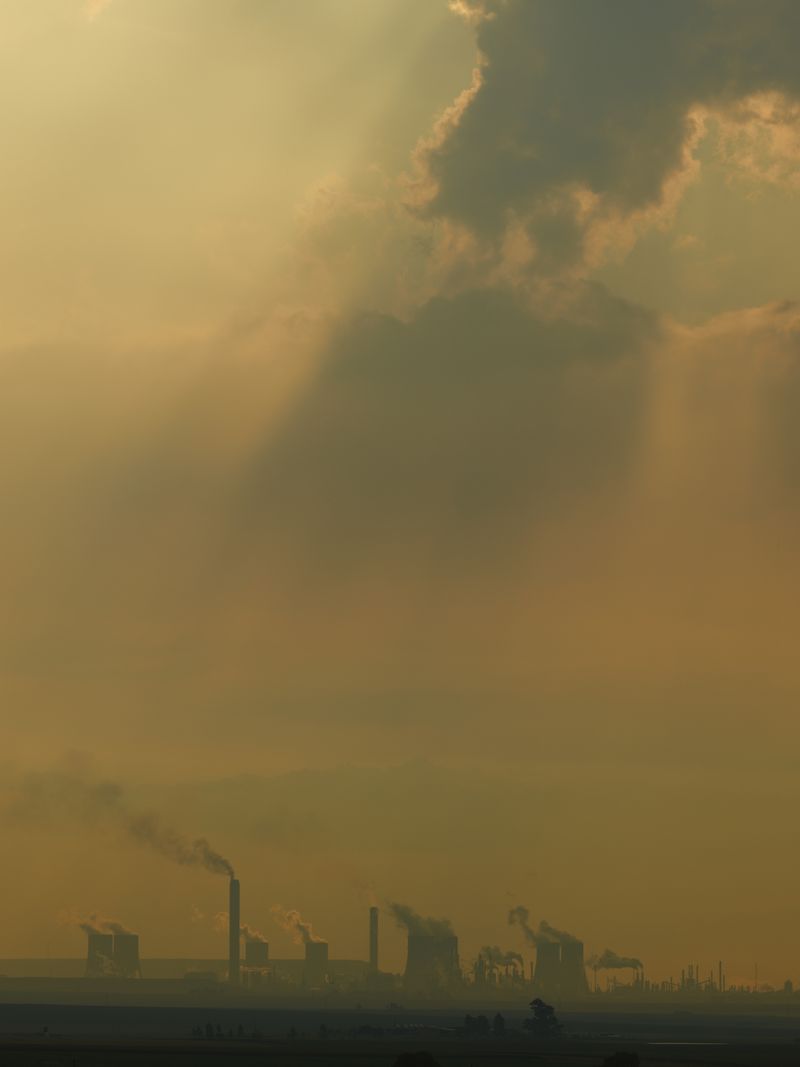
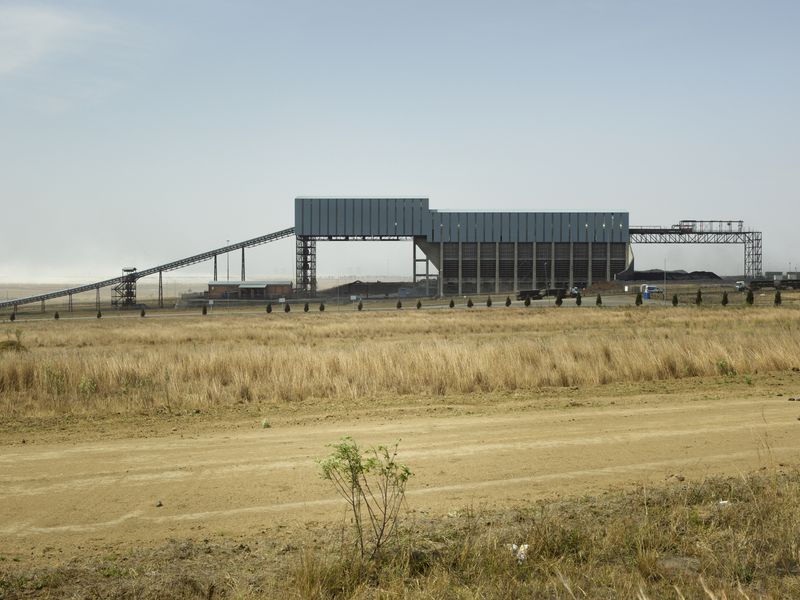
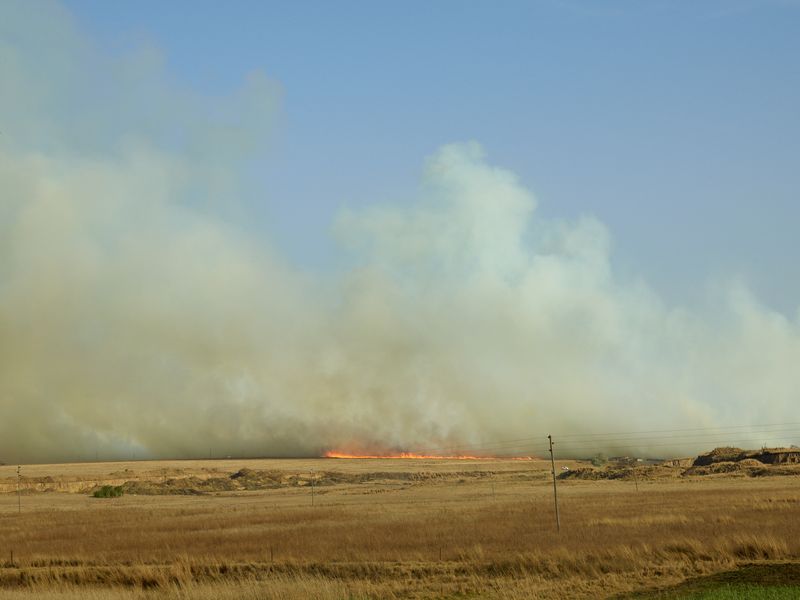
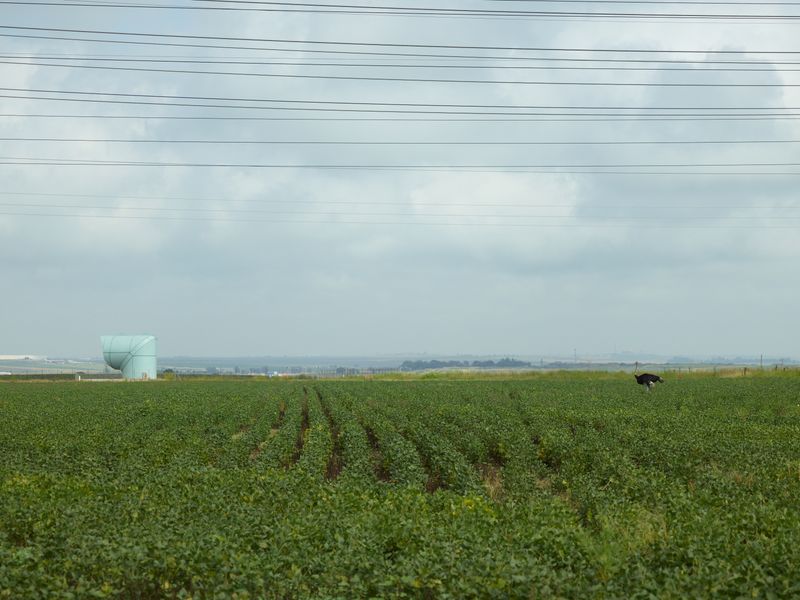
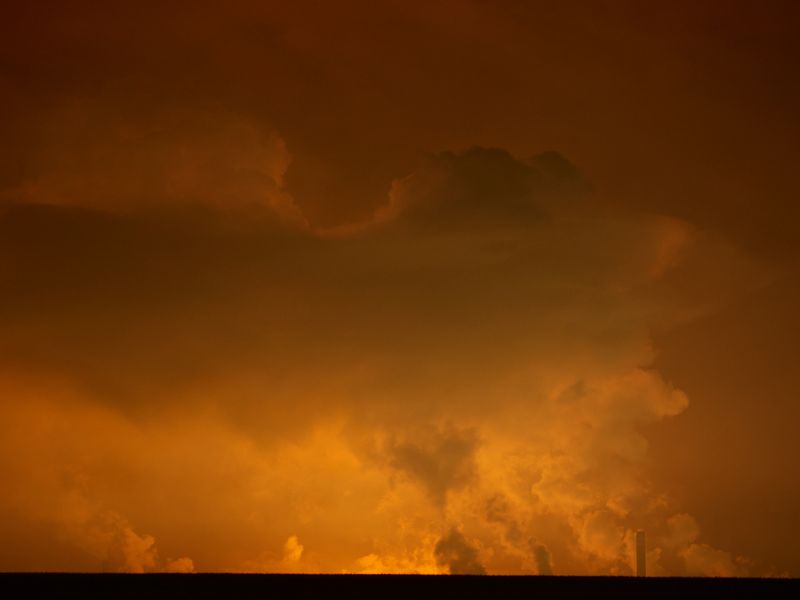
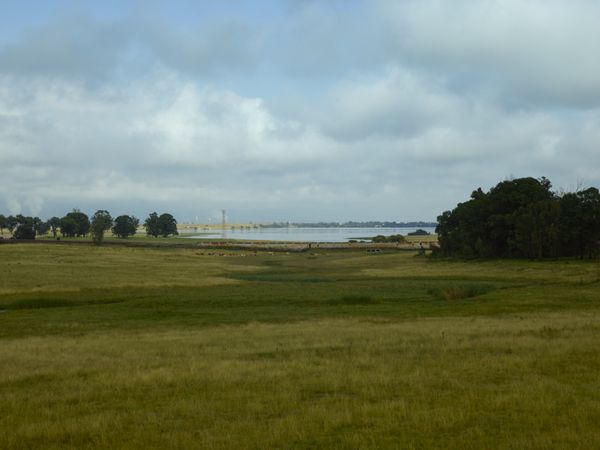
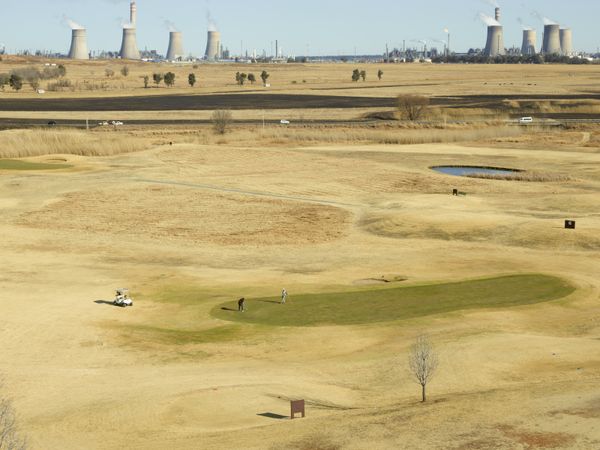
The Mpumalanga Highveld in winter is dry high grass and burnt land. Wide open spaces, fires on both sides of the road—the seasonal burning that clears the ground for new growth. The Sasol Secunda plant lies two hours east of Johannesburg on this plateau. From a distance you could easily mistake it for the coal power stations that litter the Highveld. But drive anywhere in the company town and something else will strike you. You'll hear the roaring of the flares, and, depending on the direction of the wind, your nostrils will catch rotten eggs—the telltale odor of hydrogen sulphide gas.
The story doesn't end there. The plant has a much darker, latent, and singular characteristic: it is the single highest point source of carbon dioxide on Earth, and it owes its existence to the South African apartheid regime's fanaticism to uphold white rule. Autarky framed as Afrikaner nationalism, a survivalist ethos rooted in Dutch Calvinist Protestant conviction—sustained by a society whose cultural ties to the Netherlands remained deep until the nineteen-sixties.
From the start of the modern petro-economy, with the drilling of the first oil wells in the late eighteen-fifties, colonial South Africa faced a primary-resources conundrum. It has no oil, but significant high-quality coal deposits.
From 1927 onward, its industrial trajectory linked the apartheid regime directly to the ambitions of nineteen-twenties Germany. Facing a similar deficit, Franz Fischer and Hans Tropsch had developed a process, in 1924, to convert coal into synthetic fuel. As early as 1933, Hitler and his NSDAP recognized the Fischer-Tropsch process as a unique propellant of the German war machine and invested heavily in its improvement.
After the Second World War, the Allies seized the technology as spoils. While the Nazis had refined the process to fuel tanks, post-war America exported the industrial implementation know-how. The U.S. engineering firm Fluor won the contract to build Sasol II and Sasol III—the two identical plants that together make up Sasol Secunda, the world's largest coal-to-liquid complex. Today, it remains the single largest point source of carbon dioxide on Earth, emitting up to sixty-four megatons annually.
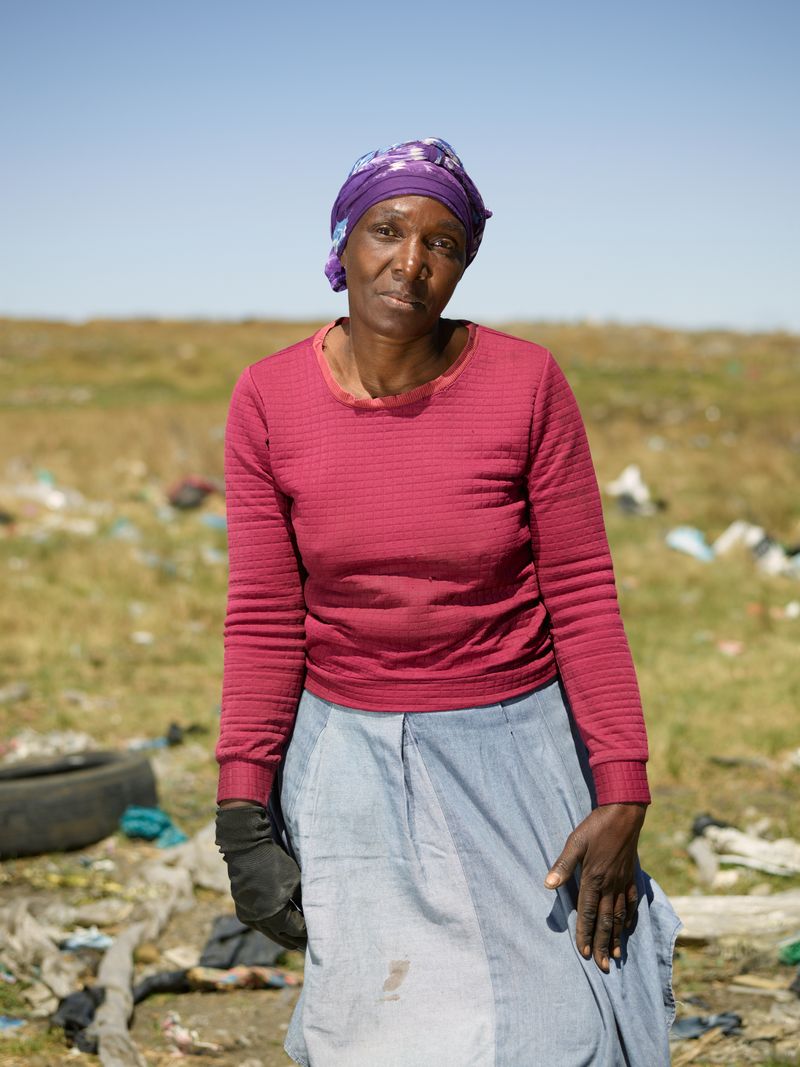
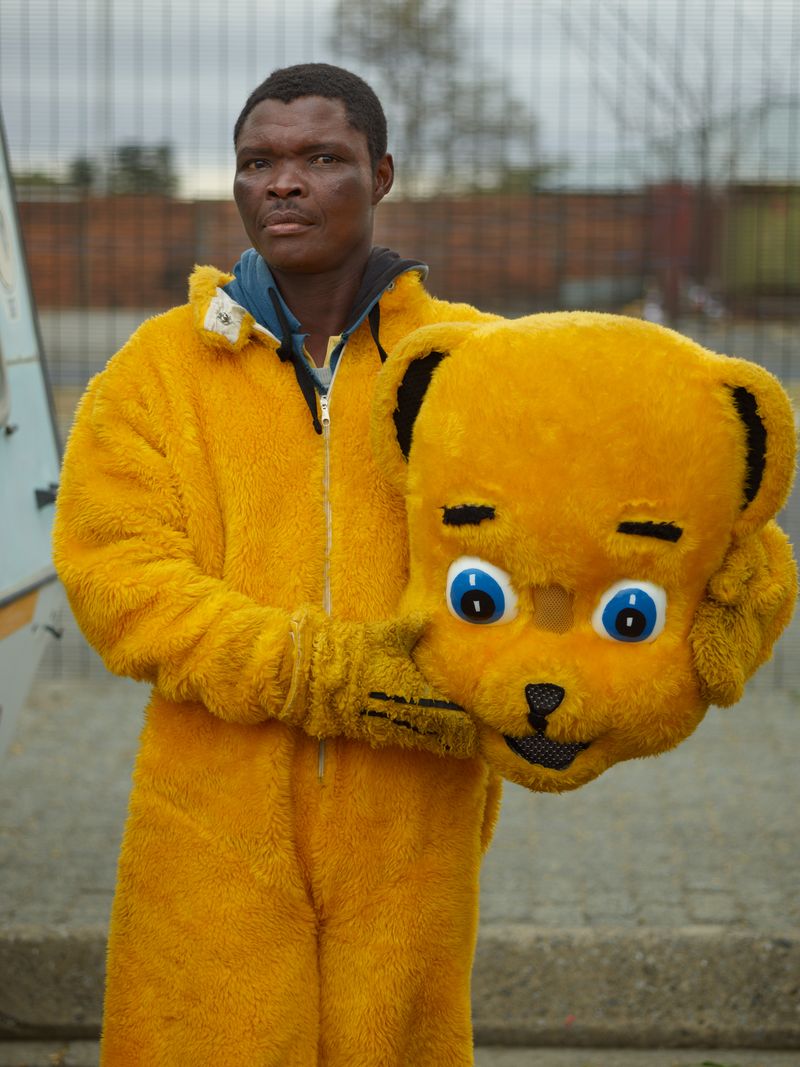
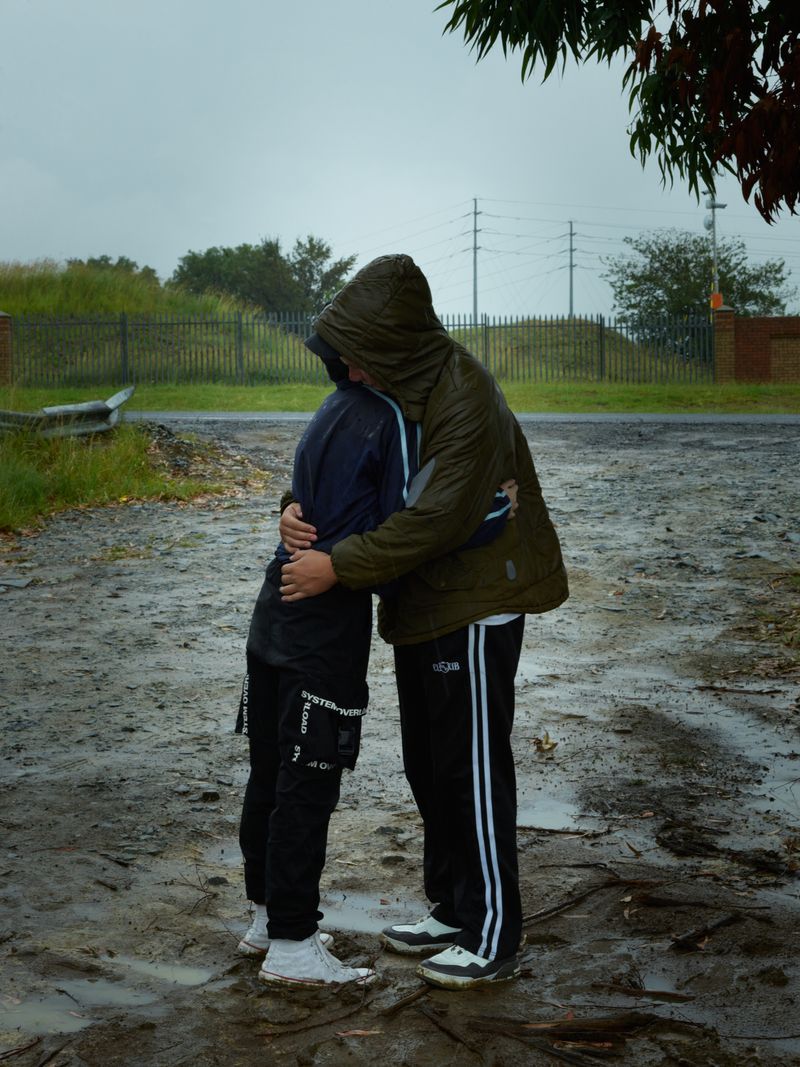
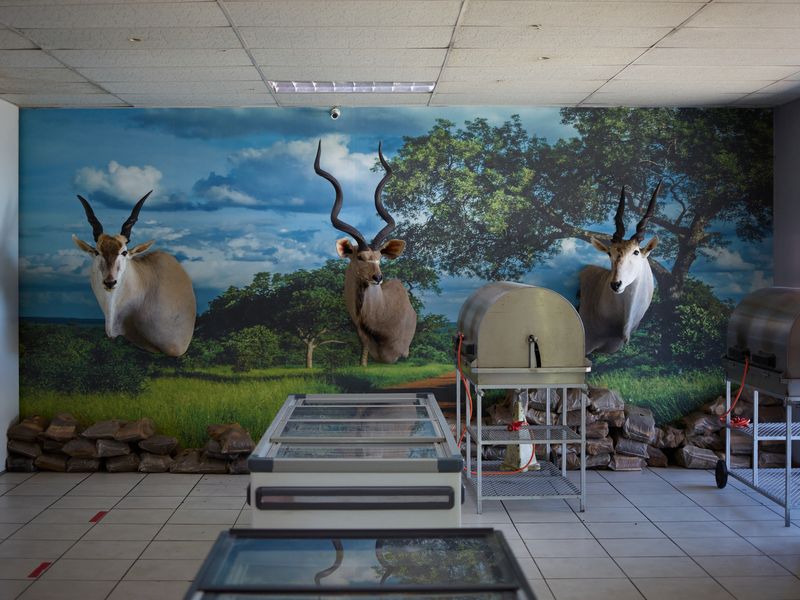
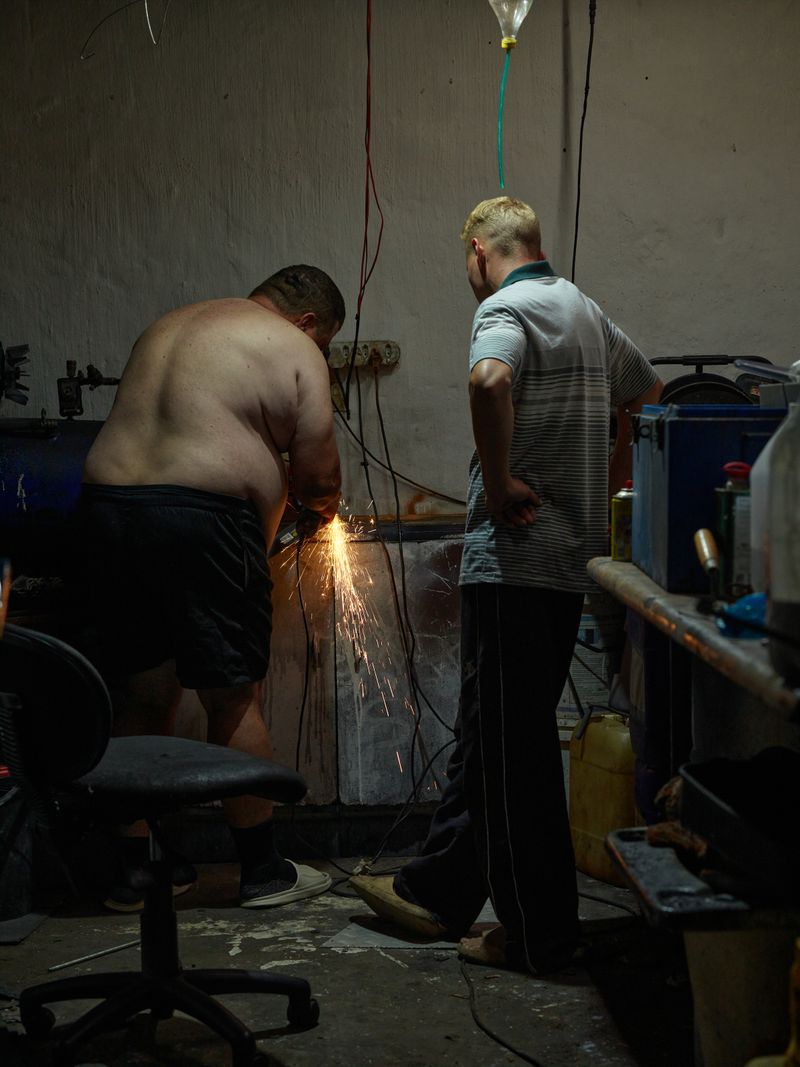
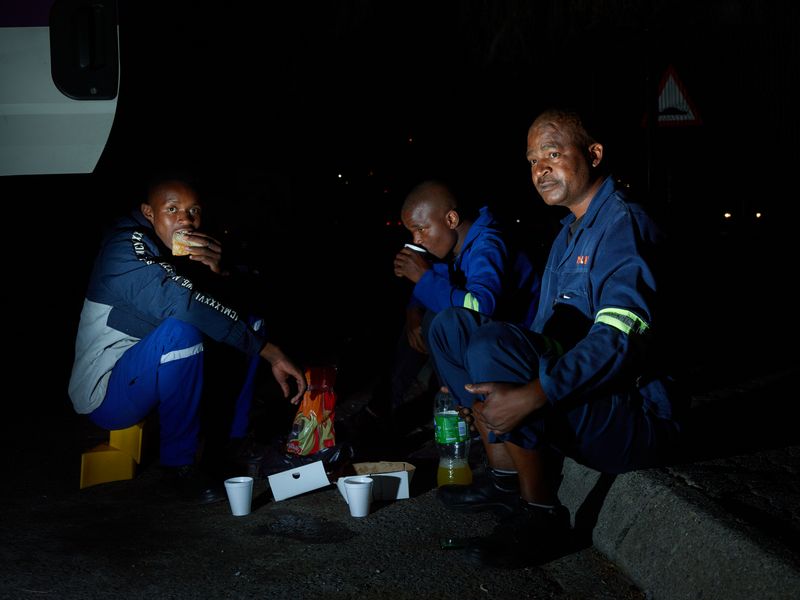
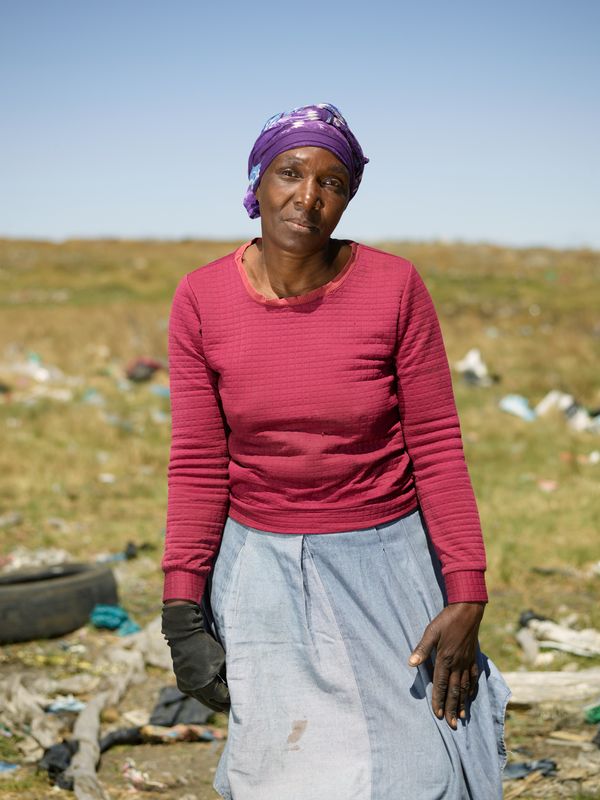
In the nineteen-nineties, the transition to democracy revealed a paradox. The African National Congress, which had plotted to sabotage Sasol II in the early eighties, found itself governing a state addicted to it. Today, the dependency is absolute. Sasol generates roughly five per cent of G.D.P., anchors government pension funds, and injects hundreds of base chemicals—from fertilizer to fuel—into national and international supply chains. On the ground, the dependency takes other forms. People from Mozambique, Zimbabwe, Algeria, Pakistan are drawn into the plant's orbit. The old mall, built when Sasol II and III went up, now serves Algerian shop owners and workers from KwaZulu-Natal. The new mall, built in 2013, bulges on payday and swells after a turnaround—then drains when Brent crude stays low too long. In the informal settlement beside the town, a woman from Mozambique has barely anything, and still life here is better than back home. A petro-cultural entanglement that resists excision. Does the plant work for us, or do we work for the plant?
I served the plant in 2018. For five months I worked as a contractor, implementing A.I. to predict and reduce mechanical failures—maximizing output and, with it, carbon-dioxide emissions. I did this for three years across the petrochemical industry. From inside the system, the work made legible what from outside remains incomprehensible: individual processes, discrete failures, controllable parts. But the system is not the sum of its parts. The survival of our consumption society and the survival of the petrochemical industry are the same survival. Any separation, we are told, will kill both. Or will it? On the timescale of humanity, the age of the modern petrochemical industry is only a few seconds old.
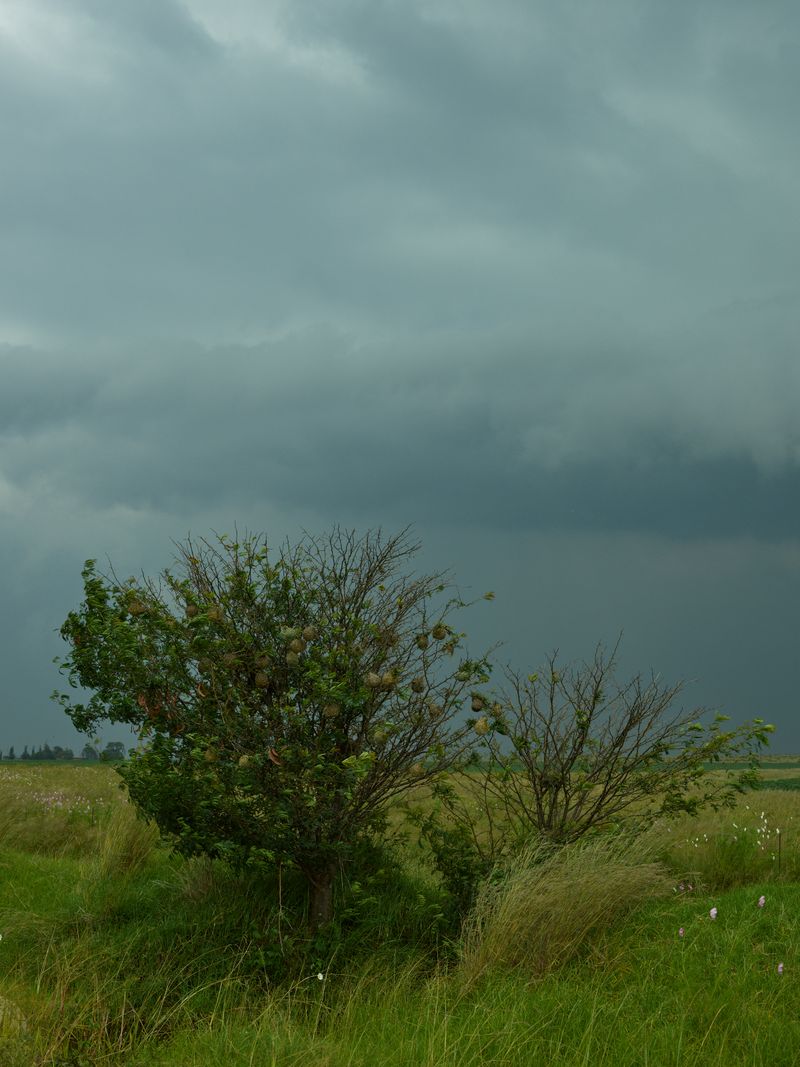
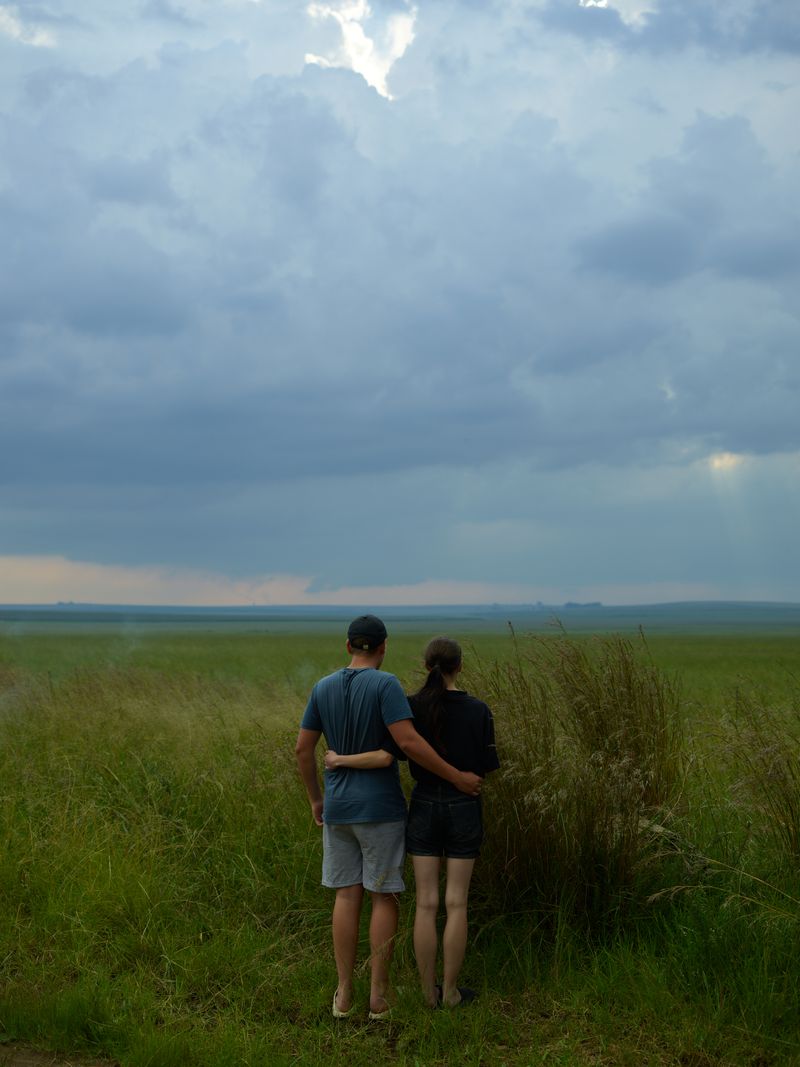
The maelstrom is gathering above Sasol Secunda. To offset a single year of its emissions, one would need to plant a forest the size of Finland—each year. No such forest exists. The carbon dioxide accumulates, the atmosphere warms, and the weather that shaped the Highveld for millennia is shifting. Nationally and internationally, voices are rising that the plant must close. It is reaching the end of its operational life, and it is only profitable when Brent crude trades above fifty-five dollars. As prices hover near the threshold, the capital required to transition risks evaporating.
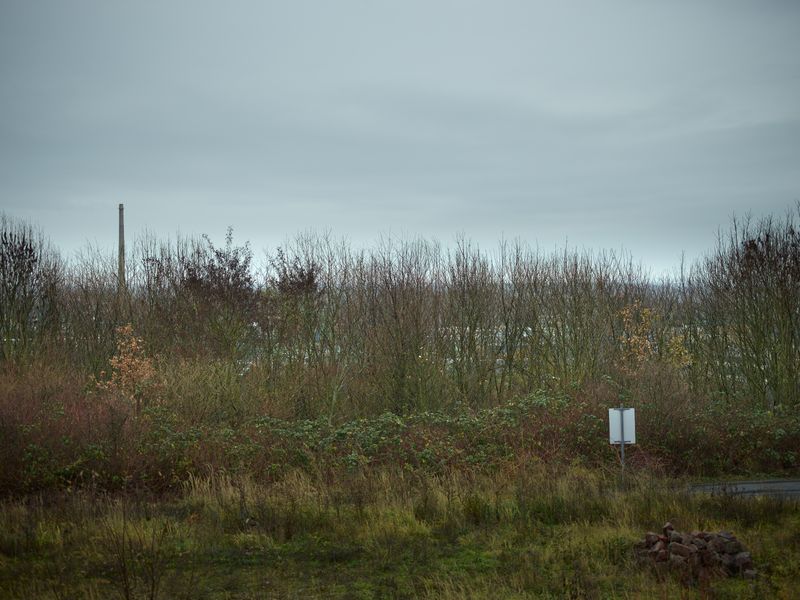
Germany, the inventor of the process, offers little encouragement. Billions have been spent on an exit that has yet to arrive. The lignite phase-out has been delayed. As recently as early 2026, coal plants have turned profitable again as the global carbon-emissions market weakens. Beneath the Ruhr, pumps run perpetually to keep abandoned mines from flooding. The old industrial sites remain so contaminated that even after remediation the land does not recover. It cannot be inhabited—by anyone or anything. Despite decades of investment, the region still records lower life expectancy than the national average—polluted air, low wages, high unemployment. The billions were spent. It is unclear where they landed.
In the mid-nineteen-eighties, the population of South Africa had no hope of equal rights or democracy. It achieved an unprecedented transition against formidable odds. The tradition of civil disobedience that dismantled apartheid did not disappear with it. Will South Africa once more find the resolve to prioritize the biosphere it inhabits—and this time, take the land with it?
Artistic Approach
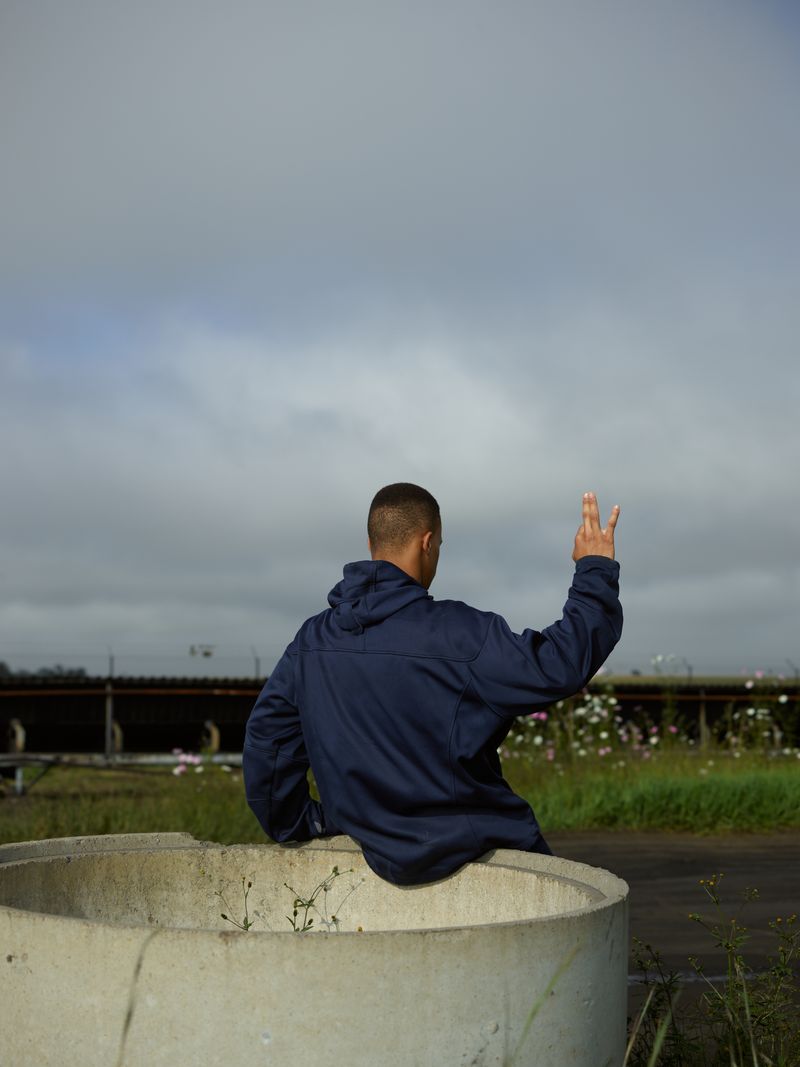
Sunsetting 64 Megatons is a long-term, self-funded investigative photography project begun in 2024 during a Fotofilmic mentorship with Elisa Medde, Stacy Kranitz, and Christian Patterson. The work is made on a Phase One IQ250 digital back, mounted either on an XF body or a Linhof 4×5, across two sites: Secunda, South Africa, and the Ruhr, Germany. The practice is rooted in slow, deliberate fieldwork. In Secunda, I work with young local fixers who guide access and ensure a degree of safety; through them and basics of Zulu, the project moves at the pace of trust rather than extraction. In the Ruhr, a working knowledge of German opens the archives and the conversations. Research draws on the Pretoria National Archives, the Wits University archives, the German state archives, and the Max Planck Institute. Satellite data from NASA's OCO-2 and OCO-3 missions is used to visualize carbon dioxide as it travels through the atmosphere—making the invisible emission visible.
The project develops as a photographic essay in the tradition of Allan Sekula, Trevor Paglen, Michael Subotzky, and Richard Mosse: investigative, systems-level, and committed to treating landscape and human life as coequal subjects. As a French-Dutch photographer who spent twelve years implementing A.I. in industrial systems before transitioning to photography full-time in 2021, my position is not that of an outsider looking in. The colonial histories that connect the Netherlands, Germany, and South Africa run through the work—and through me.