Stolen language

I explore my identity crisis since the beginning of war in Ukraine. I am a Russian-speaking Ukrainian who has never spoken Ukrainian. In parallel to taking Ukrainian language courses, I started researching its history.

In my series “Stolen language” I explore my own identity crisis which became very acute since the beginning of war in Ukraine. I am a Russian-speaking Ukrainian who has never spoken Ukrainian outside of school. Apart from rare cases of multi-lingual parents, a person has only one mother tongue. In a situation where the last words my countrymen hear before they are killed are Russian words, I feel like I no longer can speak Russian daily without betraying my country. At the same time, no matter how well you might learn another language, it will never be possible to express yourself as freely as in your native language.

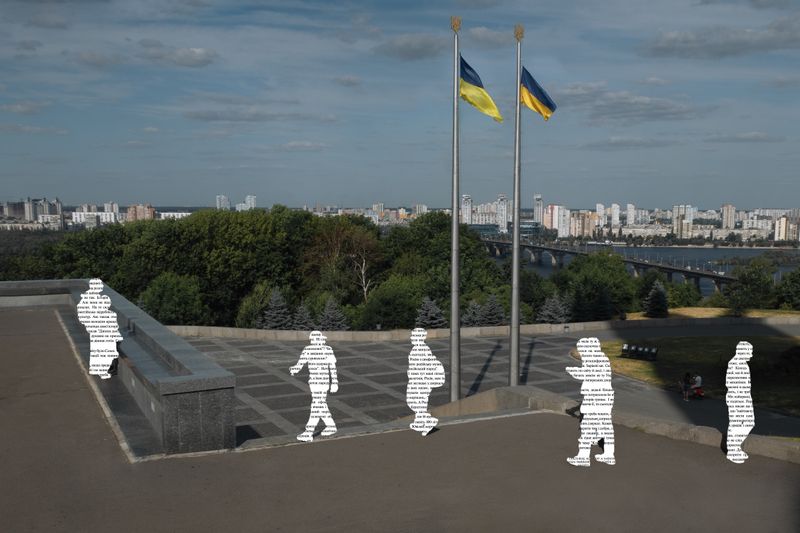
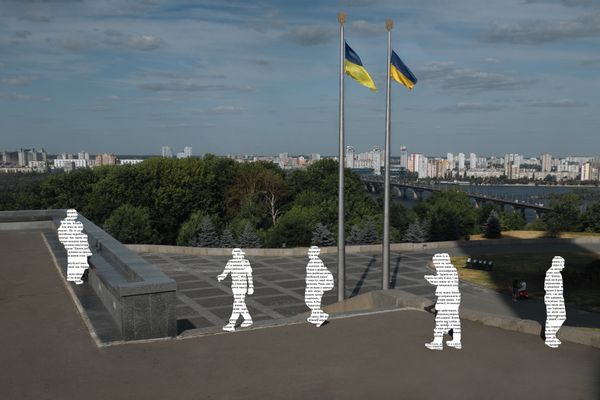
In parallel to taking Ukrainian language courses, I started researching its history. I have never realized that there existed a Soviet hidden russification strategy using a whole range of tools. From public image manipulation where “Ukrainians were nearly genetically predisposed to stupidity” and Ukrainian language was only “the language of the plebs” to changing Ukrainian surnames into Russian ones. There was a reformation of the Ukrainian language to make it as close to Russian as possible to completely erase Ukrainian national identity. Letters were taken out of a Ukrainian alphabet; Ukrainian words were replaced by the Russian words giving birth to “surzhik” – a mix of both Ukrainian and Russian languages supposedly spoken by uneducated common Ukrainian people. Speaking Ukrainian was supposed to be shameful, and people were cut off their roots.

577% more users have started learning Ukrainian in Duolingo in 2022. Russian-speaking Ukrainians are making huge efforts to start using Ukrainian daily. This war made Ukrainians realize that language is a nation’s DNA and lead to a re-birth of a Ukrainian nation.
© Julia Wimmerlin - Image from the Stolen language photography project
i

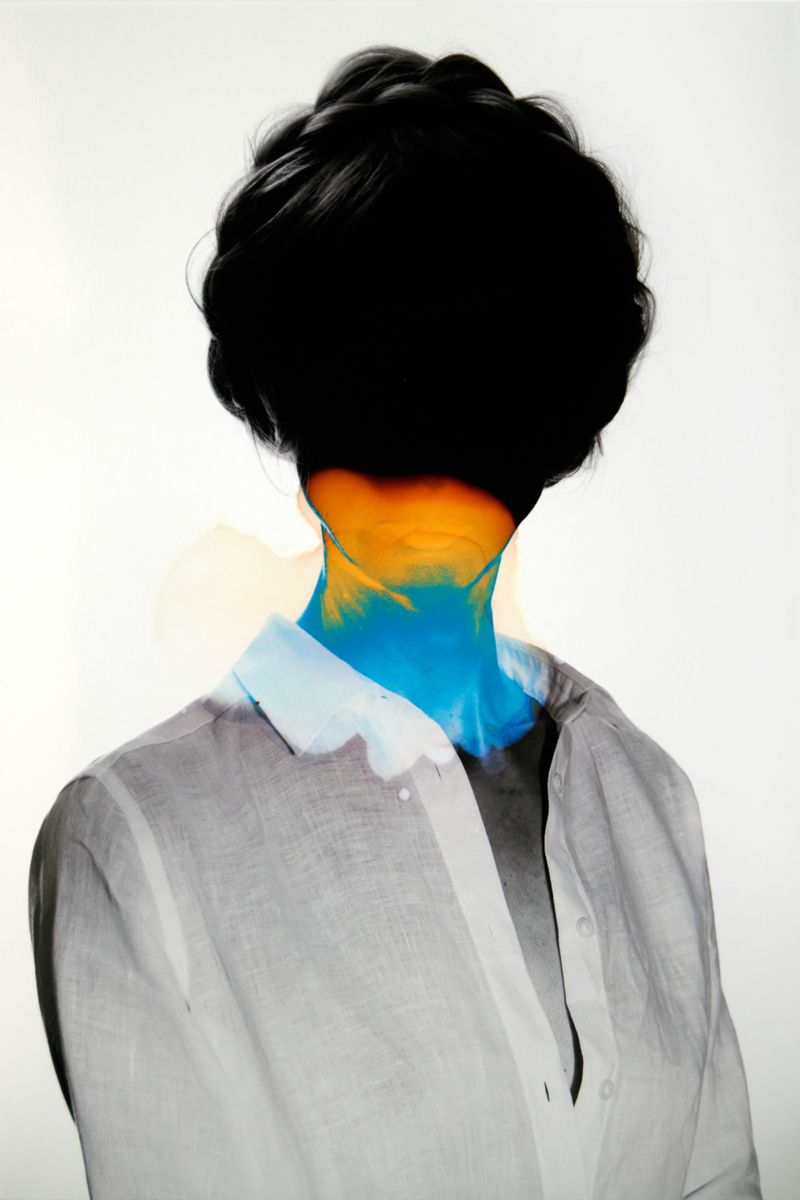
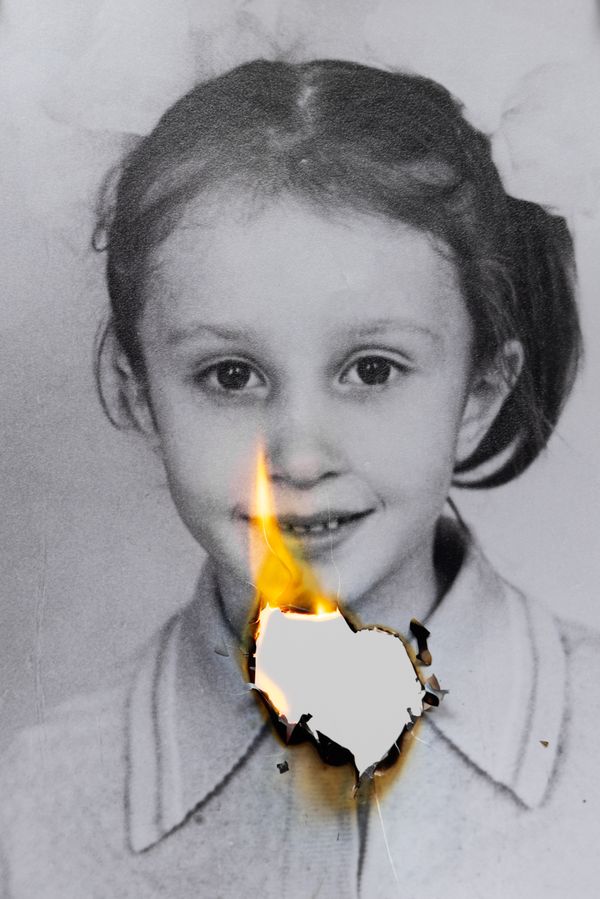
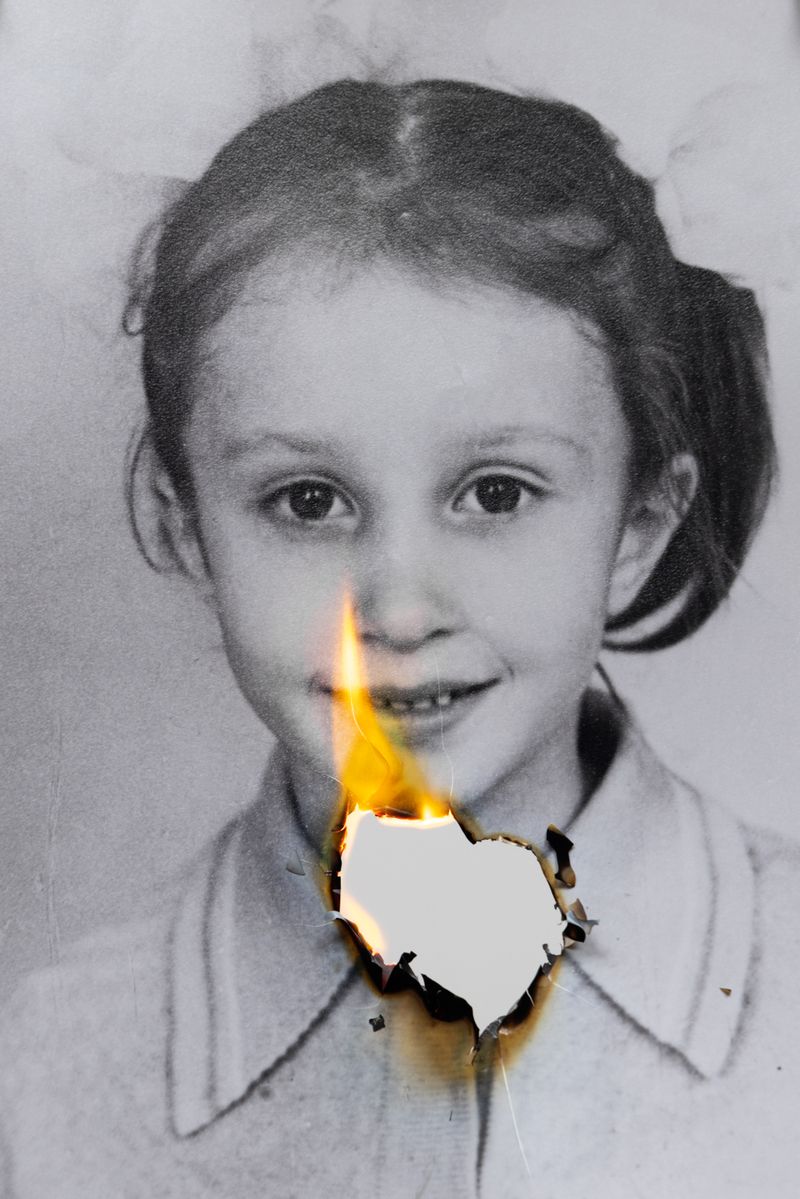
I can't speakIn this my childhood photo. Russian is my mother tongue, even now I still cannot talk with my mother in Ukrainian. I cannot change my native language, but I feel as a betrayer speaking Russian. I can’t speak.

© Julia Wimmerlin - Image from the Stolen language photography project
i

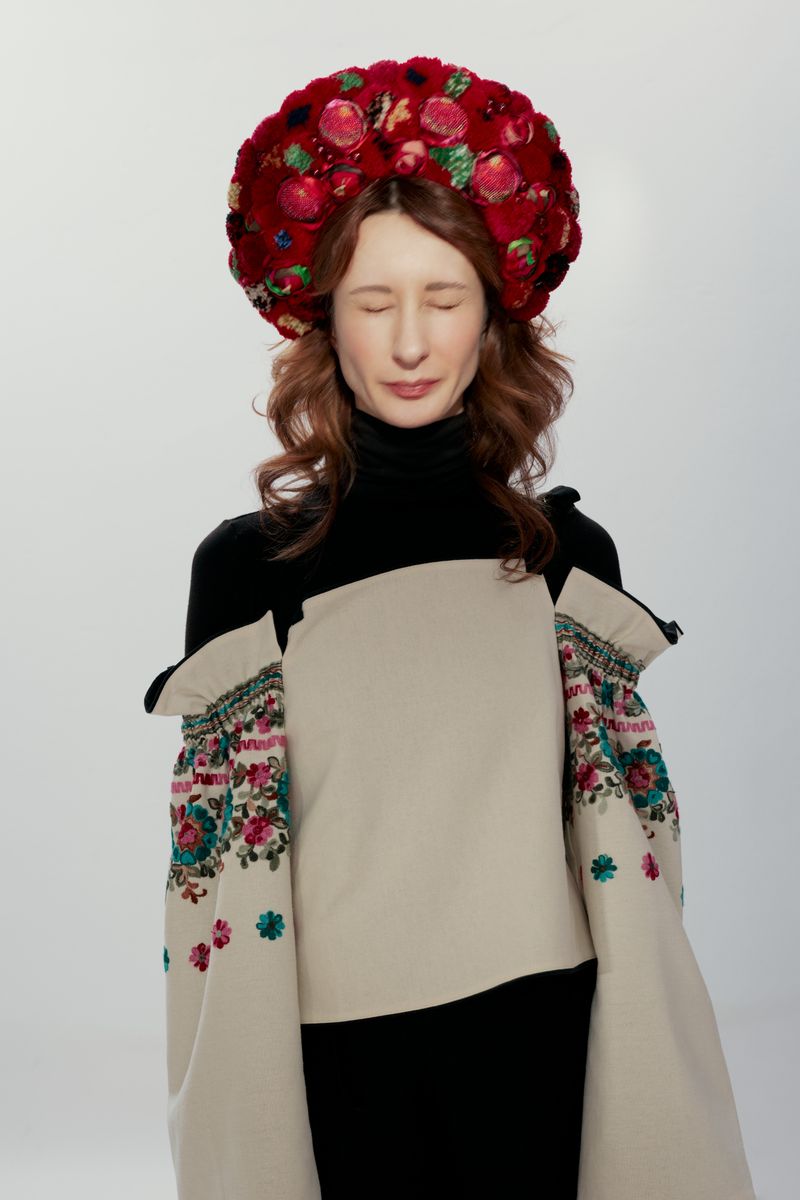
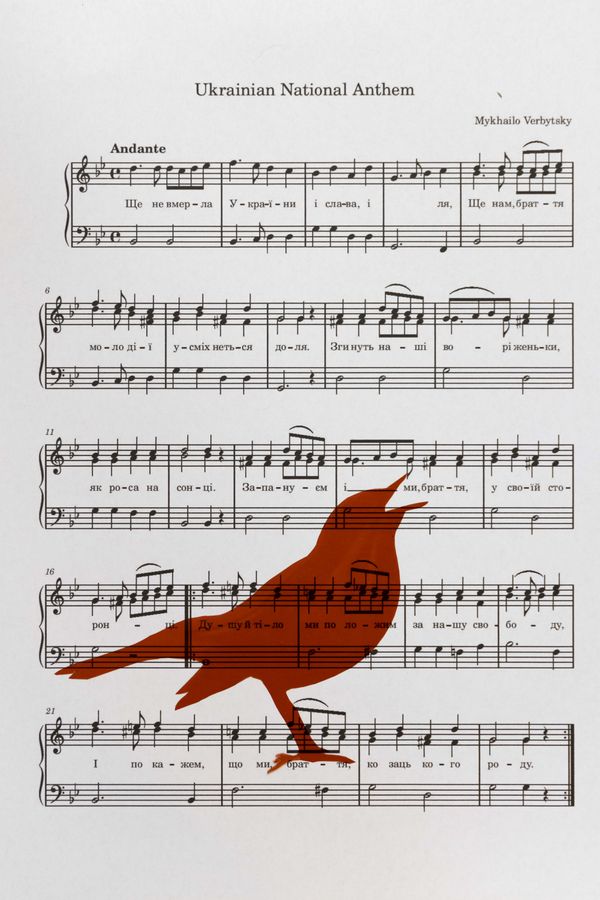
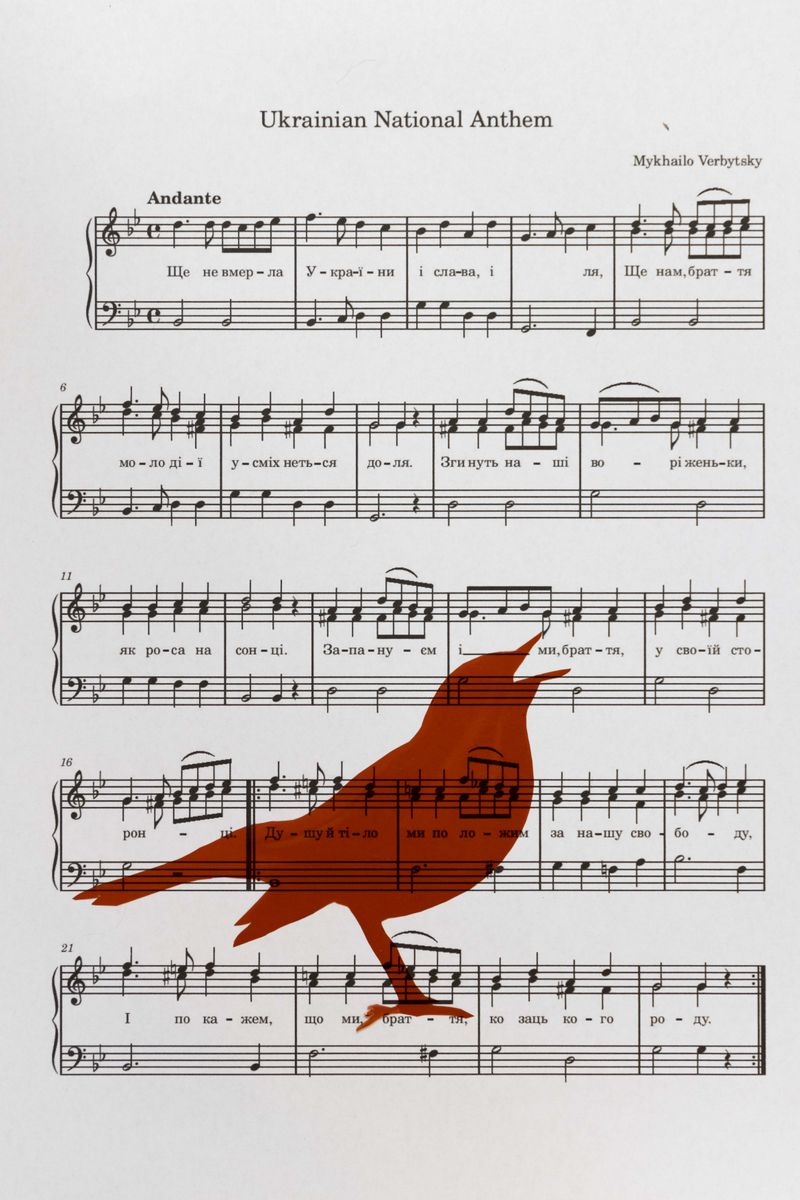
Nightingale’s songUkrainian language is ranks as one of world’s top 10 melodic languages. Ukrainians lovingly call it “nightingale’s language” for its resemblance to a beautiful singing of nightingales.

© Julia Wimmerlin - Image from the Stolen language photography project
i

Humanitarian aura of the nationSince I started to re-learn Ukrainian language, I discovered some very inspiring works of Ukraine’s leading poet Lina Kostenko about the crisis of self-identification of a nationally disoriented part of society. For her a

© Julia Wimmerlin - Image from the Stolen language photography project
i

Deformation of nation's main mirrorUkraine’s leading poet Lina Kostenko believed that each society looks into a complex mirror to have an objective picture of itself. Such main mirror of Ukraine was strongly deformed by Russian Empire.

© Julia Wimmerlin - Image from the Stolen language photography project
i

It does not make any difference which language we speakI believed there was difference which language I spoke in Ukraine if people understood me. The war made me realize that I can’t be distinguished from Russians if I continue to speak their language

© Julia Wimmerlin - Image from the Stolen language photography project
i

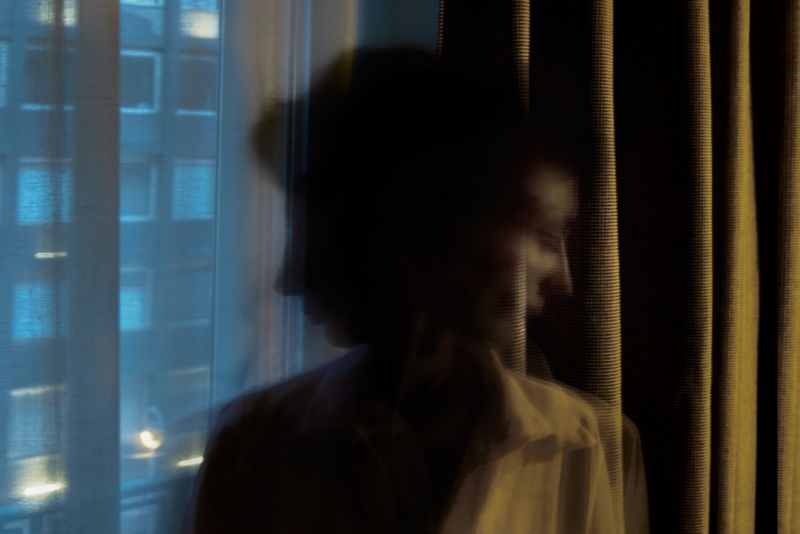
Not native language I speak Ukrainian as a foreigner. When I can’t find a way to say something in Ukrainian, I prefer to say nothing. I speak English and French fluently and I am currently re-learning Ukrainian.

© Julia Wimmerlin - Image from the Stolen language photography project
i

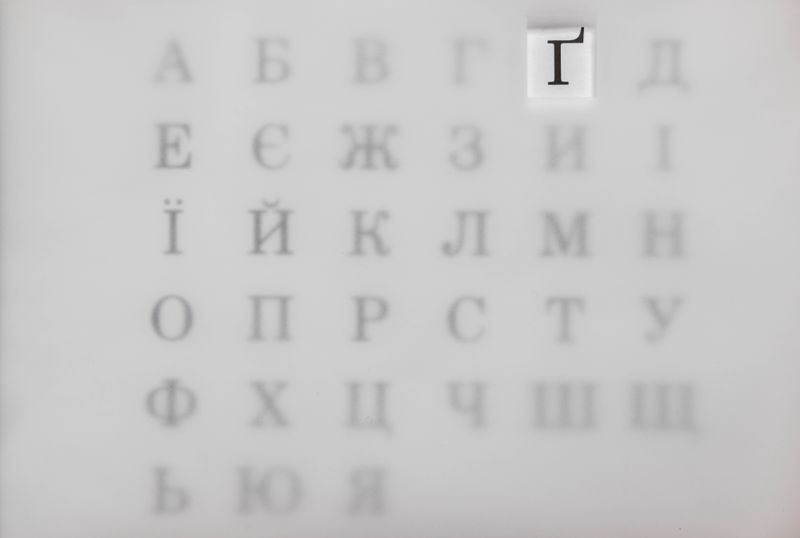
ForbiddenI finished school just before USSR collapsed. This way I have only learned after my forties that Ukrainian alphabet had an extra letter. It was taken out of soon after the formation of USSR and was returned after Ukraine’s Independence.

© Julia Wimmerlin - Image from the Stolen language photography project
i

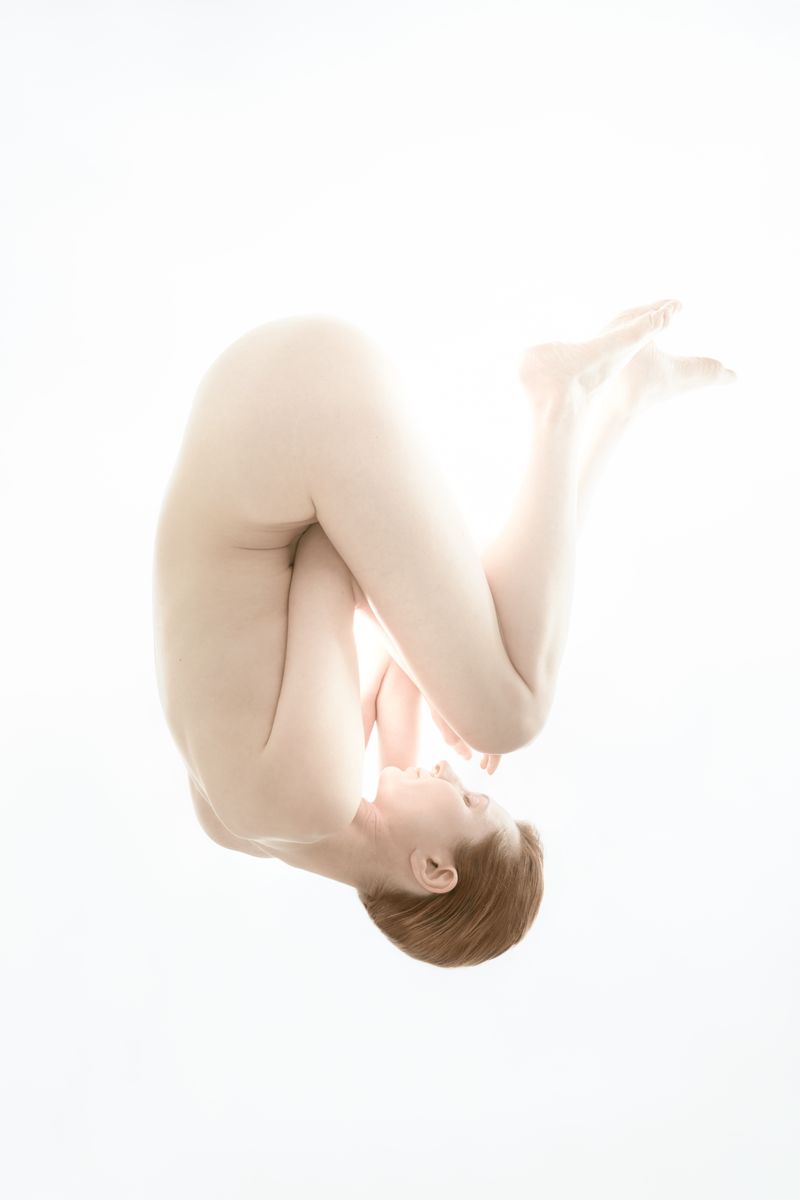
Nation’s DNAJust as DNA provides the blueprint for life, language provides the blueprint for a nation's collective consciousness. A minor change in one’s DNA may lead to disappearance of entire species.

© Julia Wimmerlin - Image from the Stolen language photography project
i

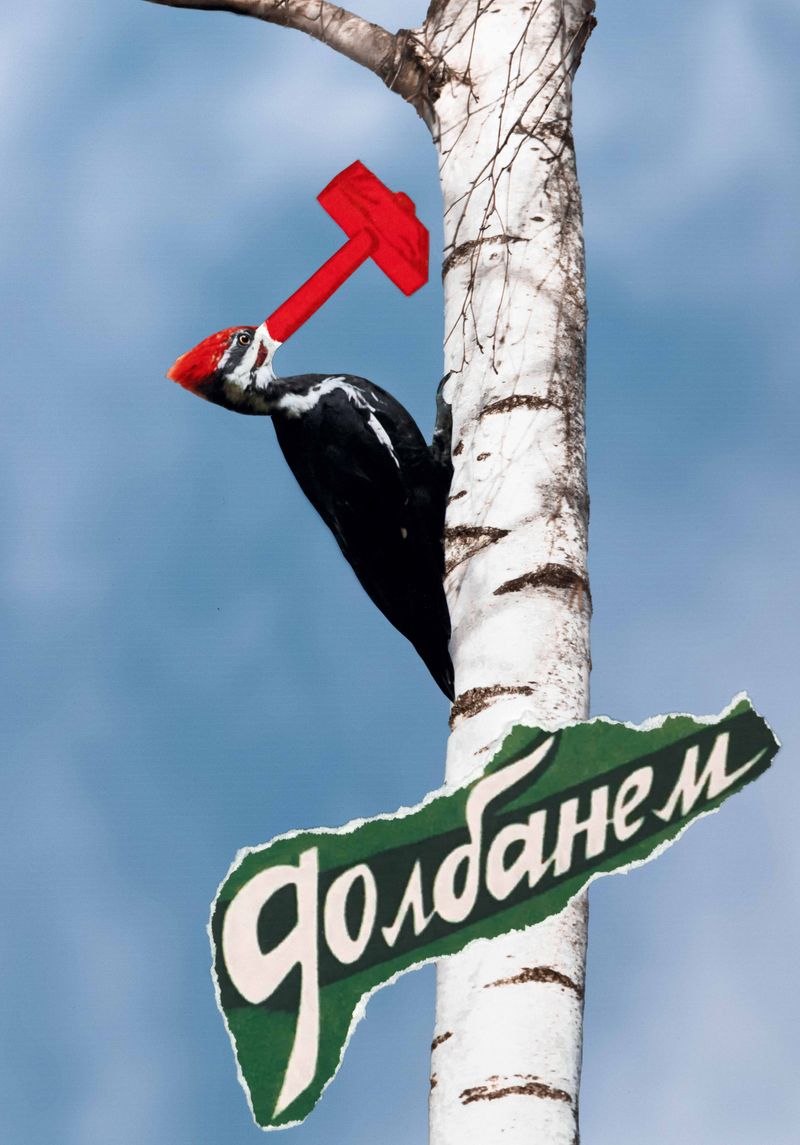
Hammering inThe most dangerous type of manipulation is the one you are not aware of. Russian language was “hammered” into the heads of Ukrainians: from physical elimination (holocaust) to teaching young generation the only “correct” language - Russian

© Julia Wimmerlin - Image from the Stolen language photography project
i

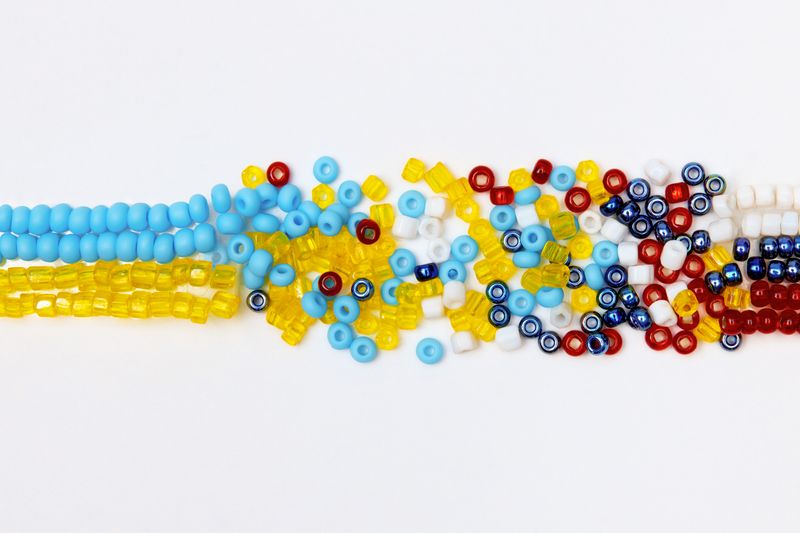
Surzhik There existed a Soviet hidden russification strategy. Ukrainian words were replaced by the Russian words giving birth to “surzhik” – a mix of both Ukrainian and Russian languages supposedly spoken by uneducated common Ukrainian people.

© Julia Wimmerlin - Image from the Stolen language photography project
i

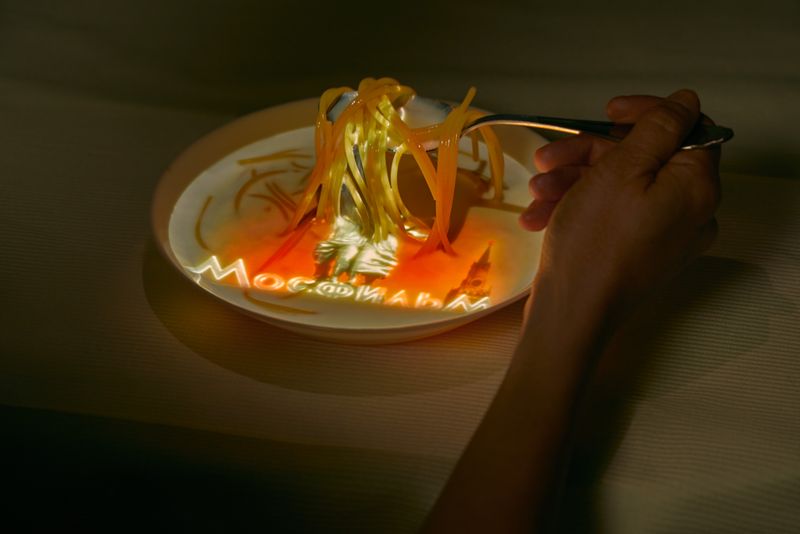
The noodles (lapsha) – Feeding the liesAs a kid the only movies I saw were the Soviet ones. In Russian language a metaphor “to hang noodles” means to lie. “Mosfilm” – Soviet’s largest film studio - was one of the most important Soviet propaganda tools.

© Julia Wimmerlin - Image from the Stolen language photography project
i

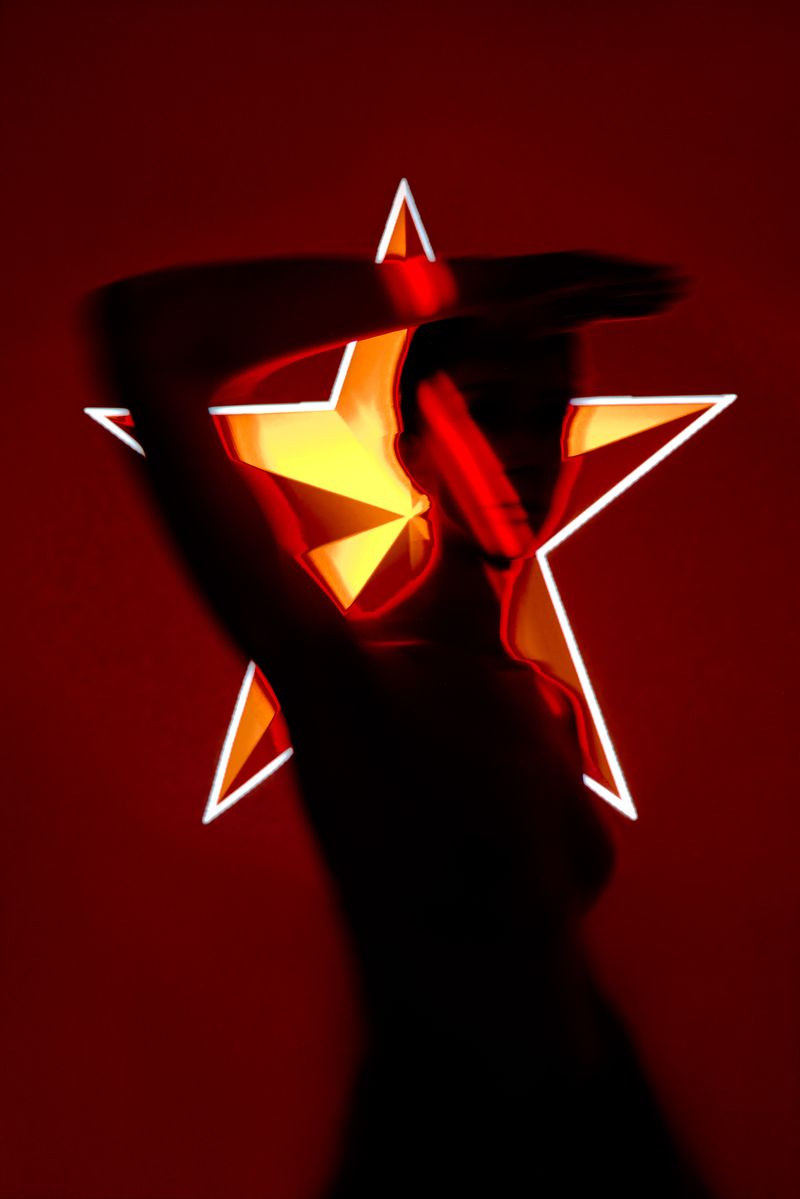
Birth of a nationI know I am Ukrainian but I did not know what it meant to be one until now. Meant to completely assimilate Ukraine with Russia, the war has done the opposite. A new nation is being born.

© Julia Wimmerlin - Image from the Stolen language photography project
i

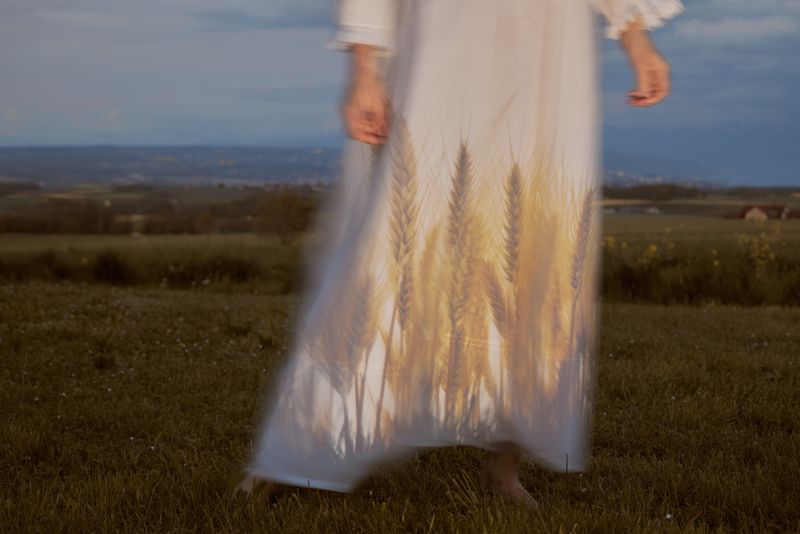
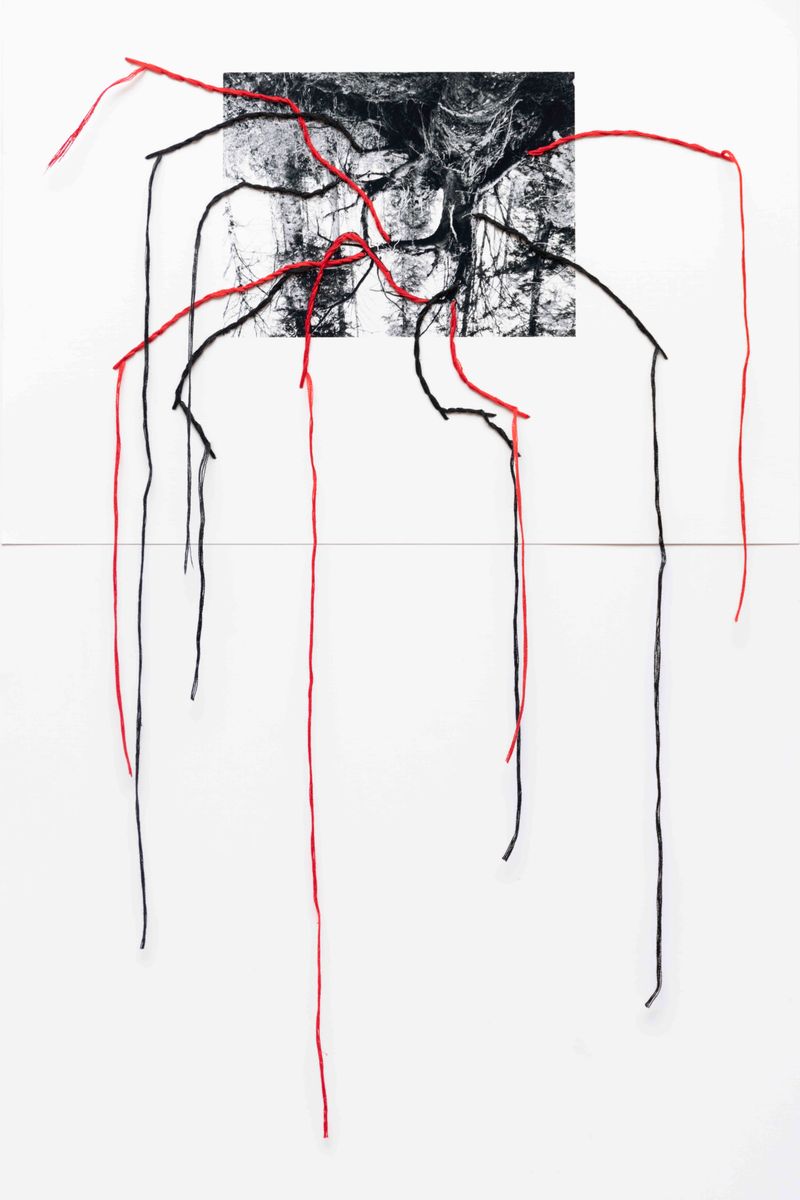
Finding rootsSince the war began, I feel like my tree of life was uprooted. In its aftermath, finding my roots became a powerful endeavor through the reclamation of my own language.

© Julia Wimmerlin - Image from the Stolen language photography project
i

Hidden russificationIn USSR Russian was the only language of education and culture. With a strong history of defending its national identity, Ukraine was considered a threat. Hidden russification strategy was developed to belittle Ukrainian heritage.