STILL HERE, STILL HERE
-
Dates2026 - Ongoing
-
Author
- Location Sydney, Australia
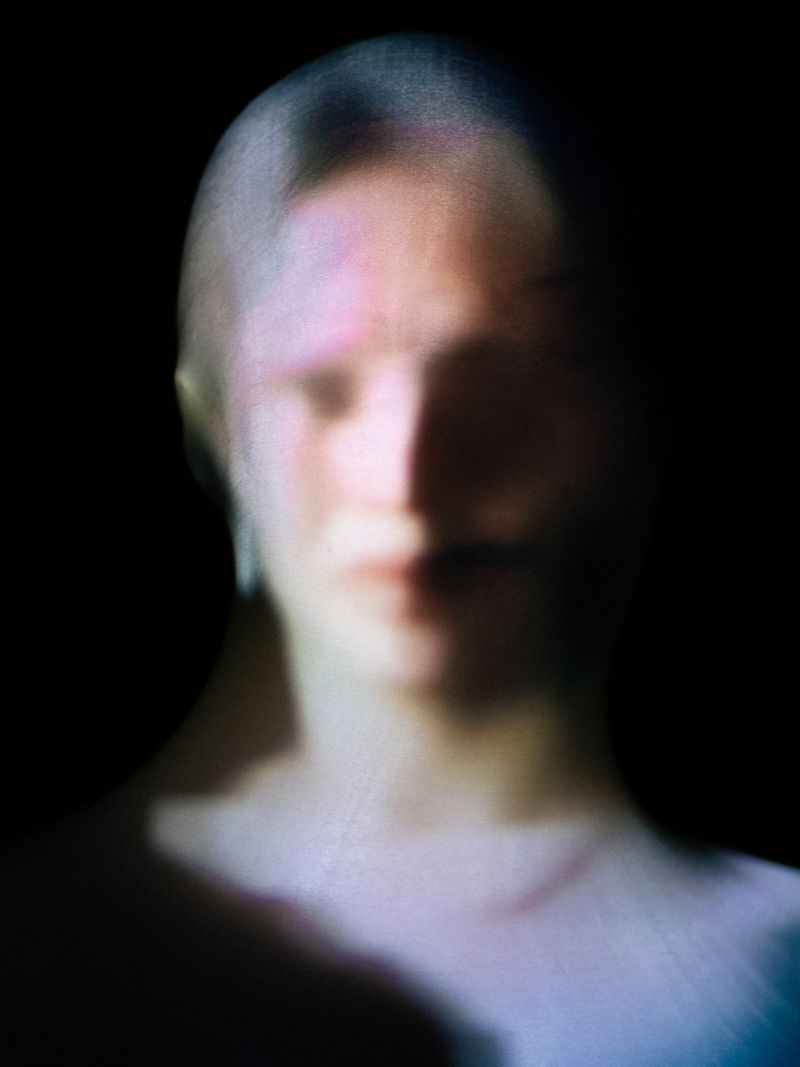
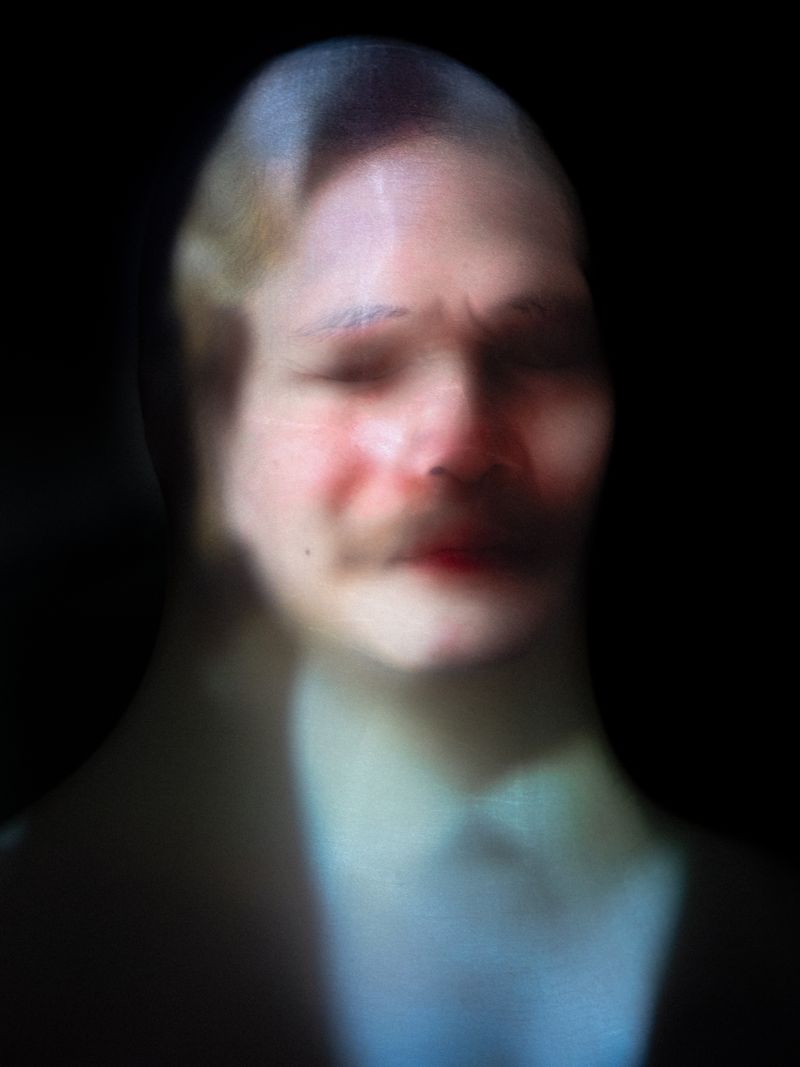
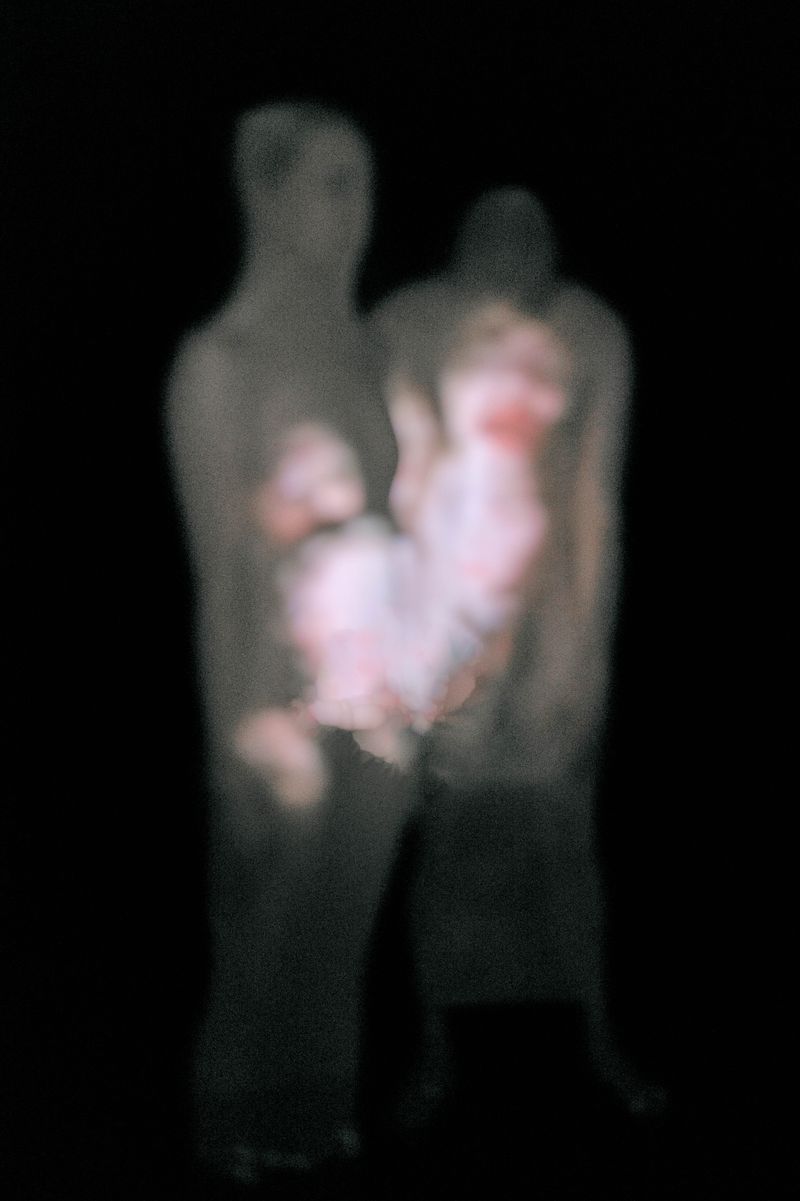
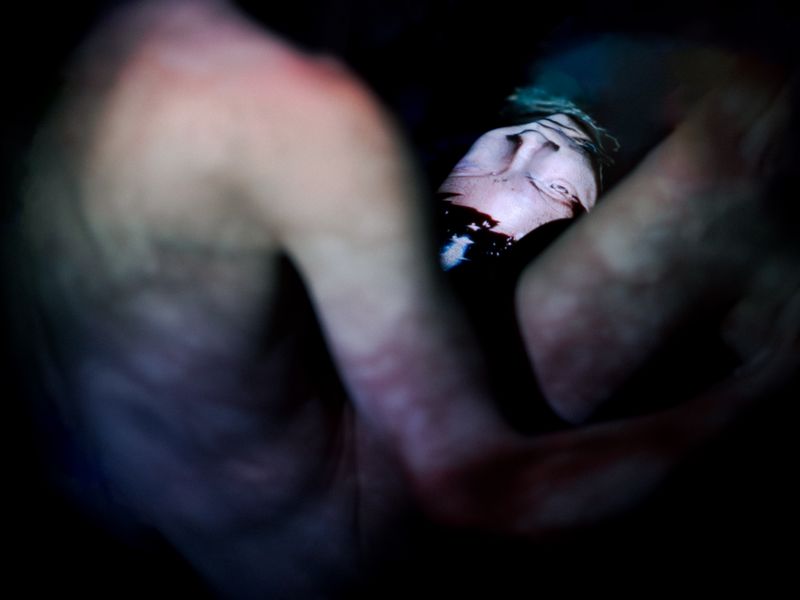
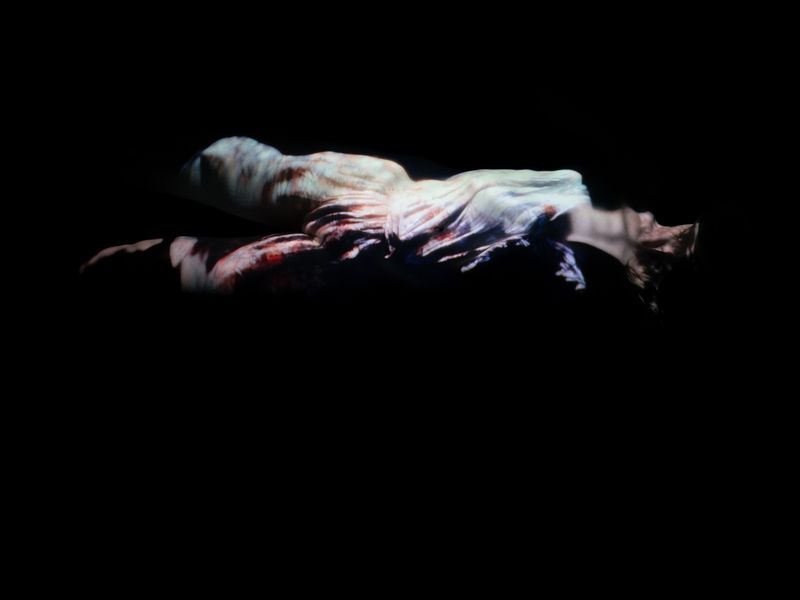
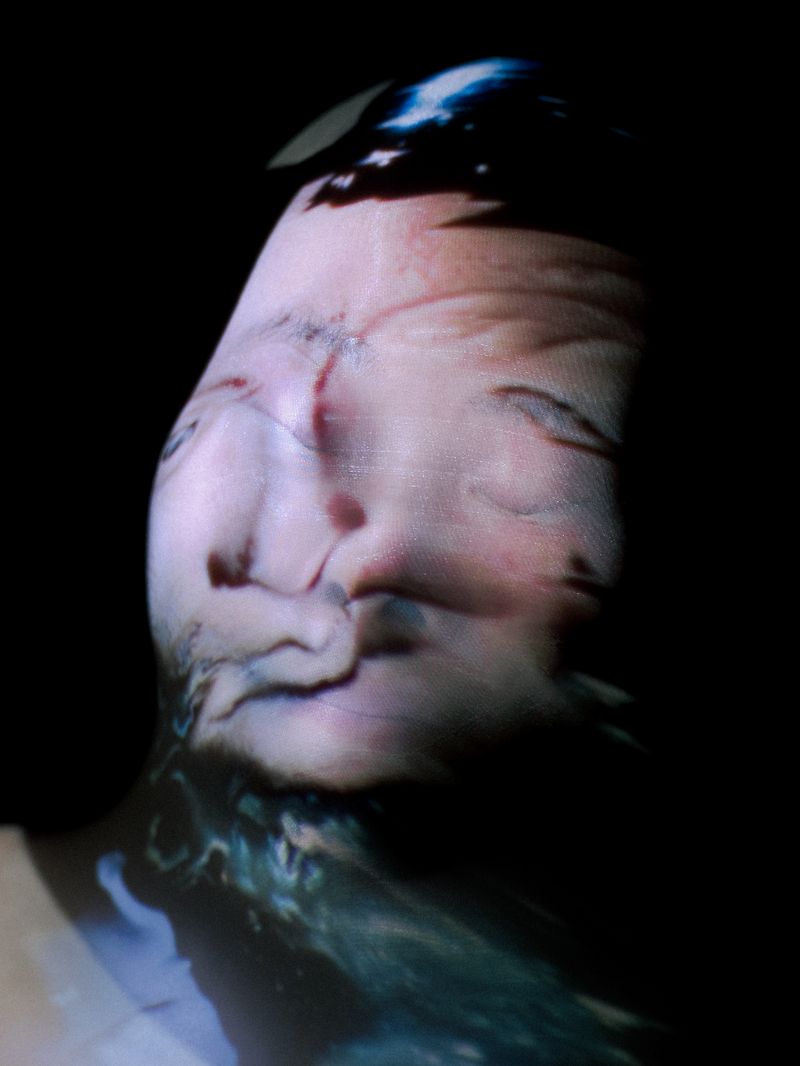
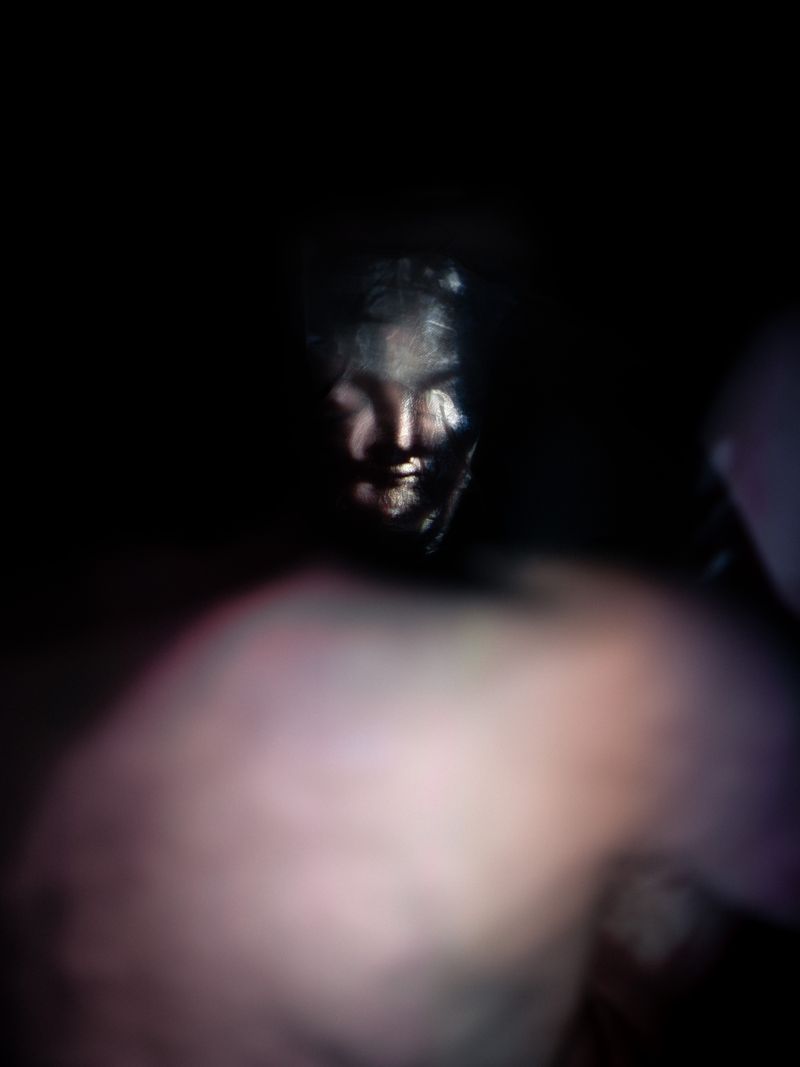
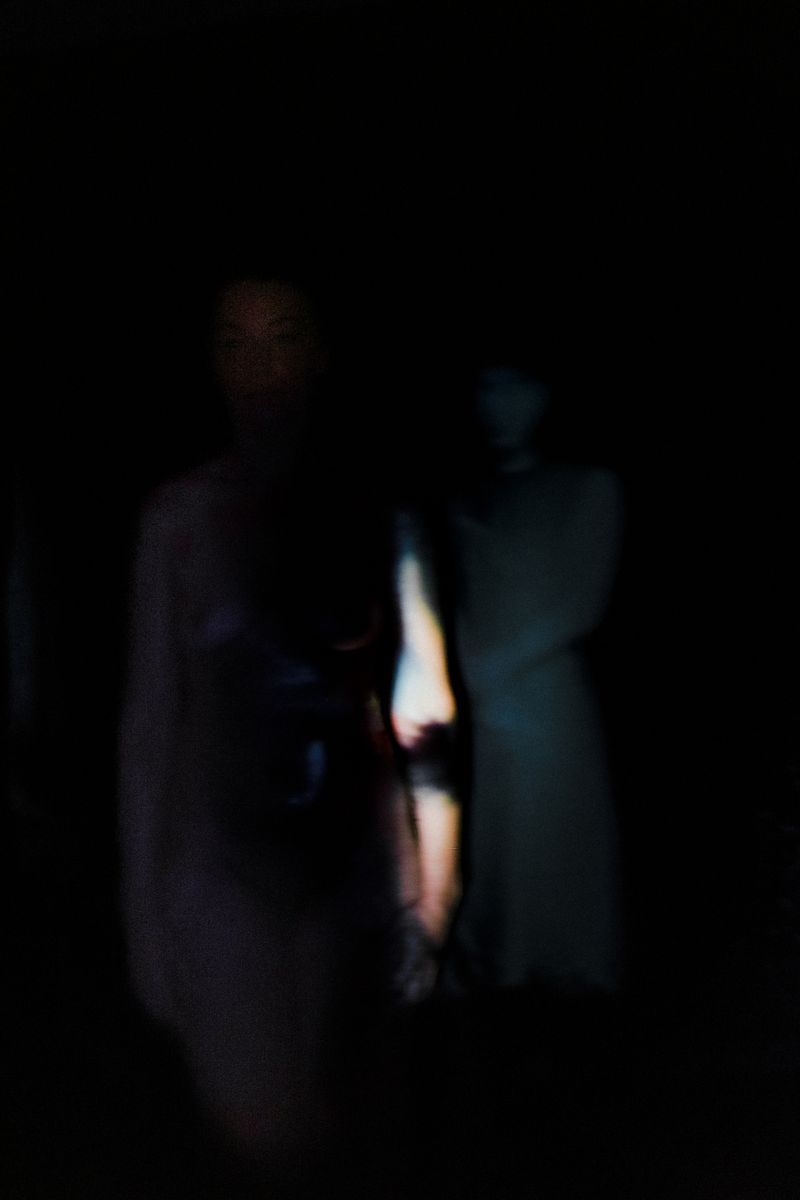
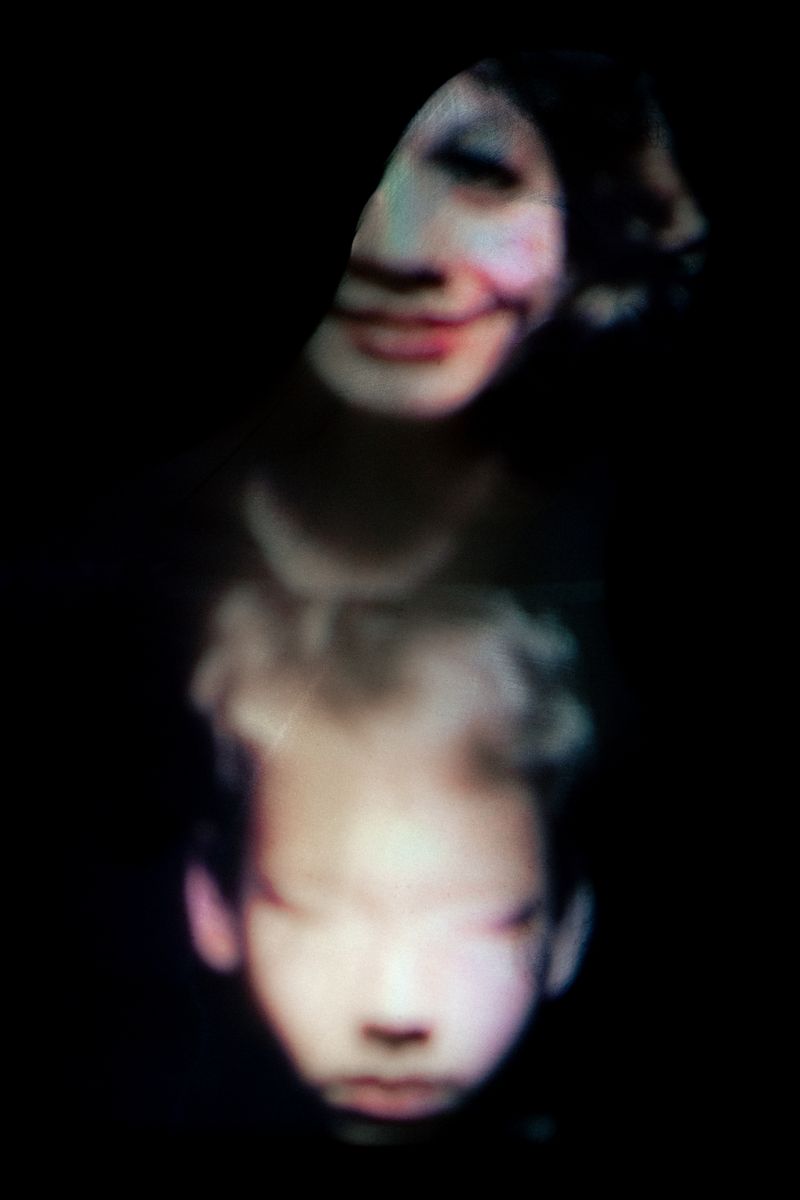
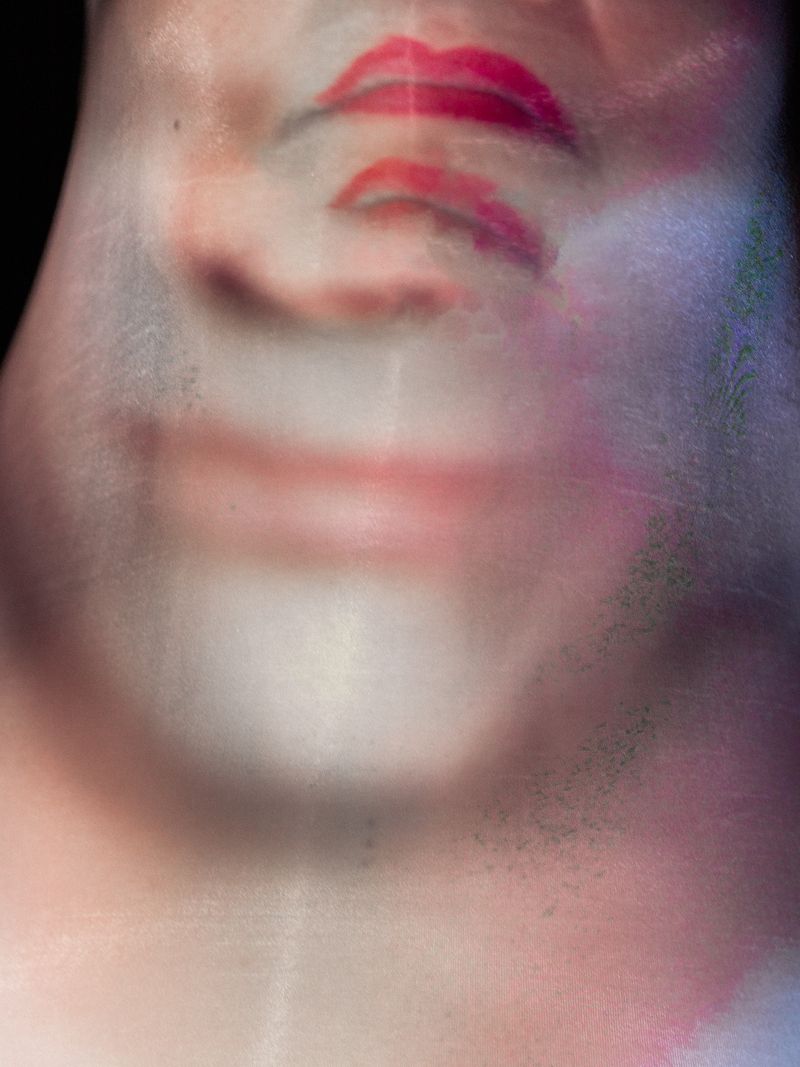
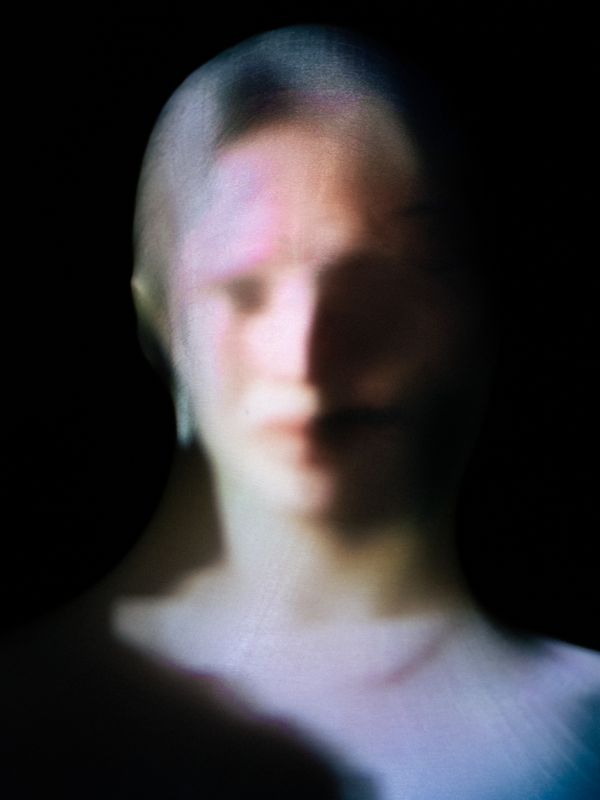
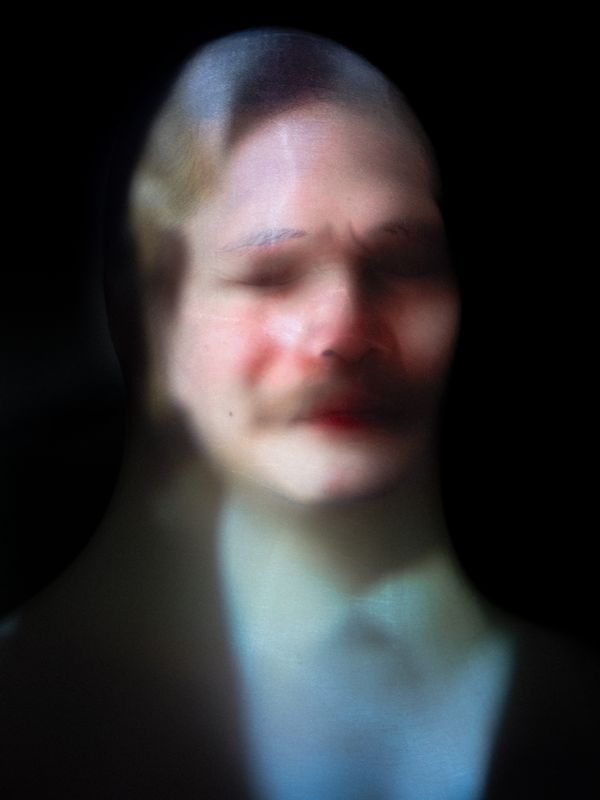
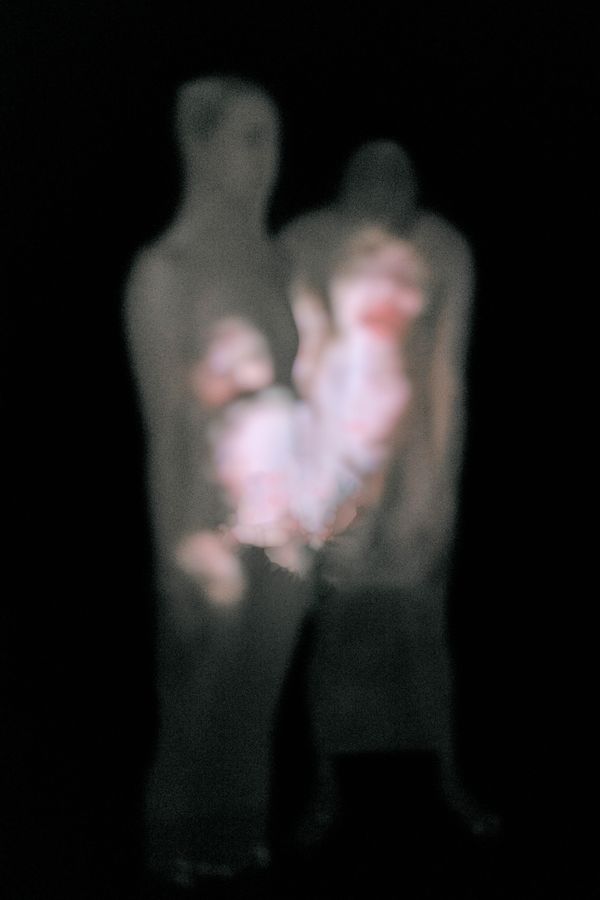
This body of work uses machine-learning software trained on family photographs, ours and our extended families', living and dead, to generate composite descendants. These synthetic figures were projected onto my wife and re-photographed.
My partner and I have chosen not to have children. These photographs occupy that space, an extension of Gen’s, វង្សាវញាណ, 门第 in future tense.
This body of work uses a custom diffusion model trained on family photographs, ours and our extended families', to generate composite descendants. These synthetic figures were projected onto my wife and re-photographed.
By keeping the act of projection material — light, a body, a camera — the work resists the frictionless fantasy of generated imagery. The labour of it becomes a way of sitting with the decision, processing it through the body rather than the mind.
Machine learning is not a neutral observer. Every model carries ontological presuppositions. It already knows what a face is, what a family looks like, what counts as resemblance. To train it on the dead and the living is to expose that logic: the algorithm enumerates, normalises, produces. What it generates is not a child but a category. And yet something exceeds the category. That excess is what these images hold.
These photographs are an archive written in advance: evidence of connection that was never inherited, only generated. To look at them is to rehearse a recognition that has no one to complete it.