Still City
-
Dates2019 - 2024
-
Author
- Locations Shanghai, Beijing
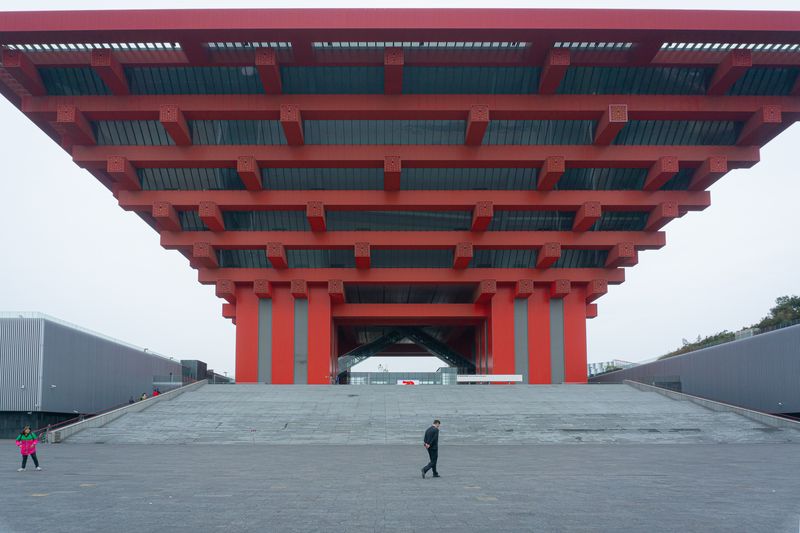
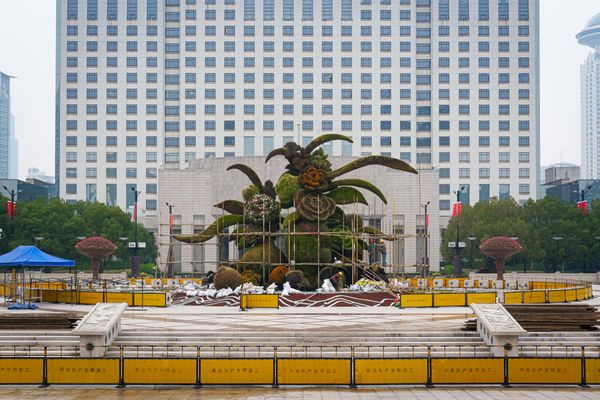
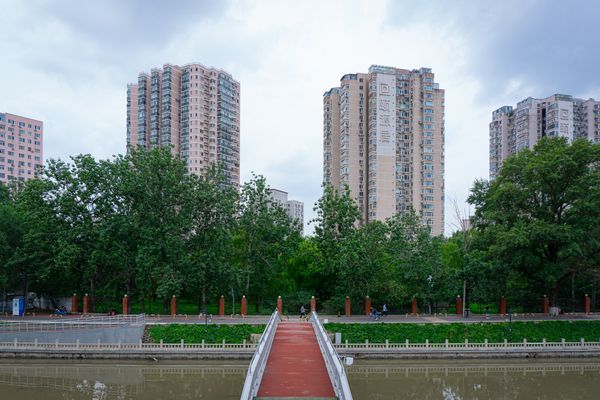
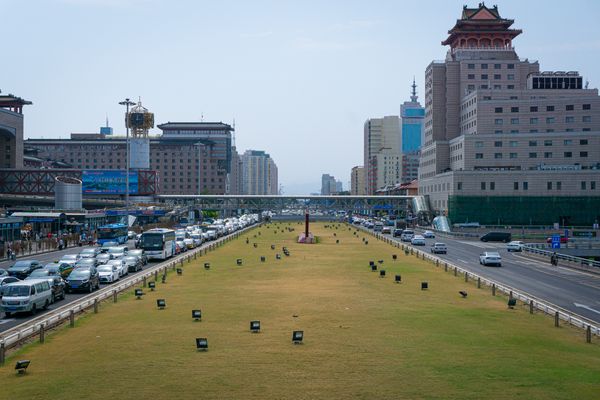
Still City: exploring iconic architecture in Beijing and Shanghai
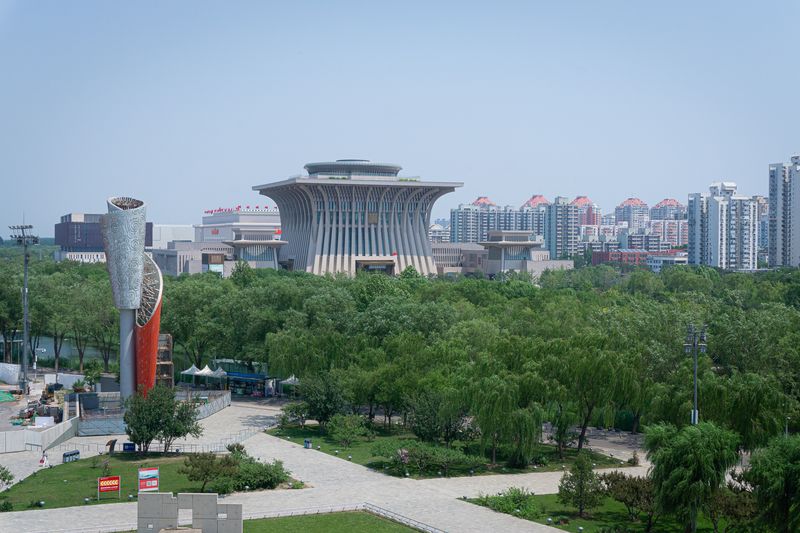
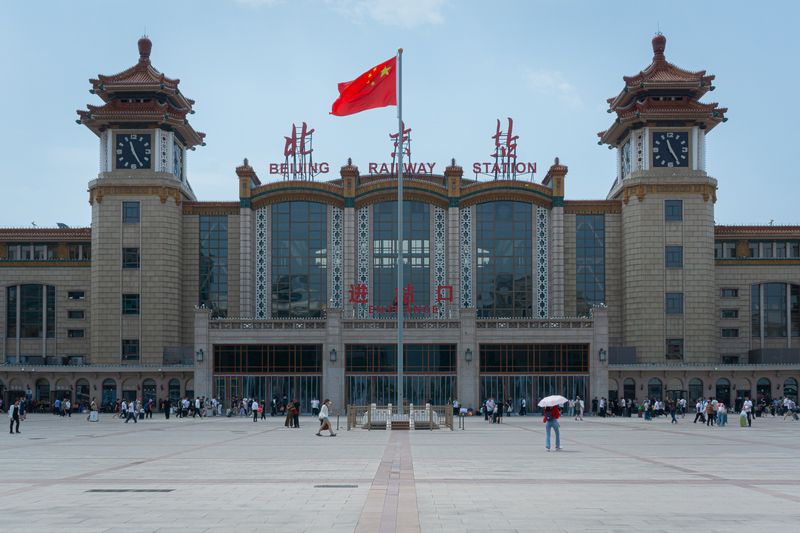
In recent years, China has undergone an unprecedented urban transformation, characterized by rapid development, towering skyscrapers, and sprawling infrastructure. This transformation is most evident in its major cities, each with its unique blend of historical and modern architecture.
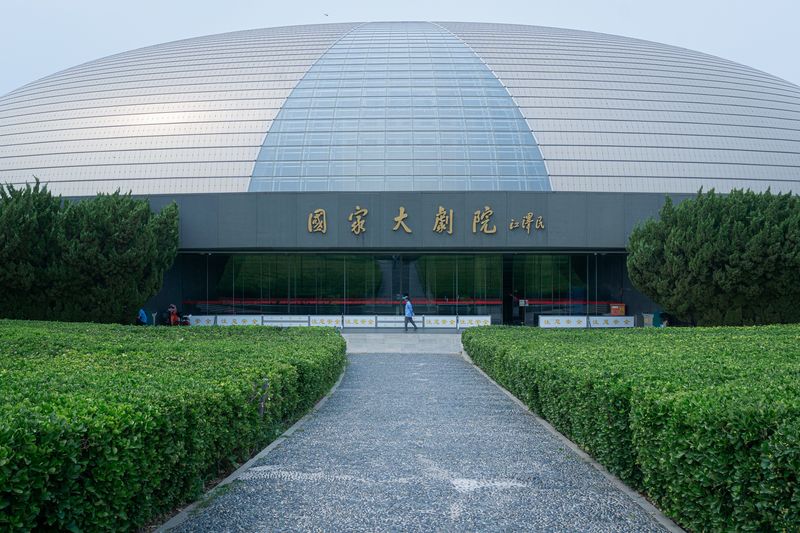
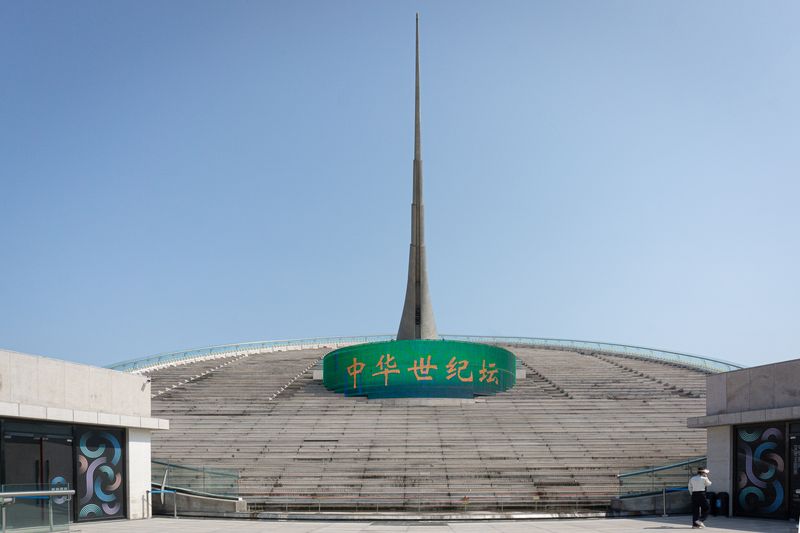
In large cities, there is a push towards the spectacularization of urban transformations, culminating in the iconic architecture of the 2000s aimed at redefining the image and narrative of contemporary China, in response first to global markets and then to the arrival of the 2008 Olympics.
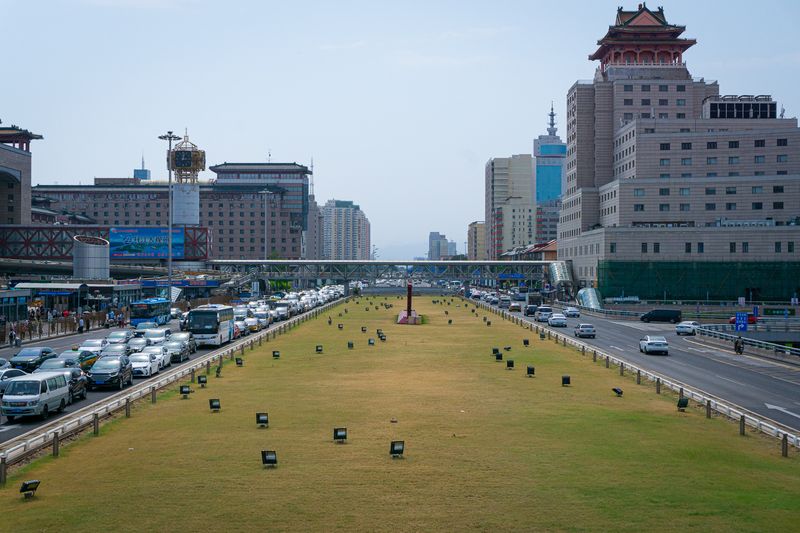
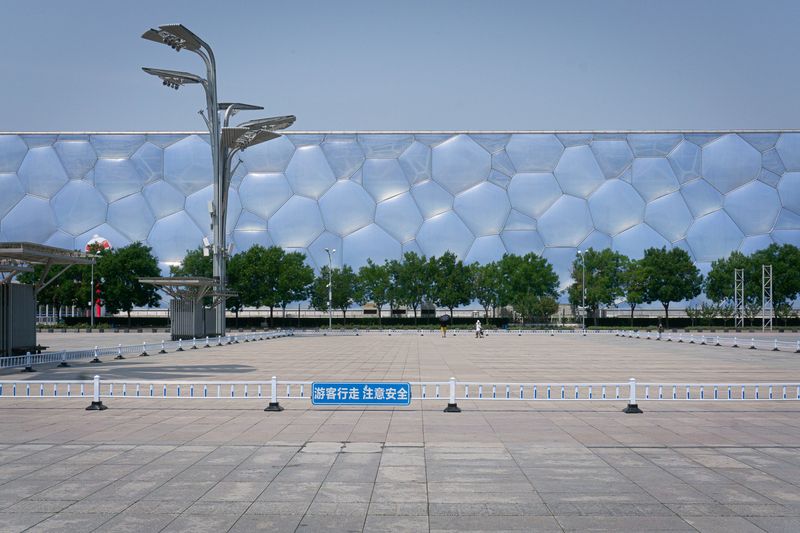
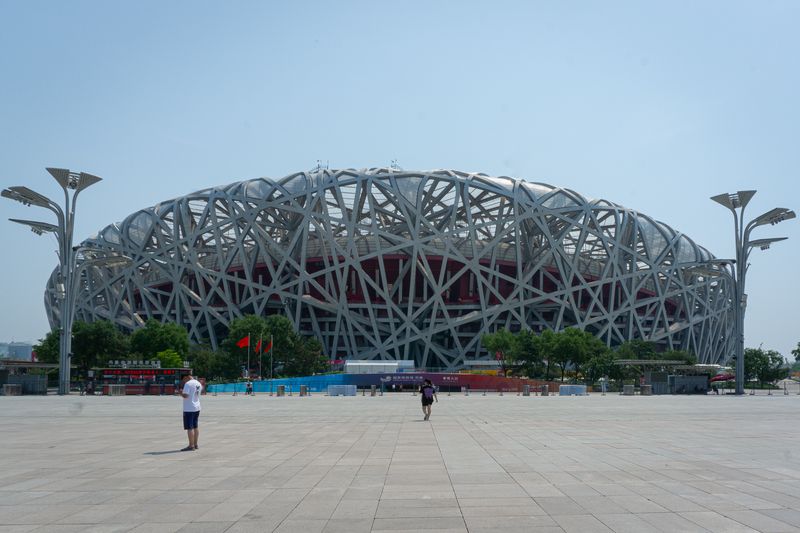
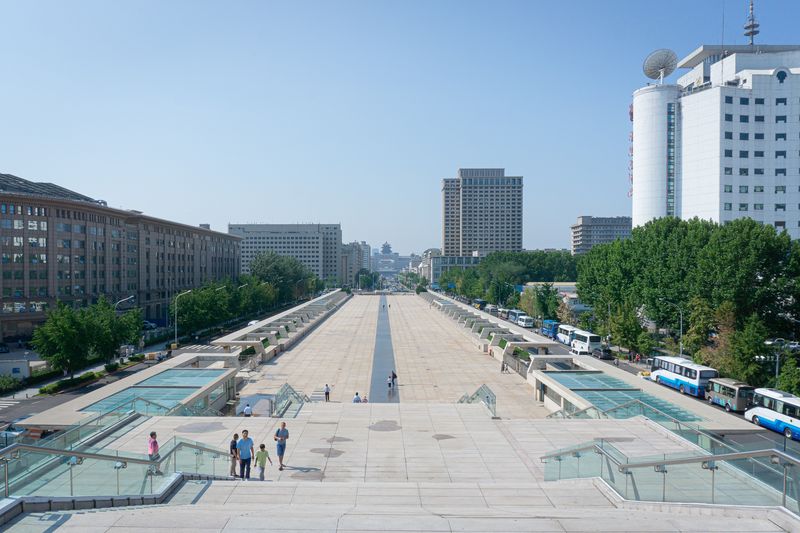
Beijing, the capital, is a prime example of this urban metamorphosis. The city boasts a mix of ancient landmarks alongside modern marvels. The National Aquatics Center (Water Cube) and the National Stadium (Bird’s Nest) in Beijing are examples of this trend. These structures not only serve functional purposes but also symbolize China’s aspirations and achievements on the global stage.
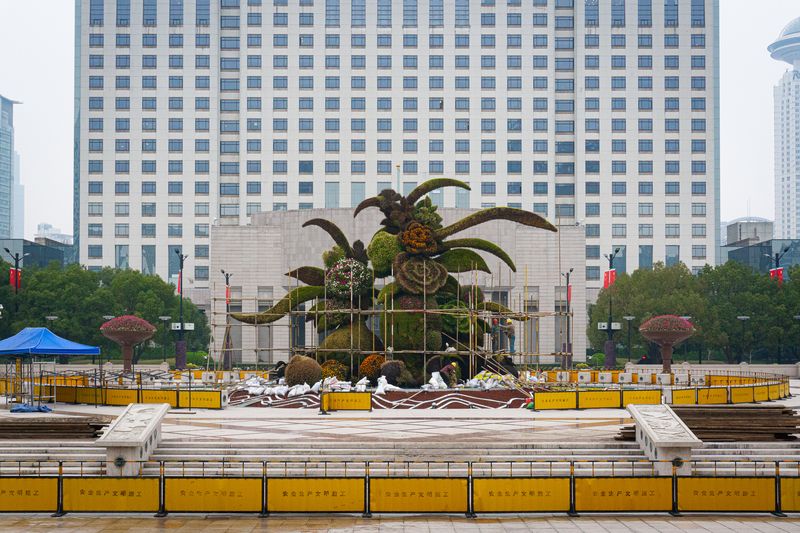
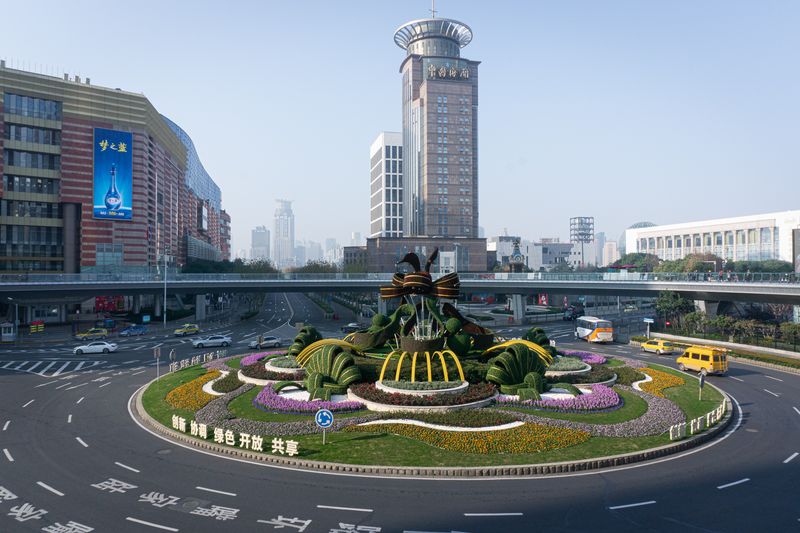
Shanghai is another city that epitomizes China’s rapid urbanization, offering a striking contrast between colonial-era buildings and futuristic skyline. This juxtaposition highlights the city’s historical significance and its role as a financial powerhouse.
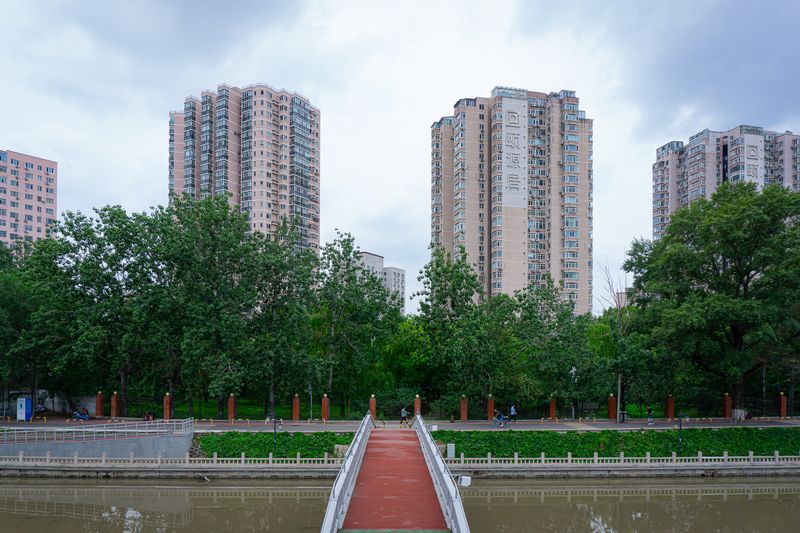
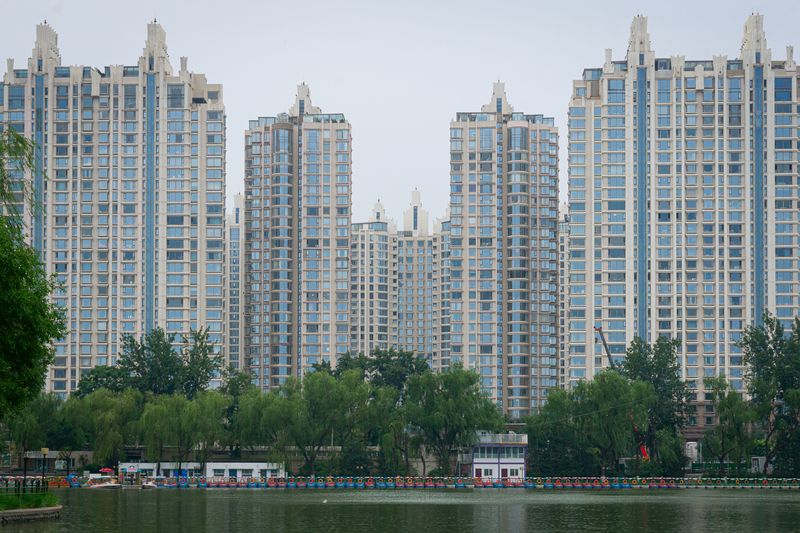
China’s urban transformation is a multifaceted phenomenon. Every building tells a story. Art-deco remnants of pre-communist China stand alongside communist-era apartment blocks, while recent iconic and elegant structures symbolize progress. The architectural diversity is a visual narrative of China’s complex history and its rapid modernization, and not only documents the physical changes but also offers insights into the cultural and social shifts occurring in contemporary China.