Sprouts and Skins (German title: Vorwiegend festkochend)
Exploring everyday phenomena can reveal a vast world of history, science and future plans for humanity, such as living on Mars. It was the potato that sparked my curiosity, leading me on a journey of discovery about human beliefs.

Although originating in South America, the potato is, peculiarly, closely linked to German identity. Inconspicuous, misshapen, and underestimated, Solanum tuberosum interested me for these very qualities. So I set out to research this tuber, and to put it in the frame. 

Over the course of one year, I collected beetles from its leaves, buried rolls of film in its soil, planted my own patch of potatoes, and visited the fastest peeler in the country. I have repeatedly boiled, fried, and eaten potatoes.
My investigation took me to the harvester, laboratory, gene bank, greenhouse, and barn – but also to the georesearch centre and phytopathological collection, a king's grave, and my home village.

I now realise the potato has not only shaped world history, it also has great plans for the future and will – perhaps, perhaps – one day even thrive on Mars.

© Theresa Wißmann - Image from the Sprouts and Skins (German title: Vorwiegend festkochend) photography project
i

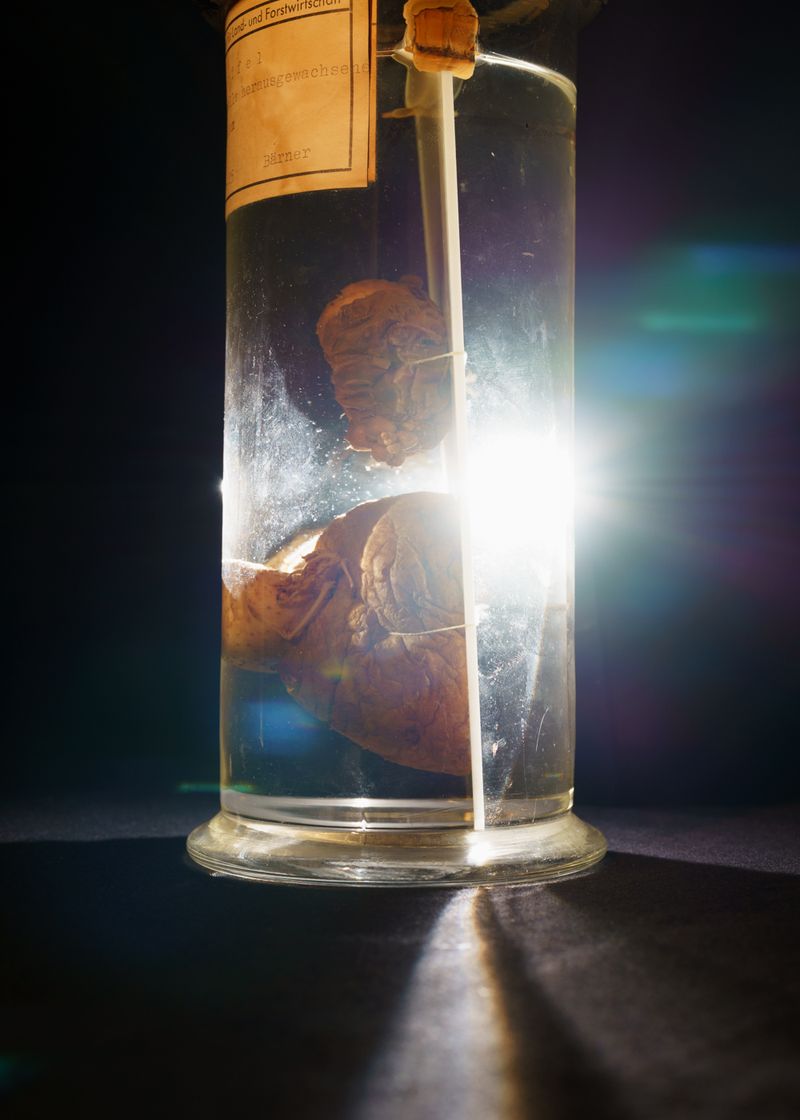
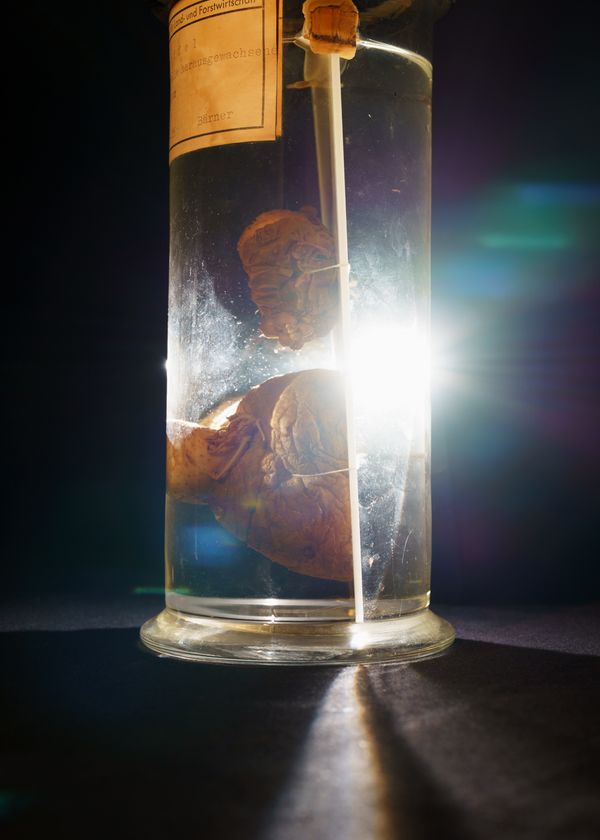
Wet preserved specimen from the phytopathological collection of the Julius KühnInstitute – Federal Research Institute for Crops. Quedlinburg, 03/2025. Label: ‘Potato. Young tubers grown from the mother tuber. Berlin-Dahlem, 9 November 1933.’

© Theresa Wißmann - Image from the Sprouts and Skins (German title: Vorwiegend festkochend) photography project
i

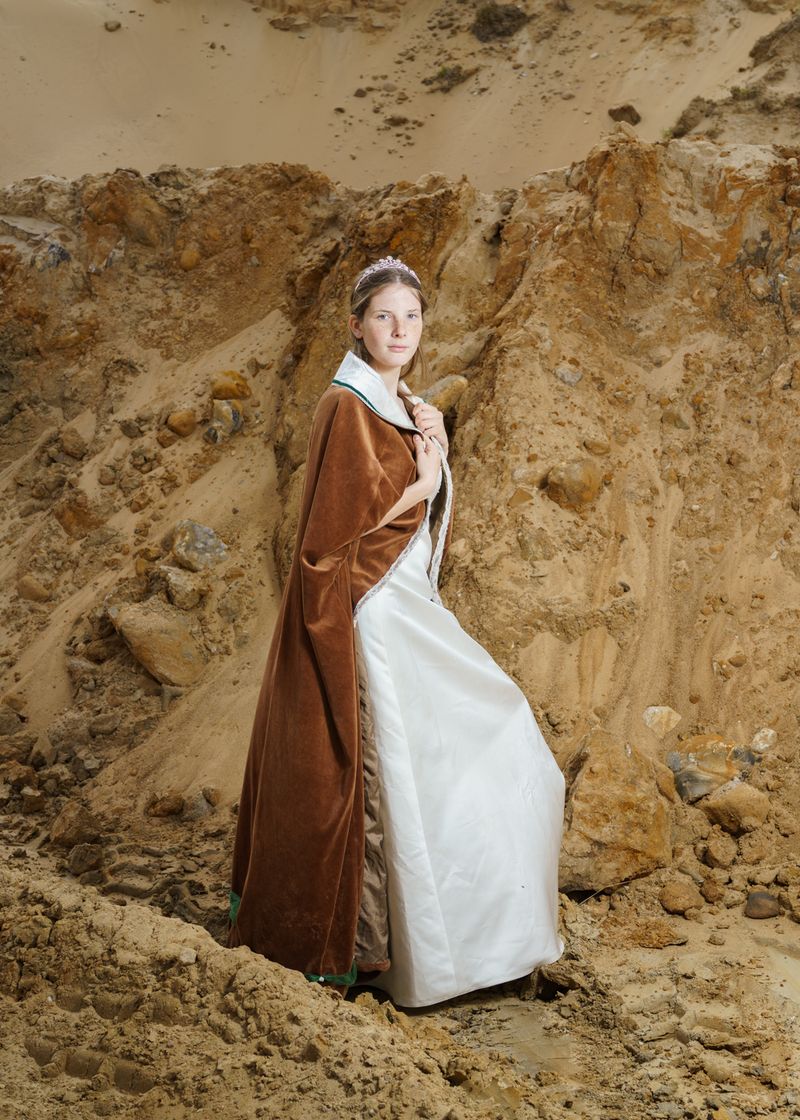
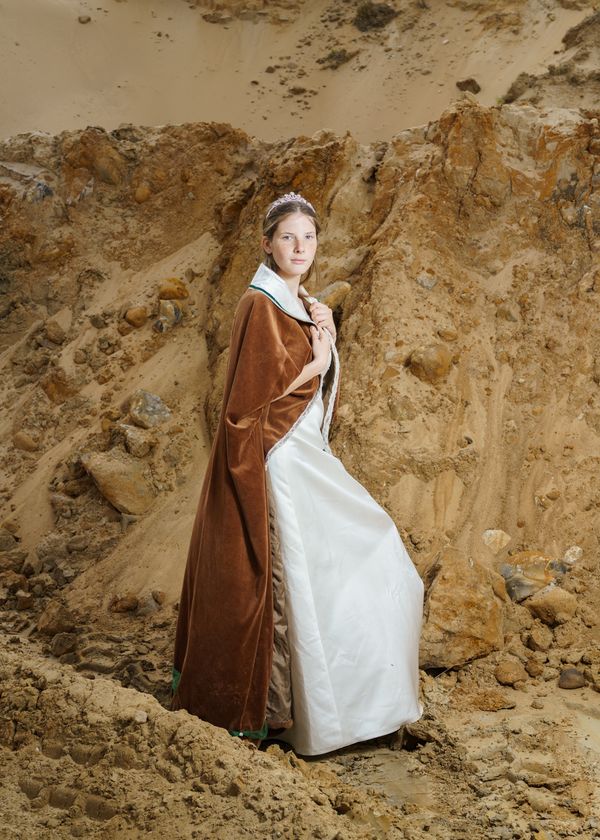
Heath Potato Queen Paula Biel. Lüneburg Heath, Uelzen district, 04/2025In Germany, there is a tradition of young women dressed as harvest and produce queens at festivities.

© Theresa Wißmann - Image from the Sprouts and Skins (German title: Vorwiegend festkochend) photography project
i

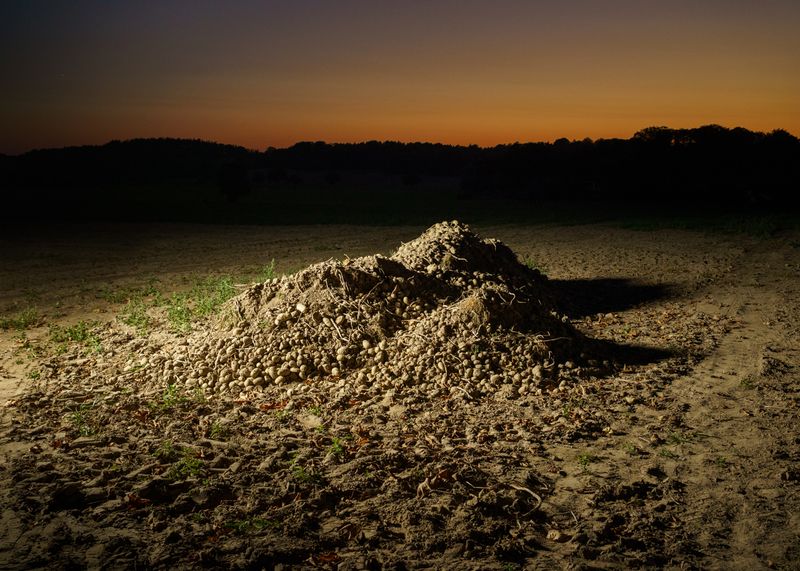
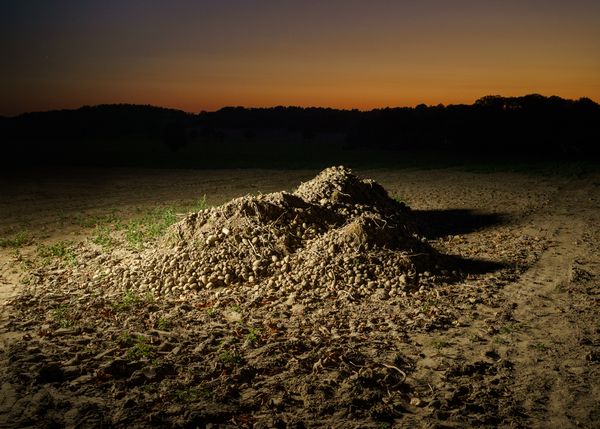
Piles of stones. During the potato harvest, stones are dug out of the ground along with the potatoes and sorted by workers on the harvester. Oldendorf, 09/2024

© Theresa Wißmann - Potato sacks. Varendorf, 02/2025
i

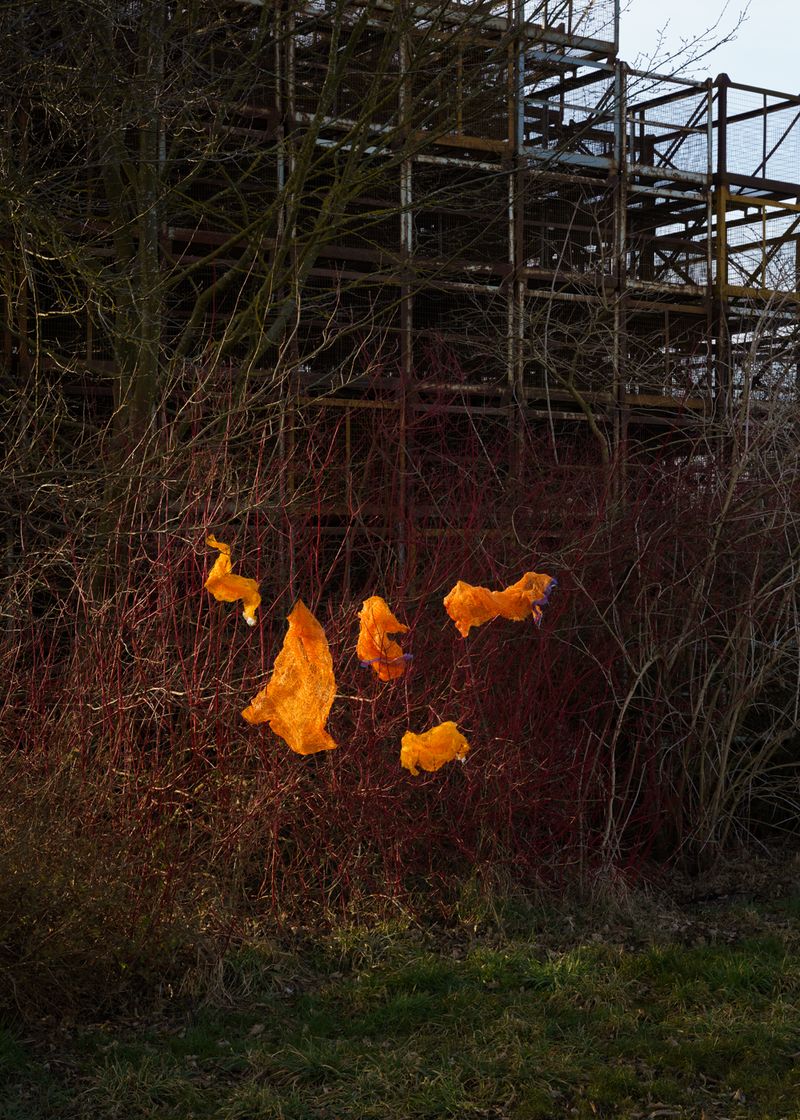
Potato sacks. Varendorf, 02/2025

© Theresa Wißmann - Image from the Sprouts and Skins (German title: Vorwiegend festkochend) photography project
i

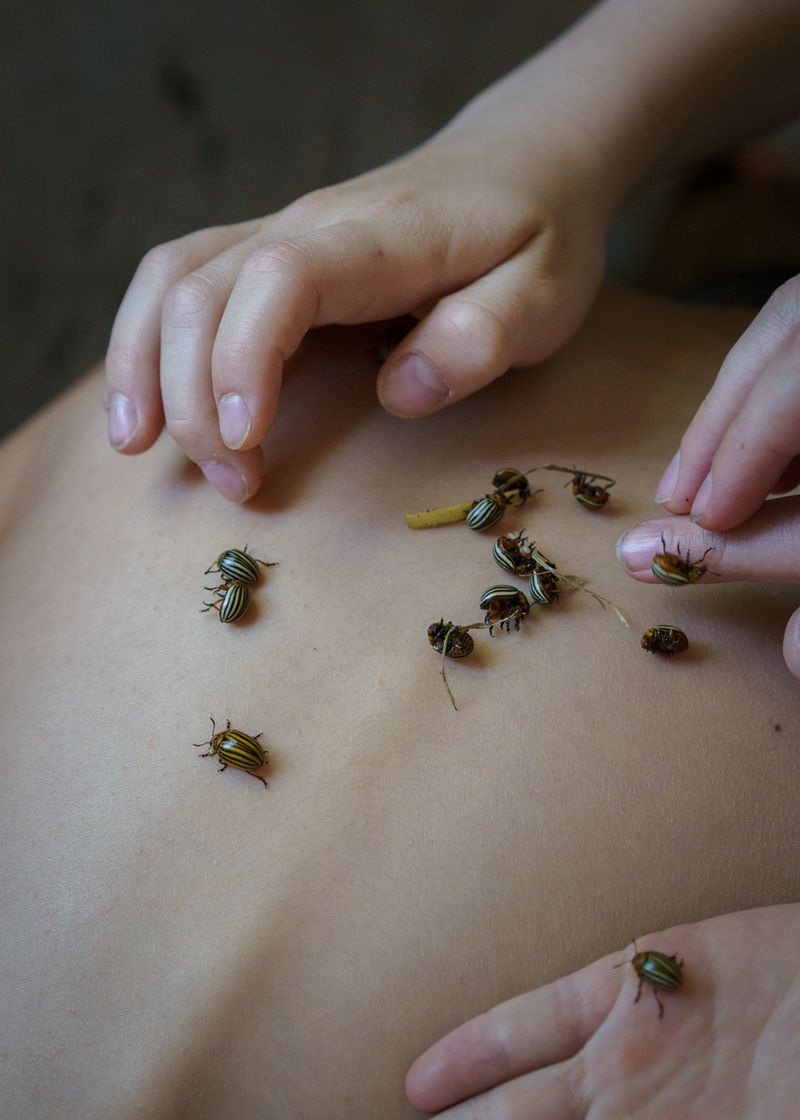
Colorado potato beetles (Leptinotarsa decemlineata) are among the most significant pests affecting potatoes. Initially believed to originate in Colorado, the beetle became the subject of propaganda conspiracy theories during World War II and in the German Democratic Republic, which claimed that the enemy was using Colorado beetles as biological weapons, dropping them from planes. Varendorf, 08/2024

© Theresa Wißmann - Potato warehouse of a potato breeding company. Sanitz, 02/2025
i

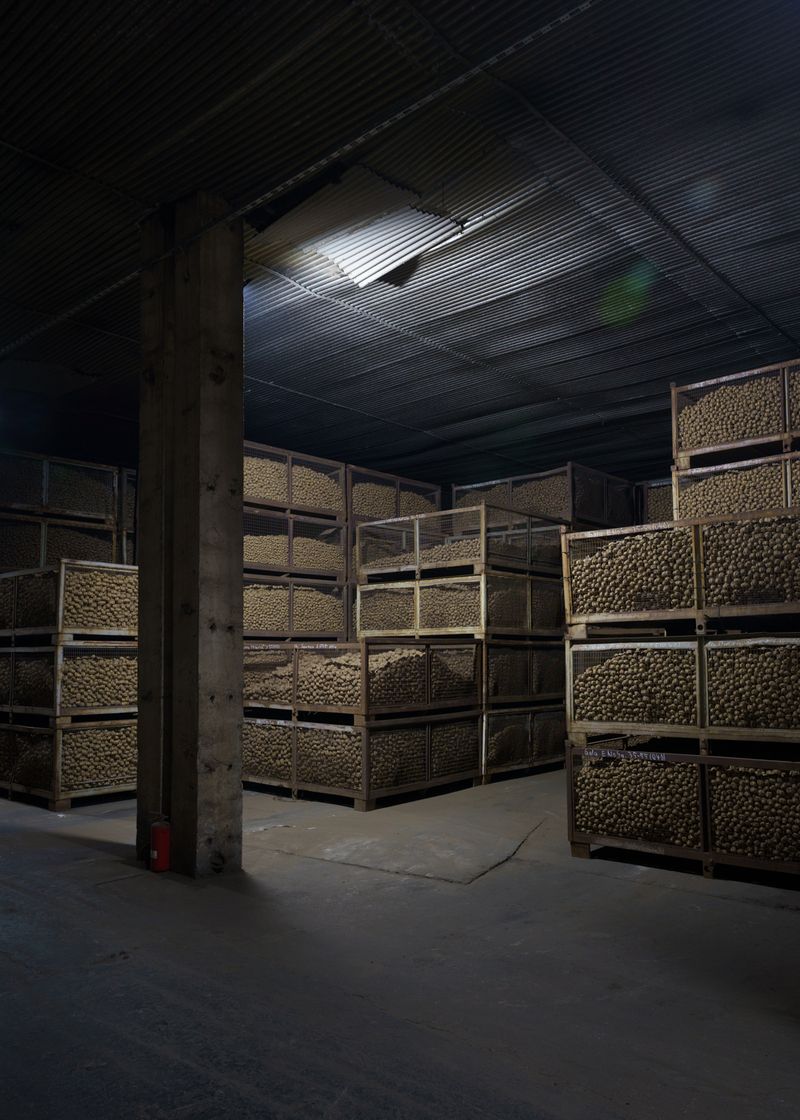
Potato warehouse of a potato breeding company. Sanitz, 02/2025

© Theresa Wißmann - Image from the Sprouts and Skins (German title: Vorwiegend festkochend) photography project
i

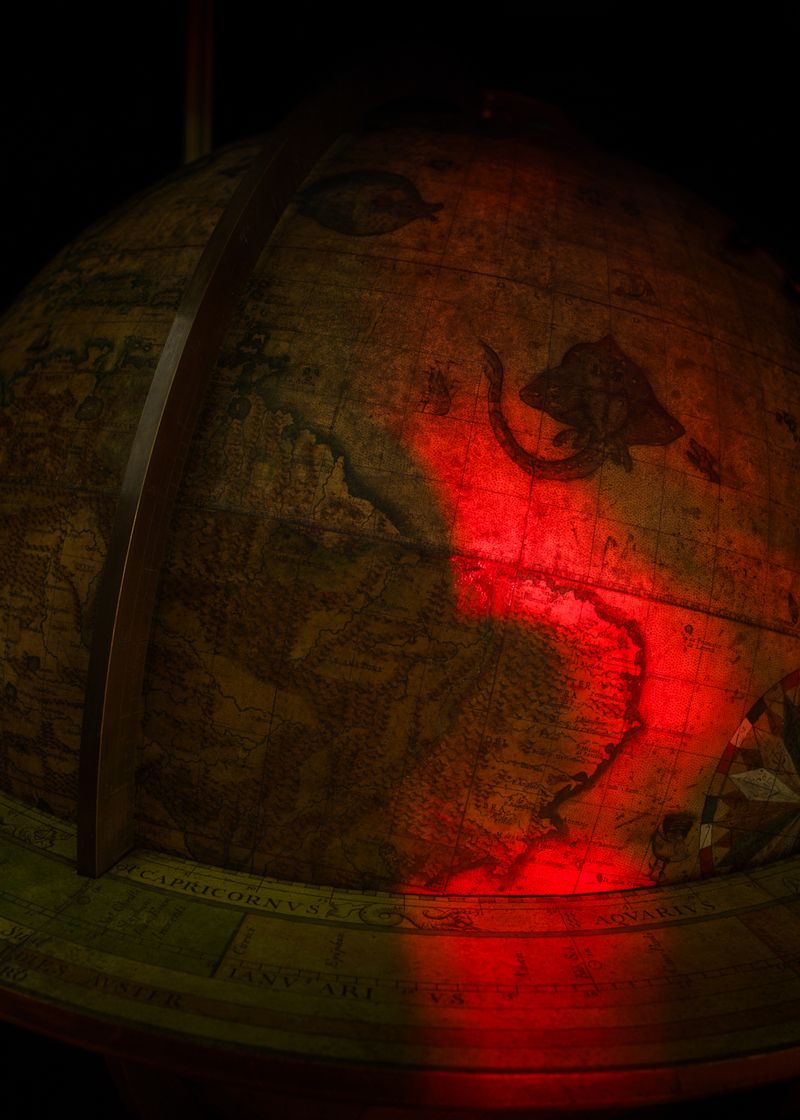
Globe by the Santo brothers, ca. 1575. Created around the time the potato was introduced to Europe. Berlin State Library, Berlin 06/2025

© Theresa Wißmann - Image from the Sprouts and Skins (German title: Vorwiegend festkochend) photography project
i

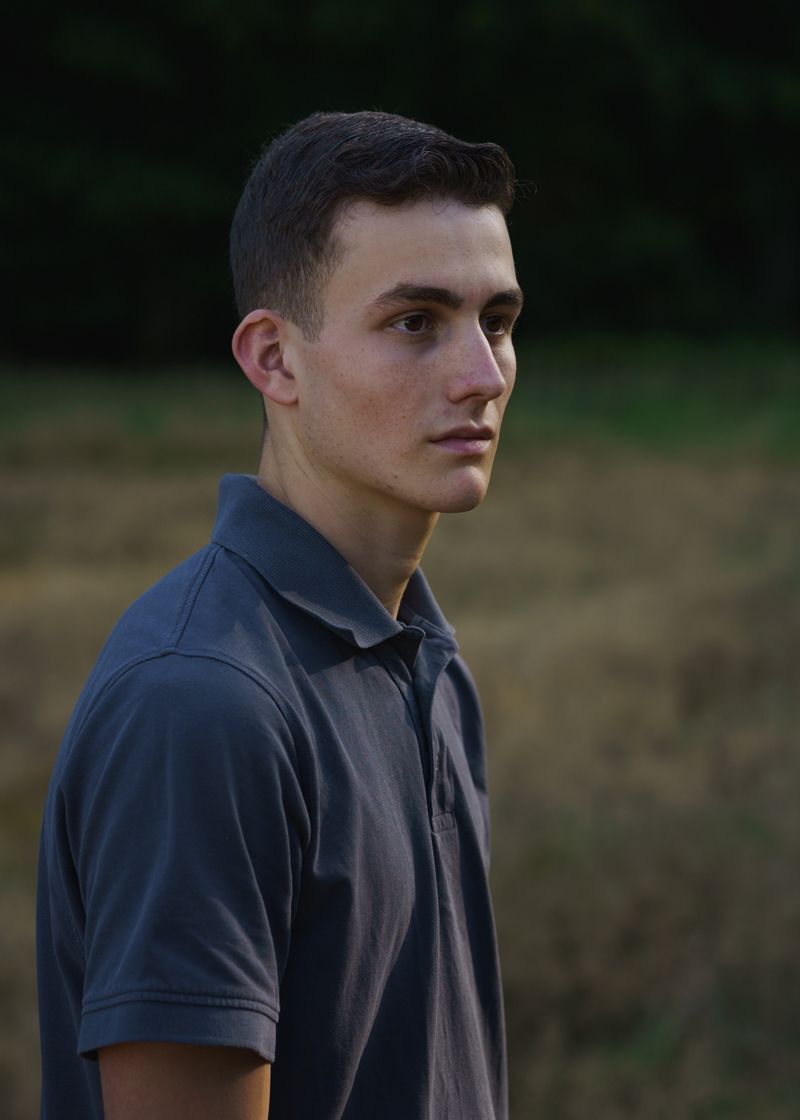
Mattes Schröder, apprentice on a farm in Varendorf, Lower Saxony. According to local farmers, this area has the best potato soil, far and wide. Grünhagen, 09/2024

© Theresa Wißmann - Image from the Sprouts and Skins (German title: Vorwiegend festkochend) photography project
i

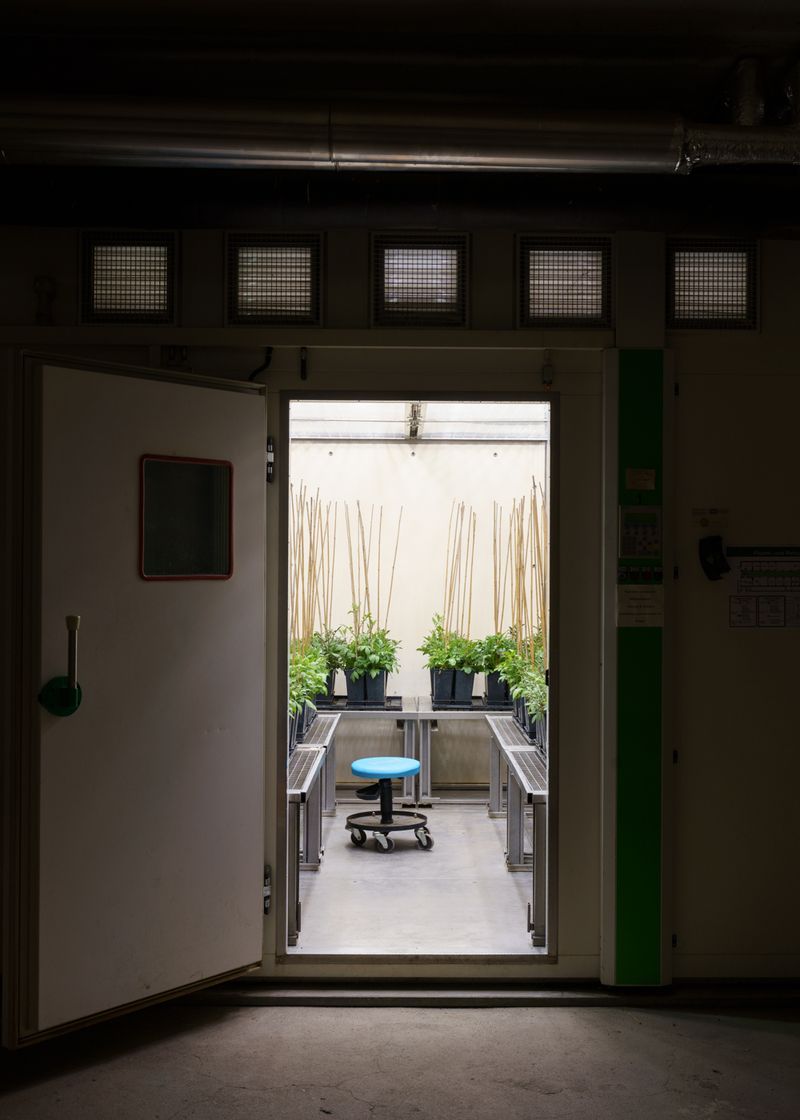
Climate chamber. At the Julius Kühn-Institut – Bundesforschungsinstitut für Kulturpflanzen (JKI) in Groß Lüsewitz, various potato varieties and their characteristics are researched under specific conditions. Light intensity, temperature and humidity can be varied in these chambers. Groß Lüsewitz, 02/2025

© Theresa Wißmann - Image from the Sprouts and Skins (German title: Vorwiegend festkochend) photography project
i

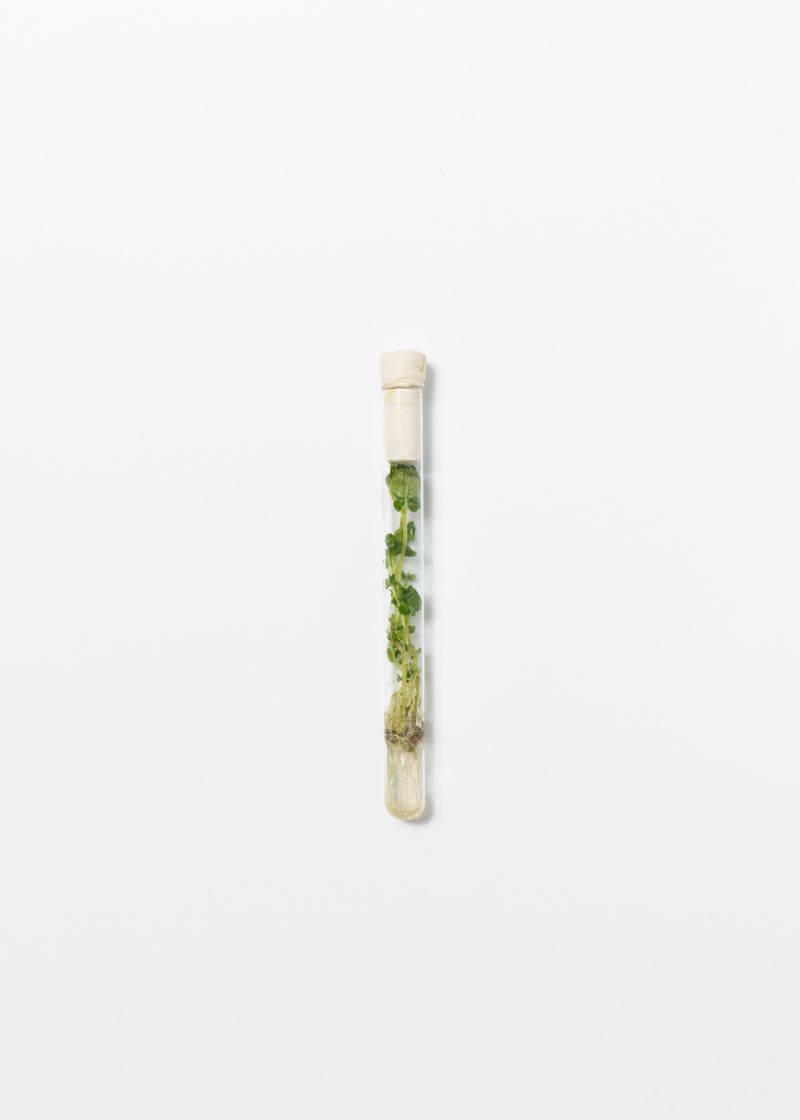
Tiny potato plants grow in test tubes in the meristem cultures of the potato gene bank at the Leibniz Institute of Plant Genetics and Crop Plant Research. Meristem tissue is isolated and cultivated in a sterile nutrient medium. This culture can be used to grow healthy plant offspring, even if the plants are infected with viruses or vascular parasites. Groß Lüsewitz, 02/2025

© Theresa Wißmann - Image from the Sprouts and Skins (German title: Vorwiegend festkochend) photography project
i

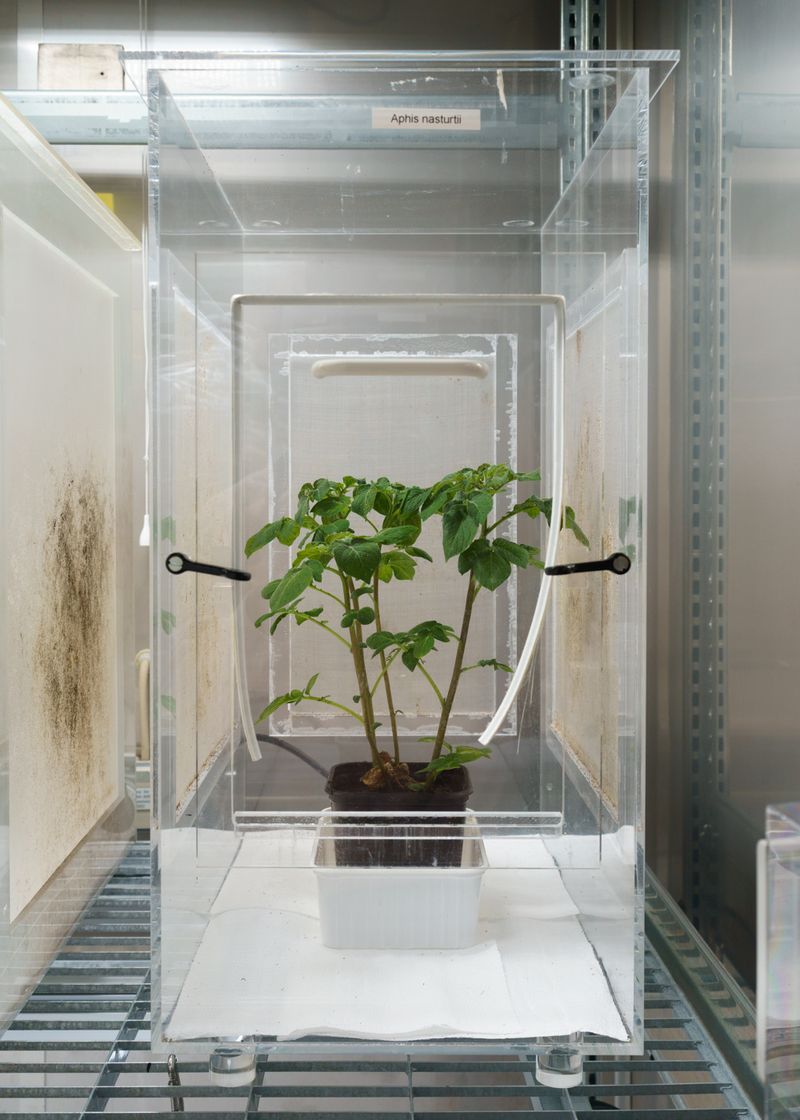
Potato plant infested with Aphis nasturtii in the test laboratory of the Julius Kühn Institute in Braunschweig. Various species are being researched as carriers of viral diseases. Braunschweig, 06/2025

© Theresa Wißmann - Image from the Sprouts and Skins (German title: Vorwiegend festkochend) photography project
i

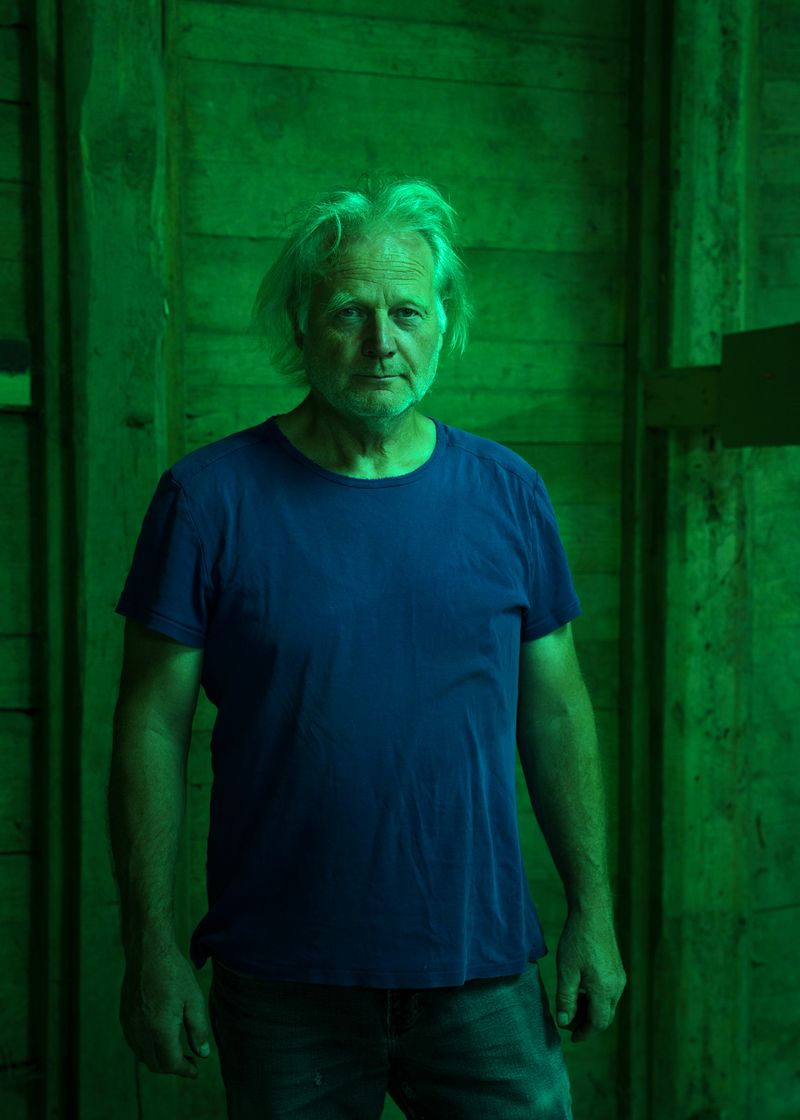
The “Saviour of Linda.” Karsten Ellenberg, organic farmer from the Lüneburg Heath, played a decisive role in saving the popular Linda potato variety. In 2005, the breeding company Europlant removed it from the seed list because, after 30 years on the market, licence fees could no longer be charged. In protest, a number of farmers formed the “Save the Linda” group and applied for re-approval. 2025

© Theresa Wißmann - Image from the Sprouts and Skins (German title: Vorwiegend festkochend) photography project
i

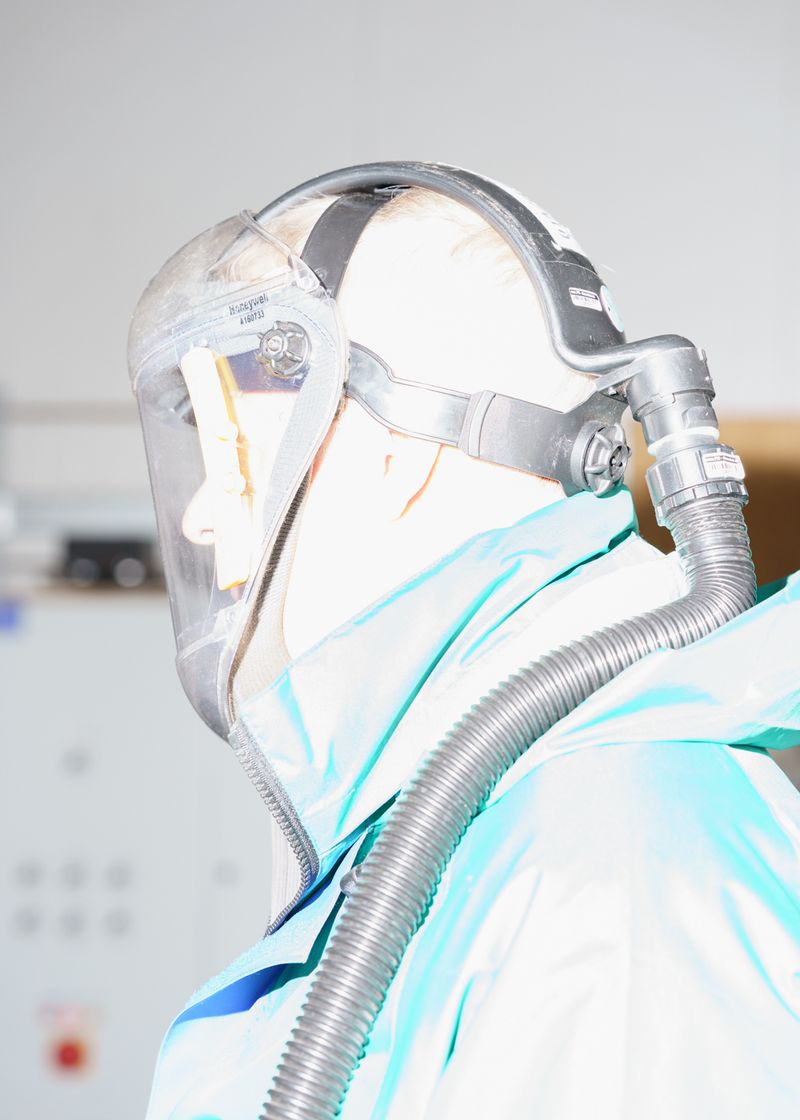
Burkhard Wulf from the Dethlingen Research Station wearing protective clothing during an experiment with germ inhibitors. Various agents are being tested here that may promote longer dormancy during potato storage. Dethlingen, 04/2025

© Theresa Wißmann - Image from the Sprouts and Skins (German title: Vorwiegend festkochend) photography project
i

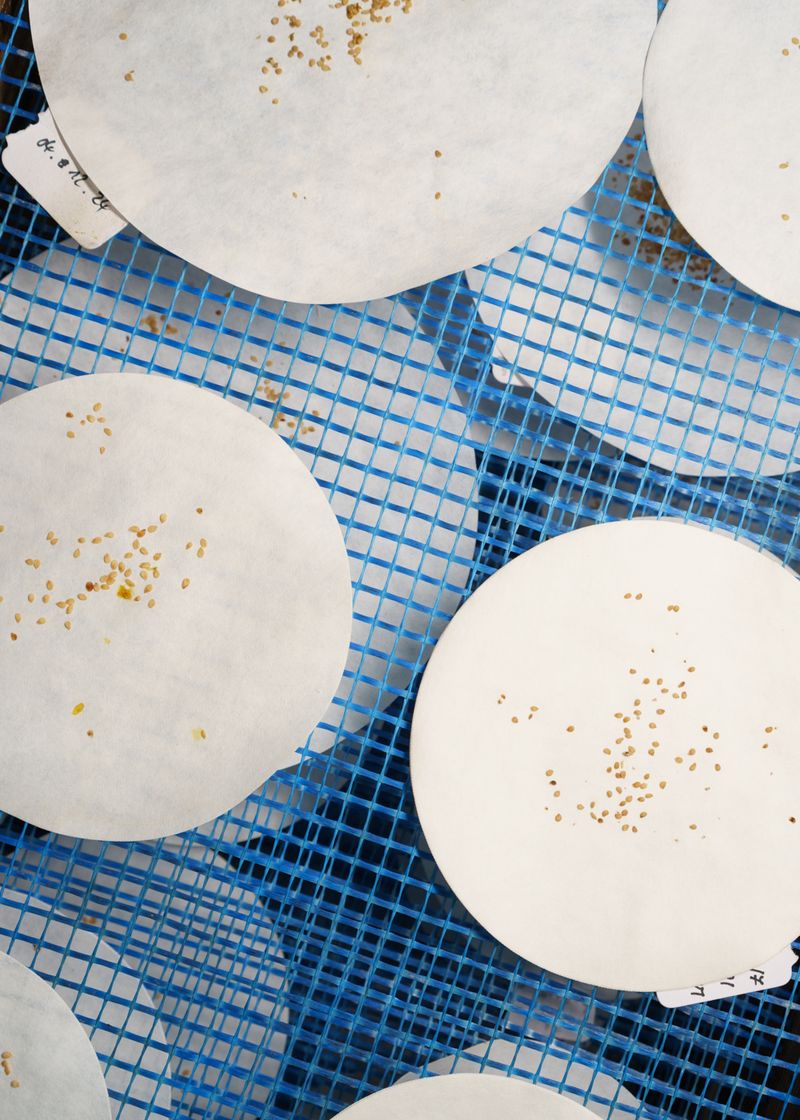
Germination tests on seeds from various wild potato species at the Julius KühnInstitute in Groß Lüsewitz. Researchers are investigating which wild potatoes have potentially useful properties, such as drought resistance or resistance to late blight. Groß Lüsewitz, 02/2025

© Theresa Wißmann - Image from the Sprouts and Skins (German title: Vorwiegend festkochend) photography project
i

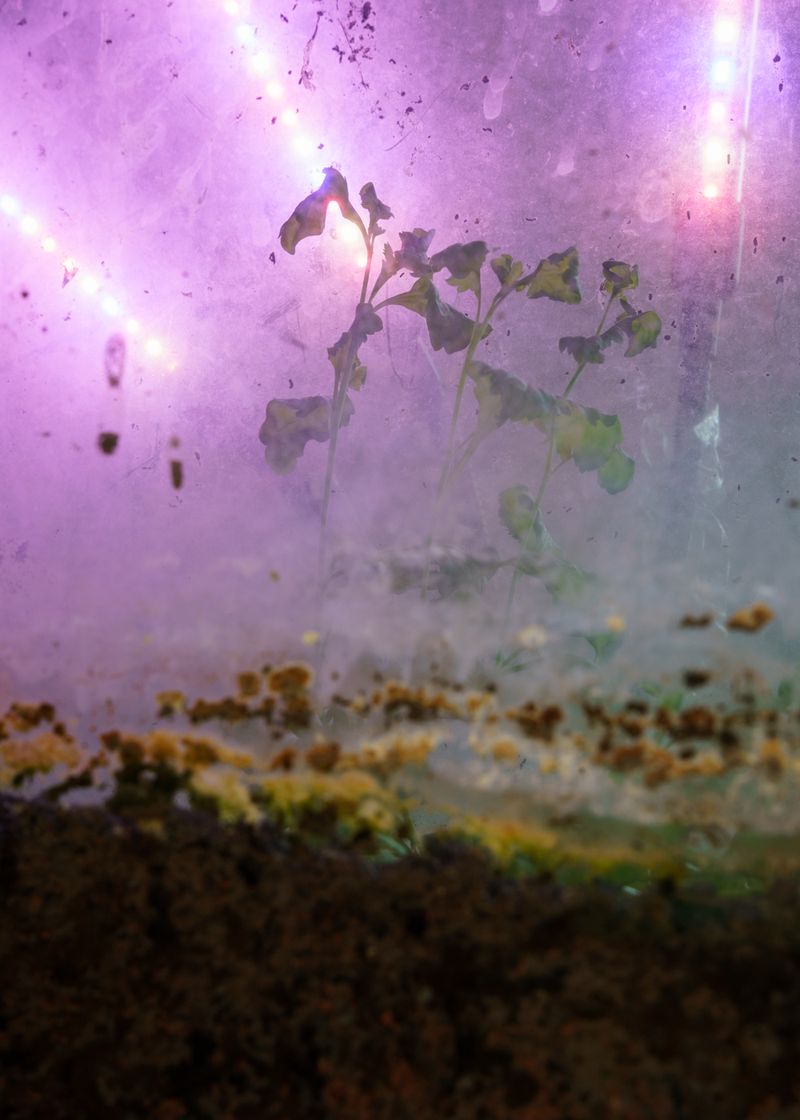
Earthworms have been living in a terrarium filled with Martian soil simulate at Wageningen University & Research Centre for six years. Researchers are investigating how the worms can improve this nutrient-poor soil, which also is contaminated with heavy metals and salts, and help the watercress growing on it to thrive. Wageningen /Netherlands, 08/2025

© Theresa Wißmann - Image from the Sprouts and Skins (German title: Vorwiegend festkochend) photography project
i

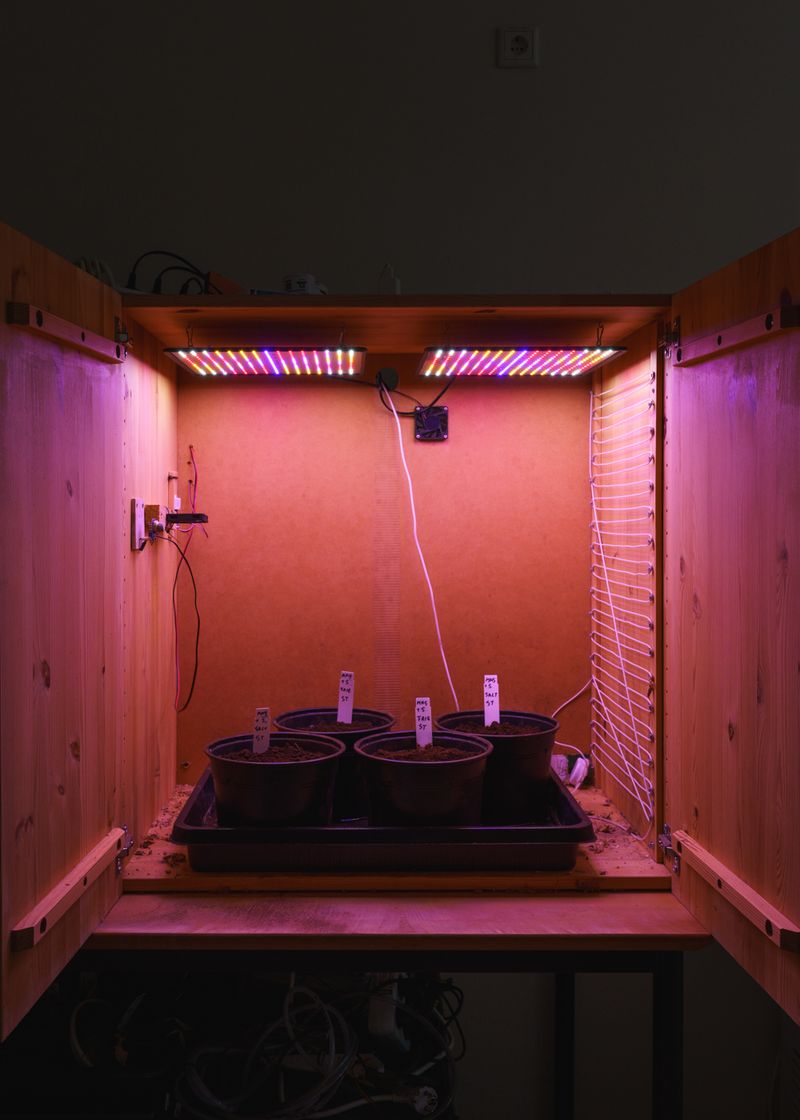
Potatoes are planted at Wageningen University & Research Centre under controlled conditions of light, humidity and temperature in simulated Martian soil. Researchers here are investigating whether potatoes can grow on Mars or the Moon and feed astronauts in the future. Wageningen, Netherlands, 08/2025

© Theresa Wißmann - Image from the Sprouts and Skins (German title: Vorwiegend festkochend) photography project
i

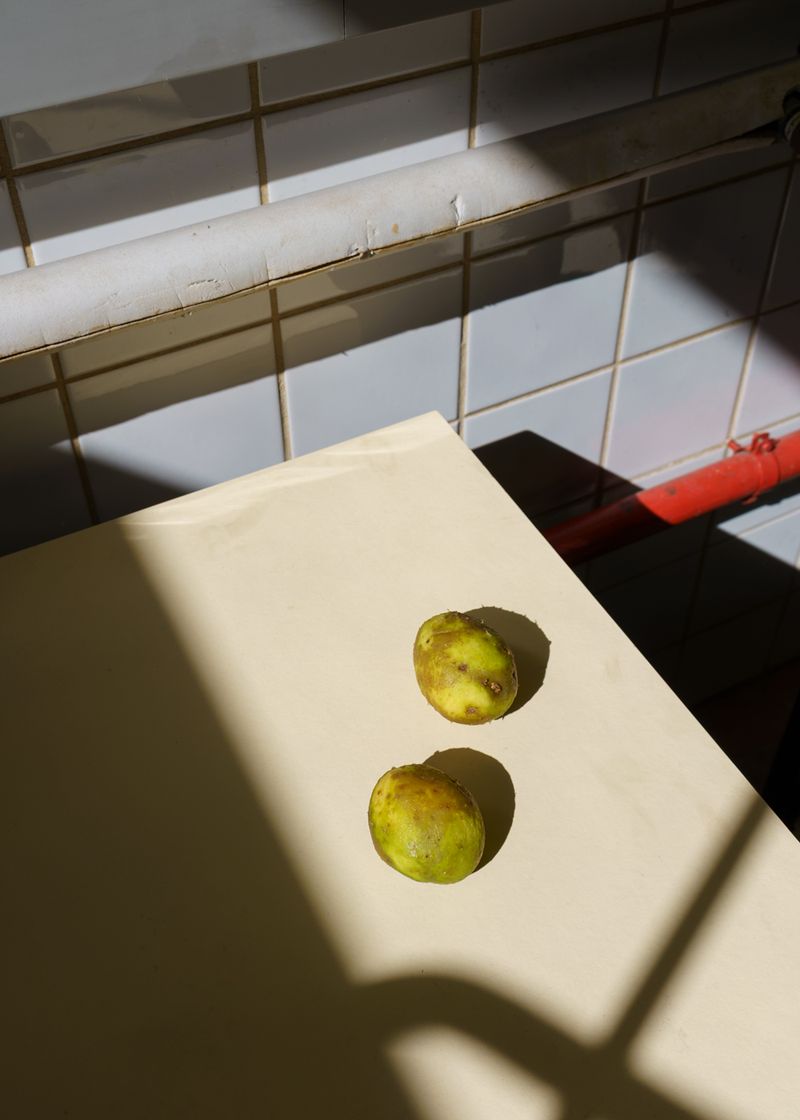
Green potatoes, peeled. Potatoes that are exposed to light develop a green colouring. They should not be eaten, as the green areas contain high concentrations of glycoalkaloids such as solanine, which are protective substances in the plant. If consumed in excessive amounts, they can cause symptoms of poisoning in humans. Max-Rubner-Institut Detmold, 06/2025

© Theresa Wißmann - Image from the Sprouts and Skins (German title: Vorwiegend festkochend) photography project
i

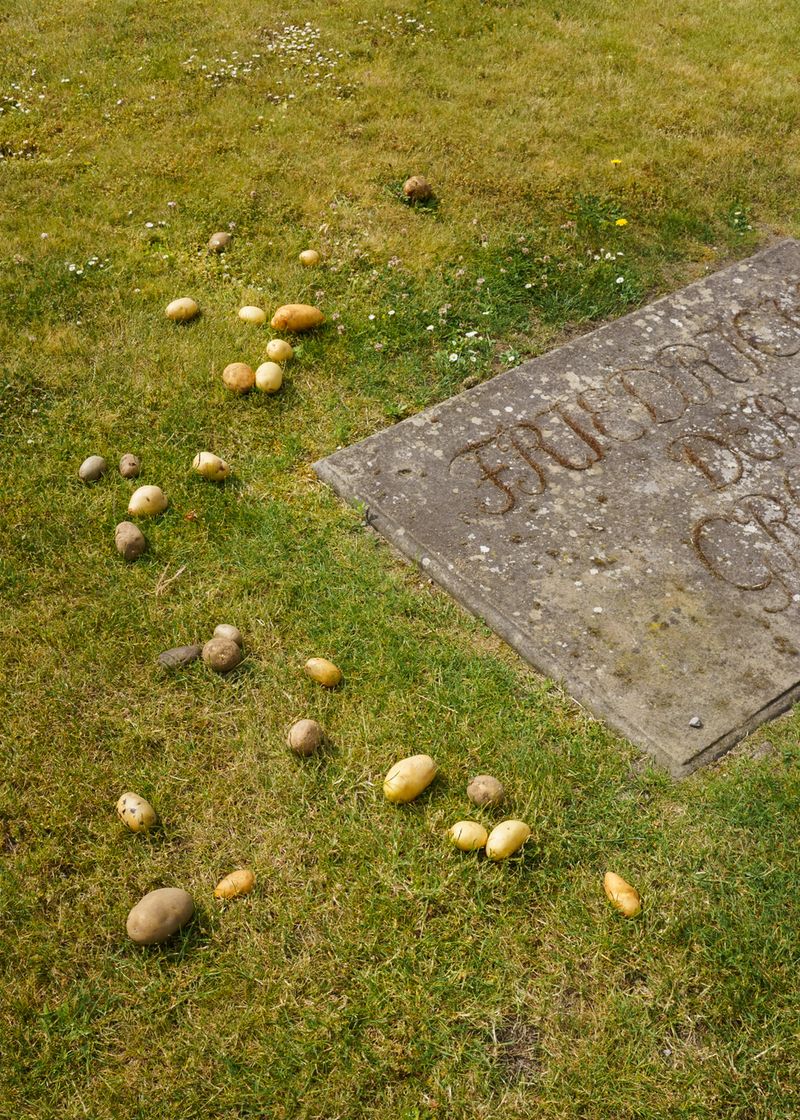
Passers-by lay potatoes at the grave of Frederick the Great in front of Sanssouci Palace. The legend that “Old Fritz” introduced the potato to Prussia persists and earned him the nickname “Potato King.” Potsdam, 06/2025

© Theresa Wißmann - Image from the Sprouts and Skins (German title: Vorwiegend festkochend) photography project
i

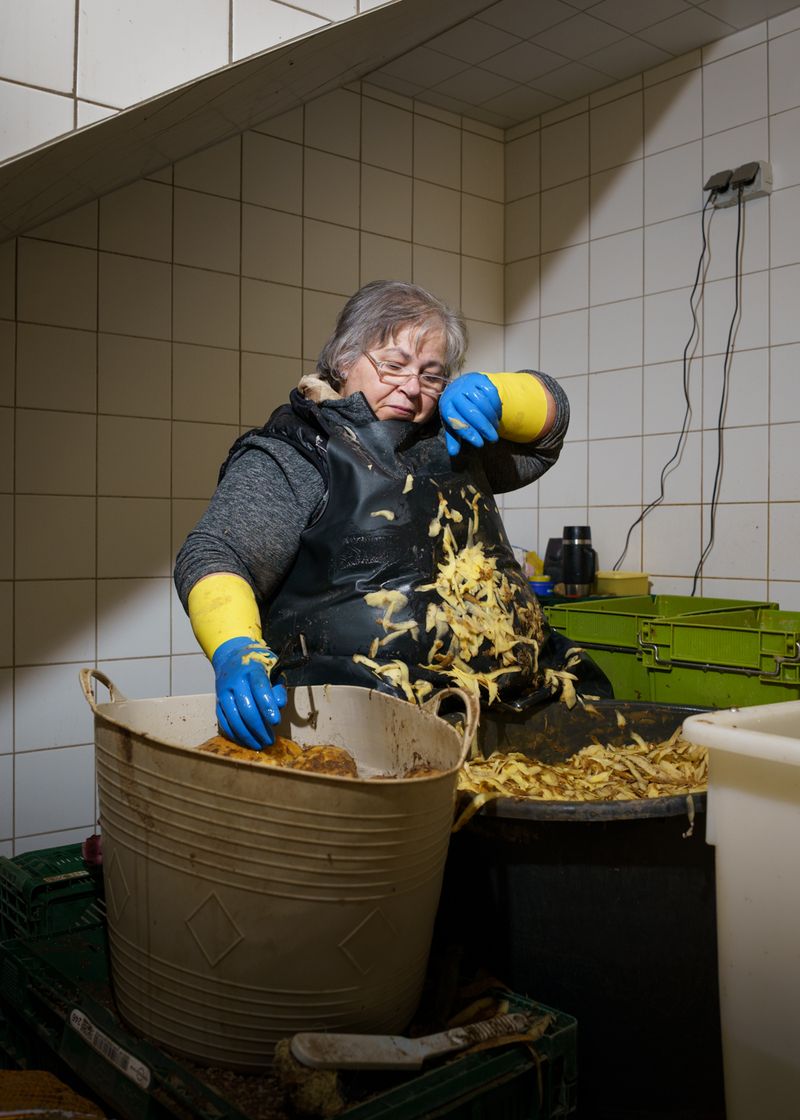
Maria Clahsen, Germany's fastest potato peeler, peels around 250 kg of potatoes per working day at a fruit and vegetable trading company in Bitburg. The quality of hand-peeled potatoes differs greatly from that of machine-peeled products. Bitburg, 06/2025

© Theresa Wißmann - Potato sprout of the Blaue Anneliese variety. Scan. Berlin, 04/2025
i

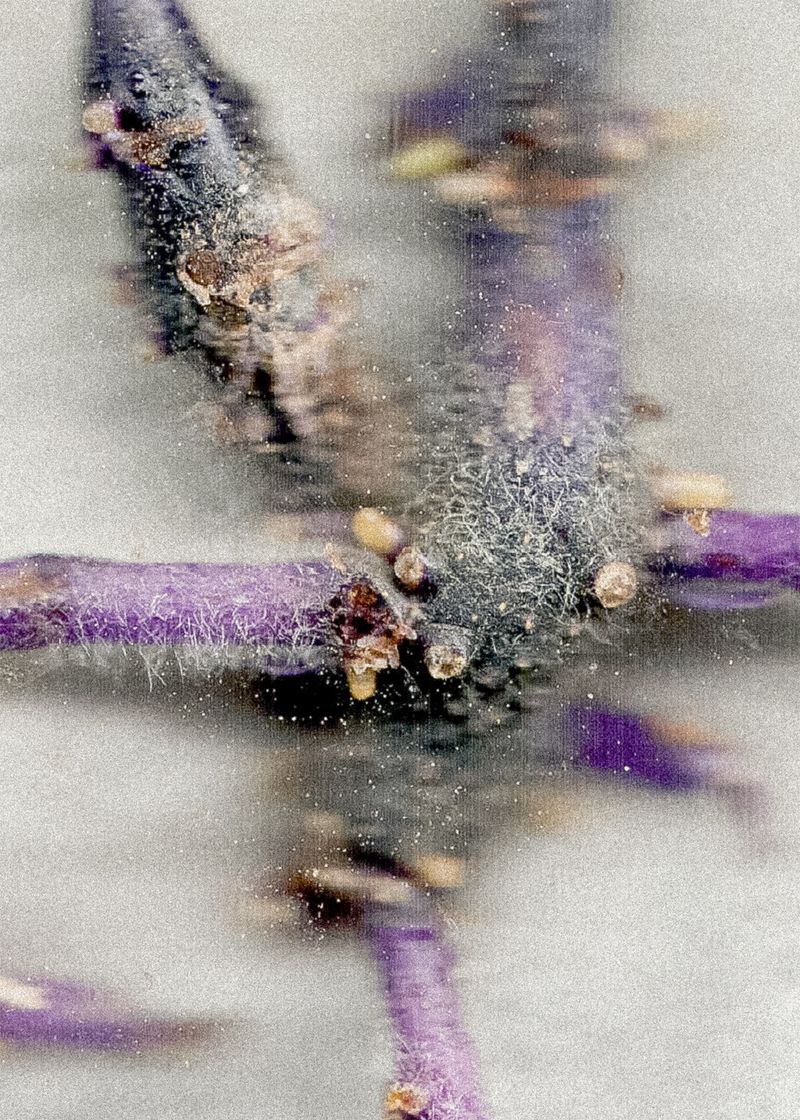
Potato sprout of the Blaue Anneliese variety. Scan. Berlin, 04/2025