Solitudes
-
Dates2016 - 2026
-
Author
- Topics Portrait, Landscape, Daily Life, Contemporary Issues, Editorial, Fine Art, Documentary, Archive, Fashion, Photobooks, Festivals
- Locations Aubervilliers, Paris, New Delhi, Kampot, Phnom Penh, Saint-Cloud
Cities are built for encounters, yet they often reveal quieter distances. In the flow of streets, cafés and rooftops, moments of pause appear. Solitudes observes those fragile intervals when one inhabits the city while feeling slightly apart from it.
Urban life constantly produces these quiet gaps between the individual and their surroundings — moments where one observes rather than participates, where the city continues to move while something inside remains suspended. This experience is often subtle rather than dramatic. It appears in small gestures, in pauses, in the way a person lingers in a doorway or sits silently in a café while the city flows around them. Solitudes emerged from this attention to those fragile states of disconnection within familiar environments. The project observes how architecture, light, and everyday spaces can frame these moments of interior distance. Rather than depicting isolation as something extreme or tragic, the series approaches it as a quiet emotional condition embedded in ordinary life. In this sense, the city becomes both a stage and a mirror: a place where bodies circulate and encounter one another, but where each individual continues to carry an invisible inner landscape. Solitudes attempts to give form to that space between presence and absence — the subtle distance one can feel while inhabiting the same streets, buildings, and rooms as everyone else.
Solitudes grew slowly over several years. I didn’t begin with the intention of making a defined series; the diptychs appeared gradually as I started noticing the same feeling returning in my photographs — a sense of being slightly out of step with the city I was living in. Éric Rohmer’s Le Rayon vert became an important reference along the way. I was drawn to its quiet melancholy and to the way Delphine seems both present and elsewhere, searching for something absolute within the ordinary flow of daily life. In many of Rohmer’s films, solitude in the city accompanies a personal quest — Delphine searching for love, or Frédéric in Love in the Afternoon resisting the quiet confinement of marriage and its quiet expectations. What fascinated me in Rohmer’s cinema is the way these emotional states appear through small gestures and everyday situations rather than dramatic events. His characters walk through cities, wait in cafés, talk on balconies, observe strangers, or simply remain silent for a moment. These simple actions reveal a deeper interior movement — hesitation, desire, uncertainty, or longing. That sensibility strongly influenced the atmosphere of this project. The photographs do not attempt to illustrate the films directly, but they echo the same emotional territory: individuals moving through the city while searching, consciously or not, for something that might give meaning or direction to their lives.
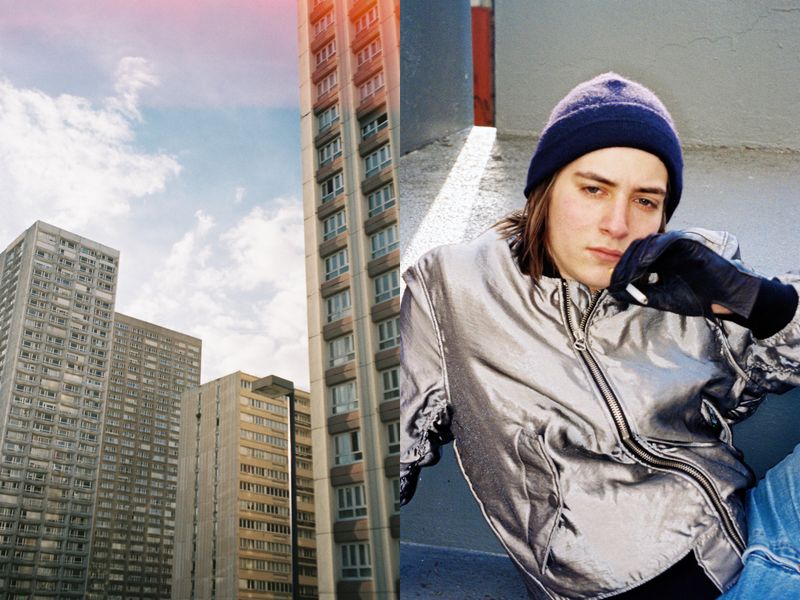
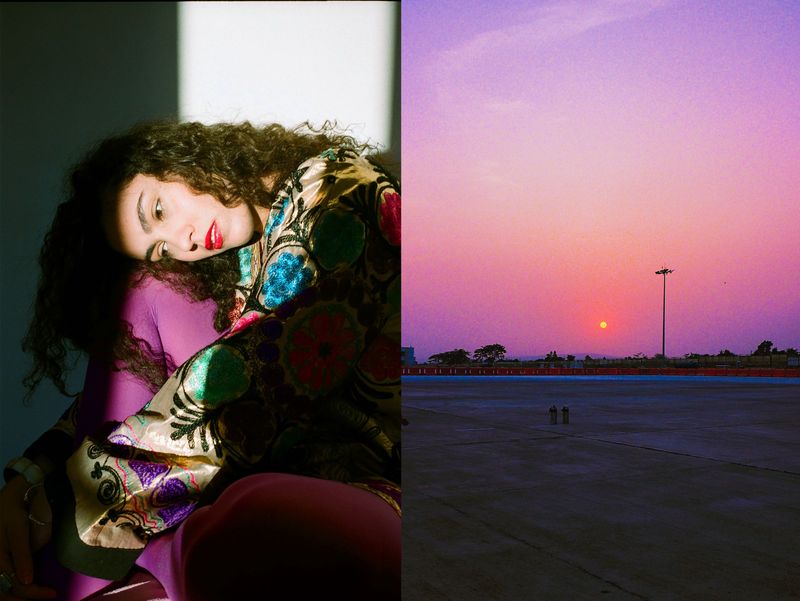
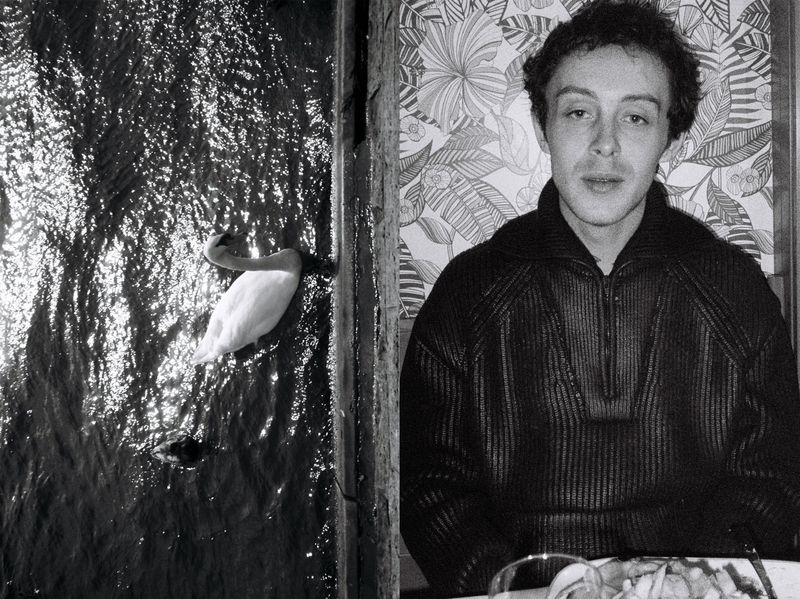
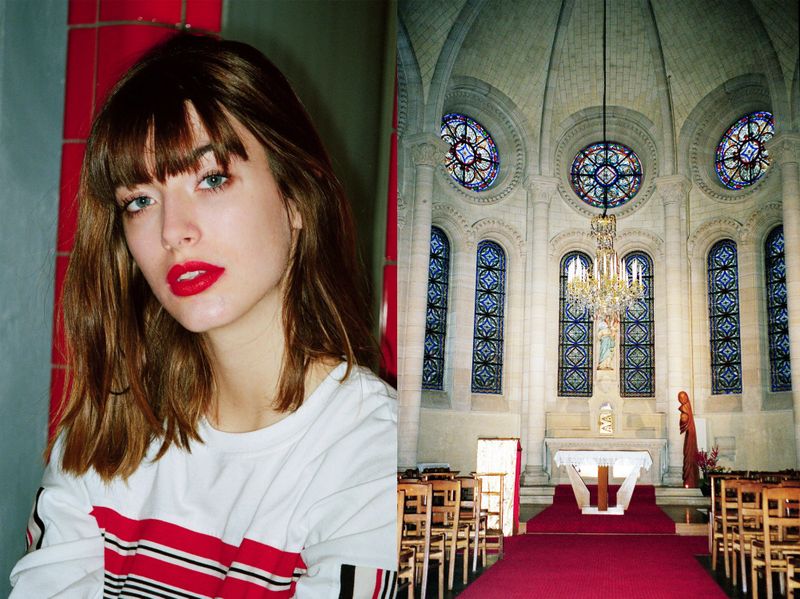
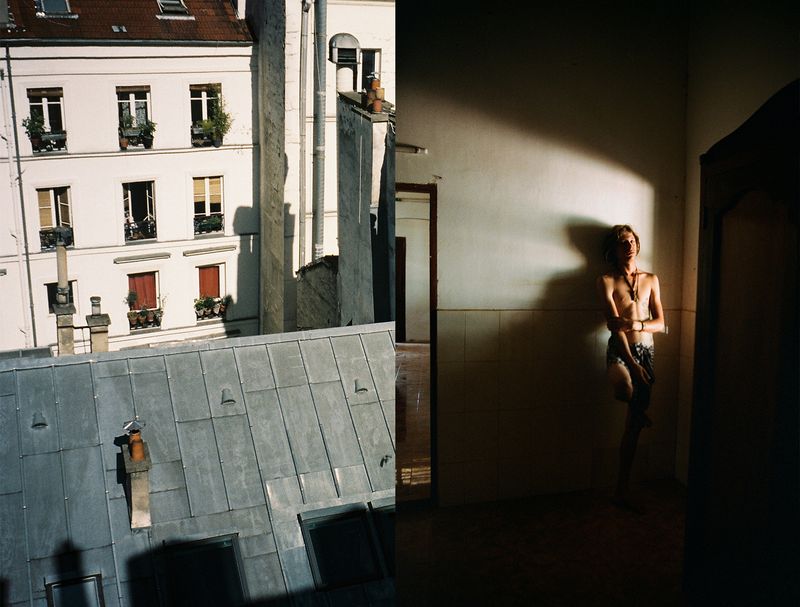
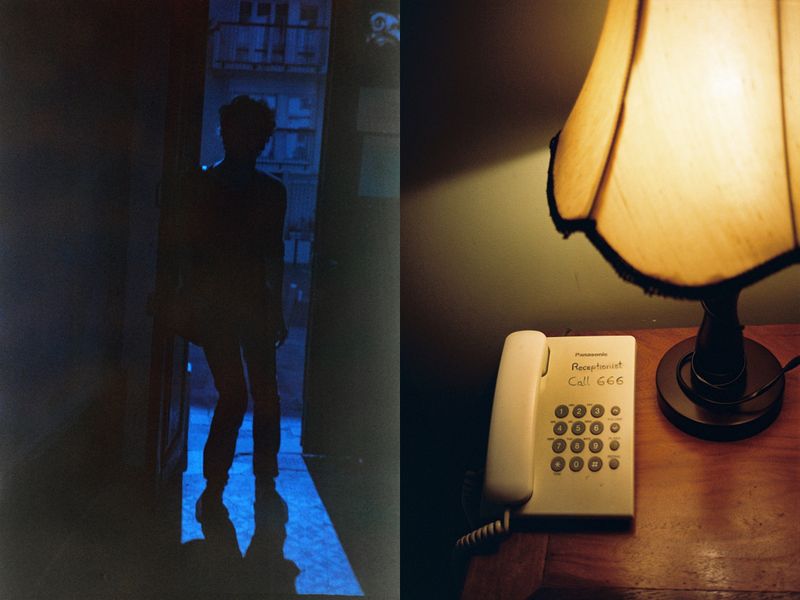
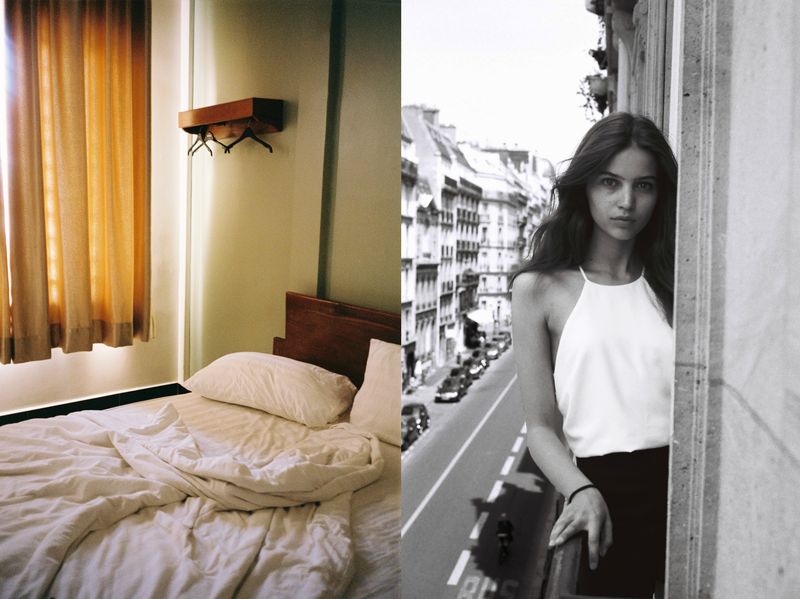
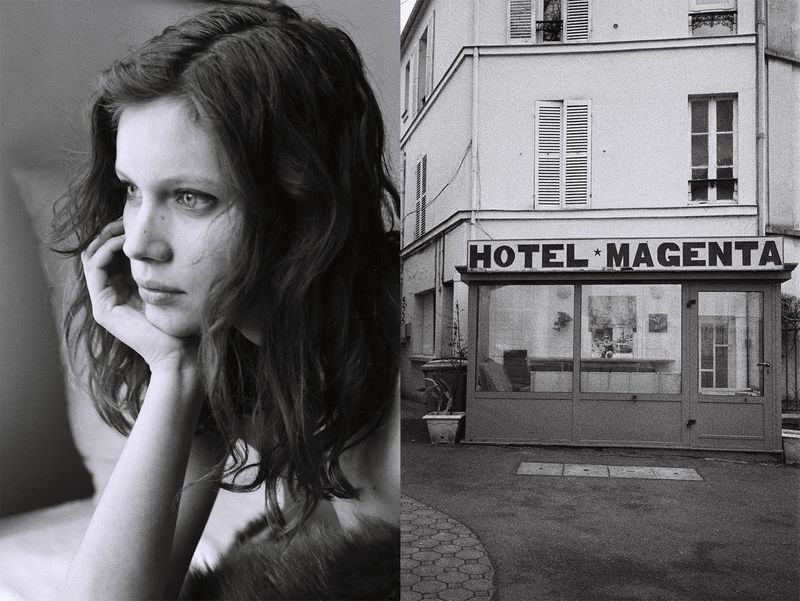
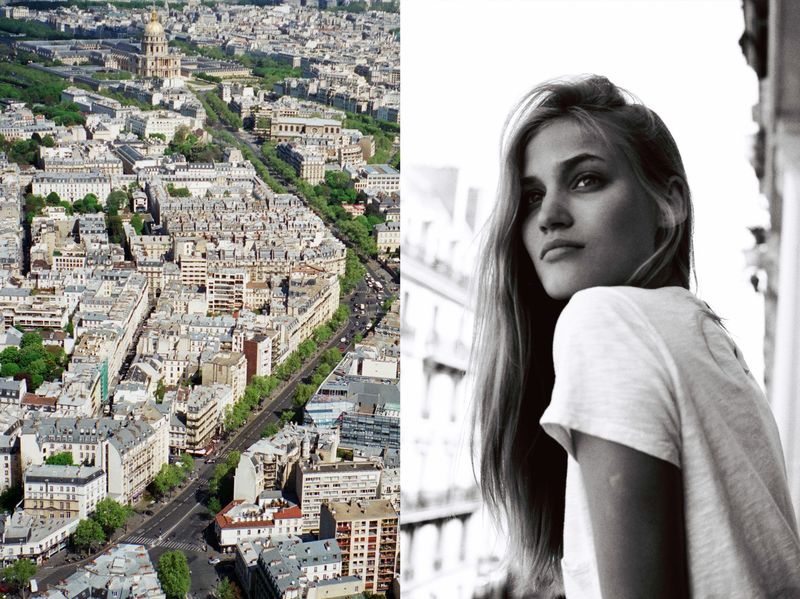
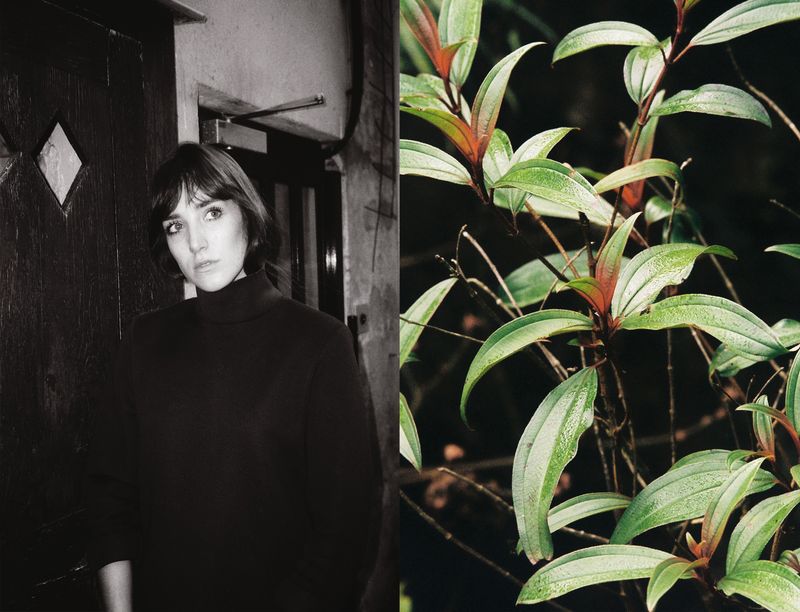
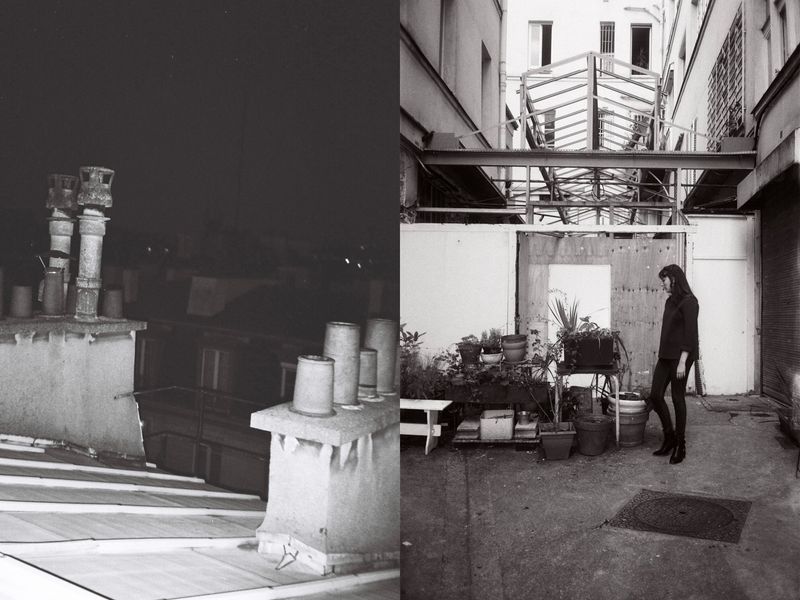
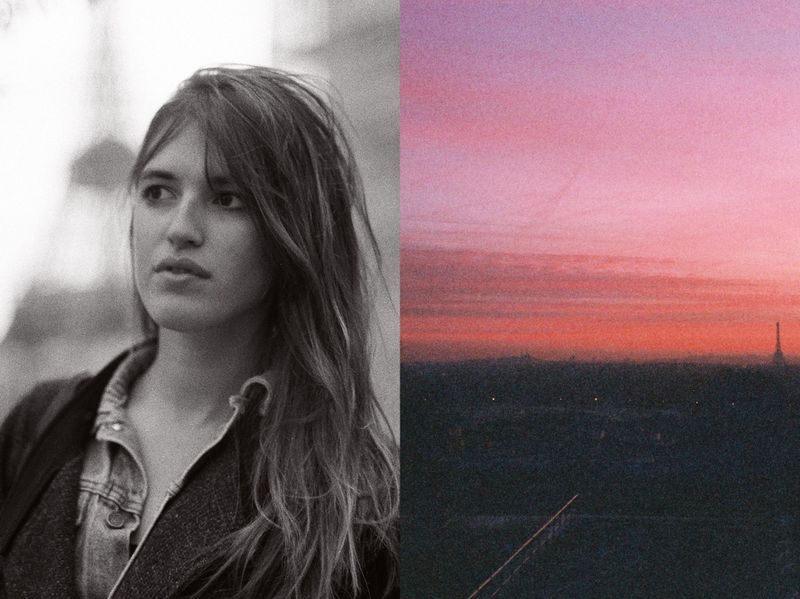
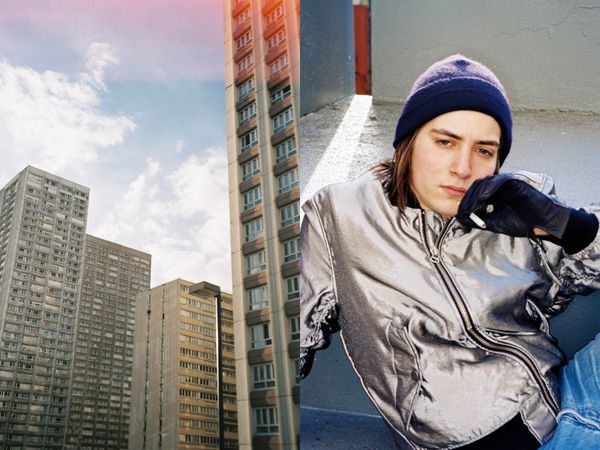
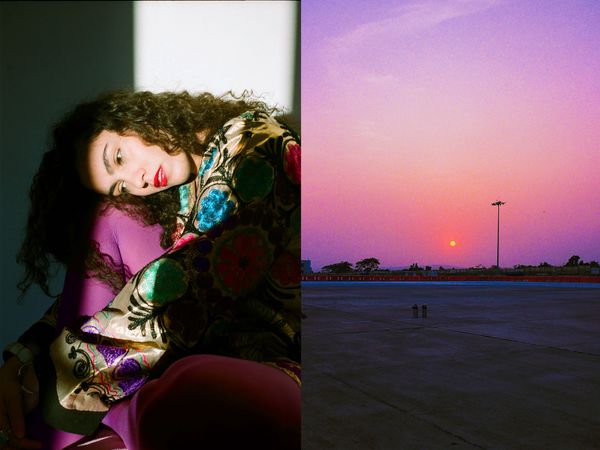
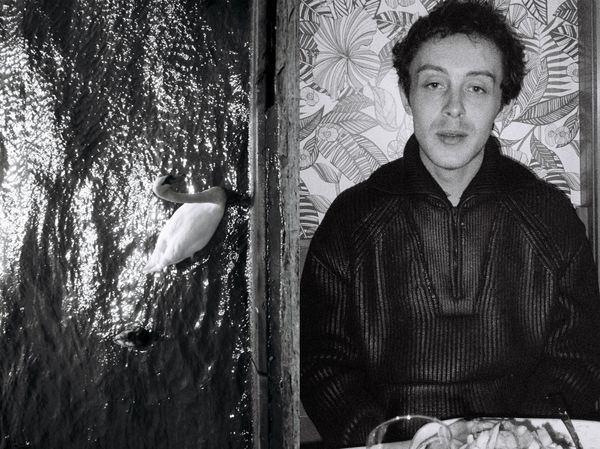
Set in urban environements, 'Solitudes' pairs portraits with fragments of the city — rooftops, façades, aerial views, transit spaces, hotel rooms. Each diptych brings a figure into dialogue with an architectural presence. Sometimes the link between the two images is immediately visible: a line of buildings echoes a posture, or a vertical structure mirrors the stance of a body. In other cases the relationship is more atmospheric, created through light, scale, or rhythm. The diptych format allows these visual correspondences to emerge without forcing a narrative explanation. A face may appear beside a skyline, a figure beside a façade, a gesture beside an open horizon. Through these pairings, the human presence becomes inseparable from the spaces that surround it. The city is not simply a backdrop but an active element in the composition, shaping the emotional tone of the image. By placing portraits and architectural fragments side by side, the series suggests that solitude is not only a psychological state but also something produced by spatial relationships — by distance, scale, repetition, and the way urban structures frame the body.
The figures — often young — appear momentarily suspended: seated in cafés, leaning against walls, standing on balconies. Their poses are composed, almost cinematic; they seem dreamy, slightly absent. Opposite them, the city remains structured and impersonal. Windows repeat, towers rise, surfaces extend beyond the frame. These urban patterns create a visual contrast with the softness and fragility of the human presence. The individuals in the photographs are neither dramatic nor expressive in an obvious way. Instead, they seem caught in brief pauses — moments where time slows down and attention turns inward. A gaze directed elsewhere, a body resting against a wall, a quiet posture in a café: these gestures suggest a subtle distance from the surrounding world. At the same time, the city continues to assert its order and scale. Architecture repeats itself in grids, windows multiply, rooftops stretch across the horizon. The human figure appears small within these structures, yet it remains the emotional center of the image.
The series reflects a quiet form of urban isolation — not dramatic, but woven into everyday life. A way of being in the city while remaining slightly apart from it. This distance is not necessarily negative; it can also be a moment of reflection or possibility. In the middle of the city’s constant movement, these brief suspensions allow a space for thought, observation, and imagination. The project therefore approaches solitude not as exclusion but as a subtle condition of modern urban existence — a way of inhabiting shared spaces while preserving an inner world.
In Éric Rohmer’s films, the city is never merely a background. Streets, cafés, apartments, and parks become spaces where characters think, hesitate, and question their lives. Movement through the city often mirrors an inner movement: wandering, waiting, searching. His characters observe the world as much as they inhabit it, drifting through urban spaces while reflecting on love, desire, and the possibility of change. Solitude in Rohmer’s cinema is rarely dramatic; it emerges quietly, through pauses, conversations, and moments of uncertainty. Delphine in Le Rayon vert searches for a form of absolute sincerity in love, while Frédéric in Love in the Afternoon wrestles with the tension between stability and temptation. These emotional states unfold within everyday urban environments. In a similar way, Solitudes looks at how the city frames moments of hesitation and interior distance.
This sensitivity to place strongly influenced the construction of Solitudes. Like Rohmer’s characters, the figures in these photographs seem suspended between decision and hesitation, presence and withdrawal. Their solitude is rarely dramatic; it is quieter, almost ordinary. It appears in small gestures, in a look directed elsewhere, in the distance between a body and the architecture surrounding it. In this sense, the city does not simply isolate individuals — it reveals the subtle emotional distances that already exist within them. The urban environment becomes a stage where these inner states quietly unfold.
The atmosphere of suspended time also resonates with the cinema of Sofia Coppola. Her films often portray characters moving through beautiful yet emotionally distant environments — hotel rooms, empty streets, swimming pools, anonymous urban spaces. The visual language is quiet, attentive to mood rather than action. Characters drift through spaces that appear both familiar and strangely impersonal, creating a subtle tension between presence and detachment. This sense of emotional distance, often conveyed through light, architecture, and silence, echoes the mood of the diptychs in Solitudes. The figures seem present in the city, yet slightly removed from it, as if suspended between participation and observation.
Besides, a similar sensibility can be found in the writing of Françoise Sagan, particularly in works such as Les Merveilleux Nuages and Un certain sourire. Sagan’s characters move through cities, seaside landscapes, and social spaces with an elegant detachment. Beneath the lightness of the narrative lies a persistent sense of melancholy and emotional uncertainty. Her protagonists often observe their own lives and thoughts with a mixture of lucidity and distance, aware of their desires yet unsure how to inhabit them fully. This tension between intimacy and detachment resonates strongly with the emotional landscape explored in Solitudes, where the city becomes a stage for quiet reflection, longing, and the search for meaning within everyday experience.