Soliloquy
-
Dates2021 - Ongoing
-
Author
- Locations Shanghai, City of London
“Human life is but a series of footnotes to a vast obscure unfinished masterpiece.”
—Vladmir Nabakov, Pale Fire
The self-identified self coexists with the self that is imagined and conceived by the others—we drift between the two—never cease to find the truest justification of the self. Perhaps a seemingly irrelevant scenario or a discrete object is a more reliable portrait that speaks of someone’s identities. After all, footnotes are what objectively explain the narrative. In the grand scheme of things, they matter just as much and don’t matter at all.
In Greek mythology, the nymph Echo puts a malicious spell on Narcissus, cursing him to be only able to gaze at his own reflection in the waters of a spring. Impossible to escape the inexorable doom cast on him, he ends his life and eventually falls into a tragic demise.
We are perhaps more or less under the same curse as Narcissus: we can never fully resolve our identities yet we are so attracted to the idea and need of it. While the outside world is fond of defining us, we might as well enjoy this seesaw battle of the constant recognition and negation of the self. It is also in this sense, the state of ambiguity—the liminal gap of the “self” between the others and I perceive—becomes truly fascinating.
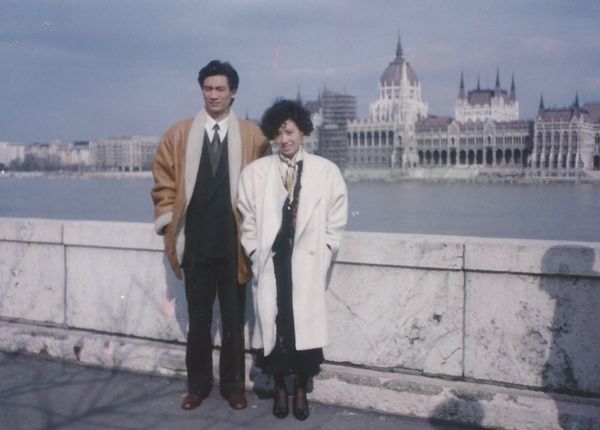
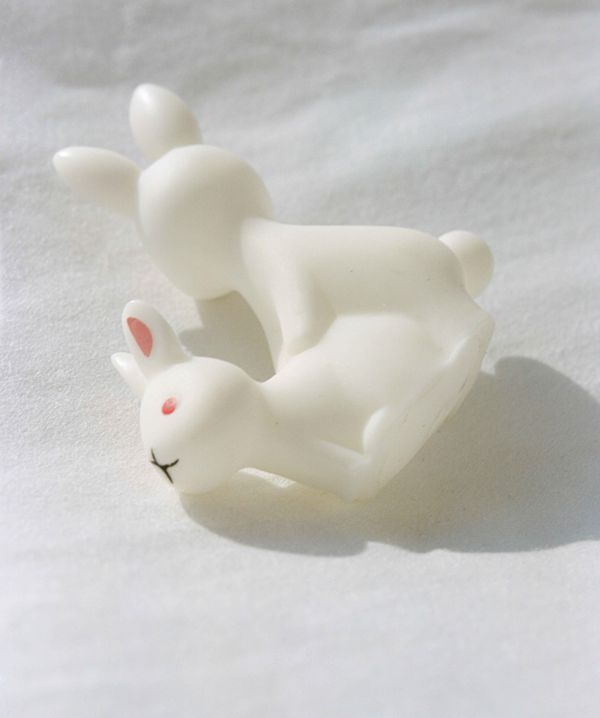
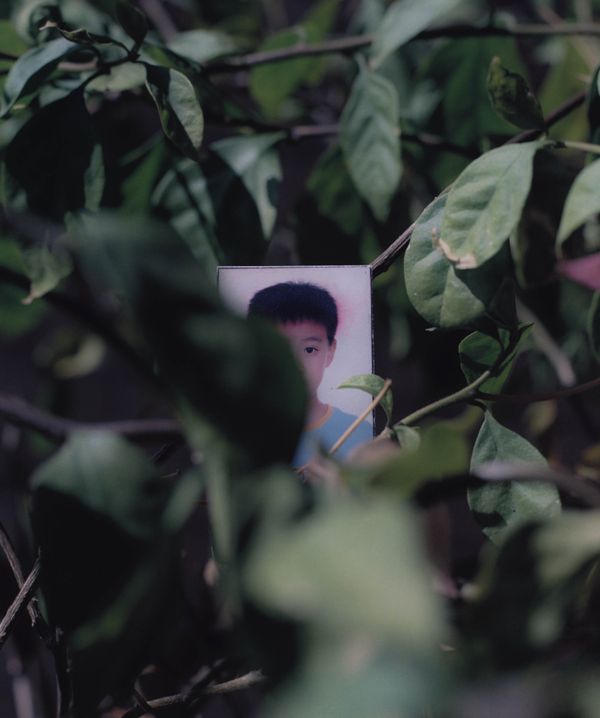
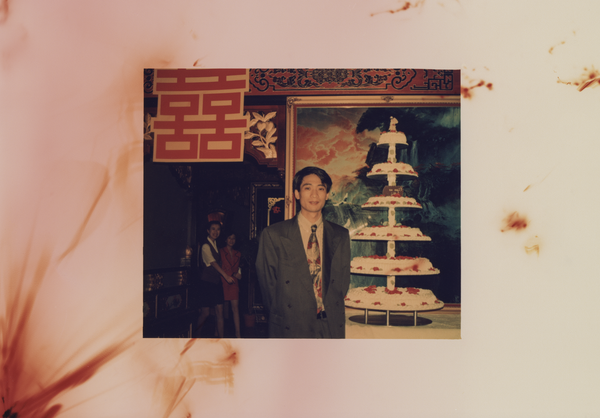
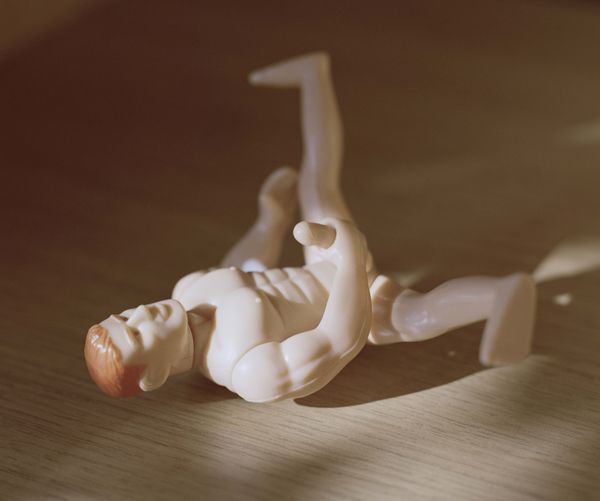
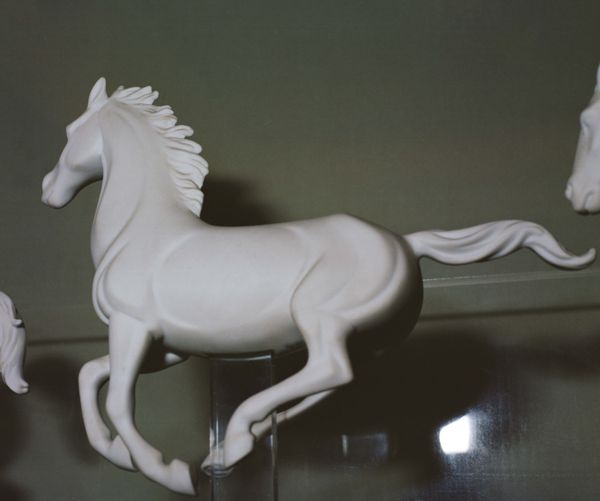
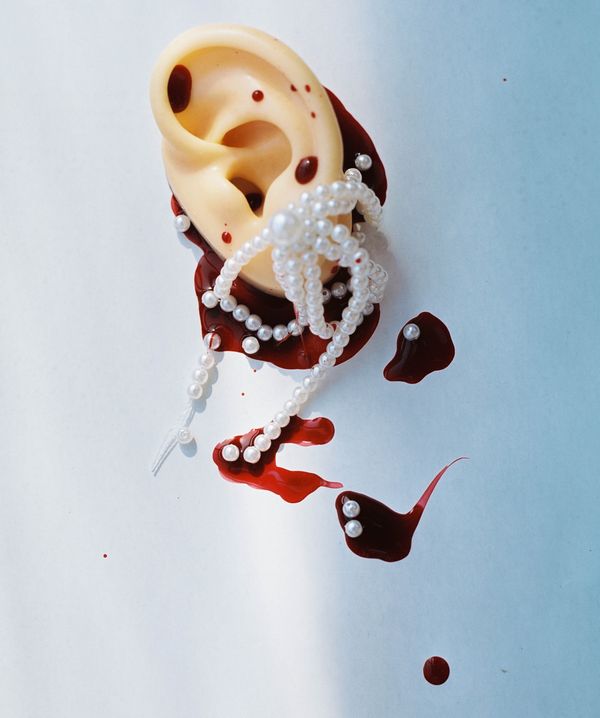
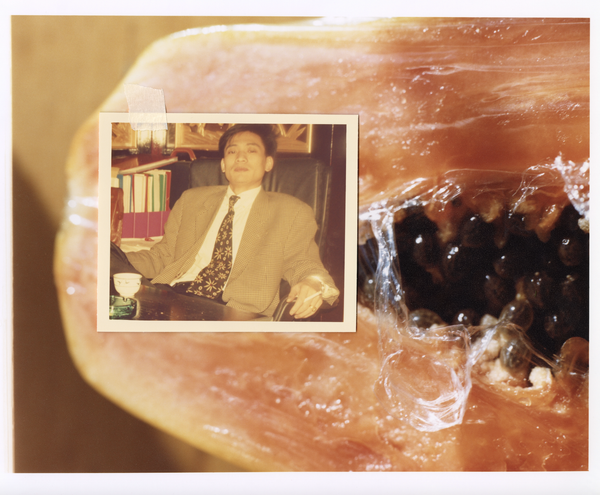
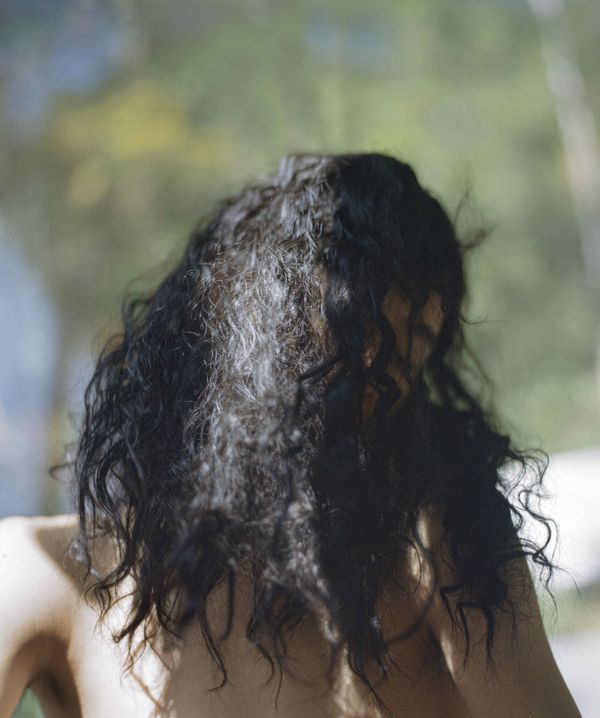
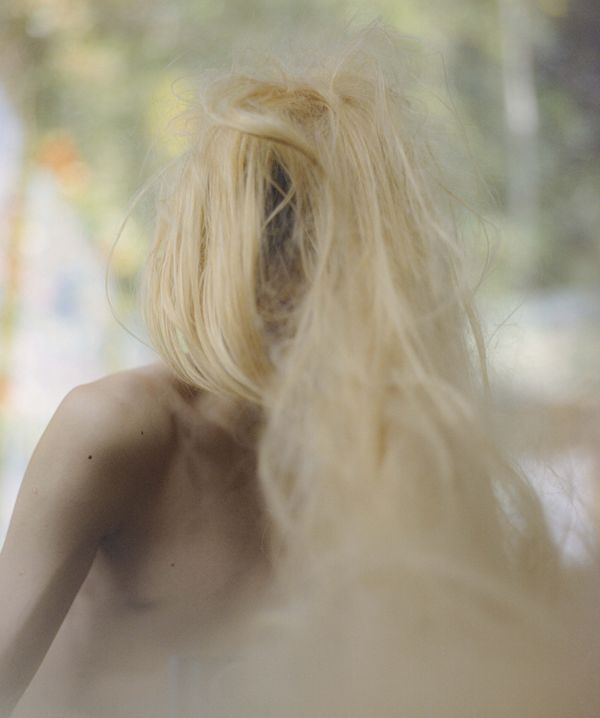
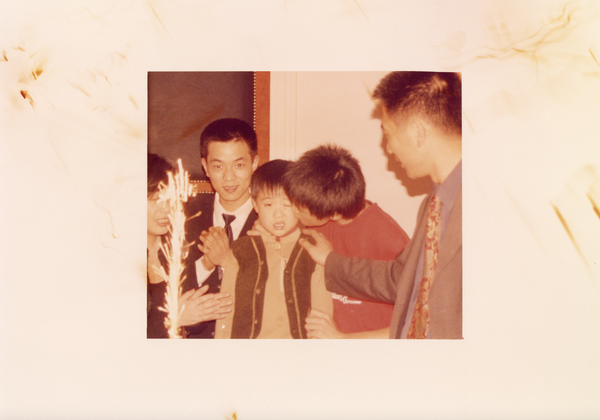
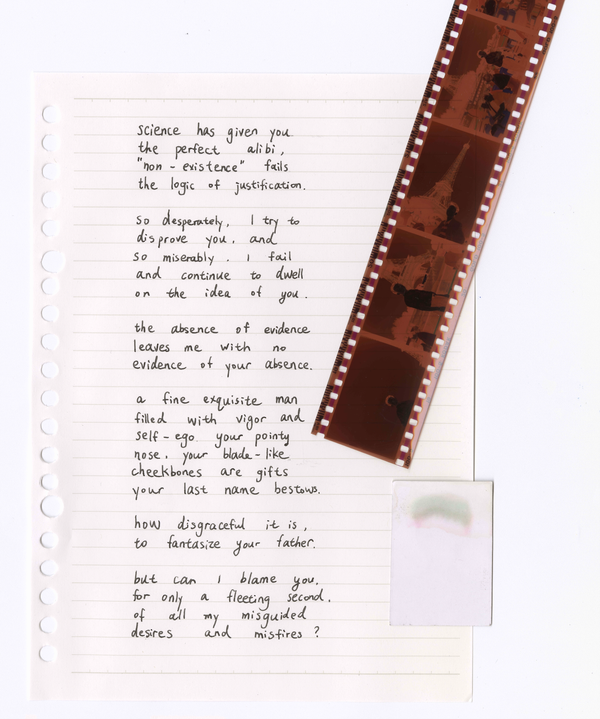
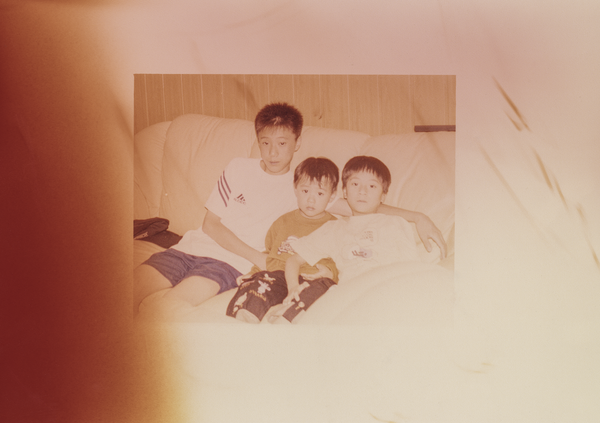
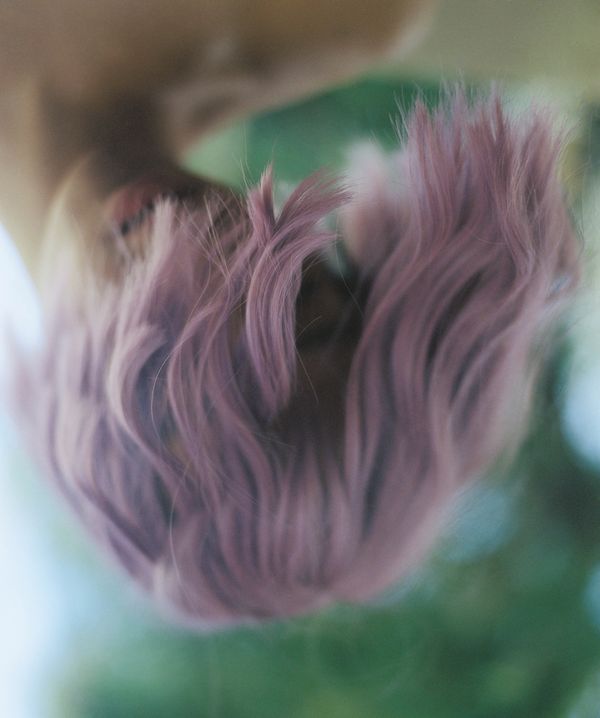
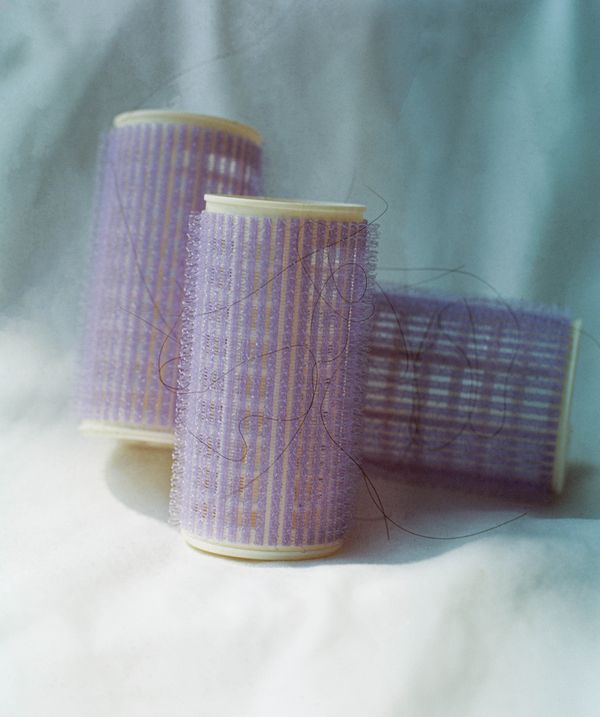
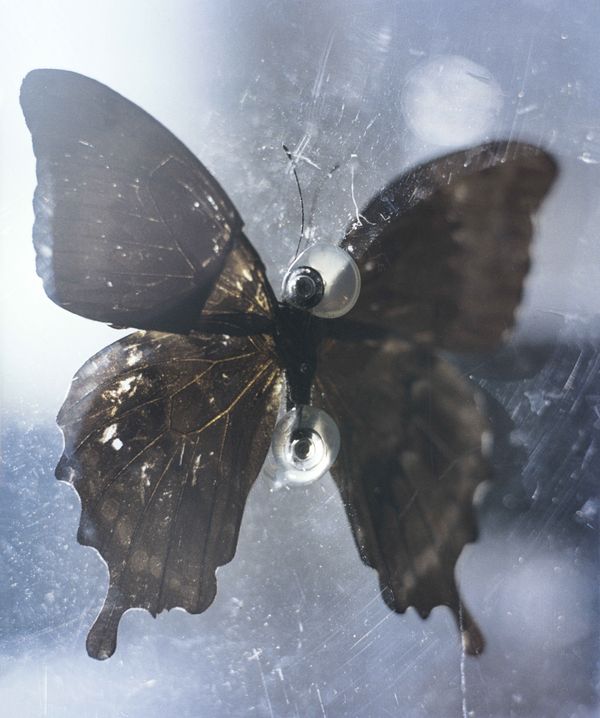
The series “Soliloquy” is a response and discovering journey of such in-betweenness. It is a private diary, a book cipher, or a memoir that interweaves personal past to attempt the imagination of a collective, utopian future. Through the photographs of self-portraits and still objects, as well as the bricolage of the photo archive, the series remaps identity, family, sex, and queerness within new spatial-temporal relations.
In particular, the recurring appearance of the self-portraits in wigs (titled Narcissus) denotes a queerer, truer study of the self; a theatrical embodiment of what Jose Esteban Munoz may term as “utopian performativity”. The strong insistence on the belonging and becoming as well as the narratives of the distant past revealed in this series has “enabled utopian imaginings of a future that is not yet here, but functions as a doing for futurity, a conjuring of both future and past to critique presentness.”