Soggetti a mutamento
-
Dates2025 - Ongoing
-
Author
- Location Apice Nuovo, Italy
Following the precepts in Lucretius’s De rerum natura, Soggetti a mutamento explores the metamorphosis of deteriorated negatives from earthquake-struck Irpinia, intertwining them with archival research and collective memory to question the city remembers
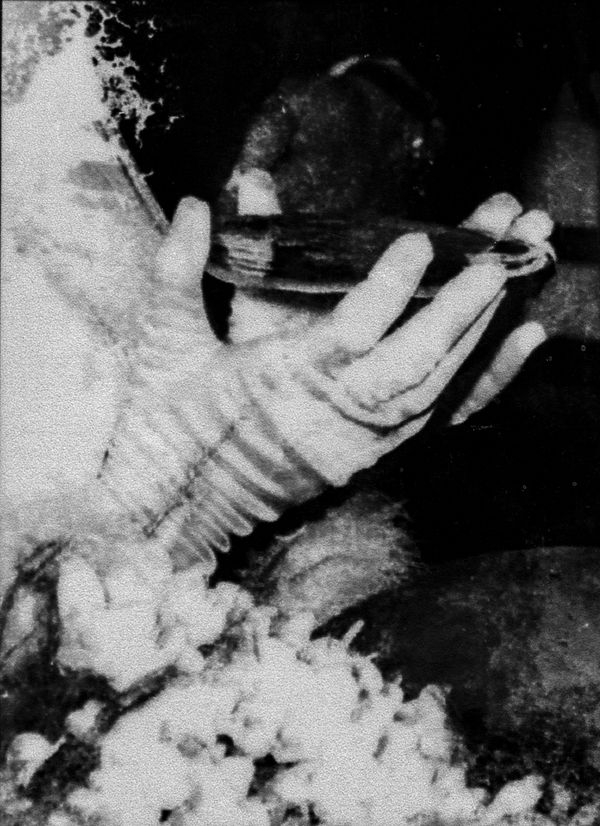
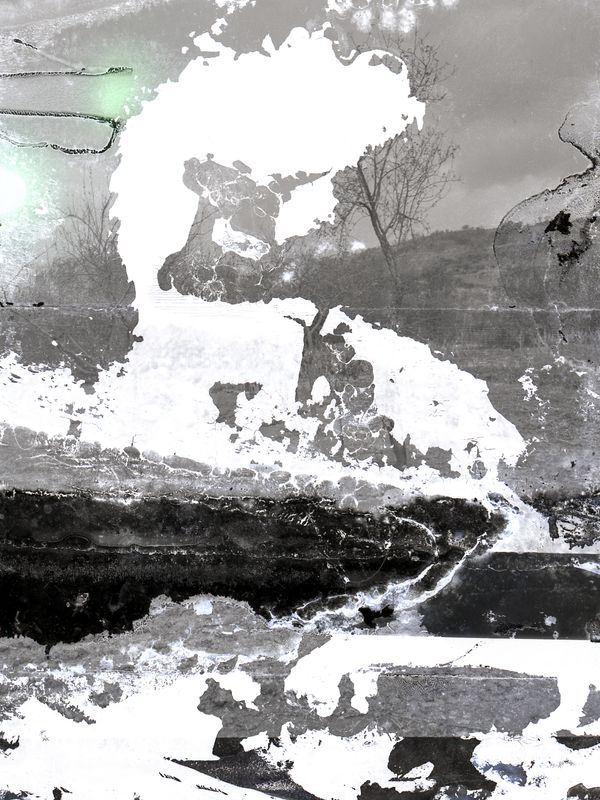
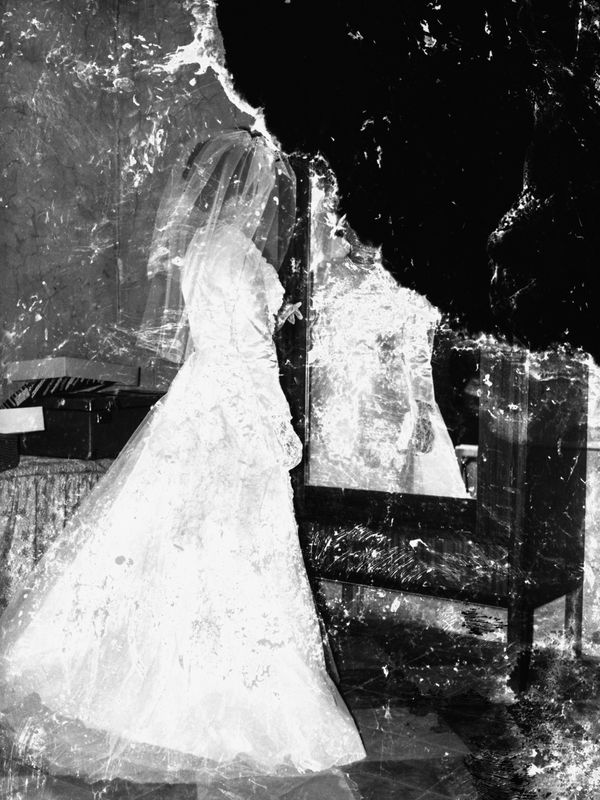
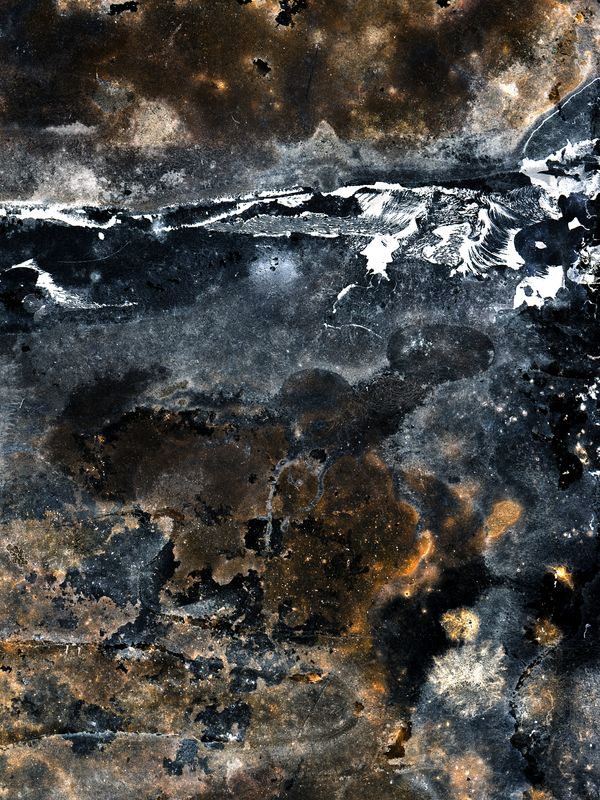
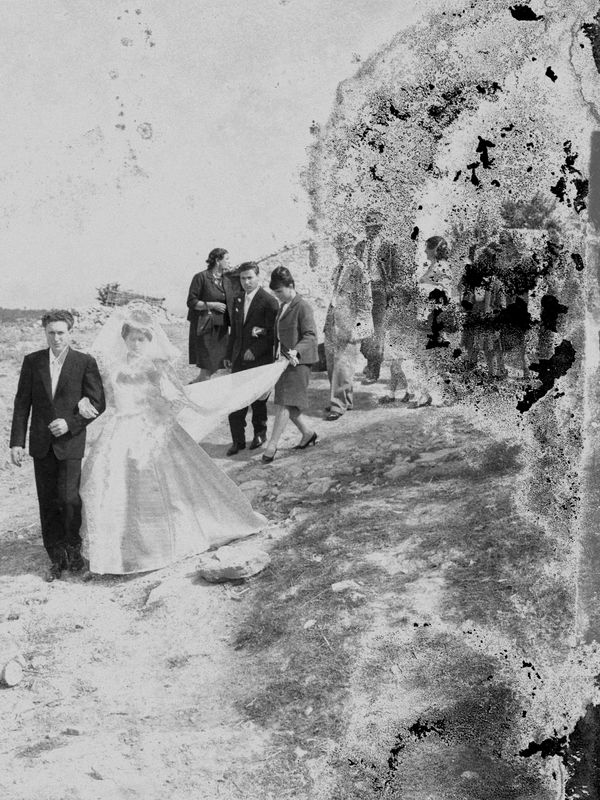
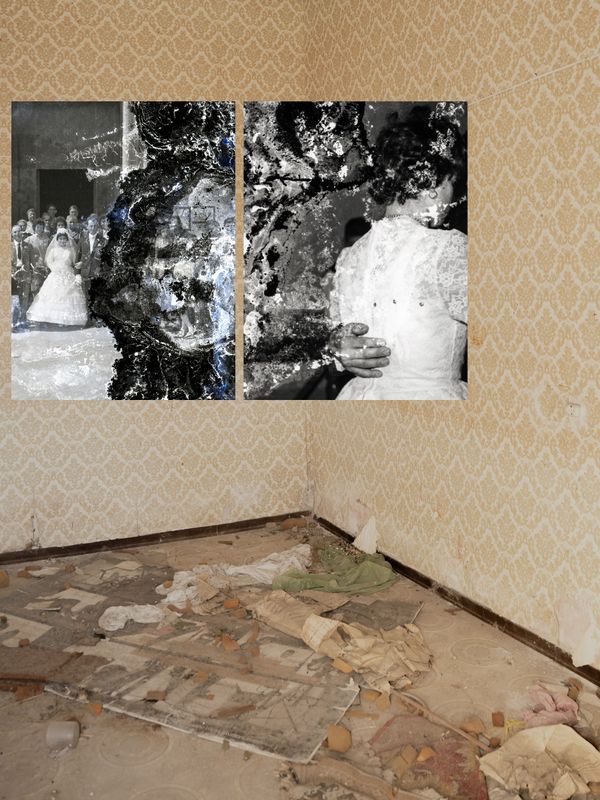
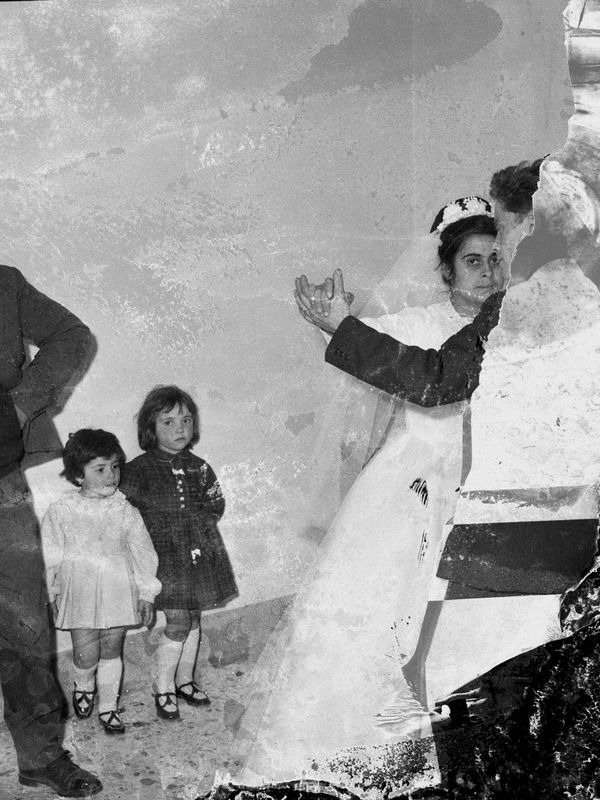
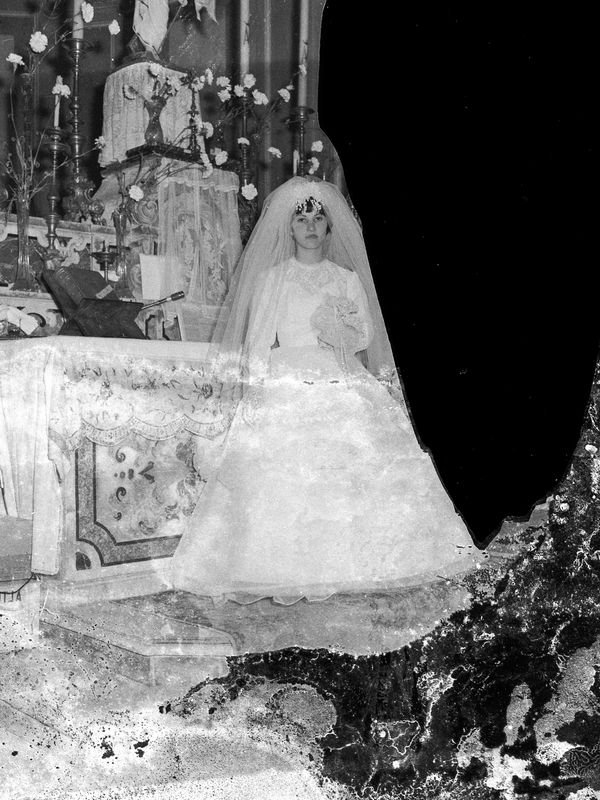
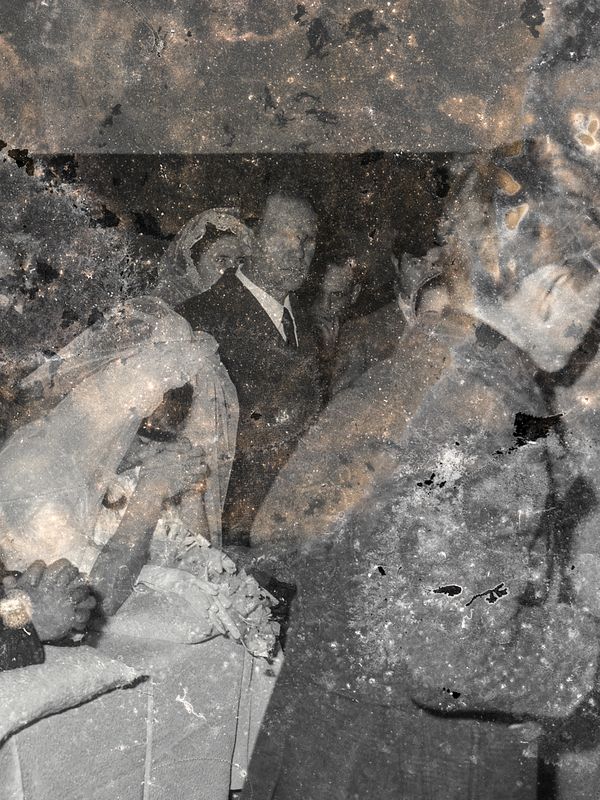
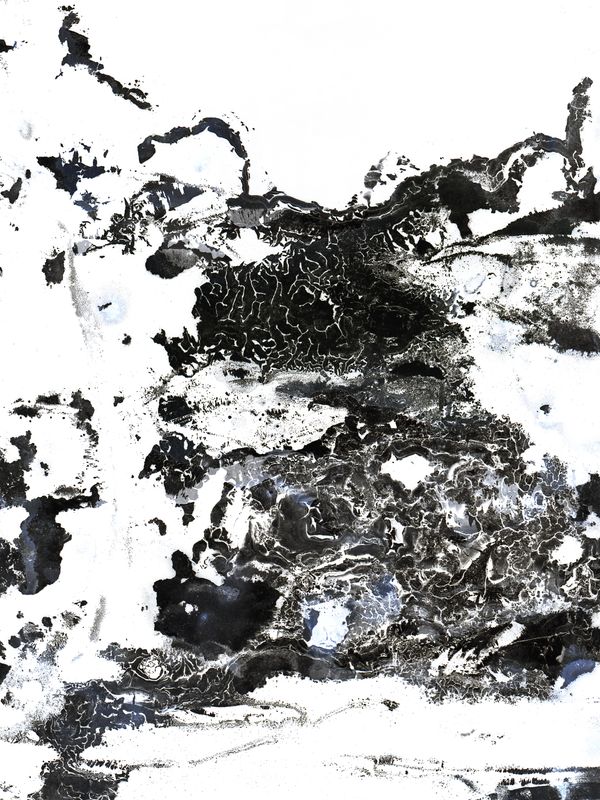
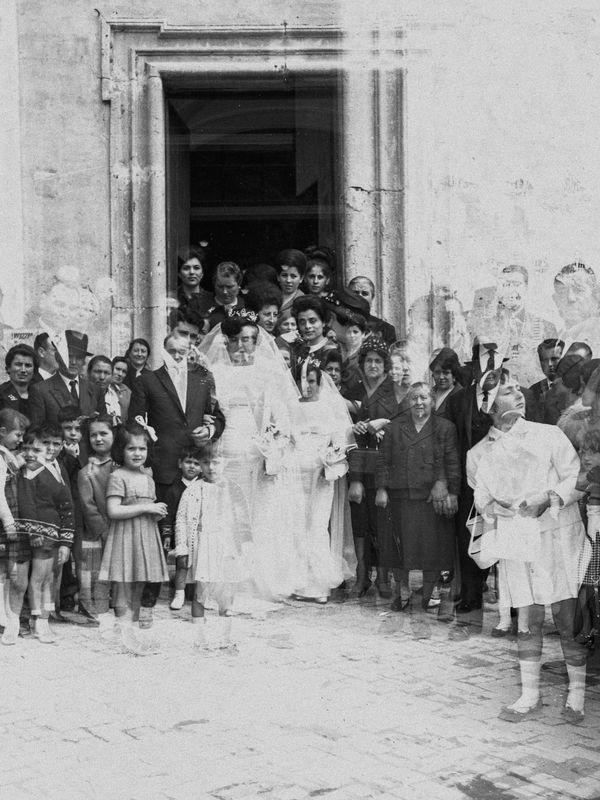
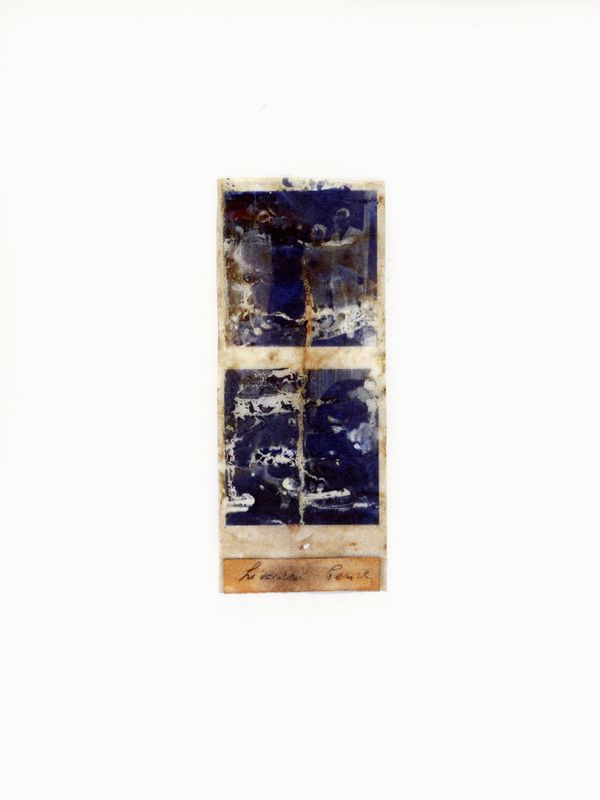
Soggetti a mutamento explores the transformation of photographic material starting from the recovery and reinterpretation of deteriorated negatives found in areas devastated by the latest earthquakes in Irpinia (southern Italy) in 1962 and 1980. The images, produced by the same family, originally portraying scenes of daily life—marriages, carnival parties, construction sites—shed their original function: no longer family albums, but a testament to an entire city forced by a natural disaster to abandon the places of their daily lives. Here, photography is no longer a traditional tool of memory; instead, following the precepts underlying Lucretius’s De rerum natura, it embraces chance and metamorphosis as its constitutive principles: even before serving as archival material, the images become the result and testimony of matter in transformation; compared to memories that are only partially lost, the tear in the emulsion of the negatives becomes a chance and sublime interlocutor.
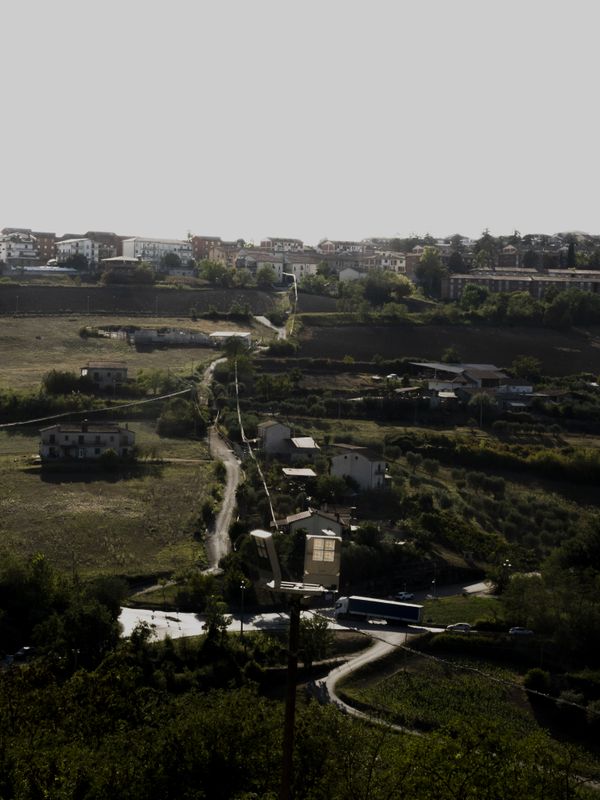
The project focuses on the case study of Apice—a town evacuated due to hydrogeological instability caused by the last two earthquakes and rebuilt from scratch on the hill across the river—and, through dialogue with local residents explores the visual artist’s position regarding the preservation and reuse of others’ images, within the framework of a broader reflection on visual perception and the construction of individual and collective memory.
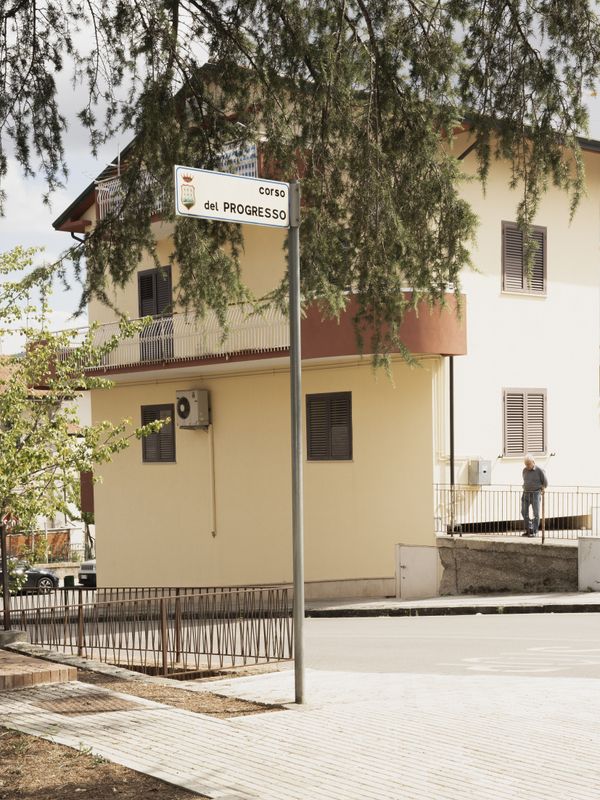
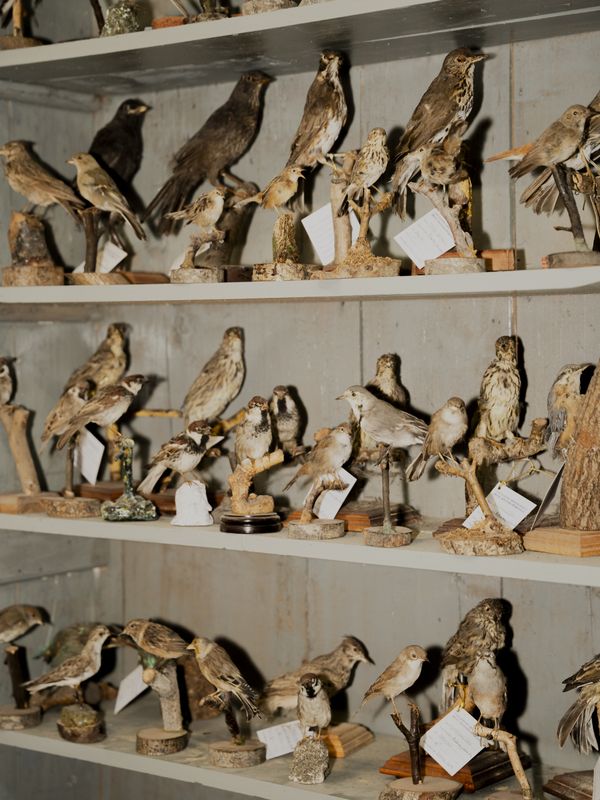
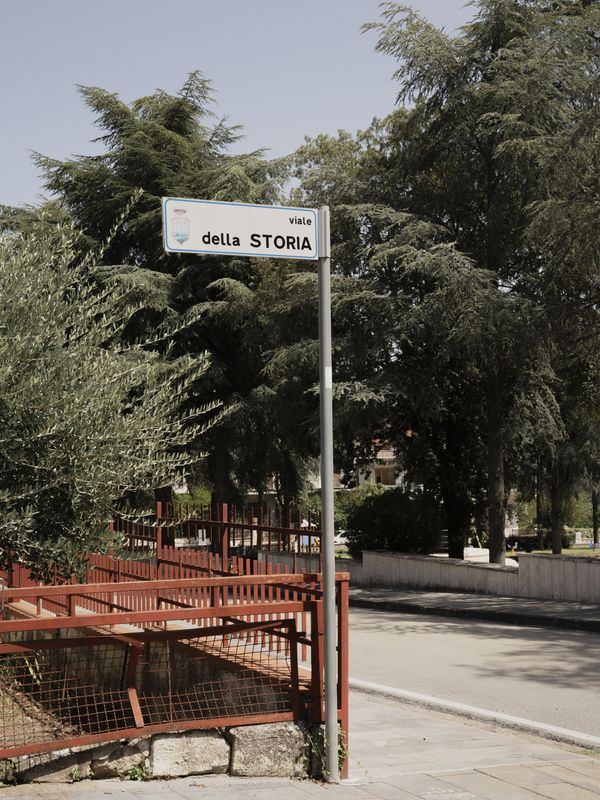
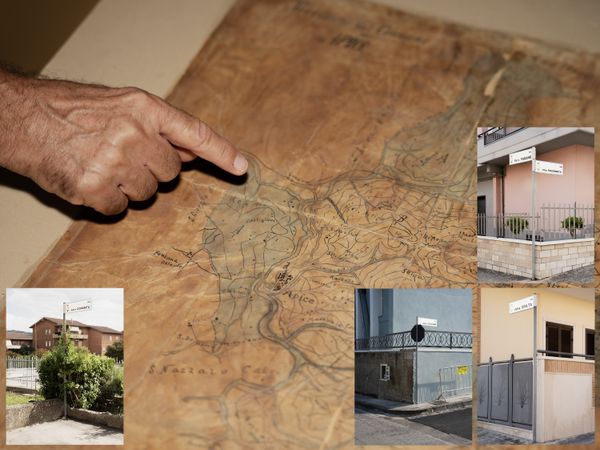
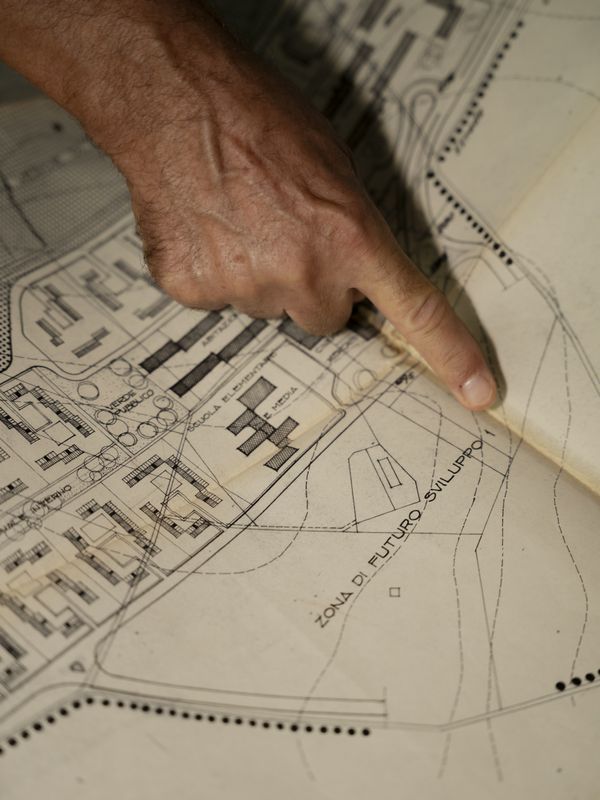
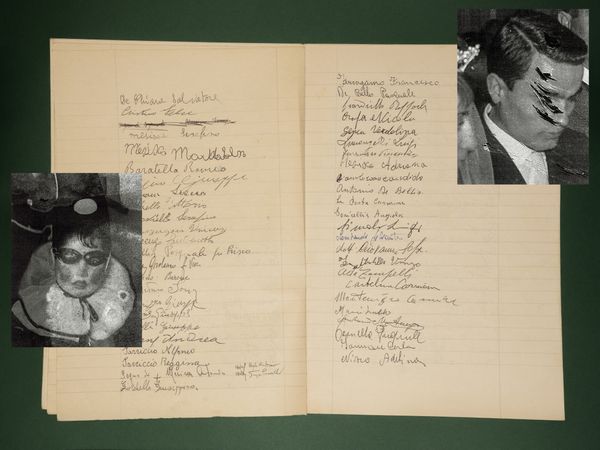
The starting point is the rejection of nostalgia as a standardising criterion for interpreting and presenting the past, recent or distant. When considering the archive as the product of a multifaceted and pluralistic, multimedia institution, the negatives do not, on their own, provide a complete record of the town reconstructed extra situ, elsewhere: rather, they serve as a starting point, a piece of the story that requires a broader context. It is on the basis of this need that the research aims to integrate them with other existing archives—personal, local and national—first and foremost the municipal archive, which, through its administrative documentation (not just photographs: text, handwritten or not, and maps, too, can be image), provides the technical and political details of the reconstruction of Apice. In this instance, far from being a mere fetish for technicians, the documents reveal the unique history of an administration that lasted almost fifty years, manifested in the direct consultation of citizens (traces of which can be seen in the handwritten testimonies)—and in the humanism of the mayor in office (traces of which are found in the place names, with streets curiously named after History, Truth, the Heart or Progress). In an attempt to understand what the local community has chosen to preserve and carry with it into the new city, and what it has instead decided to sacrifice, the research examines the process of transformation of social models as reflected in the new urban planning, as well as the resulting evolution of relational dynamics and coexistence. Over more than twenty years of gradual construction and relocation, what processes have shaped the formation or loss of individual, family and collective memory? And now, as the city that has lived through two eras closes its eyes, how does it remember, and what does it choose to forget?