sky burial
-
Dates2023 - Ongoing
-
Author
- Location United States
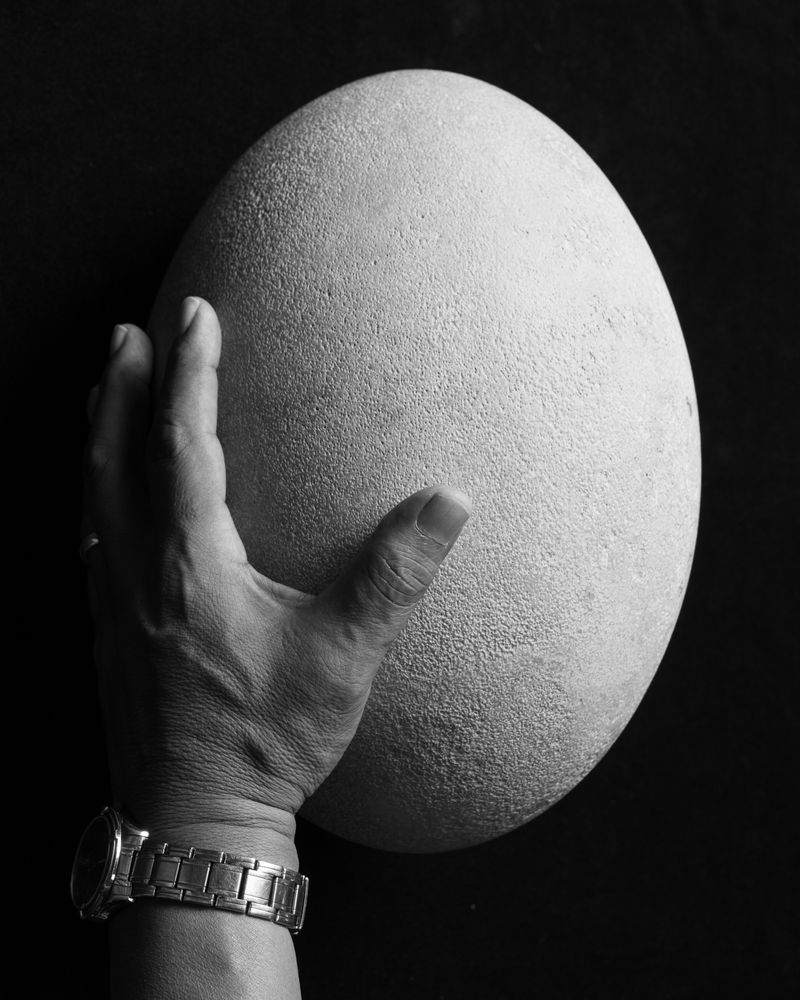
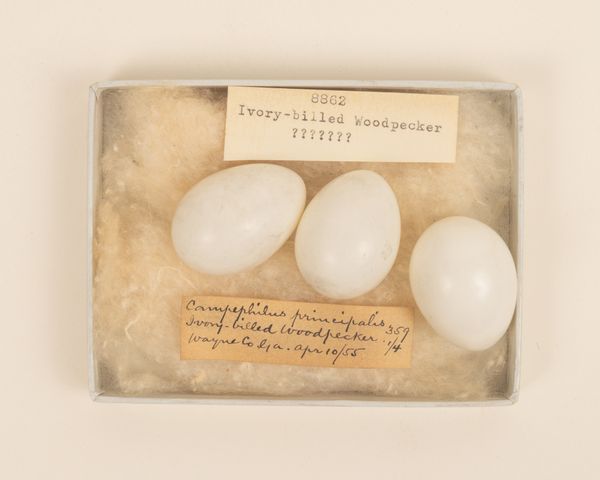
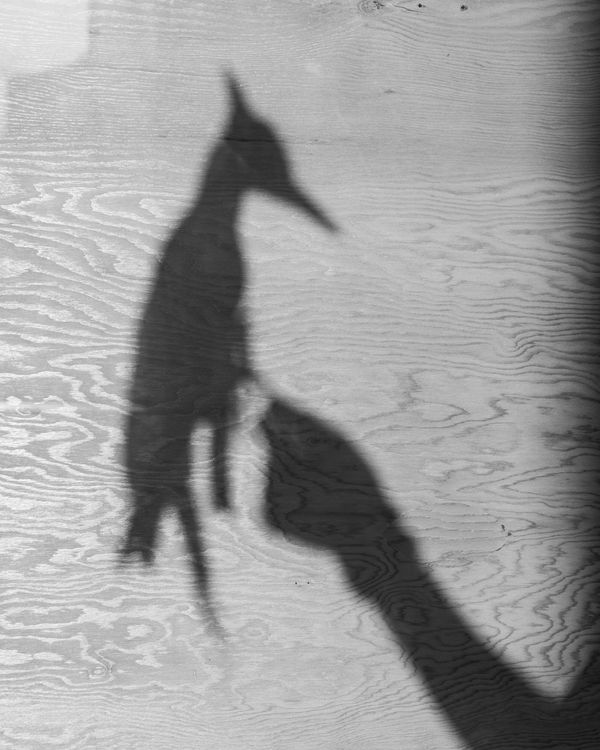
An examination of extinct birds and the natural history museums that contain them.
I am a lens-based artist based in Lincoln, Nebraska. My work centers around the relationships between humans and nature.
I have always had an interest in collections and collecting. Museums, both of the natural history and art variety, are always top of the list when traveling to places both new or familiar. I hold onto scraps of magazines, moldy books, smudged misprints, test prints, receipts I’ll never need, old love notes and thank you cards, and growing archives of found vernacular silver gelatin photographs neatly organized in an archival binder for some future project.
My interest in nature has led me to collect vintage postcards of cacti and deserts, a fair array of gems and minerals, a long list of both common and esoteric house plants, feathers, skulls, shells and sea glass, a cabinet of medicinal herbs, and a range of vintage and contemporary field guides. I love to forage for mushrooms.
The topic of extinction is one that doesn’t typically garner any excitement or enthusiasm. At the same time, there has never been a more important time for engaging in conversations about the Anthropocene, climate change, and endangered and extinct species.
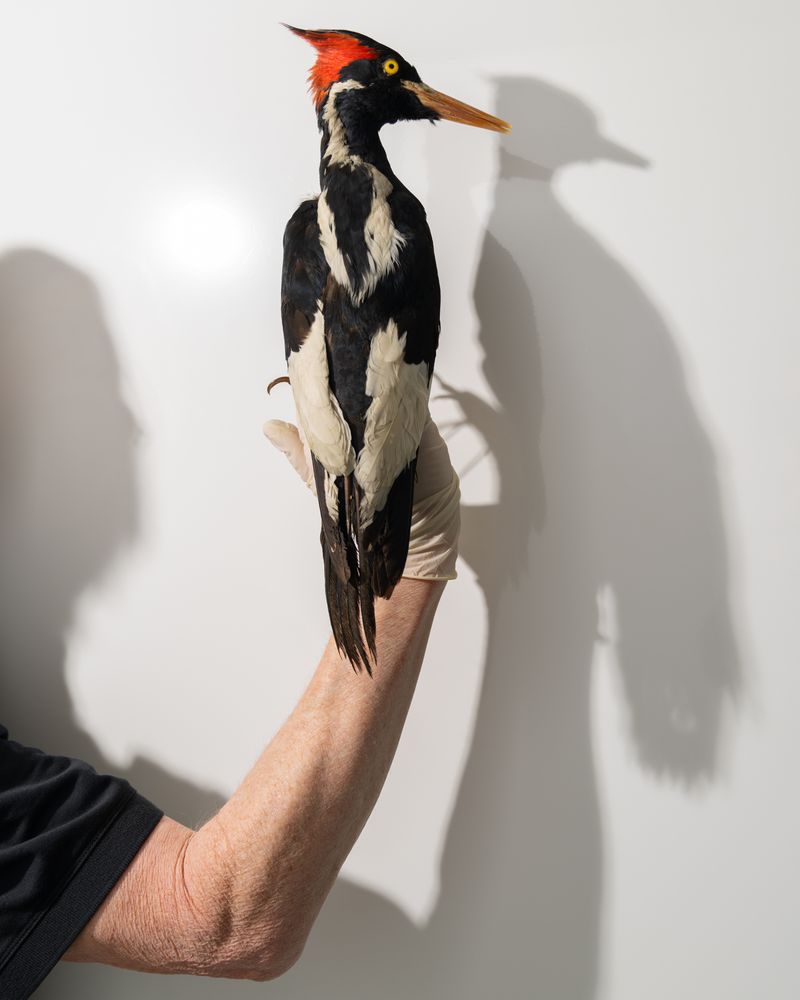
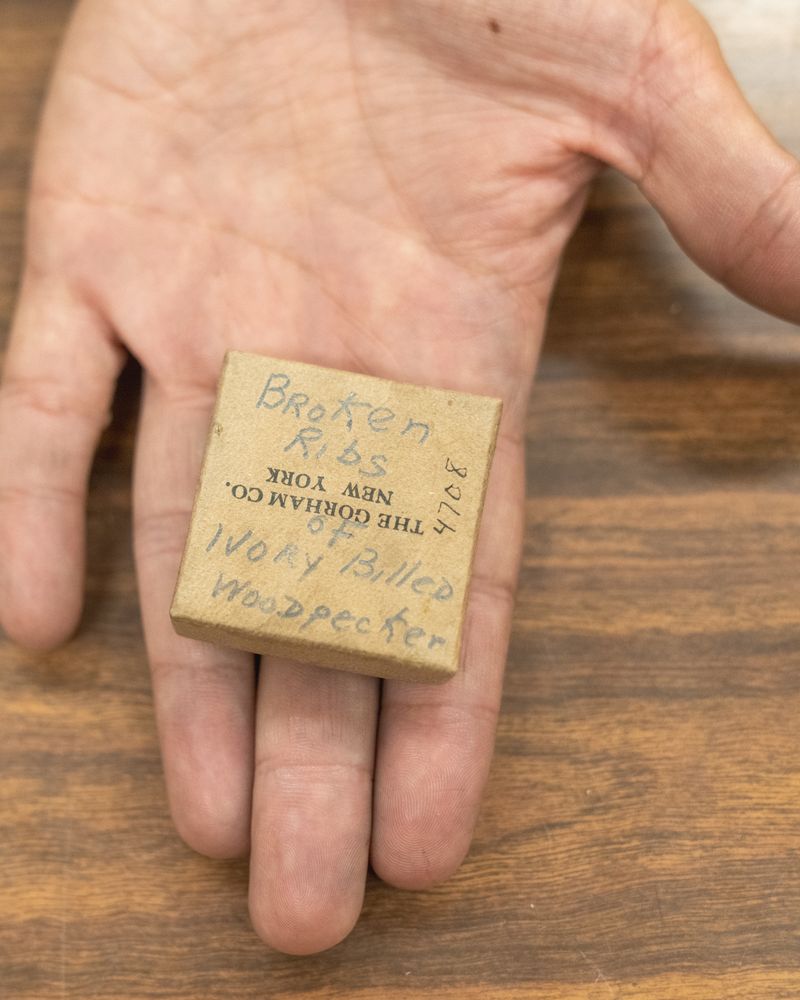
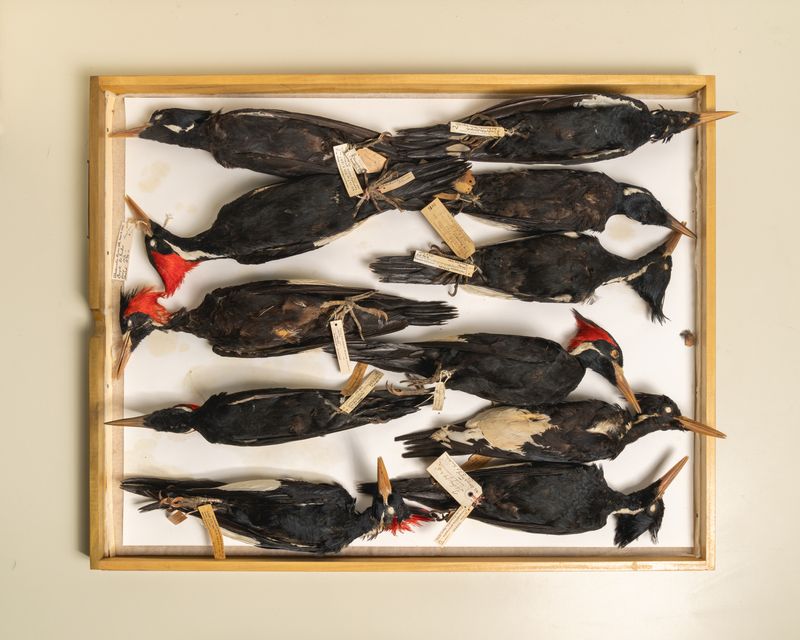
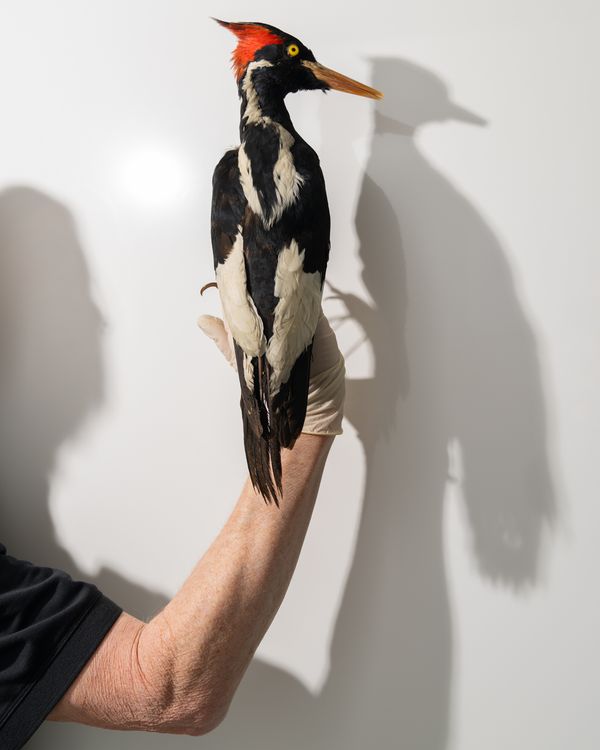
Unlike many bird enthusiasts, I had not thought much about Ivory-billed woodpeckers before seeing one for the first time. At almost two feet long, in striking contrasting black and white feathers, the male Ivory-billed has a bold blood-red mohawk jutting from his head – an astounding sight even when dead. I tried to imagine then, what this animal was like living, to look up from the forest floor and see this bird take flight. To hear its mating call and its songs. I wasn’t sure which elicited more shock from me as I stood over that cabinet: the sight of this amazing bird, or my own ignorance of the being that will never be observed living again. I felt a wave of urgency. I had to share the rare beauty before me, to tell its story in some way and the story of its (and other birds) absence from our time. There was something of this experience of briefly being near these woodpeckers that resonated within me – over the course of the next several years, I continually imagined this magical cabinet of extinct birds and dreamed of a sky that should look different.
The history of these extinct species fascinates me - there are so many potentially unanswerable questions. I feel tasked to show viewers how incredible these birds were. They stand as symbols of the delicate balance of life on our planet. This work invites viewers to contemplate the significance of each lost species, and their own impacts of our actions.
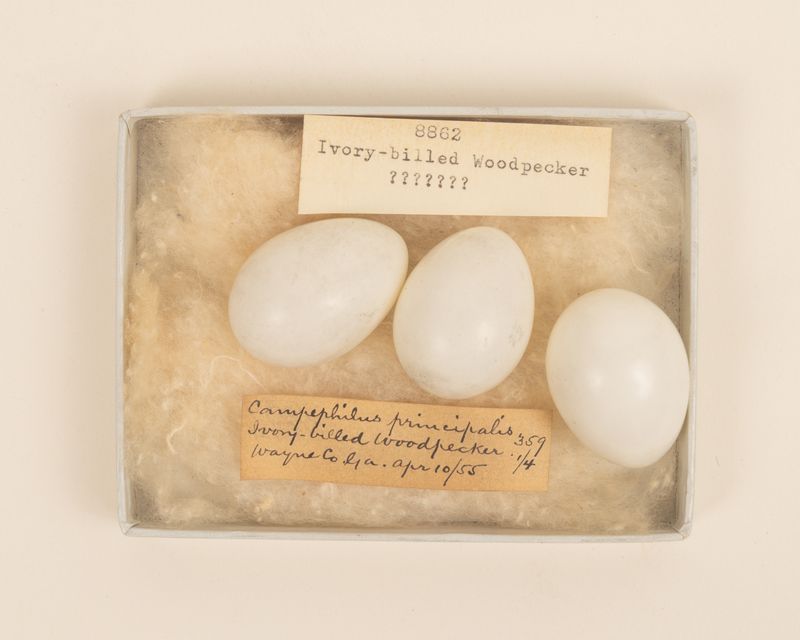
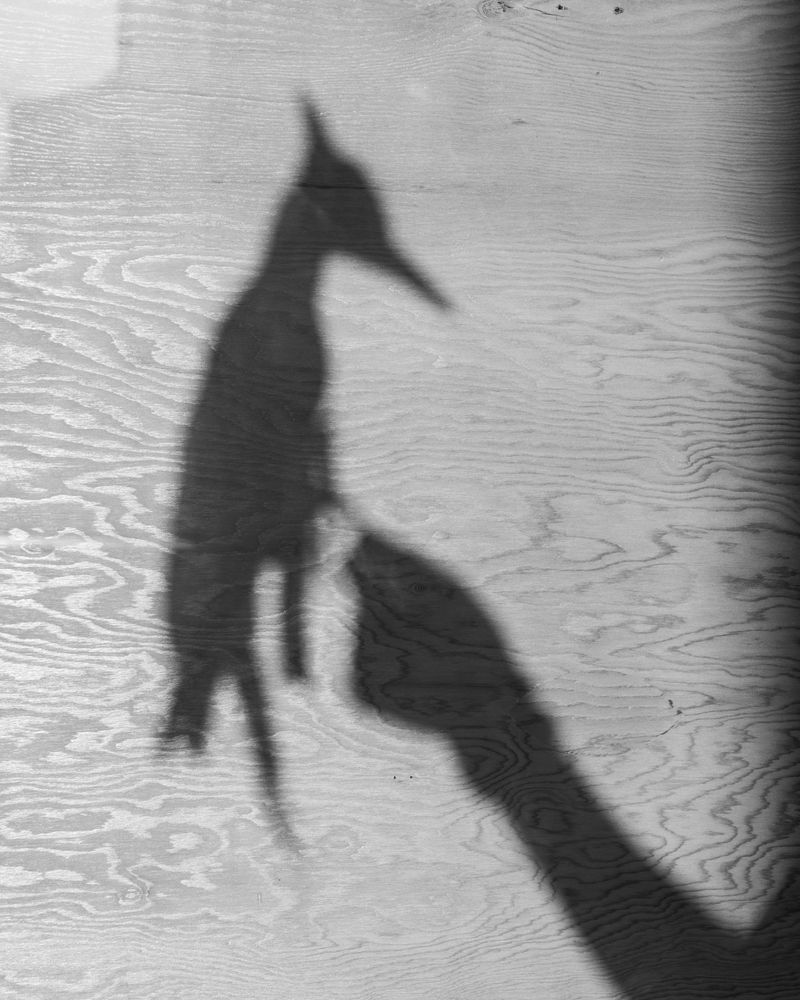
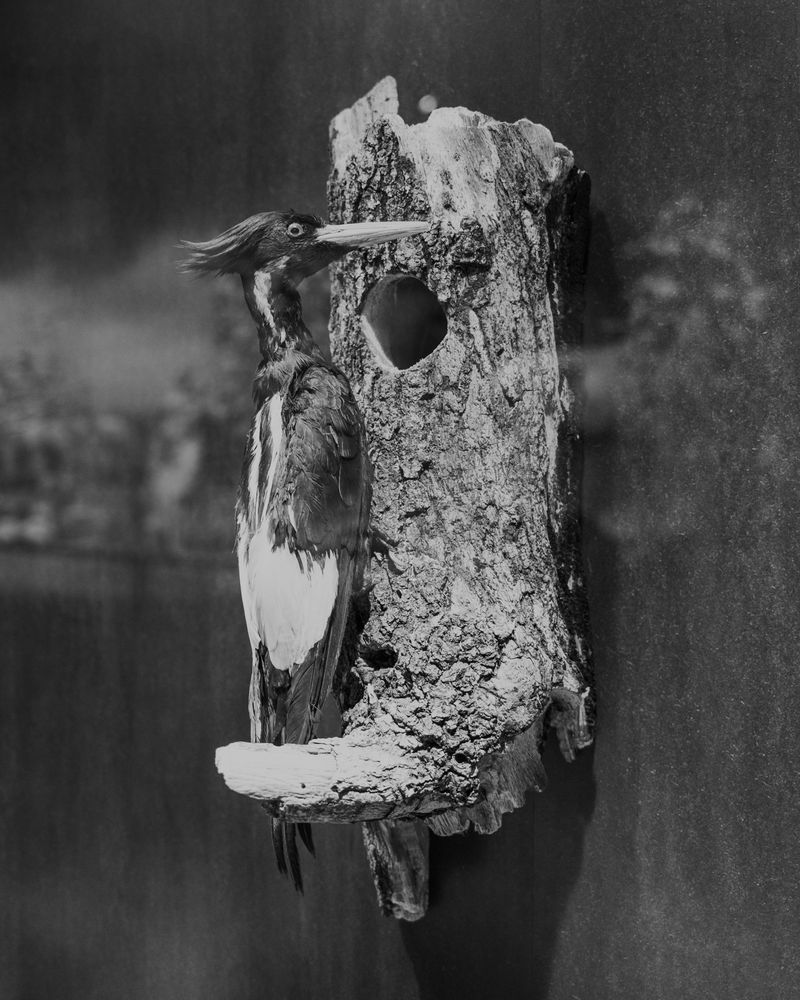
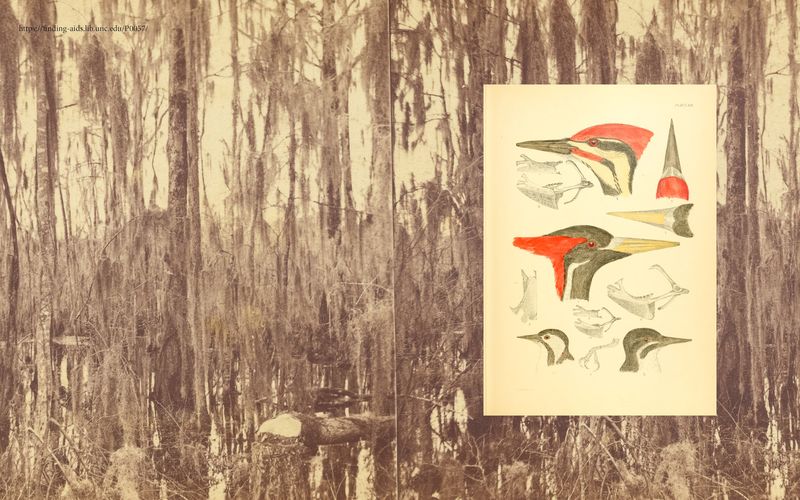
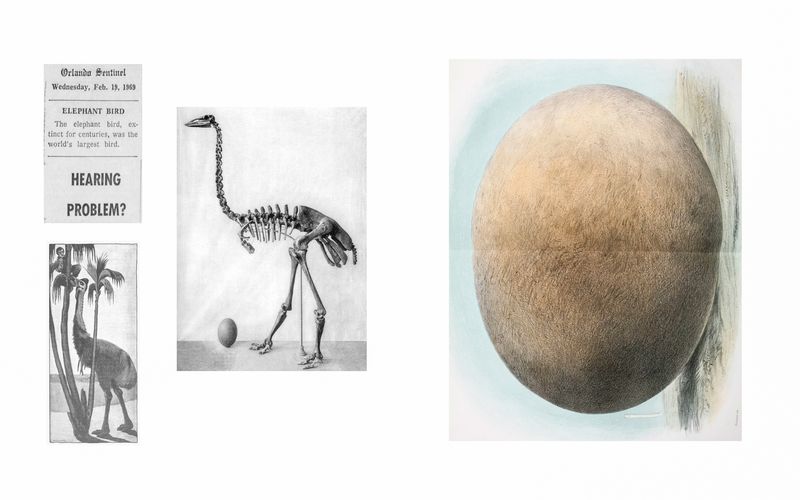
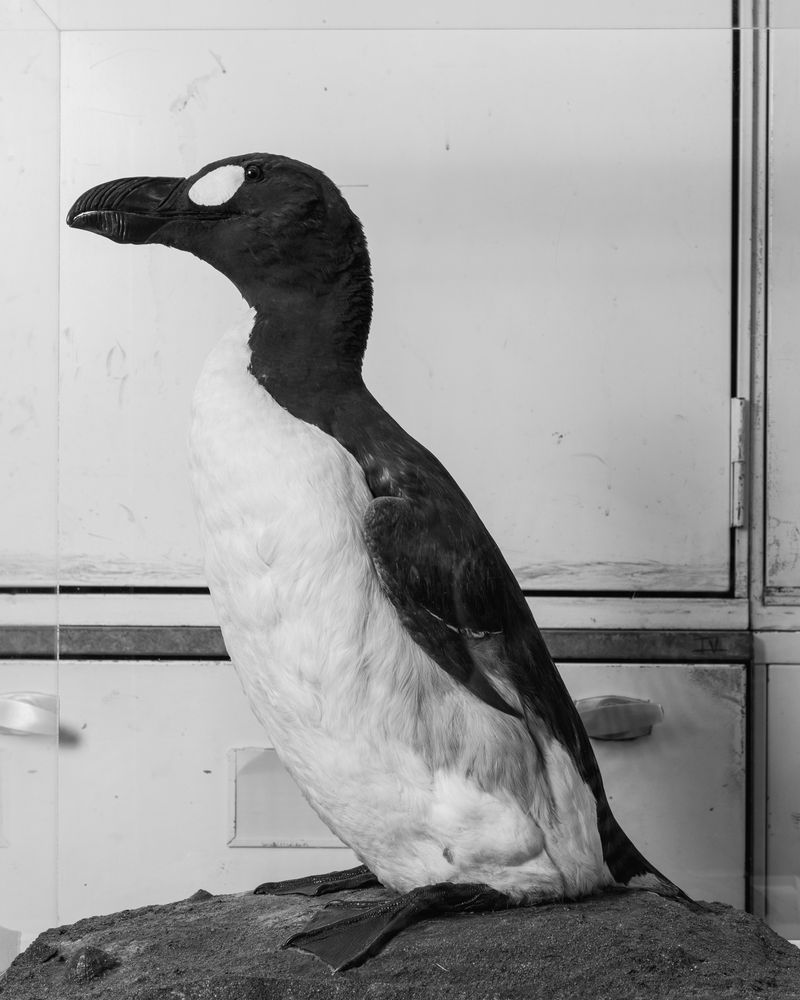
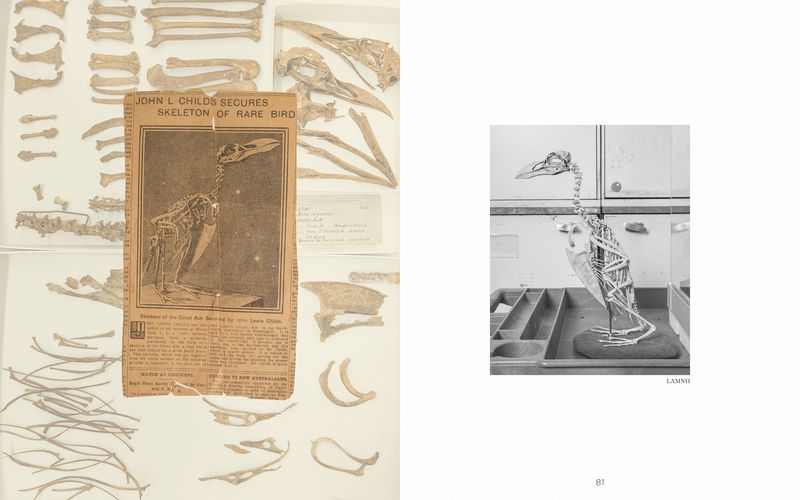
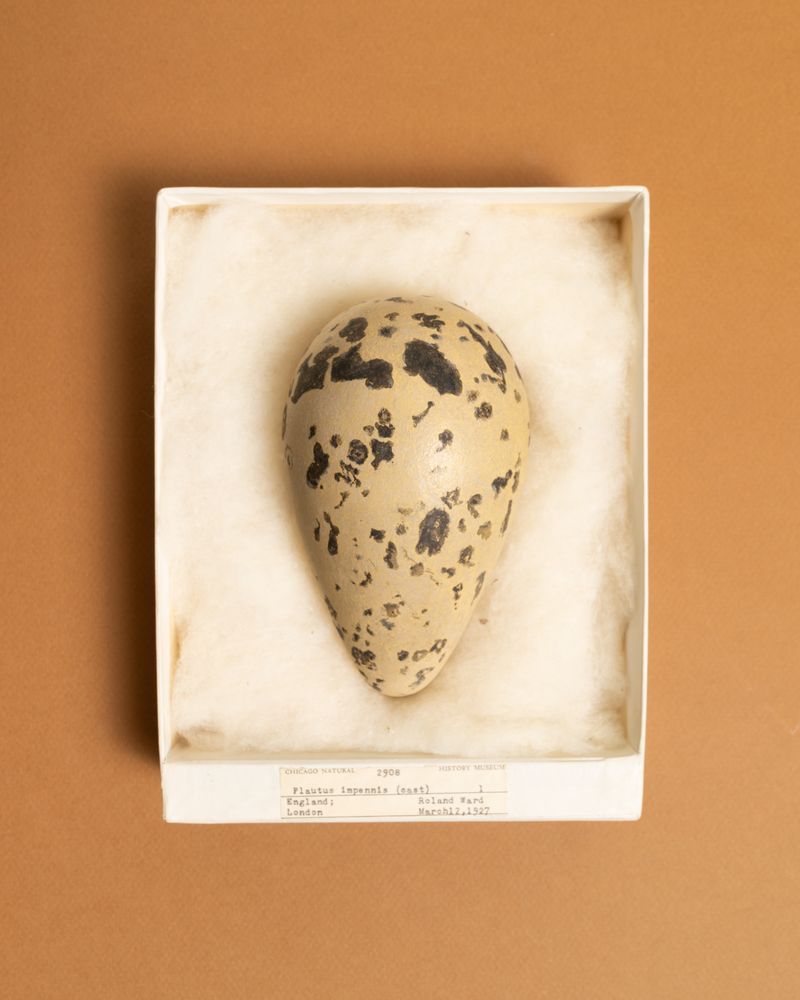
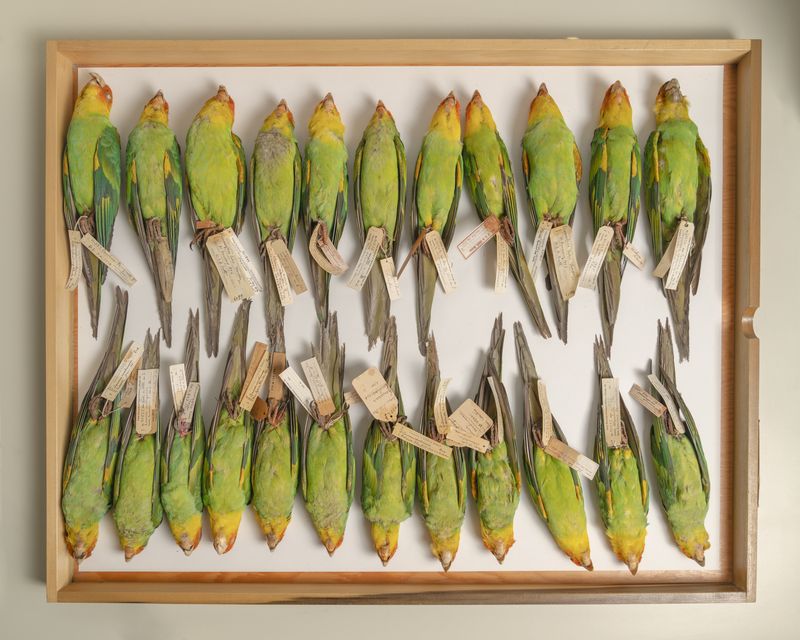
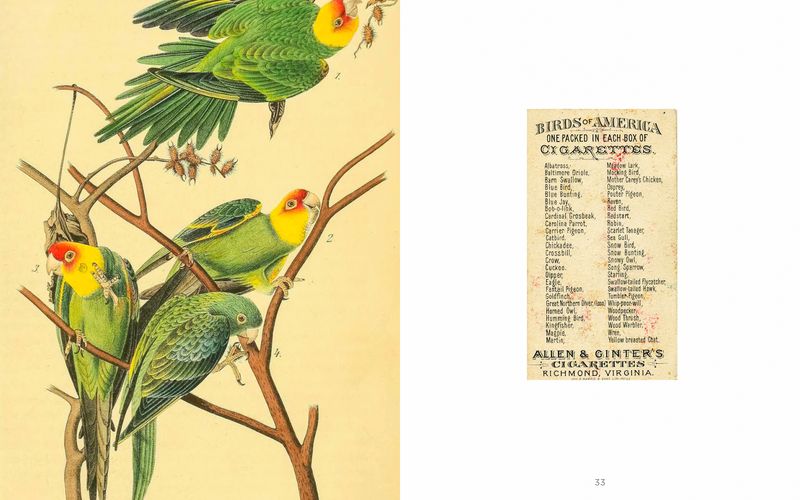
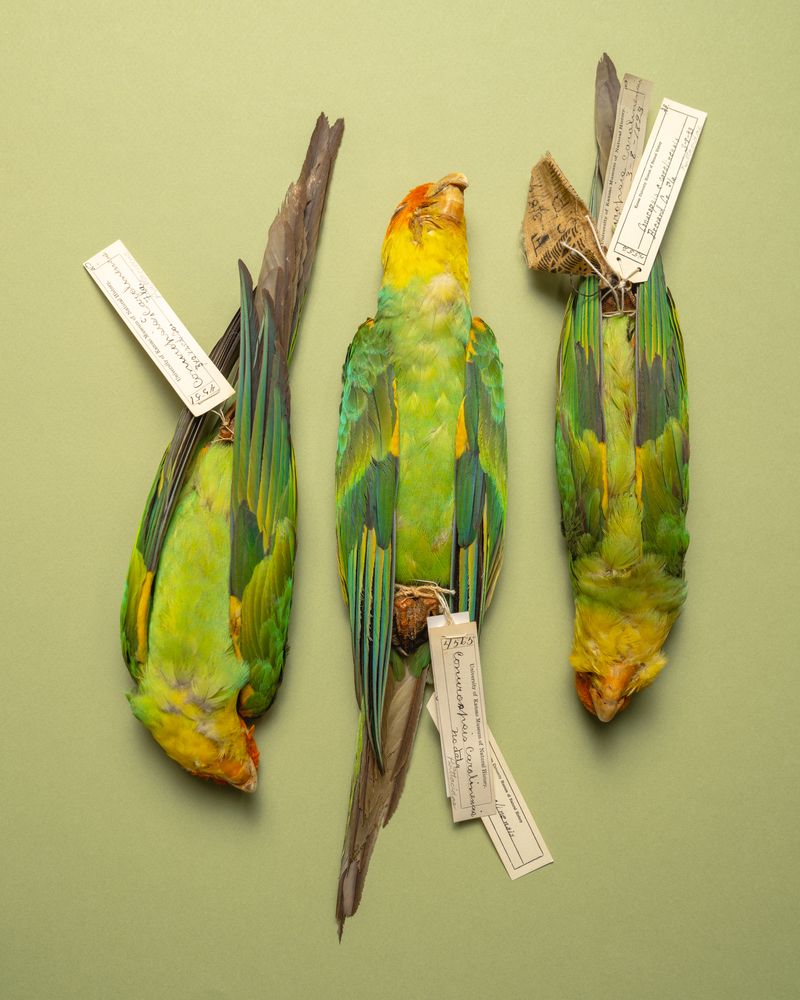
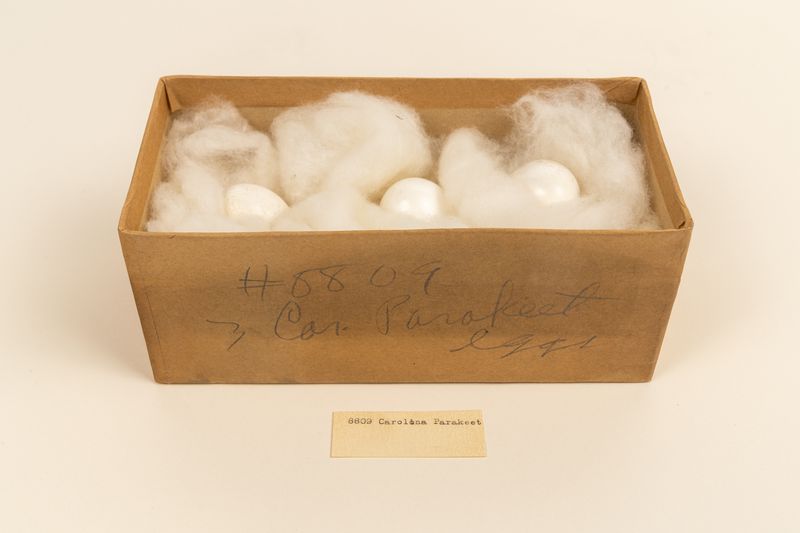
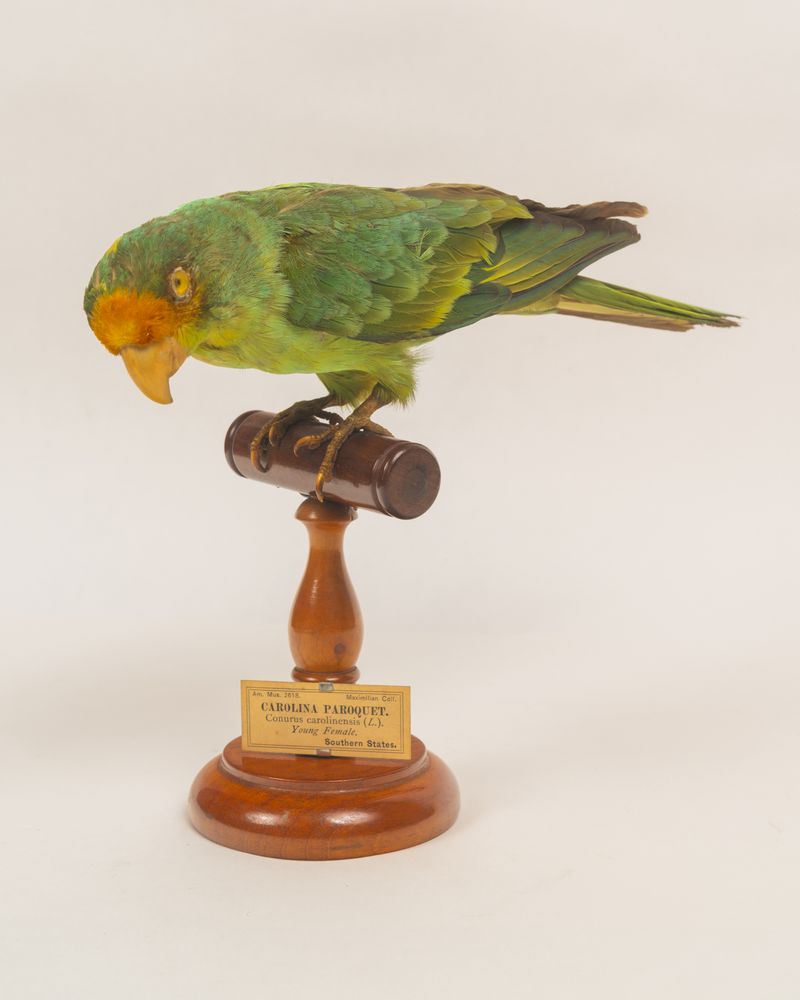
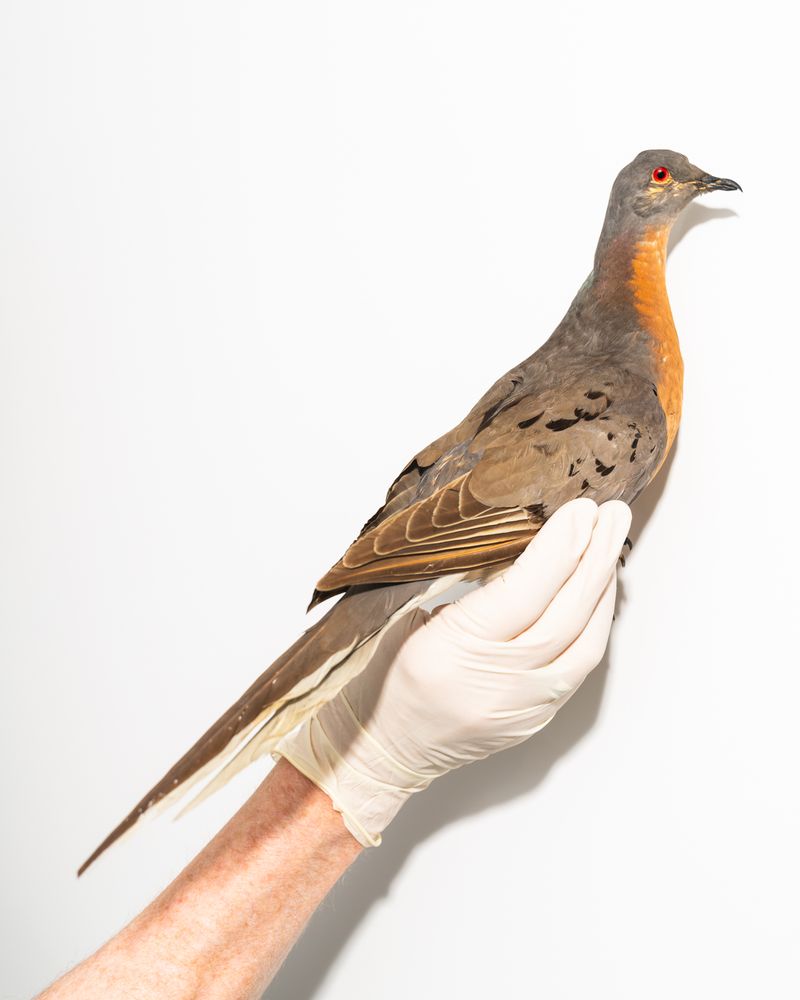
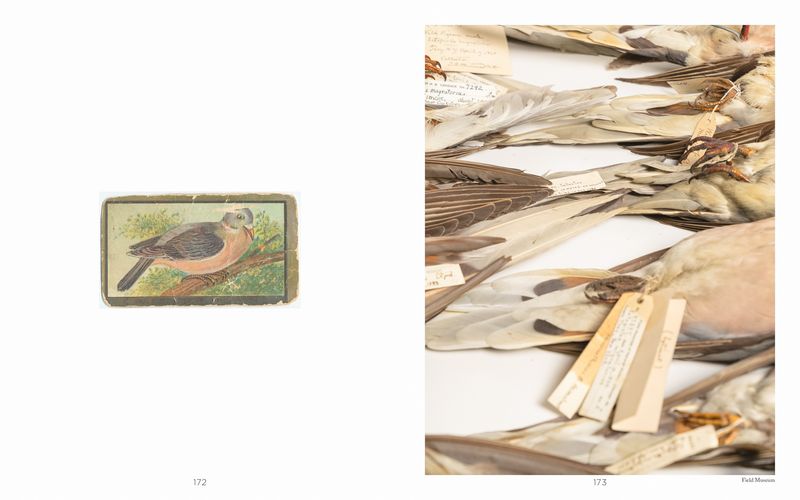
This work combines original photographs of study skins and taxidermy from a variety of natural history museum collections, alongside vintage public domain images such as illustrations from sources like the Biodiversity Heritage Library.
Already, I have visited a handful of natural history museums, and have been gathering hundreds of images from vintage books, ephemera, and online databases. A very rough layout has been built, with birds in alphabetical order in a massive and slow .indd file. I am now working to instead print each image to begin to play with things more physically, creating collages and Pictorico digital negatives for printing in the darkroom.
One of my next goals is to visit additional collections outside of the US, particularly ones in Europe such as the Natural History Museum at Tring, where many of the specimens that Darwin collected are housed. I want to figure out funding sources to get to Europe.
I have successfully self-published one book already, but would really love to grow what this next book could be. I am trying to make something significant that speaks to both the art and photo book community, but to a larger audience as well. I want to help create an awareness and interest in extinction and the Anthropocene, and am confident this book could have a wider reach because of the relevance of the subject. Blending science and art together invites that kind of diversity. I am hoping to work alongside an ornithologist or scientist to contribute research and writing. A former natural history museum curator who I've worked with has already begun to craft an essay to contribute. I’d like thoughts about publishers who might be interested in this book, and also how to make another self-published book successful if that is the route that is ultimately taken.
As an artist based in a small city in the middle of the US, I lack the kind of cultural and financial resources that artists on a coast or closer to a larger metropolis might have access to. This grant would provide extremely helpful supportas I work on this project.