When They See Us
-
Dates2023 - Ongoing
-
Author
- Topics Social Issues, Contemporary Issues, Archive
- Location Bamako, Mali
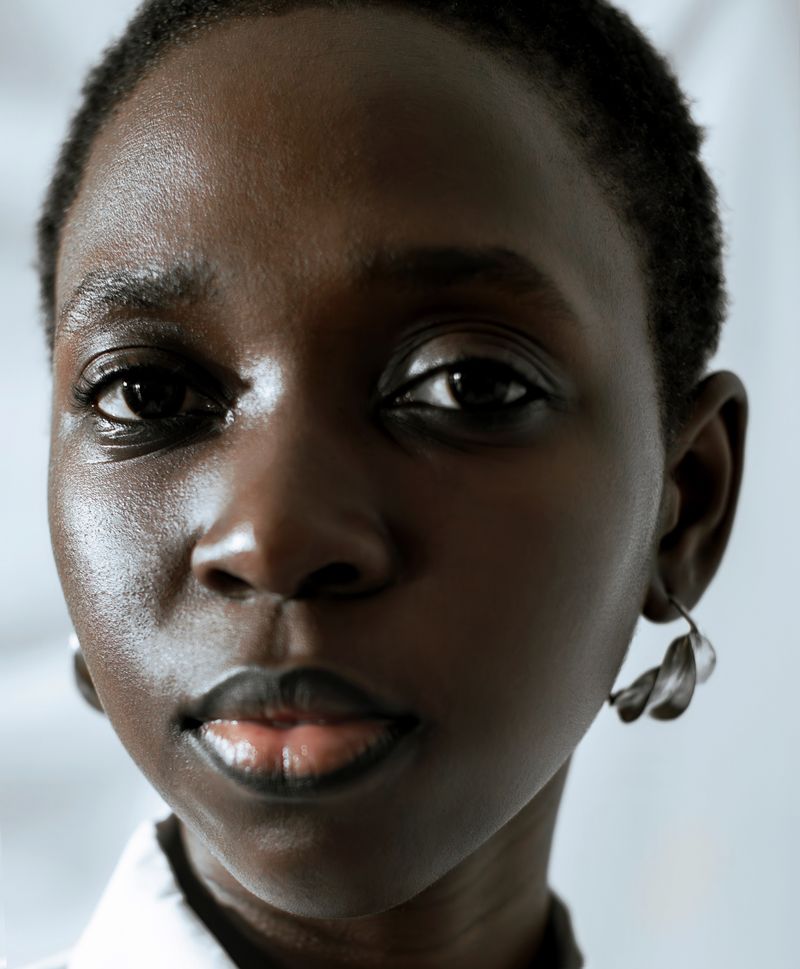
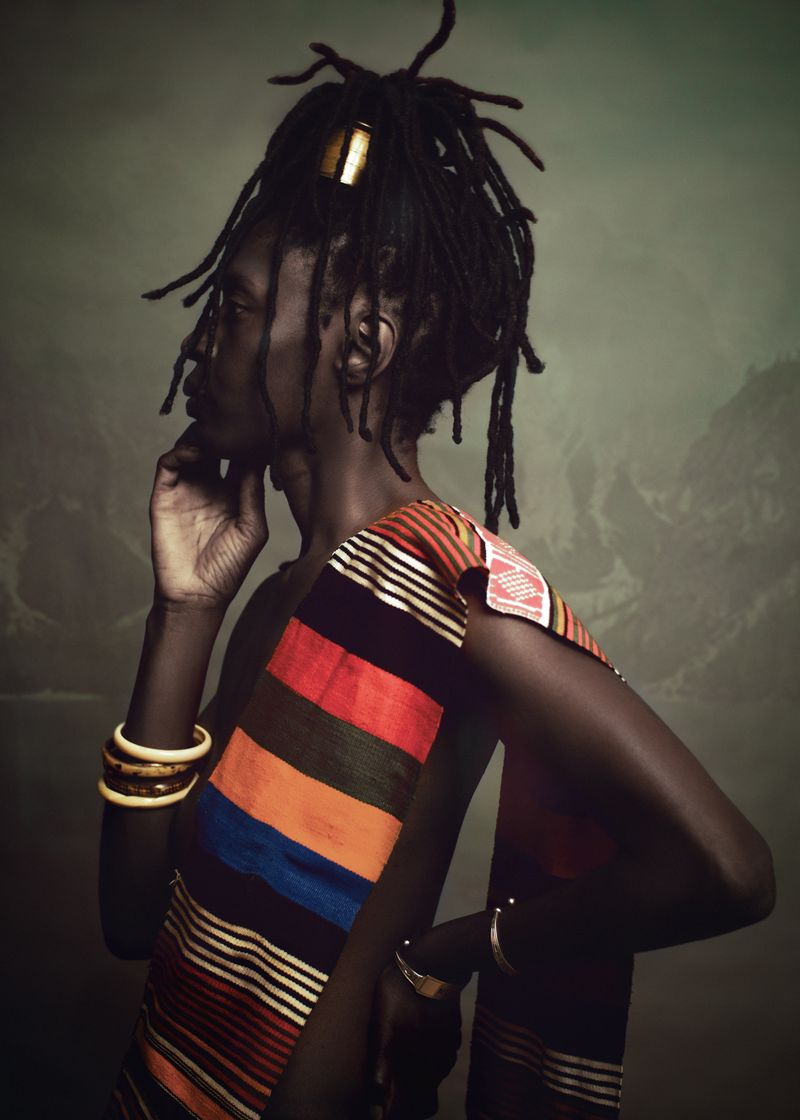
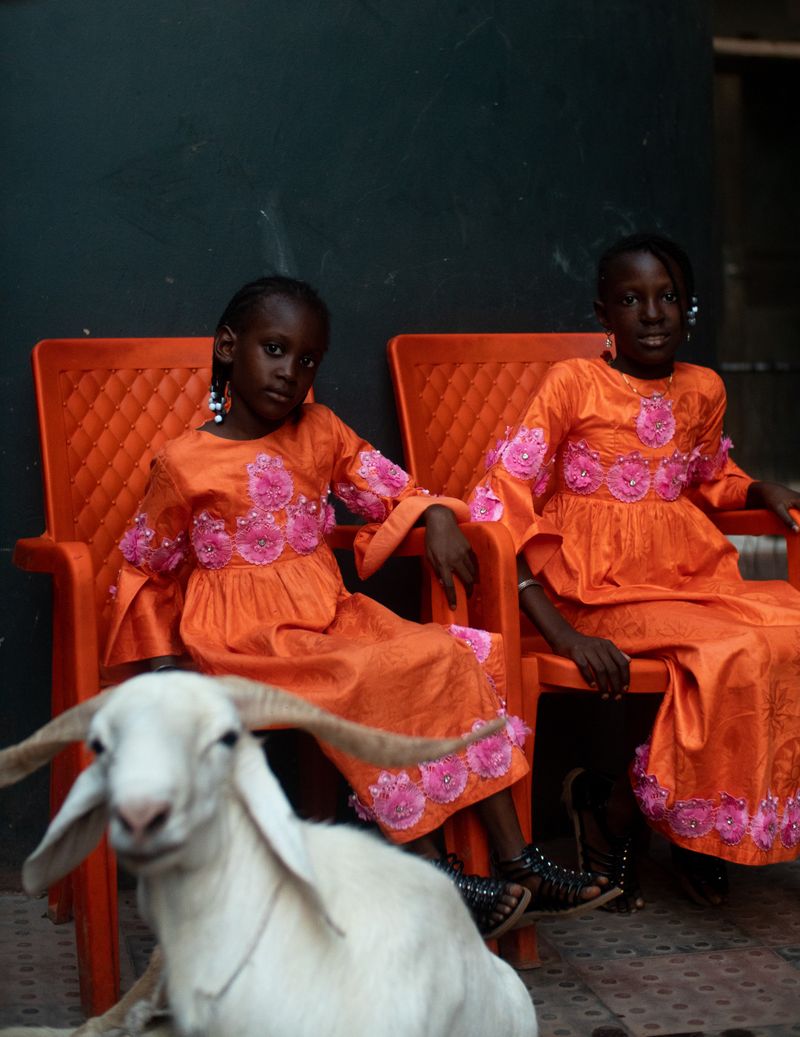
In Mali, girls learn early that visibility is never neutral. Their bodies are read before their words are heard. A public gaze surrounds them. From family, community, religion, institutions defining what they may become and how far they are allowed to
The Look That Shapes Her: From Being Seen to Seeing Ourselves
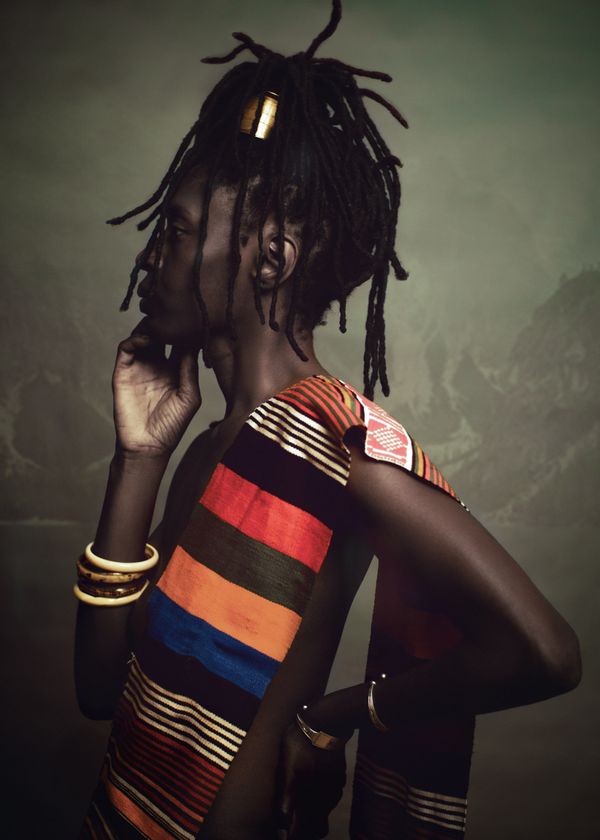
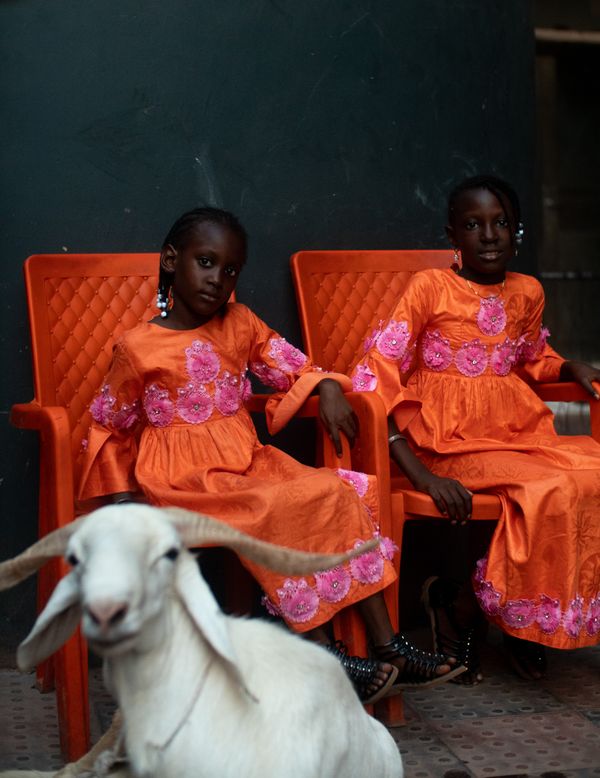
Ava DuVernay’s When They See Us exposes the violence embedded in misrecognition: the danger of being seen only through fear, stereotype, and accusation. Koyo Kouoh’s exhibition When We See Us shifts the pronoun and the power from imposed narratives to selfauthorship, from external definition to collective selfregard. My work is situated within this trajectory, but from a specifically African position. I am interested not only in how “they” see us, but in how we see ourselves, how we are seen within our own communities, and how girls and young women negotiate those layered gazes.
In many African contexts, visibility is highly regulated by family, religion, gender norms, and economic precarity. To be seen is to be evaluated, disciplined, or claimed. My project asks what happens when young African girls refuse capture when they inhabit images without becoming legible according to expectation. The question is no longer only When They See Us, nor simply When We See Us, but rather: Who shapes the look that shapes her? My practice seeks to create images in which presence is not owned, consumed, or explained away, but allowed to remain partially opaque. That opacity is not absence, it is agency.