Shared Breath: Motherhood in the Time of Climate Crisis
-
Dates2022 - Ongoing
-
Author
- Location Santa Fe, United States
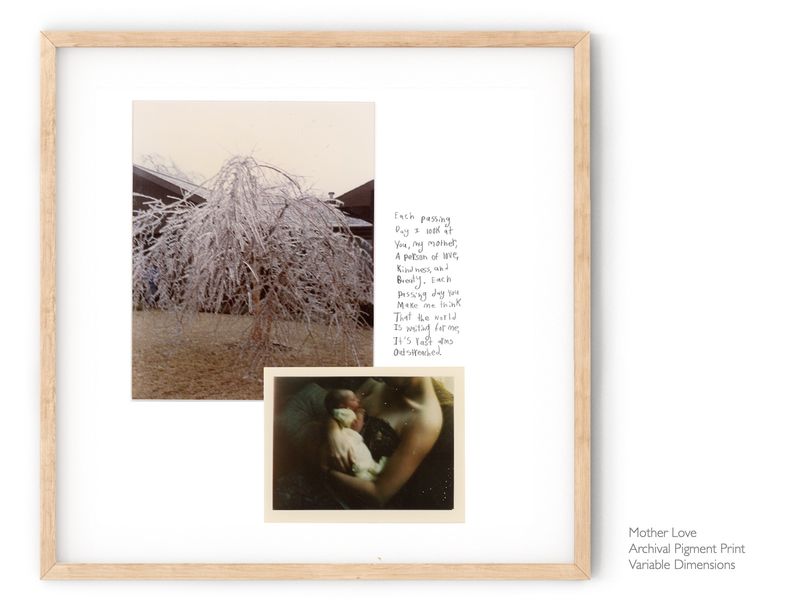
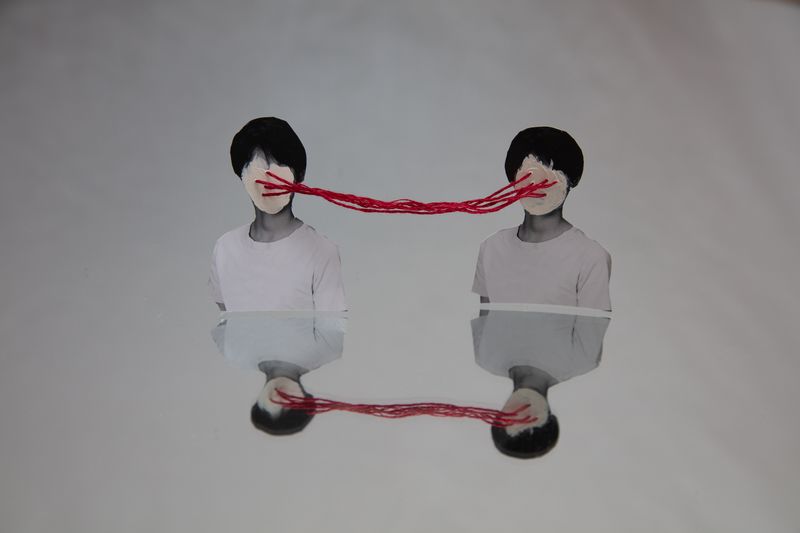
Our collective loss in thinking of the Earth as a “mother”—who both provides for humans and should be cared for—has had devastating effects on the planet. To begin to heal the Earth we must break down our “illusions of separateness” as Naomi Klein states.
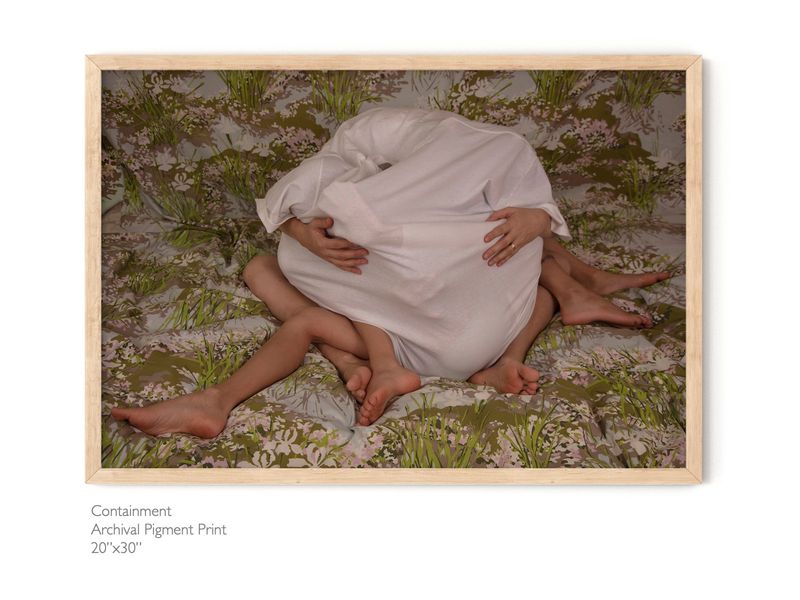
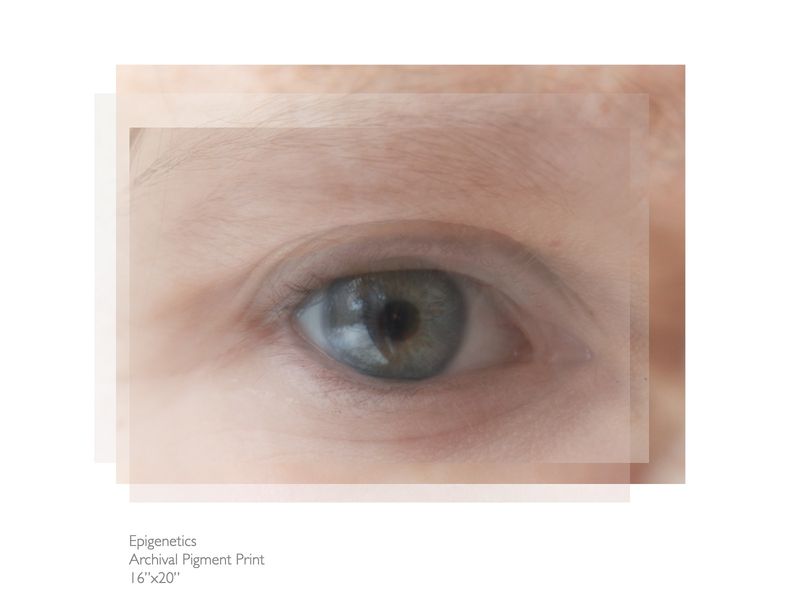
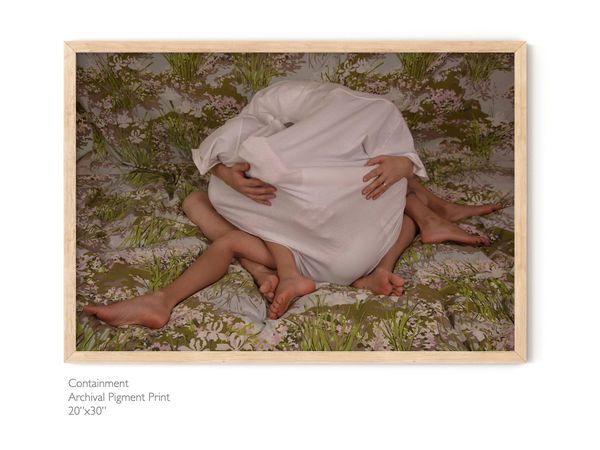
This series explores environmental grief through an investigation of the interconnection of motherhood and the climate crisis. The work queries: 1) What does it mean to parent in the time of climate crisis? 2) How should we acknowledge environmental grief and our uncertain future? 3) How do we reconnect with the Earth and begin to mend a damaged planet? The work is intersectional and interdisciplinary by nature, aiming to collapse boundaries between disciplines and personal and public spheres.
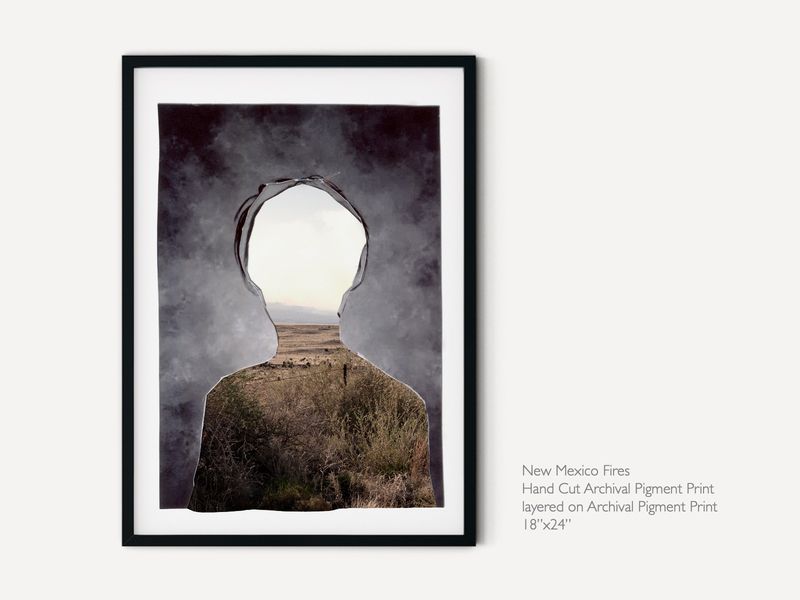
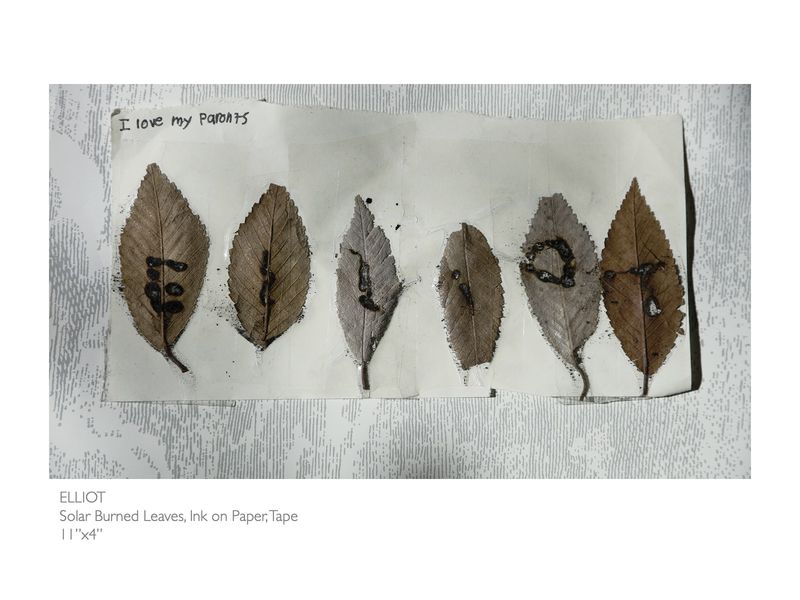
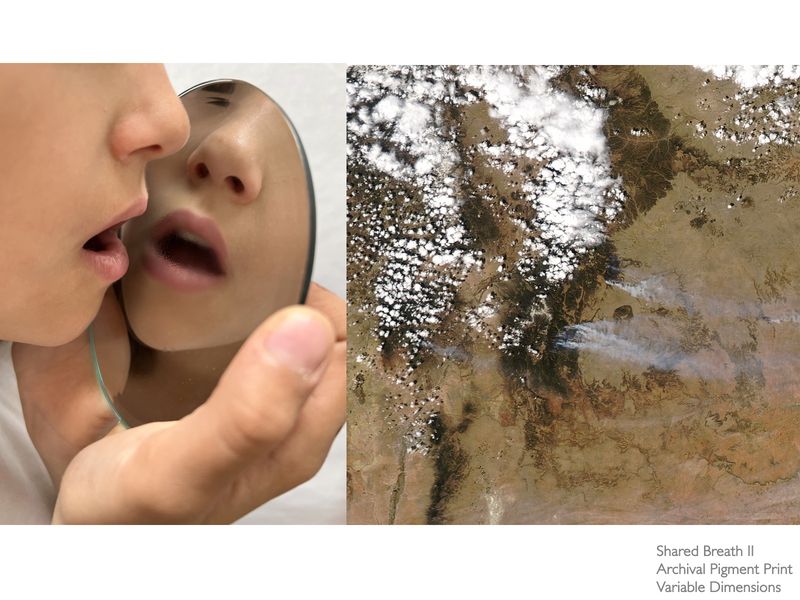
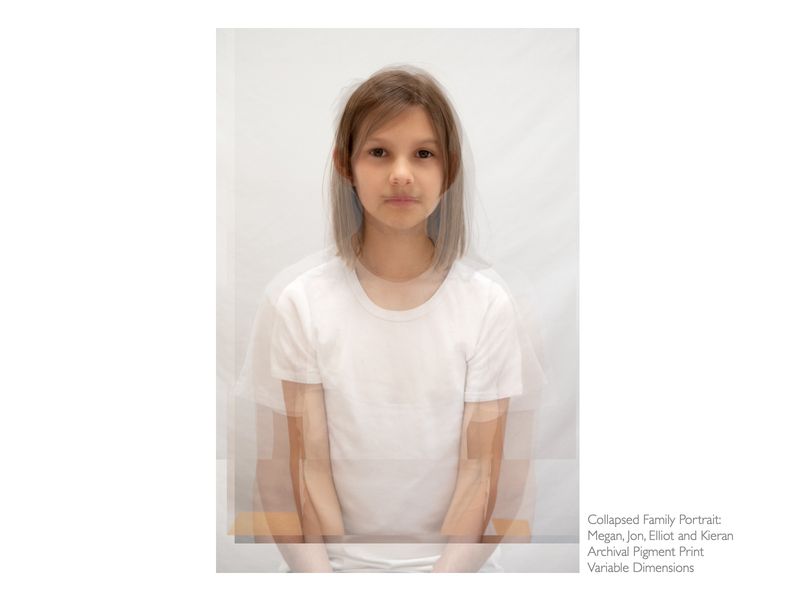
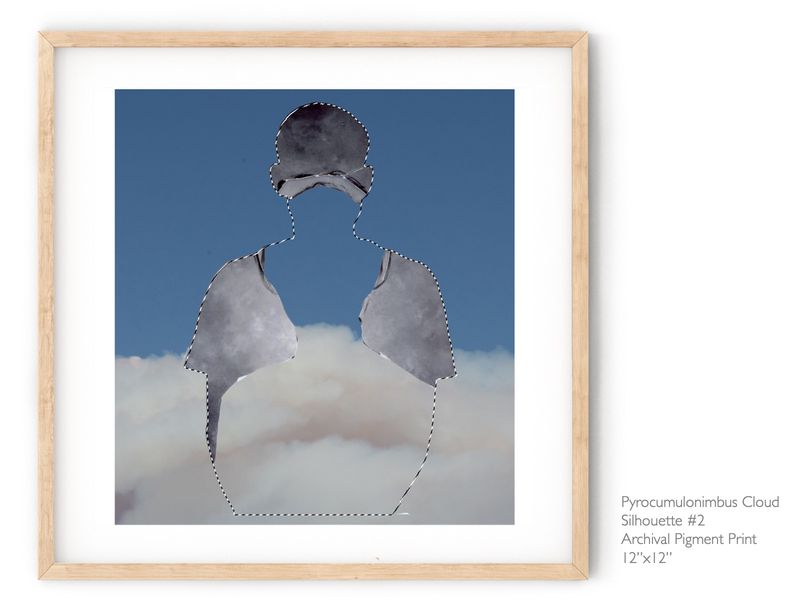
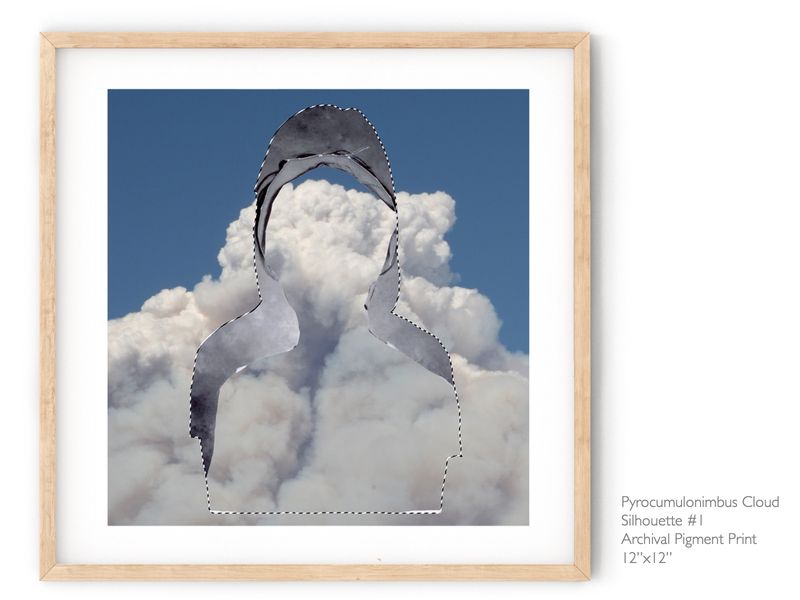
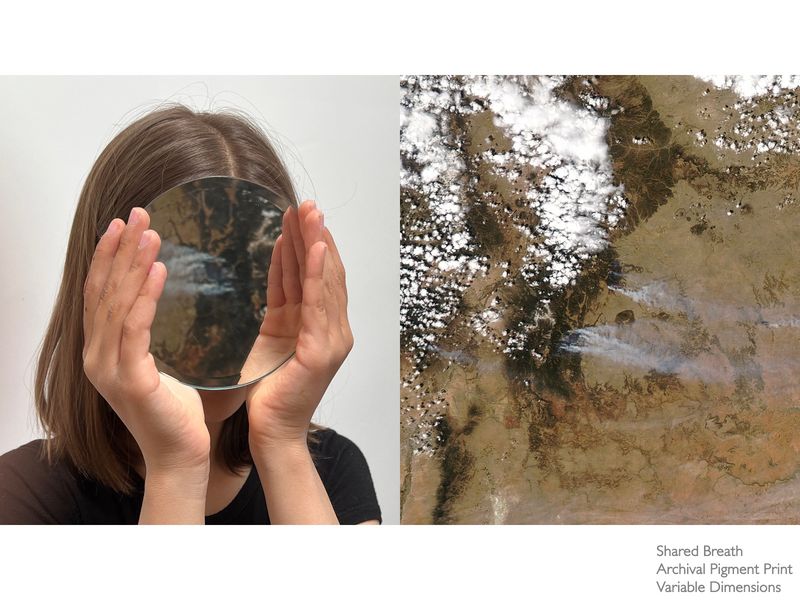
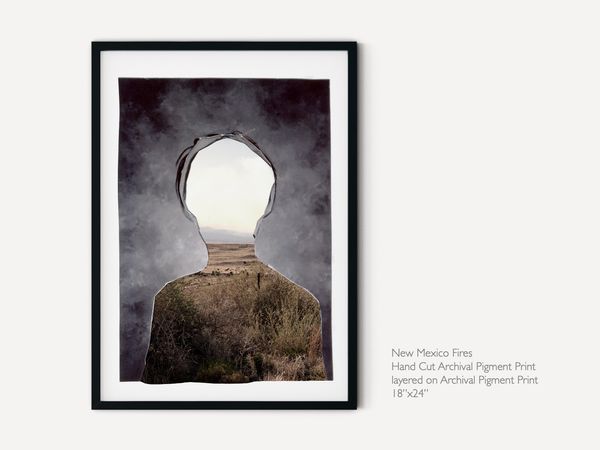
Our collective loss in thinking of the Earth as a “mother”—who both provides for humans and should be cared for—has had devastating effects on the planet. I have experienced eco-grief first-hand as my family and I experienced the Calf Canyon/Hermits Peak Fire, the largest in New Mexico’s history. To begin to heal the Earth we must break down our “illusions of separateness” as Naomi Klein states. With this aim, I collapse images of pyrocumulonimbus clouds, created by the heat of wildfires, with the outlines of my children’s bodies. These works reside in the sublime; there’s a beauty to the form, yet their cause is terrifying.
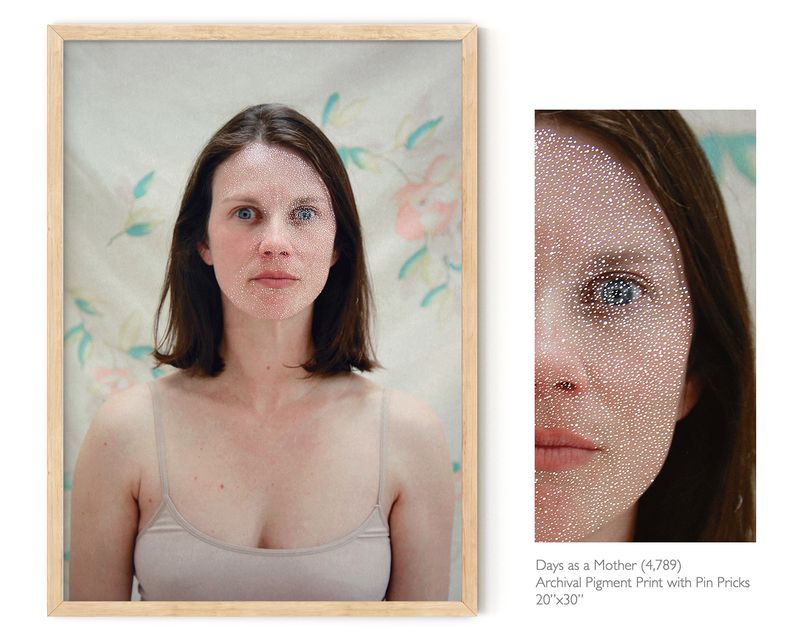
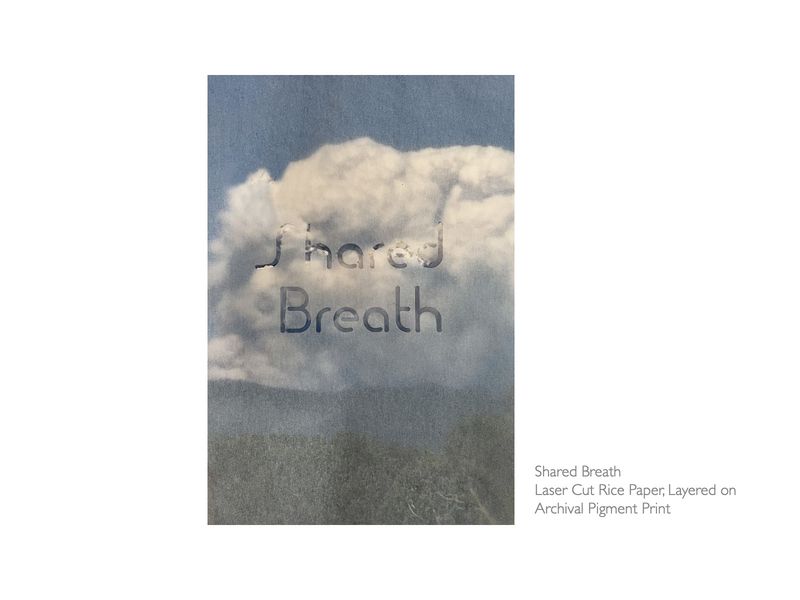
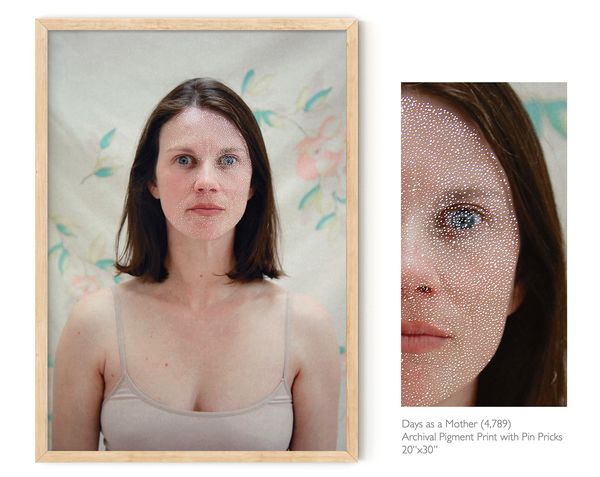
My work seeks to mark time. I physically mark the number of days that I’ve been a mother with a pinprick to the print. Through time, the print is transformed, mirroring how motherhood has transformed me and in turn how we are transforming Earth. To be a mother is to love your child, yet simultaneously to carry the weight and pain of such a role; this is paralleled in the plight of our Mother Earth as well. The work rejects a static interpretation of an image. As Doug and Mike Starn state: “A photograph is not only a captured instant but exists in time and deteriorates and expands with time, just as all objects change and all ideas change their meaning”.
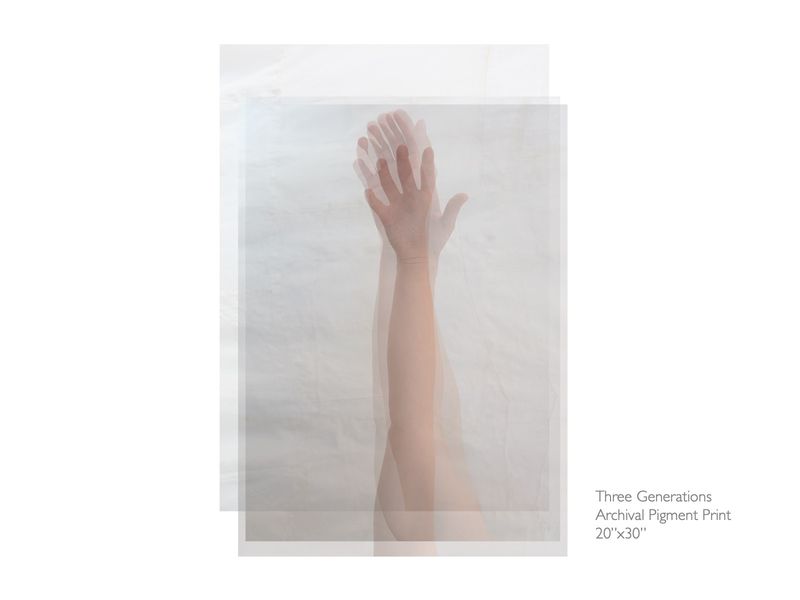
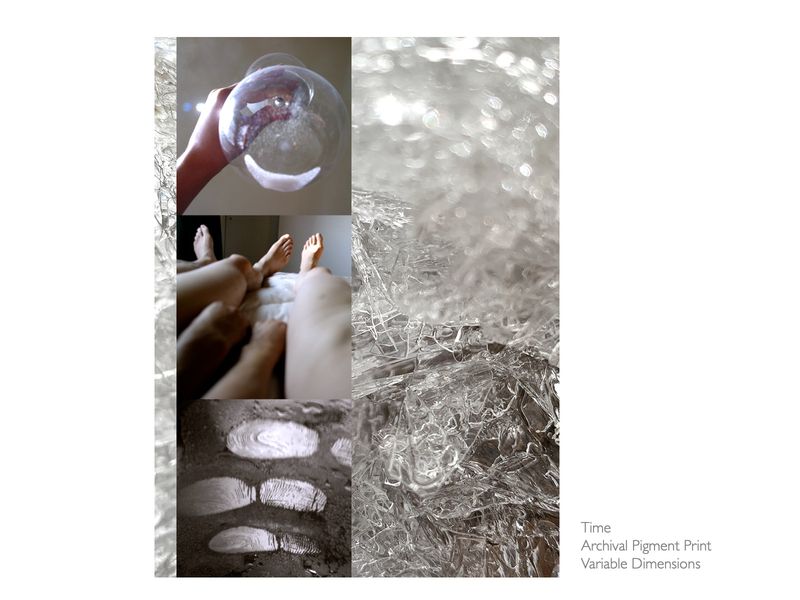
How much time do we have left? Scientists claim that we have until 2030 until the point of irrevocable change. I collapse the ongoing climate crisis into my children’s lineage and impending adulthood, to recognize that the two are connected and tethered. I look to the materiality of ice to speak to change and fluidity. I make ice molds of my children’s teeth to recognize that the fleeting time left to change course dovetails with the limited time my children have before they enter adulthood.