Self-Censoring
-
Dates2024 - Ongoing
-
Author
- Location Berlin, Germany
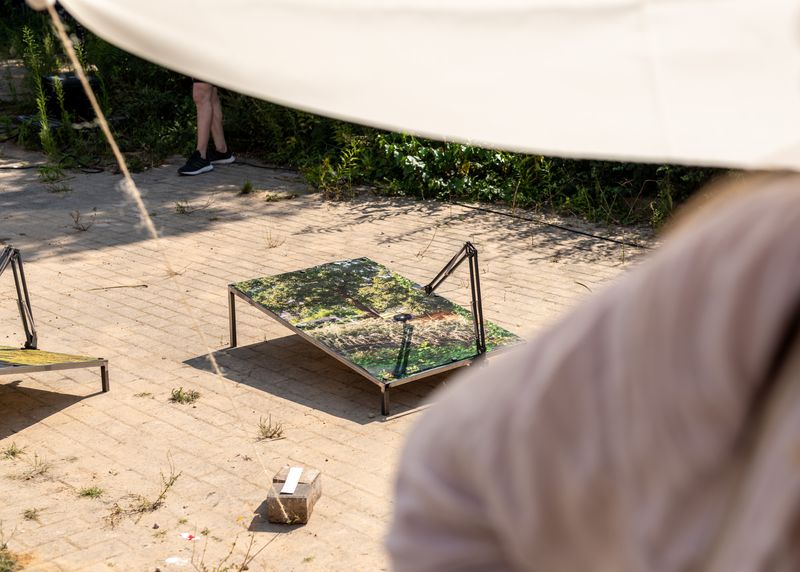
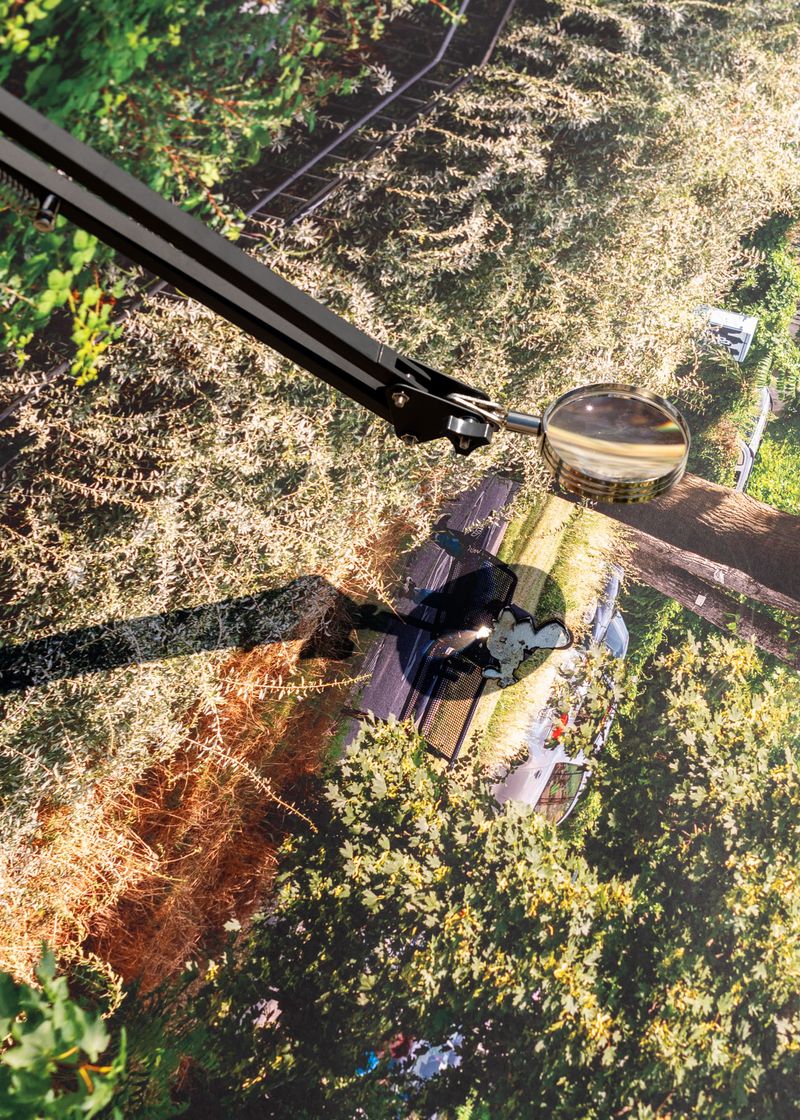
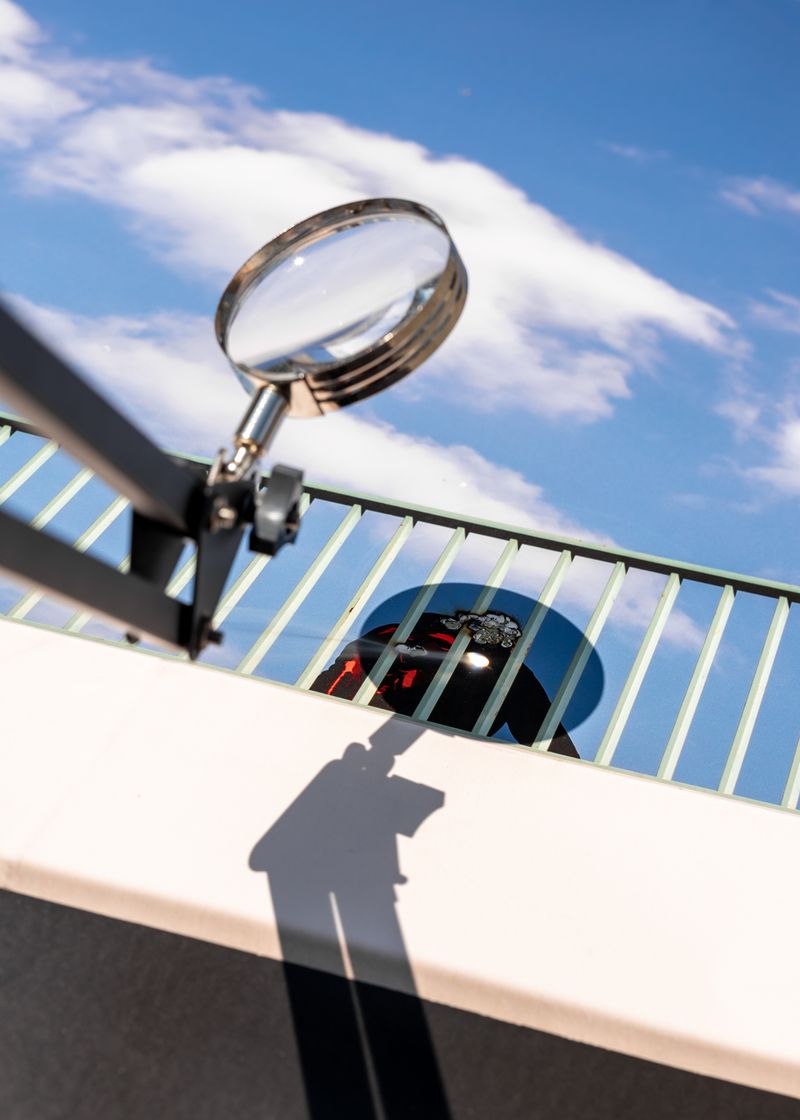
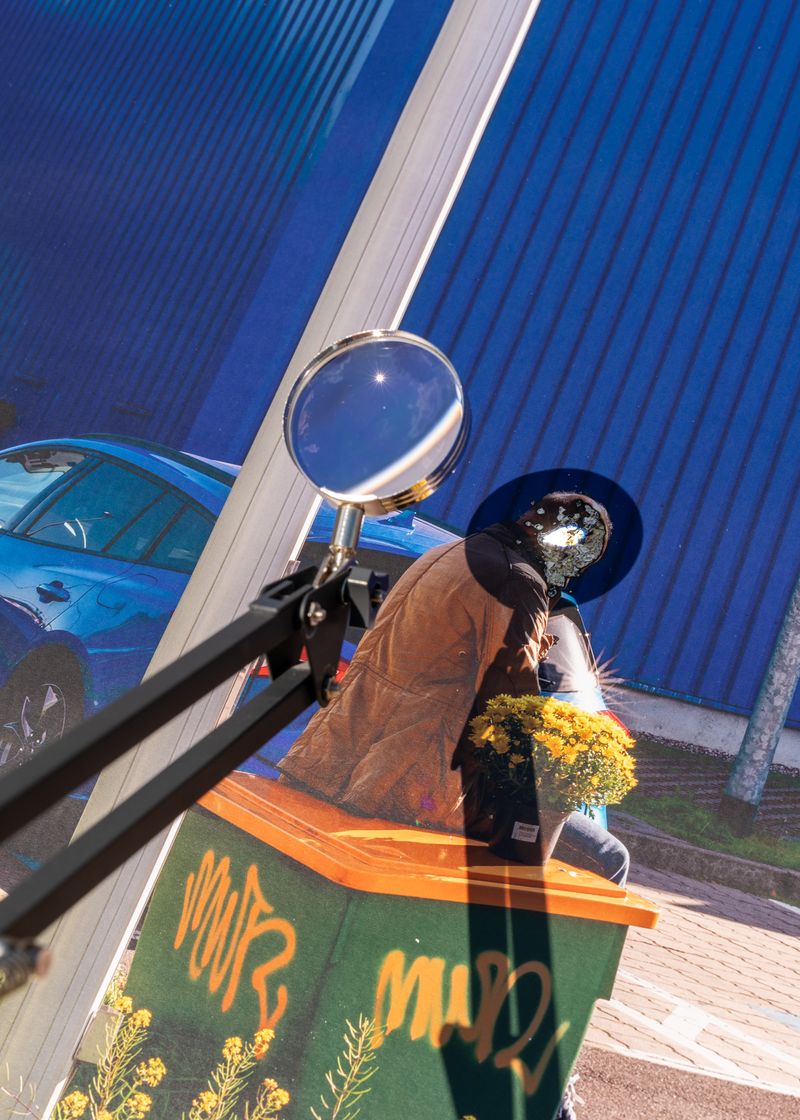
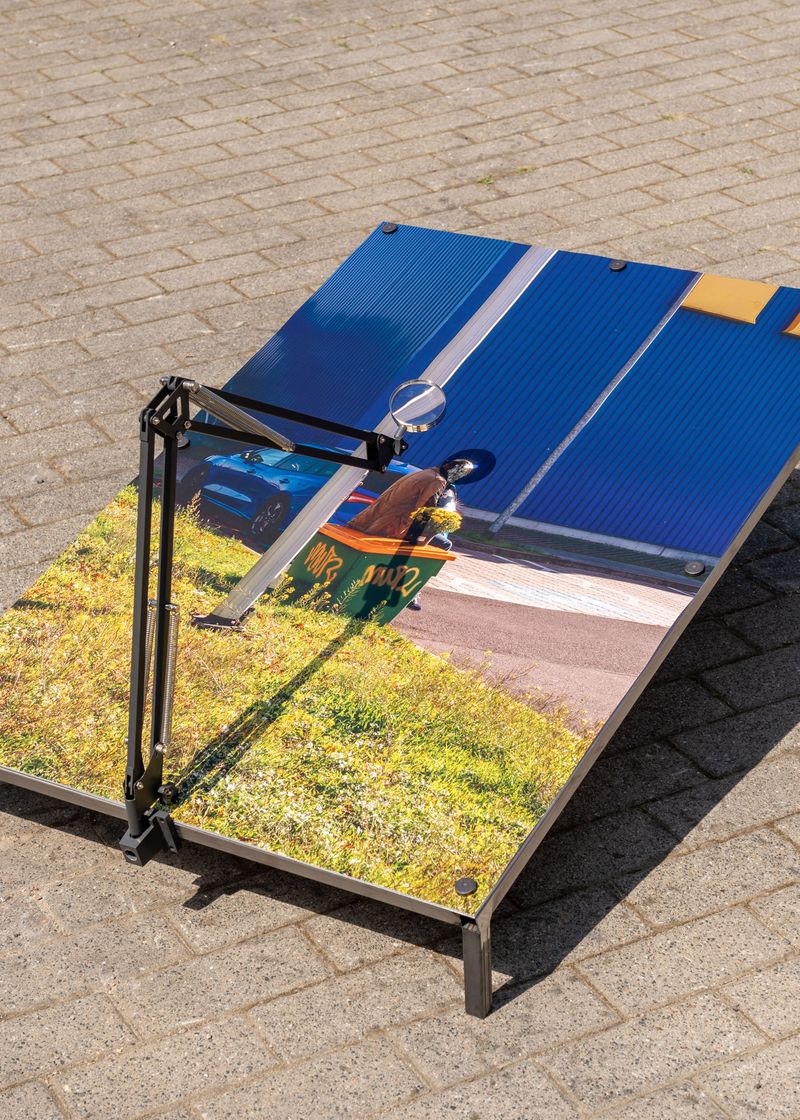
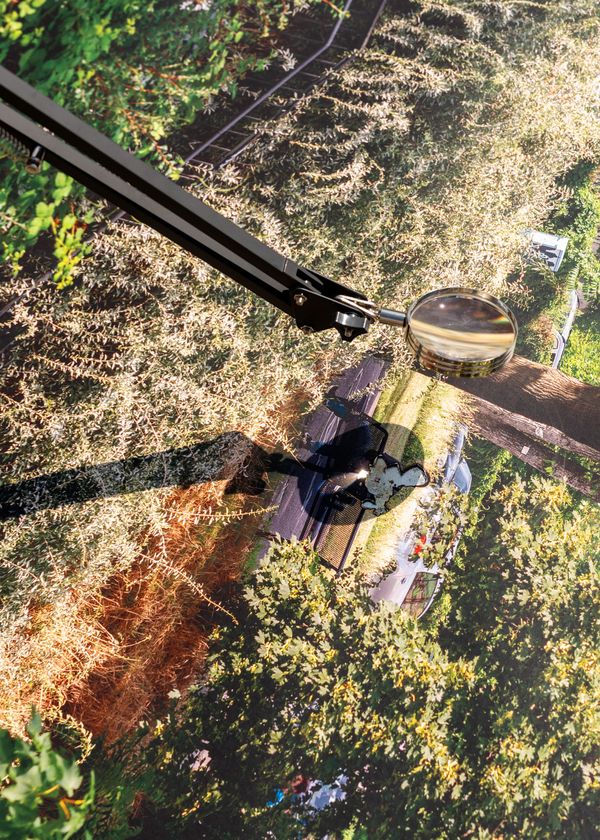
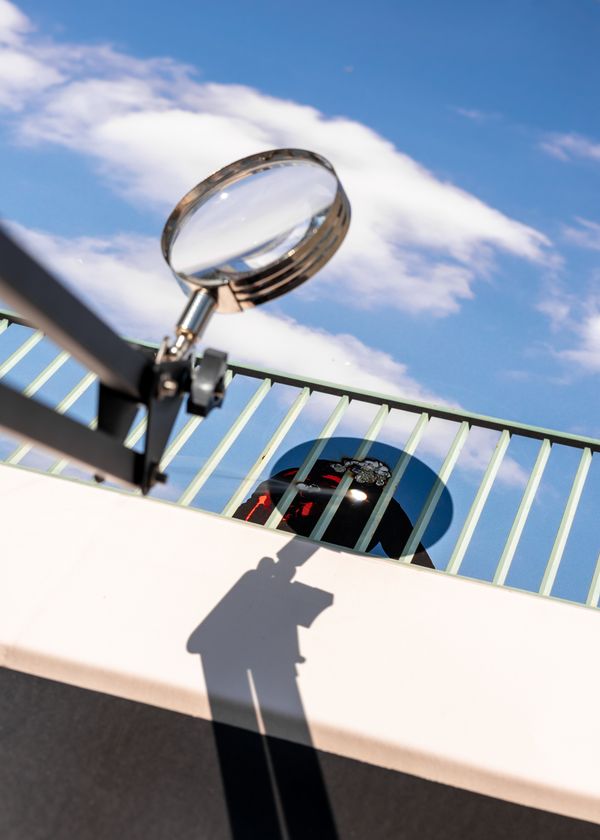
Self-Censoring is a process for auditing my photography archive to meet German cultural and legal expectations. The installation uses magnifying glasses and heat from the sun to redact depictions of people I have photographed without their consent.
Conceptual Description:
As a guest in Germany, I walk a precarious path bordering assimilation at one turn and trespassing at the next. To be welcome here and remain, I have to follow the rules.
This project responds to an inner moral conflict I have felt as a photographer since I moved to Germany from the UK in 2016. It was finally sparked by my encounter with a stranger in Neu-Hohenschonhausen, Berlin, in 2023 after I photographed the window of a building this person was inside of at the time. The stranger confronted me. He was angry I had taken this photo and challenged me on my power to do so.
Although not especially unique in many ways, given that I often have confrontations of this kind in Berlin after I’ve taken a photo in a public space and then triggered someone’s reaction, there was something quite striking and memorable about the man’s pain that day. It was real, whether I agreed with him on principle or not, and I was the source. It was as if my taking that photograph represented to him an existential threat.
This fear was not based on the man having observed the image itself because it was, after all, still several chemical steps away from being recognisable. His fear was of an imagined image - a supposed image - making it a kind of Schrödinger’s Cat inside my camera both dead and alive, dangerous and innocuous, until its emergence from the dark and re-birth into the world of light from which it once mimicked. The reality of the image, therefore, seemed not to matter. It was the action of me taking it and the notion of its very existence that caused the man pain.
This interaction indicated a lingering legacy from the DDR still present in East Berlin today: a legacy of suspicion.
Self-Censoring is my strategy for responding to my inner conflict as a photographer, and my confrontation with the man in Neu-Hohenschönhausen. It is both an installation and a process for auditing my digital photography archive to meet German cultural and legal expectations. The installation uses magnifying glasses and heat from the sun to redact depictions of people I have photographed in public spaces in Germany over the past 8 years without their prior-given consent. In doing so, the rights of these individuals to privacy are ensured (albeit at the cost of a little censorship).
Video Documentation:
https://vimeo.com/990113963?share=copy#t=0
Technical Description:
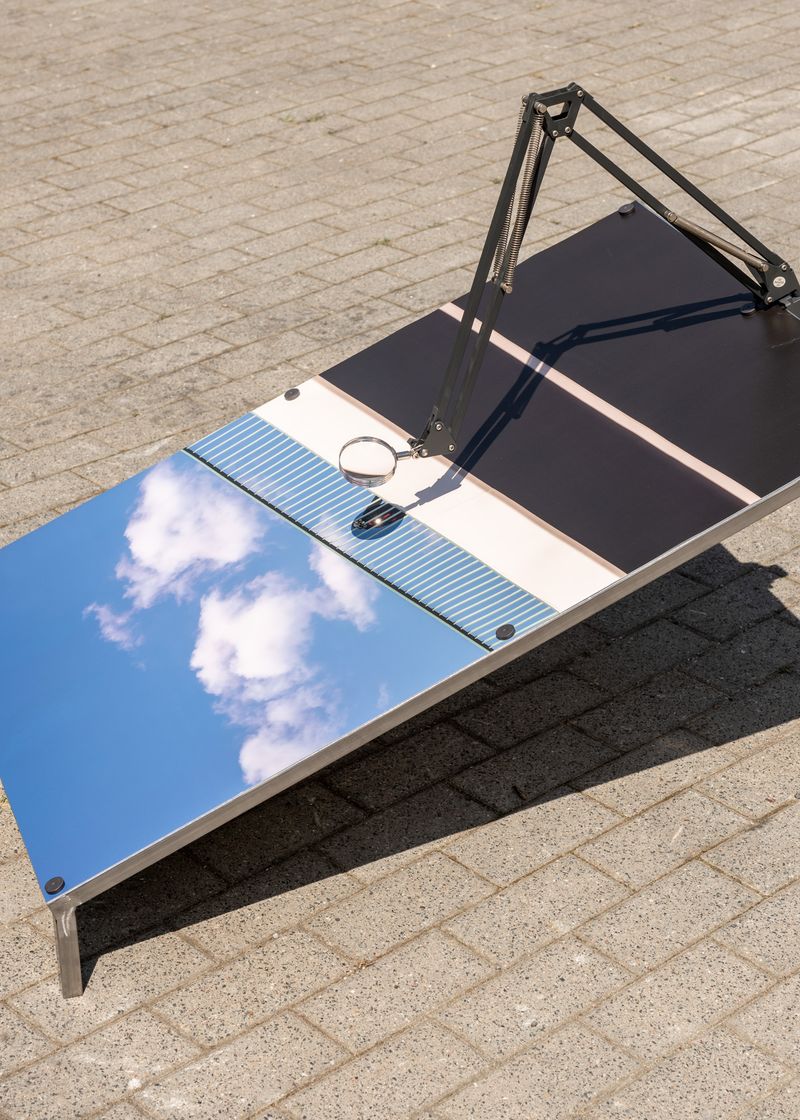
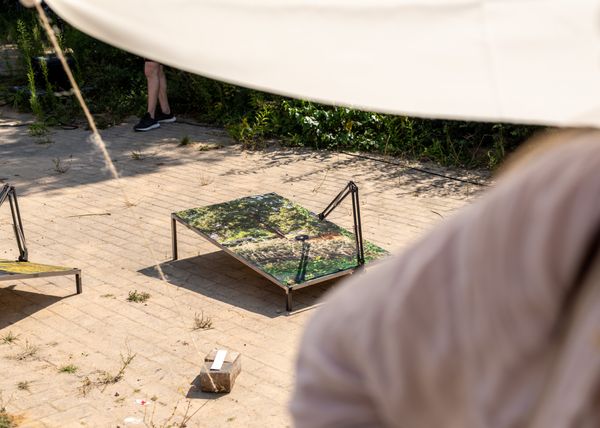
The installation comprises three steel frames, with legs. On each frame is mounted one 100cm x 70cm photographic print and an extendable metal ‘arm’ that holds a magnifying glass. When correctly positioned, the magnifying glass can burn the print and thus redact it. The burning process can be made as a continuous audience-interactive element within an exhibition, or achieved before installation. The burned prints can also be mounted and framed.
Materials: Giclee Prints on Hahnemühle Pearl, Bespoke Steel Ramp and Frame Constructions, Extendable Steel Arms, Magnifying Glasses, Magnets