“seguimos vivos, ahora usamos ropa”
-
Dates2024 - 2026
-
Author
- Location Paraguay
Situated within the ontological fracture between the forest and the bulldozer, this reality manifests through the resistance of the Ayoreo in voluntary isolation, subsisting as 'islands' of radical alterity against a society driven by an extractive model.
"seguimos vivos, ahora usamos ropa"
Archipelagos of resistance: the invisible ayoreo frontier
This proposal is situated within the ontological fracture between the forest and the bulldozer, taking as its conceptual axis the notion of the archipelago developed by Massimo Cacciari. For the Italian philosopher, an archipelago is not a collection of isolated fragments, but rather a system of entities that maintain their singularity while remaining irremediably connected by a "sea" of crisis and constant transition. In the context of the Paraguayan Chaco, this premise materializes through the resistance of Ayoreo groups in voluntary isolation, who subsist as "islands" of radical alterity. They stand against an encompassing society driven by an extractive model that systematically ignores their pre-existing rights.
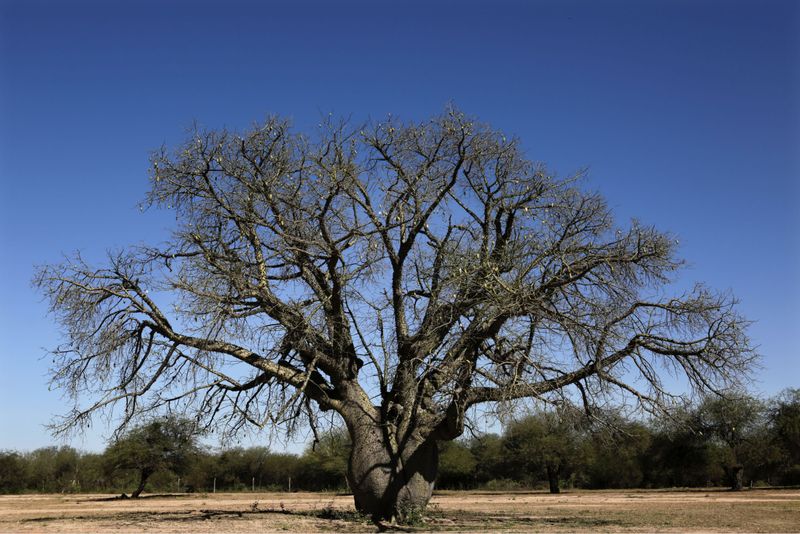
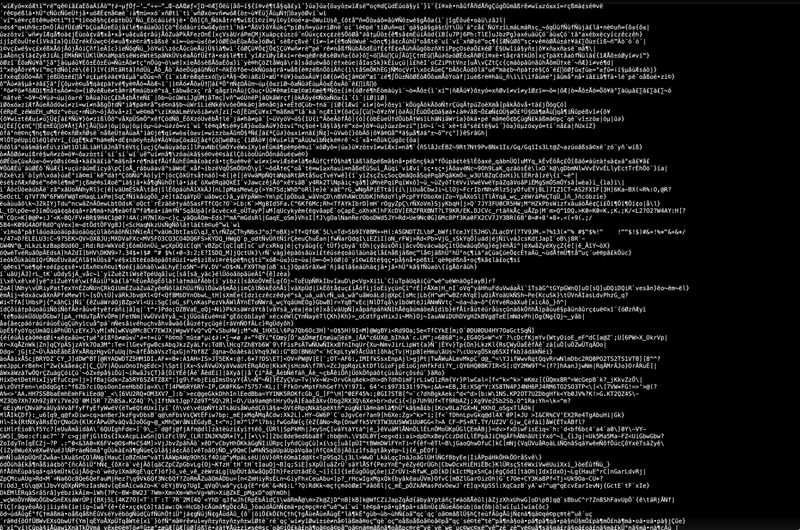
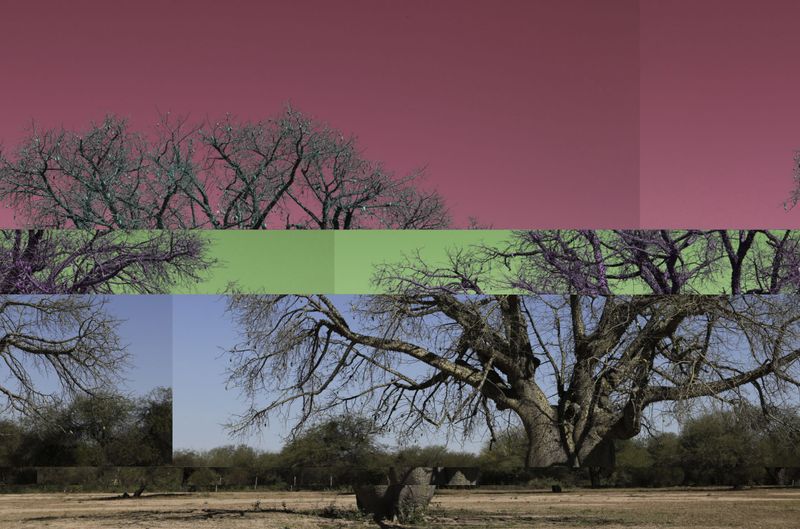
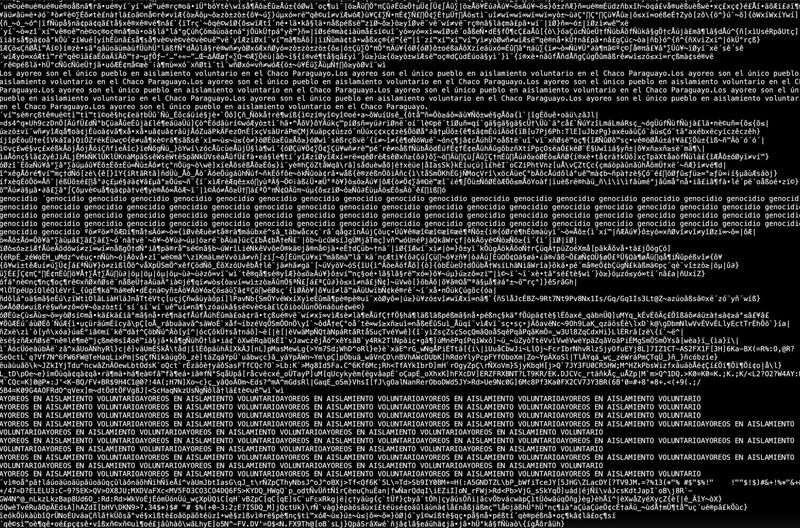
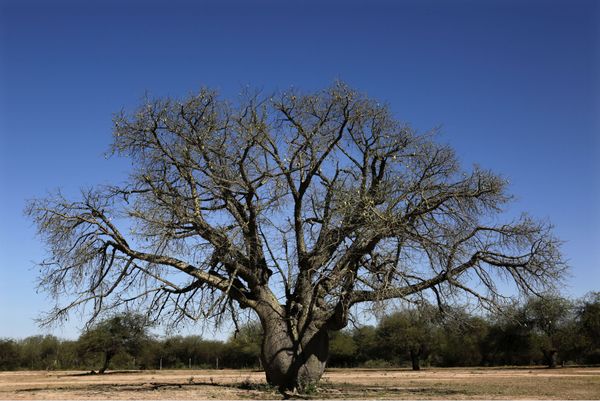
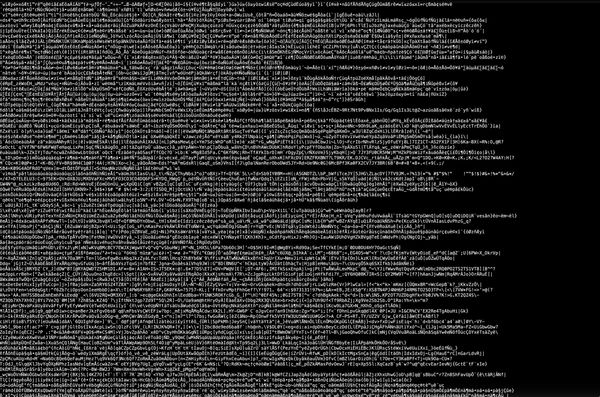
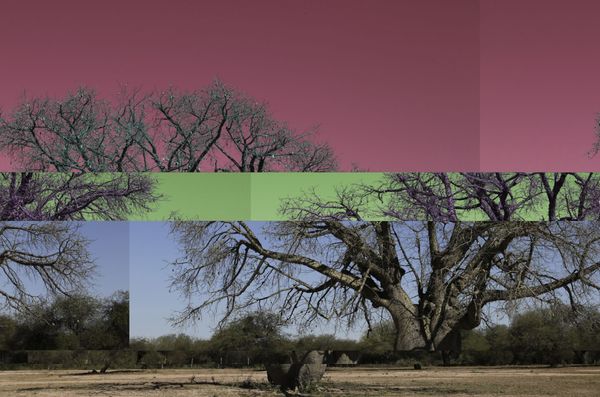
From the perspective of the social sciences, the frontier is understood not merely as a geographic boundary, but as a site of negotiation and violence where "modern progress" advances implacably. The work employs databending as a technical metaphor for this invasion: by manipulating the metadata of digital photography with fragments of actual legal and social denunciations regarding the risk of genocide, an "image rupture" is produced. This digital intervention mirrors the physical reality of the territory; just as the invisible code corrupts the figure, deforestation and arson fragment the ancestral habitat, rendering its inhabitants invisible under a veil of complicit silence.
The title of the work, "seguimos vivos, ahora usamos ropa" (we are still alive, now we wear clothes), is borrowed from the messages that contacted communities leave for their relatives in the bush, utilizing branches, leaves, and feathers as "traces of the future". Although the phrase carries a colonialist burden, it represents the most concise explanation of a life constrained by the Western world. Through quadriptychs that transition from the integral image to the disintegration of its metadata, the work warns that the uncontrolled manipulation of "forests"—whether they be digital codes or physical territories—results in damage of unknown dimensions that may ultimately lead to the extermination of the Other.
Bibliographic Reference:
Cacciari, M. (2005). El archipiélago. Figueras: Círculo de Lectores / Galaxia Gutenberg. (Original title: L'arcipelago, 1997).