Segni
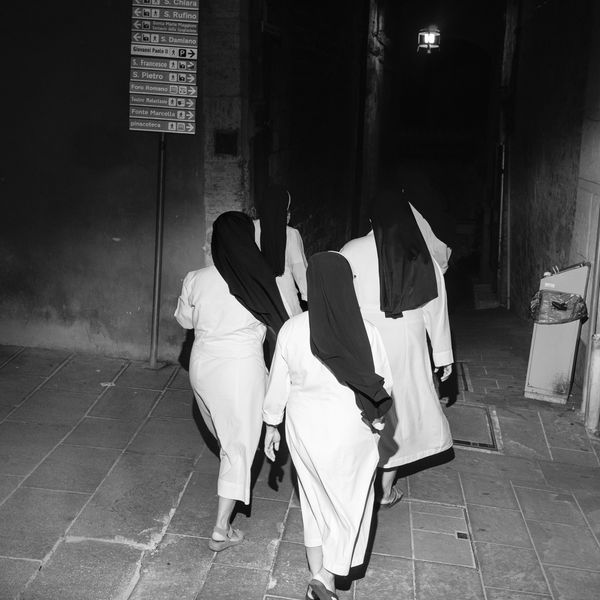
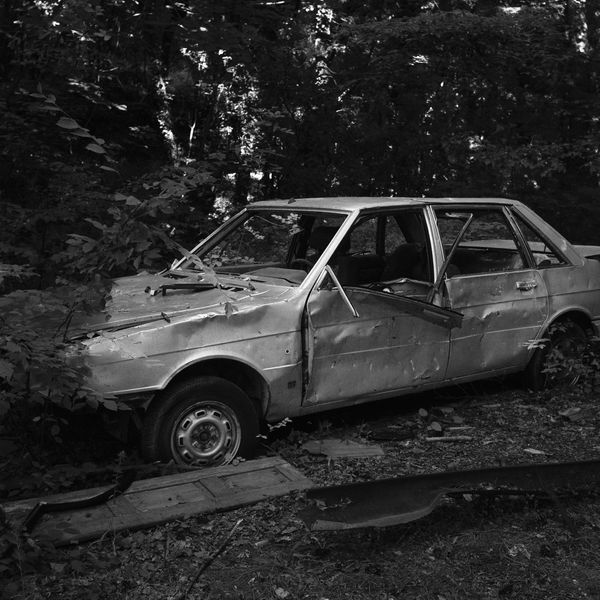
-
Dates2021 - Ongoing
-
Author
- Location Italy
Turn the gaze upside down.
Stop perceiving landscape as a result of human labour, forget the ancient duality and begin to understand that only by leaving the land untouched, we will at last be welcomed by her.
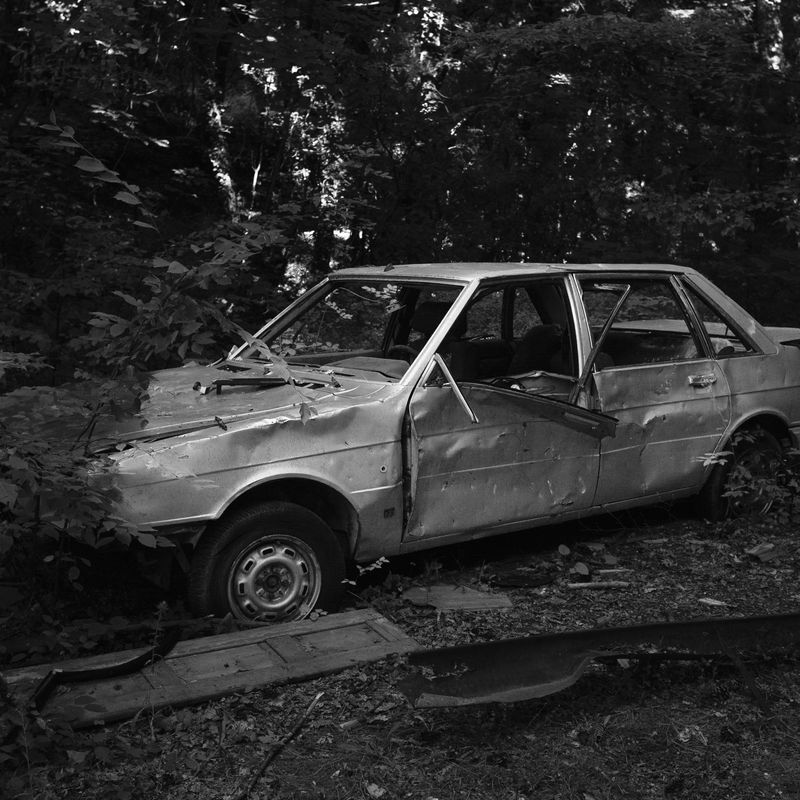
If we believe that by leaving marks we create culture, then let’s pause, let’s interrupt the flow of thoughts when looking at these spaces and their silences, let us be surrounded by what is close to us, cautiously, until it embraces us.
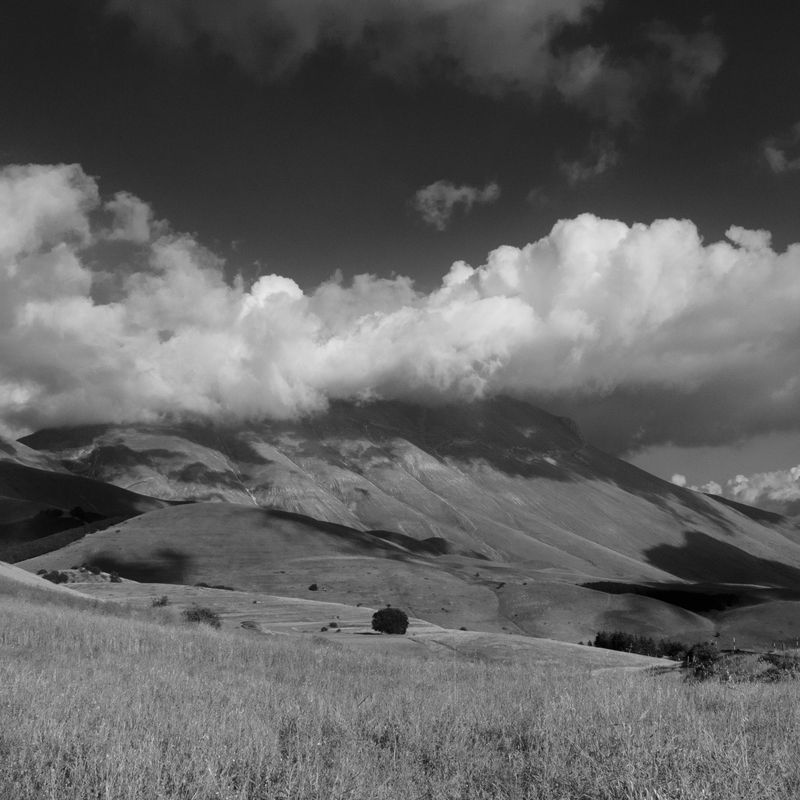
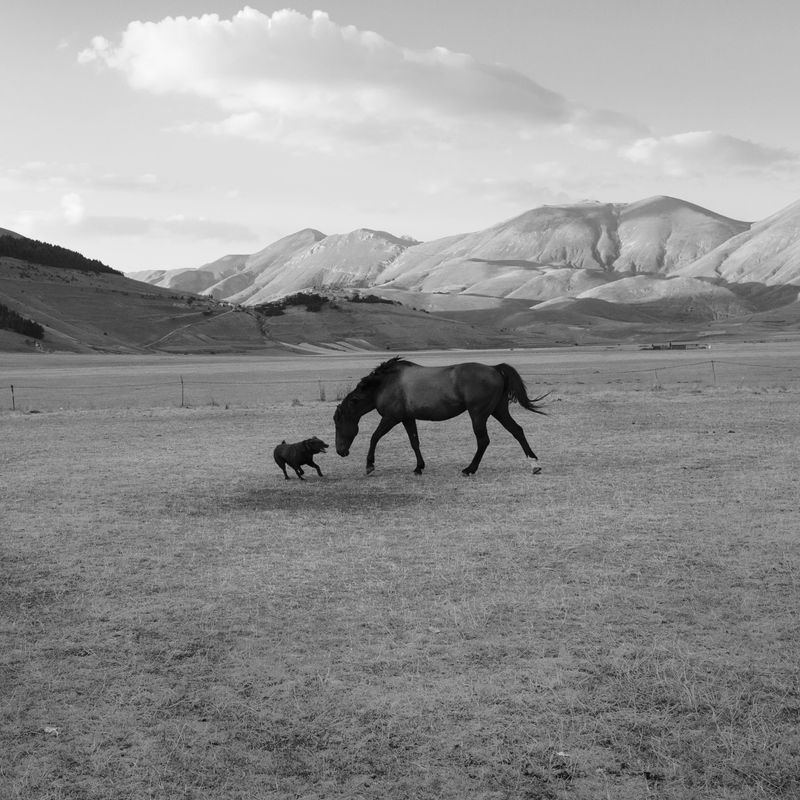
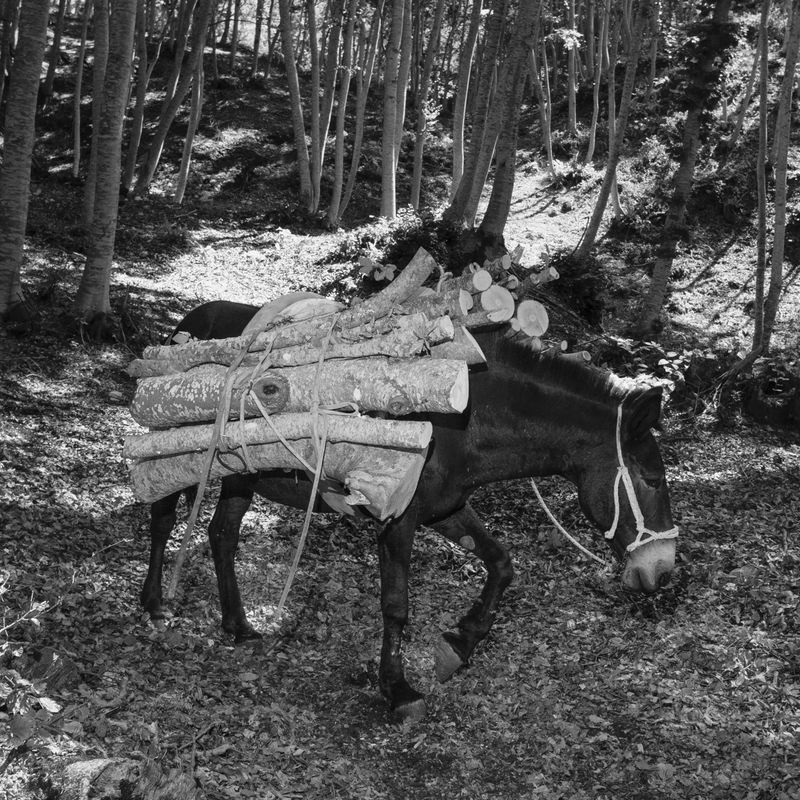
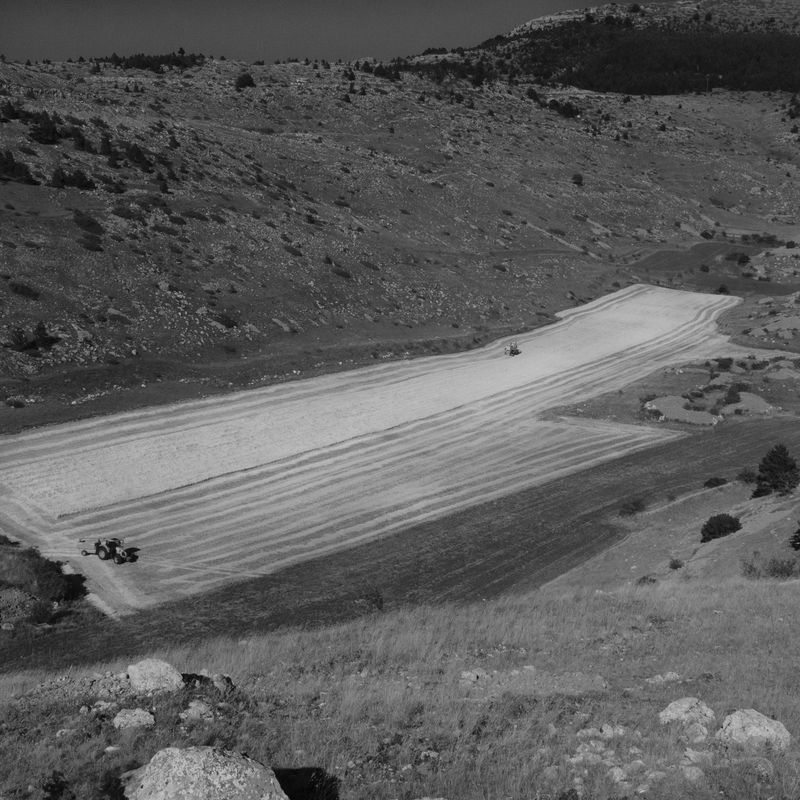
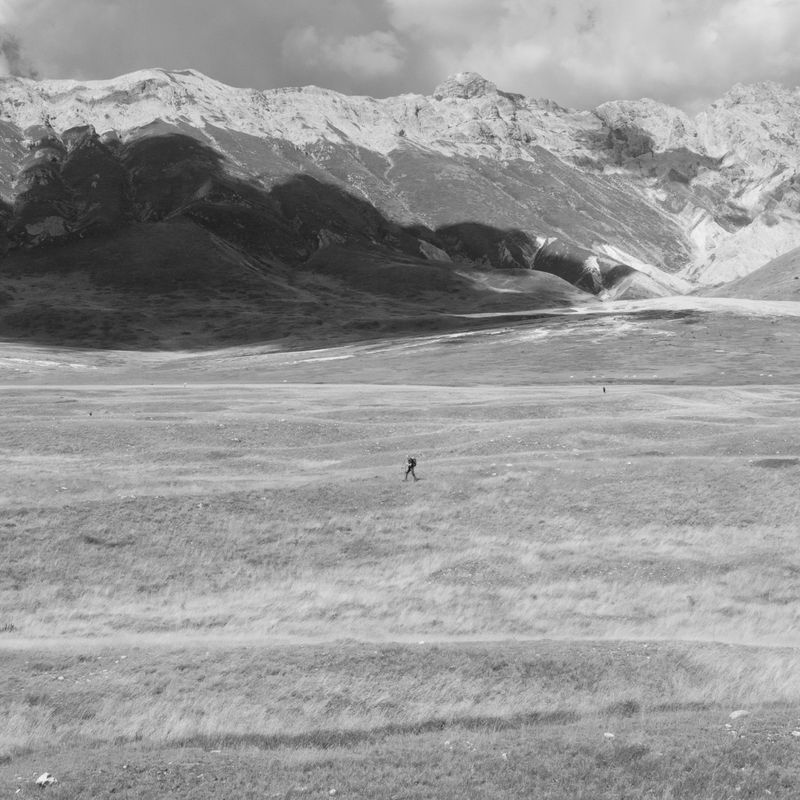
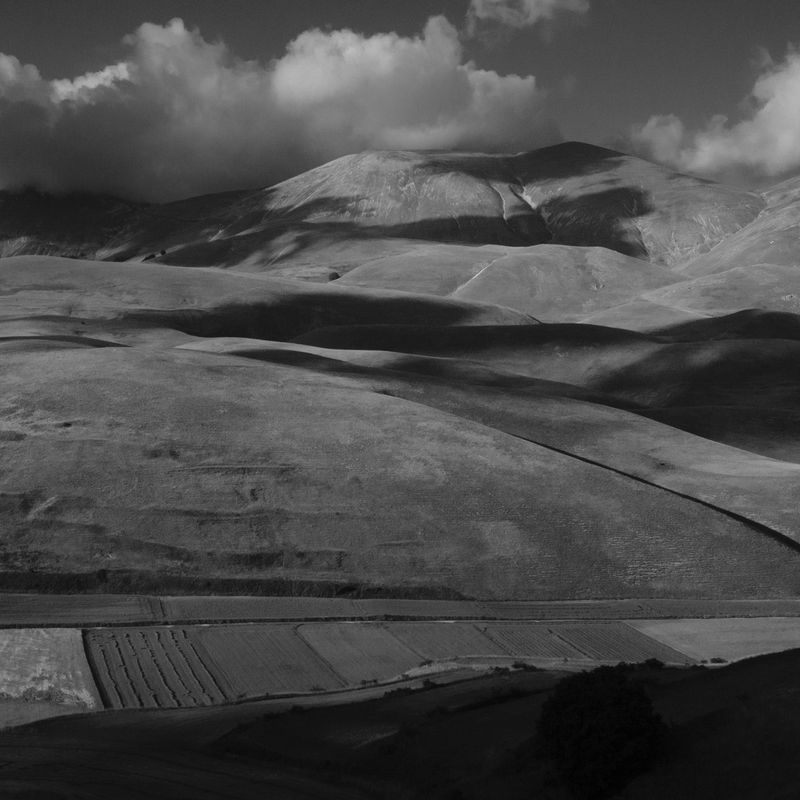
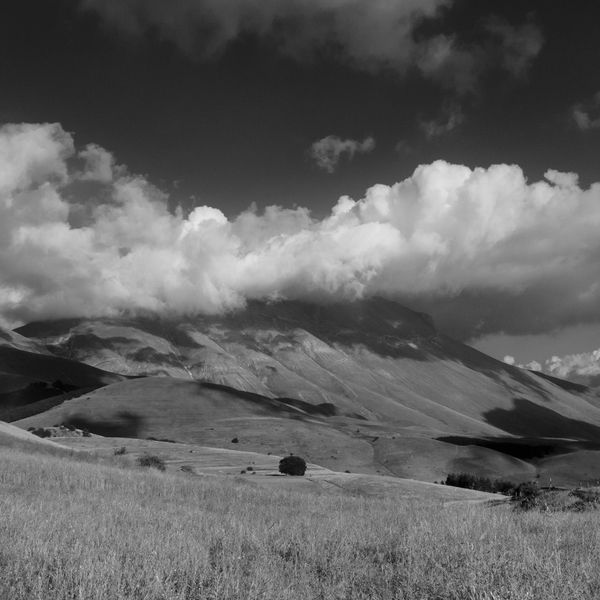
Italy’s backbone. No words have ever been more appropriate to describe the mountain range of the Apennines. Their world is Other: it is a wild and harsh landscape, a refuge for all forms of diversity, it is what Gilles Clement has called the 'Third Landscape', a definition which immediately brings to mind Emmanuel Joseph Sieyès’ timeless quote: “What is the Third State? Everything”.
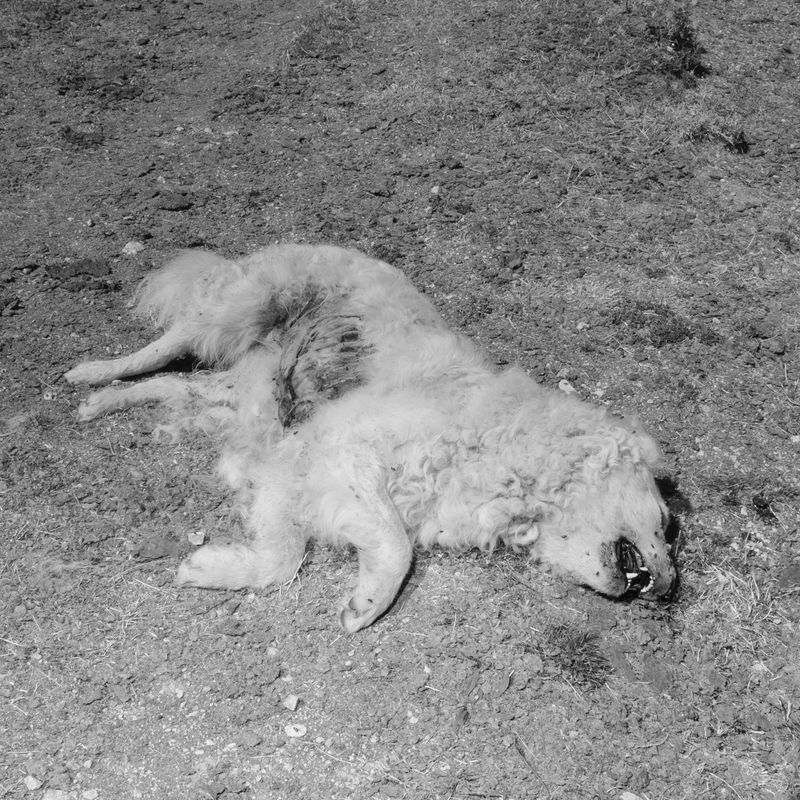
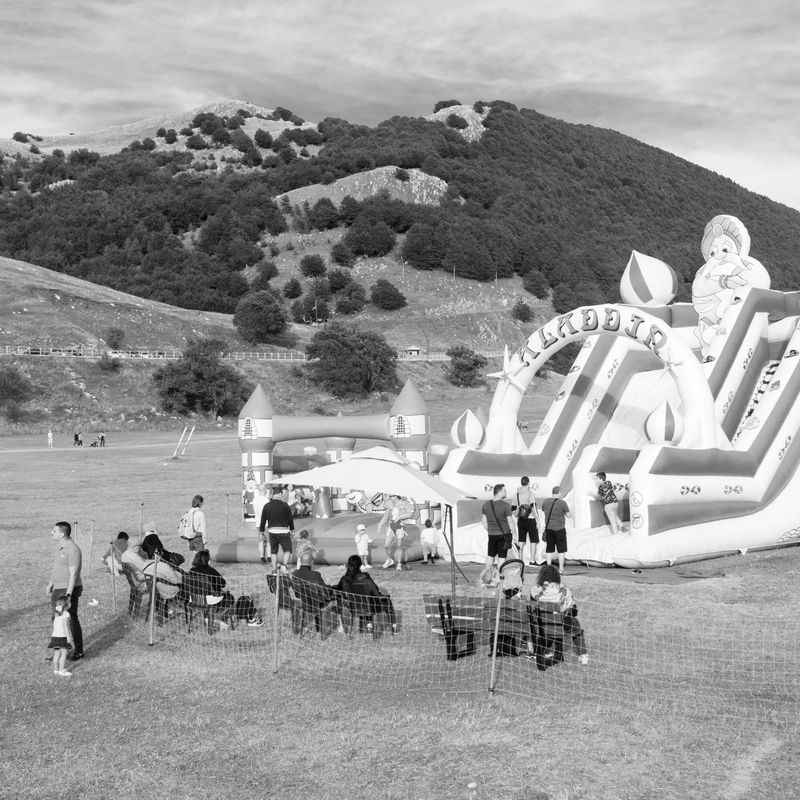
Along this knotted and bare spine, the seasons follow one another, the Earth breathes. However, the old marks left by previous earthquakes are visible, the scar is still pulsating; Umbria, Molise, and Abruzzo are still broken lands. Life and death follow one another in an endless circle.
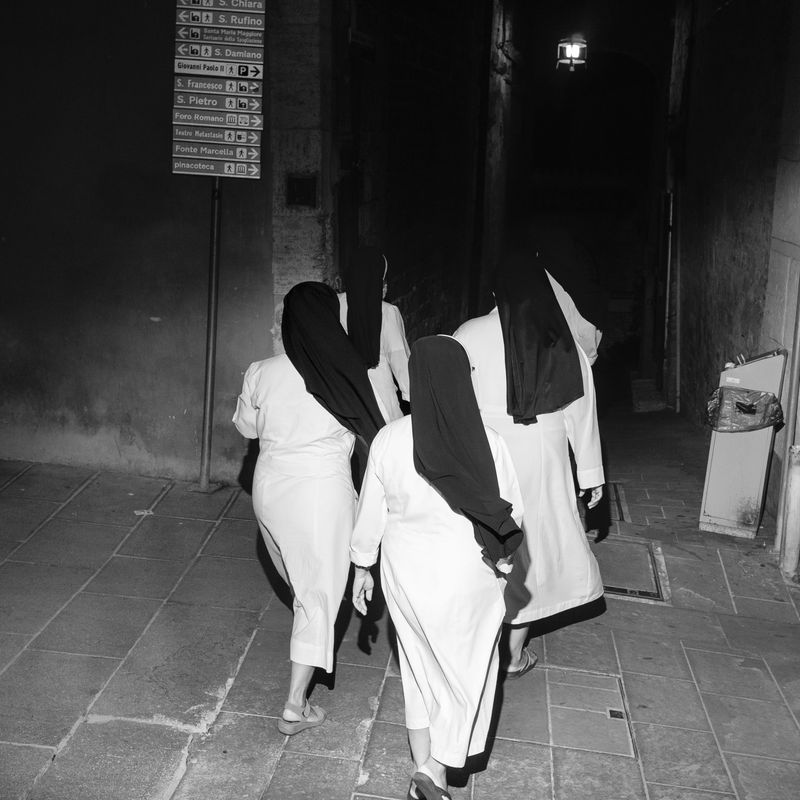
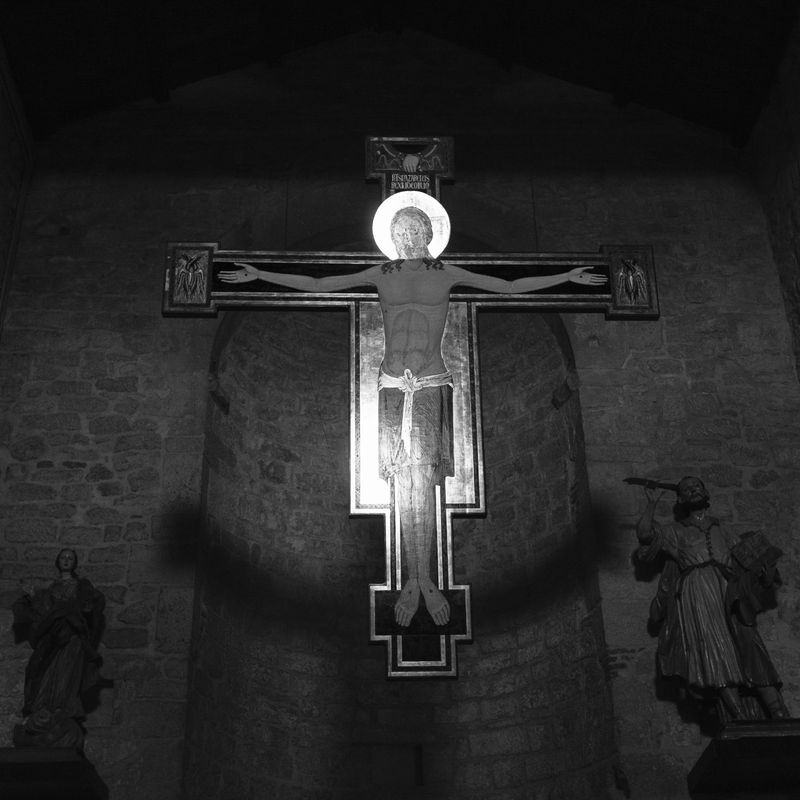
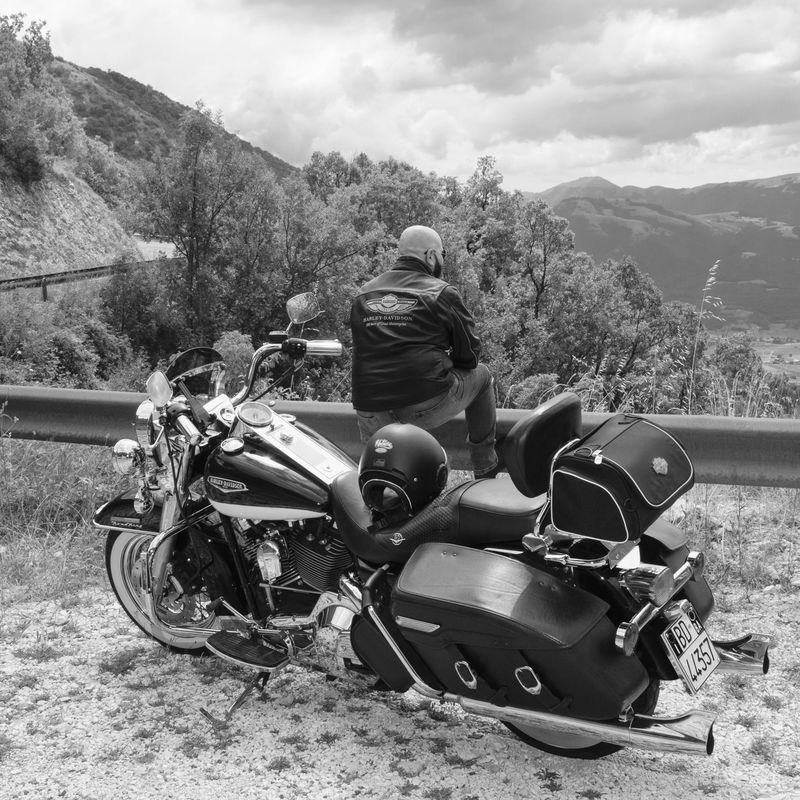
The mountain is austere: it looks at us from above, it holds us only if we respect it and consider it as a living being. When it’s hurt it stays silent for long; it is patient and doesn’t react immediately. But if the insult persists, if it stains the land as a mark of human’s insolence, the mountain will react sooner or later, and, with a subtle movement, it will shrug us off. These lands possess their inhabitants, shielding them from the outside world and imposing a timeless atmosphere, harsh like stone. They seem to welcome visitors and pilgrims, but in truth they reject them.
An old Viking saying goes that we can only possess what we can protect. We own the land only when we are able to protect it, and if we surrender to the land, she will protect us from ruin and destruction. This shared belonging is the only way forward.