Season: Drums, Banners & Bonfires
-
Dates2017 - Ongoing
-
Author
- Topics Daily Life, War & Conflicts, Social Issues, Contemporary Issues, Documentary
- Locations Belfast, Ireland, Northern Ireland, Donegal, Rossnowlagh Crossroads
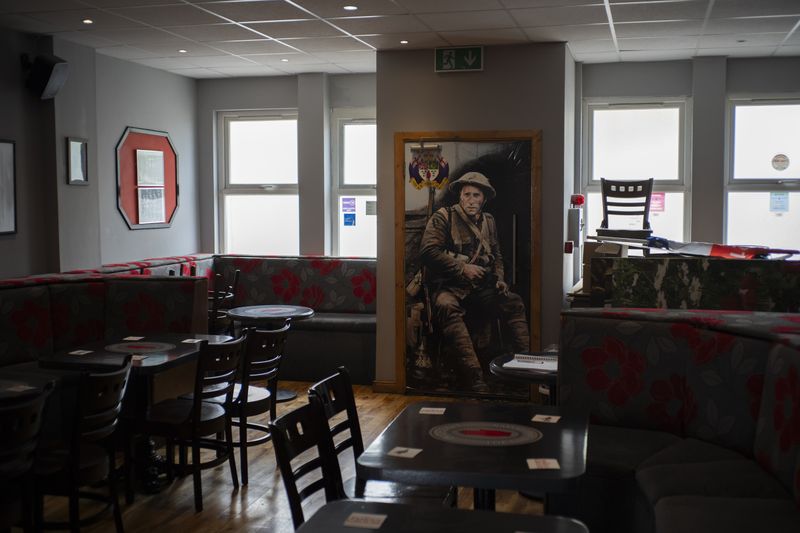
In post-Good Friday Agreement Northern Ireland, this project follows loyalist communities through the weeks leading to the Twelfth, exploring how ritual, labour, and public display sustain identity amid political uncertainty and social change.
Since the 1998 Good Friday Agreement ended decades of conflict in Northern Ireland, the political landscape has shifted dramatically. For many within the loyalist community, committed to maintaining union with the United Kingdom, peace has brought uncertainty alongside stability. The certainties that once underpinned loyalist identity — political dominance, demographic confidence, and secure British sovereignty — feel less assured. Generational change, shifting electoral balances, and the ambiguities intensified by Brexit have heightened anxieties about belonging, territory, and the Union’s future. In this context, public ritual has taken on renewed importance.
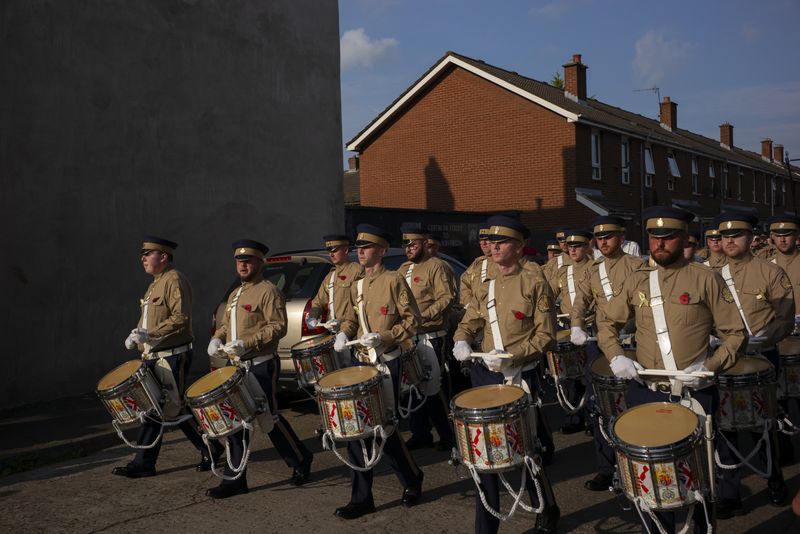
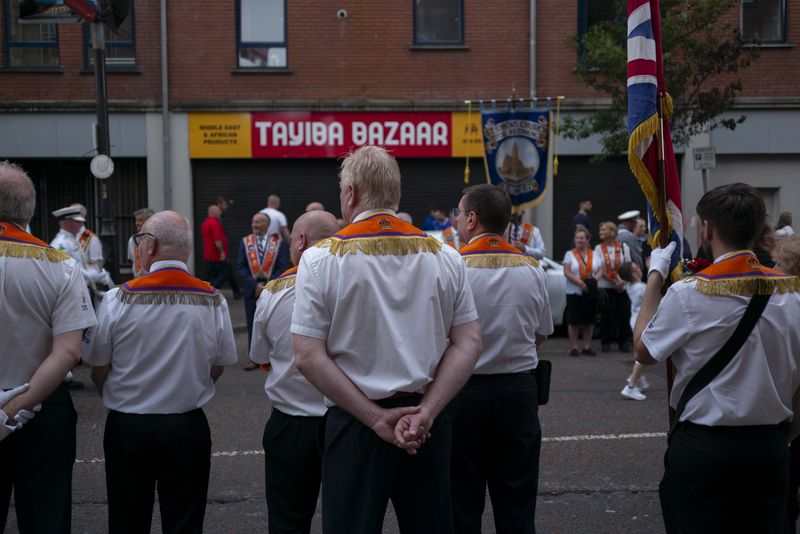
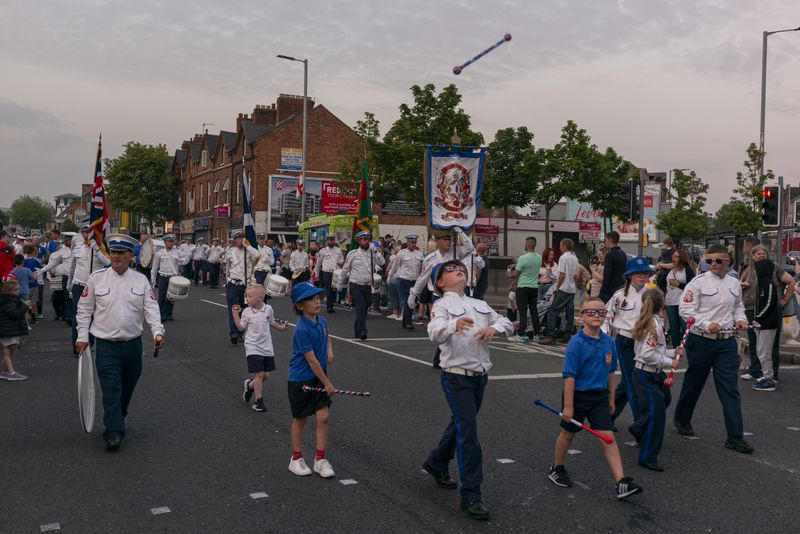
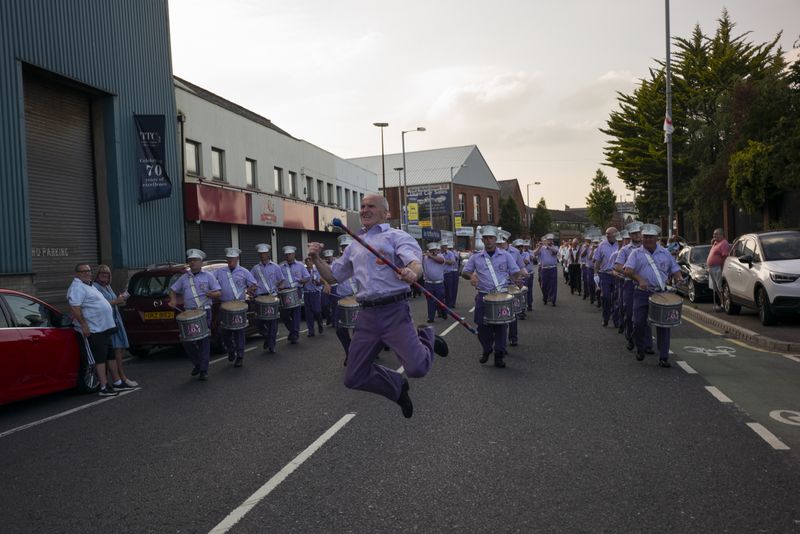
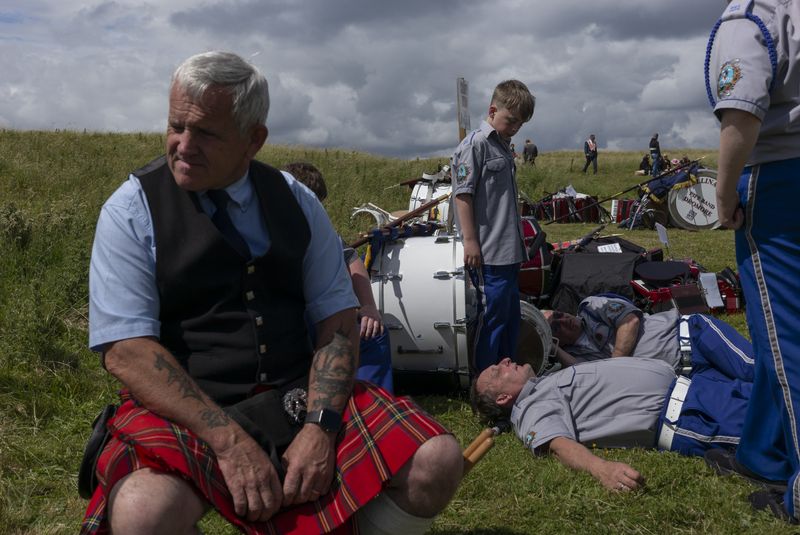
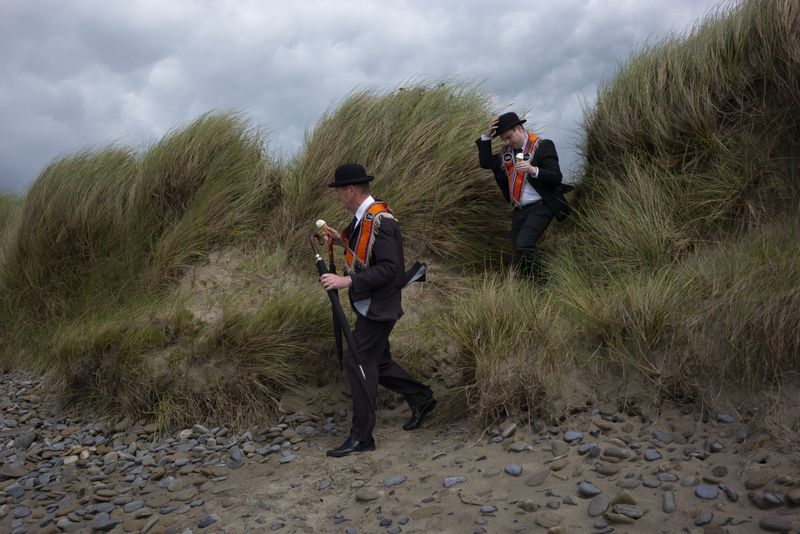
This work documents life within working-class loyalist communities during the annual cycle of the 12th of July celebrations, known as “the Twelfth,” and the weeks leading up to them. Commemorating the 1690 Battle of the Boyne, when William of Orange defeated James II, the Twelfth remains central to loyalist and unionist identity. Each year it is marked by parades, bonfires, and large public gatherings across Northern Ireland.
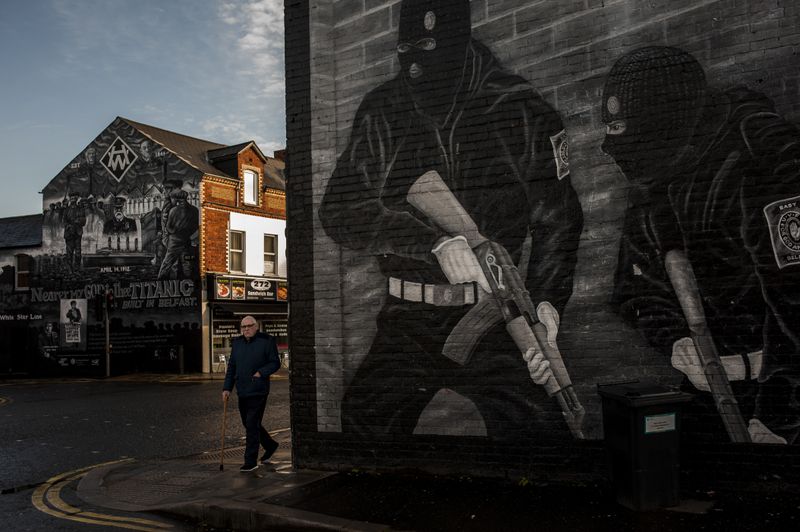
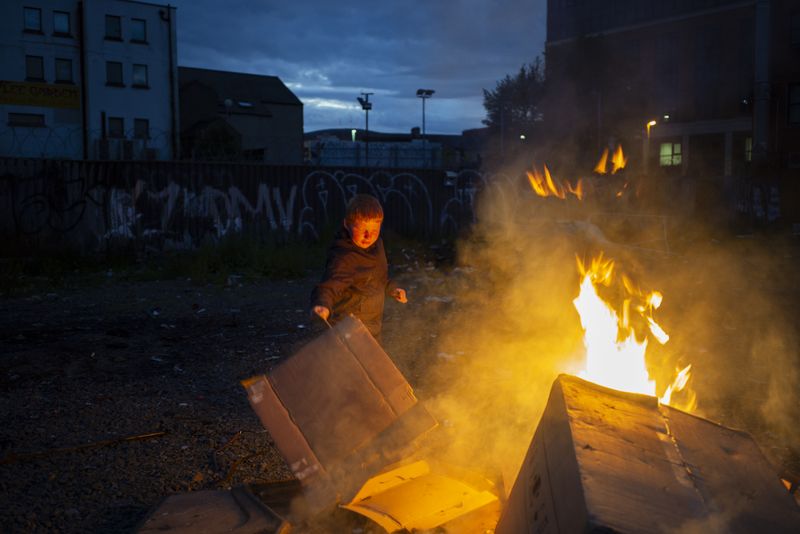
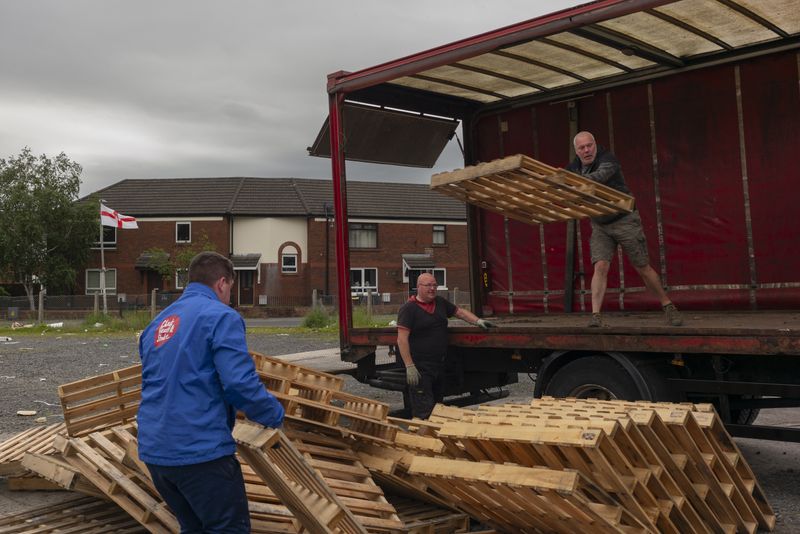
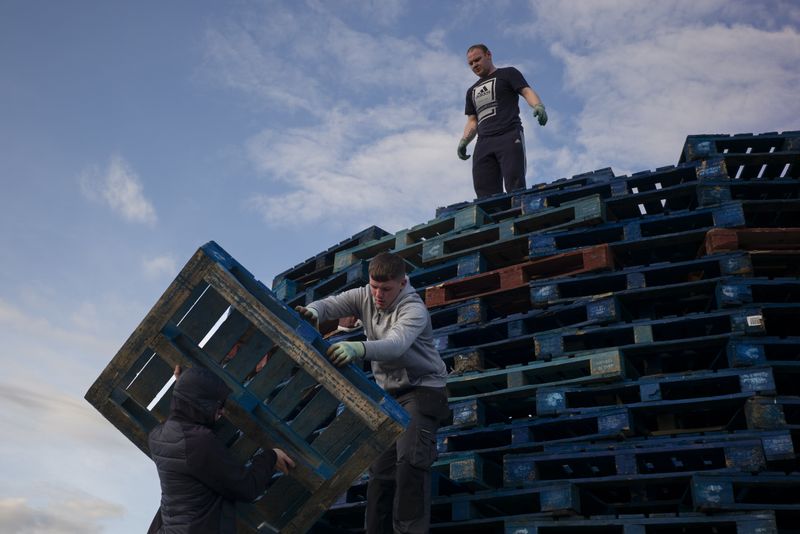
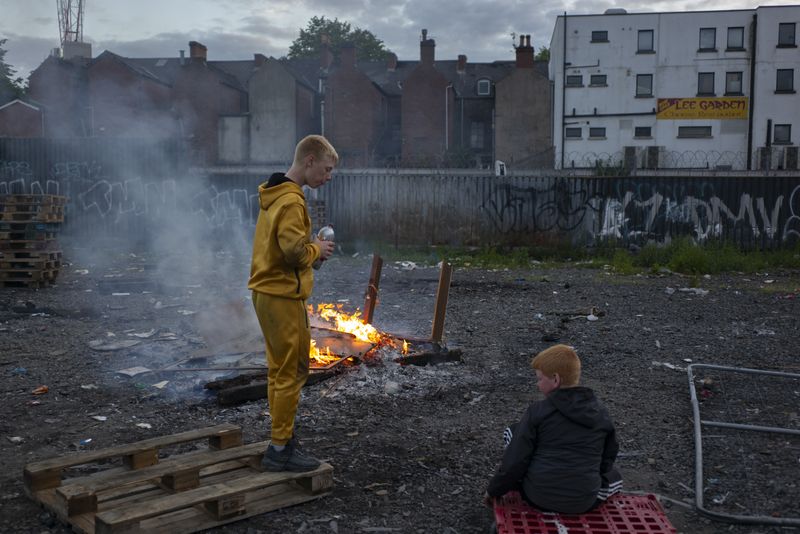
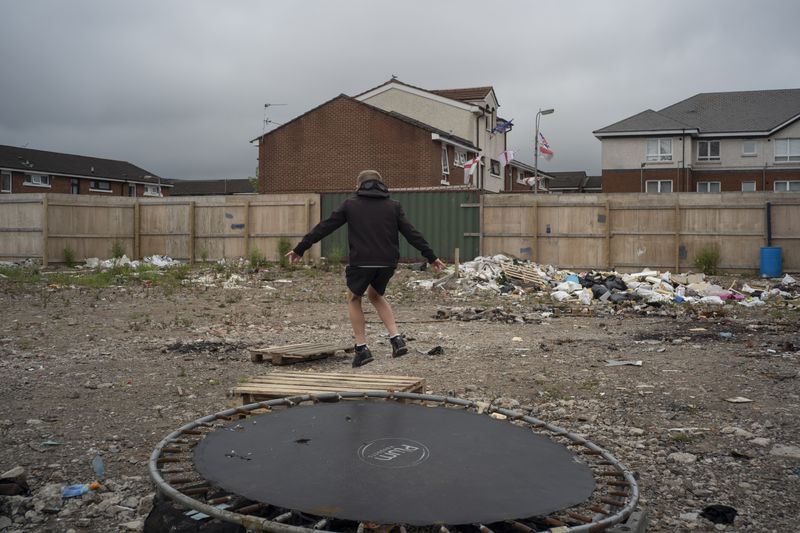
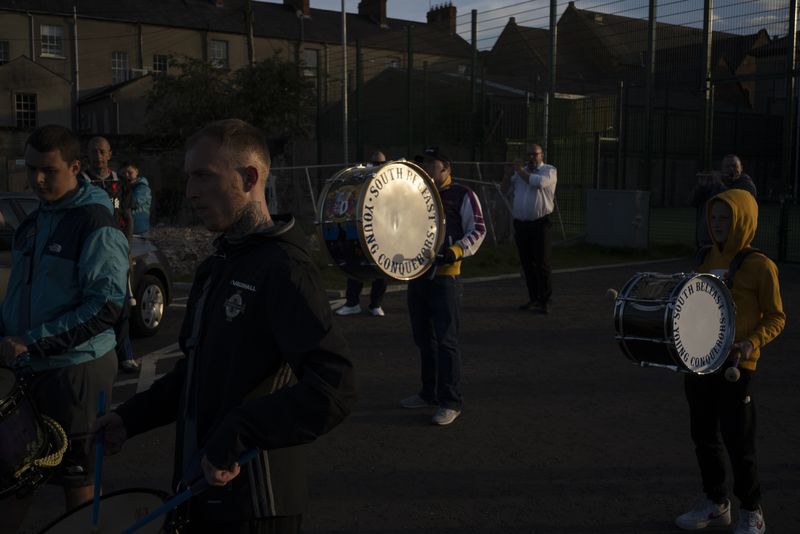
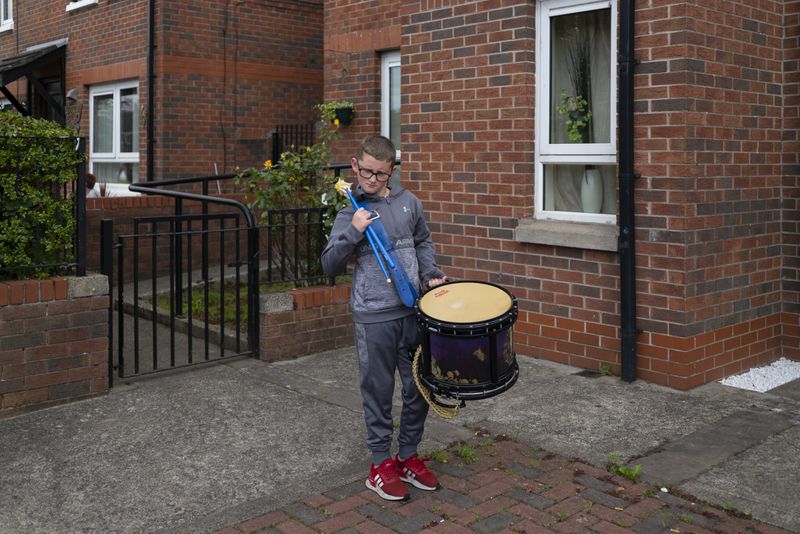
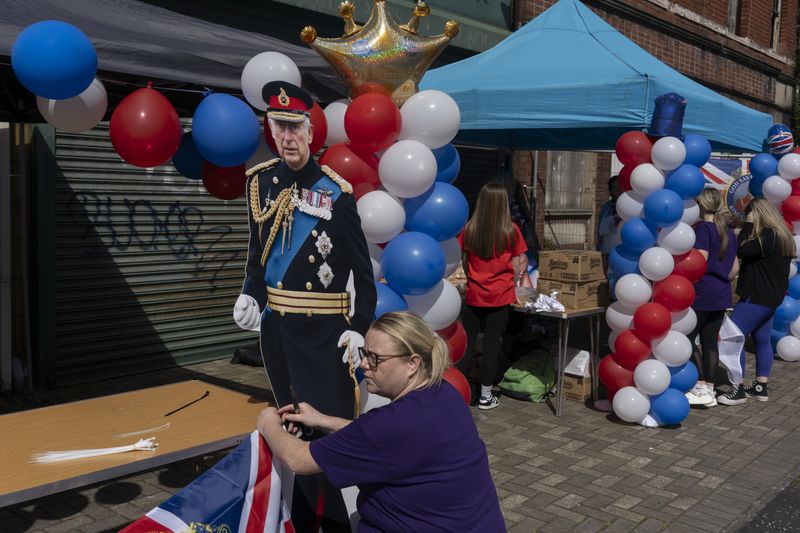
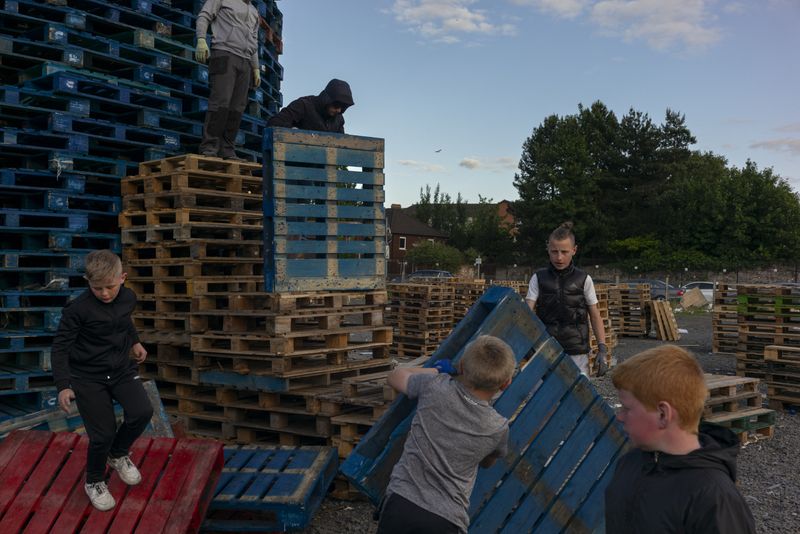
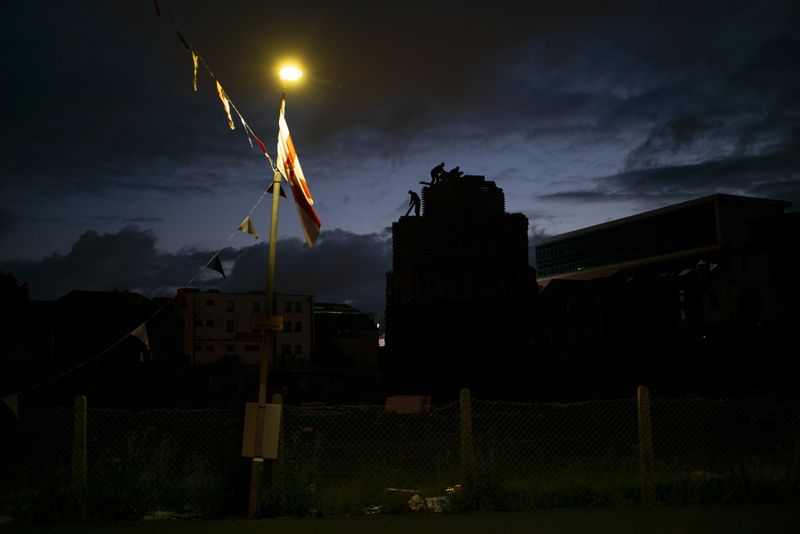
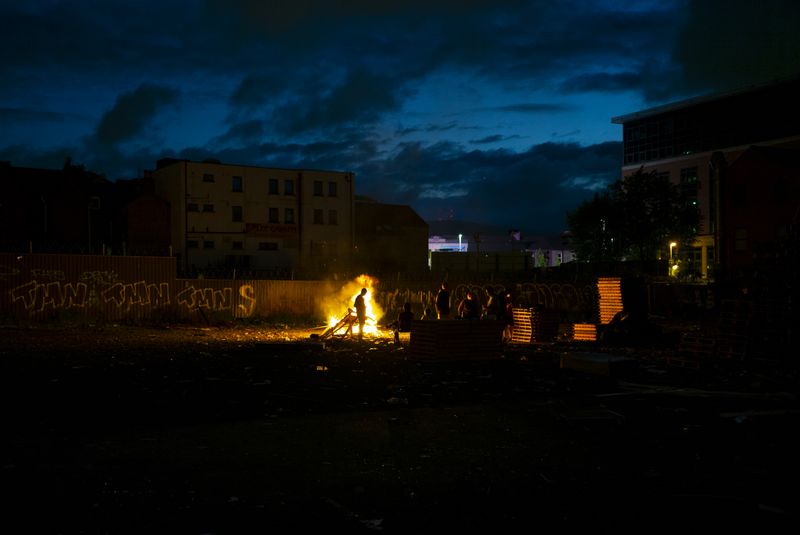
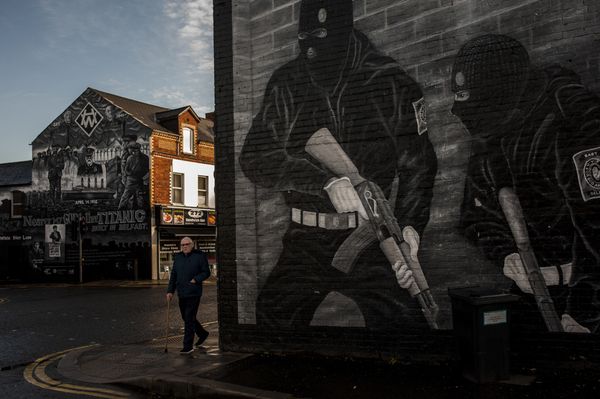
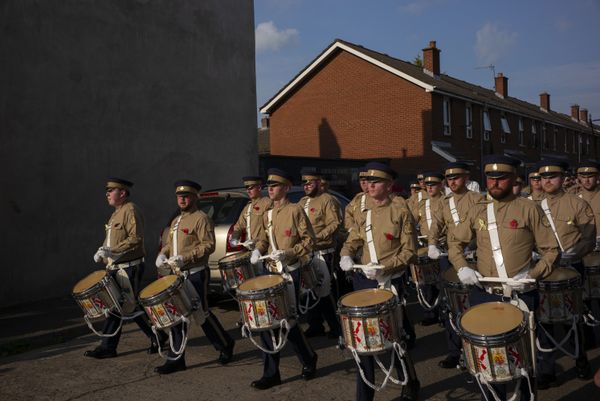
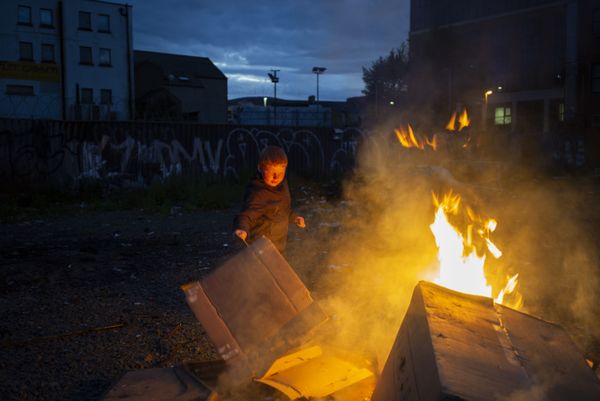
Produced over several years through repeated visits, the project moves beyond spectacle to focus on preparation and process. In the weeks before the Twelfth, neighbourhoods transform. Towering bonfires built from wooden pallets rise in residential streets and on vacant ground. Flute bands rehearse in car parks and housing estates. Flags are erected, murals refreshed, and routes prepared. Communal labour and anticipation shape daily life.
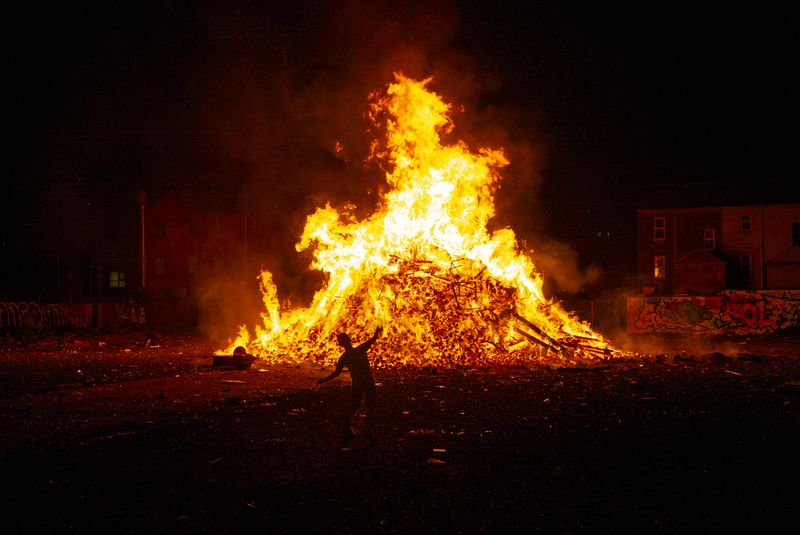
The photographs trace this build-up of effort. They observe not only the night of 11 July, when bonfires are lit, but also the quieter acts of building, waiting, and gathering that precede it. Returning to the same communities over time situates the Twelfth within a broader seasonal rhythm rather than as a single annual event.
The celebrations remain contested. Bonfires are often adorned with placards, slogans, and effigies depicting nationalist politicians, Catholic symbols, and sometimes migrants or minority groups, which are burned publicly. While participants describe these gestures as expressions of tradition or identity, many nationalists experience them as provocative or exclusionary. Similarly, marches near nationalist areas are defended as cultural heritage but perceived by others as assertions of territorial dominance.
Within this charged environment, the bonfire, parade, flag, and mural function as reaffirmations of presence as much as commemorations of history. The labour invested in constructing these structures reflects a determination to assert continuity amid political and demographic change. Rather than resolving competing narratives, this work holds them in tension, examining how identity is performed and defended in everyday space. More than two decades after the peace agreement, Northern Ireland continues to negotiate its future while carrying the weight of its past.