Seascapes (2021 - Ongoing)
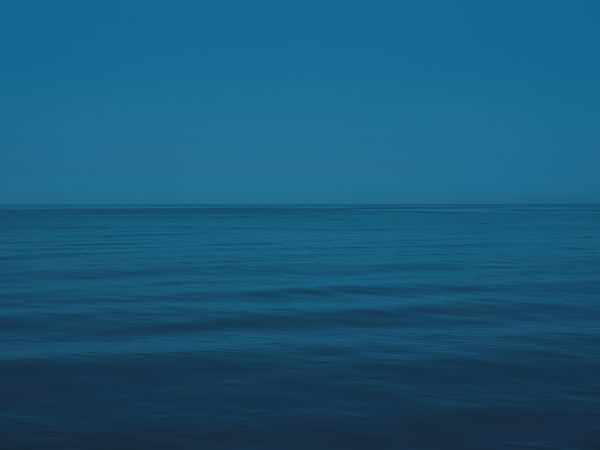
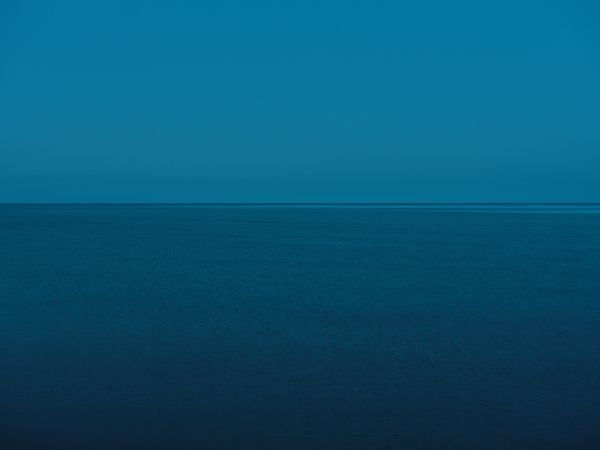
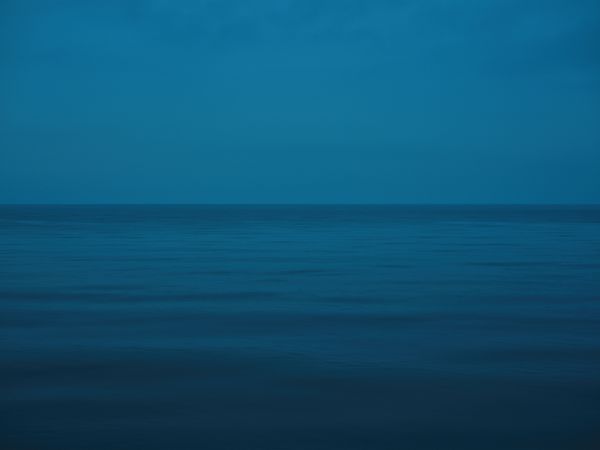
-
Dates2021 - Ongoing
-
Author
A reflection on the world – and how we see it – in dialogue with the sea.
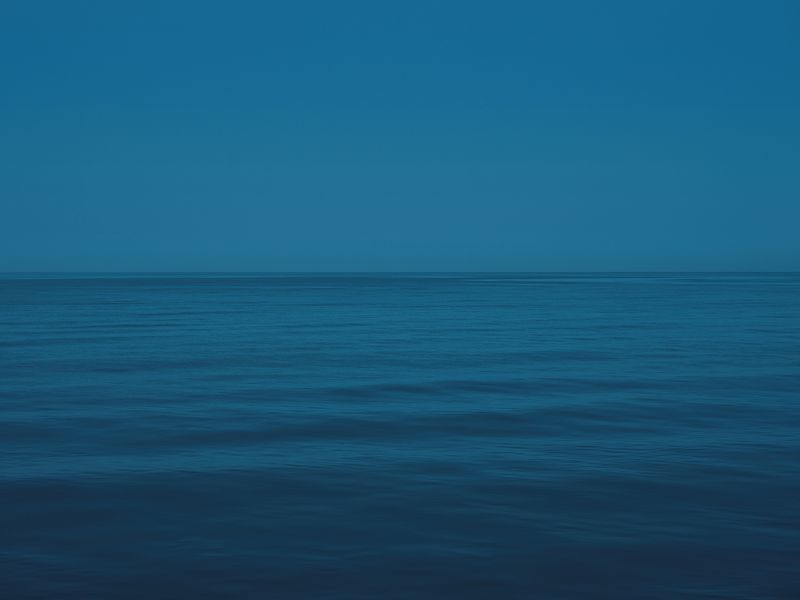
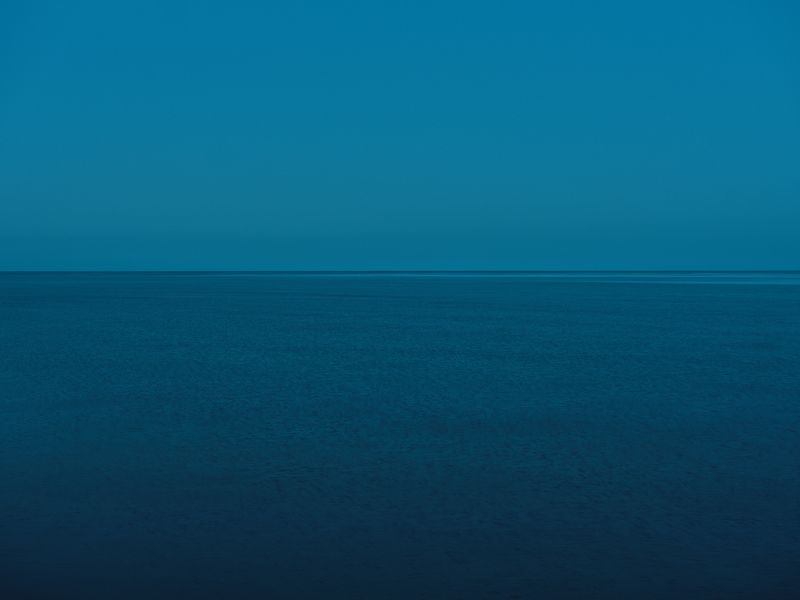
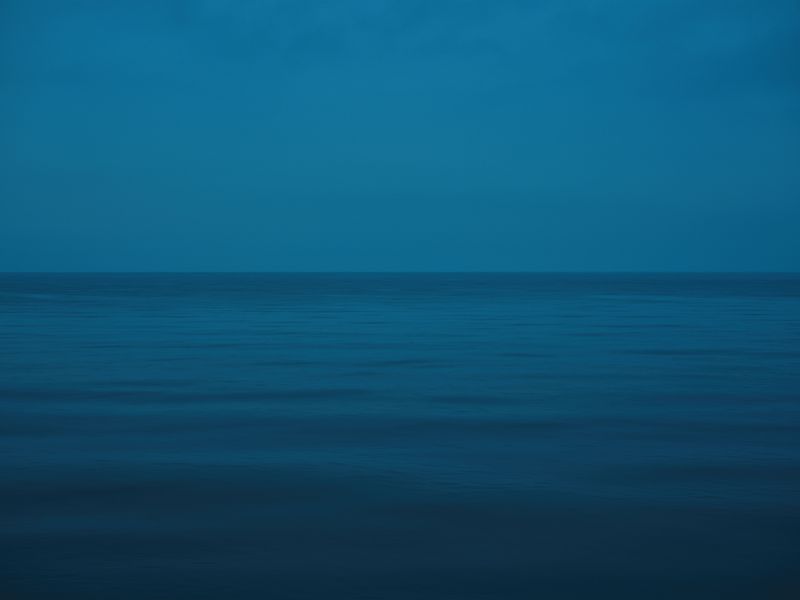
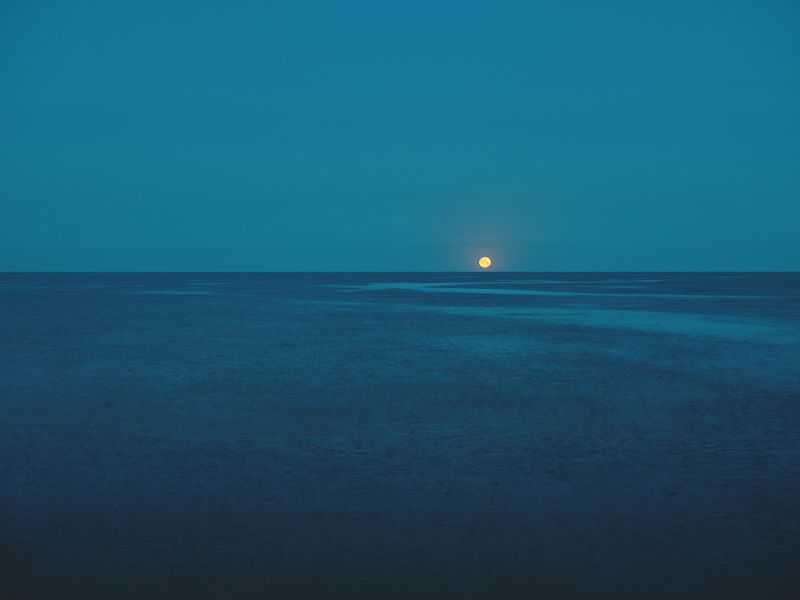
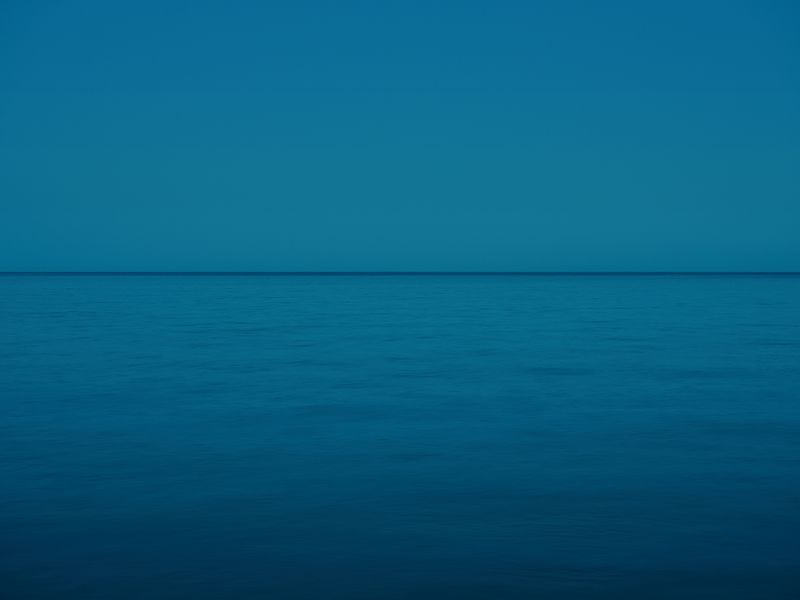
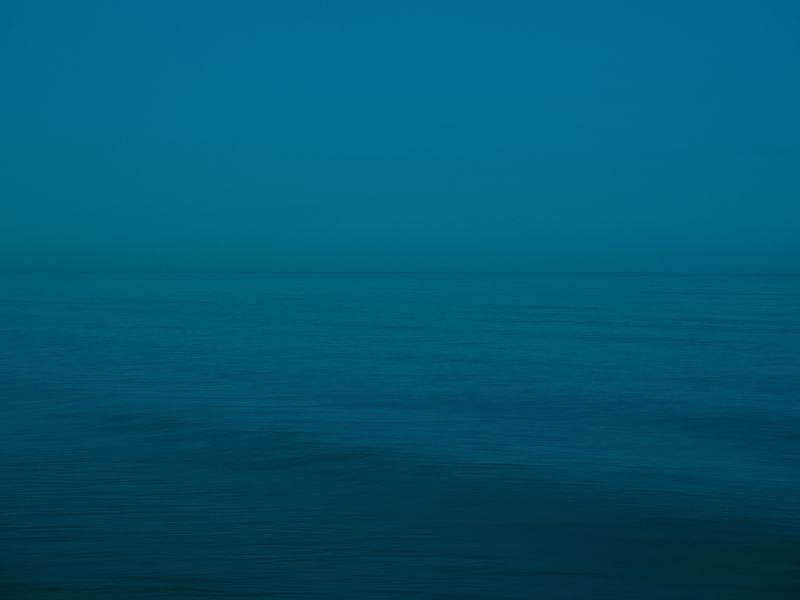
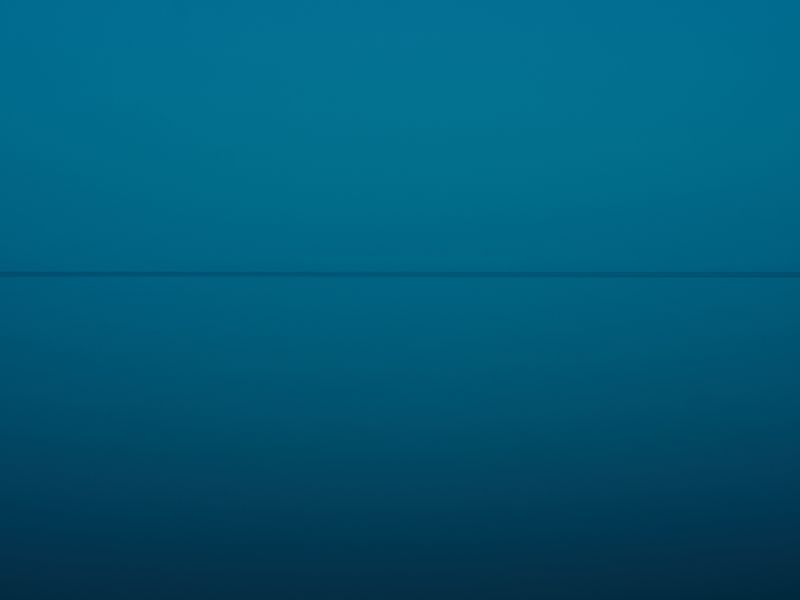
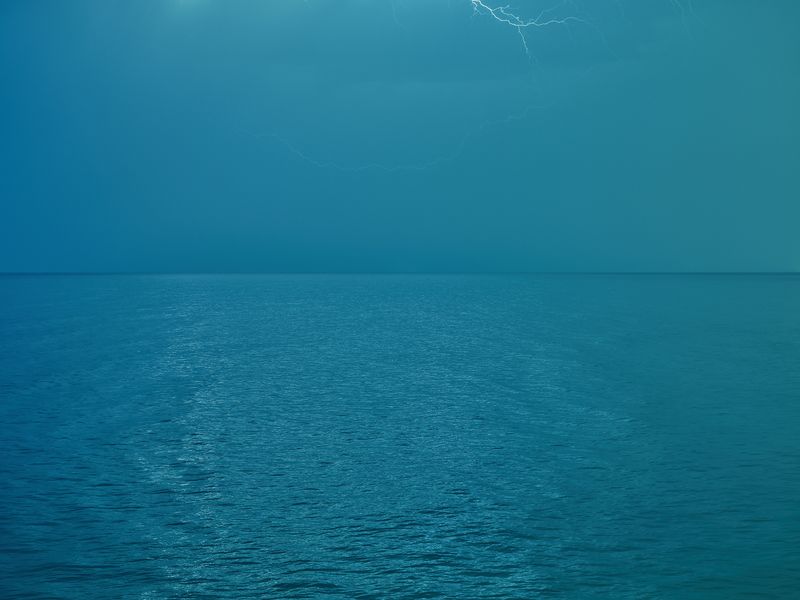
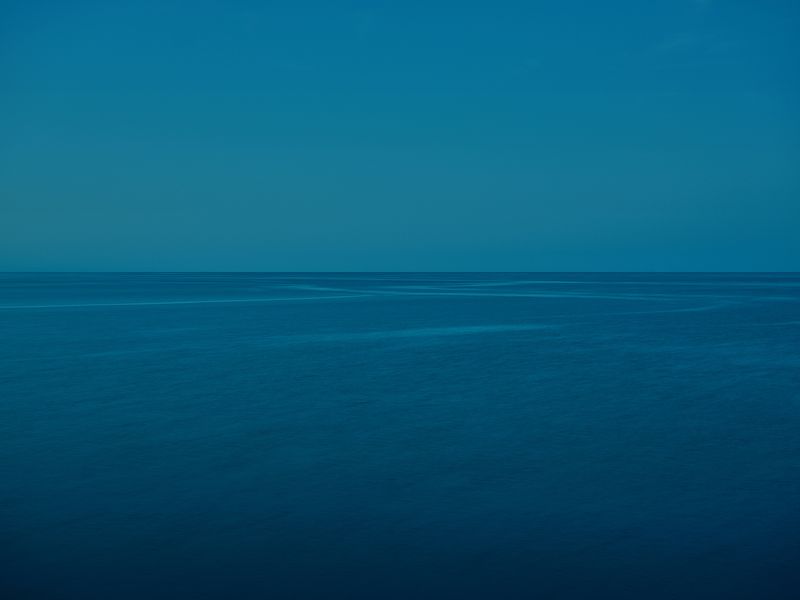
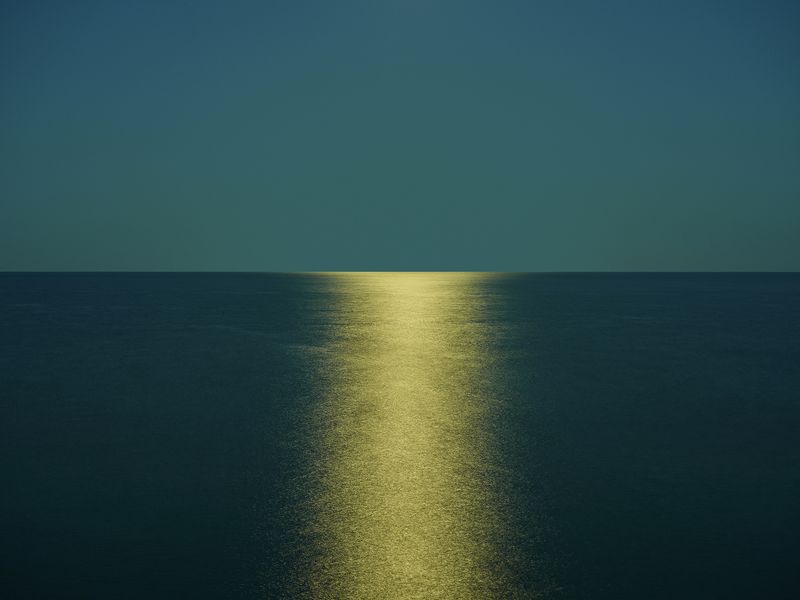
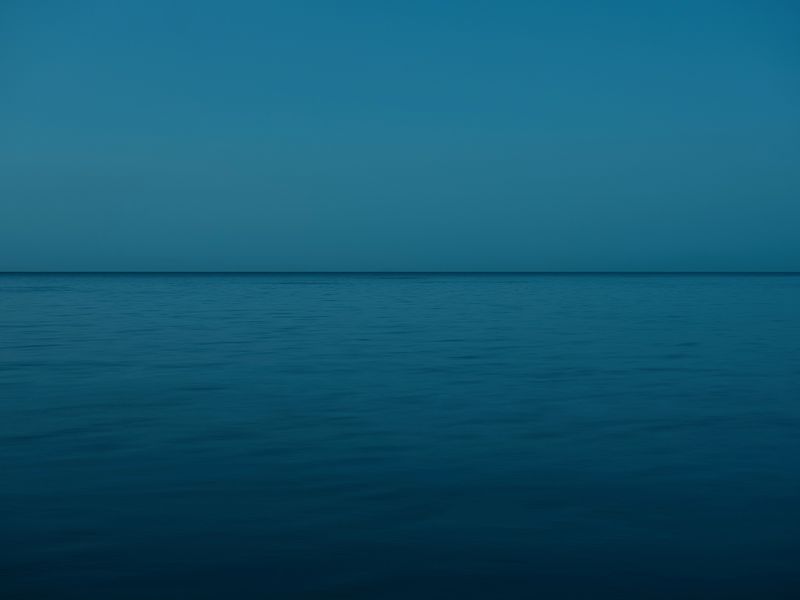
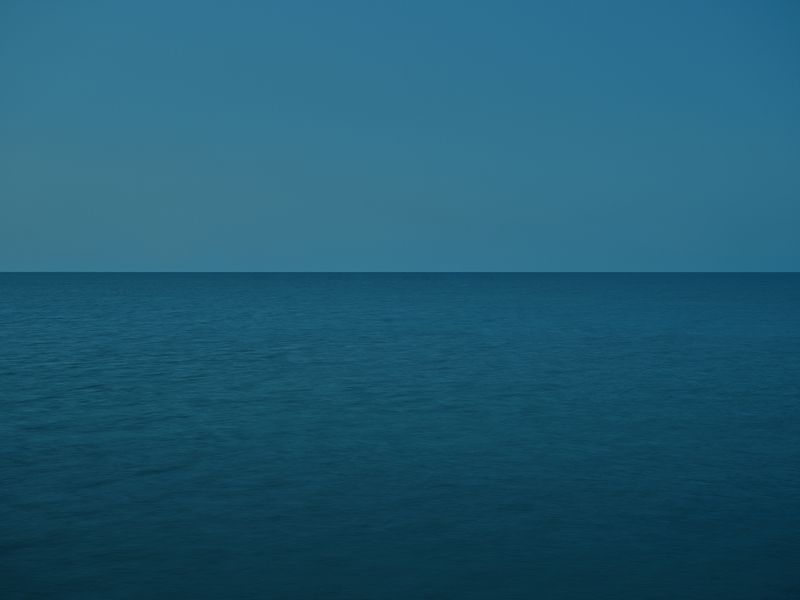
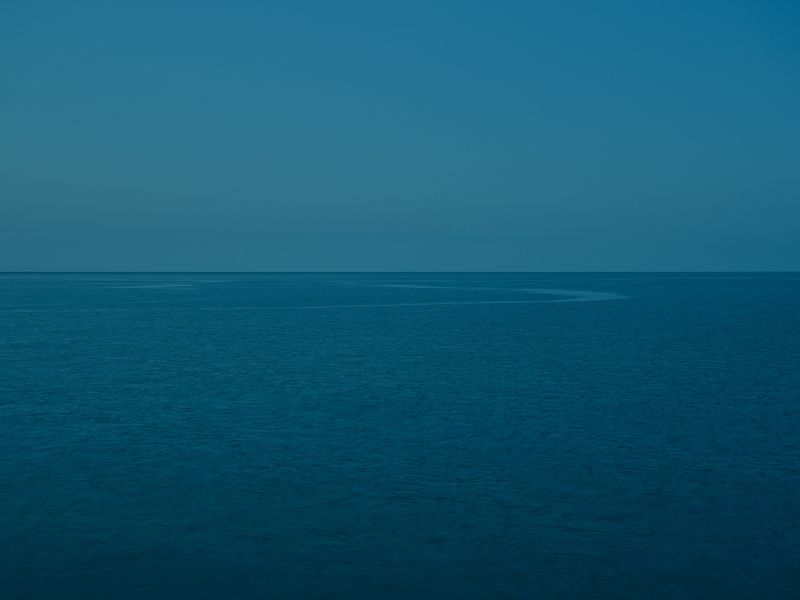
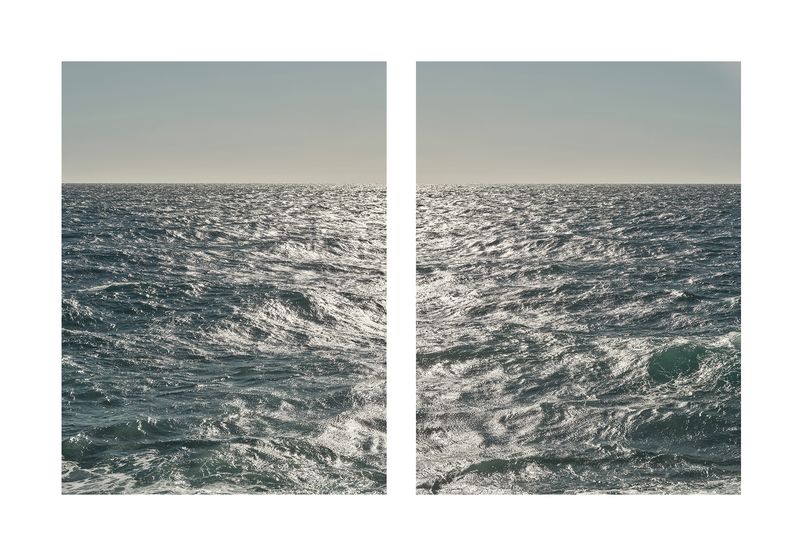
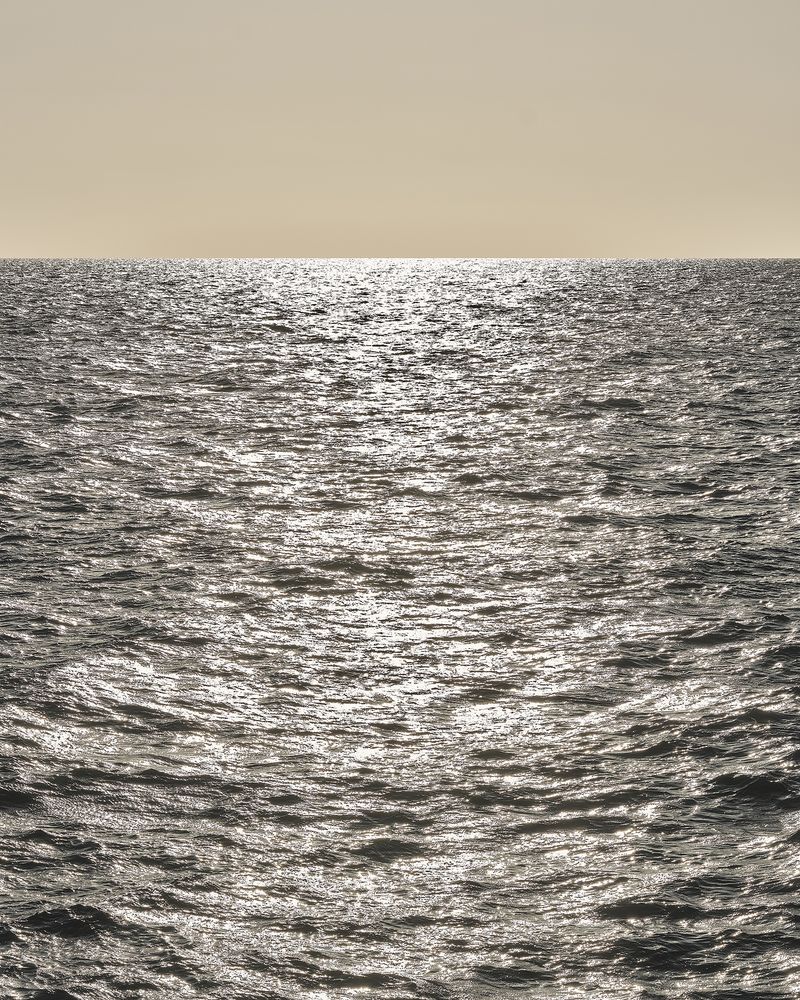
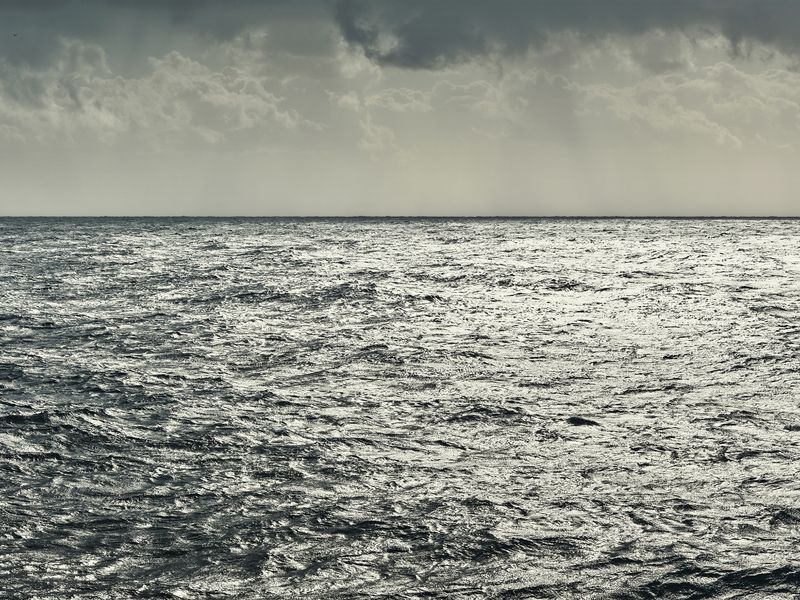
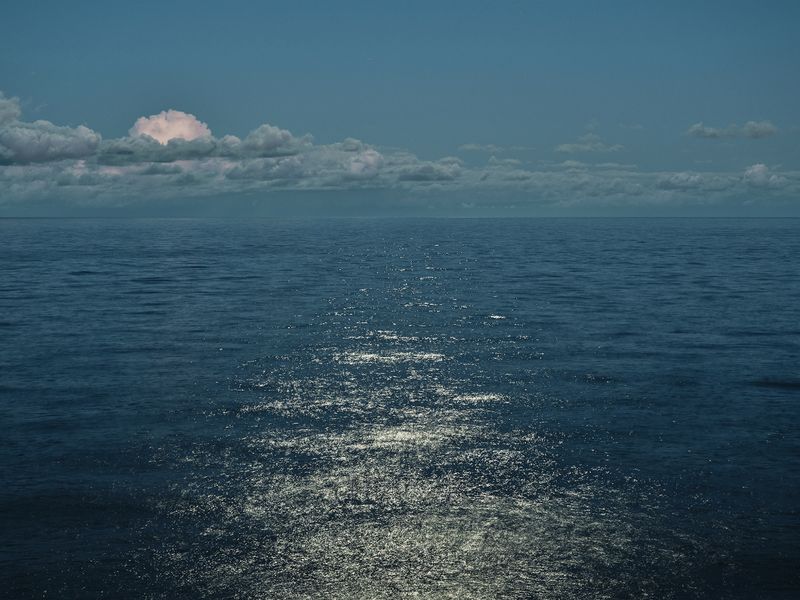
This work takes shape as a ritual act meant to celebrate the beauty of the world through a symbolic and repeated gesture. Everything, when observed long enough and with true attention, reveals facets of itself that a fleeting glance could never grasp. Repeating the same action day after day helps to create a steady ground where differences become easier to perceive. This principle applies everywhere, yet when one turns toward places that are scarcely or not at all shaped by human presence, distractions fade and it becomes possible to feel, fully, the power that the world around us still holds.
To release this energy, a strategy is sometimes needed — something that allows us to step outside daily patterns: a ritual, with its own space and dedicated time. For a ritual to truly qualify as such, it needs fairly precise boundaries; it cannot take place just whenever and wherever we wish. In this case, the place is the sea of Versilia (Tuscany, Italy), as seen from the pier in Lido di Camaiore. The time is morning twilight, the moment when the world pauses and reverses its breathing, lending our lives the alternating rhythm we know so well. The working frequency was daily, over five months, from June to October 2021.
These marine rituals were performed during a period heavy with uncertainties and reflections due to the pandemic. With movement freedoms restricted, I began to wonder if such limitations could truly hinder aesthetic inquiry. Yet I realized that the more I rushed toward new subjects, the more I lost touch with what surrounded me: beauty is already all around us; we need not accelerate to find it, but slow down to grasp it. "One must be visited by things; it's useless to seek them," playwright Carmelo Bene once said—and perhaps, or at least in part, he was right.
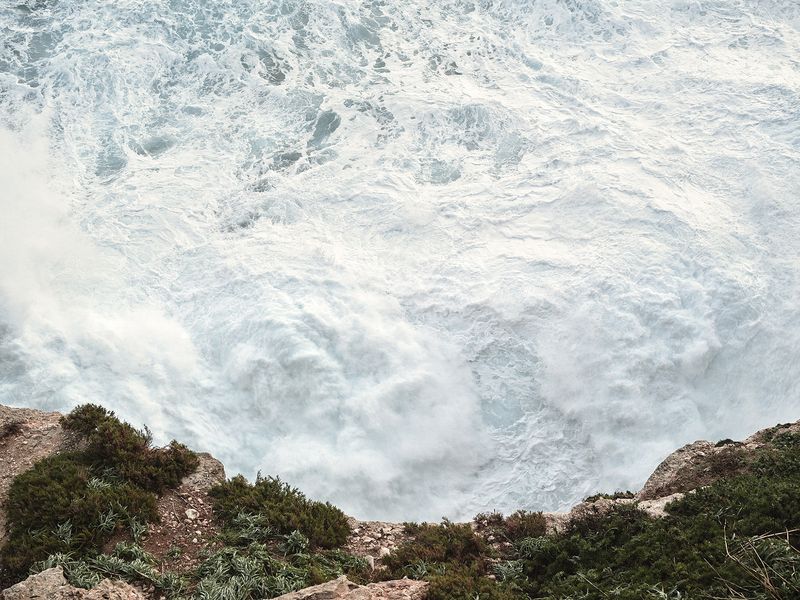
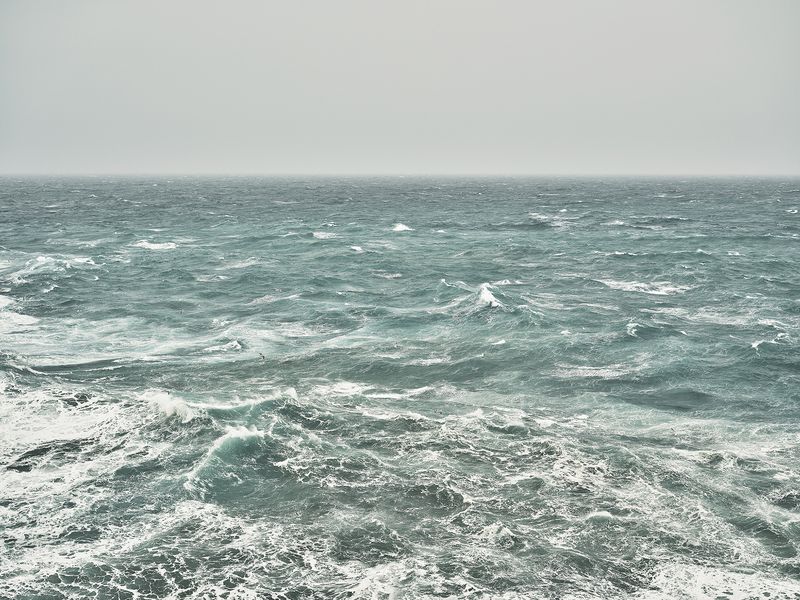
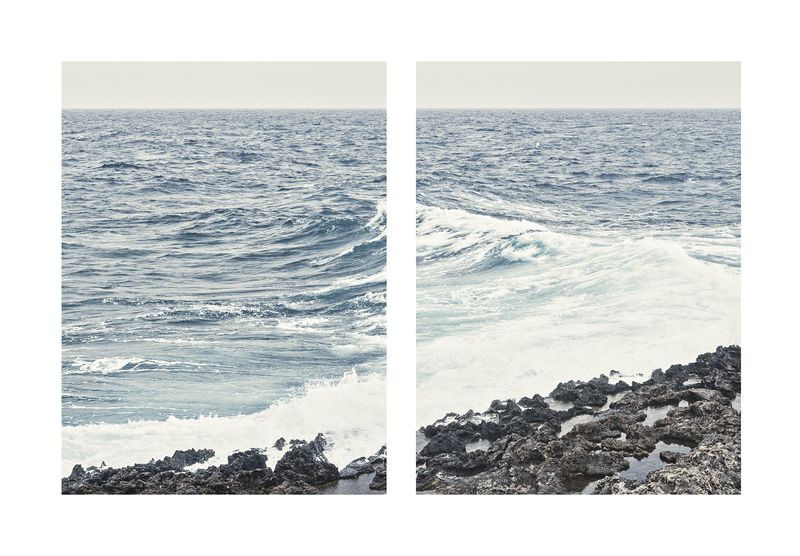
Starting in 2025, this dialogue with the sea resumed, partly through the usual ritual modalities, partly through different approaches. A new chapter opened with Lampedusa Gateway to Europe (2026), where the sea is probed through a dialogue centered on the ability – real or presumed – to look closely around, to make mente locale: that is, to connect literally with the patch of world before us. Through that framed fragment, images offer the viewer elements at once seductive and dissonant: alluring in their beauty, yet laced with a tension that provokes an inquisitive, unsettled gaze, inviting reflection on what unfolds before our eyes.
The sea thus becomes the threshold between human limits and vastness, between what emerges and submerges, between here and elsewhere – and between self and other –, charged with meanings sometimes symbolic, other times starkly concrete, as on Lampedusa*.
*Lampedusa is a small Italian island in the southern Mediterranean, closer to Africa than to Italy and a frequent landing point for migrants from Libya.