Sea of Cortez and an imagined family portrait
-
Dates2021 - Ongoing
-
Author
- Locations Baja California, México, Baja California Sur
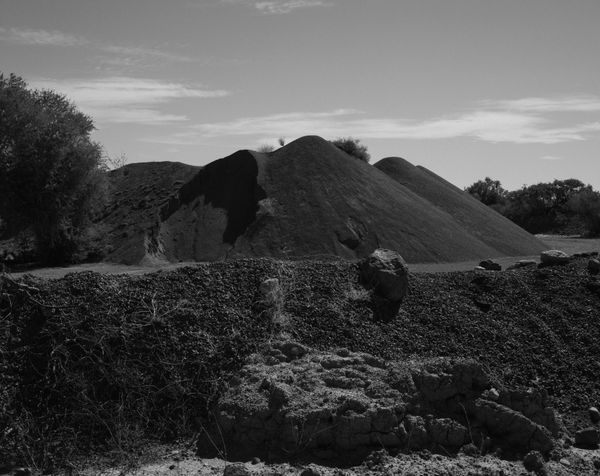
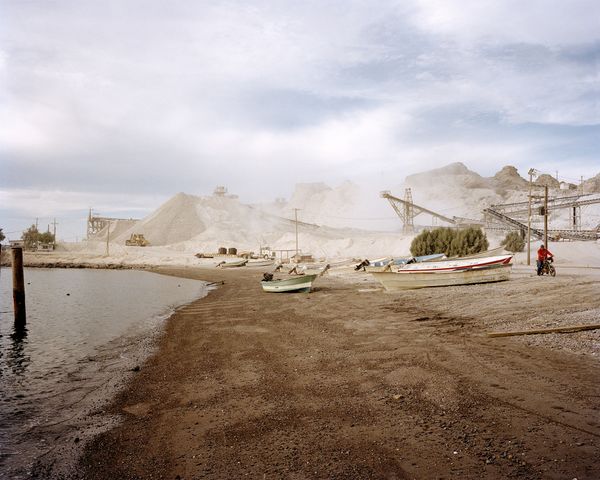
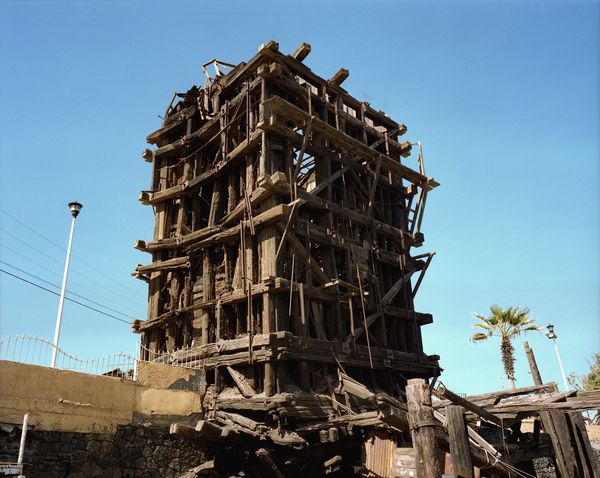
Between two plateaus in the center of the Baja California peninsula, due to the discovery of large quantities of copper in their lands, the town of Santa Rosalía was founded in 1885. President Porfirio Díaz with his colonization policy, granted the concession of exploitation of the territory for 50 years to the French company Del Boleo, exempting them from paying export taxes, in exchange for occupying vacant land, and offering jobs and a living situation for workers. The project began with 100 Yaqui inmates brought from Guaymas, joined by workers from nearby areas and other parts of the world. In total, the company managed to export around 10,000 tons of copper per year to Europe and the United States.
In 1930 Francisco Percevault Sobarzo, the second of four children of a French former catholic priest and a Yaqui woman worked as an accountant at the El Boleo mine and lived with his wife and 4 children in the houses built for his workers. On September tenth 1931, the inhabitants who lived near the concrete dam that protected them from the passage of water were evacuated from their homes due to a hurricane that was approaching from the Pacific, as a precaution against its possible rupture. Francisco, proud of the construction of his house and with a newborn baby, decided not to take the warning personally, unfortunately, the dam gave way. Two of his children survived from his family when, holding on to a pole, they managed to free the water flow: 12-year-old Manuel and his 14-year-old brother, my grandfather Rodolfo Percevault Ceseña.
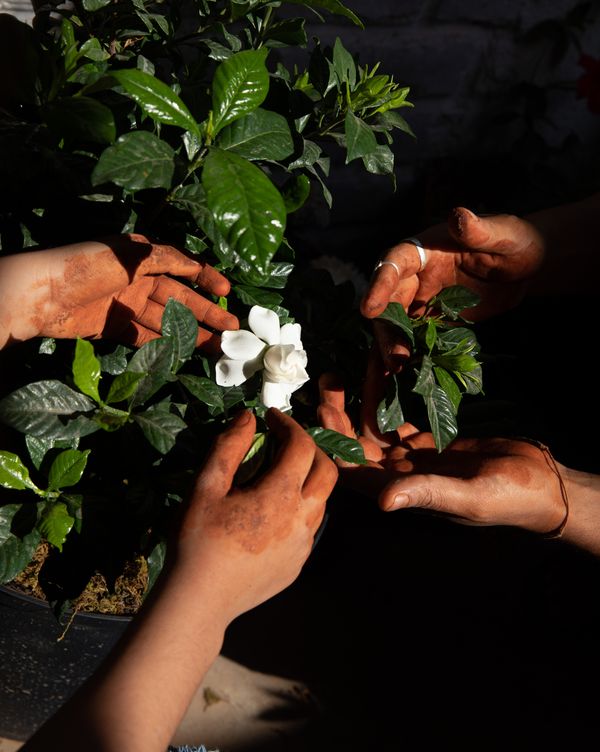
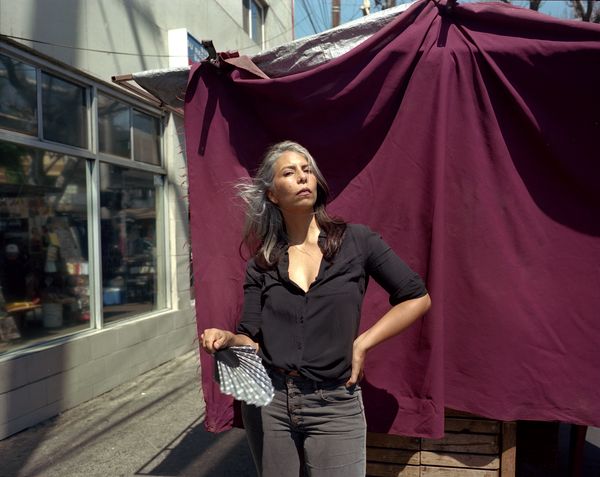
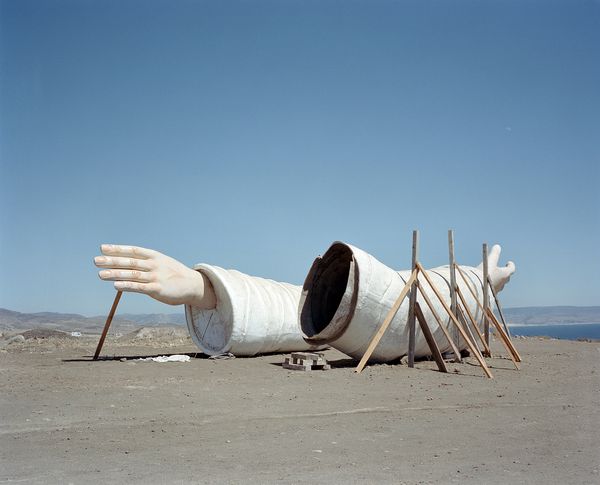
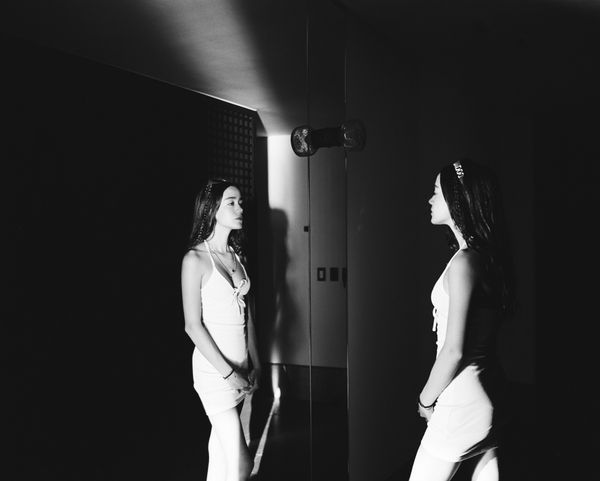
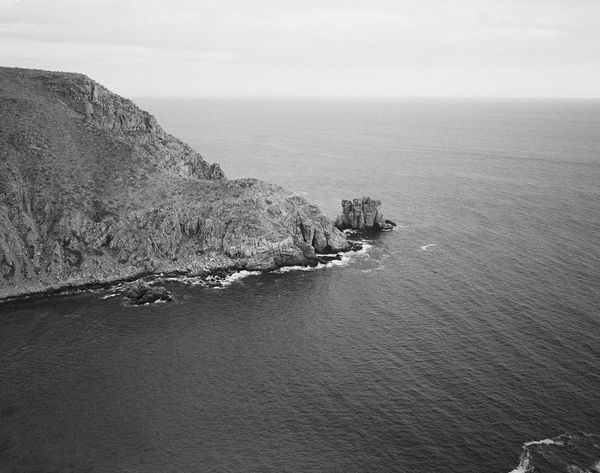
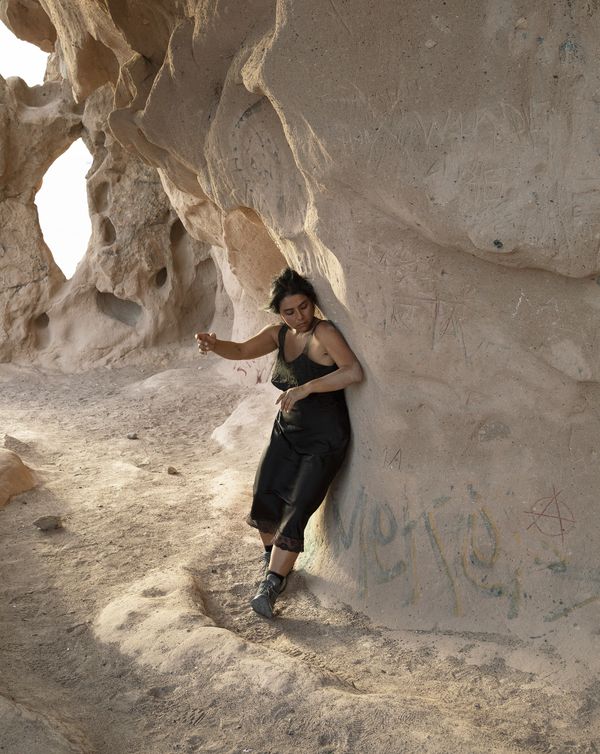
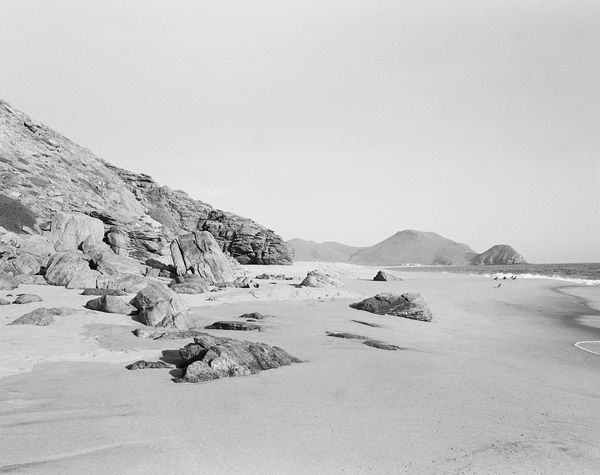
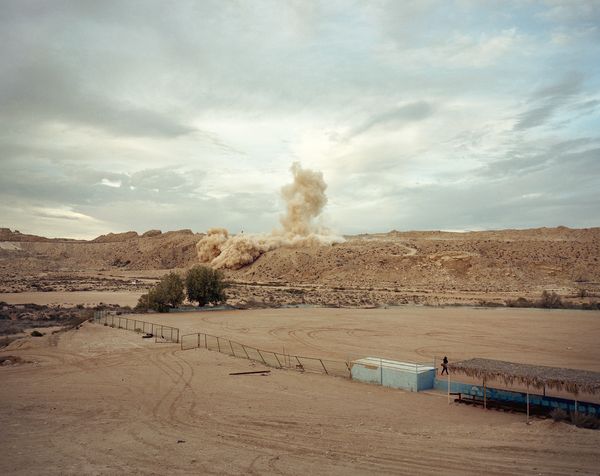
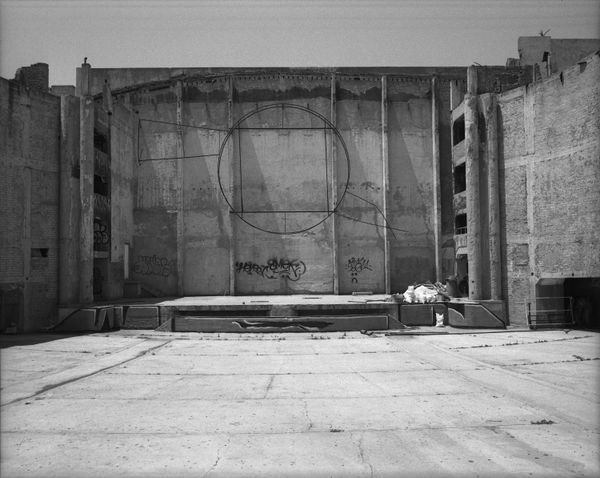
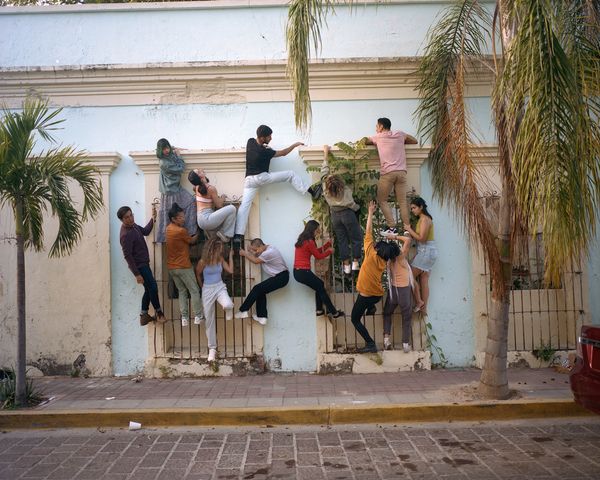
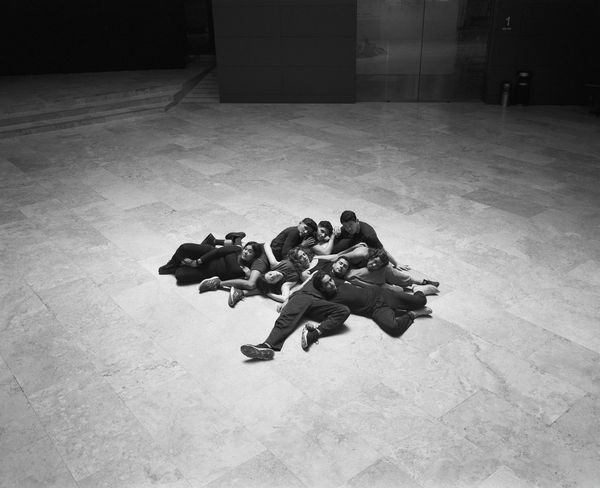
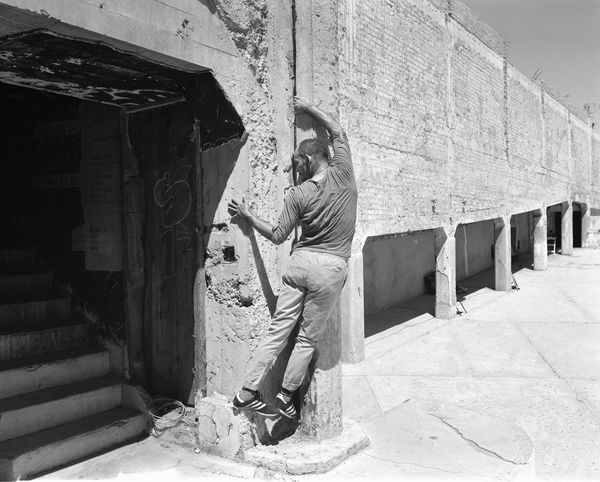
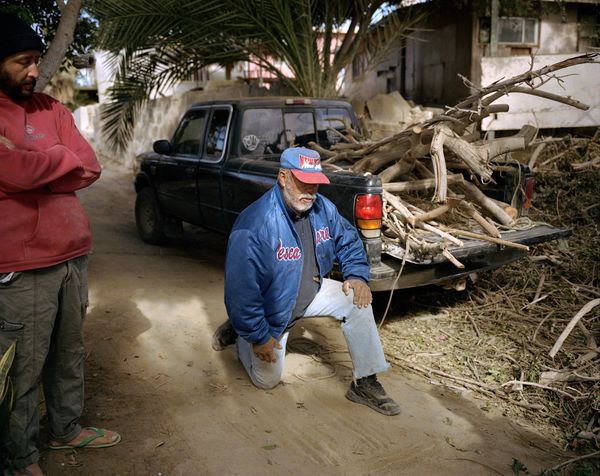
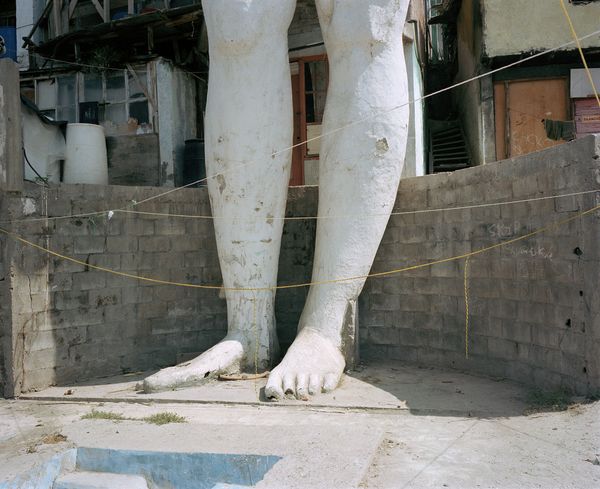
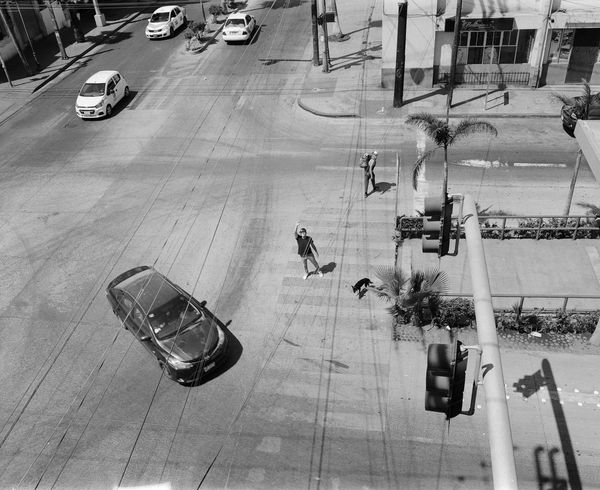
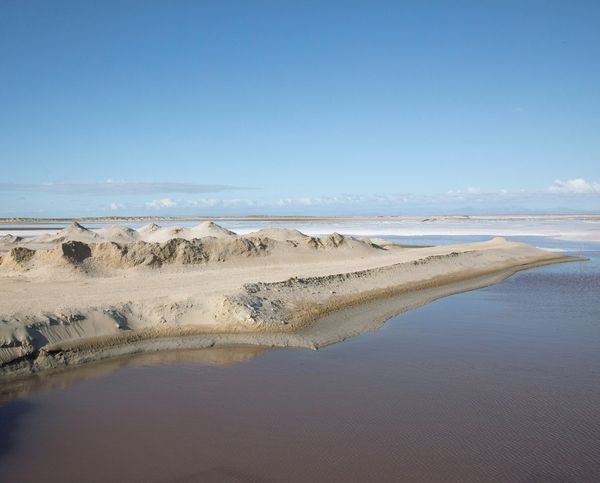
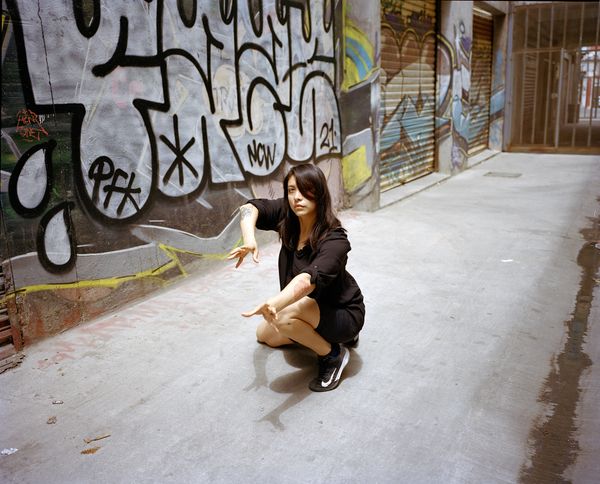
This project is a subjective documentary series that balances my family history and places they inhabited, the territories that surround the Sea of Cortez (otherwise known as the Gulf of California) people (sometimes my family) I find along the way and a series of collaborations with dancers and actors that I meet in the different towns and cities I visit. My intention is to explore the land with the help of the people I meet, to express some of the feelings of exploitation and leftovers that those mining histories have left in their path, as well as the inheritance of orphanhood that I still carry and project onto these places.