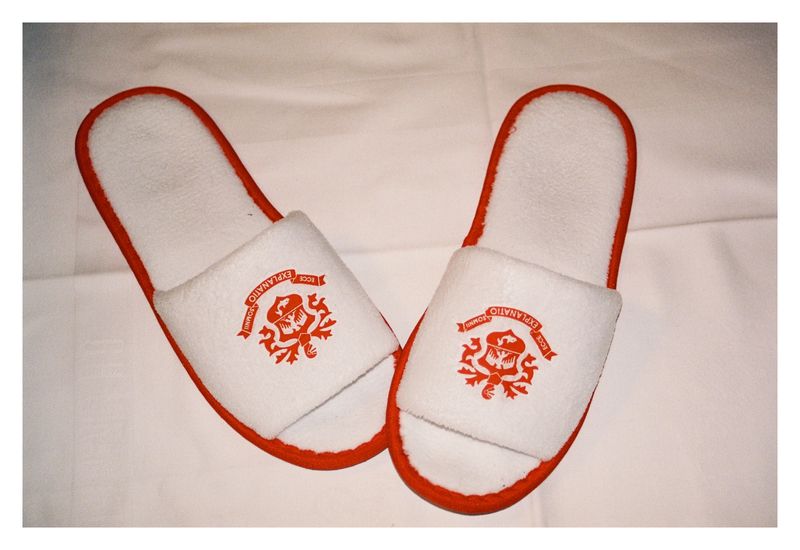
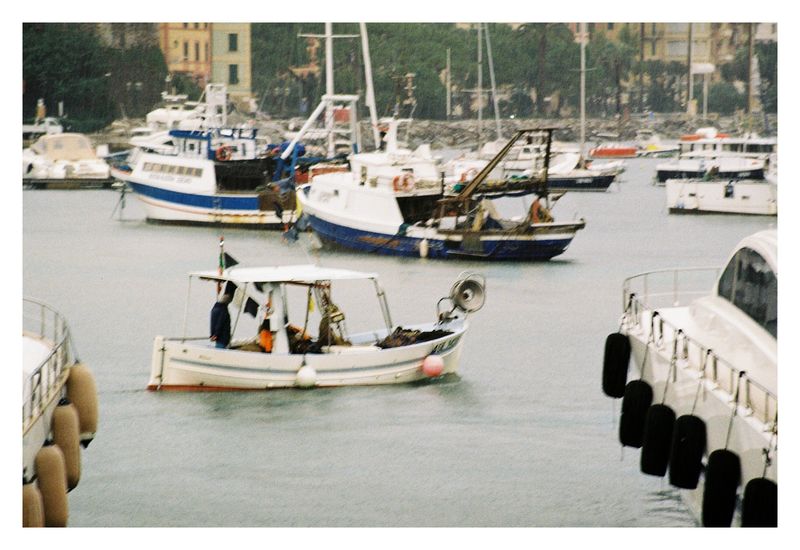
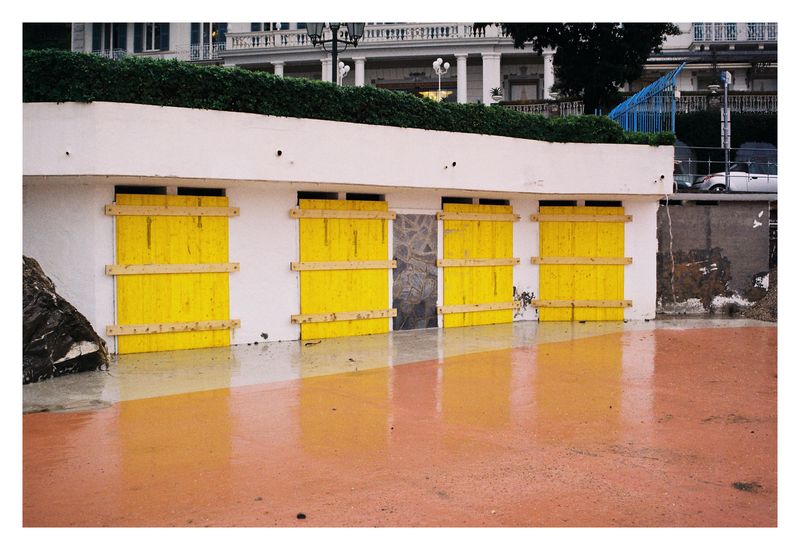
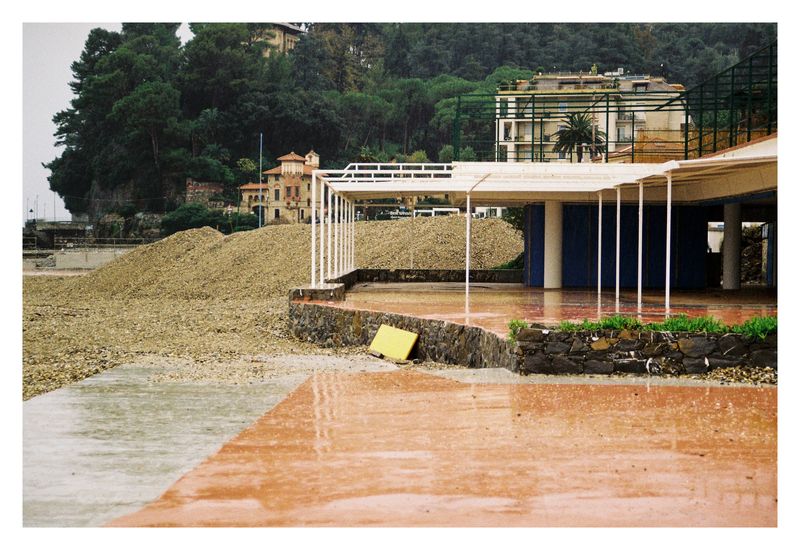
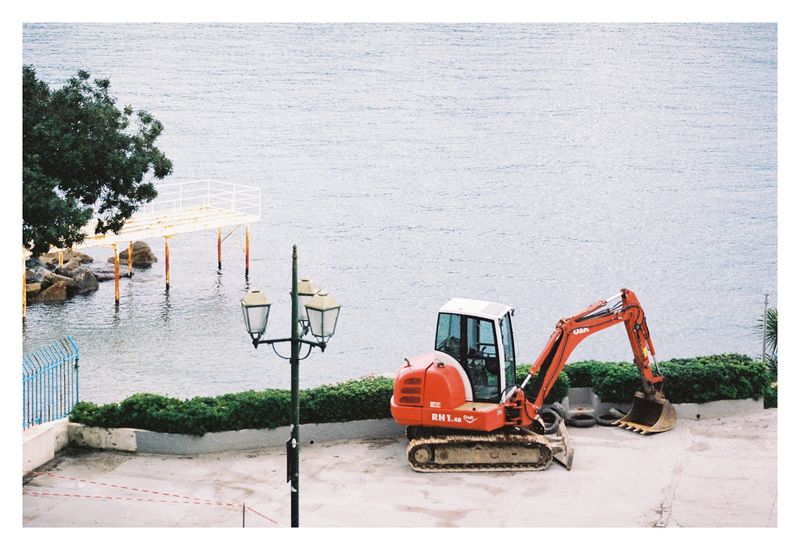
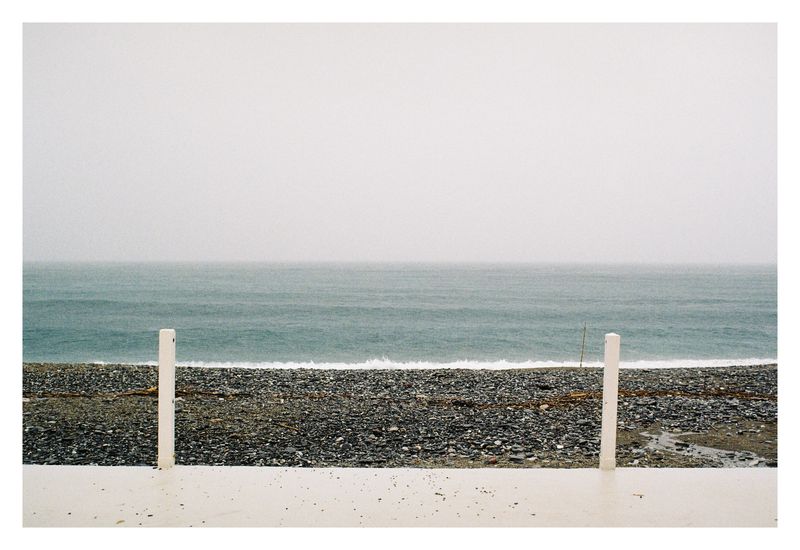
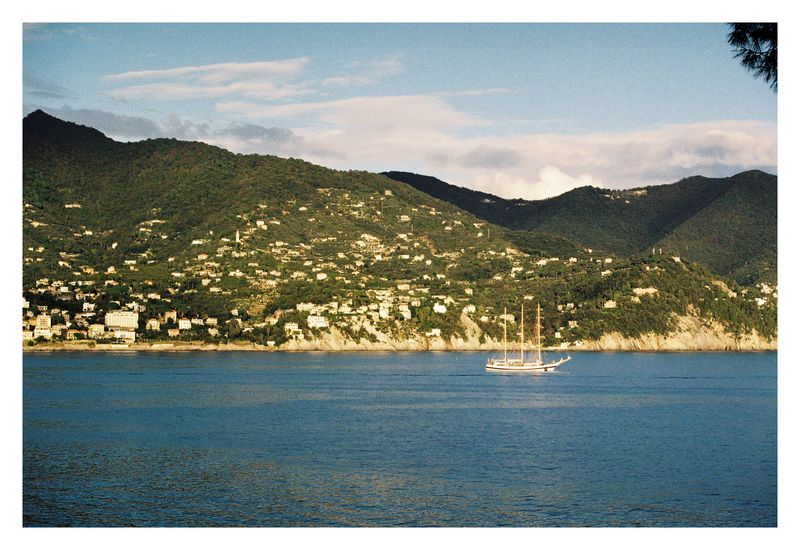
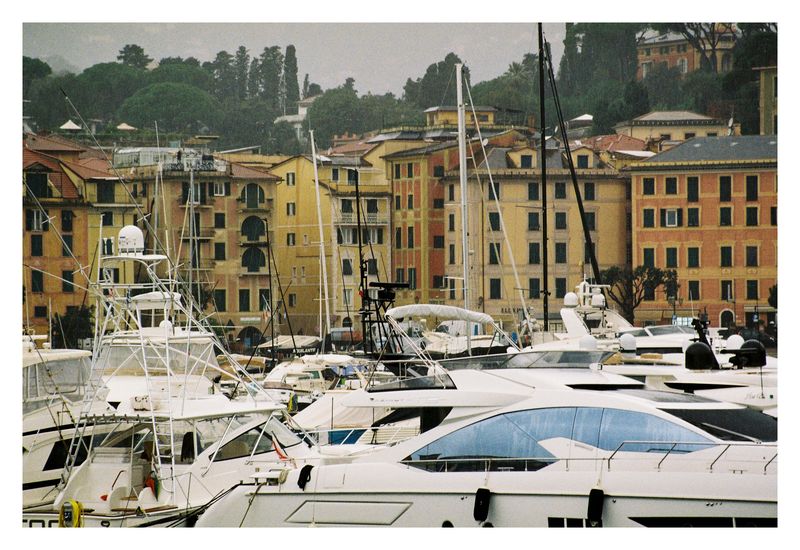
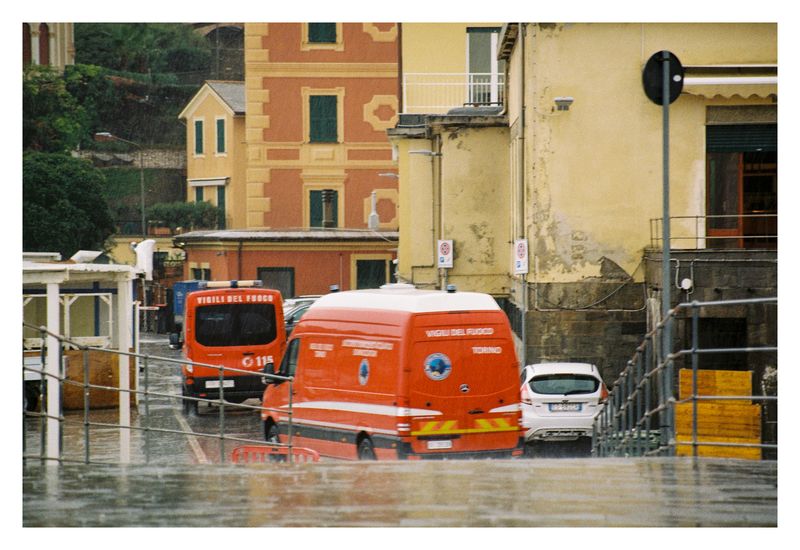
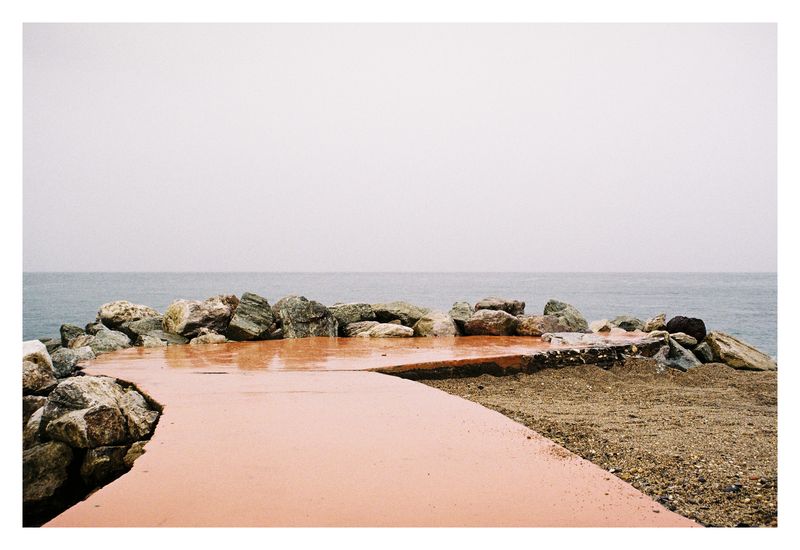
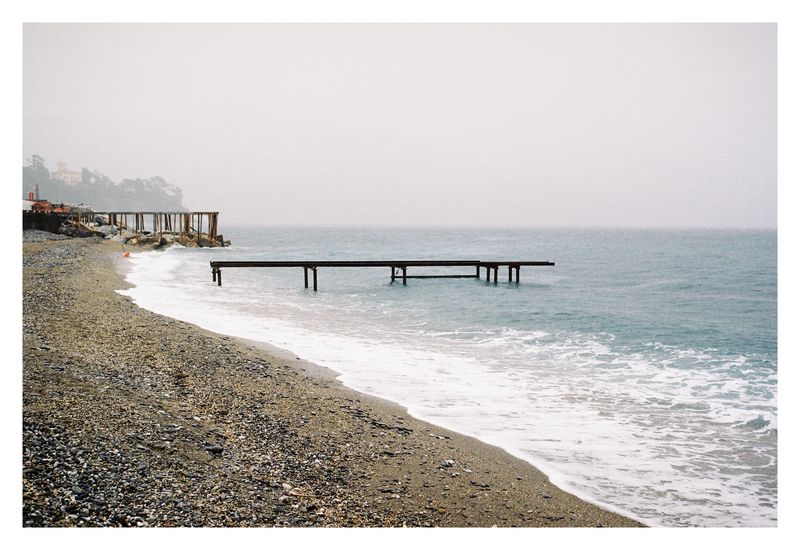
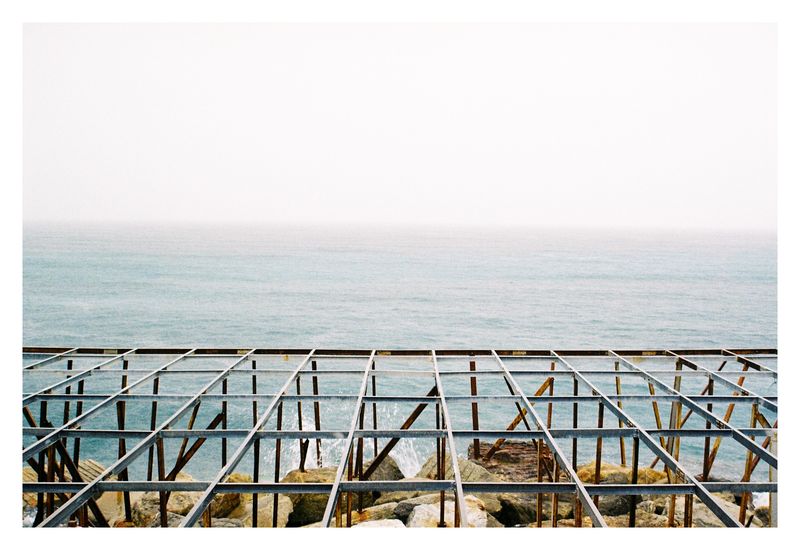
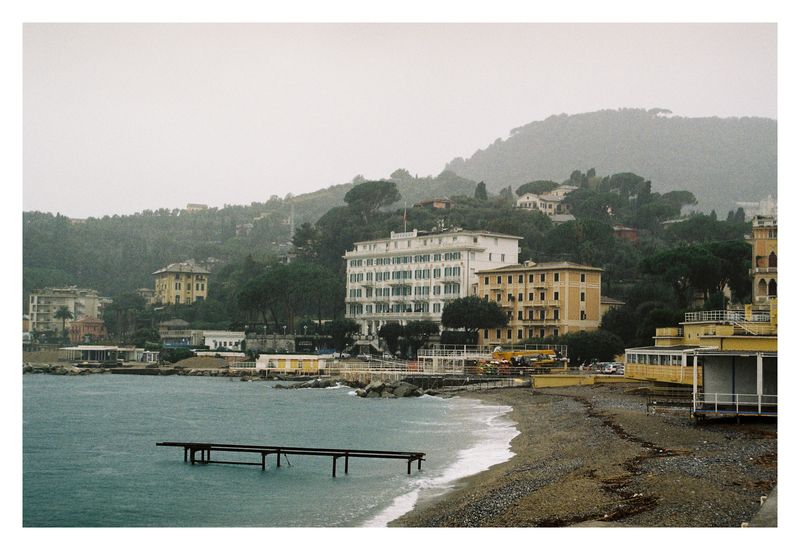
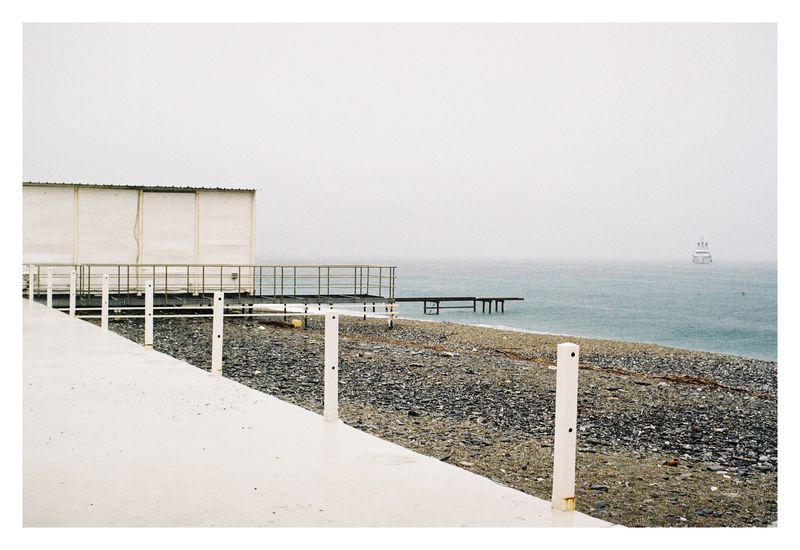
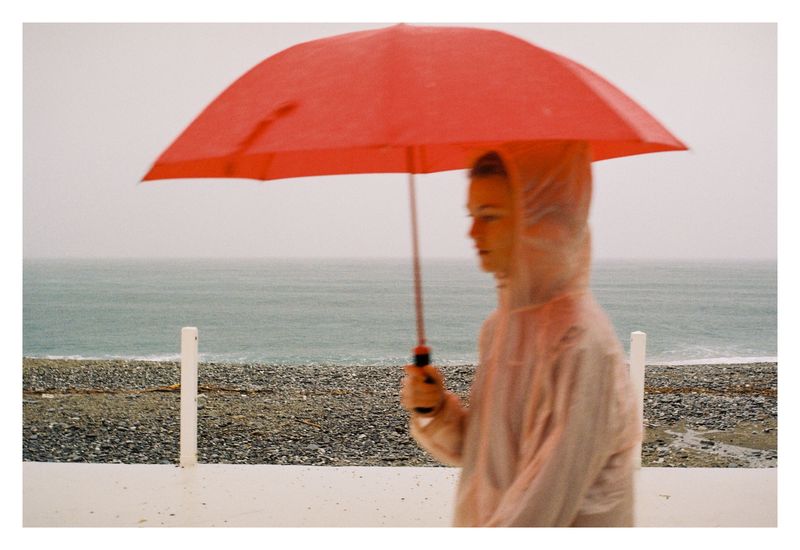
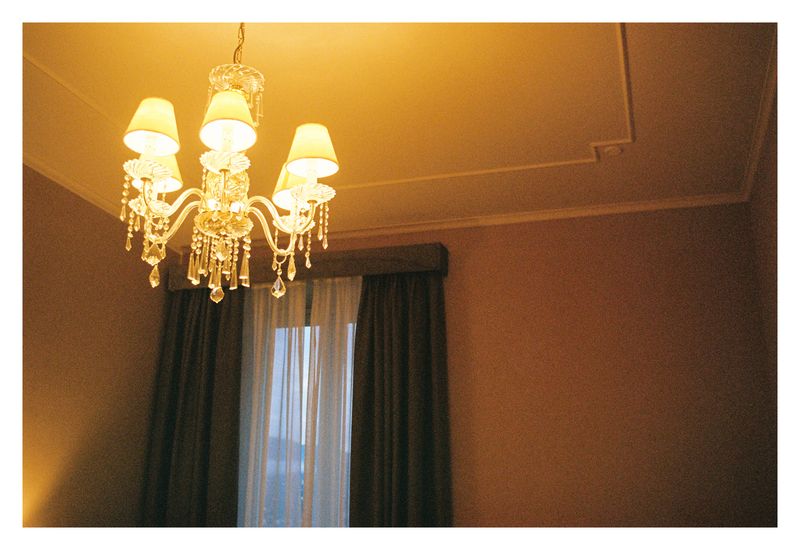
Santa Margherita, 2024
-
Dates2024 - Ongoing
-
Author
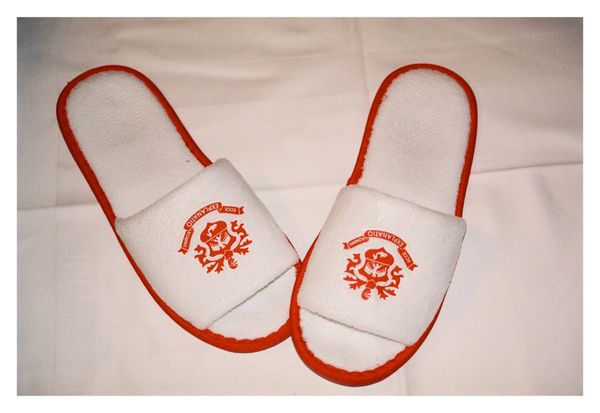
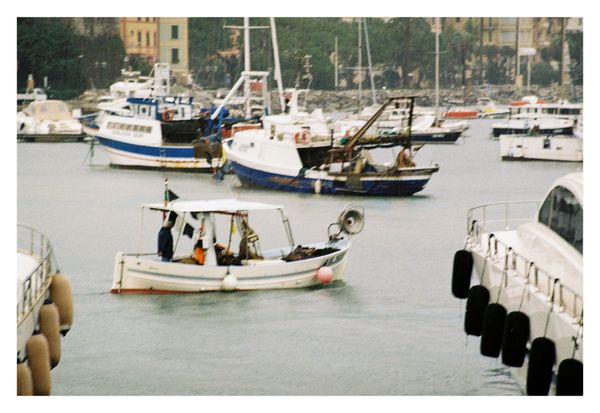
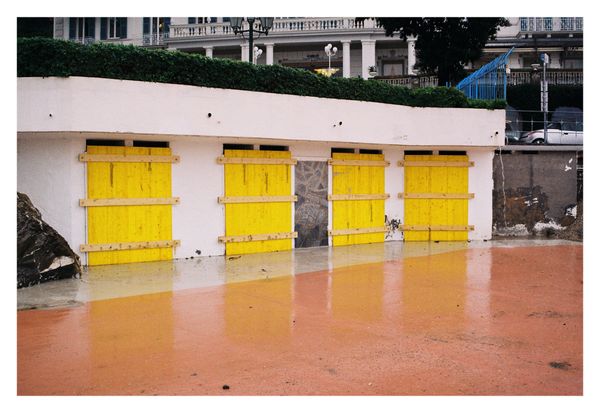
Series of images exploring the relationship between memory, attachment, and erasure. A visual investigation into the fragility of places and the disappearance of traces.
Santa Margherita, 2024, as a whole
Jean-Marie Reynier,
18.02.2025, Perroy
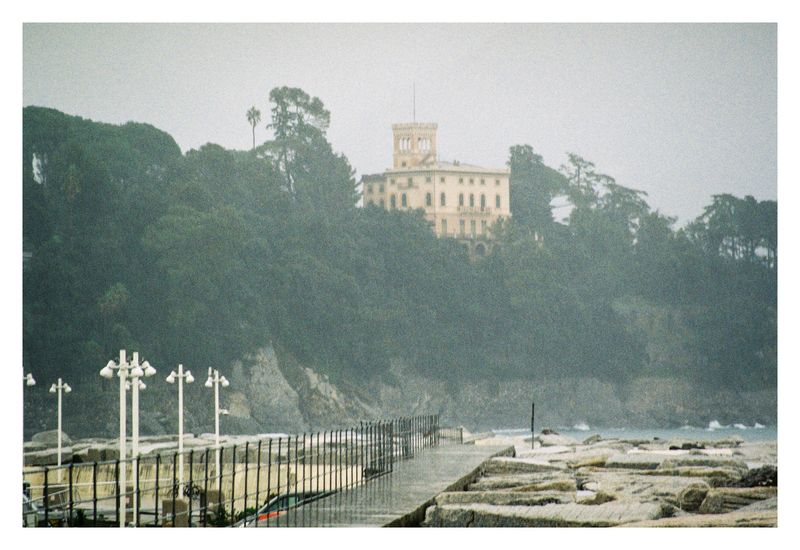
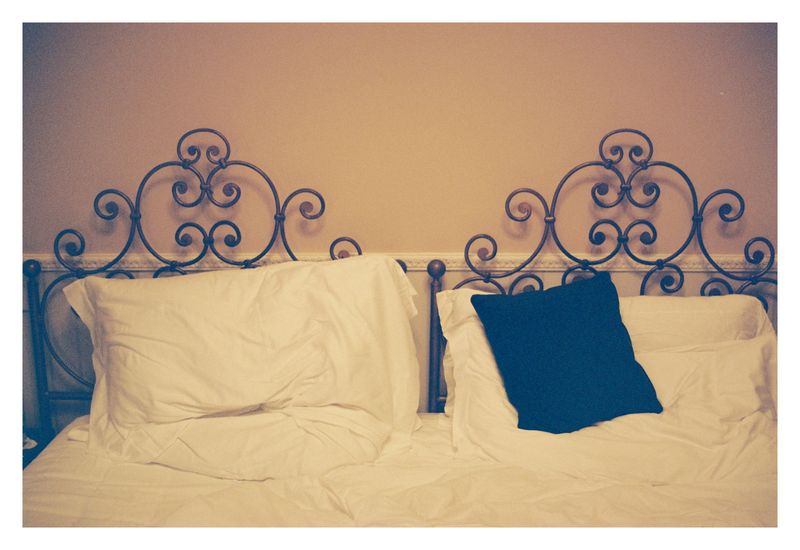
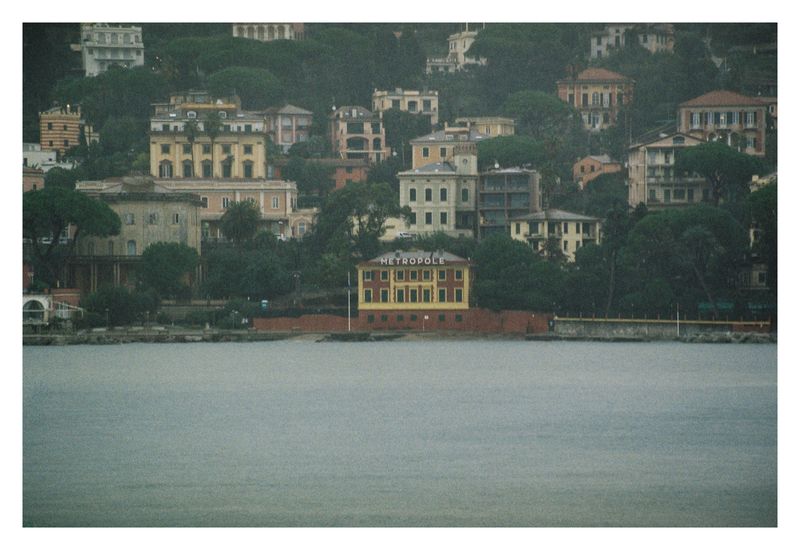
With Santa Margherita 2024, I am opening a new chapter in my artistic work on memory, attachment, and erasure. This cartella of forty photographs, made using analog techniques, is the result of a personal journey in which images allow me to explore the fragile aura of places and things I pass through and collect, with the keen awareness of their precariousness.
For some time now, I have turned away from painting, ink on paper, and purely visual arts. I found there was too much freedom to conceal. Photography, on the other hand, demands honesty. I feel more truthful with this medium: it captures what is there while revealing what is disappearing.
I was born in Switzerland to foreign parents. My emotional anchor has always been this small family nucleus – my mother, my father, my brother, my sister. Around us, the idea of an extended family did not truly exist. It was distant, in the south of France, appearing like a celebration or an epiphany. This absence has, over the years, driven me to construct a floating sense of belonging, made up of meta-places. Santa Margherita is one of them, but it could be Lugano. Lugano could be Avignon. Avignon could be Lisbon, or Marseille, Nantes, Tokyo, Arles, Turin, the Marais in Paris, Château-d'Oex, and many others. These places are interchangeable. They form an affective geography without a center. They are spaces to which I return, where I try to recover something, all the while knowing that I am always arriving too late.
These are non-places that I have nonetheless gradually invested with meaning. I have created a family within them. They have become my memory palaces. But I also feel them as vanitas: those fragile images in which we sense that everything is doomed to disappear. Because what I love, I already know is lost. Photographing a facade in Lisbon or a curtain lifted by the wind in Marseille is an acknowledgment of their imminent oblivion. I capture what is destined to vanish, knowing that the image itself will not return it to me.
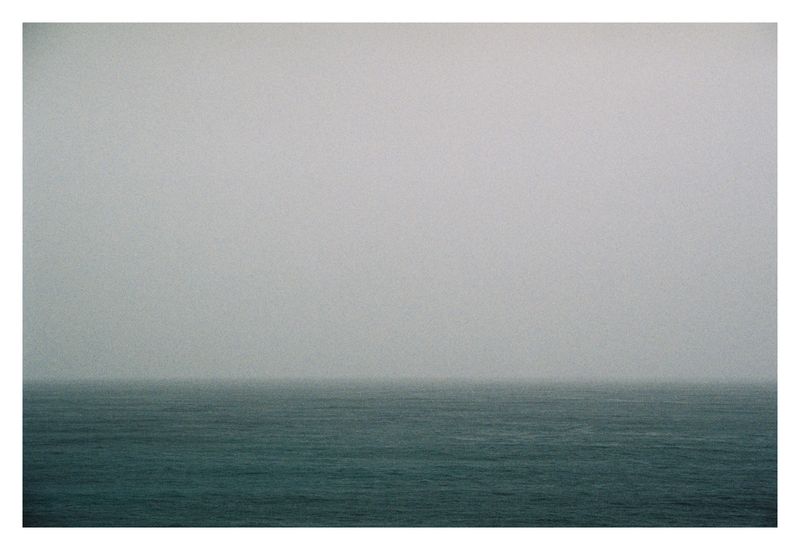
This act is haunted by the shadow of Ananké – that implacable necessity. Time erodes bodies, wears down facades, and erases places. But it is precisely this erasure that I accompany. Fixing a place in an image is, in some way, accepting it. There is, in this practice, something I associate with Hiroshi Sugimoto's horizons, where sky and sea merge into a suspended temporality. But I also recognize in it the soft, frontal light of Luigi Ghirri, that gaze upon the ordinary, where an instant becomes a relic. I perceive as well the shared fate of bodies and places in Zola, along with the voice of Anna Maria Carpi, whose poems modestly speak of the little that remains – that faint trace we hold onto from what escapes us.
These images are not testimonies. They are rooms of my own, where I can return. They hold the memory of that family nucleus (both old and renewed through love and friendship) to which I am attached – the only thing that endures, while keeping its distance. They are places to remember that we were together.
With Santa Margherita 2024, I seek to capture what trembles: what persists despite everything, what continues, gently, while fading away.